


This article was written and reviewed by Serge, MSc. I hold degrees in Plant Biology, Environmental Biology and Biogeochemistry, with research experience in plant physiology, ecosystem science, and field-based environmental studies. Every article on this site is grounded in real academic training and genuine scientific research.
Affiliate disclosure: This site has affiliate links, including Amazon. As an Amazon Associate I earn from qualifying purchases, at no extra cost to you.
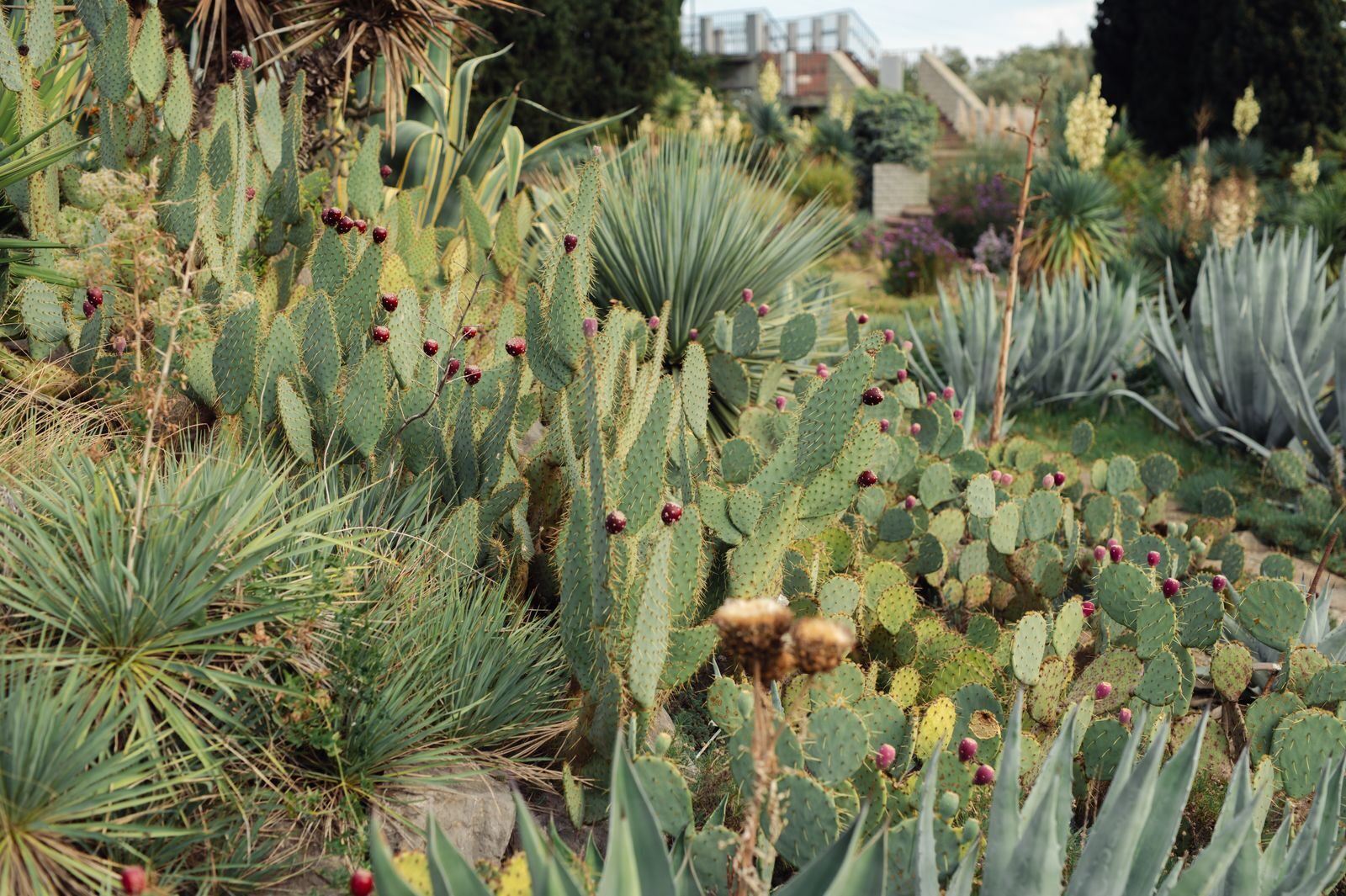
Most gardening advice about drought tolerant plants gives you a list and stops there.
Lavender. Sedum. Rosemary. Echinacea. Plant these and you will be fine.
The problem is that list tells you nothing about why those plants survive and others do not. And when you understand the why, something useful happens. You stop needing the list. You can look at any plant, read its structure, and make a reasonable prediction about how it will behave when water runs out.
I studied how plants respond to environmental stress during my plant ecological stress physiology training. That course covered the cellular and physiological mechanisms behind stress responses in detail. How plants detect water deficit, how they signal between tissues, how they adjust their biochemistry to survive conditions that would kill a less adapted species. It was one of the most practically useful things I studied because those mechanisms show up directly in every garden during a dry summer.
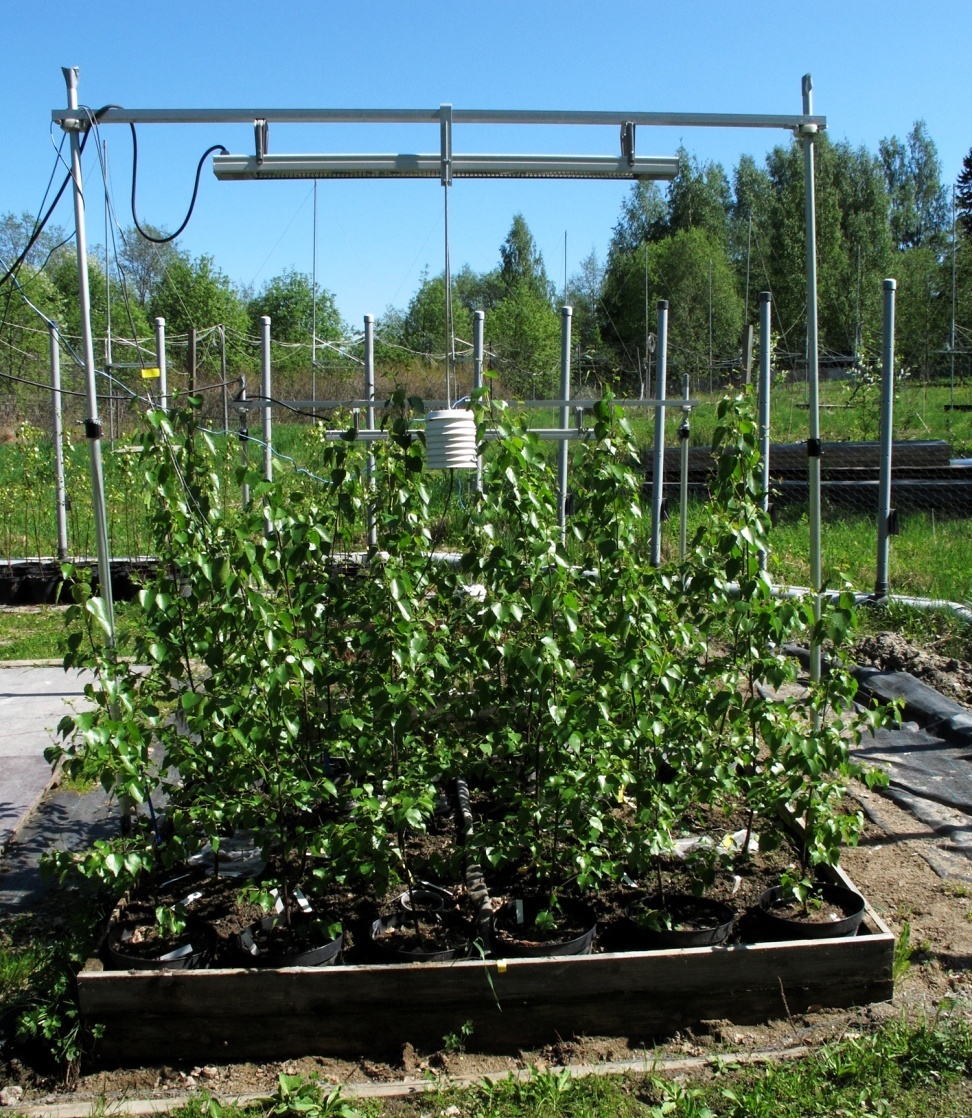
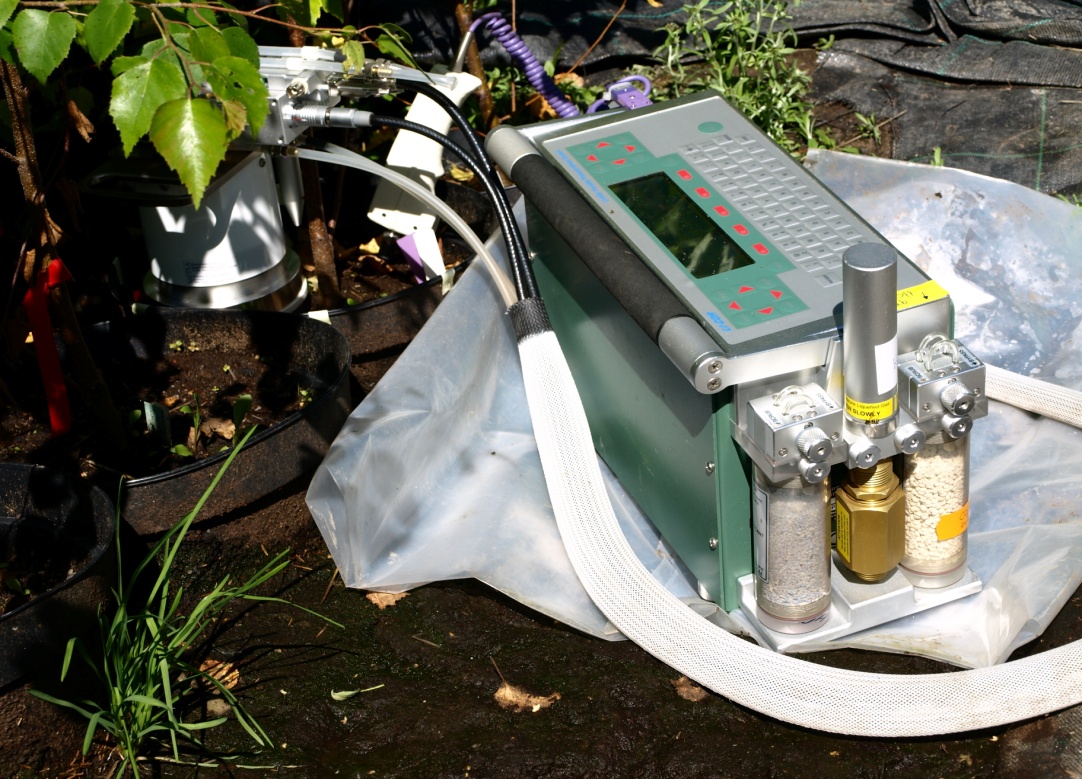
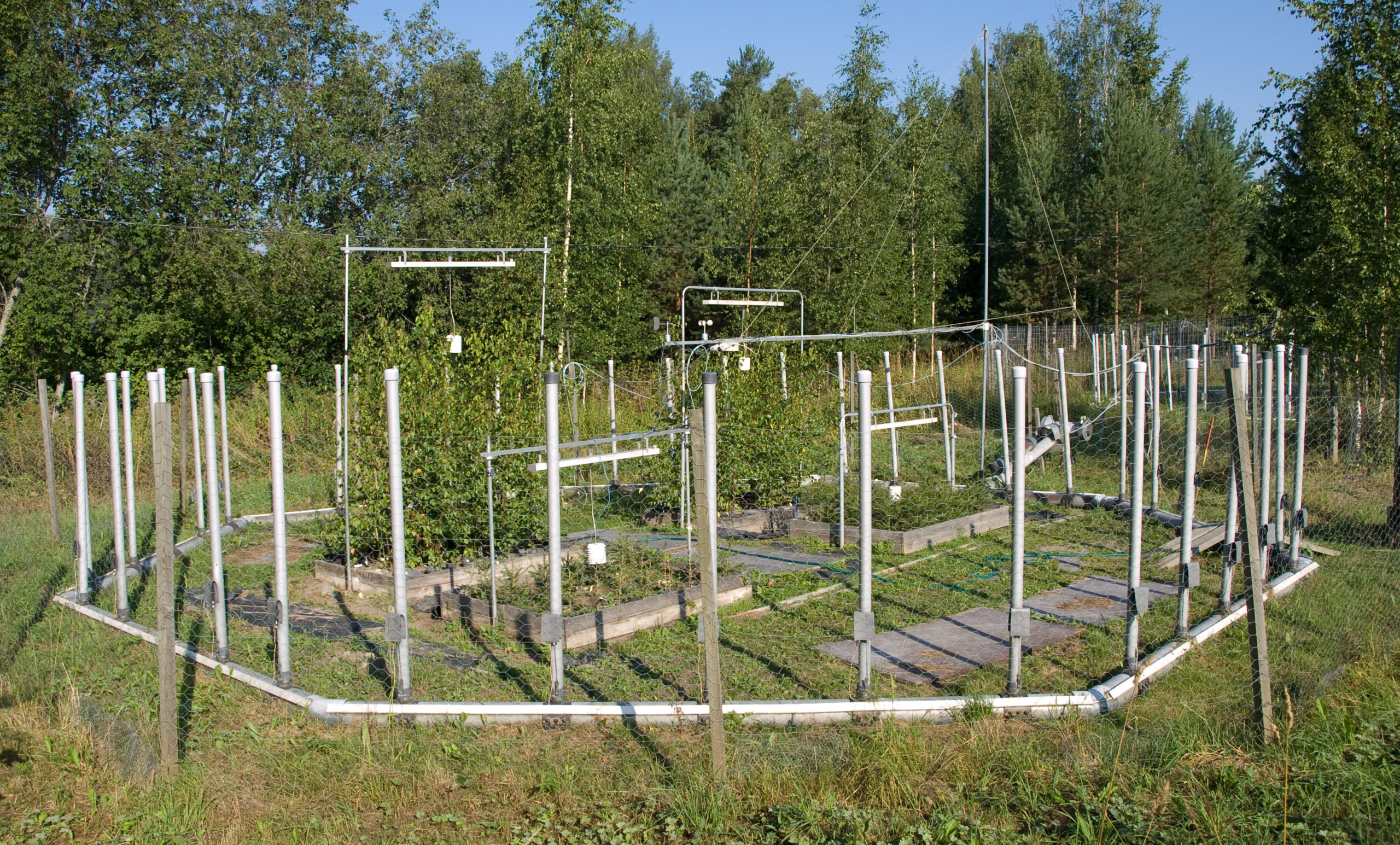
My field research gave me a different angle on the same subject. I spent a full growing season measuring how Silver Birch trees responded to combined environmental stressors including elevated temperature, elevated ozone, and the natural variation in water availability across our experimental plots. Watching how different tree genotypes allocated resources differently under stress showed me that even within a single species the drought response is not fixed. It depends on genetics, soil conditions, and the history of stress the plant has experienced.
Here is what that background tells me about drought tolerance and what it actually means for your garden.
The Four Ways Plants Deal With Drought
This is where most articles miss the point entirely. They list drought tolerant plants without explaining that plants use fundamentally different strategies to survive dry conditions. Knowing which strategy applies to which plant tells you far more than a label ever can.
Drought Escape
Some plants do not survive drought at all. They escape it by completing their entire life cycle before the dry period arrives.
Annual wildflowers are the classic example. They germinate after rain, grow rapidly, flower, set seed, and die before the soil dries out significantly. The plant itself does not survive the drought. The seeds do. Next rain triggers the next generation.
In your garden this strategy explains why some annuals perform brilliantly in dry conditions. Not because the adult plant is drought tolerant but because it is fast enough to finish its life cycle before drought becomes a problem. Understanding this helps you time sowings correctly and manage expectations about what happens when drought arrives mid-season.
Drought Avoidance
This is the most common strategy in garden plants and the one most people associate with drought tolerance.
Drought avoiders do not tolerate being dry. They avoid becoming dry in the first place through structural and physiological adaptations that reduce water loss or maximise water uptake.
The most important mechanism here is stomatal control. Stomata are the tiny pores on leaf surfaces through which plants take in CO₂ for photosynthesis and lose water through transpiration. When soil moisture drops plants produce a hormone called abscisic acid, ABA, which travels from roots to leaves and triggers stomatal closure. The plant seals itself against water loss before significant dehydration occurs.
My plant ecological stress physiology training covered ABA signalling in detail. What struck me about this system was its speed and sensitivity. Plants can detect and respond to soil water deficit through ABA signalling before leaves show any visible signs of stress. The stomata are closing and water conservation is underway long before you notice anything looking wilted. By the time a plant looks drought stressed the response system has often been running for days.
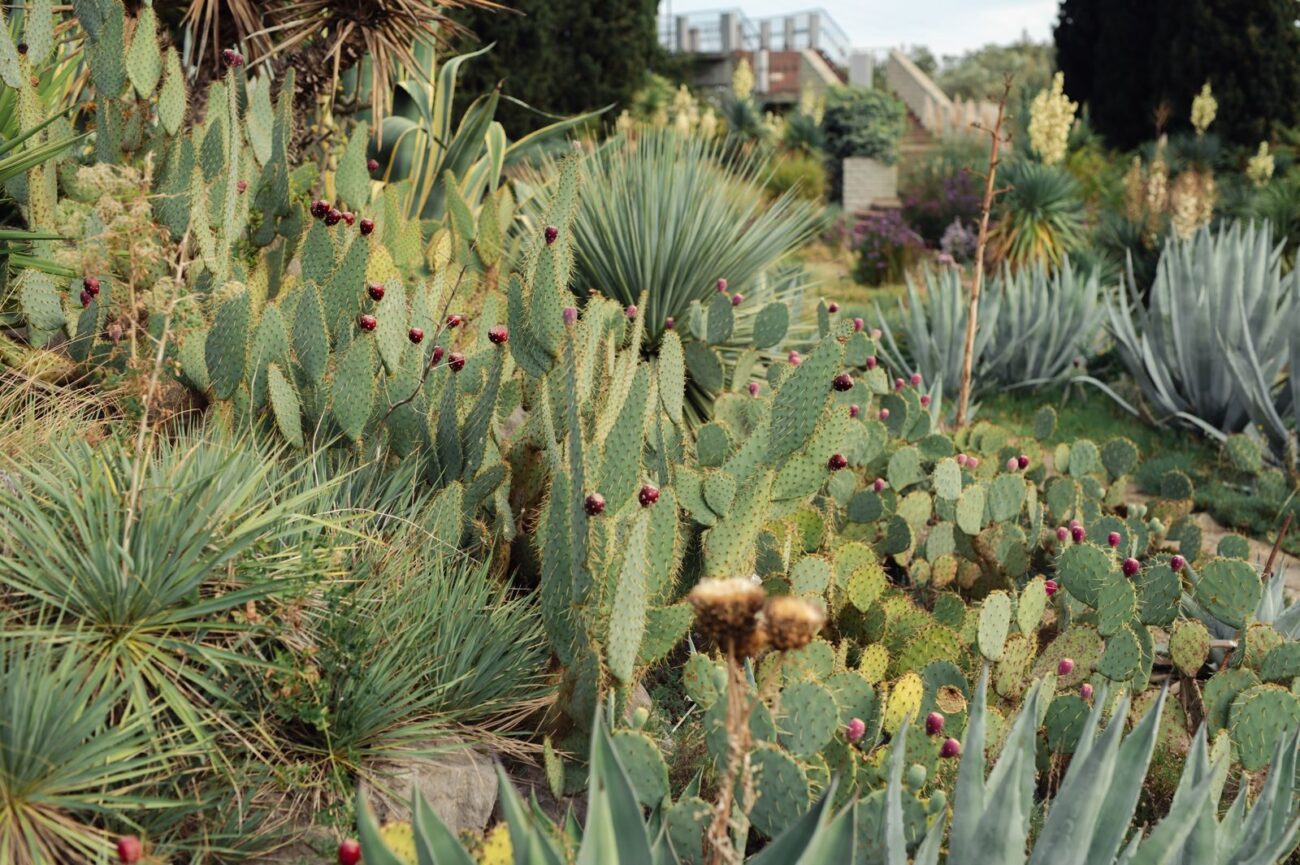
Other avoidance mechanisms include deep root systems that access water in lower soil layers, waxy or hairy leaf surfaces that reduce cuticular water loss, reduced leaf area that limits total transpiring surface, and CAM photosynthesis in succulents that allows gas exchange at night when temperatures are lower and evaporative demand is reduced.
Drought Tolerance
True drought tolerators can survive actual cellular dehydration. Water loss that would kill most plants. This is the rarest and most extreme form of drought survival.
Resurrection plants are the most extreme example. Certain mosses and flowering plants in this category can lose up to 95 percent of their cellular water and fully recover when rehydrated. They do this through specialised proteins and sugars that protect cellular structures during desiccation.
Most garden plants described as drought tolerant are actually drought avoiders rather than true tolerators. The distinction is important because a drought avoider stressed beyond its avoidance capacity will die just like any other plant. A true tolerator survives even when avoidance mechanisms have been exhausted.
Drought Recovery
Some plants tolerate significant water stress and then recover quickly when water returns. They do not avoid dehydration as effectively as avoiders but they repair cellular damage efficiently once moisture is available again.
Many deciduous plants use this strategy partially. They shed leaves during drought to reduce water demand and then recover vigorously when conditions improve. Understanding that some apparent drought damage is actually a temporary recovery response helps gardeners avoid discarding plants that are still viable.
What Drought Stress Actually Does to a Plant?
Understanding what goes wrong during drought helps you recognise stress early and respond before serious damage occurs.
Stomatal closure reduces photosynthesis
When stomata close to conserve water they also restrict CO₂ entry. Photosynthesis slows. The plant produces less energy for growth, defence, and reproduction. This is why drought stressed plants grow more slowly, produce fewer flowers, and become more vulnerable to pest and disease attack. They are running on reduced energy.
Osmotic stress at the cellular level
As soil water becomes less available the concentration of solutes in soil water increases. This creates an osmotic gradient that makes it harder for roots to extract water. Plants respond by accumulating compatible solutes inside cells, sugars, amino acids, and other compounds, to maintain osmotic balance and keep water moving inward. My plant stress physiology training covered this osmotic adjustment process in detail. It is metabolically expensive and diverts resources away from growth.
Reactive oxygen species accumulate
Under severe drought stress cells accumulate reactive oxygen species. These are highly reactive molecules that damage proteins, membranes, and DNA. Plants have antioxidant defence systems to manage this but under prolonged severe stress these systems become overwhelmed. This is the cellular basis of the visible damage you see in severely drought stressed plants. Browning leaf edges, necrotic patches, and tissue death.
This is the same category of cellular damage I studied in the context of ozone stress during my field research. Ozone entering leaf tissue also generates reactive oxygen species. The cellular defence mechanisms overlap significantly between ozone stress and drought stress which was one of the more interesting findings in the research literature I was reading at the time.
Root to shoot signalling breaks down
Under moderate drought root-to-shoot ABA signalling coordinates the plant response effectively. Under severe prolonged drought this coordination breaks down. Roots may continue sending stress signals but shoots lack the resources to respond effectively. At this point cellular damage accumulates faster than repair mechanisms can manage and recovery becomes unlikely without intervention.
What Makes a Plant Genuinely Drought Tolerant?
Several structural and physiological features predict drought tolerance reliably. When you understand what you are looking for you can assess a plant’s likely drought performance without needing to look it up.
Deep or extensive root systems
Plants with deep taproots or widely spreading root networks access water in lower soil layers that shallow-rooted plants cannot reach. In my biogeochemistry training I studied how root architecture affects water and nutrient cycling through soil profiles. Plants with architectural access to deeper moisture effectively extend their drought avoidance capacity significantly.
Small or reduced leaf area
Total water loss through transpiration correlates directly with total leaf surface area. Plants with small leaves, needle-like leaves, or highly dissected leaves lose less water per plant than broad-leaved species under equivalent conditions.
Waxy or hairy leaf surfaces
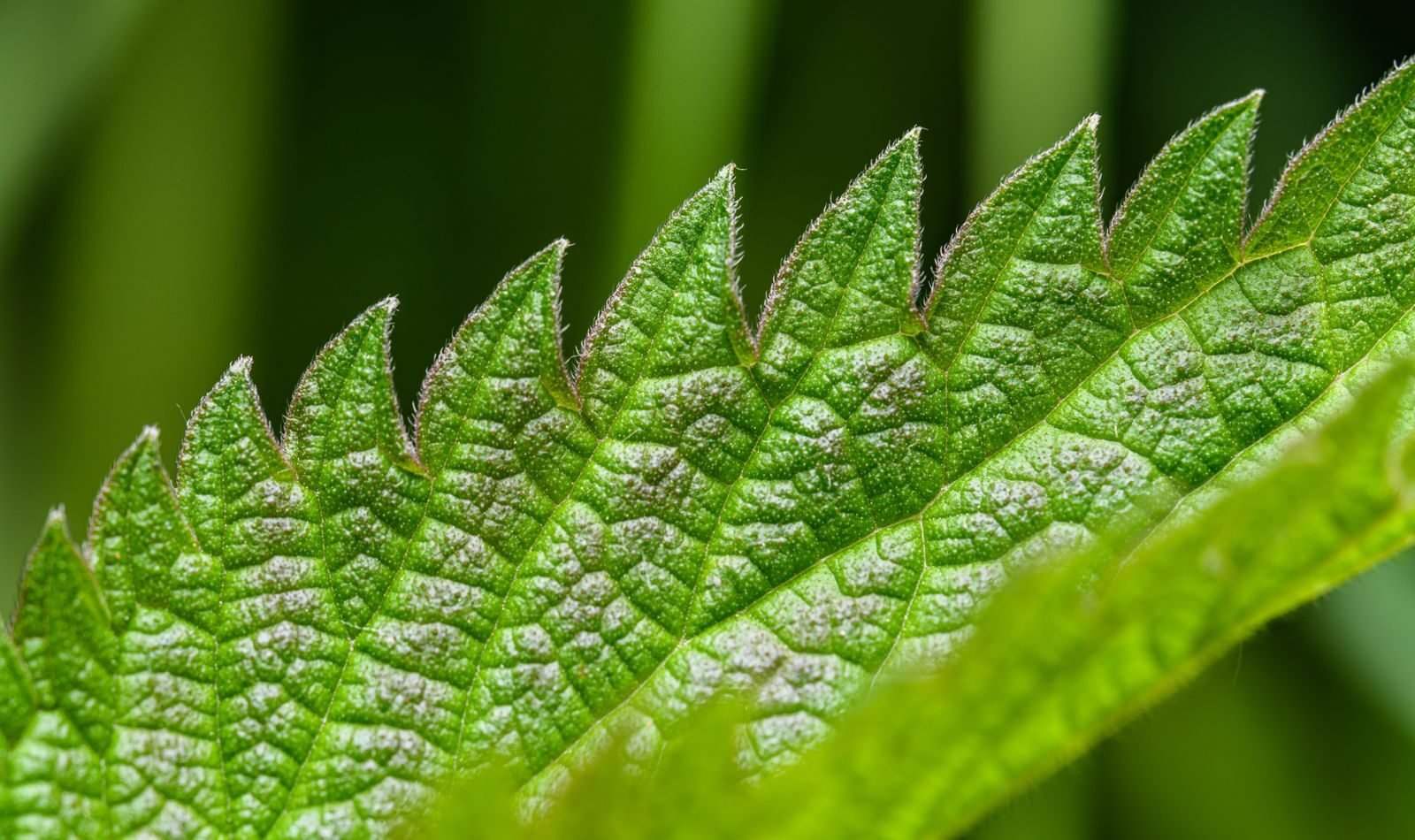
The silvery appearance of many Mediterranean herbs, lavender, sage, artemisia, comes from reflective trichomes and waxy cuticles that reduce both radiation absorption and cuticular water loss. These are visible physical adaptations you can assess by looking at and touching leaves.
CAM photosynthesis
Succulents and cacti use Crassulacean Acid Metabolism, a photosynthetic pathway that opens stomata at night when temperatures are lower and evaporative demand is reduced. They fix CO₂ at night and use it for photosynthesis during the day with stomata closed. This dramatically improves water use efficiency compared to standard C3 photosynthesis.
High ABA sensitivity
Plants that respond rapidly to early water deficit signals through efficient ABA signalling close stomata before significant dehydration occurs. This is less visible than structural adaptations but equally important for drought survival.
Drought Tolerant Plants Worth Growing
These are plants with genuine drought tolerance mechanisms, not just marketing descriptions.
Lavender
Mediterranean origin, waxy cuticle, small leaf area, deep root system, strong ABA stomatal response. One of the most reliably drought tolerant garden plants in temperate climates. Performs better under mild drought than with abundant irrigation.
Rosemary
Same Mediterranean adaptation suite as lavender. The resinous leaf coating reduces water loss. Do not overwater rosemary. It genuinely performs better under mild drought.
Sedum and Sempervivum
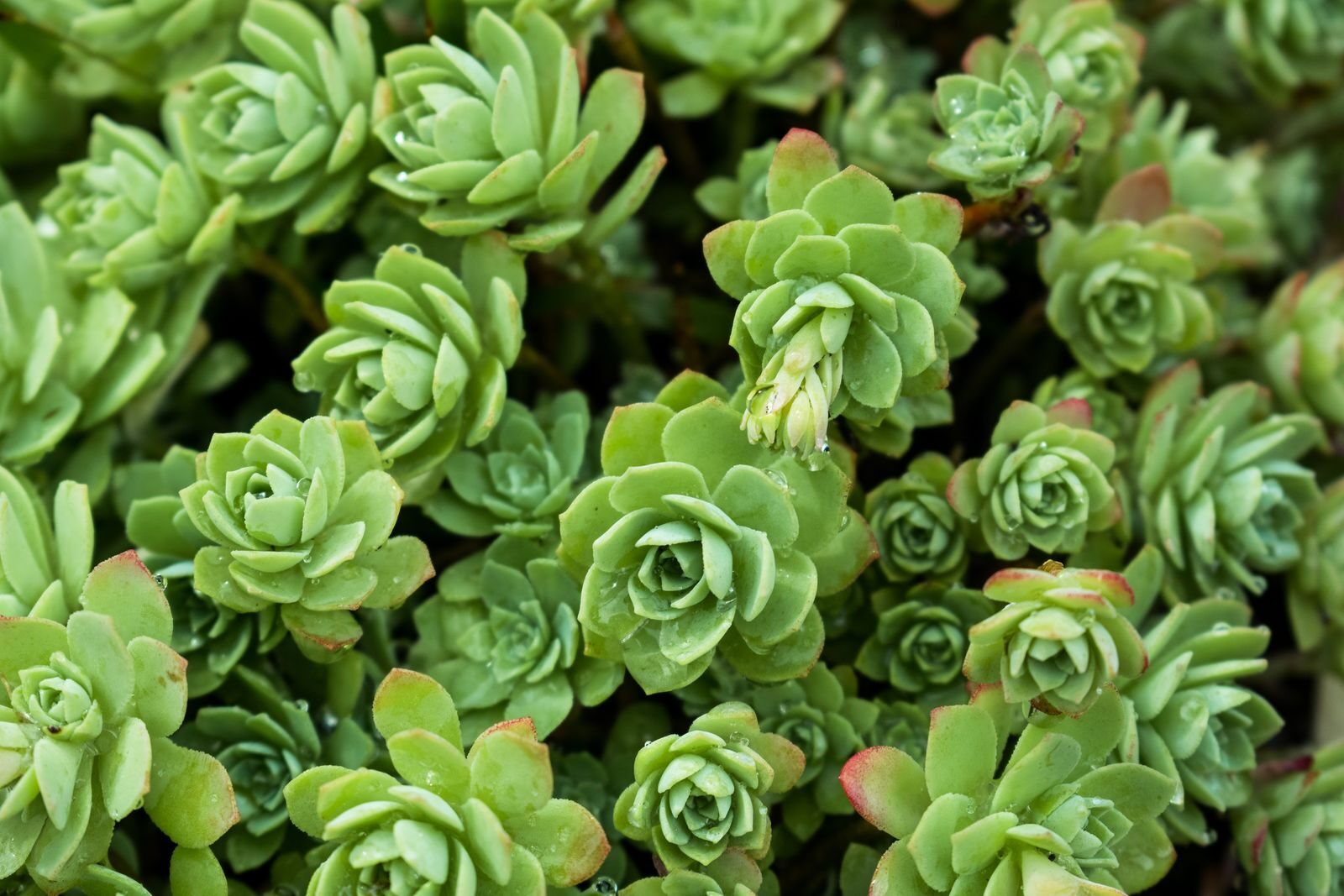
CAM succulents with water storage tissue. Genuinely tolerant of extended dry periods. The rosette architecture channels rainwater toward the root zone efficiently.
Echinacea
Deep taproot, native to North American prairies where drought is routine. Established plants survive extended dry periods with no irrigation.
Achillea (Yarrow)
Deep fibrous root system, feathery leaves with reduced surface area, highly drought tolerant once established.
Verbena bonariensis
Tall airy structure reduces wind resistance and water loss, drought tolerant once established.
Artemisia
Highly aromatic silver-leaved plants with reflective trichomes. The silvery colour is a direct visual indicator of drought adaptation mechanisms operating in the leaf surface.
Do Drought Tolerant Plants Need Water
Yes, during establishment. This is the most common misunderstanding about drought tolerant plants.
Drought tolerance describes a plant’s ability to survive dry conditions once its root system is fully developed. During the first growing season after planting the root system is shallow and limited to the original root ball. The plant is not yet drought tolerant in practice even if it will be eventually.
Regular watering during the first full growing season allows the root system to establish fully. After that most genuinely drought tolerant perennials and shrubs require minimal supplemental irrigation in temperate climates.
Planting during the cooler wetter part of your year gives drought tolerant plants a full establishment period before facing their first dry season. This is the single most reliable way to improve establishment success.
Should You Fertilise Plants During Drought?
No. The reason is biochemical and worth understanding properly.
Fertiliser increases the solute concentration in soil water. When soil is already dry high fertiliser concentrations create an osmotic gradient that can pull water out of roots rather than in, causing fertiliser burn and worsening drought stress. During drought withhold fertiliser entirely and resume only when soil moisture has recovered.
Frequently Asked Questions
How do plants survive drought?
Plants use four main strategies. Escape by completing their life cycle before drought arrives. Avoidance through structural and physiological adaptations that reduce water loss. Tolerance of actual cellular dehydration in extreme cases. And recovery after stress when water returns. Most garden plants described as drought tolerant are avoiders rather than true tolerators.
What makes a plant drought tolerant?
Deep root systems that access water in lower soil layers, small or reduced leaf area that limits water loss, waxy or hairy leaf surfaces that reduce cuticular transpiration, CAM photosynthesis in succulents that allows stomata to open at night, and rapid ABA stomatal closure responses. These structural and physiological features predict drought performance more reliably than labels.
How does drought stress affect plants?
Stomatal closure reduces photosynthesis and energy production. Osmotic stress makes it harder for roots to extract water from dry soil. Reactive oxygen species accumulate and damage cellular structures. Root to shoot signalling breaks down under severe prolonged stress. Visible symptoms appear late in the stress sequence after internal responses have been running for days.
Do drought tolerant plants need water?
Yes during establishment. Drought tolerance only applies once a full root system has developed. During the first growing season after planting regular watering is needed to establish roots. After that most genuinely drought tolerant species require minimal irrigation in temperate climates.
What are the most drought tolerant plants for gardens?
Lavender, rosemary, sedum, sempervivum, echinacea, achillea, verbena bonariensis, and artemisia all have genuine structural and physiological drought adaptations. Native plants adapted to your specific regional climate are also reliable choices because they evolved under the water availability patterns of your area.
How do trees survive drought?
Trees use the same avoidance mechanisms as other plants but at larger scale. Deep root systems access groundwater unavailable to smaller plants. Stomatal closure reduces water loss. Some species shed leaves during severe drought to reduce water demand. Xylem architecture determines vulnerability to embolism, air bubbles that block water transport, which is the primary cause of drought related tree death under prolonged severe stress.
Will drought stressed plants recover?
Depends on severity and duration. Plants under moderate stress with stomata closed but no cellular damage recover fully when water returns. Plants that have experienced osmotic stress and reactive oxygen species accumulation recover more slowly. Plants with severe xylem embolism or extensive cellular death may not recover at all. Early intervention before visible wilting prevents the most serious damage.
Can plants recover from drought?
Yes in most cases of moderate stress. The key is intervening before cellular damage becomes irreversible. Wilting that recovers overnight when temperatures drop suggests the plant is managing. Wilting that does not recover after cool nights indicates more serious cellular stress requiring immediate watering and possibly removing some leaf area to reduce demand on damaged roots.
How do succulents survive drought?
Through multiple overlapping adaptations. Water storage tissue in leaves and stems, CAM photosynthesis that opens stomata only at night, waxy cuticles that minimise cuticular water loss, shallow but wide-spreading root systems that capture any available rainfall quickly, and cellular chemistry that tolerates higher dehydration levels than most plants.
Why do native plants handle drought better?
Native plants evolved under the specific water availability patterns of their region over thousands of generations. Their drought avoidance and tolerance mechanisms are matched to the timing, intensity, and duration of drought conditions typical for that climate. Non-native plants may have drought adaptations but those adaptations may be calibrated for different drought patterns than your region experiences.
Understanding the Biology Changes How You Garden
Most drought gardening advice comes down to plant lists. Grow lavender. Grow sedum. Avoid hostas.
That advice is not wrong but it misses the point. When you understand the biology, the four strategies, the ABA signalling, the osmotic adjustment, the CAM pathway, you stop needing lists. You can look at a plant, assess its structural and physiological features, and make a reasonable prediction about how it will perform in your conditions.
That is the difference between following rules and understanding principles. The principles work in every garden, every climate, and every dry summer. The rules only work until you encounter a plant that is not on the list.