






Calculate How Many Plants Fit Your Bed at the Right Spacing
This tool was built by Serge (MSc) using established science and government sources. My academic background covers plant biology, environmental biology, and biogeochemistry. My tools are for educational purposes and give practical guidance, not professional advice.
Planting too close is one of the quietest ways to lose a crop, since crowded plants compete for light and air and fall to disease.
This calculator works out how many plants fit a bed at a given spacing, and how many you fit per square foot.
Enter your bed size and the spacing from your seed packet, and it does the layout maths for you.
Plants that fit this bed:
Plants per square foot:
This uses simple grid spacing. Follow the packet spacing, since crowding cuts yield and airflow.
How this works
The bed length is divided by the plant spacing to get how many plants fit along the length, then the same is done for the width, and the two numbers are multiplied.
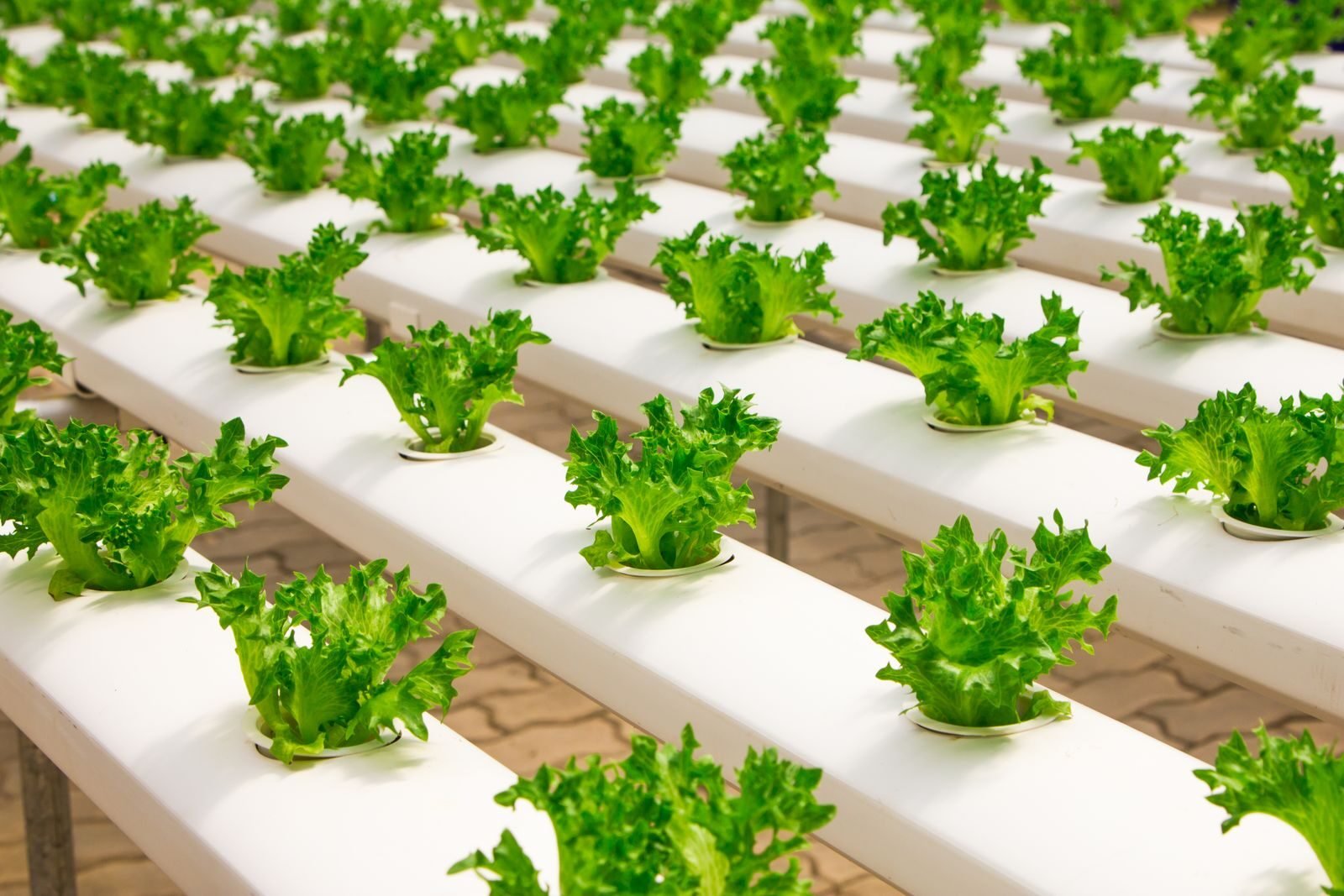
This is a square grid layout, the same idea behind square-foot gardening.
For example, at 6 inch spacing you fit 4 plants across a 24 inch width, and 4 down, giving 16 in that area.
Understanding your result
The total is how many plants the bed holds at the spacing you entered.
The per-square-foot figure is handy for square-foot gardening, where small plants like radishes go 16 per square, medium plants like lettuce 4 per square, and large plants like peppers 1 per square.
If a crop is prone to disease in humid air, lean toward the wider end of its spacing.
Important limitations
This assumes an even grid and the same spacing in both directions.
Some crops use different row and in-row spacing, and vining plants trained up a trellis fit more tightly than sprawling ones.
It also does not leave room for paths, so for a large plot subtract your walkways first.
Scientific basis
The spacing figures and square-foot layout behind this tool come from university extension services, the public gardening advice arm of the land-grant university system:
- University of Florida IFAS Extension: Square Foot Vegetable Planting Guide
- University of Maryland Extension: Soil to Fill Raised Beds
Keep Planning With These Calculators
I recommend these calculators alongside this one because spacing only pays off when the bed is filled, lit, and fed well.
To fill the same bed, the Soil Volume Calculator works out the soil in litres, cubic feet, and bags.
Closer plants share the light, and the DLI Calculator shows whether a bed gets enough of it.
Tighter spacing means more mouths to feed, and the Fertiliser Dilution Calculator turns a label dose into the right feed.
Related reading
My guide on how to grow plants from seeds covers getting seeds started.
For spacing on a specific crop, my guide to growing tomatoes from seedling to fruit is a good example.
This calculator is for educational purposes and general guidance only. It is not professional horticultural advice. Always follow the spacing on your seed packet for the specific variety.