


This article was written and reviewed by Serge, MSc. I hold degrees in Plant Biology, Environmental Biology and Biogeochemistry, with research experience in plant physiology, ecosystem science, and field-based environmental studies. Every article on this site is grounded in real academic training and genuine scientific research.
Affiliate disclosure: This site has affiliate links, including Amazon. As an Amazon Associate I earn from qualifying purchases, at no extra cost to you.
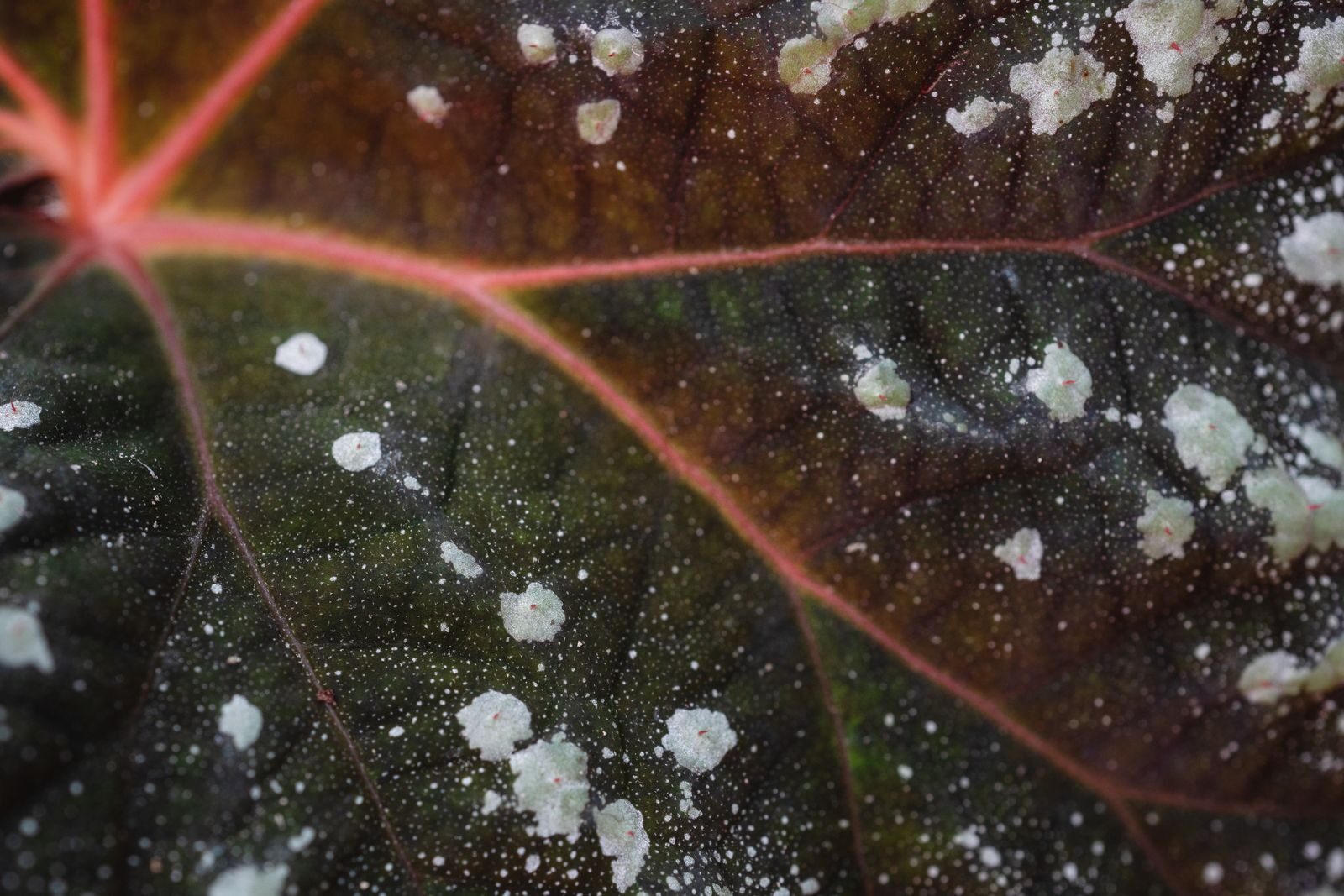
Here is the thing that catches people out about powdery mildew: it is the one common plant fungus that does not need wet leaves to take hold. Most fungal problems want rain, splashing, and damp foliage. Powdery mildew is the opposite. It thrives in warm days, cool nights, still air, and dry leaves, which is exactly why it shows up in a dry spell when you would expect fungus to be the last of your worries.
That single fact changes how you beat it. Once you understand what this fungus wants, the white dust on your squash, roses, and zinnias stops being a mystery, and the fixes that actually work start to make sense. Let me walk you through it.
What powdery mildew is and what it looks like
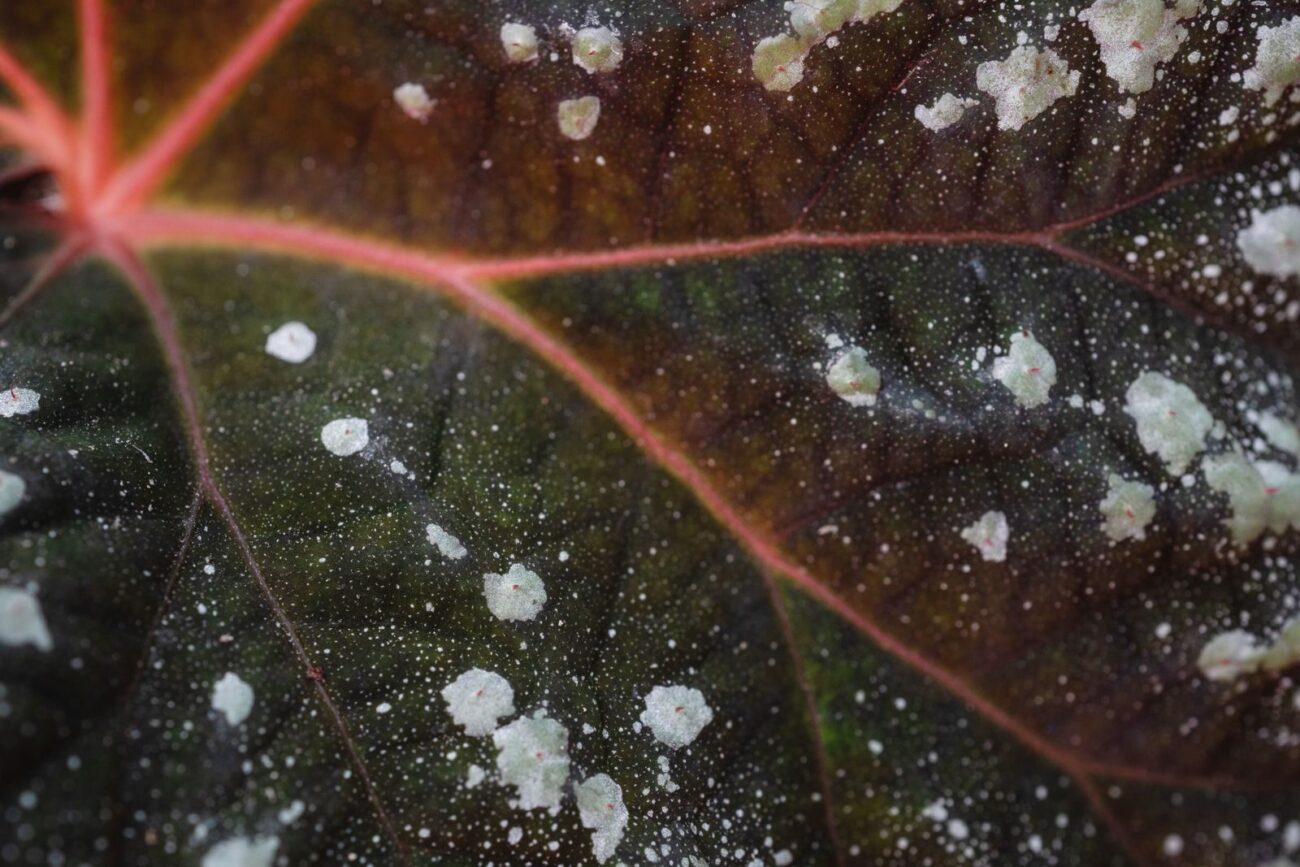
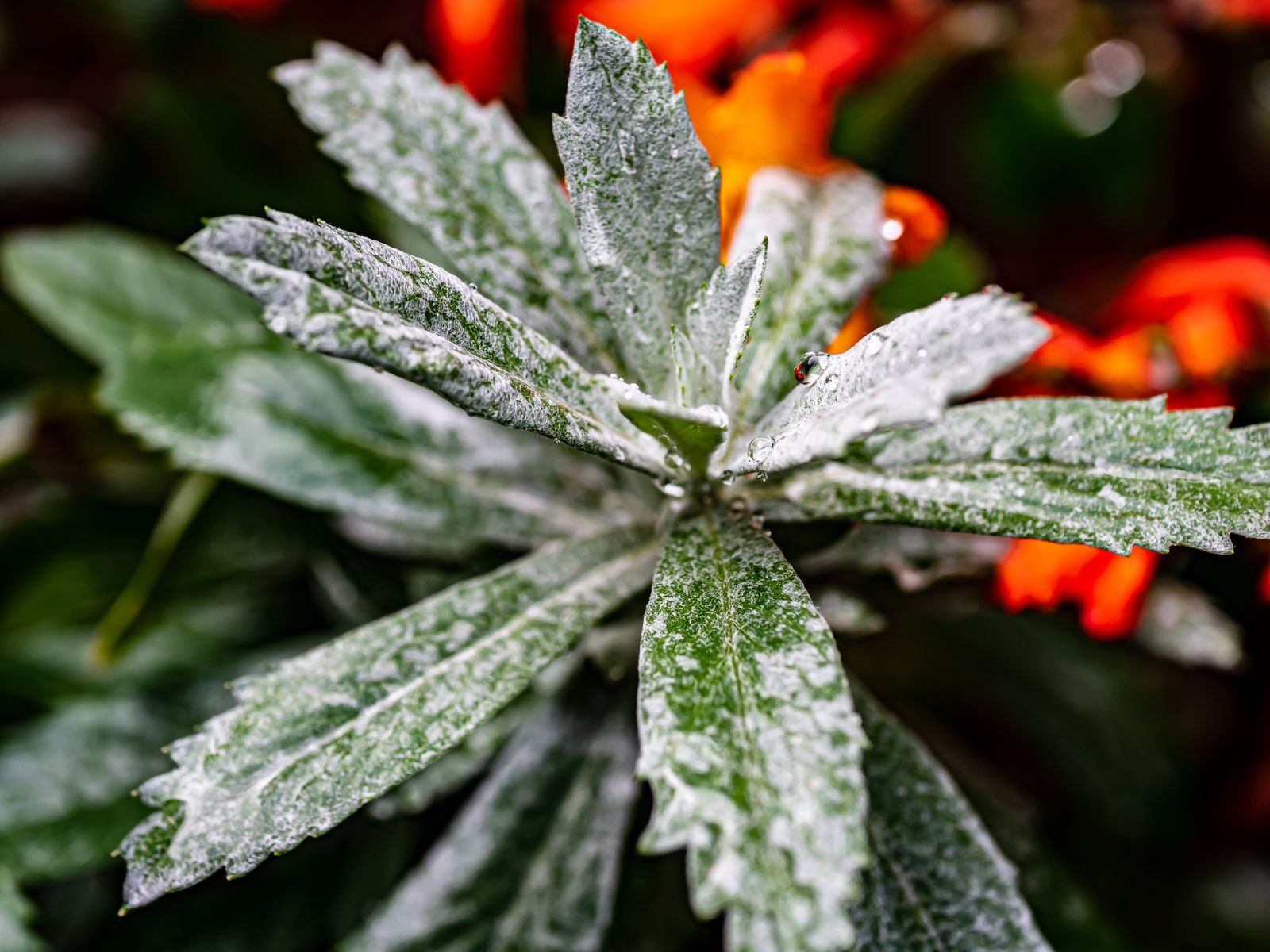
Powdery mildew is a fungal disease, and the white coating is the fungus itself growing across the surface of the leaf. It starts as small round white or grey powdery spots, usually on the upper side of leaves, and spreads until whole leaves look dusted with flour. You can wipe some of it off with a finger, which is often how people first realise it is a growth and not a mark on the plant.
It hits a huge range of plants, but some are magnets for it: squash, zucchini, cucumbers, roses, peonies, bee balm, zinnias, dahlias, and many indoor plants. As it takes hold, affected leaves yellow, curl, and drop early, and new growth comes out stunted or distorted.
Here is a detail worth knowing, because it saves you worrying about the wrong things. The powdery mildew on your squash is not the same fungus as the one on your roses. Powdery mildew is a whole family of closely related fungi, and most are fussy about their host. So the mildew spreading through your cucumbers will not usually jump to your roses, even though both look identical to the eye.
Why it thrives when other fungi cannot
This is the part that explains everything else, and it comes from how the fungus is built. A big chunk of my training dealt with how plants and the things that attack them respond to their environment, and powdery mildew is one of the neatest examples of a pest matched to a specific set of conditions.
Most fungi need a film of water on the leaf for their spores to get started. Powdery mildew does not. Its spores carry enough of their own moisture to sprout, so they take hold on a dry leaf, and heavy rain actually washes them off and sets them back. That is why powdery mildew is a dry-weather disease while most fungal problems are wet-weather ones.
What it does need is humid air right around the leaf, even while the leaf surface stays dry. This is the trap that catches people. A plant packed tightly against its neighbours, in still air, with no breeze to move that humid layer away from the leaves, is a perfect home for it, even in a dry summer. The moisture sits in the air pressed against the leaf, which is all the fungus wants.
Warm days and cool nights make it worse. Cool nights raise the humidity around the plant while the days stay warm enough for the fungus to grow fast. Put those together, still air, crowded plants, warm days, cool humid nights, and you have named every condition powdery mildew loves.
Once you see it this way, prevention stops being about spraying and starts being about airflow, which I will come back to.
How the fungus harms the plant
When I studied plant disease, this was the part that stuck with me, because powdery mildew does its damage in two ways at once. The white coating is not just ugly. It is a living fungus feeding off the plant.
The fungus sends tiny feeding structures down into the surface cells of the leaf and pulls nutrients out of them. At the same time, the sheet of fungus spreading across the leaf blocks light from reaching the green tissue underneath. So the plant loses out twice over: the fungus is taking food from it, and the coating is shading the leaf so it cannot make energy from light the way it should.
A light case is mostly cosmetic and the plant copes. A heavy case starves the plant of energy, which is why badly hit leaves yellow and drop, fruit stays small or ripens poorly, and the whole plant weakens. It rarely kills a mature plant outright, but on a young seedling, or a crop like squash or cucumber trying to fruit, it can cut your harvest hard.
How I get rid of powdery mildew
You cannot un-infect a leaf that is already coated, so the goal is to stop it spreading to healthy growth while you improve the conditions. I work in this order.
Remove the worst leaves first
Cut off the most heavily coated leaves and bin them, do not compost them, since the spores travel. This clears out a big source of new spores in one go and lets air and light back into the plant. Do not strip the plant bare, though, since it still needs leaves to feed itself. Take the worst, leave the rest.
Improve the airflow
This is the fix almost nobody leads with, and it is the one that matters most, because it attacks the humid still air the fungus depends on. Space plants further apart, thin out crowded stems, and stake or prune to open the plant up so air moves through it. Indoors, a small fan on a low setting does the same job. Better airflow dries the humid layer off the leaf surface and makes the plant a far worse home for the fungus.
Spray to stop it spreading
Sprays work best early and as protection for healthy leaves, rather than as a cure for coated ones. A few options, and the science behind each, since people ask about all of them.
Potassium bicarbonate, and the more familiar baking soda, both work by shifting the leaf surface to conditions the fungus cannot grow in. Potassium bicarbonate is the better of the two, since baking soda can build up sodium that harms the plant over time. Mix about a teaspoon of baking soda into a litre of water with a couple of drops of liquid soap to help it stick, and coat the plant, testing a leaf first.
The milk spray people ask about does work, and it is my preferred home remedy. Diluted milk, roughly one part milk to two or three parts water, sprayed in sunlight, has a real effect on powdery mildew, likely from proteins that react in light to disrupt the fungus. It is cheap, safe on food crops, and worth a try.
Neem oil works too, both slowing the fungus and giving some protection to new growth, and a proper fungicide is the stronger option for a valuable crop or a bad case. Whatever you spray, repeat every 7 to 14 days, since none of these last long on the leaf.
Skip the ones that do not work well
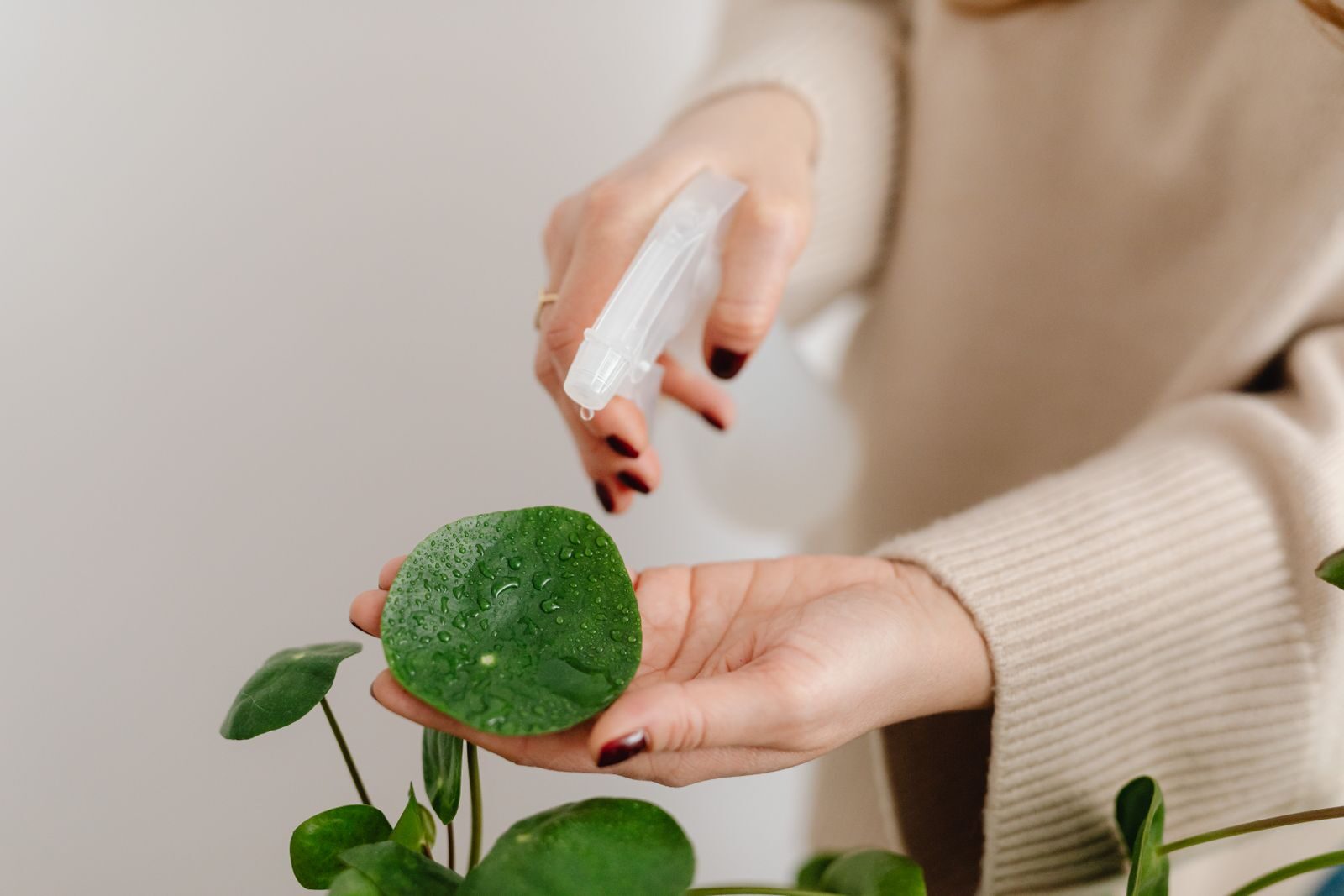
Vinegar gets suggested a lot, and I steer people away from it, since a strength high enough to kill the fungus also burns the leaf. It is a poor trade. Plain water washing does even less, since it takes off the surface dust for a day but leaves the fungus rooted in the leaf, and wetting the plant can help other diseases along. Put your effort into airflow and a spray that actually works.
How I stop it coming back
Prevention beats treatment with this disease by a wide margin, and it comes down to the conditions rather than the plant. Space plants properly when you put them in, since crowding is the single biggest cause of the still humid air the fungus needs. Give sun-lovers full sun, since shade plus humidity is a mildew invitation.
Water the soil, not the leaves, and water in the morning so any splashed foliage dries fast. Go easy on high-nitrogen feed, since it pushes out soft leafy growth that the fungus loves. And clear away infected leaves and debris at the end of the season, since the fungus survives winter on that material and starts the whole thing again next year.
The strongest prevention of all is variety choice. For plants that always seem to get it, roses, squash, bee balm, zinnias, plant breeders have developed mildew-resistant varieties, and picking one of those is the closest thing to a permanent fix. If you fight powdery mildew on the same plant every single year, a resistant variety is the answer.
FAQ
What is the main cause of powdery mildew?
Warm days, cool nights, and humid but still air around dry leaves, usually made worse by crowded plants with poor airflow. Unlike most fungi, it does not need wet leaves, so it shows up even in dry weather. The spores are almost always already in the area and simply take hold once conditions suit them.
Can plants with powdery mildew be saved?
Yes, most recover if you catch it before it is severe. Remove the worst leaves, improve airflow, and spray to protect the healthy growth, and the plant carries on. A badly weakened plant or a young seedling may not bounce back, but a mature plant almost always does.
Can I just wash off powdery mildew?
Not really. Washing takes off the surface dust for a day, but the fungus is rooted into the leaf and grows straight back. Wetting the plant can also encourage other diseases, so washing does more harm than good. A proper spray plus better airflow is the fix.
Is Dawn dish soap good for powdery mildew?
Soap on its own does little against the fungus. Its job is as a sticker, a couple of drops added to a baking soda or potassium bicarbonate spray to help it cling to the leaf. I use a mild liquid soap rather than dish detergent, since detergents can burn leaves.
Is vinegar or baking soda better for powdery mildew?
Baking soda, clearly. Vinegar strong enough to kill the fungus scorches the leaf, so it is a poor choice. Baking soda, or better still potassium bicarbonate, shifts the leaf surface to conditions the fungus cannot grow in, and it is far safer on the plant.
Does milk really get rid of powdery mildew?
Yes, diluted milk sprayed in sunlight has a real effect and is one of the better home remedies. Use roughly one part milk to two or three parts water and spray on a sunny day. It is cheap, safe on food crops, and works best as prevention and early treatment rather than a cure for a heavy case.
Does neem oil kill powdery mildew?
Neem helps, both slowing the fungus and protecting new growth, so it is a solid choice, especially if you are already using it for pests. Coat the plant and repeat every week or two. For a severe case on a valuable crop, a dedicated fungicide is stronger.
Will powdery mildew spread to my other plants?
Sometimes, but less than people fear. Powdery mildew is a family of fungi, and most are fussy about their host, so the mildew on your squash will not usually jump to your roses. It will spread between plants of the same or similar type, though, so treat those together.
Does powdery mildew live in the soil?
Not really in the soil itself, but it survives winter on fallen infected leaves and plant debris, and on some plants in dormant buds. Clearing away infected material at the end of the season is what breaks that cycle and cuts next year’s outbreak.
Is powdery mildew harmful to humans or pets?
No. The powdery mildew fungi that attack plants do not infect people or animals. It is a plant disease only. You can handle affected plants and, after washing, eat vegetables from a mildewed plant safely, though badly affected produce may taste poor.
Should I cut off leaves with powdery mildew?
Yes, remove the worst-coated leaves and bin them, since they shed spores onto healthy growth. Do not strip the plant bare, though, since it needs leaves to feed itself. Take the heavily infected ones, improve the airflow, and treat the rest.
Why do I keep getting powdery mildew every year?
Almost always because the conditions keep repeating: the same crowded spacing, the same shady humid spot, the same plant that always catches it. The fungus survives winter on debris and returns each year to a setting it likes. Fixing the spacing and airflow, clearing debris, and switching to a resistant variety is what finally breaks the pattern.
Beat the conditions, not just the fungus
Powdery mildew feels stubborn because people fight the white dust and ignore the thing that invited it. The dust is a symptom. The cause is still, humid air around a crowded plant, and no amount of spraying fixes that if the conditions stay the same.
So open the plant up, move the air, remove the worst leaves, and spray to protect the rest. Do that and powdery mildew goes from a yearly battle to a minor thing you manage. And if one plant gets it every single year no matter what, plant a resistant variety next season and stop fighting a war you can sidestep.