




This article was written and reviewed by Serge, MSc. I hold degrees in Plant Biology, Environmental Biology and Biogeochemistry, with research experience in plant physiology, ecosystem science, and field-based environmental studies. Every article on this site is grounded in real academic training and genuine scientific research.
Affiliate disclosure: This site has affiliate links, including Amazon. As an Amazon Associate I earn from qualifying purchases, at no extra cost to you.
When someone brings me a plant with mealybugs, they almost always call it mould…
I get it…
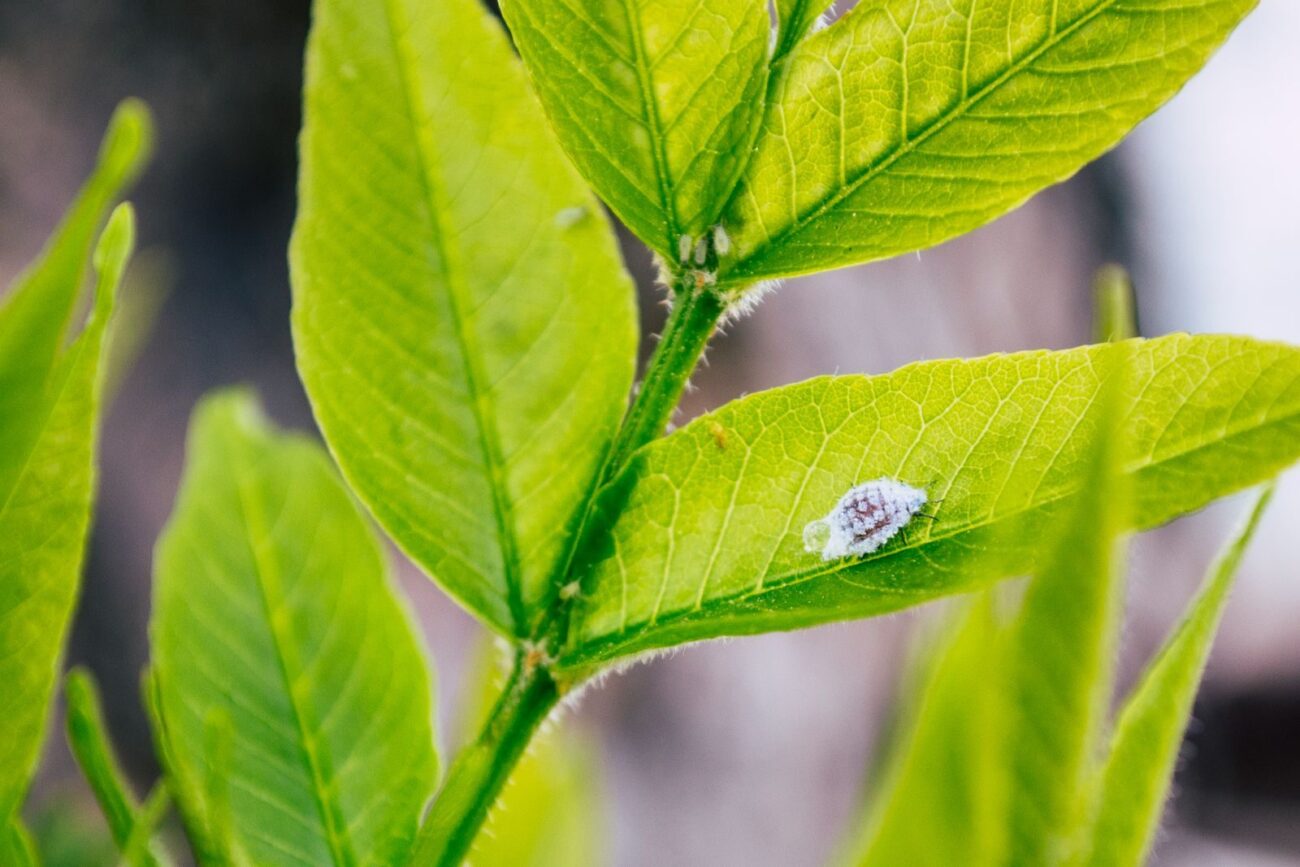
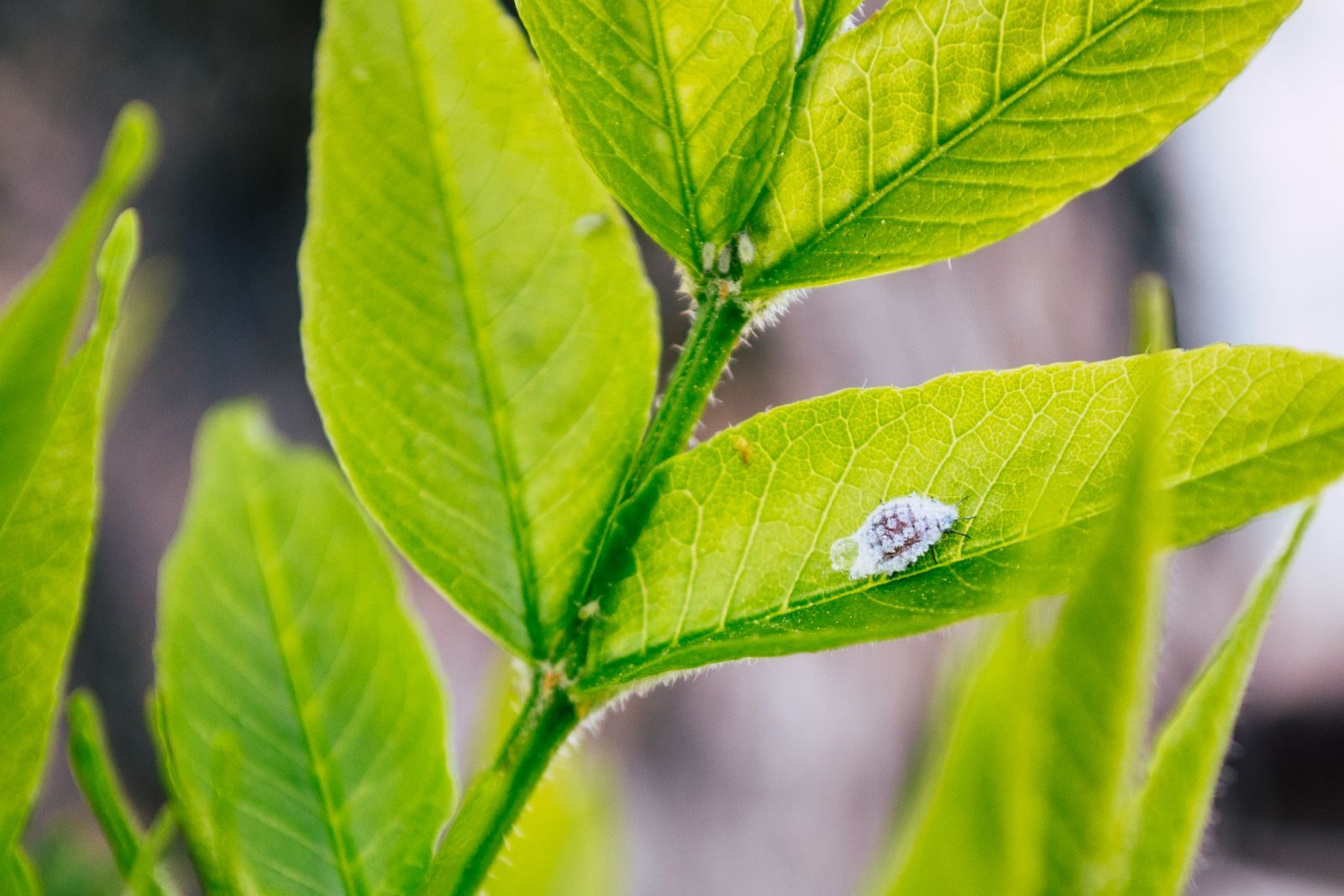
Those white cottony specks jammed into the leaf joints look like something growing on the plant. They are not. Every speck is a live insect, sitting still, drinking sap, and wearing a waxy white coat that most sprays cannot get through.
That coat is why people lose this fight. They spray once, nothing happens, and they decide mealybugs are unbeatable. I have cleared enough of them to promise you they are not. You just have to stop treating them like every other bug and go after the one thing that actually works.
Why mealybugs beat most sprays
Let me start with the part that saves you weeks of aggravation. Mealybugs coat themselves in a white powdery wax, and that wax repels water. So when you hit them with a plain water spray, it beads up, rolls off, and the insect underneath does not even notice you tried.
This is the mistake I see constantly.
People treat mealybugs the way they treat aphids, with a quick rinse, then act betrayed when the white clumps are back by morning. The clumps never left. You have to get through the wax first, and the rest of this article is really about how.
Up close a mealybug is small, soft, white, and powdery, about 3 to 5 mm long. On the plant they gather in the sheltered spots: leaf joints, stem tips, the undersides of leaves, and the crown where the leaves meet the soil. Those are the exact spots a lazy spray skips, which, as you will see in a minute, is not a coincidence on their part.
They feed like aphids, piercing the plant and drinking its sap, and they leave the same sticky honeydew behind that grows black sooty mould on the leaves below. So a shiny stickiness or a black film next to the white clumps is all the same insect, not three separate disasters.
Where they come from
The question I get every single time is how mealybugs got indoors when there was no way in.
The answer is nearly always the same: they walked in on a new plant.
A plant can bring a few hidden bugs or their eggs home from the shop, sit quietly for weeks while you suspect nothing, then hand you a full infestation once it feels at home.
After that they get around by themselves. The young crawlers walk short distances along touching leaves, and they hitch rides between pots on your tools, your hands, and a shared drip tray. One infested plant on a crowded shelf becomes three before you have figured out where they started.
The breeding is what makes them relentless. One female lays up to 200 eggs in a white sac and then dies, and those eggs hatch into crawlers that scatter to find their own feeding spots. That scattering stage is when they spread fastest and hide best, and it is why a single treatment always comes up short.
Overwatering and heavy feeding tip the odds their way too. Soft, sappy growth from too much nitrogen is an easy meal, and warm, still indoor air with no predators around lets them breed with nothing to stop them.
The plant is not just standing there
People picture the plant as a helpless victim in all this, sitting still while it gets drained. It is not, and this is the part I find most interesting. A big chunk of my training went into how plants react to being attacked, and the short version is that they fight back, quietly, with chemistry.
The moment a mealybug starts feeding, the plant registers the wound and gets to work. It changes the sap around the feeding site, loading it with defensive compounds that make it harder to stomach, and it fires off stress signals that pull resources away from the spot under attack. It is a slow, silent counterpunch, but it is real, and some plants throw it hard enough to shake pests off on their own.
Once you know that, the mealybug’s whole game makes sense. Sit still, tuck into the tight joints, and hide under wax. That is not laziness, it is a bug trying to feed without setting off the plant’s defenses too hard. The catch for us is that the same wax that helps it duck the plant also helps it duck our sprays.
Here is the bad news for your plant, though….
Fighting back is expensive. Throwing up chemical defenses burns energy the plant would rather spend on new leaves and roots, so even one that wins the standoff often grows slowly and looks worn out for a while afterward. That is why a cleared plant still needs patience before it perks up.
And the bugs leave one last gift behind. Because they park in one place and pierce the same tissue again and again, they leave a soft, wounded patch where rot likes to move in. So once I clear a colony, I always check the crown and stem they were sitting on, since a clean-looking plant can still hide a weak spot ready to turn.
Root mealybugs deserve a warning of their own. Some species skip the leaves entirely and feed on the roots, showing up as white specks on the root ball when you tip the plant out of its pot. They cause a slow, mystifying decline with nothing visible up top, and they need a soil treatment, not a leaf spray. If a plant keeps fading and you cannot find a thing on the leaves, this is the first place I look.
How I get rid of mealybugs
Everything I do comes back to one idea: beat the wax, then keep at it until the eggs are gone. Here is the order I work in.
Rubbing alcohol, straight onto the bug
This is the one I reach for first, every time. I dip a cotton bud in 70 percent isopropyl alcohol and touch it right onto each mealybug. The wax that repels water is no match for alcohol, which dissolves it on contact and kills the insect underneath, and you get to watch the white clump deflate and go see-through, which is oddly satisfying after all the grief they cause.
On a small houseplant I can clear every visible bug in one sitting this way. I get right into the leaf joints, the stem tips, and the crown, because one bug I miss is a colony next month. Alcohol dries fast and most plants take it fine.
Still, one lesson that stuck with me from training is to never trust a treatment on a whole plant before testing a corner, so I dab a single leaf, wait a day, and check for damage before I go over everything, especially on soft ferns and thin leaves that scorch easily.
A soap and alcohol spray for bigger jobs
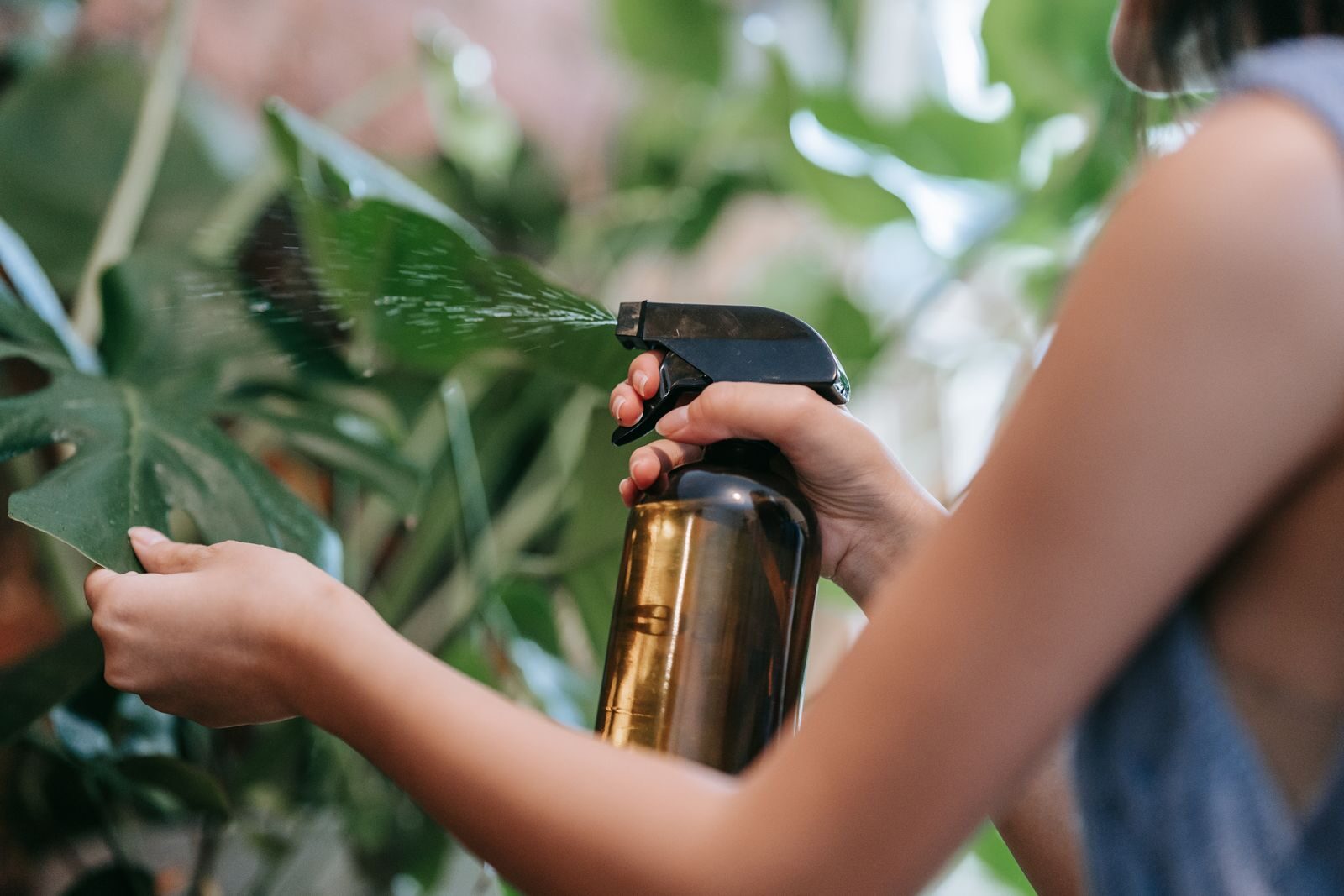
Once an infestation gets past a few dozen bugs, dabbing them one at a time stops being realistic, and honestly, your patience will run out first. So I mix about a teaspoon of mild liquid soap and a splash of the rubbing alcohol into a litre of water and spray the whole plant, hitting the undersides and joints hard. The soap helps the mix cling and creep under the wax, and the alcohol does the killing.
The trick is repetition. I spray every five to seven days for at least three or four rounds, because that schedule catches each fresh batch of crawlers as the hidden eggs hatch. If you take one line from this whole article, take this one: skipping the repeat sprays is the number one reason mealybugs come back.
Neem oil to hold the line
After the alcohol has knocked the colony down, I like neem oil for keeping the plant clean. It works on their feeding and breeding rather than just killing on contact, and it keeps working after it dries. I coat the whole plant, joints included, and go over it once a week until I am sure it is clear.
Root mealybugs: treat the soil, not the leaves
If I find white specks on the roots, no leaf spray on earth will reach them. I rinse as much old soil off the roots as I can, trim any mushy ones, and repot into fresh mix in a clean pot. A soil drench with a neem solution or a diluted systemic mops up the stragglers, and I keep that plant well away from the others until it recovers.
When I decide a plant is not worth it
Sometimes the honest move is to bin the plant, and I would rather say that plainly than pretend every plant is saveable. If it is small, cheap, badly overrun, and sitting next to a collection I care about, the risk of it reinfecting everything else beats the effort of nursing it back. I make that call quickly for a struggling plant and painfully slowly for one I love, but it is always on the table.
How I stop them coming back
The habit that matters most is checking every new plant before it joins the others, and keeping new arrivals apart for two to three weeks. New plants are how mealybugs get in, and a short quarantine catches them before they can spread. I look into the leaf joints and stem tips under good light, because that is where the first few always hide.
I also keep an eye on the plants I already have, especially those tight spots, since catching five mealybugs takes two minutes and catching five hundred eats a weekend. A quick look while I water is usually enough to stay ahead.
Past that, I go easy on watering and high-nitrogen feed, because soft overfed growth is exactly the easy meal they want, and I wipe down tools and hands after touching an infested plant so I am not couriering crawlers to the next pot.
And if mealybugs keep marching back onto the same plant no matter what I do, I suspect one of two things: eggs I missed, or root mealybugs feeding out of sight. The repeat sprays handle the first, a look at the roots settles the second.
FAQs
What kills mealybugs instantly?
Rubbing alcohol at 70 percent kills them on contact by dissolving their waxy coat. Dab it straight on with a cotton bud and the bug collapses within seconds. It is the fastest reliable method for the ones you can see, though you still need repeat treatments to catch the eggs and crawlers.
Does Dawn dish soap kill mealybugs?
It can help, since soap breaks down the waxy coating and lets the treatment reach the insect. But dish detergents carry degreasers and scents that burn some leaves, so I use a mild liquid soap and add a little rubbing alcohol for the real killing power. Test any soap spray on one leaf first.
Should I throw away a plant with mealybugs?
Usually no. Most plants come back with alcohol treatment and repeat sprays. I only bin one if it is small, cheap, badly overrun, and sitting near a collection it could reinfect, since then the risk outweighs the effort of saving it.
Can a plant recover from mealybugs?
Yes, most do if you catch it before the infestation gets severe. Once the bugs are gone the plant pushes out healthy new growth again, even if it looks rough for a while first. Weak or heavily infested plants are the ones that may not pull through.
Why do I keep getting mealybugs?
Almost always because eggs survived the first treatment, or root mealybugs are feeding where you cannot see them. One female leaves up to 200 eggs behind, so a single spray never finishes the job. Repeat every five to seven days for several rounds, and check the roots if a plant keeps declining with nothing on the leaves.
Are mealybugs harmful to humans or pets?
No. They do not bite, sting, or infest people or animals, since they feed only on plants. They are a plant problem and nothing more, so there is no risk to you, your cats, or your dogs from having them around.
Where do mealybugs come from?
Nearly always on a new plant that carried a few hidden bugs or eggs home from the shop. From there they spread indoors between plants on touching leaves, tools, and hands. They do not appear from nowhere, so a fresh problem almost always traces back to a recent arrival.
Can mealybugs live in soil?
Yes. Root mealybugs live in the soil and feed on roots, showing up as white specks on the root ball. They cause a slow decline with no visible bug on the leaves, and they call for a soil drench or a repot rather than a leaf spray.
Will mealybugs spread to my other plants?
Yes, easily. The crawlers move between touching plants and ride from pot to pot on tools and hands. This is why I isolate an infested plant the moment I spot it, and why one bug on a crowded shelf soon becomes many.
How long does it take to get rid of mealybugs?
Give it three to four weeks of repeat treatment. That covers the time for hidden eggs to hatch and get killed before they can breed again. Stopping after the first clean-looking week is what lets them bounce back, so stay on the schedule even when the plant looks clear.
Does neem oil work on mealybugs?
Yes, as a follow-up rather than an instant fix. Neem disrupts their feeding and breeding and keeps working after it dries, which makes it good for holding a plant clean once alcohol has knocked the colony down. Coat the whole plant and repeat weekly.
Do this one thing and you win!
Mealybugs earn their bad name, but they are not unbeatable. The people who lose are the ones who spray once and stop. The people who win pick a day, treat every five to seven days for a month, and do not quit when the plant looks clean, because that clean look is a trap while eggs are still hatching.
If you do nothing else, check every new plant before it joins your others. Look hard into the leaf joints and stem tips, and keep a new arrival apart for a couple of weeks. That one habit has saved me more plants than any spray ever has, and it stops the problem before it starts.