


“Learn it once, grow it for seasons.”
These are courses that help you build real skills at your own pace in plant science and related topics. Good teaching earns its cost when it saves you seasons of trial and error, so each course here is chosen for clear explanations, real depth, and lessons you can put to use straight away, not padded runtime or recycled tips.
As a Plant Scientist and Environmental Biologist, I look at what a course really teaches and how well it holds up to the way plants grow, then point you only to the ones worth your time and money.
Online Courses
1. The Academy for Health & Fitness – Gardening Courses
If you like structured, sit-down learning rather than piecing it together from scattered videos, the Academy for Health & Fitness has a solid set of online gardening courses. I recommend them because they are properly organised and cover a lot of ground, from basic horticulture through organic growing, homesteading, and hydroponics, so you build real knowledge you can take straight out to your own garden. Everything is fully online and self-paced, so you study the theory and planning in your own time and apply it at home.
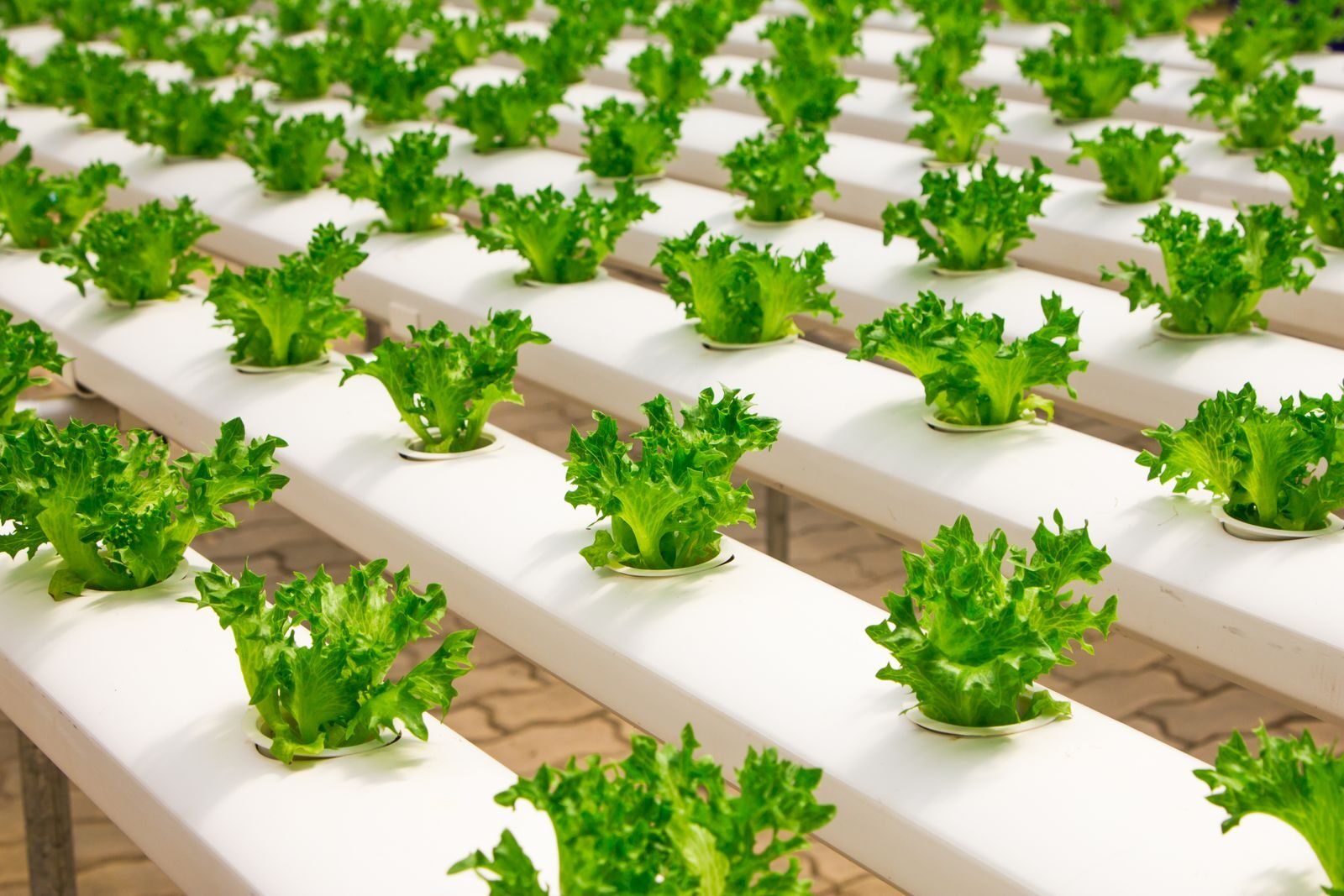
The range runs from beginner to advanced. There are broad foundations like Gardening and Horticulture and a QLS-endorsed version, plus a Complete Gardening Diploma (Level 3) if you want to go deeper into plant biology, propagation, and landscape planning. For growing your own food there is Kitchen Gardening, and for a self-sufficient setup there are the Homesteading and Homestead Gardening courses. If organic matters to you, Horticulture & Organic Gardening and Benefits of Organic Gardening cover composting, crop rotation, and natural pest control, while Hydroponics Gardening walks through soil-free systems like deep water culture and nutrient film technique.
Worth knowing before you enrol: these are knowledge-based, fully online courses, so they teach the theory, planning, and technique, the hands-on practice is down to you in your own garden. Prices and certificates vary by course and there are often sales, so check the current offer before you buy.
2. HomeGrown Herbalist – Online School of Botanical Medicine
As a botanist, biochemist, and environmental biologist, I am careful about which herbal programs I put my name to. Herbalism is a huge field, and plenty of courses promise the world while teaching very little you can use. The HomeGrown Herbalist School is the one that stood out to me after looking at the curriculum and how it is taught: it is built on real experience, not just theory.
It is led by Dr. Patrick Jones, a veterinarian, clinical herbalist, and naturopath with decades of hands-on practice. The teaching draws on real cases, from wound care and infections to botanical first aid and everyday wellness, so you see how herbal knowledge has been applied in practice rather than just reading about it.
The curriculum is broad but easy to follow. It moves from foundations like anatomy and physiology, plant identification, and medicine-making, through to disease processes and even veterinary herbal use. You work at your own pace with quizzes, videos, optional workshops, and guided plant walks, and lifetime access means you can come back to it as your knowledge grows.
A couple of honest points: this is a paid program and a real commitment, so it suits someone who wants to go deep rather than just dabble. And however good the training, herbal study is complementary knowledge, it does not replace a doctor or veterinary care. Taken that way, I think it is one of the most practical herbal educations out there.