

This article was written and reviewed by Serge, MSc. I hold degrees in Plant Biology, Environmental Biology and Biogeochemistry, with research experience in plant physiology, ecosystem science, and field-based environmental studies. Every article on this site is grounded in real academic training and genuine scientific research.
Affiliate disclosure: This site has affiliate links, including Amazon. As an Amazon Associate I earn from qualifying purchases, at no extra cost to you.
Most gardeners water their plants on a schedule. Monday and Thursday. Every other day. Once a week in summer.
The problem with watering on a schedule is that soil does not follow a schedule. It dries at different rates depending on temperature, wind, plant size, pot material, soil composition, and a dozen other variables that change from day to day.
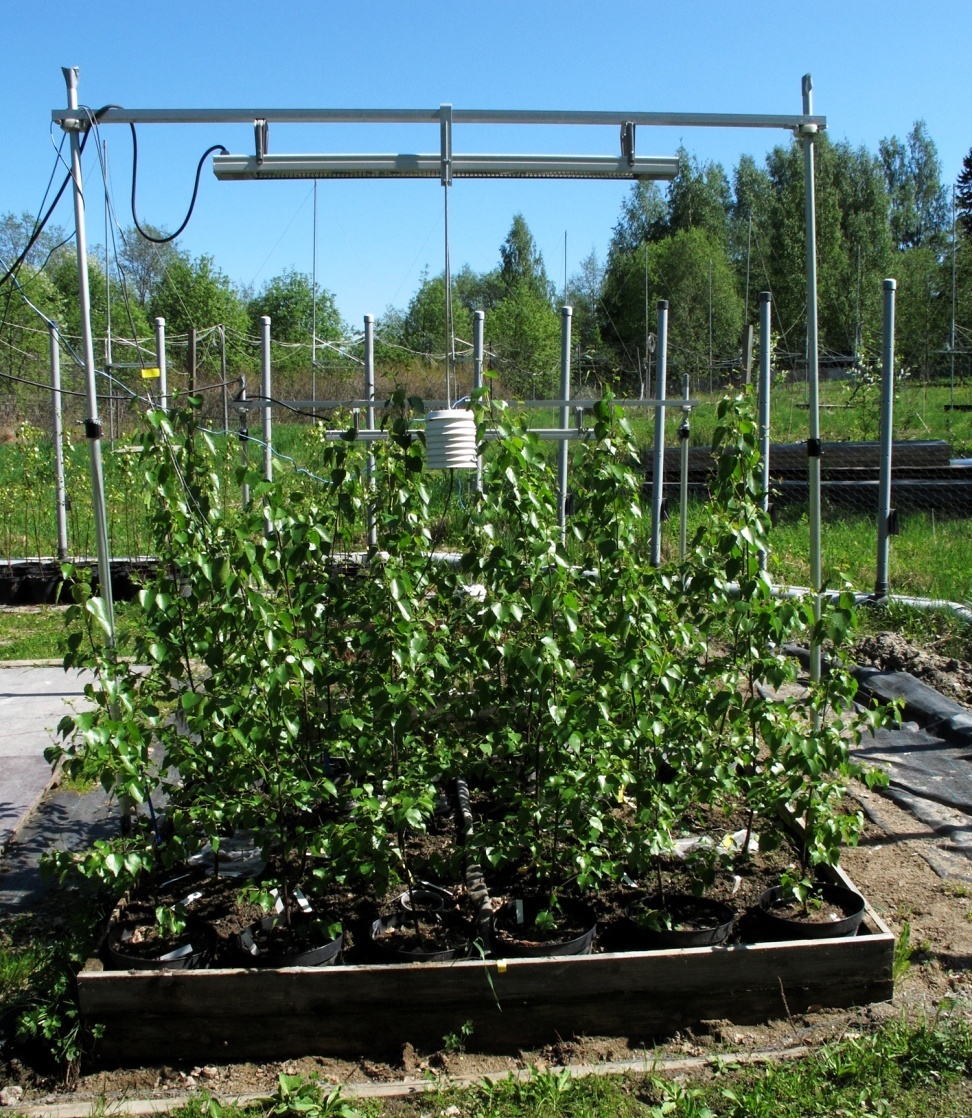
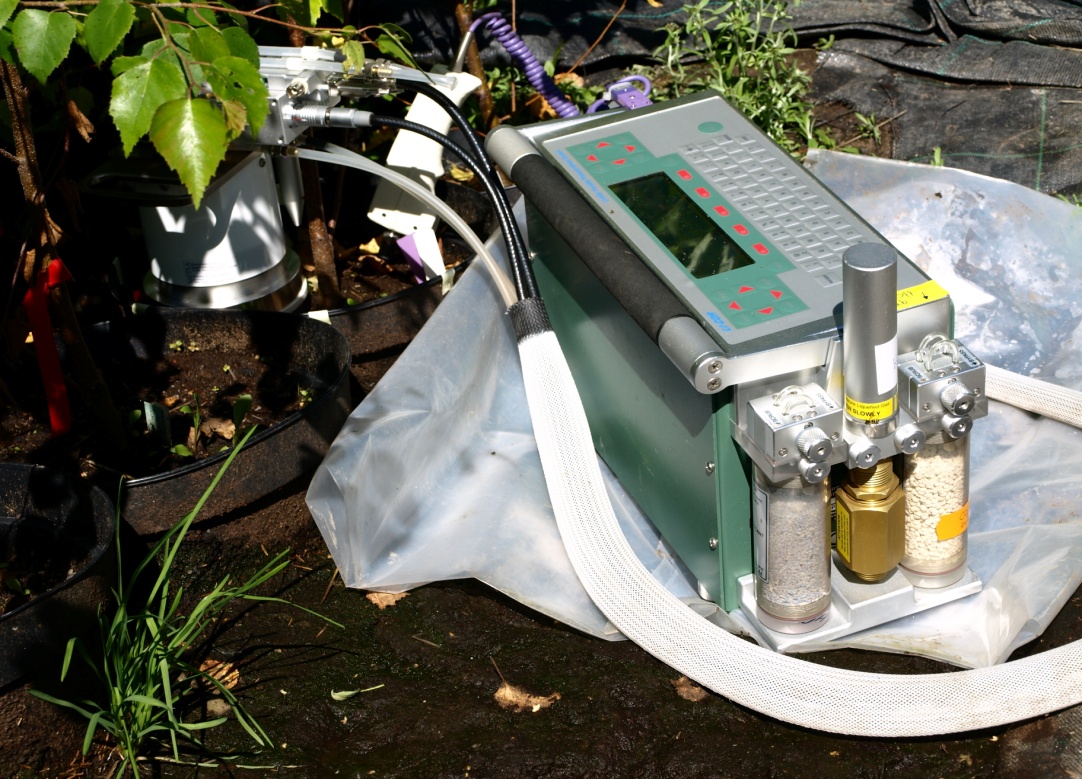
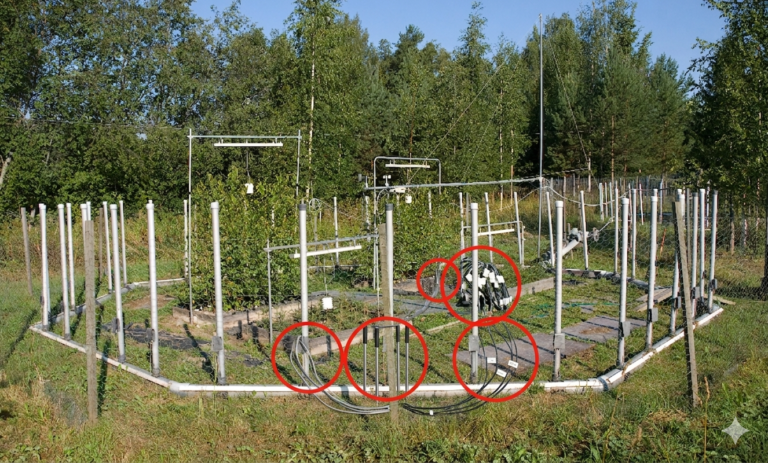
I know this because I spent a full growing season monitoring soil moisture continuously in an open-air field research site. We had soil moisture sensors installed at multiple depths across our experimental plots, connected through data loggers to a monitoring station in a nearby cabin.
I could sit at a computer screen and watch soil moisture levels change in real time as weather conditions shifted, as the Silver Birch trees drew water up through their roots, and as irrigation events moved moisture through the soil profile.
That experience made one thing very clear to me. Soil moisture varies far more than most people realise, and watering decisions made without measuring are often wrong, either too much or too little, rarely exactly right.
A garden soil moisture meter brings that same principle down to a practical home scale. You do not need a data logger and a monitoring cabin. You just need a probe, a reading, and the knowledge to act on it.
Why Soil Moisture Matters More Than Most People Think
Water availability directly controls how plants grow, how they absorb nutrients, and how they respond to stress.
During my field research I measured how soil moisture levels affected CO₂ efflux from the soil, the rate at which soil organisms release carbon dioxide through respiration. The relationship was direct and consistent. Soil moisture drove biological activity in the soil layer, which in turn affected everything above it including plant growth responses.
In a garden the same principle applies. A plant in consistently well-moistened soil absorbs nutrients efficiently, maintains open stomata for gas exchange, and allocates energy to growth rather than stress responses. A plant cycling between drought stress and waterlogging does the opposite, it fights to survive rather than growing productively.
Getting soil moisture right is not just about keeping plants alive. It is about giving them the conditions to actually perform well.
How Soil Moisture Meters Work
Most garden soil moisture meters use one of two measurement principles:
Resistive sensors:
Two metal probes inserted into soil measure electrical resistance between them. Wet soil conducts electricity more easily than dry soil so resistance decreases as moisture increases. Simple, cheap, and works reasonably well for general gardening use. The probes corrode over time with regular use which reduces accuracy and lifespan.
Capacitive sensors:
Measure how much electrical charge the soil can hold, which changes with water content. More accurate than resistive sensors, no exposed metal contacts to corrode, and more consistent readings across different soil types. The sensors I used in my field research operated on capacitive principles, they gave reliable continuous data across a full growing season in outdoor conditions without significant drift or degradation.
For serious garden use or anyone wanting reliable long-term monitoring I recommend capacitive over resistive. For occasional spot-checking of houseplants a basic resistive meter works fine.
Types of Soil Moisture Meters for Home Use
Analogue dial meters:
No battery needed. A probe inserted into soil deflects a needle on a dial from dry to wet. Simple, inexpensive, and adequate for basic houseplant care. Not suitable for precise monitoring or outdoor use in variable conditions.
Digital meters:
Battery-powered meters that give a numerical moisture reading, often as a percentage or on a numbered scale. More precise than analogue dial meters. Many combine moisture with pH and light readings in one unit. Useful for gardeners who want more specific data than a simple dry-wet dial provides.
Continuous monitoring sensors:
Sensors left permanently in soil that give ongoing readings, often connected to a smartphone app via Bluetooth or WiFi. This is closer to what I used in field research conditions, continuous data rather than spot measurements. Useful for monitoring specific plants or beds over time and catching moisture problems before plants show visible stress.
Tensiometers:
Professional-grade instruments that measure soil water tension, how hard plant roots have to work to extract water from the soil. More complex to install and maintain than simple probes but give more agronomically meaningful data. Used in commercial horticulture and research settings.
What I Look for When Choosing
Measurement principle: Capacitive sensors give more reliable and consistent readings than resistive ones especially over time. If accuracy matters to you check which technology the sensor uses before buying.
Probe length: Probe length determines measurement depth. A short probe of 10 to 15 cm suits houseplants and shallow-rooted plants. A longer probe of 20 to 30 cm reaches the root zone of larger garden plants and gives more relevant data about where roots actually access water.
Waterproofing: Any sensor used in outdoor garden conditions needs to be genuinely waterproof, not just water resistant. Rain, irrigation, and soil contact degrade non-waterproofed meters quickly.
Display clarity: A reading you cannot interpret quickly is not useful. Look for clear numerical displays or colour-coded outputs that tell you immediately whether soil is too dry, appropriate, or too wet for the plants you are growing.
Continuous versus spot measurement: Decide whether you want occasional spot checks or ongoing monitoring. Spot-check meters are cheaper and simpler. Continuous monitoring sensors cost more but give you a much fuller picture of how moisture fluctuates in your soil over time, the kind of data that reveals patterns you cannot see from occasional checks alone.
Can you leave the meter in the soil permanently: Some meters are designed for permanent installation. Others are for temporary measurement only and degrade if left in soil continuously. Check manufacturer guidance before leaving any meter installed permanently.
How to Use a Soil Moisture Meter Accurately
Insert the probe into the root zone, not at the soil surface. Surface soil dries and rewets much faster than the root zone and gives misleading readings about what the plant is actually experiencing.
Take readings from multiple spots across a bed or container. Soil moisture varies significantly within a single pot or bed, particularly if the soil has uneven drainage or if roots have depleted moisture in certain areas.
Use the reading to guide your next watering decision rather than following a fixed schedule. If the meter says adequately moist, hold off watering regardless of when you last watered. If it reads dry at root depth, water regardless of whether you watered recently.
In my field research we always measured at consistent depths and locations for comparable data over time. The same principle applies at home, measure at the same depth and location each time for readings you can actually compare and act on meaningfully.
Frequently Asked Questions
Do soil moisture meters really work?
Good quality capacitive sensors give reliable readings for practical gardening decisions. Cheap resistive sensors degrade quickly and become unreliable. Very cheap combination meters often sacrifice accuracy across all measurements. Buy a dedicated moisture meter rather than a multifunction device if accuracy matters to you.
Are soil moisture meters accurate?
Accurate enough for practical gardening use when the right sensor type is chosen for your soil. Capacitive sensors are more accurate and more durable than resistive ones. All sensors perform best in typical loamy garden soils and may need calibration for very sandy or clay-heavy conditions.
How does a soil moisture meter work?
Most garden meters use either resistive measurement, measuring electrical resistance between two probes, which changes with water content, or capacitive measurement, measuring how much electrical charge the soil holds, which also changes with moisture. Capacitive sensors are more accurate and durable. Resistive sensors are simpler and cheaper but corrode over time.
Can you leave a moisture meter in the soil permanently?
Some sensors are designed for permanent installation and continuous monitoring. Standard spot-check meters are not designed for permanent soil contact and degrade if left in place. Check the manufacturer specification before leaving any meter permanently installed.
Are soil moisture meters worth it?
For anyone who regularly over or under-waters plants yes. A moisture meter removes the guesswork from watering decisions and helps you respond to what the soil actually needs rather than following a schedule that may not match real conditions. Particularly useful for houseplants, container gardens, and newly planted beds where watering frequency is hardest to judge by eye.
What should my soil moisture be?
It depends on the plant. Most vegetables and flowering plants do best with consistently moist but not waterlogged soil, typically 40 to 70% moisture on a percentage scale. Succulents and cacti prefer much drier conditions between waterings, around 20 to 40%. Mediterranean herbs like rosemary and thyme prefer the drier end of the range. Check the moisture preference of your specific plants and use that as your target range.
Does soil moisture affect plant growth?
Directly and significantly. Water availability controls nutrient uptake, stomatal function, photosynthesis rate, and how plants allocate energy between growth and stress responses. Consistently appropriate soil moisture produces noticeably better plant growth than irregular watering cycles that swing between drought stress and waterlogging.
How do I check soil moisture without a meter?
Push a finger 5 to 7 cm into the soil. If it feels moist and cool the plant does not need water. If it feels dry and crumbly water is needed. A wooden skewer inserted into soil and left for a minute gives a similar result, moist soil clings to it, dry soil does not. These methods work for casual monitoring but a meter gives more consistent and reliable data for plants that need precise moisture management.
Measure First, Water Second
The single biggest change most gardeners can make to their watering practice is to check before they water rather than watering on a schedule.
A soil moisture meter makes that check take about ten seconds. The information it gives you prevents overwatering, the most common cause of houseplant death, and prevents drought stress in garden plants that often goes unnoticed until damage is already done.
Look for a capacitive sensor with appropriate probe length for your plants, a clear readable display, and waterproofing for outdoor use. These features give you a tool that actually works reliably rather than one that gives you false confidence in inaccurate readings.
Browse soil moisture meters on Amazon and compare options at every price point.
This page contains affiliate links. If you purchase through these links I may earn a small commission at no extra cost to you.