


This article was written and reviewed by Serge, MSc. I hold degrees in Plant Biology, Environmental Biology and Biogeochemistry, with research experience in plant physiology, ecosystem science, and field-based environmental studies. Every article on this site is grounded in real academic training and genuine scientific research.
Affiliate disclosure: This site has affiliate links, including Amazon. As an Amazon Associate I earn from qualifying purchases, at no extra cost to you.
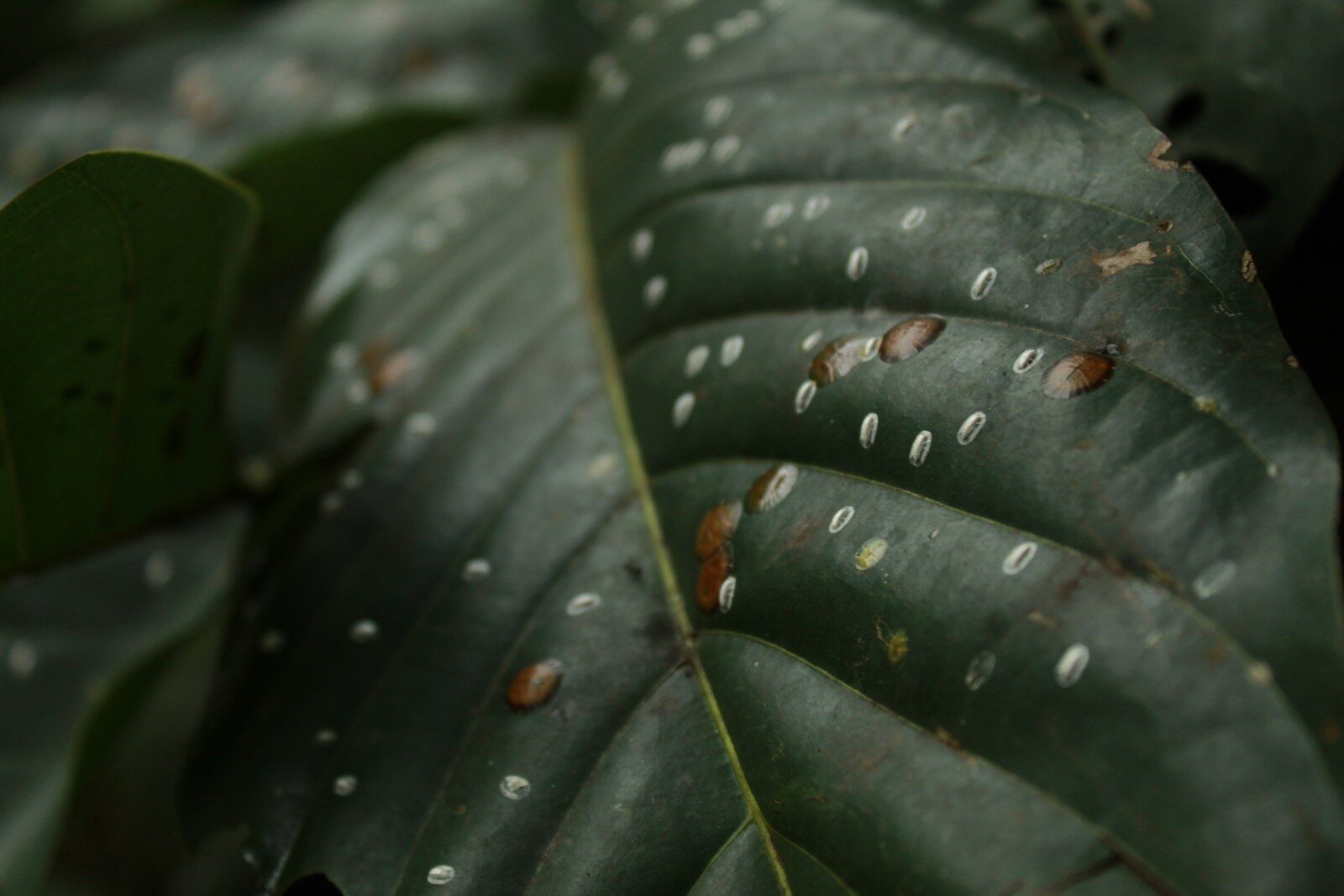
Half the people who ask me about scale do not even know they have an insect problem. They see brown bumps on a stem, decide the plant has a disease or some odd bark growth, and try to wipe it off.
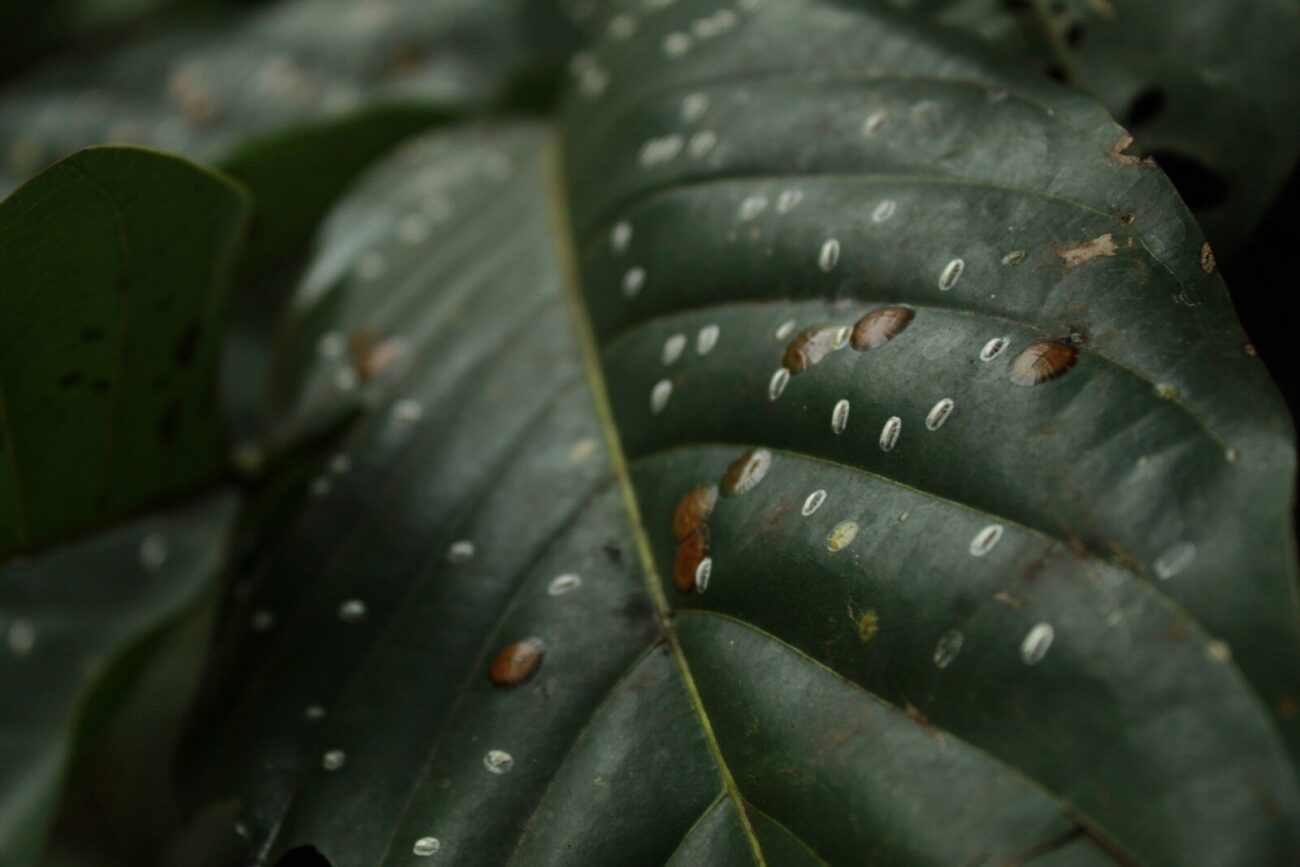
The bumps do not budge. That is because each bump is a living insect, glued in place under a hard shell it built over itself, drinking sap from the plant beneath it.
Scale is the pest people most often give up on. I understand why. It ignores sprays, it barely moves, and it comes back weeks after you thought you had won. But it is beatable, and the method is simpler than most people expect once you understand what that shell is actually doing.
Why scale ignores your sprays
Here is the thing that changes everything. An adult scale insect is not really trying to escape you. It has settled on one spot, pushed its mouthpart into the plant, and built a hard waxy shell over its own back. Under that shell it stops moving, stops looking like an insect, and just feeds.
That shell is armour, and it works. A contact spray hits the shell and stops there. The insect underneath carries on feeding without noticing. This is why people spray, see the bumps still sitting there a week later, and conclude scale is unkillable.
It is not unkillable. It is just unreachable by spray alone at that stage. You have to either get the shell off the plant, or hit the insect at the one point in its life when it has no shell at all. I do both, and that is the whole method.
The bumps themselves come in two rough types. Hard scale looks like a small brown, black, or grey dome, dry and shell-like, stuck to stems and the undersides of leaves. Soft scale is a bit flatter and stickier, and it produces honeydew, that sugary waste that leaves your leaves shiny and grows black sooty mould underneath. If a plant is sticky and blackening with no bug in sight, look for scale on the stems above.
The crawler stage, and why it is your best chance
Scale is not born armoured. That is the gap in its defences, and it is where I aim everything.
Eggs hatch under the mother’s shell into tiny mobile young called crawlers. These crawlers are soft, pale, and small enough that most people never see them. They walk out from under the mother, wander across the plant looking for a good feeding spot, and once they settle they push in their mouthpart and start building the shell that will protect them for the rest of their lives.
For those few days, they are naked. No shell, no armour, nothing between them and a soap spray. A treatment that bounces harmlessly off an adult will wipe out crawlers on contact.
This is why timing beats brute force with scale. Spraying once, on a plant covered in armoured adults, does almost nothing. Spraying on a schedule, so that every wave of crawlers meets a treated plant as it hatches, is what actually clears an infestation. Everything I do below is built around that idea.
The plant is not just standing there
It is easy to picture the plant as a passive victim, sitting still while it gets drained. It is not, and this part explains the armour better than anything.
A big chunk of my training went into how plants respond to attack, and the short version is that they fight back with chemistry. The moment something starts feeding, the plant registers the wound and reacts, loading the sap around the site with defensive compounds and firing off stress signals that make the tissue harder to feed on. It is quiet, but it is real, and plenty of pests get seen off this way.
Now look at what scale does. It settles in one place, stops moving, seals itself under a shell, and feeds slowly and steadily from a single point. That is not a lazy insect. That is an insect built to sit inside a plant’s defences and take the hits. The shell that stops your spray also blunts what the plant throws at it.
And that standoff costs the plant. Mounting a defence burns energy that would otherwise go into new leaves and roots, which is part of why a scale-infested plant looks so tired and grows so slowly. Even after you clear the bugs, the plant needs time and decent care to get back to normal, so do not panic if it sulks for a few weeks.
The first signs, before you see the bumps
People often ask what the earliest sign of scale is, and it is usually not the insect. It is the mess.
Sticky leaves come first. If leaves feel tacky, or the floor and shelf under the plant has a shiny film on it, that is honeydew dripping from soft scale above. Ants marching up the stem are the same signal, since they farm scale for that sugar and will defend it from predators.
Black sooty mould follows, growing on the honeydew and coating the leaves in a dark film. It looks alarming but it is not attacking the plant, it just blocks light and looks awful.
Then the plant itself starts to tell you. Yellowing leaves, slow growth, leaf drop, and a general tiredness that does not lift after watering. By the time you notice the bumps, they have usually been there a while, so check the stems and leaf undersides of anything sticky, ant-covered, or oddly sluggish.
How I get rid of scale
The plan is always the same: scrape off what you can reach, then treat on a schedule to kill the crawlers as they hatch. Neither half works alone.
Scrape the adults off by hand
This is the step people skip, and it is the one that matters most. Since spray cannot get through the shell, I remove the shells physically.
I use a fingernail, an old toothbrush, or a cotton bud dipped in 70 percent isopropyl alcohol, and I work along every stem and leaf underside, scraping the bumps off. The alcohol helps loosen them and kills what is under the shell. It takes patience on a big plant, but every adult I remove is a mother that will never hatch another batch of crawlers.
Get the plant properly clean here. Check leaf joints, the undersides of leaves, the base of the stem, and the crown. Scale hides in the same tight, sheltered spots as most pests, and the ones you miss are the ones that restart the whole problem.
Then spray on a schedule to catch the crawlers
Once the visible adults are off, this is where you actually win. A soap spray, an insecticidal soap, or horticultural oil kills the soft crawlers on contact. Mix about a teaspoon of mild liquid soap into a litre of water, or use insecticidal soap as directed, and coat the whole plant, undersides included.
Then repeat every seven days for at least four to six weeks. That schedule is the entire treatment, because it means every new crawler that hatches walks onto a treated plant. Stop after one or two sprays and the survivors settle, build shells, and you are back to square one.
I want to be blunt about that timeline, because it is where most people fail. Scale takes longer to clear than any other common houseplant pest. Four weeks minimum, six is safer, and you keep going even when the plant looks clean.
Horticultural oil for stubborn cases
Oil works differently from soap, and it is my choice on a plant that keeps bouncing back. A horticultural or neem oil coats the shell and blocks the insect’s air supply, so unlike a plain contact spray it can actually kill some armoured adults, not just crawlers.
Coat the whole plant thoroughly, since oil only works where it lands, and repeat weekly. Do not use it in strong sun or on a stressed, bone-dry plant, and test a leaf first, because oils can burn foliage when conditions are wrong.
Prune out the worst
If a stem or branch is crusted with scale, cut it off and bin it. Removing the heaviest colonies in one snip beats scraping them one by one, and the plant will push out clean new growth. Never compost the prunings, since you are just moving the problem.
When to give up on a plant
I would rather say this plainly than pretend every plant is worth saving. If a plant is small, cheap, badly crusted, and sitting beside a collection I care about, I bin it. Scale spreads, treatment takes six weeks, and one stubborn plant can reinfect a shelf. Save the plants you love and cut the ones you do not.
How I stop scale coming back
Quarantine every new plant for two to three weeks before it joins the others, and inspect it properly first. Scale nearly always arrives on a new plant, and the crawlers are small enough to sneak in unnoticed. Look along the stems, the leaf undersides, and the leaf joints under good light.
Then keep looking. Scale hides in plain sight because it does not look like an insect, so I run a finger along the stems of my plants now and then and feel for bumps that should not be there. Sticky leaves are your early warning, so treat any tackiness as a reason to go hunting.
Beyond that, keep your plants in decent shape, since a strong plant fends off a light infestation far better than a struggling one, and do not let plants sit leaf-to-leaf if one has a problem. Crawlers only need a touching leaf to move house.
If scale keeps coming back after treatment, it is nearly always one of two things: adults you missed in a hidden spot, or a treatment schedule that stopped too early. Go over the plant again with the alcohol and toothbrush, and this time run the full six weeks.
FAQs
Can you ever get rid of scale insects?
Yes, though it takes longer than most pests. The reason people think you cannot is that they spray a few times, see no change, and quit. Scrape the adults off by hand, then spray every seven days for four to six weeks to kill each new wave of crawlers, and the infestation ends.
Why is scale so hard to get rid of?
Because the adults sit under a hard shell that contact sprays cannot get through. Anything you spray runs off the armour and the insect underneath keeps feeding. You have to remove the adults physically and then time your sprays to hit the crawlers, which are the one stage with no shell.
What are the first signs of scale?
Usually sticky leaves before you spot any insect, since soft scale drips sugary honeydew. Ants climbing the stems and a black sooty film on the leaves follow. The bumps themselves are often noticed last, because they look like part of the plant.
Will Dawn dish soap kill scale?
Soap kills the soft crawler stage on contact, so it does part of the job. It will not get through an adult’s shell. I use a mild liquid soap or a proper insecticidal soap rather than dish detergent, since detergents carry degreasers and scents that burn some leaves, and I test a leaf first.
Does hydrogen peroxide get rid of scale?
It is not the tool I would pick. Peroxide has no real advantage over rubbing alcohol on the shells, and rubbing alcohol on a cotton bud combined with scraping does the job better. For the crawlers, soap or horticultural oil works well.
Will scale come back after treatment?
It does if you stop too early, which is the usual reason. Eggs and hidden adults keep producing crawlers for weeks after your first spray, so a treatment that ends at two weeks leaves survivors to settle and rebuild. Run the full four to six weeks even when the plant looks clean.
Are scale insects harmful to humans or pets?
No. Scale does not bite, sting, or live on people or animals, since it feeds only on plant sap. The honeydew is sticky and the sooty mould looks bad, but neither poses a risk to you, your cats, or your dogs.
Can scale kill a plant?
A heavy infestation can, especially on a small or already weak plant, since the constant sap loss starves it. Most established plants survive but grow poorly and look tired. Scale can also kill branches on a tree or shrub even when the whole plant pulls through.
Will scale spread to my other plants?
Yes. The crawlers walk between touching plants and ride around on tools and hands. Adults barely move, so the spread happens during that mobile crawler stage, which is why isolating an infested plant early matters.
Does neem oil kill scale?
Yes, and it is one of the better options, since oil coats the shell and blocks the insect’s air supply rather than just sitting on the surface. That means it can reach some armoured adults, not just crawlers. Coat the plant thoroughly, repeat weekly, and keep it out of strong sun.
Can scale live in soil?
The scale on your leaves and stems lives on the plant, not in the soil, so a soil drench is not the answer for it. If a plant keeps declining with white specks on the roots, you are likely dealing with root mealybugs instead, which are a different pest with a different fix.
How long does it take to get rid of scale?
Four to six weeks of scraping plus weekly sprays. That covers the time for every hidden egg to hatch into a crawler and meet a treated plant. It is the longest treatment of any common houseplant pest, and shortcutting it is why people think scale cannot be beaten.
The people who beat scale are just the ones who did not stop
Scale is not the toughest pest because of the shell. It is the toughest because it takes six weeks and most people quit at two. Scrape the adults off, spray every week, and keep going after the plant looks clean, because the crawlers hatching next week are the ones that decide whether you won.
If you do nothing else, run your fingers along the stems of a new plant before it joins the others, and treat sticky leaves as a warning rather than a nuisance. Catching scale in the first month is a different job entirely from catching it in the sixth.