

This article was written and reviewed by Serge, MSc. I hold degrees in Plant Biology, Environmental Biology and Biogeochemistry, with research experience in plant physiology, ecosystem science, and field-based environmental studies. Every article on this site is grounded in real academic training and genuine scientific research.
Affiliate disclosure: This site has affiliate links, including Amazon. As an Amazon Associate I earn from qualifying purchases, at no extra cost to you.
I want to tell you something that took me years of formal study to fully appreciate.
Every time you dig your garden you are destroying one of the most productive biological systems on the planet. Not damaging it. Not temporarily disturbing it. Destroying months of careful construction that took your soil biology the entire previous growing season to build.
I know that sounds dramatic for something as routine as turning over a bed in spring. But stay with me. Because once you understand what is actually happening in that soil, the chemistry and biology of it rather than just the general principle, you will never want to pick up a spade again.
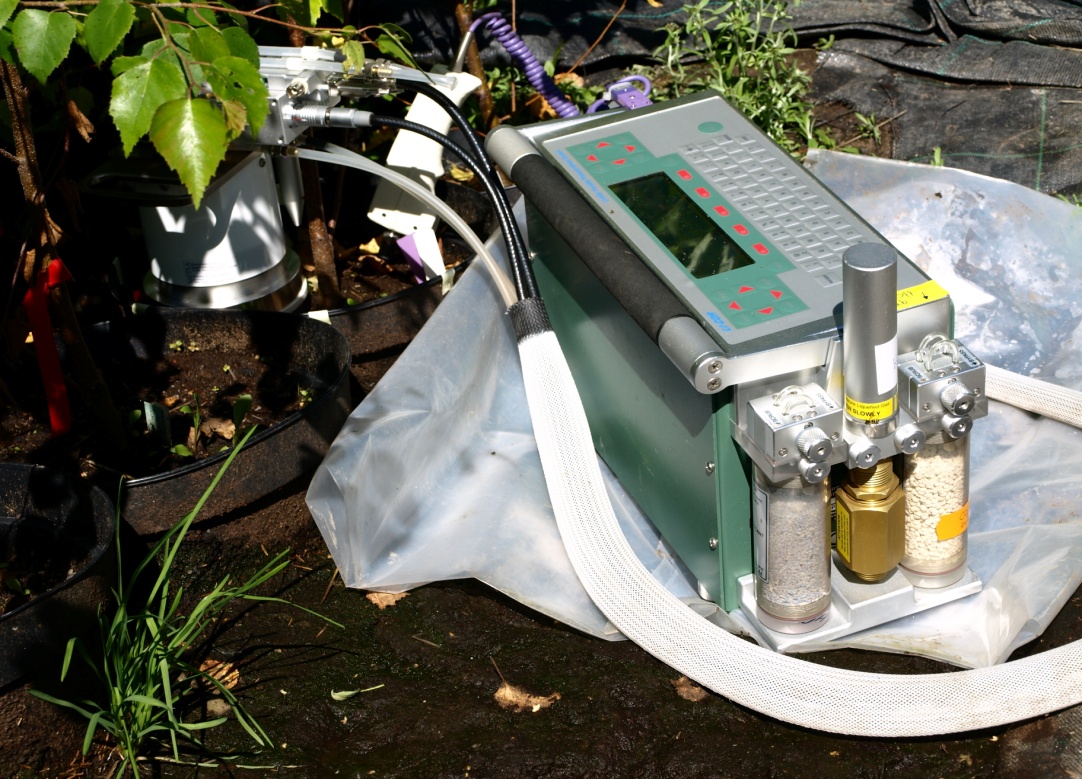
I studied soil carbon dynamics during my postgraduate research in environmental biology and biogeochemistry. Part of that work involved measuring CO₂ efflux from forest soil. That means measuring the rate at which carbon stored in soil organic matter gets released into the atmosphere through microbial activity.
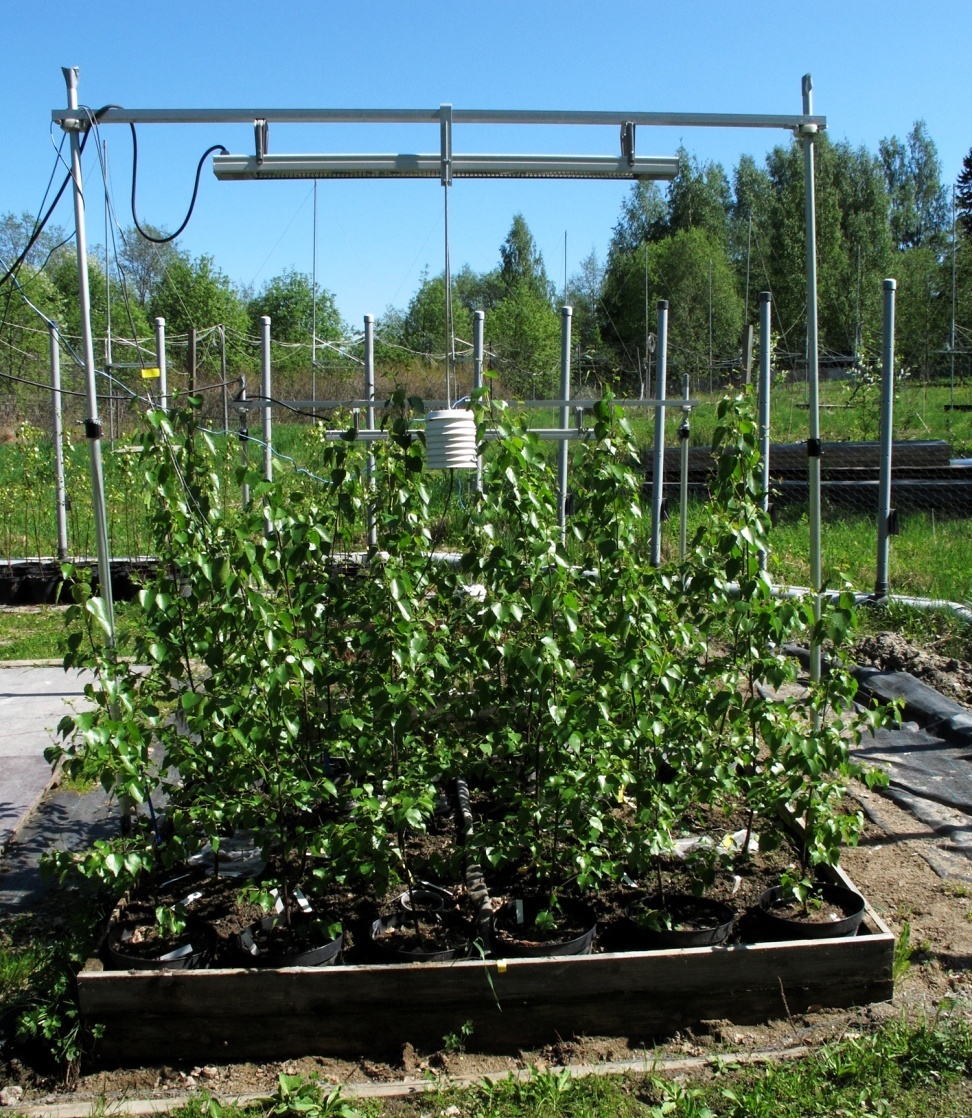
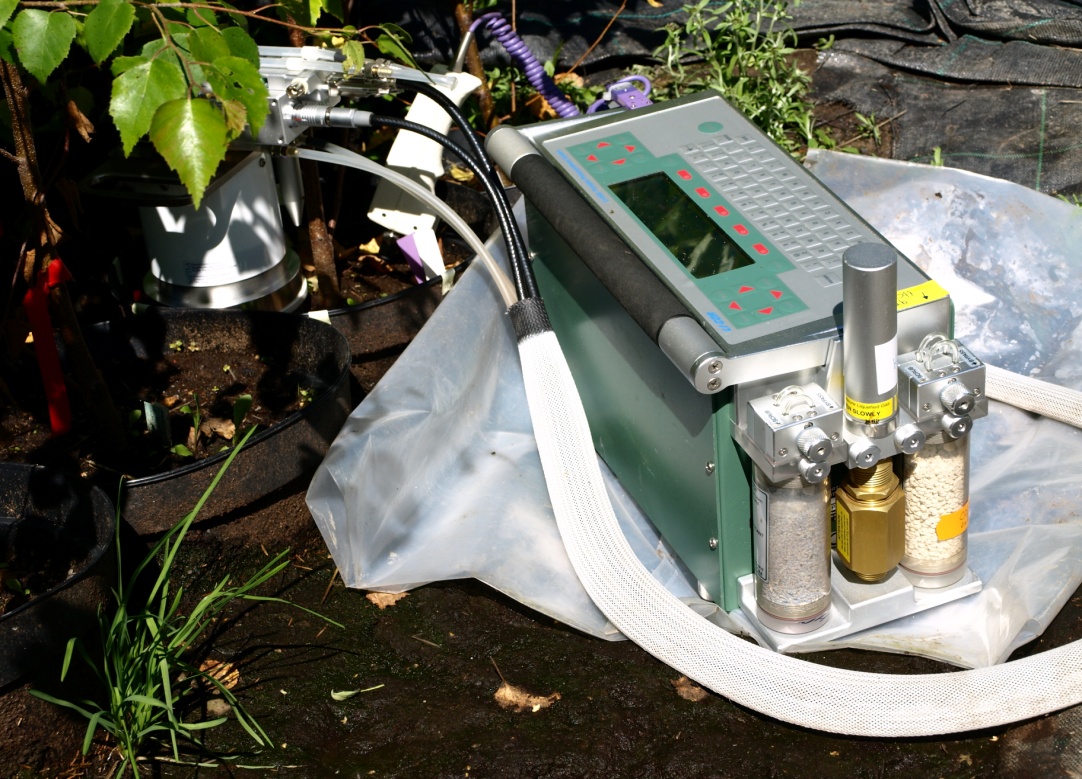
I spent a full growing season with a LI-COR gas analyser pressed against the ground beneath Silver Birch trees, watching carbon move in real time between soil and atmosphere. What those measurements showed me about soil disturbance changed how I think about gardening completely.
The numbers from that research were striking. Even a modest temperature increase of 0.9 degrees Celsius above ambient accelerated soil CO₂ efflux by 24 to 36 percent in our experimental plots. Physical disturbance does far more than temperature. When you dig soil you expose previously protected organic matter to oxygen and the microbial communities that decompose it. Carbon that took years to accumulate gets released in weeks.
That carbon is not just a climate issue. It is the primary driver of your soil water retention, nutrient availability, and biological activity. Losing it makes your soil less productive, not more.
That is what digging costs. Here is what it specifically destroys.
What Tilling Actually Does to Your Soil
Fungal networks
Mycorrhizal fungi extend through soil in fine threads called hyphae. These threads can span metres, connecting plant roots to nutrients and water far beyond what roots can reach on their own. These networks take a full growing season to establish properly after disturbance. A single pass with a fork or rotavator shreds them instantly.
Gardens that are dug annually keep these networks in a permanent early establishment phase. They never develop the density and connectivity that mature undisturbed networks achieve. Your plants run on a reduced nutrient supply the whole time without you ever knowing why they are not performing as well as they should.
I wrote a full article on mycorrhizal fungi here if you want to understand this relationship in more detail. The short version is this. Your plants and the fungi in your soil have a working partnership that took 400 million years of evolution to develop. Digging ends it every year before it reaches its potential.
Soil aggregates
Healthy soil is not loose particles. It is aggregates. Clusters of mineral particles bound together by fungal hyphae, bacterial biofilms, and organic compounds including glomalin, a sticky protein produced by mycorrhizal fungi. These aggregates create the pore structure that allows water to infiltrate, gases to exchange, and roots to penetrate.
Tilling breaks aggregates apart. The soil feels loose and open immediately after digging but that structure collapses under rain. Surface capping and compaction develop quickly. And then gardeners dig again the following year to fix the compaction that the previous digging caused. It is a cycle that perpetuates itself indefinitely.
Bacterial communities
Soil bacteria occupy specific habitats in aggregates and pore spaces. Different species dominate different positions in the soil profile. Aerobic species live near the surface. Anaerobic communities live deeper down. Each layer has specialist organisms driving specific nutrient cycling processes.
Tilling mixes these layers. It displaces specialist communities from their optimal zones and disrupts the functional relationships between species that drive nitrogen cycling, phosphorus release, and organic matter decomposition. It takes a full season for these communities to reorganise. Then you dig again.
Carbon storage
I keep coming back to carbon because it is what my research background makes me think about most directly. Organic matter is not just food for plants. It is the physical and biological foundation of everything that makes soil productive.
Repeatedly tilled soils carry a fraction of the organic carbon of equivalent undisturbed soils. That lost carbon does not come back quickly. It takes years of undisturbed biological activity to rebuild what a single cultivation event destroys. And most gardeners dig annually so it never gets the chance to rebuild at all.
Why No-Till Actually Works
Leaving soil undisturbed allows all of the biology above to develop and persist.
Mycorrhizal networks establish and expand season after season. Soil aggregates form and stabilise. Organic matter accumulates rather than oxidising away. Bacterial communities reach stable compositions suited to the specific conditions of that soil. Earthworm populations build up. Earthworms are genuinely incompatible with regular deep cultivation and their absence removes a significant driver of structure creation and nutrient cycling.
The result is soil that improves year on year. Long-established no-dig beds consistently outperform equivalent tilled beds in water retention, nutrient availability, and plant health. Not because of what has been added to them but because of what has not been destroyed.
This is not just a theory. It is what the soil carbon and microbiology research consistently shows. And it connects directly to what I observed in my field work. The undisturbed forest floor soil beneath those Silver Birch trees showed dramatically different biological activity patterns from any cultivated soil described in the literature I was reading at the time. The difference was not subtle.
How to Start No-Till Gardening
New beds
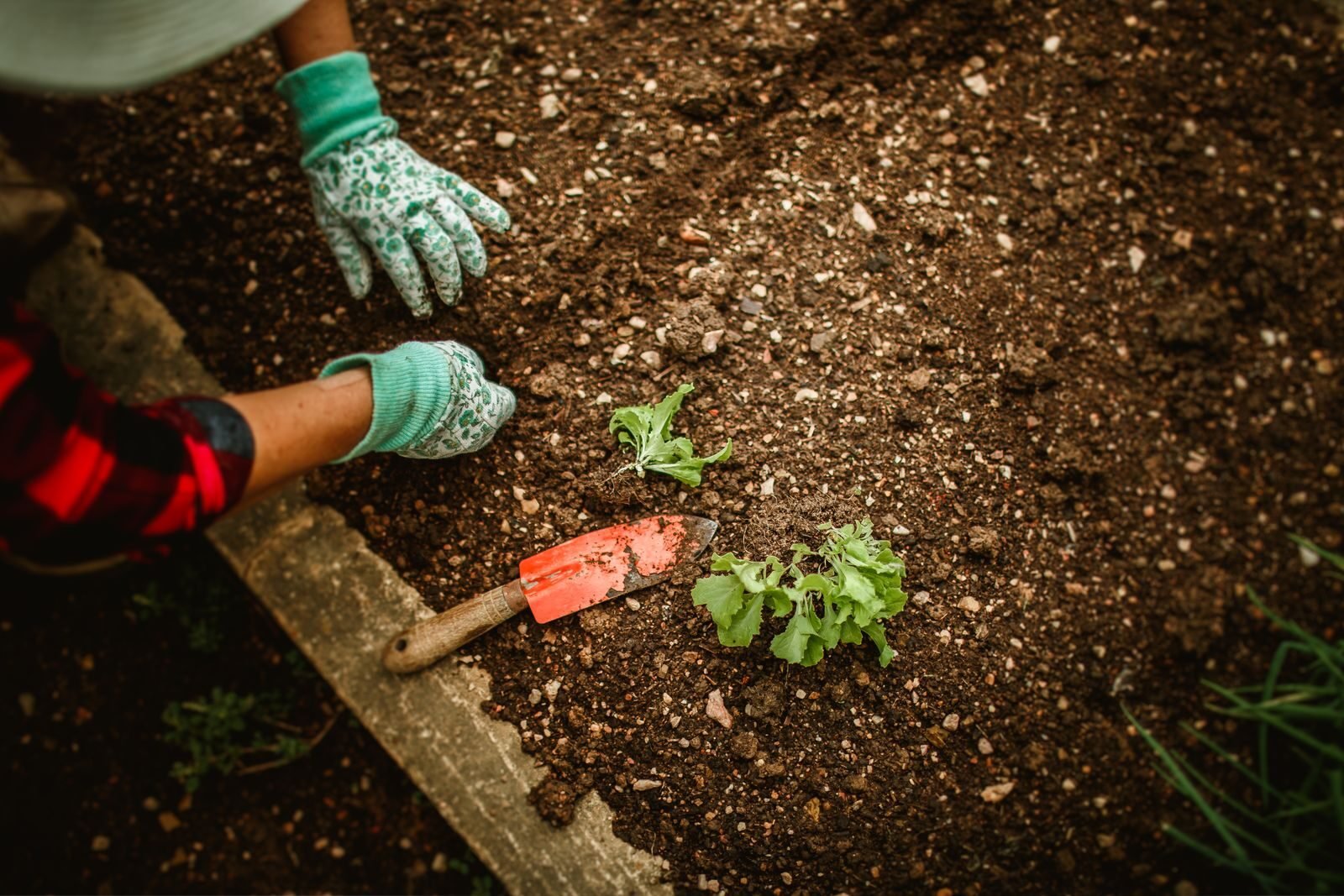
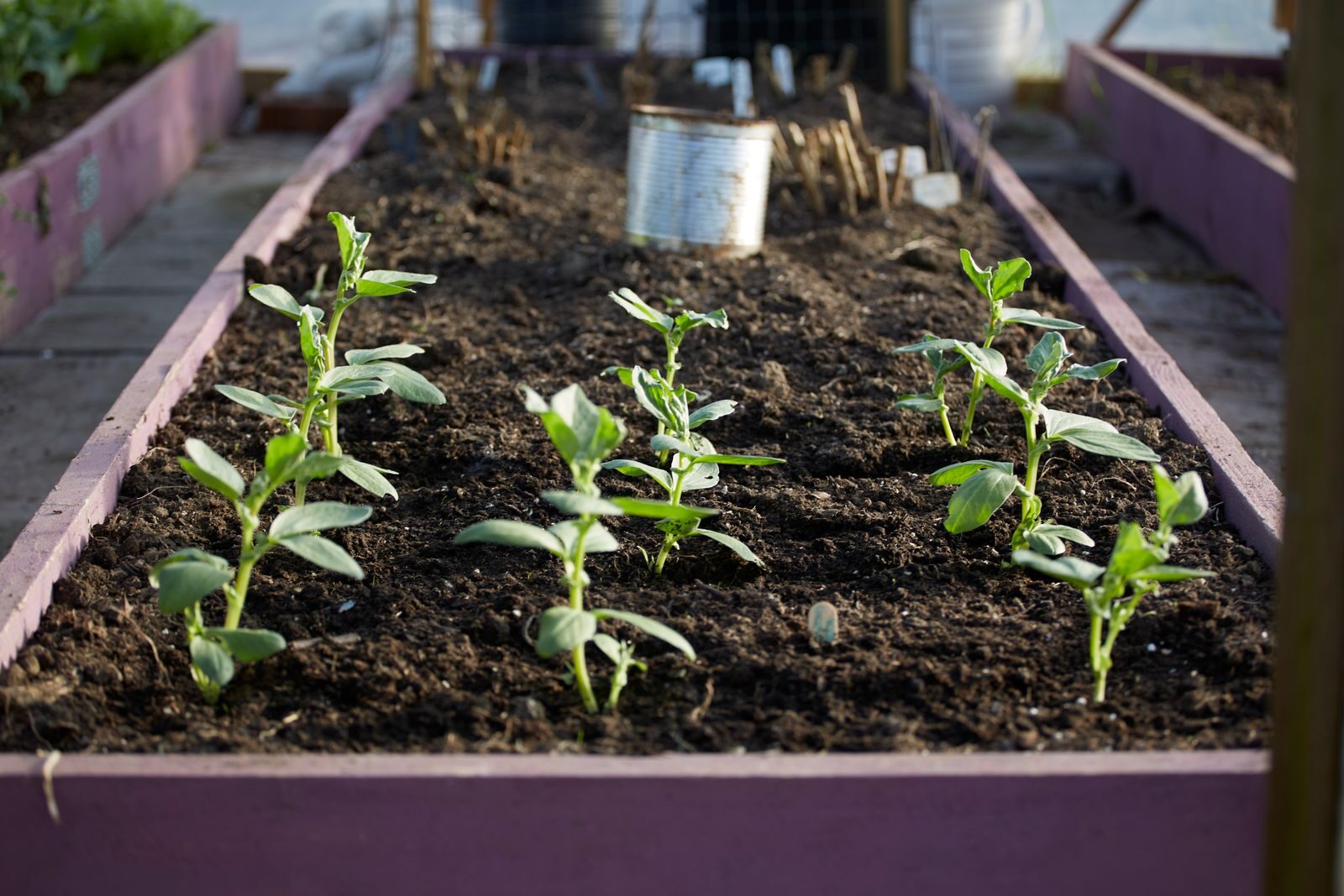
Lay cardboard directly over existing vegetation. Grass, weeds, whatever is there. The cardboard suppresses growth below and feeds soil organisms as it decomposes. Cover with 15 to 20 cm of compost. Plant directly into the compost layer. Roots penetrate the softening cardboard within weeks.
This is the simplest and most reliable way to establish a new no-dig bed without any cultivation. You are building a new soil surface layer and letting the biology connect it to what is below.
Existing tilled beds
Stop digging. Add a 5 to 10 cm layer of compost to the surface each year rather than incorporating it. Soil organisms pull it down naturally. This mimics exactly how organic matter enters forest soil. From the surface downward, not mixed throughout.
The transition takes one to two growing seasons for soil biology to stabilise. Year one you may not see a dramatic difference. Year two and three the improvement becomes obvious in how your plants perform and how the soil behaves under rain and drought.
Managing weeds
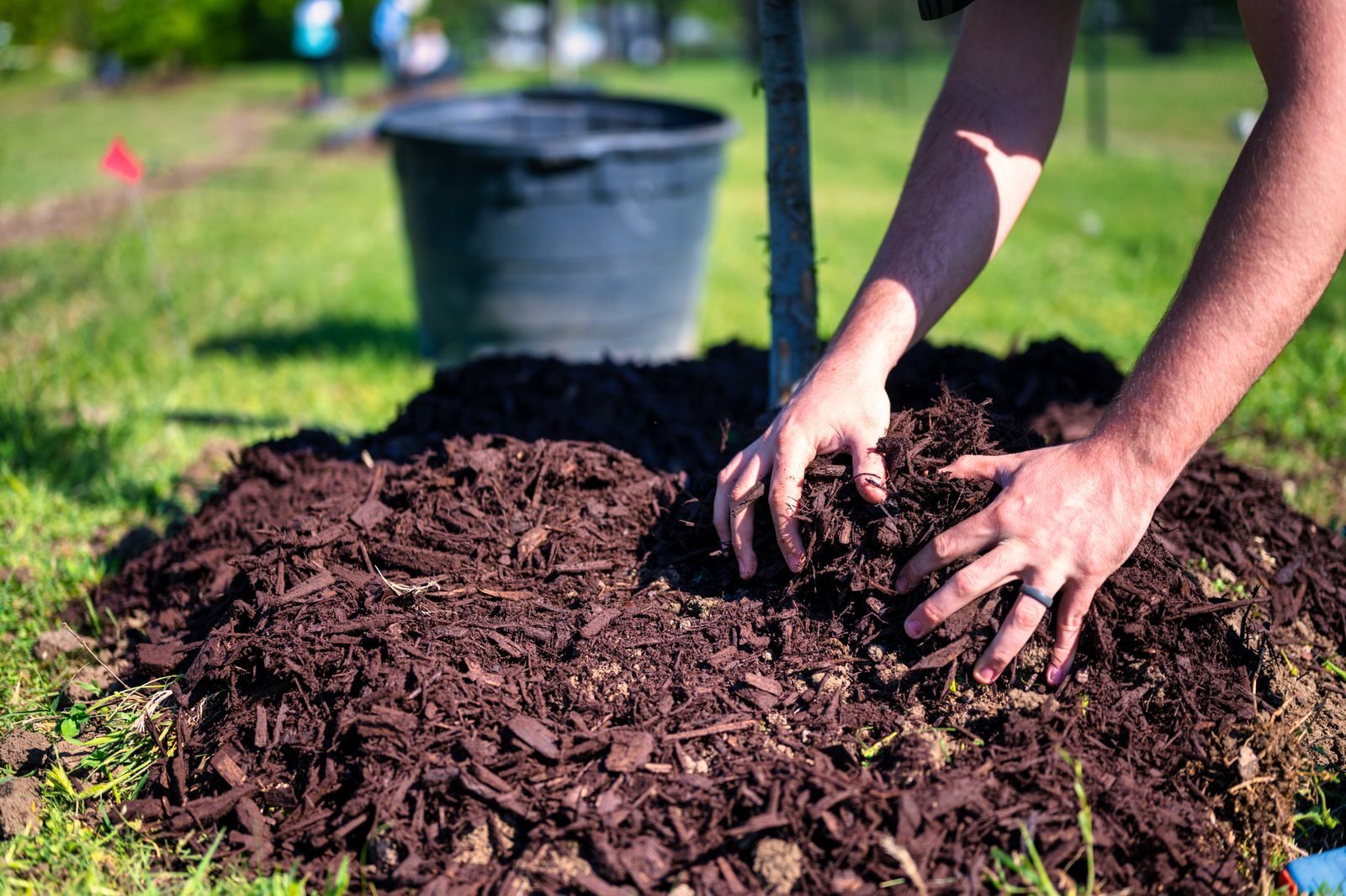
Surface mulching with compost, wood chips, or straw suppresses most annual weeds effectively. Perennial weeds with deep roots need spot treatment or physical removal of the individual root. Dig out the plant not the whole bed.
Once the compost layer is established and the soil surface stays covered weed pressure reduces significantly each year. The first year is the hardest. It gets progressively easier.
Dealing with compaction
If existing compaction is severe a single initial loosening with a broadfork can help before you switch to permanent no-till management. A broadfork lifts and aerates without inverting layers so you are not mixing the soil profile. After that initial intervention biological processes and root action maintain structure without further cultivation.
The Downsides of No-Till
I am not going to pretend no-till is perfect because it is not. Here are the genuine challenges.
Perennial weeds are harder to manage.
Bindweed, couch grass, and other deep-rooted perennials need persistent spot treatment rather than a single cultivation that removes them wholesale. If your plot has serious perennial weed problems this takes longer to resolve under no-till management than it would with cultivation.
Initial establishment takes longer.
A new no-dig bed does not produce the same results in year one as a well-prepared tilled bed. The biological systems take time to develop. You need patience through the transition period.
Some root crops need extra attention.
Parsnips and carrots grow best in loose deep soil. On a no-till bed you may need to prepare individual planting holes with a dibber to get the depth and looseness these crops need for straight development.
Very heavy clay needs initial work.
On seriously compacted or waterlogged clay soil the biology cannot establish effectively until drainage improves. A one-off broadfork treatment before switching to no-till is a reasonable compromise on these soils.
These are real limitations. I think being upfront about them is more useful than presenting no-till as a solution to everything. It is not. But the long-term trajectory of no-till soil is consistently better than repeatedly cultivated soil once the transition period is complete.
Frequently Asked Questions
Does no-till gardening actually work?
Yes. Both the soil science and the long-term experience of growers who practice it consistently confirm that no-till produces better soil over time. The biological systems that drive soil productivity thrive in undisturbed conditions and decline under repeated cultivation.
What is the difference between no-till and no-dig gardening?
The terms are used interchangeably. No-till comes from agriculture. No-dig is the term more commonly used in home gardening. Both describe the same principle — avoiding soil cultivation and managing fertility through surface additions rather than incorporation.
How do you start a no-till garden?
Lay cardboard over existing ground, cover with 15 to 20 cm of compost, and plant directly into the compost. For existing beds stop digging and add compost to the surface annually. The transition takes one to two seasons for soil biology to stabilise.
What are the disadvantages of no-till gardening?
Perennial weeds are harder to manage, initial establishment takes longer than a freshly tilled bed, and some root vegetables grow better in loosened soil. These challenges are real but manageable and the long-term soil quality improvements outweigh them for most gardeners.
Why is no-till gardening better for soil?
It preserves the fungal networks, soil aggregates, and carbon stores that repeated cultivation destroys. Undisturbed soil develops the biological complexity that drives water retention, nutrient cycling, and plant health. Tilled soil resets this system annually and never reaches the productivity of mature undisturbed ground.
How do you fertilise a no-till garden?
Surface applications of compost applied annually provide both nutrition and biological activity. Soil organisms incorporate it naturally. Avoid synthetic high-phosphorus fertilisers which reduce mycorrhizal network development by removing the plant’s need for fungal partnership.
Can you plant straight into a no-dig bed?
Yes. In a well-established no-dig bed with a good compost layer most plants go directly into the compost surface. For transplants make a small planting hole. For seeds sow directly into the compost layer as you would any seed bed.
Is no-till gardening good for clay soil?
Yes over time. Clay soil benefits significantly from the aggregate structure that biological no-till systems develop. Initial establishment on heavy clay may need some surface improvement but long-term no-till management consistently improves clay structure better than annual cultivation which destroys aggregates every season.
What crops grow well with no-till?
Most vegetables, herbs, fruit, and flowers grow well in established no-dig beds. Leafy vegetables, brassicas, alliums, legumes, tomatoes, squash, and most perennial plants all perform very well. Root vegetables like carrots and parsnips need slightly more attention to ensure the compost layer is deep and loose enough for straight root development.
Why do some farmers not use no-till?
Commercial farming has different constraints to home gardening. Equipment costs, crop rotation requirements, and weed management at scale make no-till more complex commercially. For home gardeners these constraints largely do not apply and the case for no-till is much more straightforward.
Stop Digging and Let the Biology Work
The most productive soil in the world was never cultivated. Old growth forest floor, undisturbed for centuries, with organic matter levels, fungal network density, and biological diversity that no amount of digging and amending can replicate in a human timescale.
You cannot match that in a home garden. But the direction of travel is clear. Every year you leave soil undisturbed and feed it from the surface it moves incrementally toward that complexity. Every year you dig it moves away.
The biology knows what to do. Your job is to stop getting in the way.
If you want a practical step by step guide to setting up and managing a no-till garden from scratch this beginner focused book covers the full process in detail, from starting seeds to building raised beds to making compost. A useful companion to the science covered in this article.
This page contains affiliate links. If you purchase through these links I may earn a small commission at no extra cost to you.