


This article was written and reviewed by Serge, MSc. I hold degrees in Plant Biology, Environmental Biology and Biogeochemistry, with research experience in plant physiology, ecosystem science, and field-based environmental studies. Every article on this site is grounded in real academic training and genuine scientific research.
Affiliate disclosure: This site has affiliate links, including Amazon. As an Amazon Associate I earn from qualifying purchases, at no extra cost to you.
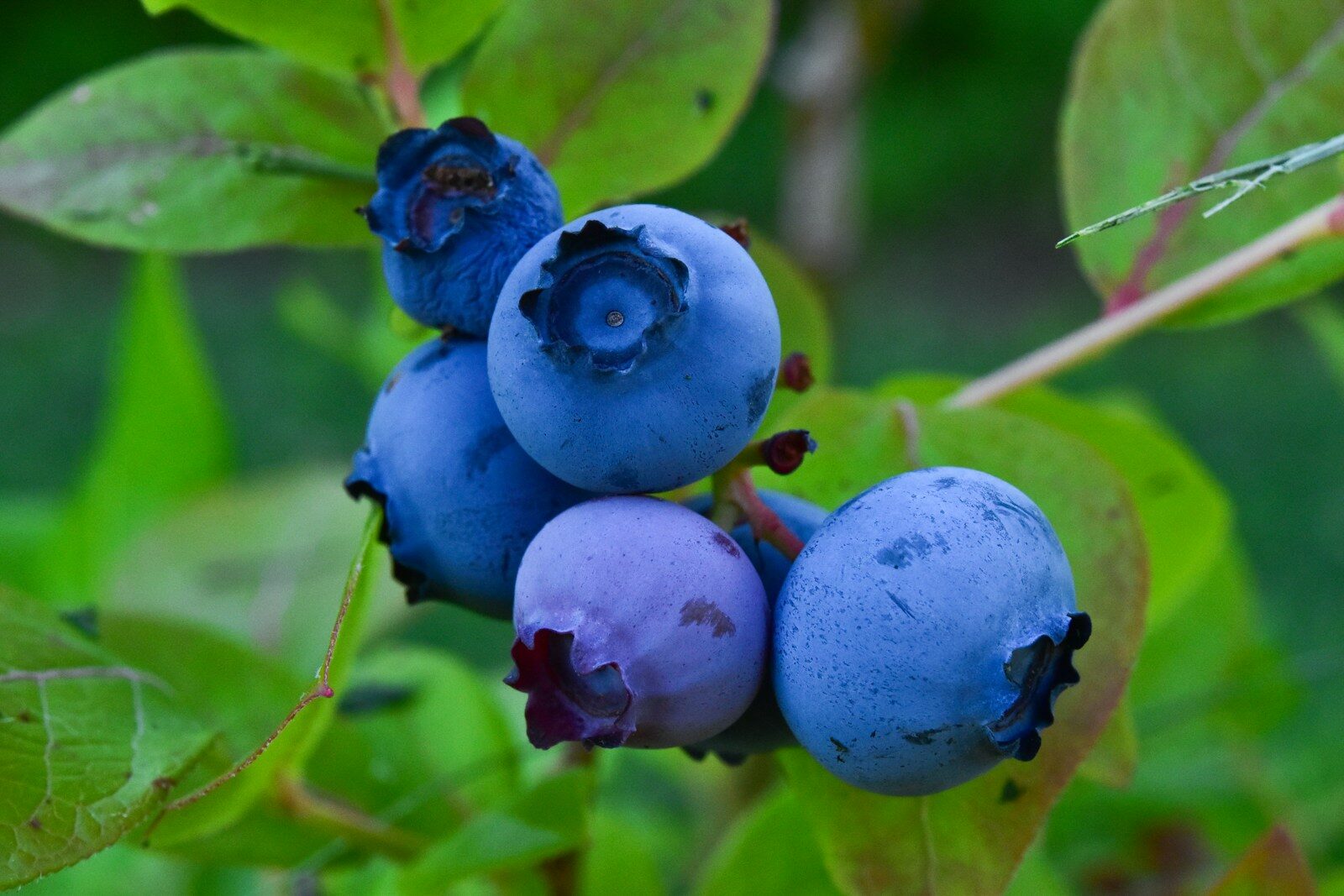
Blueberries are among the most loved berries in the world. Many people enjoy them in smoothies, desserts, breakfast bowls, and fresh snacks.
For many of us, blueberries also carry memories of walking through forests or countryside areas and picking handfuls of fresh berries straight from the bushes. They are small, sweet, slightly tangy, and incredibly nutritious. Rich in antioxidants, vitamins, and fiber, blueberries are often considered one of the healthiest fruits available.
Because they are widely sold in supermarkets, it is easy to assume blueberries are difficult to grow at home. After all, it is much easier to pick up a box of fresh or frozen berries from the nearest store. Stepping into your own garden to harvest blueberries you have grown yourself offers a unique experience. The flavor is often richer, the berries are fresher, and caring for the plants provides a deeper appreciation for plant science and gardening.
Growing blueberries also offers something that buying fruit cannot provide: the opportunity to observe how a plant grows from seed or a young bush into a mature fruit-producing plant.
Watching the flowers appear in spring, seeing the berries slowly ripen during summer, and learning how soil, sunlight, and water influence plant growth can make gardening both enjoyable and educational. With the right conditions, blueberry plants can grow successfully in home gardens, backyards, and even containers on balconies.
What Makes Blueberries Unique Plants
Blueberries belong to the genus Vaccinium, part of the Ericaceae plant family. This group includes other familiar plants such as cranberries and rhododendrons. Blueberries are perennial shrubs, meaning they live for many years and produce fruit annually once established.
There are several types of blueberries grown around the world.
Highbush blueberries (Vaccinium corymbosum) are the most common in home gardens because they produce large berries and adapt well to temperate climates.
Lowbush blueberries (Vaccinium angustifolium) are smaller, spreading plants that naturally grow in colder regions and forested areas. Unlike taller highbush varieties, they form dense mats close to the ground and often cover large areas in the wild.
These hardy plants are well adapted to harsh climates, producing smaller berries that are intensely flavorful and ideal for jams, desserts, and fresh snacking, making them a unique and resilient option for gardeners in cooler zones.
Rabbiteye blueberries (Vaccinium virgatum) are well suited to warmer climates and can grow into large, robust shrubs. They produce abundant berries over a long season and are often chosen for southern gardens where highbush varieties may struggle.
One interesting scientific feature of blueberry plants is their shallow root system. Unlike many other plants, blueberry roots lack tiny root hairs that normally absorb nutrients from soil. Instead, they rely on beneficial fungi called mycorrhizae that live around their roots.
These fungi help the plant absorb nutrients and water, particularly in acidic soils rich in organic matter. Because of this relationship, blueberries grow best in soils that mimic their natural woodland environment.
Blueberry plants also provide beauty throughout the year. In spring, they produce delicate bell-shaped flowers that attract pollinators. During summer, clusters of blue berries gradually develop. In autumn, their leaves often turn brilliant shades of red and orange, making them attractive ornamental plants as well.
Choosing the Right Location
When planning to grow blueberries, the planting location plays a major role in success. Blueberries naturally grow in sunny forest openings where they receive plenty of light but still benefit from organic-rich soil.
Sunlight is essential for strong growth and fruit production. Blueberries perform best in areas that receive at least six to eight hours of direct sunlight each day. Plants grown in shade may survive, but they usually produce fewer flowers and smaller harvests.
Soil conditions are equally important. Blueberries require acidic soil with a pH between 4.5 and 5.5. This level of acidity allows the plant to absorb nutrients effectively. In soil that is too alkaline, blueberries often develop yellow leaves because they cannot absorb iron properly.
Gardeners can improve soil before planting by mixing in organic materials such as peat moss, composted pine bark, or leaf mold. These materials increase soil acidity while improving moisture retention and drainage. Raised beds are sometimes used in areas where the natural soil is too heavy or alkaline.
Temperature also influences blueberry growth. Many varieties require a period of winter cold known as chilling hours to stimulate flower formation. For this reason, blueberries grow particularly well in regions with cold winters and mild summers.
Growing Blueberries from Seeds
Growing blueberries from seeds takes patience, but it allows gardeners to experience the entire life cycle of the plant. Seeds can be obtained from ripe berries and must go through a process that mimics winter conditions before they germinate.
The seed-starting process generally follows these steps:
-
Extract the seeds by crushing ripe blueberries and rinsing away the pulp with water.
-
Cold stratify the seeds by placing them in moist peat moss and storing them in a refrigerator for about six to eight weeks.
-
Prepare small containers or seed trays with an acidic seed-starting mix containing peat moss and sand.
-
Sow the seeds on the surface of the soil and gently press them into the mix without burying them deeply.
-
Keep the soil consistently moist and place the containers in a bright area with indirect sunlight.
-
Transplant seedlings into larger pots once they develop several leaves.
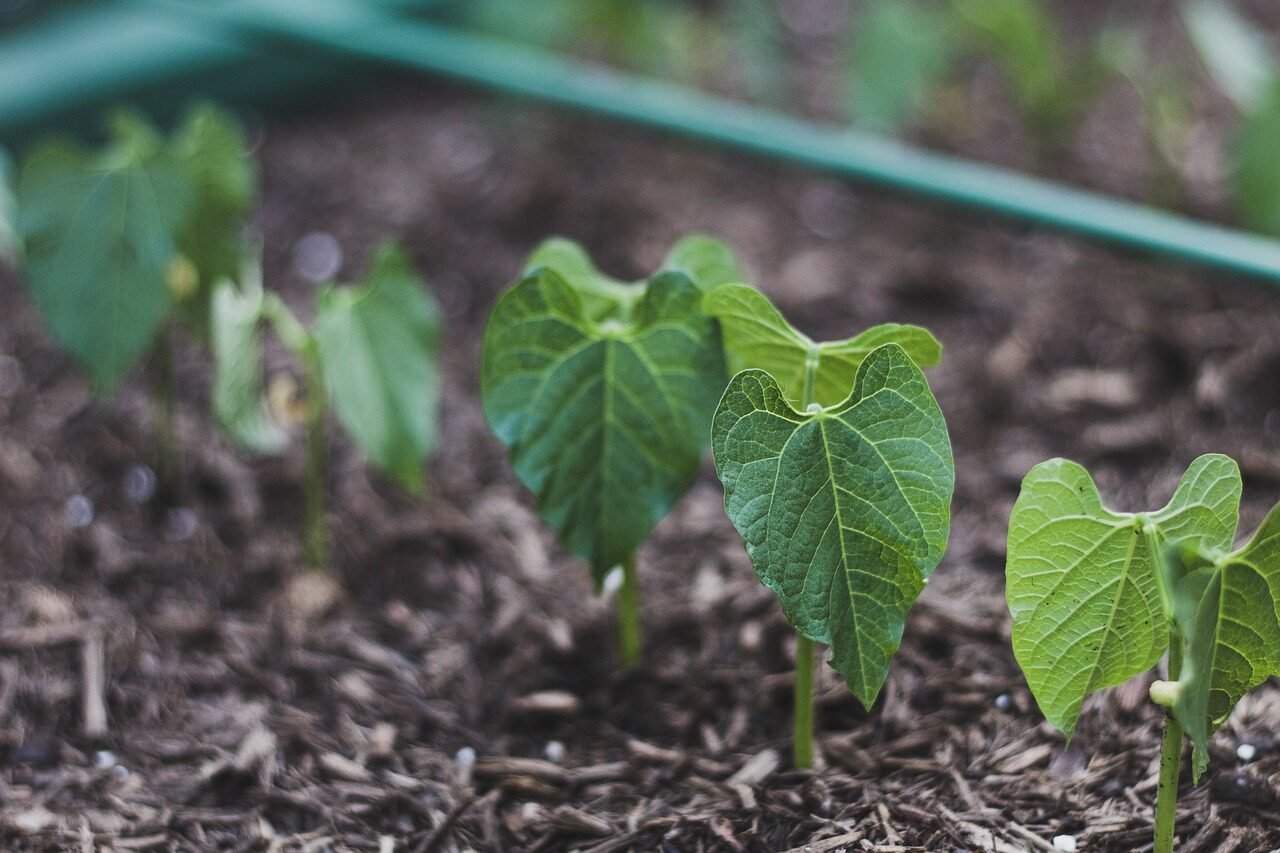
Germination usually occurs within four to eight weeks. Seed-grown blueberry plants take longer to produce fruit than nursery plants, but watching them develop from tiny seedlings into mature bushes can be a fascinating gardening experience.
Planting Blueberry Bushes in the Garden
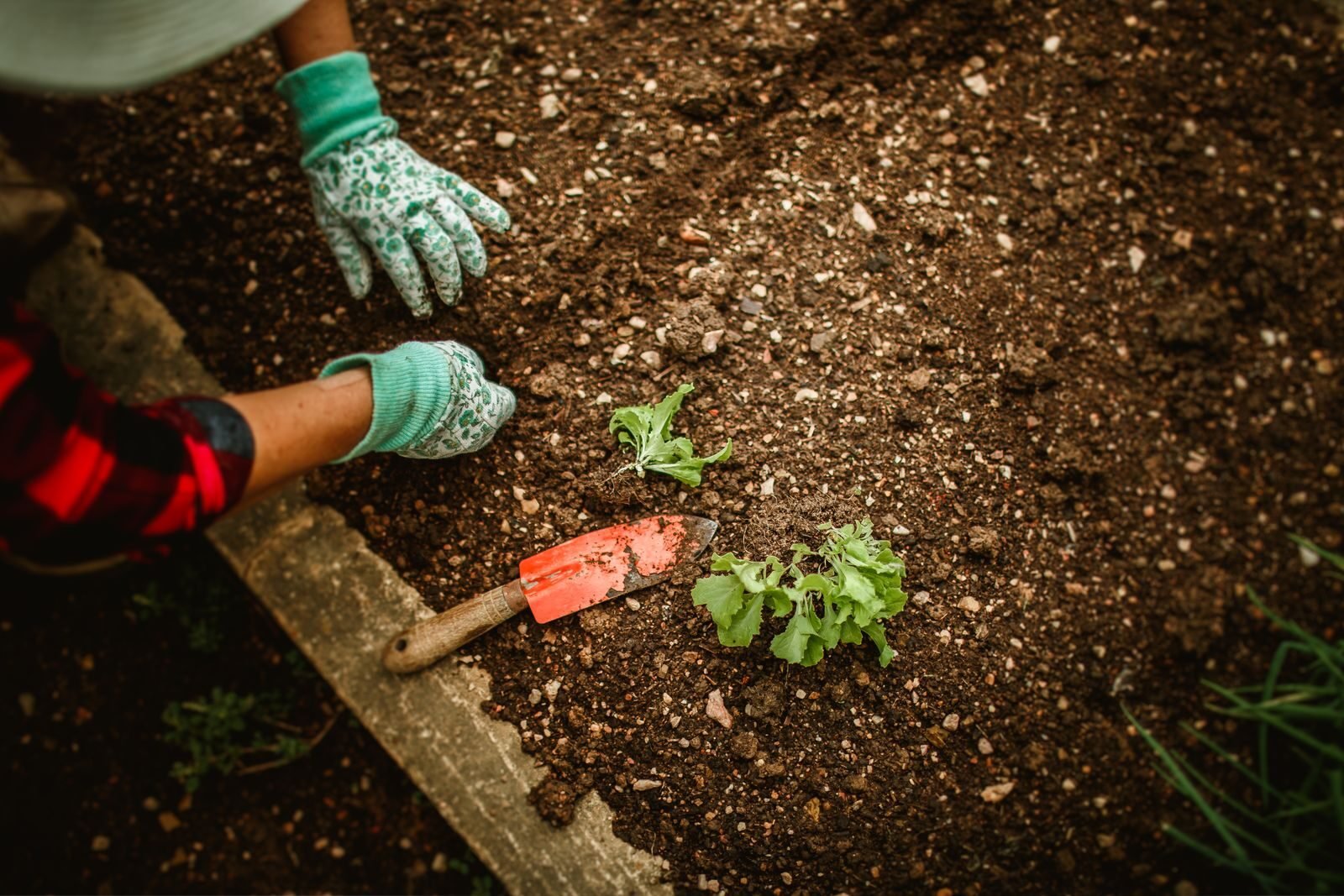
Many gardeners prefer planting young blueberry bushes purchased from nurseries because they establish faster and begin producing fruit sooner. Preparing the soil properly helps ensure the plant adapts well to its new environment.
The planting process typically includes the following steps:
-
Dig a hole twice as wide as the root ball but no deeper than the container in which the plant was grown.
-
Improve the soil by mixing peat moss or compost into the planting area.
-
Place the plant in the hole so that it sits at the same depth as it was in the nursery pot.
-
Fill the hole with soil and water thoroughly to settle the roots.
-
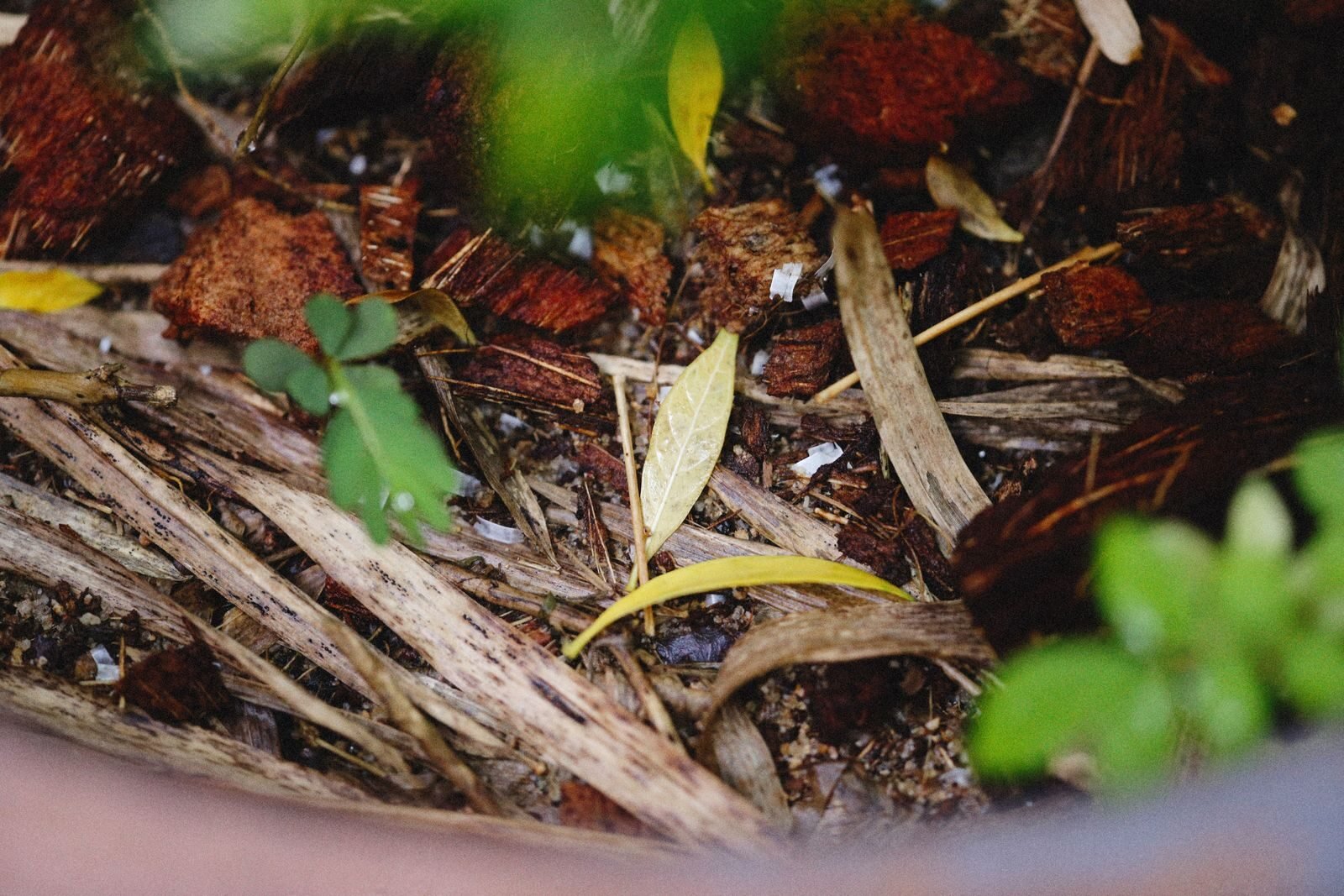
Add mulch around the plant using pine bark, wood chips, or pine needles.
Mulch is particularly beneficial because it helps retain soil moisture, suppress weeds, and slowly increase soil acidity as it decomposes.
Growing Blueberries in Containers
Blueberries grow surprisingly well in containers, making them a good option for gardeners with limited space. A large pot with drainage holes is essential so excess water can escape and roots do not become waterlogged.
The container should be filled with an acidic soil mixture containing peat moss, pine bark, and perlite. Because container soil dries faster than garden soil, regular watering is necessary to keep the roots consistently moist. Container plants also benefit from occasional fertilization to replenish nutrients that wash out during watering.
Growing blueberries in containers also allows gardeners to move the plants if needed, protecting them from extreme weather conditions.
Watering Blueberry Plants
Consistent watering is important for blueberry plants because their shallow roots dry out quickly. During the growing season, the soil should remain evenly moist but never waterlogged.
In most climates, blueberry plants need about two to five centimeters of water each week. Deep watering encourages roots to grow throughout the soil and helps prevent drought stress. Drip irrigation systems are often recommended because they deliver water directly to the soil without wetting the leaves, which can reduce the risk of fungal diseases.
Mulching also plays an important role in moisture management by slowing evaporation and protecting the root zone from temperature fluctuations.
Fertilizing for Healthy Growth
Blueberries benefit from moderate fertilization, particularly during their active growing season. Fertilizers designed for acid-loving plants are usually the most suitable because they maintain the low soil pH that blueberries prefer.
Fertilizer is typically applied in early spring when new growth begins. Some gardeners apply a second light feeding later in spring to support fruit development. Organic options such as cottonseed meal or composted materials release nutrients slowly and help improve soil structure.
Applying too much fertilizer should be avoided because blueberry roots are sensitive and can be damaged by excessive nutrients.
Pruning Blueberry Bushes
Pruning keeps blueberry plants productive and healthy by encouraging the growth of new fruiting branches. As bushes age, older canes become less productive and should gradually be removed.
A basic pruning routine usually involves the following steps:
-
Remove dead, damaged, or diseased branches.
-
Thin crowded stems to improve air circulation and sunlight penetration.
-
Cut out older canes that produce fewer berries.
-
Maintain several strong young canes to support future harvests.
Pruning is best performed in late winter or early spring while the plant is still dormant.
Pollination and Fruit Development
In spring, blueberry plants produce clusters of small bell-shaped flowers that attract bees and other pollinators. Although some varieties can self-pollinate, planting two different varieties often improves pollination and increases fruit production.
Bees play a particularly interesting role in blueberry pollination. They use a method called buzz pollination, vibrating the flowers to release pollen. This process increases the chances of successful fertilization and leads to better berry development.
Managing Pests and Diseases
Blueberry plants are relatively hardy, but gardeners may occasionally encounter pests or diseases. Birds are one of the most common problems because they are highly attracted to ripening berries. Covering plants with netting during harvest season can help protect the crop.
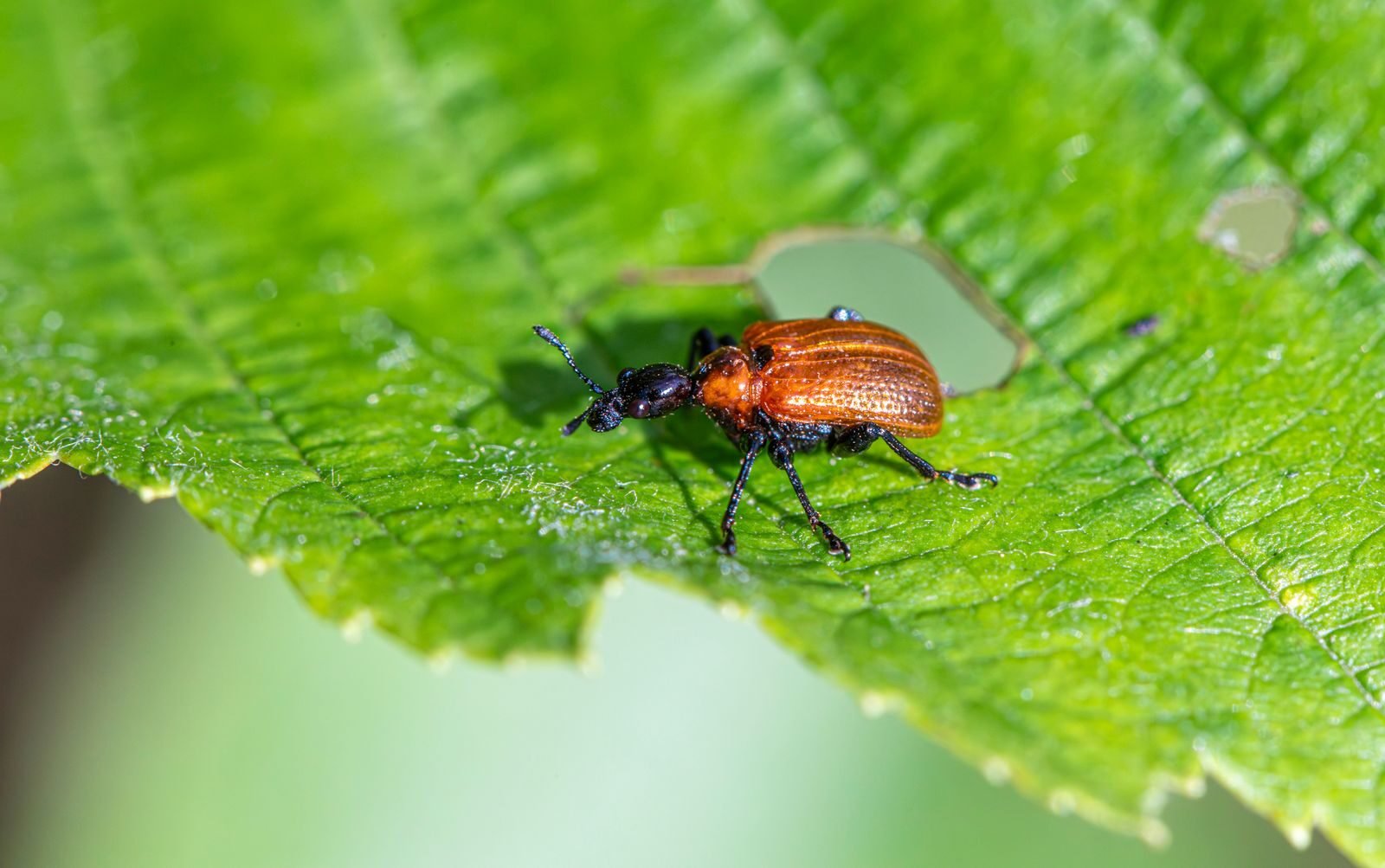
Insects such as aphids may sometimes feed on leaves, while certain larvae may damage berries. Regular observation allows gardeners to identify these issues early and use gentle control methods if needed.
Fungal diseases may occur in humid conditions. Ensuring good air circulation, proper plant spacing, and careful watering can significantly reduce these risks.
Environmental Stress Factors
Blueberry plants respond strongly to environmental conditions. Insufficient sunlight can lead to weak growth and poor fruit production, while excessive heat may cause leaf scorch or reduced berry quality.
Soil pH remains one of the most critical environmental factors. If soil becomes too alkaline, the plant may show signs of nutrient deficiency such as yellowing leaves. Regular soil testing and maintaining acidic conditions help prevent these problems.
Late spring frost can also damage blueberry blossoms. In colder regions, gardeners sometimes protect plants with frost cloth or choose planting locations where cold air does not accumulate.
Harvesting Blueberries
Blueberries usually begin producing fruit two to three years after planting. The berries ripen gradually over several weeks, allowing gardeners to harvest multiple times throughout the season.
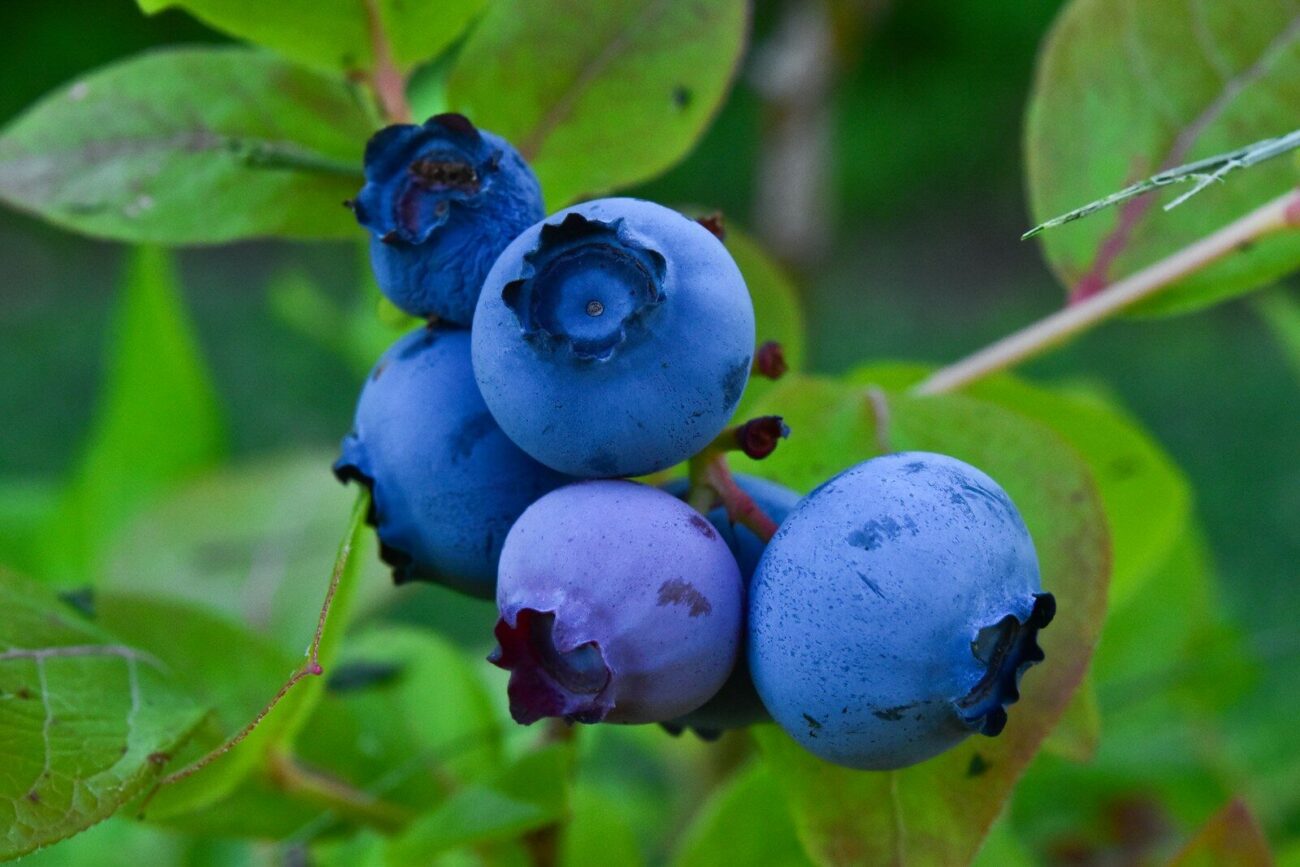
Ripe blueberries are deep blue in color and detach easily from the stem when gently rolled between the fingers. Allowing them to remain on the bush for a few days after turning blue often improves their sweetness.
Conclusion
Blueberries are more than just a tasty fruit we find in grocery stores or pick during forest walks. They are fascinating plants that can easily become part of a home garden. Growing them offers a chance to connect with nature in a deeper way. Instead of simply reading about plant science in books, gardeners can see how soil acidity, sunlight, water, and pollination affect a plant’s life cycle.
Although buying blueberries from a store may seem easier, the experience of harvesting berries that you have grown yourself is incredibly rewarding. Watching a plant flower in spring, caring for it throughout the summer, and finally tasting the fruit it produces creates a special connection between the gardener and the plant.
With the right soil conditions, adequate sunlight, and consistent care, blueberry bushes can thrive for many years and produce generous harvests. Whether planted in a backyard garden or grown in containers on a patio, blueberries provide both delicious fruit and a valuable opportunity to learn more about the living world around us.
FAQs
How long does it take for blueberry plants to produce fruit?
Blueberry plants usually begin producing fruit two to three years after planting, although full production may take several more years.
Do blueberries need more than one plant to produce berries?
Many varieties can self-pollinate, but planting two different varieties often increases yield and improves berry size.
Why are my blueberry leaves turning yellow?
Yellow leaves are commonly caused by soil that is not acidic enough, which prevents the plant from absorbing certain nutrients.
Can blueberries grow in containers?
Yes, blueberries grow very well in containers when planted in acidic soil and watered regularly.
What type of mulch is best for blueberry plants?
Organic mulches such as pine bark, pine needles, or wood chips work best because they help maintain soil acidity and conserve moisture.