

This article was written and reviewed by Serge, MSc. I hold degrees in Plant Biology, Environmental Biology and Biogeochemistry, with research experience in plant physiology, ecosystem science, and field-based environmental studies. Every article on this site is grounded in real academic training and genuine scientific research.
Affiliate disclosure: This site has affiliate links, including Amazon. As an Amazon Associate I earn from qualifying purchases, at no extra cost to you.
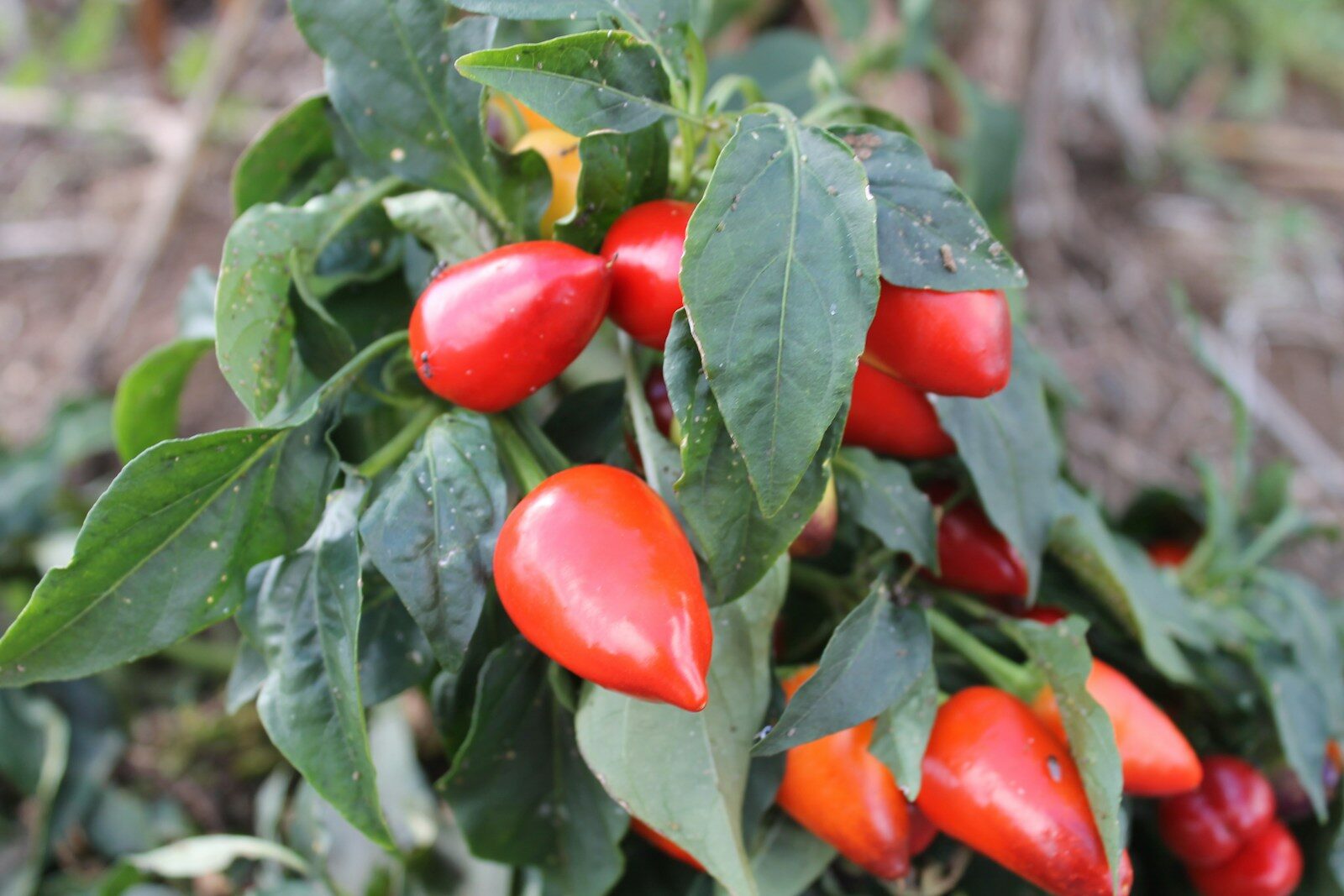
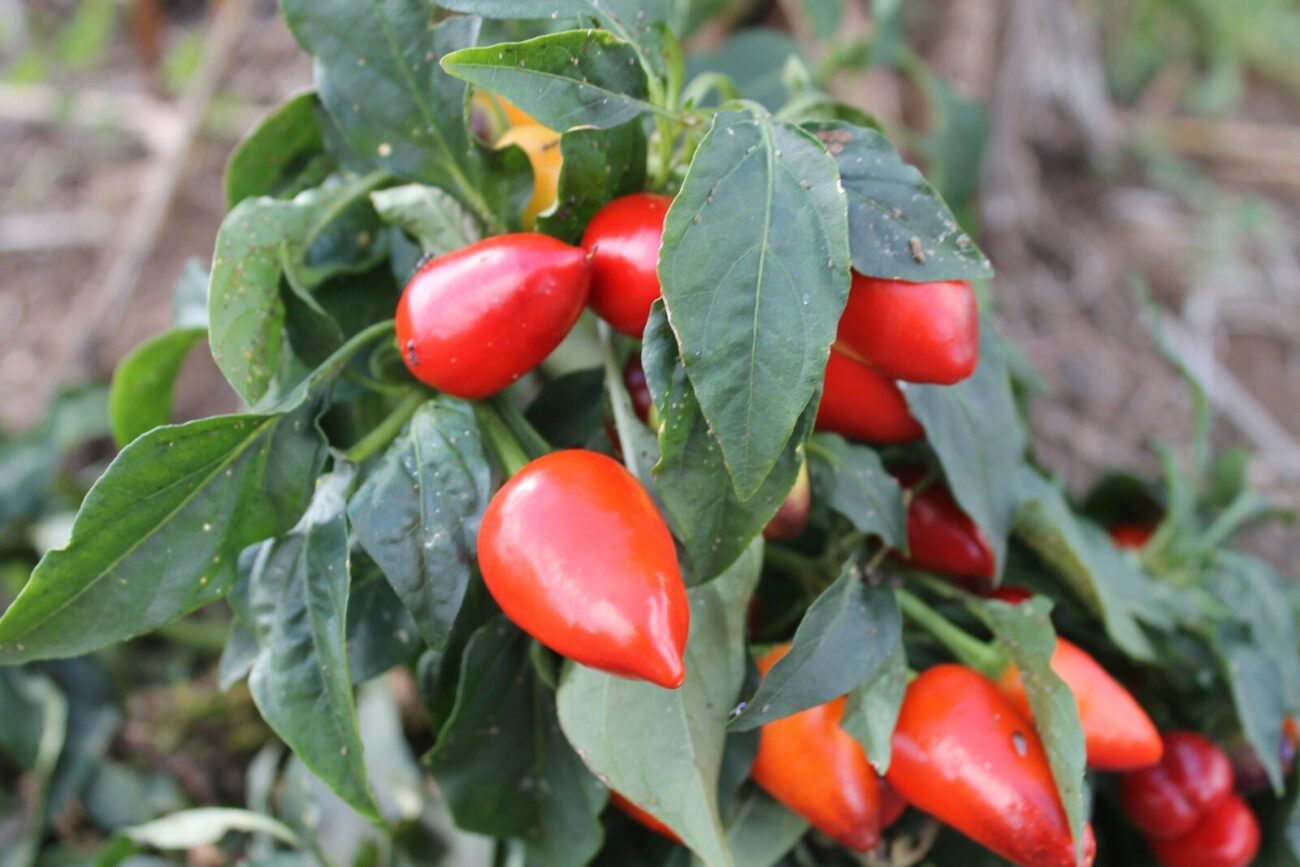
If you’re anything like me and enjoy a bit of heat in your food, peppers are probably already on your mind. Whether it’s a mild sweet pepper in a salad or a hot chili in a spicy dish, peppers show up everywhere in cooking.
A friend once asked me something interesting about peppers. He said:
“Why do peppers taste different depending on where you eat them? Sometimes they’re sweet, sometimes stronger, sometimes much hotter.”
That’s actually a great question, because peppers are one of those crops where variety, growing conditions, and plant stress can noticeably influence flavor and heat.
Peppers belong to the genus Capsicum in the nightshade family (Solanaceae), the same family as tomatoes (Solanum lycopersicum L.), potatoes (Solanum tuberosum L.), and eggplants (Solanum melongena L.).
The most common cultivated species include:
-
Capsicum annuum L. – bell peppers, jalapeños, cayenne
-
Capsicum chinense Jacq. – habanero, ghost pepper types
-
Capsicum frutescens L. – tabasco peppers
-
Capsicum baccatum L. – many South American varieties
All peppers share similar growing needs, so once you learn how to grow one type, you can grow many others.
Let me walk you through how I usually explain pepper growing to those who want to try it themselves.
Why Peppers Taste the Way They Do
Before planting, it helps to understand what makes peppers unique.
The “heat” in peppers comes from capsaicinoids, especially capsaicin, compounds produced mainly in the placental tissue inside the fruit (the white ribs holding the seeds).
Capsaicin is not there for our enjoyment, it’s actually part of the plant’s defense system. It discourages mammals from eating the fruit while allowing birds (which don’t feel the heat) to disperse seeds.
From a plant physiology perspective, several factors influence capsaicin production:
-
Genetics (the pepper variety)
-
Sunlight intensity
-
Temperature
-
Water availability
-
Nutrient balance
Hotter growing conditions and mild plant stress can sometimes increase capsaicin levels. That’s one reason peppers grown in different regions can taste slightly different.
Understanding that helps explain why how you grow peppers can influence their flavor and heat.
Soil and Root Conditions
Peppers develop a moderately deep root system, deeper than lettuce but similar to tomatoes. Healthy roots are essential because they support flowering and fruit production later in the season.
Soil Type
Peppers grow best in:
-
Loose, well-draining loamy soil
-
Soil rich in organic matter
-
Good aeration for root respiration
Compacted soil restricts root growth and limits oxygen availability, which can slow plant development.
If your soil is heavy clay, adding compost or aged organic matter will help improve structure.
Soil pH
Peppers prefer slightly acidic to neutral soil:
Ideal pH: 6.0 – 6.8
At this range, key nutrients such as nitrogen, phosphorus, potassium, calcium, and magnesium remain readily available for plant uptake.
Nutrient Needs
Peppers require balanced nutrition:
-
Nitrogen (N): supports leaf and stem growth early on
-
Phosphorus (P): supports root establishment and flowering
-
Potassium (K): important for fruit development and plant resilience
-
Calcium (Ca): helps prevent disorders such as blossom-end rot
Organic compost helps stabilize nutrient availability and supports soil microbial activity, which assists nutrient cycling in the root zone.
Step-by-Step Guide to Growing Peppers
Now let’s get to the practical part,how to actually grow them.
Step 1: Choose the Right Pepper Variety
Start by deciding what kind of peppers you want to grow.
Sweet peppers
-
Bell peppers (Capsicum annuum L.)
-
Banana peppers
Moderately hot peppers
-
Jalapeños (Capsicum annuum L.)
-
Serrano peppers
Very hot peppers
-
Habanero (Capsicum chinense Jacq.)
-
Ghost peppers
For beginners, sweet peppers or jalapeños are usually the easiest to grow.
Step 2: Starting Seeds
Peppers prefer warm conditions for germination.
Start seeds indoors about 6–8 weeks before the last frost.
-
Depth: 5–10 mm
-
Temperature: 24–28°C
Pepper seeds germinate more slowly than many vegetables, sometimes taking 10–14 days.
Warm soil is critical. If soil temperature is too low, germination becomes slow or uneven.
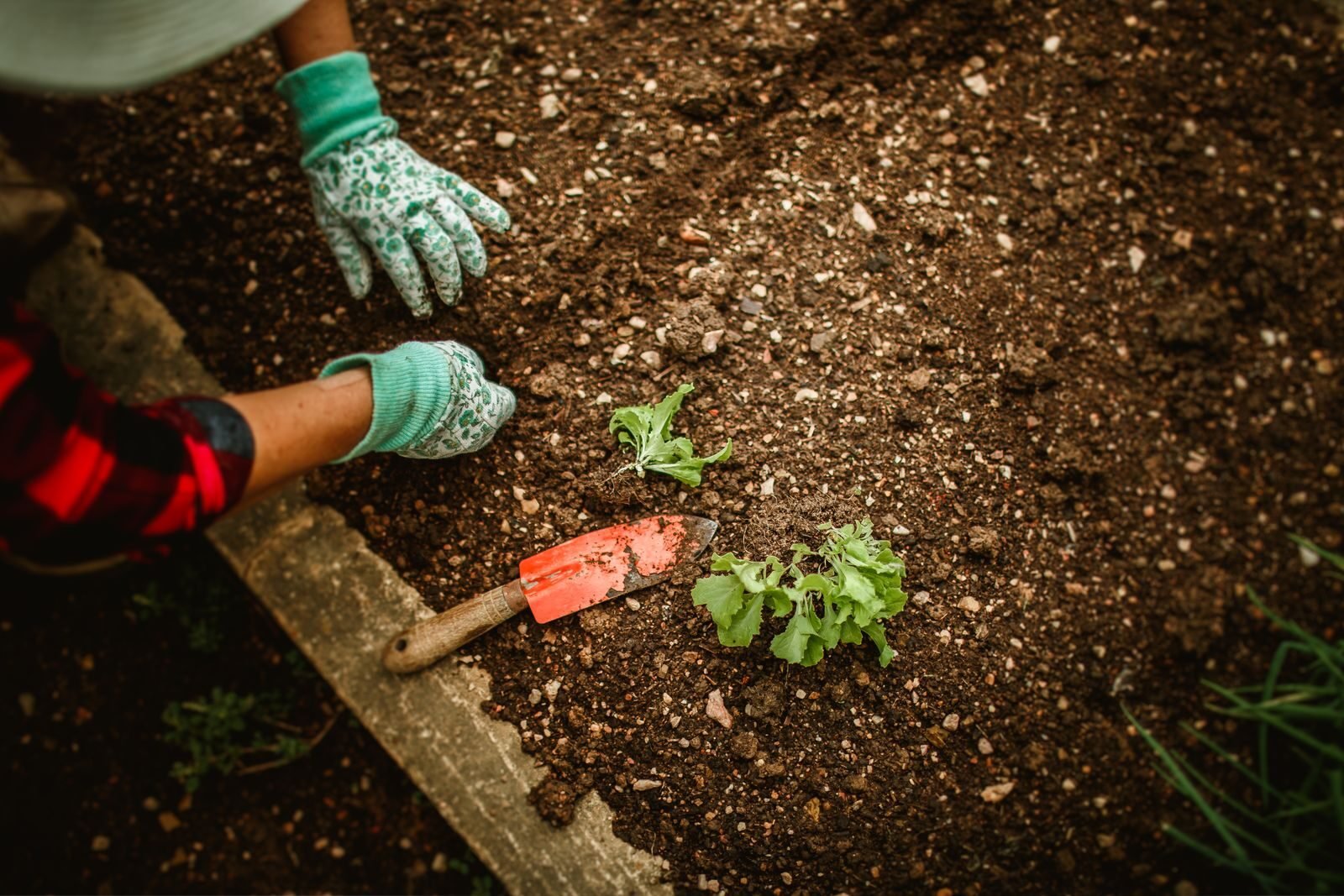
Step 3: Transplanting Seedlings
Move seedlings outdoors only when:
-
Frost risk has passed
-
Soil temperature is at least 18°C
Peppers dislike cold soil.
Space plants about:
40–50 cm apart
This allows proper air circulation and gives roots enough room to develop.
Step 4: Sunlight and Temperature
Peppers thrive in full sun.
Aim for:
6–8 hours of direct sunlight per day
Warm temperatures encourage flowering and fruit production.
Ideal range:
-
Day: 21–30°C
-
Night: above 15°C
Cold nights slow growth significantly.
Step 5: Watering
Peppers prefer consistent moisture but not soggy soil.
Water deeply 1–2 times per week, depending on weather and soil type.
Avoid large swings between dry and wet soil because that can stress plants and affect fruit quality.
Mulching around the base helps:
-
Maintain moisture
-
Reduce weeds
-
Stabilize soil temperature
Step 6: Feeding the Plants
Once peppers begin flowering, their nutrient demands increase.
Apply:
-
Compost
-
Balanced organic fertilizer
every 2–3 weeks during active growth.
Avoid very high nitrogen fertilizers once flowering begins, as they may encourage leafy growth rather than fruit production.
Step 7: Supporting the Plants
Some pepper plants benefit from light support.
Fruit can become surprisingly heavy, especially for bell peppers.
Use:
-
Small stakes
-
Tomato cages
-
Soft plant ties
Supporting plants also keeps fruit off the soil and improves air circulation.
Step 8: Pollination and Flowering
Pepper flowers are self-pollinating, meaning they contain both male and female reproductive structures.
Wind and insect movement usually provide enough vibration for pollination.
In very calm or indoor environments, gently shaking the plant occasionally can help release pollen.
Step 9: Managing Pests and Plant Stress
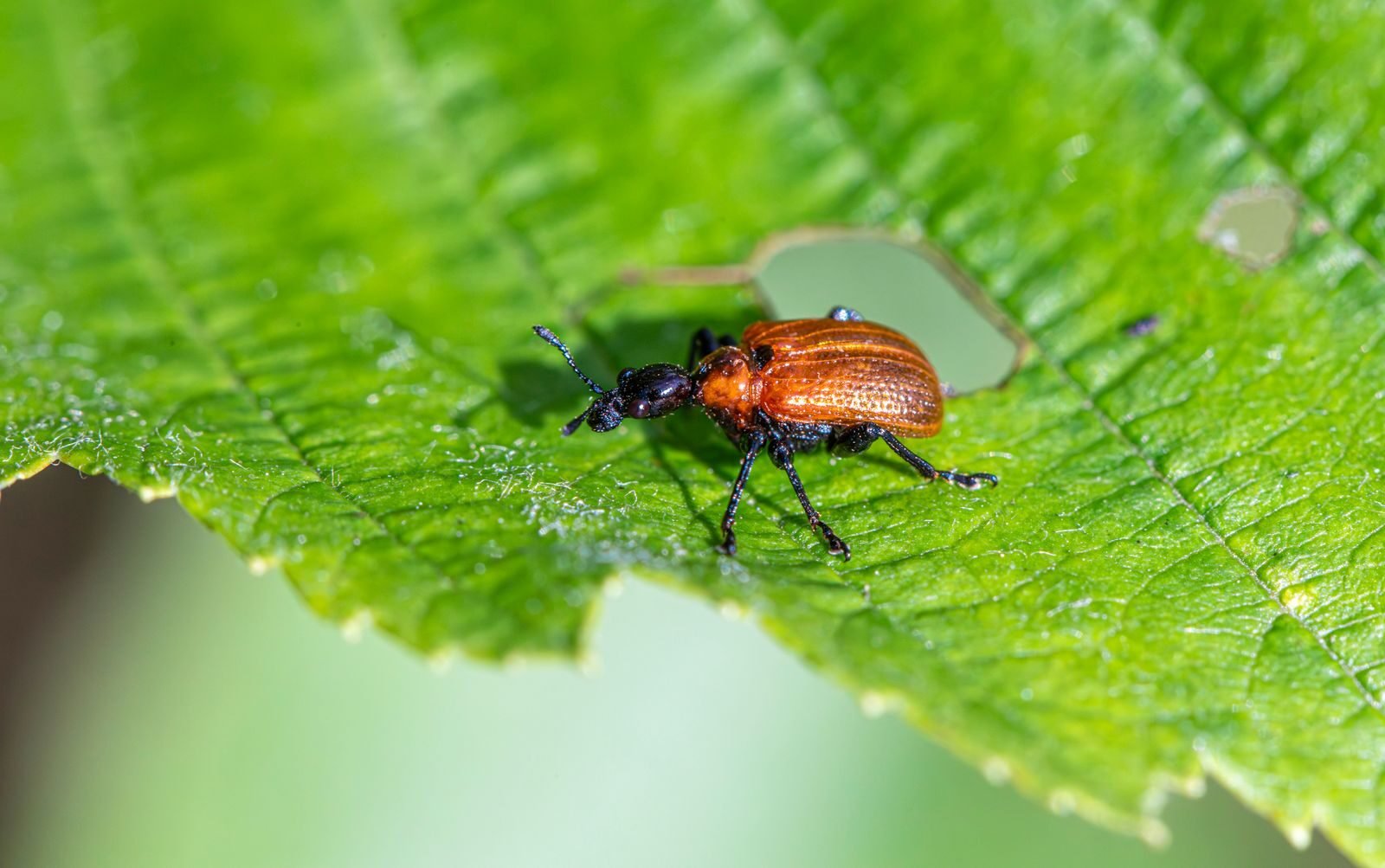
Peppers are relatively hardy but still attract some pests.
Common pests include:
-
Aphids (Aphis spp.)
-
Spider mites (Tetranychus urticae)
-
Whiteflies (Bemisia tabaci)
I usually recommend simple approaches first:
-
Inspect plants regularly
-
Remove pests manually if populations are small
-
Encourage beneficial insects such as ladybugs
Healthy soil, proper spacing, and good airflow reduce many disease problems before they start.
Step 10: Harvesting Peppers
Most peppers can be harvested at different stages.
For example:
Bell peppers
-
Green stage: firm but immature
-
Red/yellow/orange stage: fully ripe and sweeter
Allowing peppers to ripen fully on the plant often improves flavor and nutritional quality.
Use scissors or pruning shears to cut fruits rather than pulling them off the plant.
Growing Reference
| Factor | Ideal Conditions |
|---|---|
| Soil pH | 6.0 – 6.8 |
| Sunlight | 6–8 hours daily |
| Temperature | 21–30°C |
| Spacing | 40–50 cm |
| Watering | Consistent moisture |
| Germination temp | 24–28°C |
Conclusion
Peppers are rewarding plants to grow because they offer incredible diversity, from mild and sweet to intensely spicy.
Once you understand the basics, warm soil, sunlight, balanced nutrients, and steady watering, peppers tend to grow quite reliably.
Growing them yourself also gives you control over the varieties you choose and the flavors you want in your kitchen.
And, there’s something satisfying about picking your own peppers and knowing exactly how they were grown!
FAQs
Why are my peppers not getting very spicy?
Heat level depends on variety and growing conditions. Mild stress, warm temperatures, and strong sunlight can increase capsaicin production in hot pepper varieties.
Can peppers grow in containers?
Yes. Containers 10–15 liters or larger work well. Ensure good drainage and use nutrient-rich potting soil.
Why are my pepper flowers dropping?
Flower drop can occur due to:
-Temperature extremes
-Overwatering
-Nutrient imbalance
Stable growing conditions usually solve the issue.
Why do my peppers stay green?
Some peppers naturally remain green, while others change color when fully ripe. Color change simply indicates physiological maturity.
Do peppers need pruning?
Light pruning can improve airflow, but heavy pruning is usually unnecessary.