

This article was written and reviewed by Serge, MSc. I hold degrees in Plant Biology, Environmental Biology and Biogeochemistry, with research experience in plant physiology, ecosystem science, and field-based environmental studies. Every article on this site is grounded in real academic training and genuine scientific research.
Affiliate disclosure: This site has affiliate links, including Amazon. As an Amazon Associate I earn from qualifying purchases, at no extra cost to you.
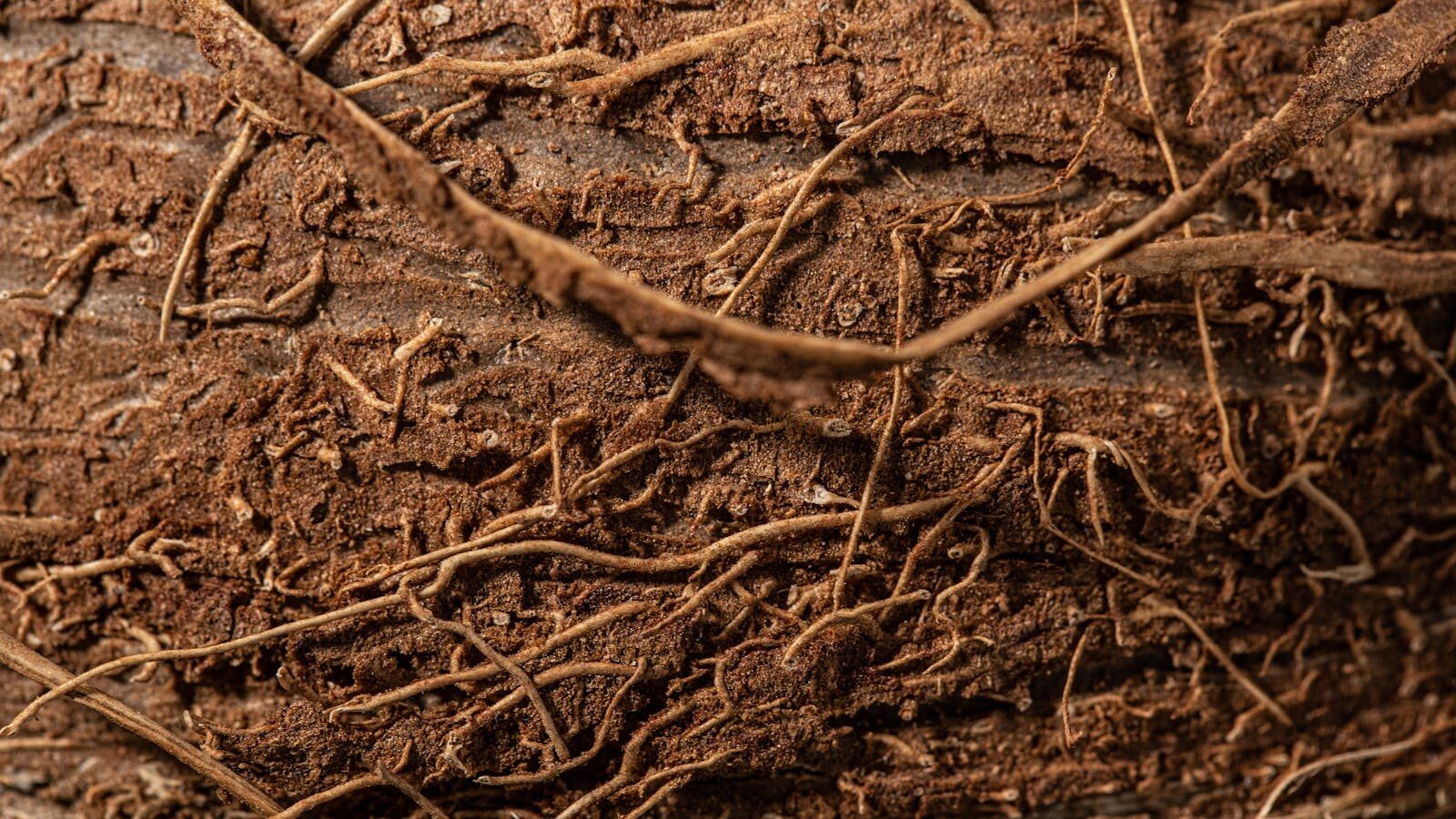
Beneath every healthy garden is a hidden partnership most gardeners never see. Mycorrhizal fungi, microscopic organisms living in and around plant roots, form one of the most important biological relationships in nature, and they directly influence how well your plants grow.
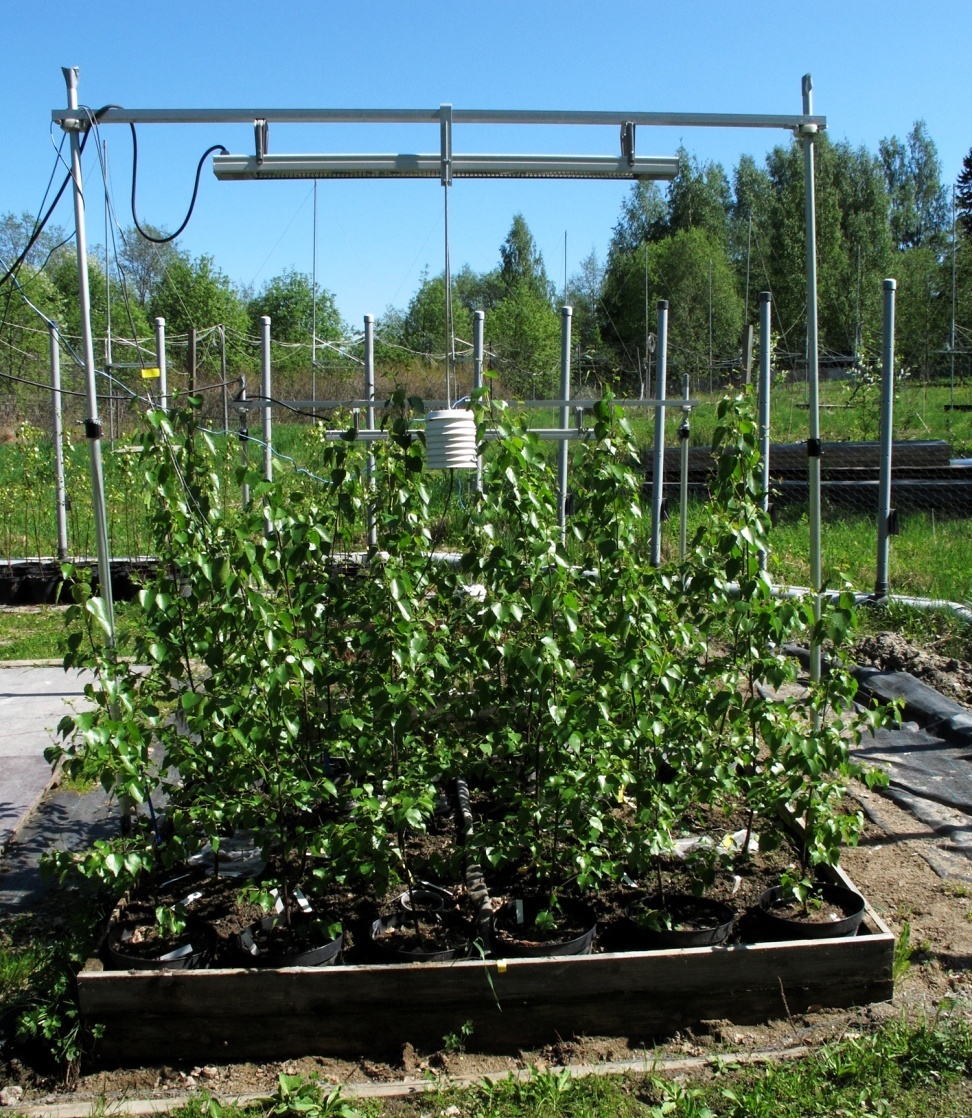
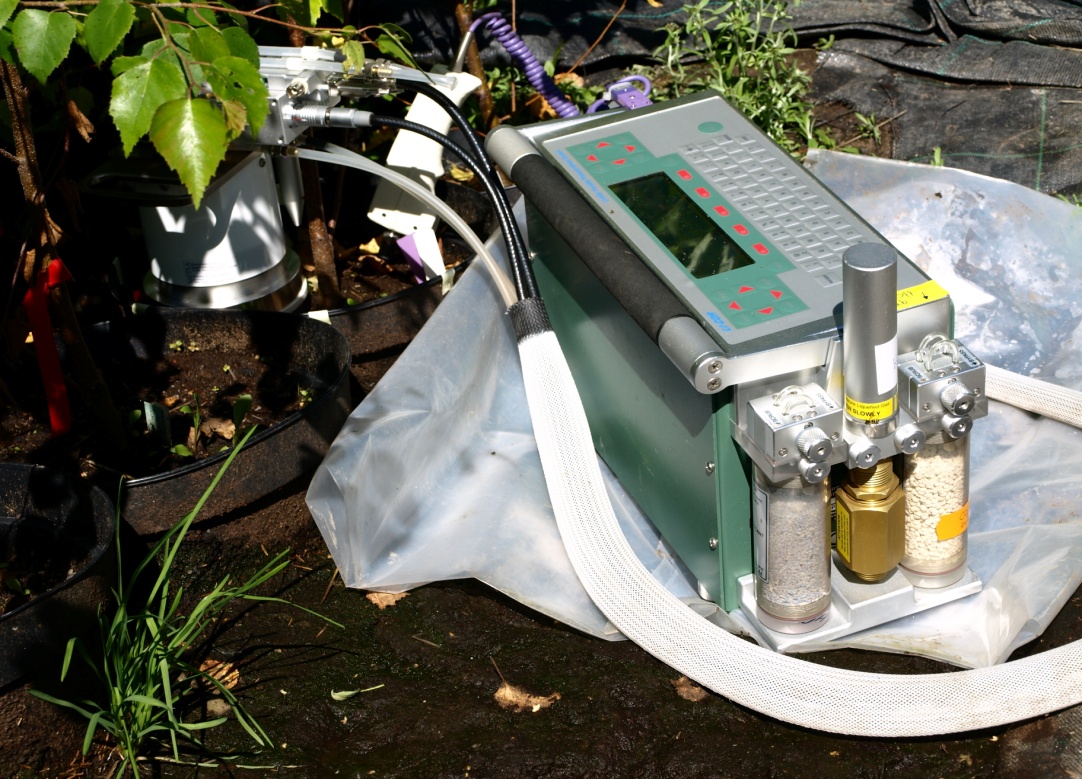
During my research work, I studied how environmental stressors affected Silver Birch (Betula pendula) and its soil carbon dynamics. Root-soil interactions were central to that work, which is where I developed a deep appreciation for what mycorrhizal fungi actually do, not just in forests, but in every growing system, including your garden.
What Are Mycorrhizal Fungi?
The word “mycorrhiza” comes from the Greek mykes (fungus) and rhiza (root). More than 90% of all plant species on Earth form associations with these fungi, it is the biological norm, not the exception.
The fungi colonize plant roots and send out microscopic threads called hyphae into the surrounding soil. These hyphae explore hundreds of times more soil volume than roots can reach alone, mining nutrients and water and transporting them back to the plant. In return, the plant supplies the fungi with sugars from photosynthesis, typically 10 to 20% of its total sugar output. This is a true symbiosis refined over 400 million years of co-evolution.
The Two Types You Need to Know
Ectomycorrhizal Fungi (ECM)
These wrap around the outside of root cells and are associated mainly with trees, birch, oak, pine, and beech among them. The mushrooms you sometimes see around tree bases are the visible fruiting bodies of ectomycorrhizal networks. Silver Birch, which I studied, forms this type of association, and the fungal layer plays a direct role in how the tree accesses nutrients and how carbon moves through the soil.
Arbuscular Mycorrhizal Fungi (AMF)
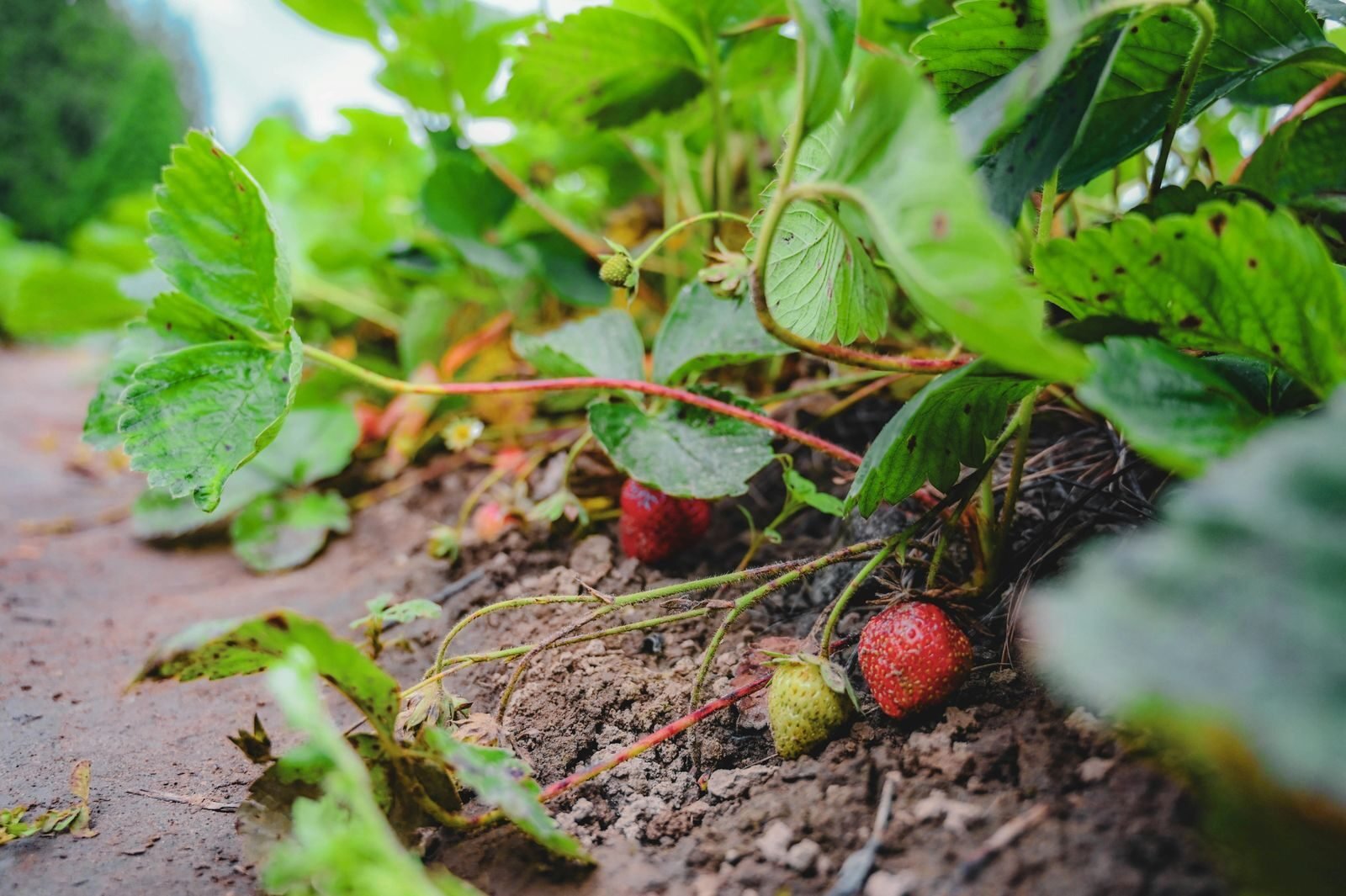
These penetrate root cells directly, forming branched structures called arbuscules where active nutrient exchange happens. AMF are associated with the majority of garden plants, vegetables, herbs, strawberries, roses, and most flowering plants. If you grow tomatoes, peppers, basil, or lavender, AMF are the fungi most relevant to you.
Important: Brassicas (cabbage, kale, broccoli, cauliflower) do not form mycorrhizal associations. Applying inoculants to these plants has no effect.
What Mycorrhizal Fungi Do for Your Plants
– Improved phosphorus uptake. Phosphorus moves slowly through soil. The fine hyphal network reaches phosphorus in pores roots cannot access, reducing the need for phosphorus fertilizers.
– Greater drought resistance. The expanded surface area for water absorption helps plants survive dry periods significantly better than plants without fungal partners.
– Protection against soil pathogens. Mycorrhizal fungi compete with harmful pathogens in the root zone and can trigger the plant’s own immune responses.
– Better soil structure. The hyphae bind soil particles together and produce glomalin, a sticky glycoprotein that improves soil aggregation and water retention, directly relevant to the carbon cycling dynamics I studied in boreal forest soils.
What Destroys Mycorrhizal Fungi in Your Garden
Most cultivated soils have far fewer mycorrhizal fungi than natural soils. These common practices are the main reasons:
– Synthetic phosphorus fertilizers. When phosphorus is abundantly available, plants have no incentive to maintain the fungal partnership and the network declines.
– Regular tilling. The hyphal network is physically fragile. Deep or frequent tillage shreds the mycelium before it can re-establish.
– Fungicides. Fungicides do not distinguish between harmful and beneficial fungi. Applications that target pathogens also kill mycorrhizal partners.
– Sterilized potting mixes. Commercial potting soils are heat-sterilized to remove weeds and pathogens, and in doing so, remove all beneficial soil biology too.
How to Support Mycorrhizal Fungi in Your Garden
– Reduce tillage. Even shallow, infrequent disturbance helps. No-till or minimum-till approaches allow the hyphal network to become established and persistent.
– Use compost instead of synthetic phosphorus. Compost releases nutrients slowly, maintaining the plant’s need for fungal partnership while feeding the broader soil food web.
– Keep soil covered year-round. Mycorrhizal fungi need living roots to survive. Cover crops, mulch, or perennials between seasons maintain a continuous host.
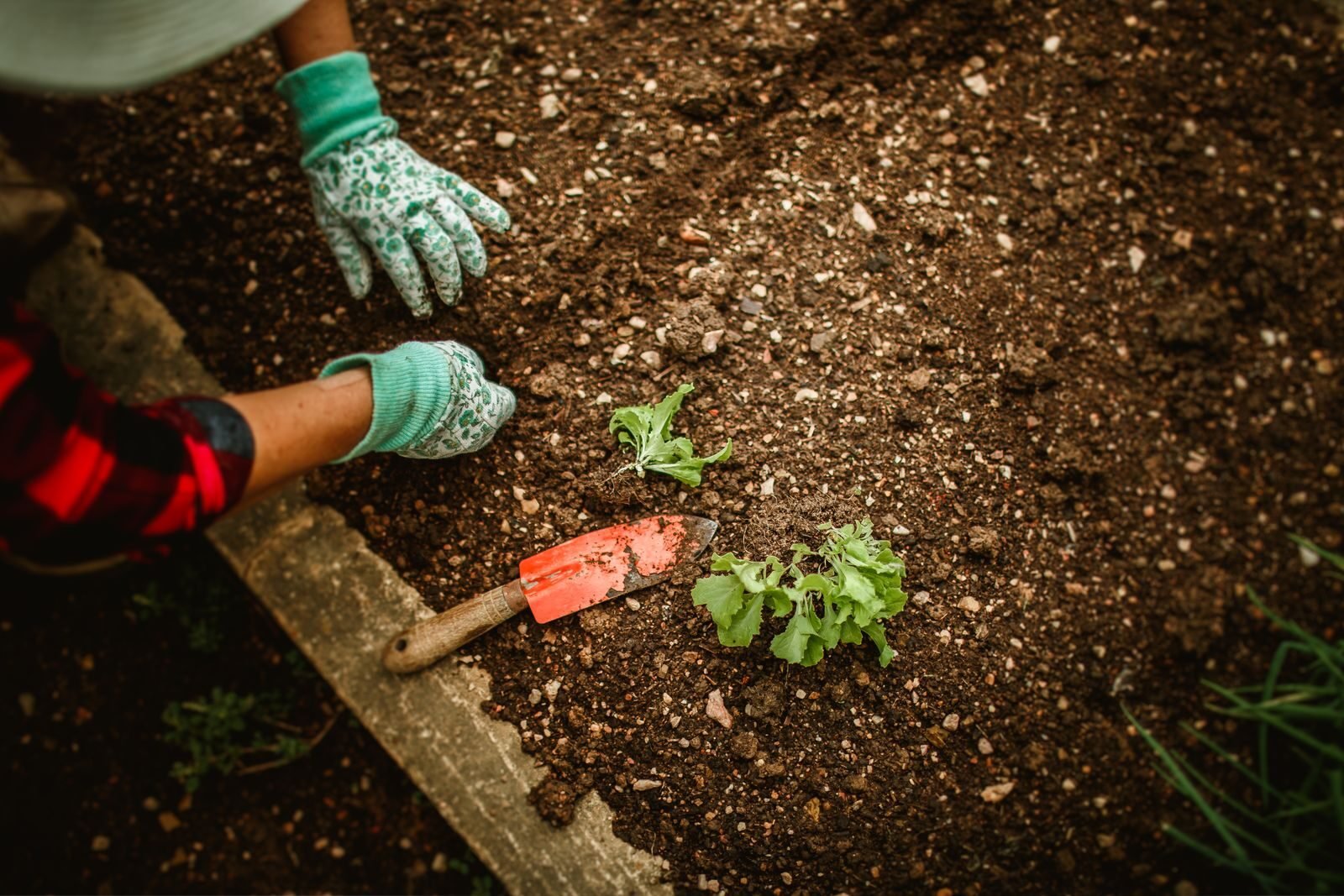
– Apply inoculants at planting time. In disturbed or sterilized soils, apply a mycorrhizal inoculant directly to the root zone when planting. The spores must contact living roots to activate, surface application is not effective.
Frequently Asked Questions
Do mycorrhizal fungi work for all plants?
They work for over 90% of plant species. The main exceptions are Brassicas (cabbage, kale, broccoli, cauliflower) and some Chenopodiaceae plants (spinach, beets). For vegetables, fruit plants, herbs, trees, and most houseplants, mycorrhizal associations are beneficial.
Can I see mycorrhizal fungi in my soil?
Not with the naked eye in most cases. However, the mushrooms you see around tree bases are often the fruiting bodies of ectomycorrhizal networks. In the lab, we can stain roots and examine them under a microscope to confirm mycorrhizal colonization, a technique used in plant science research to assess soil biological health.
Are mycorrhizal inoculant products worth buying?
In established garden beds with good organic matter and minimal disturbance, inoculants may not make a significant difference. However, in new raised beds, container mixes, recently tilled soil, or any situation where the native fungal community has been disrupted, inoculants can provide a genuine benefit. Look for products with multiple fungal strains.
Does fertilizer kill mycorrhizal fungi?
Not directly, but high-phosphorus fertilizers reduce the plant’s dependence on the fungal partnership, causing the network to decline over time. Fungicides, on the other hand, can directly kill mycorrhizal fungi. If using both fertilizers and inoculants, choose slow-release organic fertilizers and avoid applying phosphorus-rich products immediately after inoculation.
How long does it take for mycorrhizal fungi to colonize roots?
In warm, moist soil with an inoculant applied at planting, initial colonization can begin within days to weeks. Full network establishment takes one growing season. In undisturbed natural soils, networks build gradually over years, which is one reason long-established garden beds often outperform newly created ones even with identical inputs.