

This article was written and reviewed by Serge, MSc. I hold degrees in Plant Biology, Environmental Biology and Biogeochemistry, with research experience in plant physiology, ecosystem science, and field-based environmental studies. Every article on this site is grounded in real academic training and genuine scientific research.
Affiliate disclosure: This site has affiliate links, including Amazon. As an Amazon Associate I earn from qualifying purchases, at no extra cost to you.
Will Frost Kill Your Plants Tonight, or Can They Recover?
Every autumn the same question comes up: the forecast says frost tonight, and you have tomatoes, basil, potted plants and half a garden outside. Some plants will be fine. Others will look dark and limp by morning. The difference depends on the plant, the temperature, and what you do before dark.
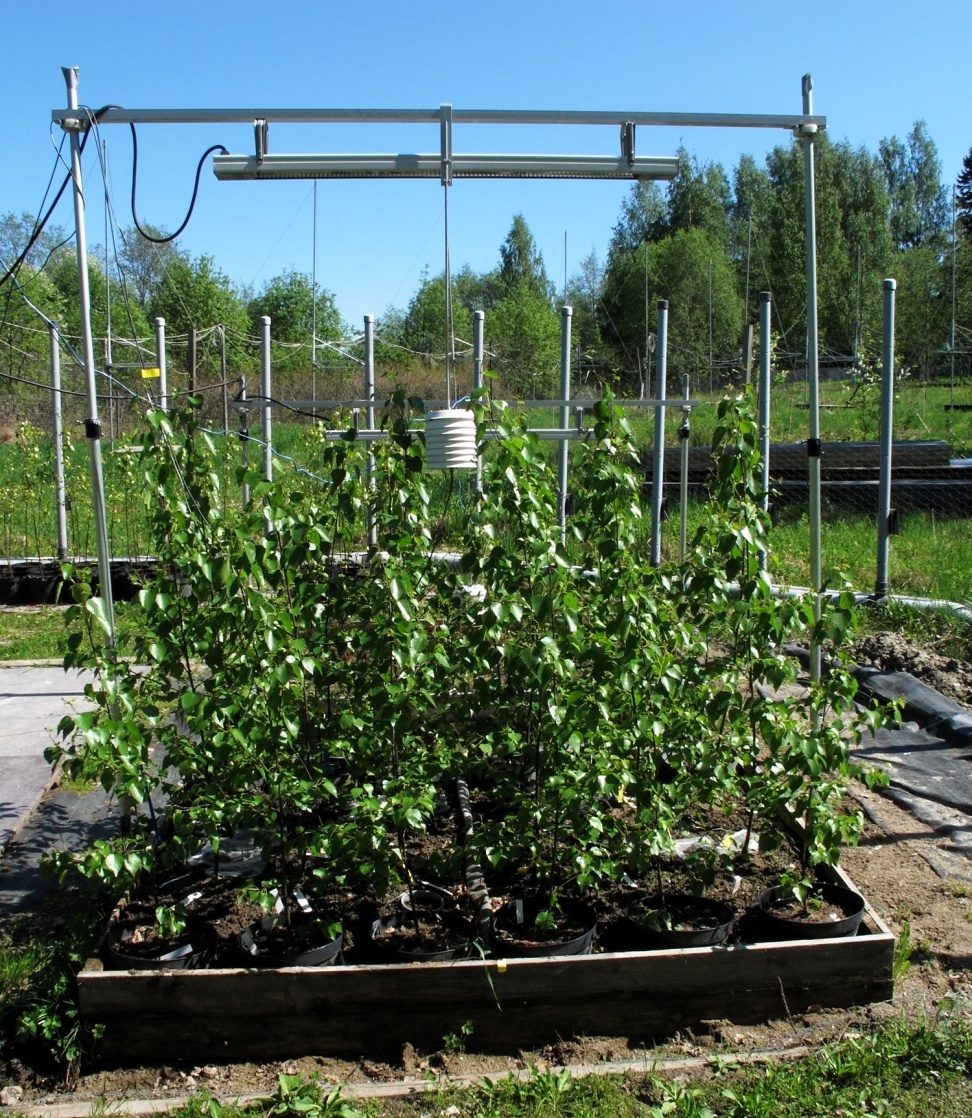
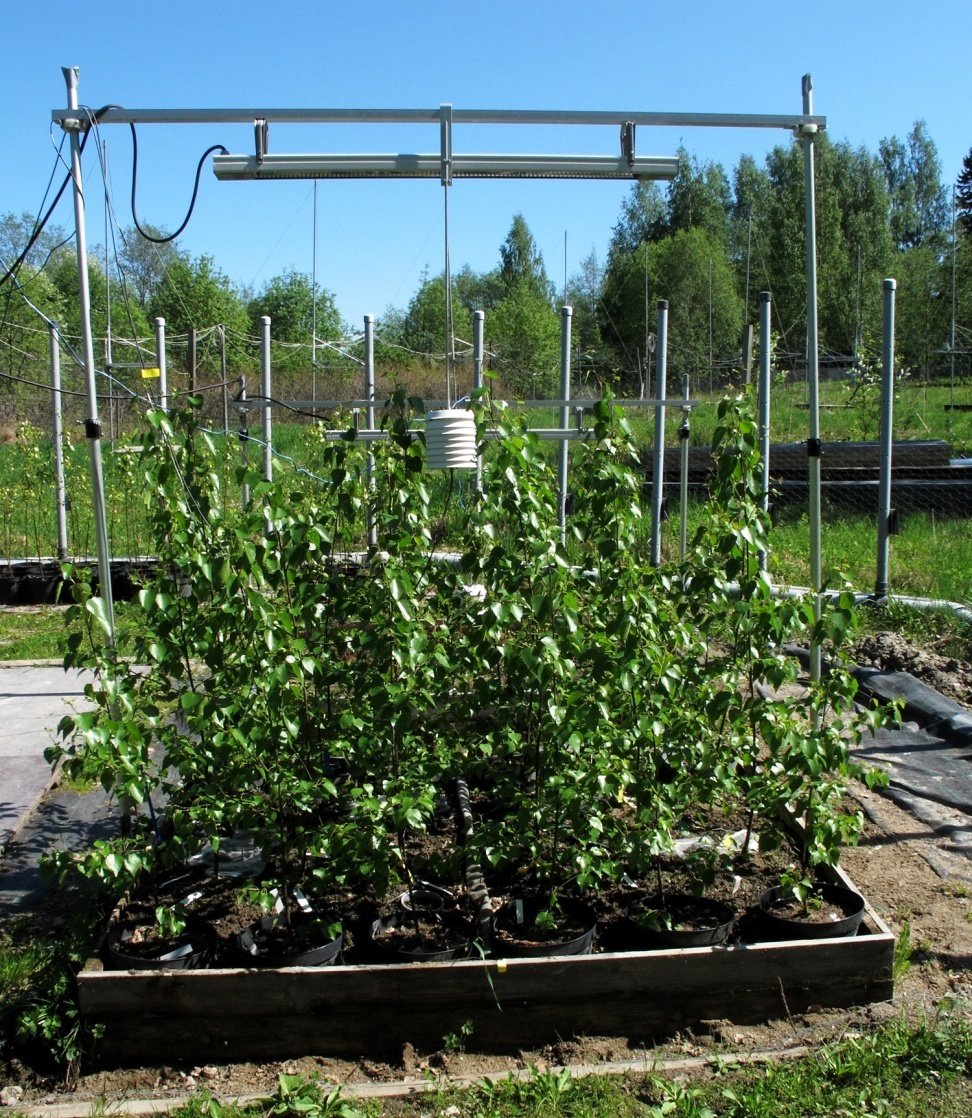
I studied plant ecological stress physiology, and temperature was part of my research. I worked on an open-air experiment where trees were warmed by about 0.9°C with infrared heaters, so I know how much plants respond to even small temperature changes.
In this article I explain what frost does inside a plant, what the damage looks like, whether plants recover, and what I would do to protect them.
Can Frost Damage Plants?
Yes. Frost damages plants when the temperature drops to freezing, which is 0°C or 32°F. How much damage it causes depends on the plant. Hardy plants such as kale, spinach, garlic and many garden perennials are built for it. Tender plants such as tomatoes, peppers, cucumbers, basil and many houseplants are not.
This is a kind of plant stress, like drought or heat. If you want to see how the signs of different stresses compare, my guide on how to tell if your plants are stressed covers the general ones.
Why Does Frost Damage Plants?
When the temperature falls below freezing, ice forms in the plant, first in the spaces between the cells. Ice pulls water out of the cells, so the cells dry out. The ice can also damage the cell walls and the thin membranes around the cells. Once membranes are damaged, a cell cannot hold its water or keep its contents in place.
That is why frost-damaged tissue goes limp and dark. The cells have lost their water and their structure. It also explains why the damage often looks worse after the plant thaws, because that is when the leaked water shows up.
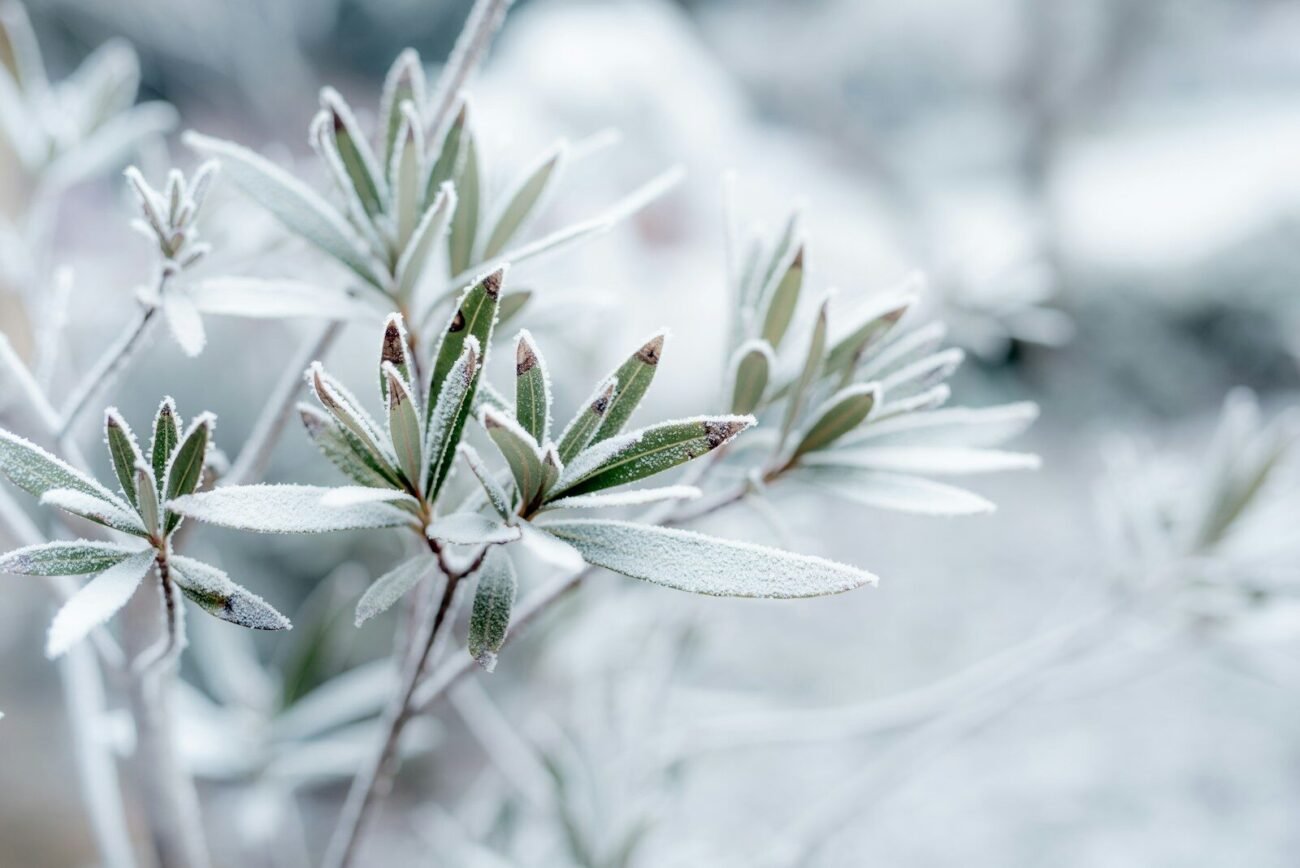
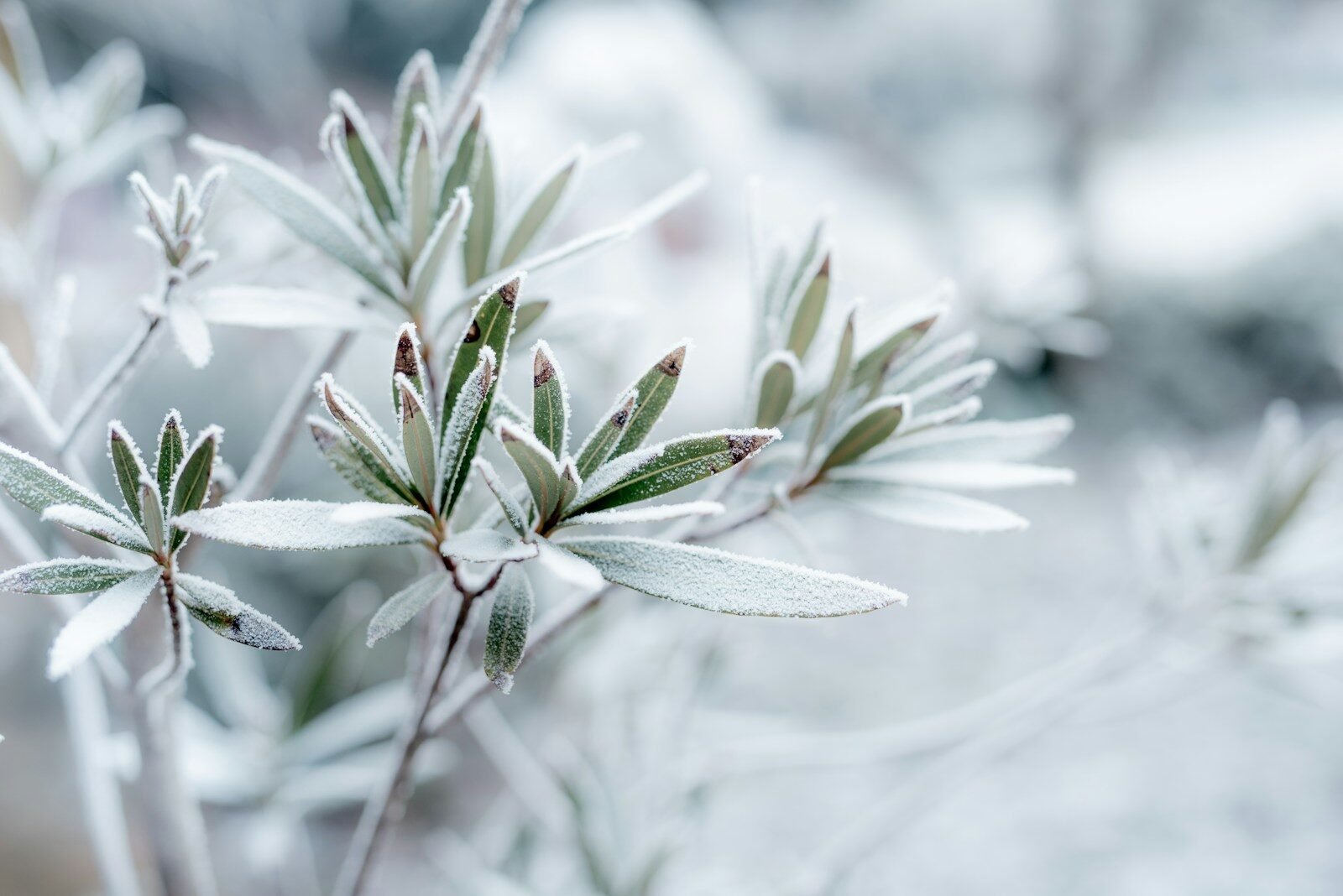
Plants also do not make their own body heat. A leaf is about as warm as the air around it, and on a clear, still night it can be colder than the air, because it loses heat to the sky. That is why frost can form on leaves even when the air temperature is a little above freezing.
What Temperature Causes Frost Damage to Plants?
There is no single number, but these are the ranges I use:
→ Around 0°C (32°F) or below. Tender plants such as tomatoes, peppers, cucumbers and basil can be damaged or killed.
→ A few degrees above freezing. Frost can still form on leaves on a clear, still night, so I treat a forecast low of 3 to 4°C (about 37 to 39°F) as a warning for tender plants.
→ Colder than about -2°C (28°F). A hard freeze. Many plants that survived a light frost will be damaged.
Some plants are hurt even without frost. Basil, for example, is damaged at temperatures below about 10°C (50°F), and many tropical houseplants slow down or drop leaves in the cold. This is called chilling injury, and it happens above freezing.
What Does Frost Damage Look Like on Plants?
These are the signs I look for:
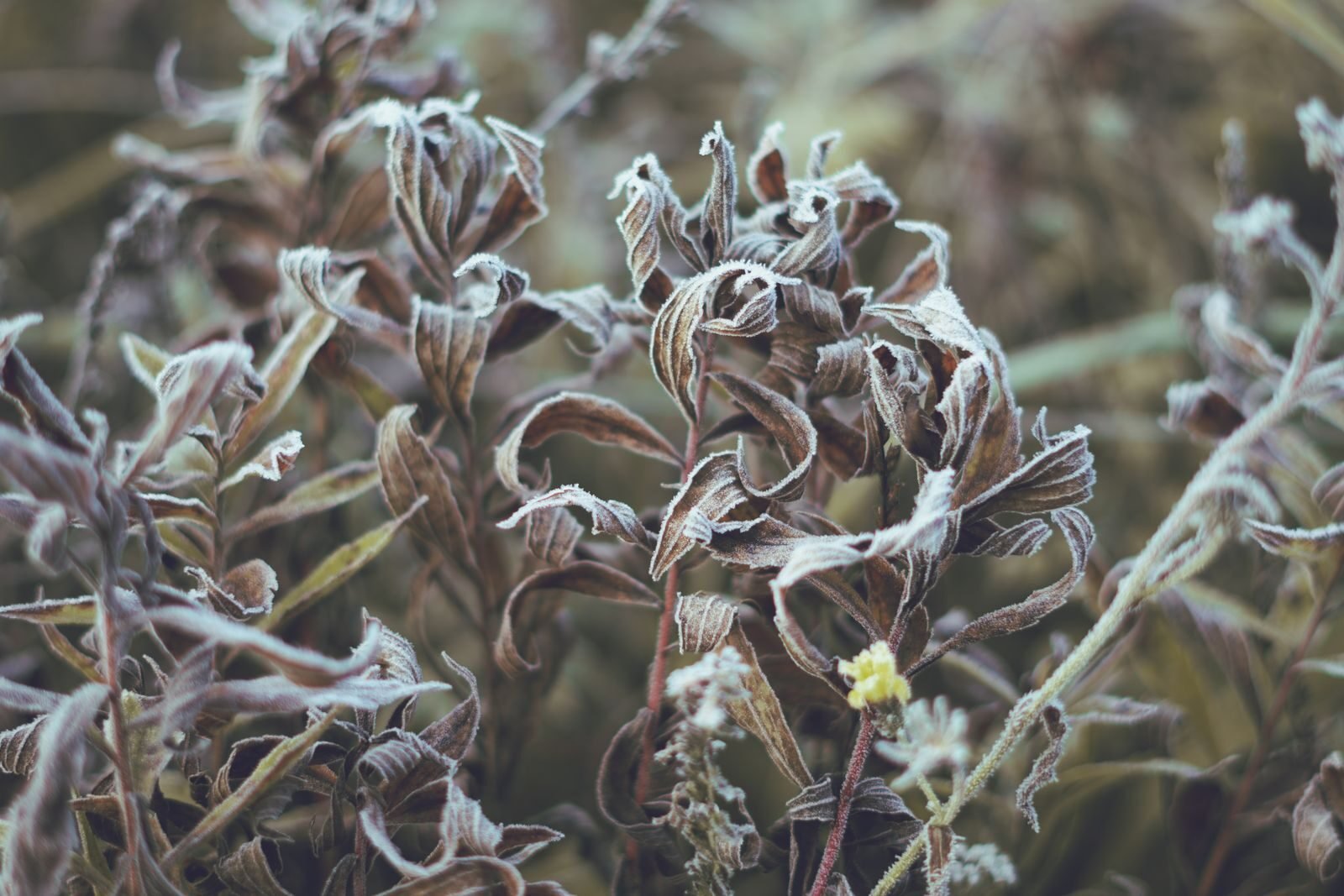
→ Dark, water-soaked patches. They often appear first on the leaves that were most exposed, or on the tips and edges.
→ Limp, drooping leaves. The leaves look wilted even though the soil is wet.
→ Brown or black leaves. The dark patches dry out and turn brown or black over the next day or two.
→ Mushy tissue. Soft, collapsed stems or fruit, especially on tomatoes, squash and cucumbers.
→ Damaged buds and flowers. Buds turn brown and flowers fall off.
The damage often takes a day or two to show fully. A plant that looks fine in the morning can look much worse after a warm afternoon, so wait before you decide it is lost.
What Frost Damage Gets Mistaken For
Dark, limp leaves are not always frost. Before you decide, I would check these:
→ Overwatering or underwatering, which also make leaves limp and discoloured.
→ Root rot, which makes leaves yellow and wilted even when the soil is wet.
→ A cold draught on a houseplant, which can cause leaf drop or curling leaves.
→ Ozone damage, which makes spots rather than a whole plant going limp.
The clearest sign of frost is timing and pattern. If many plants of the same kind went dark after a night that was forecast to be cold, and the plants in sheltered spots were fine, it is almost certainly frost. If you are still unsure, my guide on why houseplants keep dying helps you rule out the other causes.
Can Frost-Damaged Plants Recover?
It depends on the plant and how deep the damage goes. These are the usual outcomes:
→ Tender annuals and vegetables. Tomatoes, basil, cucumbers and peppers rarely recover from a hard frost, especially if the stems are mushy.
→ Hardy perennials. The leaves may die back, but the roots are often fine and new growth comes in spring.
→ Trees and shrubs. Damaged leaves and young shoots may die, but the woody parts often survive. Give them time before you decide.
A simple test is to scratch a small piece of bark on a stem with your fingernail. If the tissue underneath is green and moist, that part is alive. If it is brown and dry, it is dead.
I would not rush to cut off frost-damaged leaves. The dead leaves give a little protection to what is underneath, and pruning early can encourage new growth that the next frost will damage. Wait until the risk of frost has passed, then cut back to healthy tissue.
How to Protect Plants From Frost
Protection works best when you do it before dark. This is what I would do:
→ Check the forecast. Look at the overnight low, and remember that a clear, calm night is colder at ground level than the number suggests.
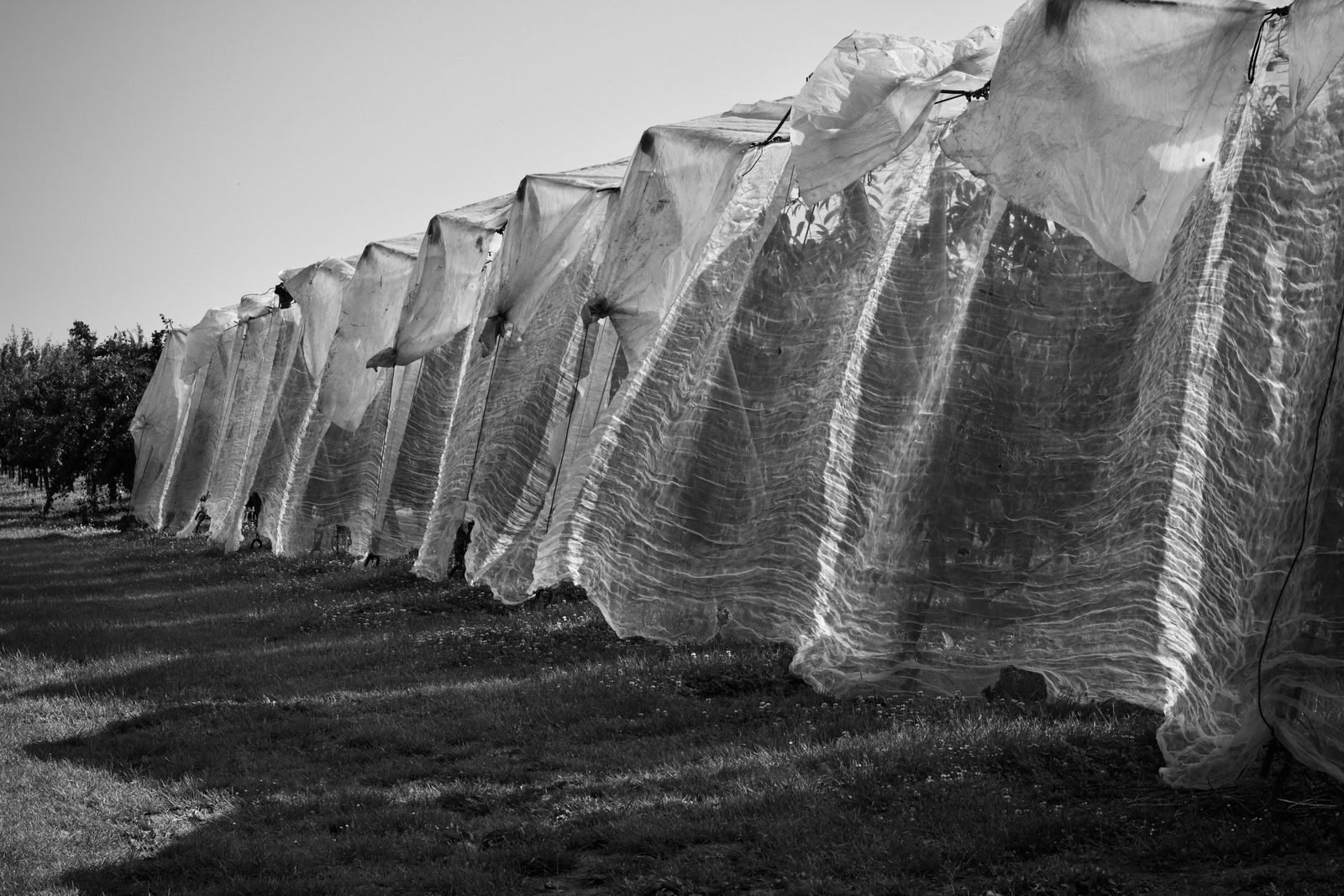
→ Cover the plants in the evening. Use frost cloth, old bedsheets, burlap or even upturned cardboard boxes. Cover all the way to the ground, so the heat in the soil stays under the cover.
→ Keep plastic off the leaves. Plastic that touches a leaf passes the cold straight to it. If you use plastic, hold it up with stakes.
→ Remove the covers in the morning. Plants need light, and covers left on in the sun can make it too warm underneath. One night is enough.
→ Move pots. Pots lose heat from all sides. Bring them indoors, or put them against a wall of the house and group them together.
→ Harvest tender crops. If a hard freeze is forecast, pick tomatoes and basil before it comes.
Some gardeners spray water on plants during frost. Orchards use it with sprinklers running all night, but I would not rely on it at home, because if the water stops before the temperature rises, it can make things worse.
Plants in Cold Weather: Watering and Growth
Cold slows everything down. Plants grow more slowly, use less water, and take up nutrients more slowly. So most plants need less watering in cold weather than in summer. I would water in the morning and only when the soil needs it. A soil moisture meter helps, and my guide on how to water houseplants explains how much is enough.
Cold weather can also make a plant look dry when the soil is wet. Roots take up water more slowly in cold soil, and they cannot take up any water from frozen soil. Leaves keep losing water through their pores, so the plant can wilt like a plant in drought. I explain that mechanism in my article on how plants survive drought stress.
If you grow in water, root temperature matters too. My article on hydroponic water chillers and heaters shows what temperature does to roots.
Which Plants Grow Well in Cold Weather?
Some plants do well in the cold. Kale, spinach, lettuce, carrots, garlic, onions, peas, cabbage and many herbs such as parsley can take a light frost, and some of them taste better after one. If you want to grow something over the cooler months, my lettuce guide and my basil guide are a place to start. Basil is the one to protect, since it is tender.
Plants that live in cold places have ways to cope, for example by making sugars and other compounds that lower the freezing point inside their cells. My article on how plants adapt to their environment covers how plants adjust to their conditions.
Houseplants in Cold Weather
Indoors the danger is not frost but cold air near windows and doors. A plant on a windowsill can sit next to glass that is much colder than the room.
At night I would move tender houseplants away from the glass, and keep them out of draughts. My article on humidity and misting for houseplants also helps in winter, because heated air is dry. For growing indoors through winter, see growing year round indoors.
What My Warming Experiment Taught Me About Temperature
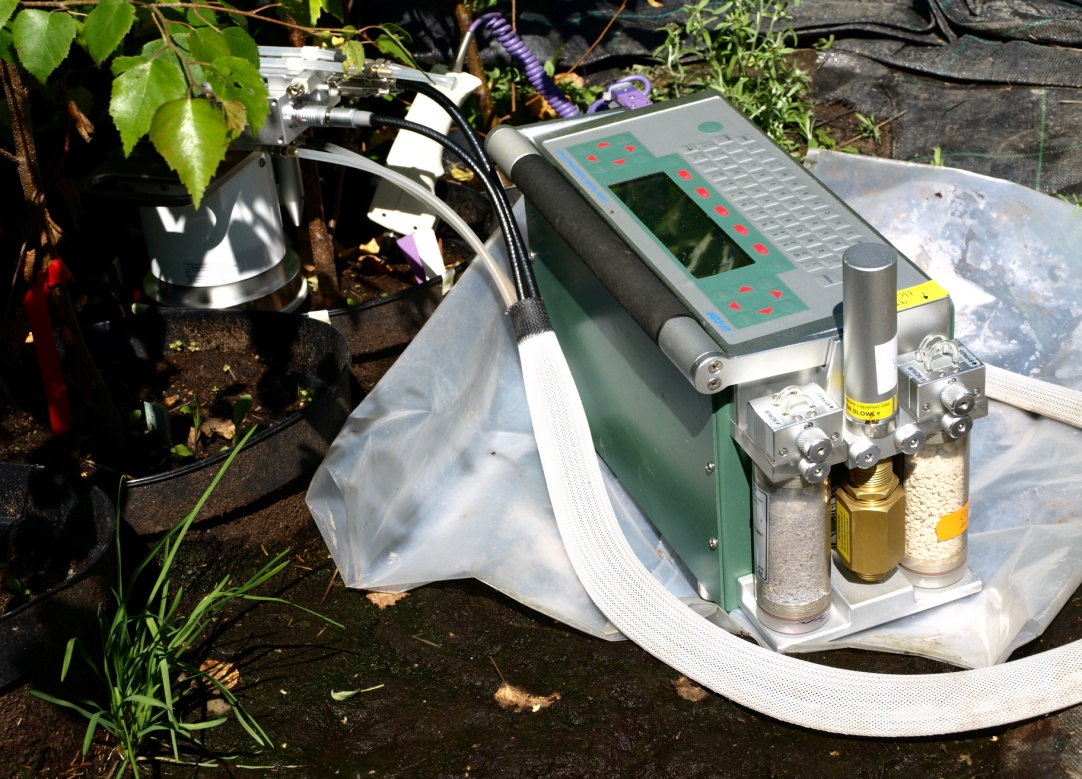
Most of this article is about too little heat, but my own research was on the other side of the same subject. Infrared heaters raised the temperature around silver birch trees by roughly 0.9°C, and I measured stem height, stem diameter, leaf number, leaf area and the carbon dioxide coming out of the soil each month from June to September.
Even a change that small mattered enough to measure. I also saw that the two genotypes did not respond in the same way, so a temperature that is harmless for one plant can be a problem for another of the same species. That is why I give ranges in this article, not one exact number, and why I would check how your own plants respond. The full results are in my article on warming, ozone and soil respiration in silver birch.
If you want to learn more, my introduction to plant biology is a good place to start.
Common Questions About Frost and Cold Weather
Will frost kill my plants?
It depends on the plant and the temperature. A light frost damages tender plants such as tomatoes, peppers, cucumbers and basil, but hardy plants like kale, garlic and many perennials usually survive it.
What does frost damage look like on plants?
Dark, water-soaked patches that turn brown or black, limp leaves, mushy stems and fruit, and damaged buds. It often takes a day or two to show fully.
What temperature causes frost damage to plants?
Damage starts around 0°C (32°F). Frost can also form on leaves when the air is a few degrees above freezing on a clear, still night, so I treat a forecast low of about 3 to 4°C as a warning for tender plants.
Can frost-damaged plants be saved?
Sometimes. Hardy perennials, trees and shrubs often recover from the roots or the woody parts. Tender annuals like tomatoes and basil usually do not. Scratch a stem to check whether the tissue underneath is green, and wait before you prune.
How long does it take for frost damage to show?
Usually a day or two. The damage often looks worst after the plant thaws in the sun.
Will cardboard boxes protect plants from frost?
Yes, for a light frost. A box over the plant, reaching the ground, keeps in the heat from the soil. Take it off in the morning.
Is 37 degrees too cold for potted plants?
It is not frost, but it is cold enough to hurt tender plants and tropical houseplants. Hardy plants are fine. Pots lose heat from all sides, so I would bring tender ones in or shelter them against a wall.
Should I water plants in cold weather?
Only when the soil needs it. Plants use less water in the cold, so most need less than in summer. I would water in the morning.
Are plants cold-blooded?
Plants do not make their own body heat, so a leaf is about as warm as the air around it. That is why a cold night affects them directly.
Summary
Frost damages plants by forming ice that pulls water out of the cells and harms their membranes. The signs are dark, water-soaked patches, limp leaves and mushy tissue, and they often take a day or two to show. Tender plants like tomatoes and basil need protection, and hardy ones usually do not.
Cover plants in the evening all the way to the ground, keep plastic off the leaves, take the covers off in the morning, and wait before you prune. Then check the stems before you decide a plant is dead, because many recover.