

This article was written and reviewed by Serge, MSc. I hold degrees in Plant Biology, Environmental Biology and Biogeochemistry, with research experience in plant physiology, ecosystem science, and field-based environmental studies. Every article on this site is grounded in real academic training and genuine scientific research.
Affiliate disclosure: This site has affiliate links, including Amazon. As an Amazon Associate I earn from qualifying purchases, at no extra cost to you.
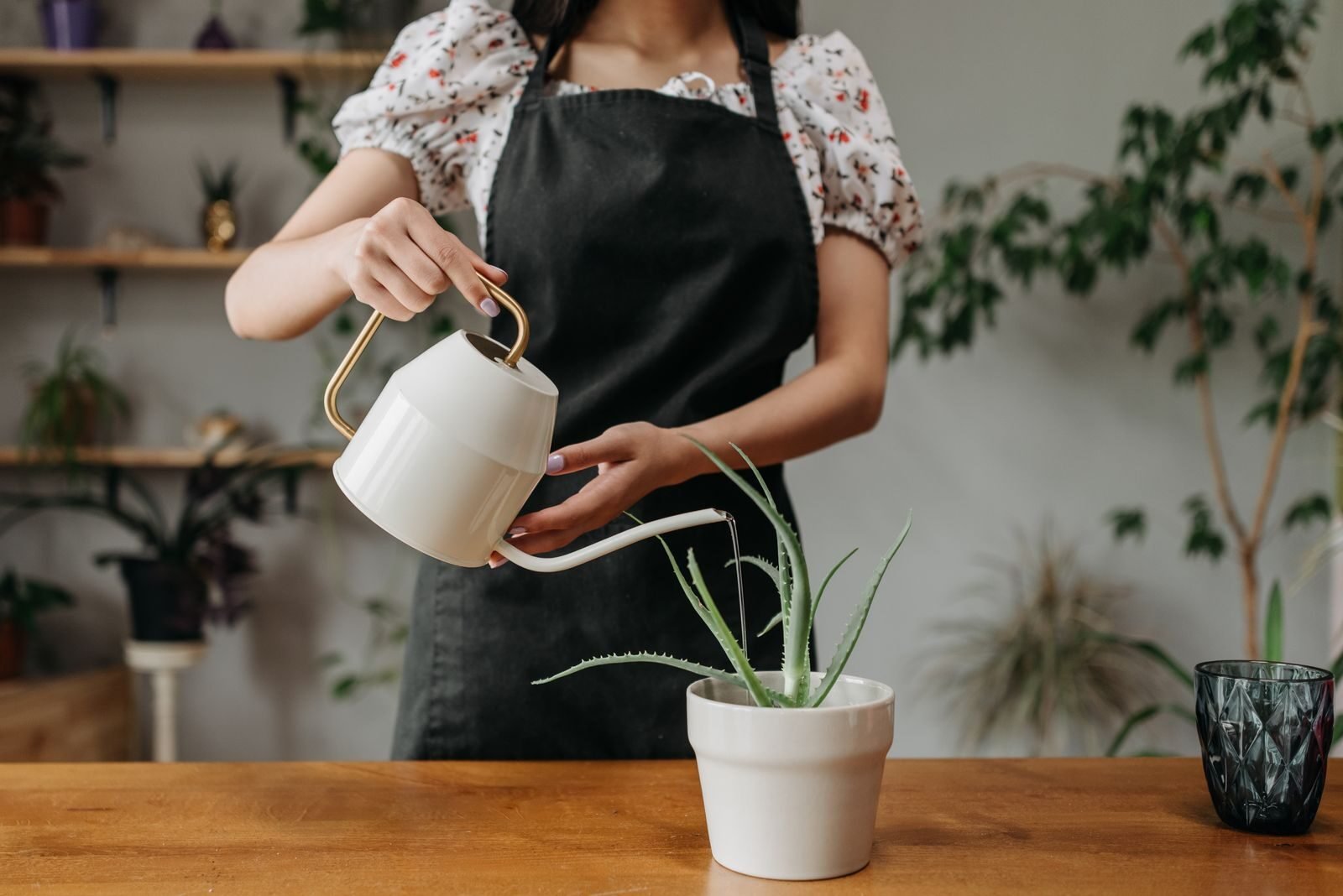
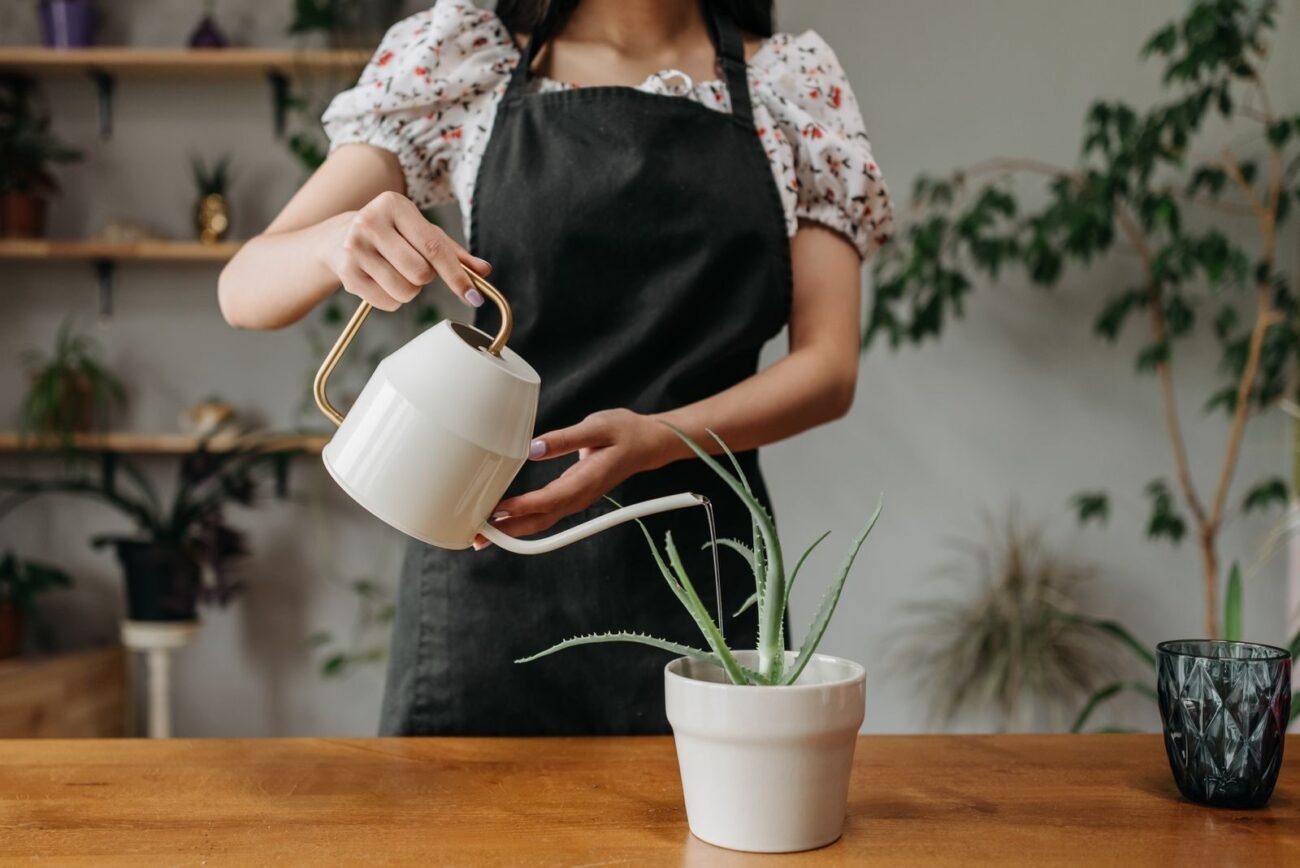
If I had to pick the one thing that kills more houseplants than anything else, it’s watering, and nearly always too much of it, not too little. People water out of love, on a schedule, and slowly drown the roots without ever realising that’s what’s happening.
So before we get into how often, or top versus bottom, I want to shift one idea for you: you’re not watering on a set day, you’re watering when the plant actually needs it. Once that clicks, everything else here gets easier, and I’ll walk you through the whole thing.
Forget the schedule, check the soil
The most useful habit I can hand you is simple…
Before you water, check the soil. Every time. Push a finger in a couple of centimetres, past the dry surface.
Damp down there? Leave it.
Dry? Time to water.
For most leafy houseplants that ends up being every one to two weeks, but the number isn’t the point, the checking is. A plant in a warm, bright spot drinks far quicker than the same plant in a cool, dim corner, so any fixed schedule is going to be wrong for one of them.
I didn’t always take soil moisture this seriously, until I had to…
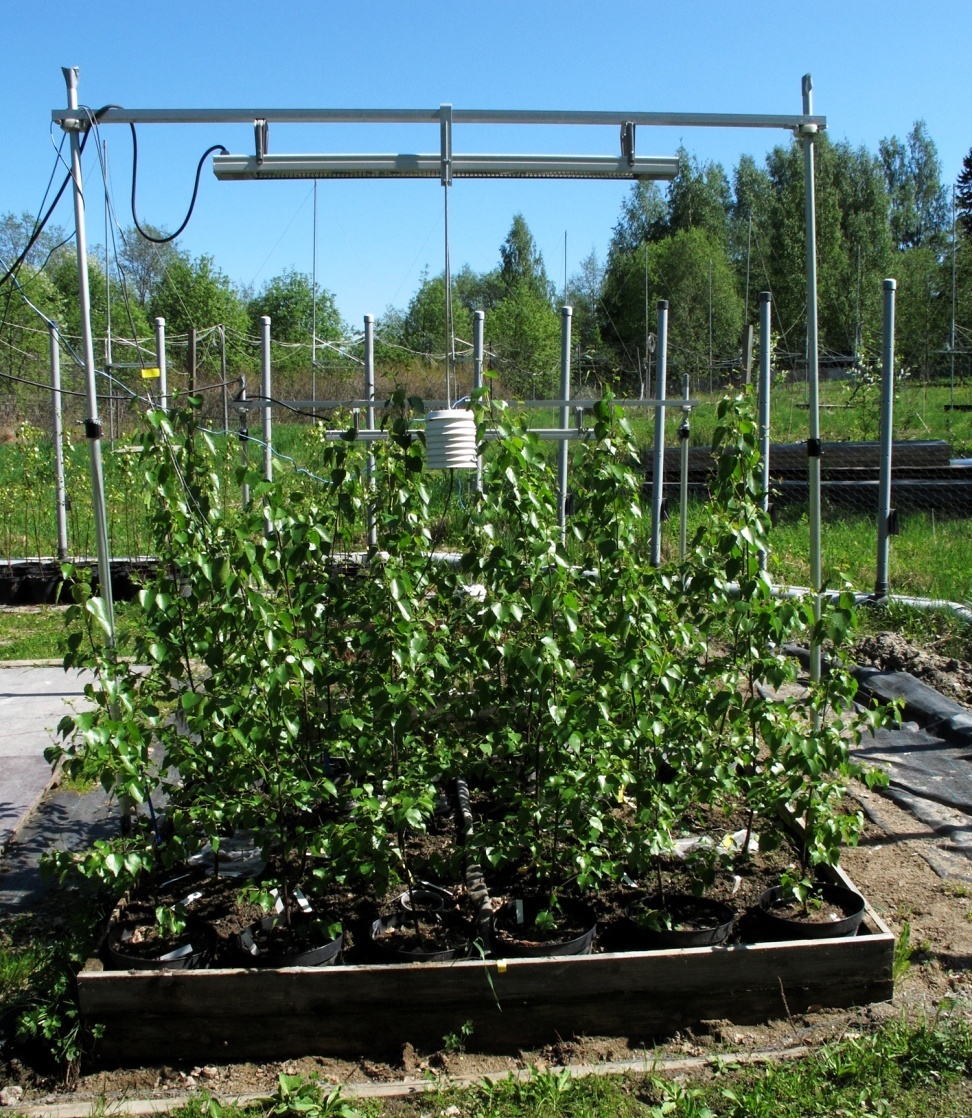
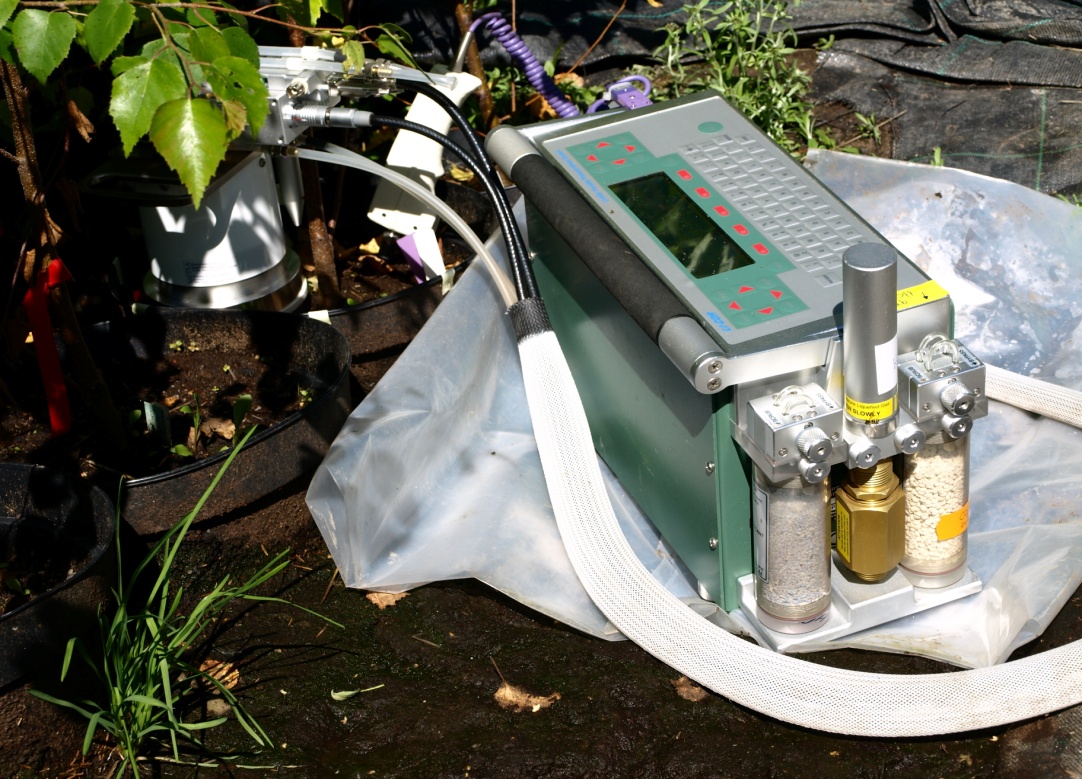
On a field study with birch trees, part of my work was keeping the soil moisture even across the plots, and I had moisture sensors in the ground telling me exactly what was going on down there. I watered to keep those readings balanced, because if the moisture drifted, it would have thrown off everything I was measuring.
Doing that week after week, watering to match the weather rather than a routine, taught me one thing: soil moisture is something you read and manage, not something you guess at. That’s the same habit that keeps a houseplant alive. You don’t water because it’s Tuesday, you water because you checked and the soil told you to.
There’s a reason overwatering is the bigger danger, and it’s worth knowing…
Roots need air as much as they need water. Good soil has lots of tiny air gaps in it, and the roots take in oxygen through them. If the soil stays wet for days, those gaps stay full of water, the roots can’t get oxygen, and they start to rot.
I know this from studying how plants deal with water stress, and it changed how I think about watering: the harm from overwatering isn’t really the water, it’s that there’s no air left around the roots. Letting the soil dry out a bit between waterings is what lets that air back in.
How to actually water
When you do water, do it properly…
I pour slowly and evenly over the whole surface until water runs out the drainage holes at the bottom. That’s how I know the entire root ball got a drink, not just the top layer. Little daily splashes are one of the most common mistakes I see, because they wet the surface while the roots underneath stay bone dry.
Two things make it work. The pot needs a drainage hole, because without one the water just sits at the bottom and the roots stew in it. And once you’ve watered, tip away whatever collects in the saucer or the outer pot within an hour. A plant left standing in that leftover water is straight back to soggy soil and no air, which is the whole thing we’re trying to avoid.
Top or bottom, it’s not the big deal people think
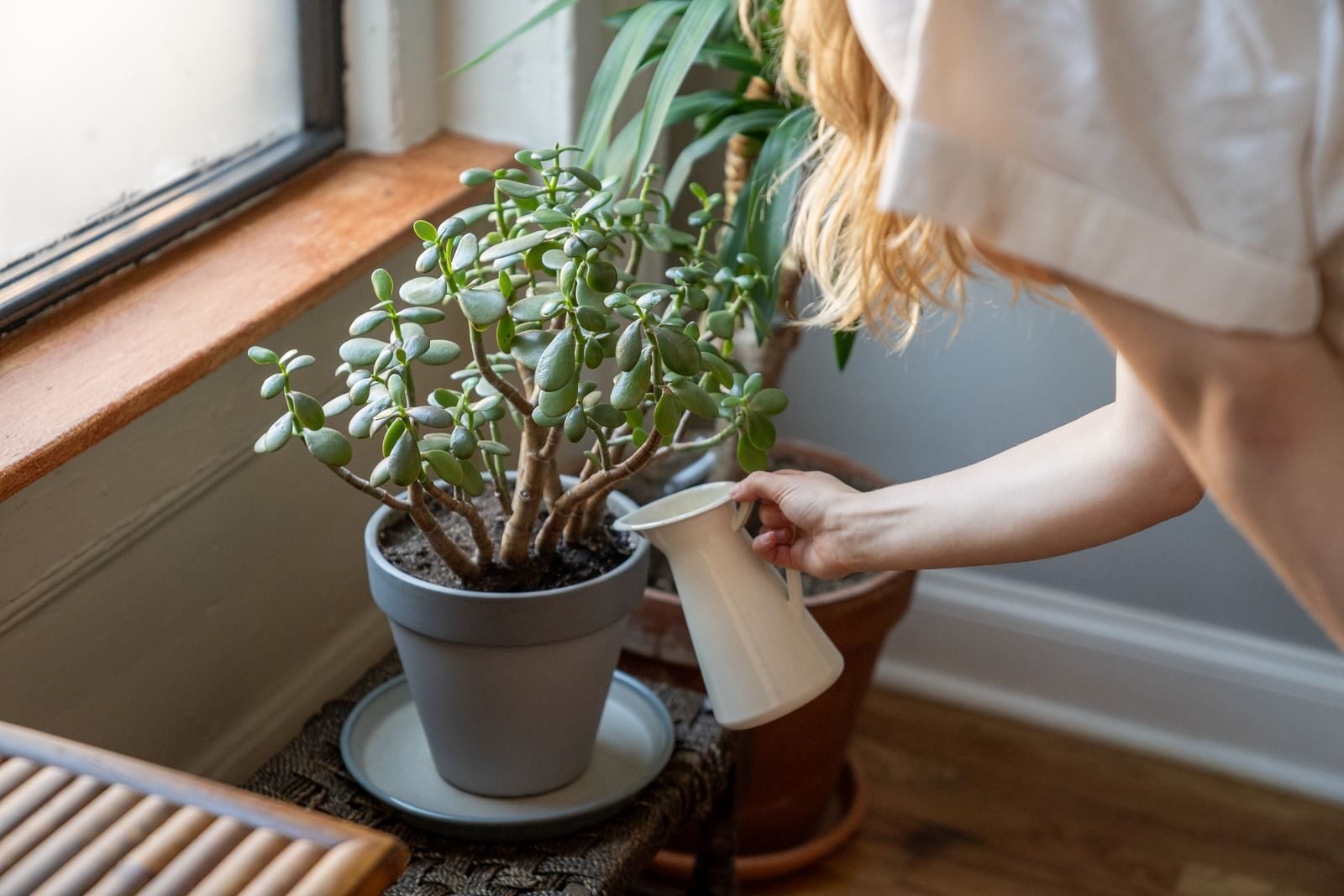
I get asked which is better, top or bottom, and the truth is both are fine for most plants, so don’t worry you’ve been doing it wrong all this time. Top watering is what most of us do, pouring onto the soil until it drains. Bottom watering means standing the pot in a tray of water for twenty minutes or so and letting the soil draw it up from below, which suits plants that hate getting their leaves or crown wet.
I’ve got a soft spot for watering from the base, because it’s basically what I did in the field. I watered those birch trees at the base and let it soak in from below, straight to the roots where it was needed, rather than pouring over the top. So when I tell you the method is less important than getting water to the roots, that’s coming from doing it both ways.
One difference is worth knowing. If you only ever water from the bottom, the salts from your tap water and your feed stay behind in the soil instead of getting washed out, and over time you’ll see a white crust on the surface. So even if you bottom water most of the time, give it a thorough top watering every so often to rinse those salts through, which University of Maryland Extension recommends too.
And let me clear up one myth while we’re here, because it’s a common one: bottom watering does not stop you overwatering. Overwatering is about how often the soil stays soggy and whether the pot can drain, not which direction the water came from. A pot with no drainage hole will drown a plant whether you fill it from the top or soak it from below.
What water to use
For most houseplants, plain tap water is fine. The chlorine and fluoride in city water don’t bother the majority of them. There are two exceptions I’d flag. The first is a handful of sensitive plants, spider plants, dracaenas, calatheas, and peace lilies, that react to those chemicals with brown, crispy leaf tips.
For those, I use filtered water, rainwater, or tap water left to stand overnight, which the horticulturists at UConn suggest as well.
The second one comes from studying water chemistry, and it’s the one I feel strongly about: don’t use softened water on your plants. Softeners work by swapping the hardness minerals for sodium, and that sodium builds up in the soil and damages the roots over time. If your home runs a softener, water your plants from an outdoor tap or the rain butt instead, since those usually skip it.
The best time to water, and why your neighbour is onto something
You’ve probably seen a neighbour out watering first thing in the morning, and most people do it out of habit, the way we reach for a coffee, without really knowing why.
There’s a good reason behind it…
I learned on my field work to avoid watering in the heat of the day, because when it’s hot a plant eases off and more water is lost to evaporation before the roots ever get it. Water early, while it’s cool, and the plant takes it up while it’s active, so the same amount goes a lot further.
It’s strongest outdoors, but it holds inside too, especially for a plant on a hot, sunny windowsill or through the warm months when rooms heat up. So I water mine in the morning, and now you know why the early risers are out there. It isn’t a ritual, it’s the plant getting the most out of every drink.
Watering changes with the seasons
Your plants aren’t growing at the same pace all year. In the bright, warm months they drink more, so you water more often. In winter, when the light drops and most houseplants slow right down, they need far less, and this is where a lot of overwatering sneaks in, because people keep to their summer routine while the plant has quietly stopped drinking.
Through winter I check the soil the same way, I just expect to be watering a good deal less.
If your plant is already struggling
Even with all this, a plant can look off and leave you unsure whether it’s thirsty or drowning, because the two look almost the same from above.
I wrote a whole piece on telling overwatering from underwatering, and another on root rot, which is where long-term overwatering ends up. If it’s the leaves going yellow that’s worrying you, I covered why houseplant leaves turn yellow too, and watering is behind a lot of it.
And if your plant is already showing signs and you can’t tell what they mean, that’s exactly why I built What’s Wrong With My Plant?. You start from the symptom you can see, answer a question or two about the soil and the plant, and it points you to the cause and the fix.
Watering mistakes are behind a big share of what it sorts out, so if you’d rather have the answer than keep guessing, that’s the shortcut, for less than the price of the plant.
Frequently asked questions
How often should I water my houseplants?
There’s no magic number, and anyone who gives you one is guessing. For most leafy houseplants it lands around every one to two weeks, but you water when the soil is dry a couple of centimetres down, not on a set day. Light, warmth, and pot size all change how fast a plant drinks.
How do I know when a plant needs water?
Feel the soil. Finger in past the dry surface, a couple of centimetres down. Damp means wait, dry means water. Lifting the pot helps too, a dry one feels noticeably lighter. Both beat any schedule.
Should I water from the top or the bottom?
Either’s fine for most plants. Bottom watering suits ones that don’t like wet leaves. If you bottom water often, top water once a month to flush out the salts that build up otherwise.
Is tap water safe for houseplants?
For most, yes. A few sensitive plants react to the chlorine and fluoride with brown tips, and for those I use filtered water, rainwater, or tap water left to stand overnight. The one to avoid for every plant is softened water, because of the sodium in it.
Should I water my plants on a schedule?
I wouldn’t. A schedule ignores the season and the room, so it overwaters in winter and underwaters in a warm spell. Check the soil each time and let that decide.
Why do my plants keep dying even though I water them?
Nine times out of ten it’s watering too often, not too little, which keeps the soil soggy and suffocates the roots. Water only when the soil’s dry down at the roots, make sure every pot drains, and empty the saucer after.
Watering well isn’t about doing a lot, it’s about paying attention. Check the soil, water thoroughly when it’s dry, let the pot drain, ease off in winter, and go early in the day when you can. Do that and you’re already past most of the ways people lose plants. Free plant guides and calculators are on the site whenever you want to dig deeper.