


This article was written and reviewed by Serge, MSc. I hold degrees in Plant Biology, Environmental Biology and Biogeochemistry, with research experience in plant physiology, ecosystem science, and field-based environmental studies. Every article on this site is grounded in real academic training and genuine scientific research.
Affiliate disclosure: This site has affiliate links, including Amazon. As an Amazon Associate I earn from qualifying purchases, at no extra cost to you.
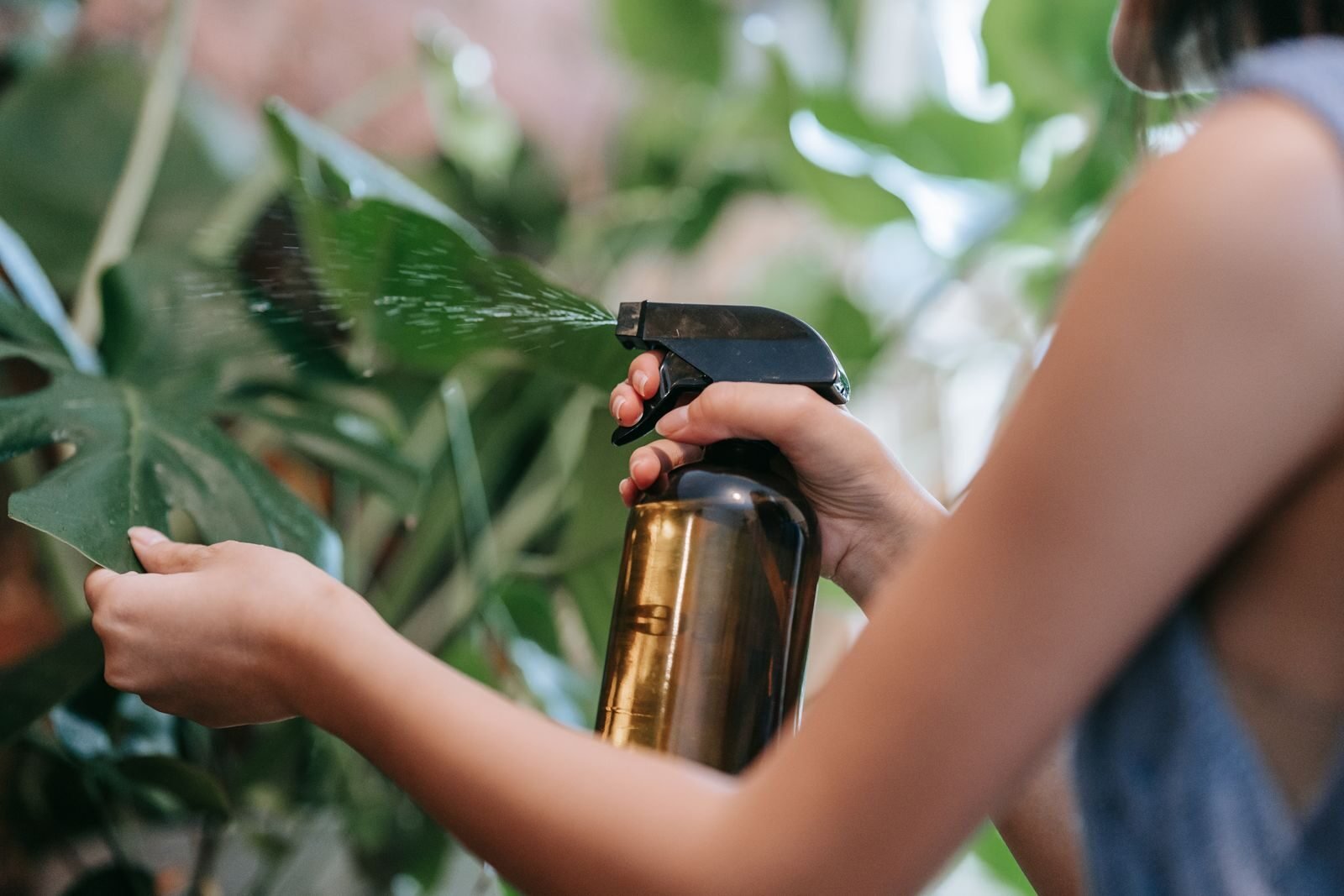
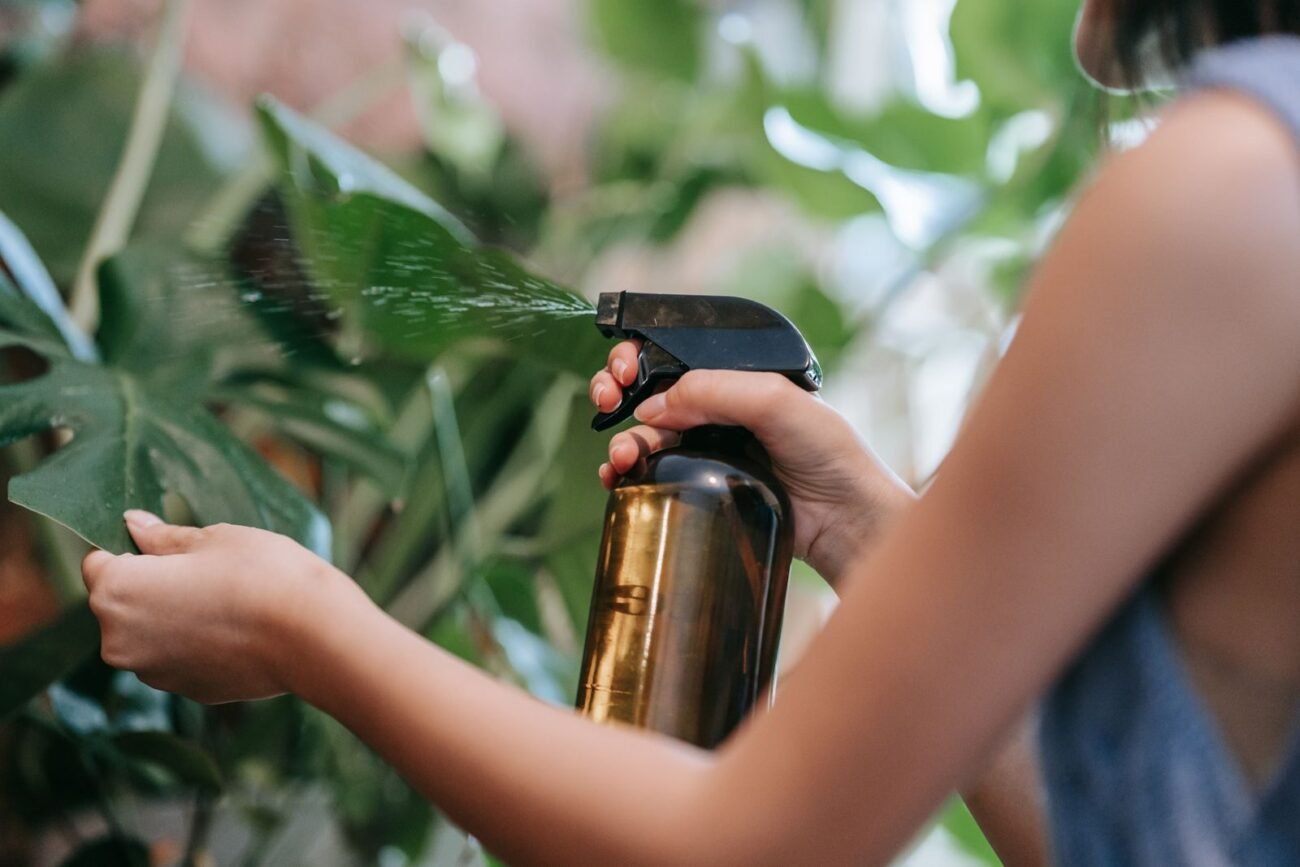
Does spraying your houseplants with water really do anything for them, or does it just feel like it?
It’s one of the most repeated bits of plant advice going, and one of the most misunderstood. You mist the leaves, the plant looks fresh and perked up, and you walk away feeling like you’ve done right by it.
What nobody mentions is that the humidity lift from a misting fades about as fast as the droplets dry, often within a few minutes.
So before you keep a spray bottle by every pot, let me walk through what humidity does for a plant, why misting falls short, and what raises it in a way the plant can use.
How I look at misting
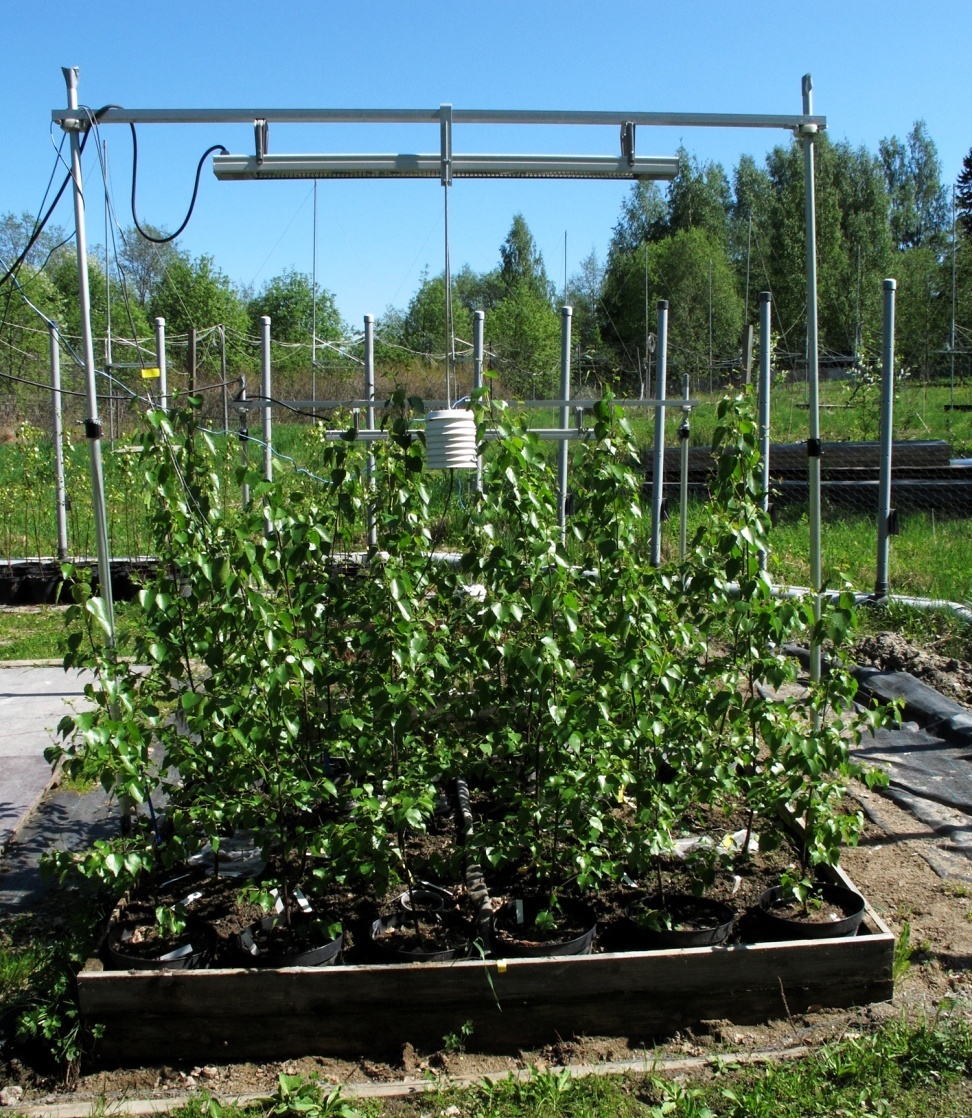
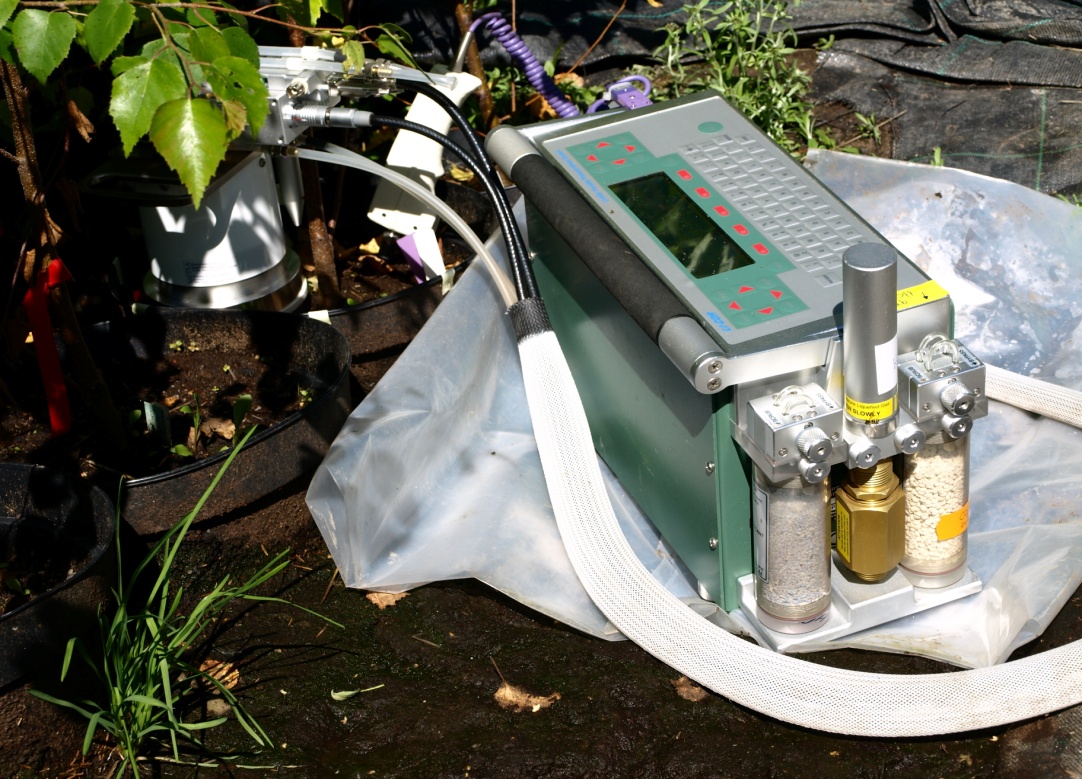
For several seasons my work was field measurement, not the windowsill. I ran experiments where I logged soil moisture and air humidity continuously with sensors, and alongside those readings I recorded how the plants grew, stem height, stem diameter and leaf number, week after week.
Watching logged humidity on one side and measured growth on the other taught me something simple: what changes a plant is the condition it sits in across days and weeks, not a brief shift that comes and goes in minutes.
A mist is that kind of brief shift. That is the lens I bring to the spray bottle, and it is why I was doubtful of it long before I looked at what the extension services had measured.
What humidity means to a plant
Plants lose water constantly through tiny pores on their leaves called stomata. That loss is called transpiration, and its speed depends a lot on the humidity of the air touching the leaf. When the air is dry, the gap between the moisture inside the leaf and the moisture in the air is wide, so water pulls out of the leaf faster.
When the air is humid, that gap is smaller and the plant loses water more slowly. This is part of why water is so central to everything a plant does.
Dry indoor air, the kind you get when the heating runs all winter, can push certain plants into mild water stress. They lose water faster than their roots can replace it, and the first signs are easy to miss if you don’t know what a stressed plant looks like. Crispy leaf edges are a common one.
Relative humidity is the number that captures all this, and most houseplants sit comfortably somewhere in the 40 to 60 percent range. Many homes in winter drop well below that.
Why a quick mist does almost nothing
Here’s the problem with the spray bottle, and it’s the kind of thing you see clearly once you’ve watched humidity on a data logger.
A mist puts a thin film of water on the leaf and lifts the humidity around it for a moment, but that water evaporates almost at once and the reading drops straight back to where it started.
From my own field work, I know a humidity figure only holds when the air around the sensor changes and stays changed, and a brief dampening never registers as anything lasting.
The extension services have measured the same thing: as the University of Nebraska–Lincoln Extension puts it, you would have to mist every few minutes, all day long, to make any noticeable difference to the humidity of the air. Nobody is going to do that.
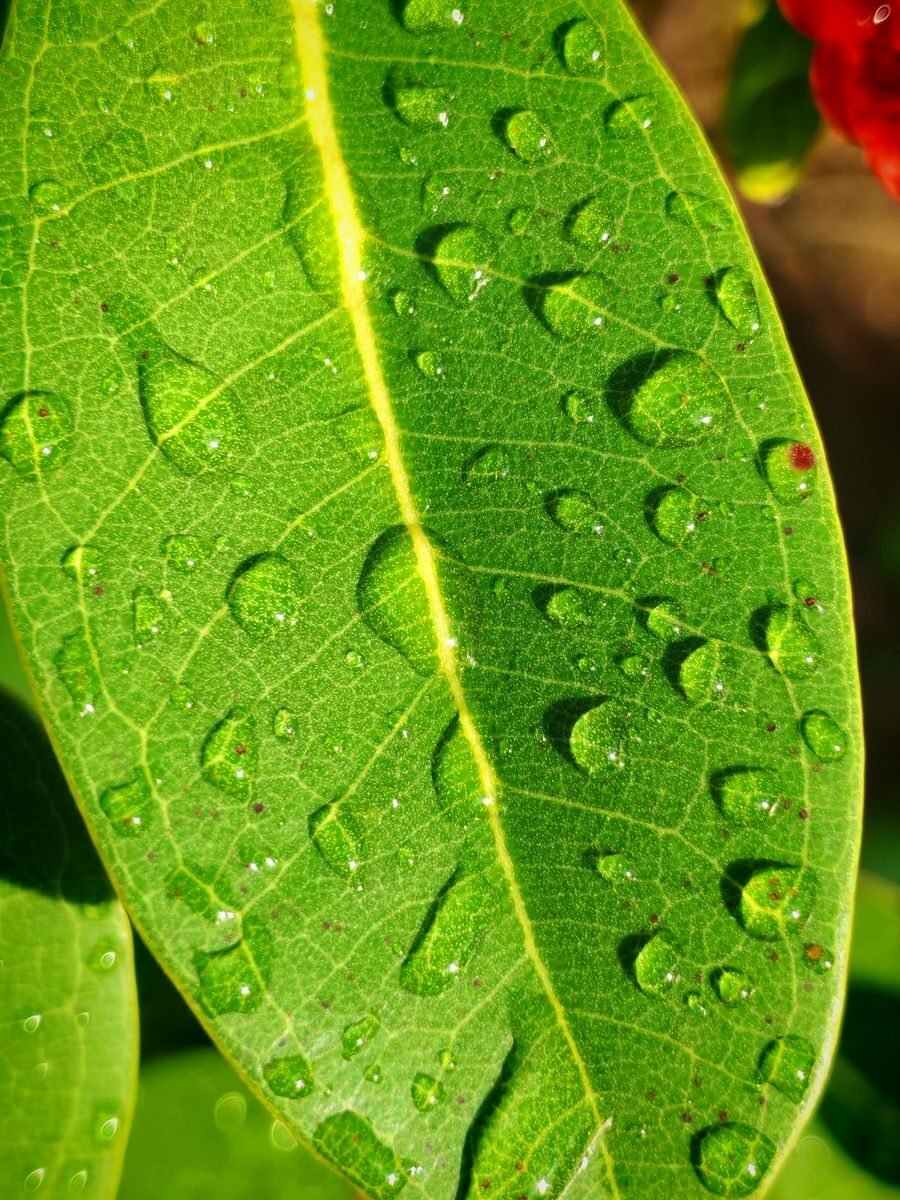
There’s a second catch too. Leaves that stay wet for long stretches, especially in a cool room with low light, give fungal problems an opening, and powdery mildew is one that takes hold on damp foliage. So misting isn’t just weak, it can occasionally work against you.
The one place misting has a grain of logic
There’s a reason the misting habit stuck around. Spider mites prefer warm, dry, dusty leaves, so people mist to make the leaves less inviting to them. The thinking isn’t wrong, but misting is a weak tool for it.
If you’re dealing with the fine webbing and stippling that spider mites leave behind, rinsing the leaves and raising the room’s humidity properly does far more than a daily spritz.
Beyond that, misting is mostly harmless. It knocks dust off leaves and gives tropical foliage a quick freshen. I’d just skip it on plants with fuzzy or velvety leaves, like African violets, where water sits in the hairs and marks the leaf, and I’d avoid misting late in the day in a cool, dim room, since the leaves stay wet overnight.
What raises humidity and keeps it up
If you have plants that need more moisture in the air, these are the methods that hold up.
A humidifier is the most reliable by a distance. It raises the relative humidity of the air and keeps it there, which is the one thing misting can’t do. Both Nebraska and Iowa State point to it as the method that works.
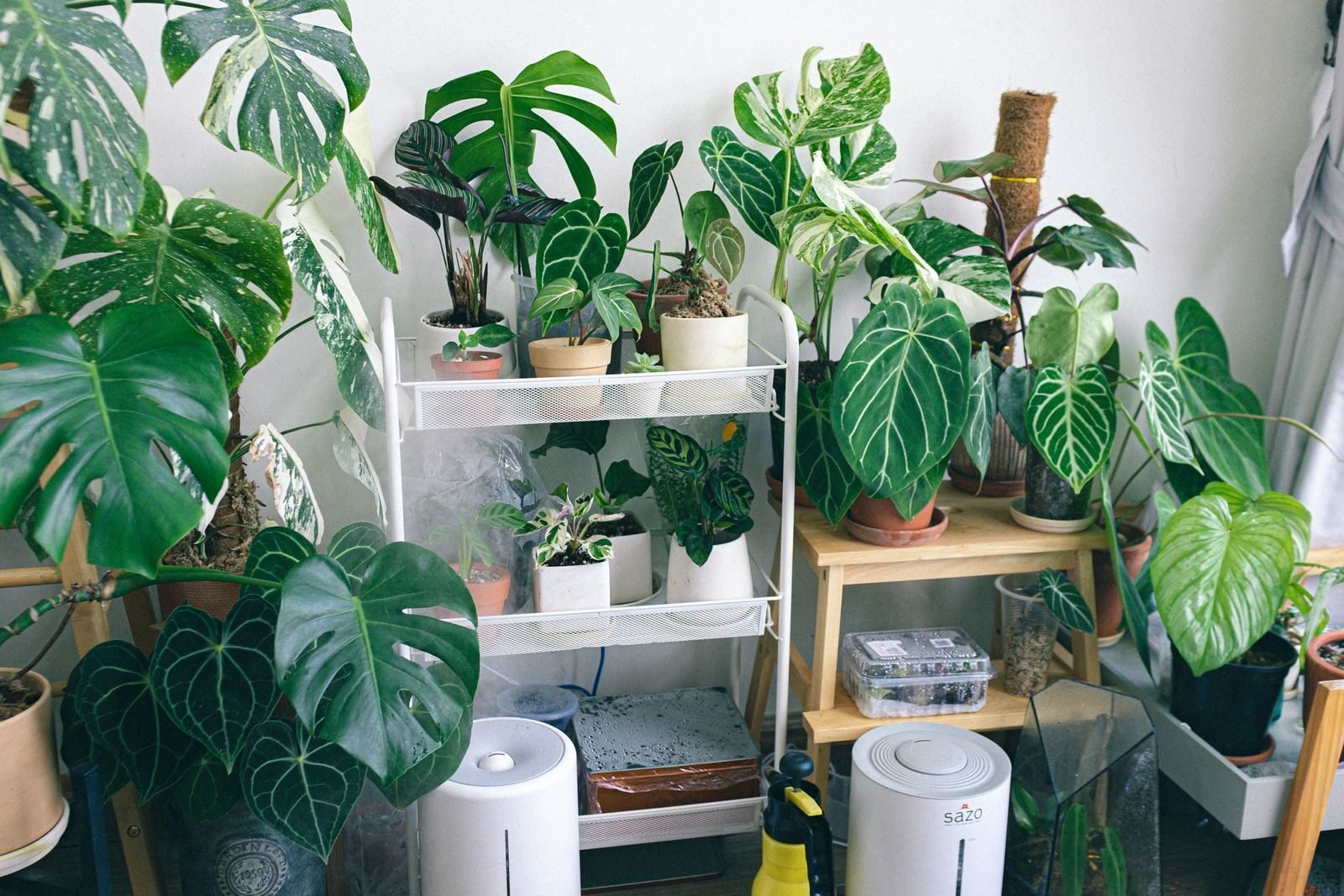
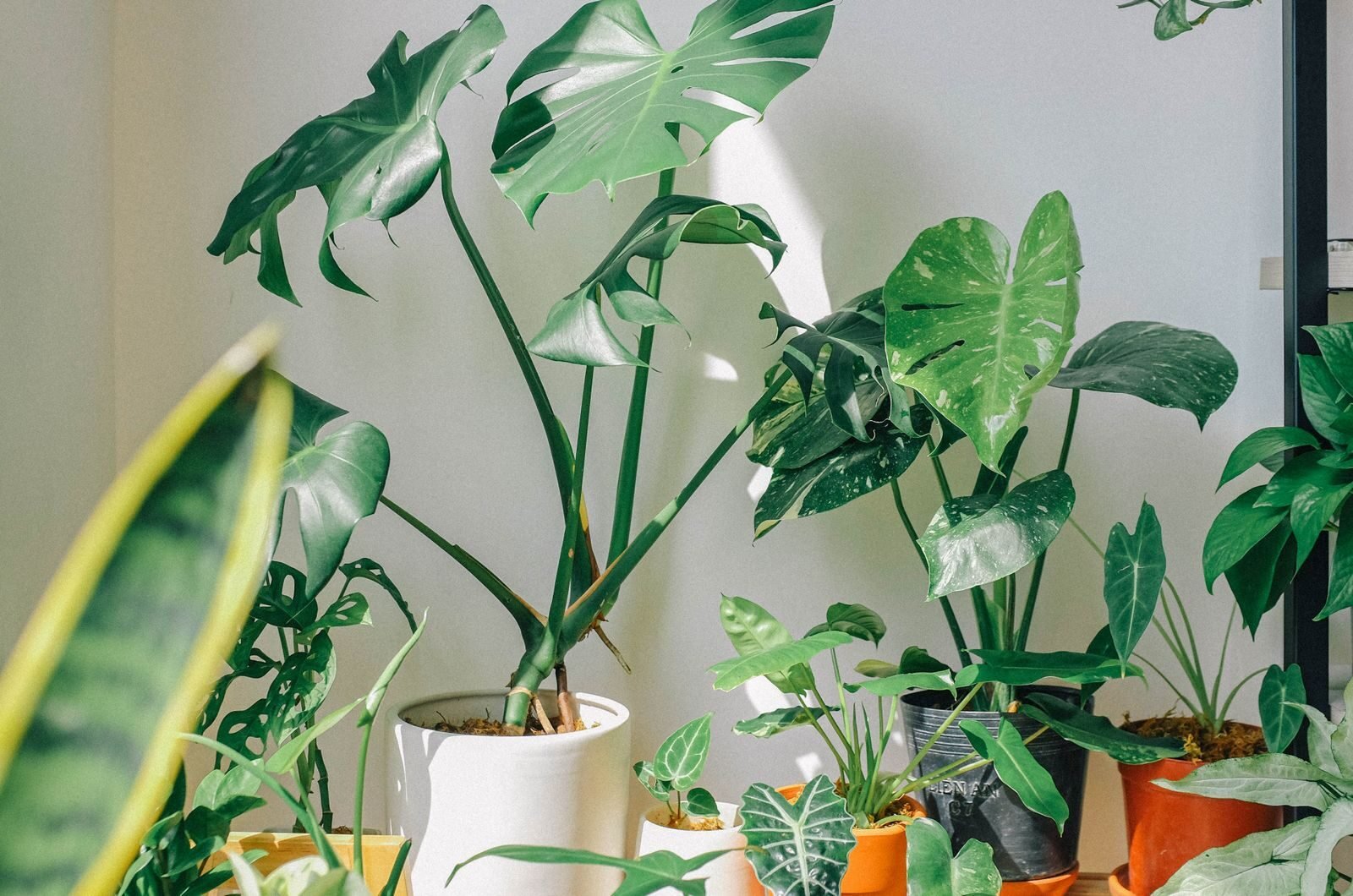
Grouping plants together helps more than people expect. Iowa State University Extension notes that the water evaporating from the potting soil, plus the water lost through the foliage, raises the humidity in the pocket of air right around the cluster. A group of plants makes its own slightly damper microclimate.
Moving thirsty plants to a naturally humid room is the free option. A bathroom or kitchen runs more humid than the rest of the house, so a fern or calathea often does better there, as long as it still gets enough light. If light is tight in those rooms, it’s worth knowing how plants manage in low-light indoor spots before you move one in.
Pebble trays get mixed reviews. The idea is to set the pot on a tray of water and gravel so moisture rises around the plant. Iowa State lists it as a reasonable method, though the damp air can drift off into the room instead of staying near the plant. I’d treat it as a minor help, not a fix on its own. For small, fussy tropicals, growing them under glass in a terrarium traps moisture right where the plant needs it.
None of this replaces the basics. Humidity sits on top of sensible watering, and getting the balance between too much and too little water right counts for far more than the air. A humid room won’t save a plant whose roots are already sitting in soggy soil and starting to rot.
Which plants care, and which don’t
Before you chase humidity at all, check whether your plant wants it. The tropicals that grow under a rainforest canopy, calatheas, marantas, ferns, alocasias and the like, enjoy humid air and show stress in dry rooms. Succulents, cacti, snake plants, ZZ plants and pothos are comfortable in ordinary room air and need none of this.
If you want plants that grow well without much attention, some of the faster-growing indoor plants are also the ones that care least about humidity. Running a humidifier for a snake plant is effort spent on a plant that doesn’t want it.
Common Questions about misting
Does misting cause leaf problems?
It can, in the wrong conditions. Leaves that stay wet in a cool, dim, still room are more prone to spotting and fungal issues. In a warm, bright, airy spot the water dries fast and does no harm.
My calathea has crispy edges. Is low humidity the cause?
It might be, but check your watering first, since crispy edges also come from the soil drying out too far, from mineral buildup, or from tap water. Low humidity is one cause among several.
Do I need a humidifier for a pothos or snake plant?
No. Those are happy in normal household air. Save it for the tropicals that genuinely struggle without it.
Is the bathroom a good spot for humidity-loving plants?
Often yes, as long as there’s enough light. The air runs more humid there, which suits ferns and calatheas, but a windowless bathroom won’t give them the light they need.
Still not sure what your plant is telling you
Dry air, overwatering and a few other problems can all leave a plant looking tired, and the symptoms overlap enough that it’s easy to treat the wrong thing. If you want a shortcut from symptom to cause, I put together a guide that walks you through what each sign points to: What’s Wrong With My Plant? It’ll keep you from running a humidifier when the trouble was really the watering can.
Mist if you enjoy it. Just know it’s a nice habit, not a humidity strategy, and the plants that need damper air will thank you for a humidifier or a move to a brighter, steamier room instead.