

This article was written and reviewed by Serge, MSc. I hold degrees in Plant Biology, Environmental Biology and Biogeochemistry, with research experience in plant physiology, ecosystem science, and field-based environmental studies. Every article on this site is grounded in real academic training and genuine scientific research.
Affiliate disclosure: This site has affiliate links, including Amazon. As an Amazon Associate I earn from qualifying purchases, at no extra cost to you.

It’s summer, and you’re thinking… why not grow your own lettuce?
Sure, you could just buy it at the store, but there’s something special about picking your own fresh leaves and knowing exactly how they grew. It’s fun, productive, and surprisingly easy, whether in a sunny windowsill, a raised bed, or a container on your balcony.
Before we jump into planting, I want to share a little about why lettuce (Lactuca sativa L., family Asteraceae) is such an interesting plant, from the perspective of someone who studies how plants grow and respond to their environment. Understanding a bit of the science will help you grow lettuce that’s sweet, crisp, and full of flavor.
The Biology of Lettuce Leaves
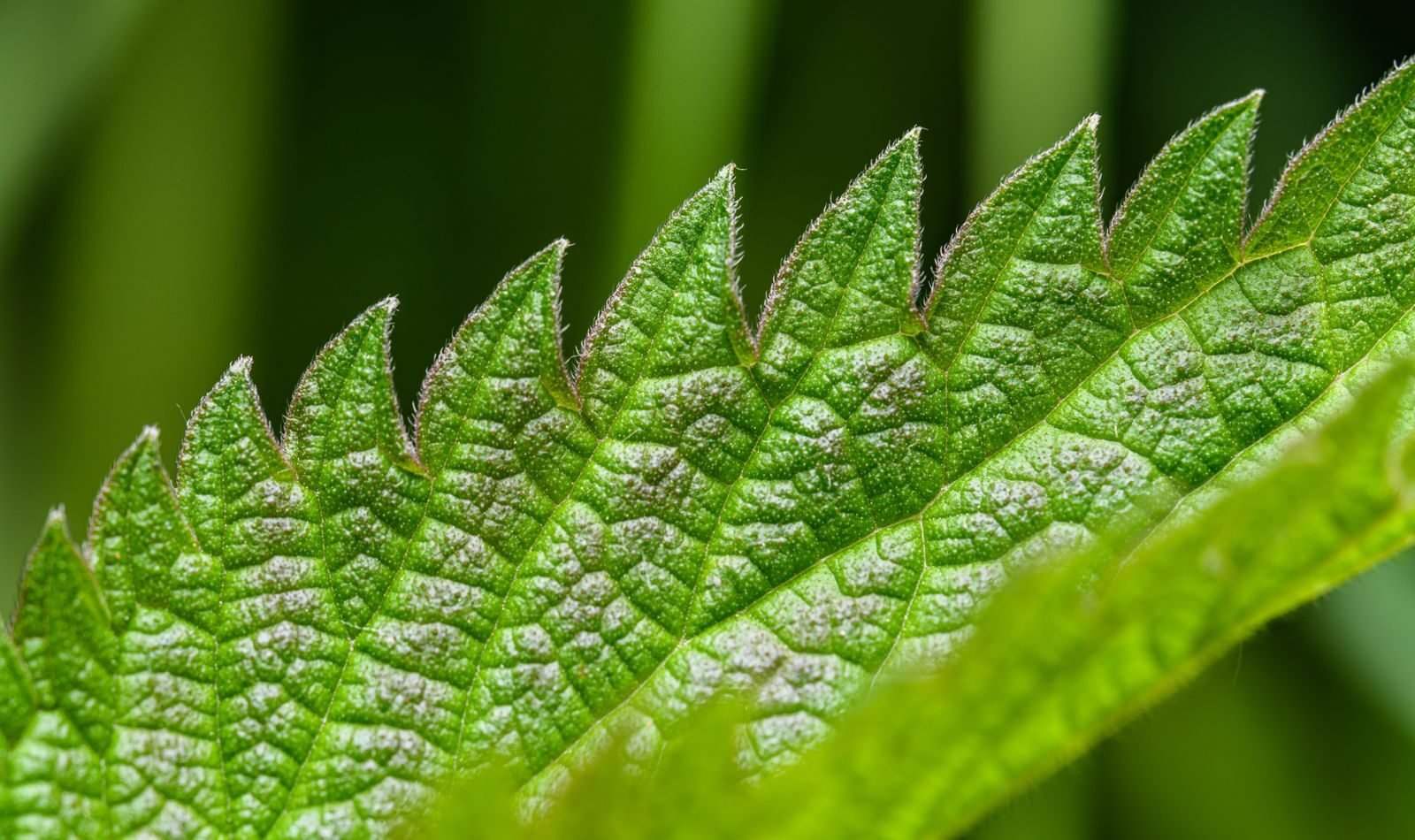
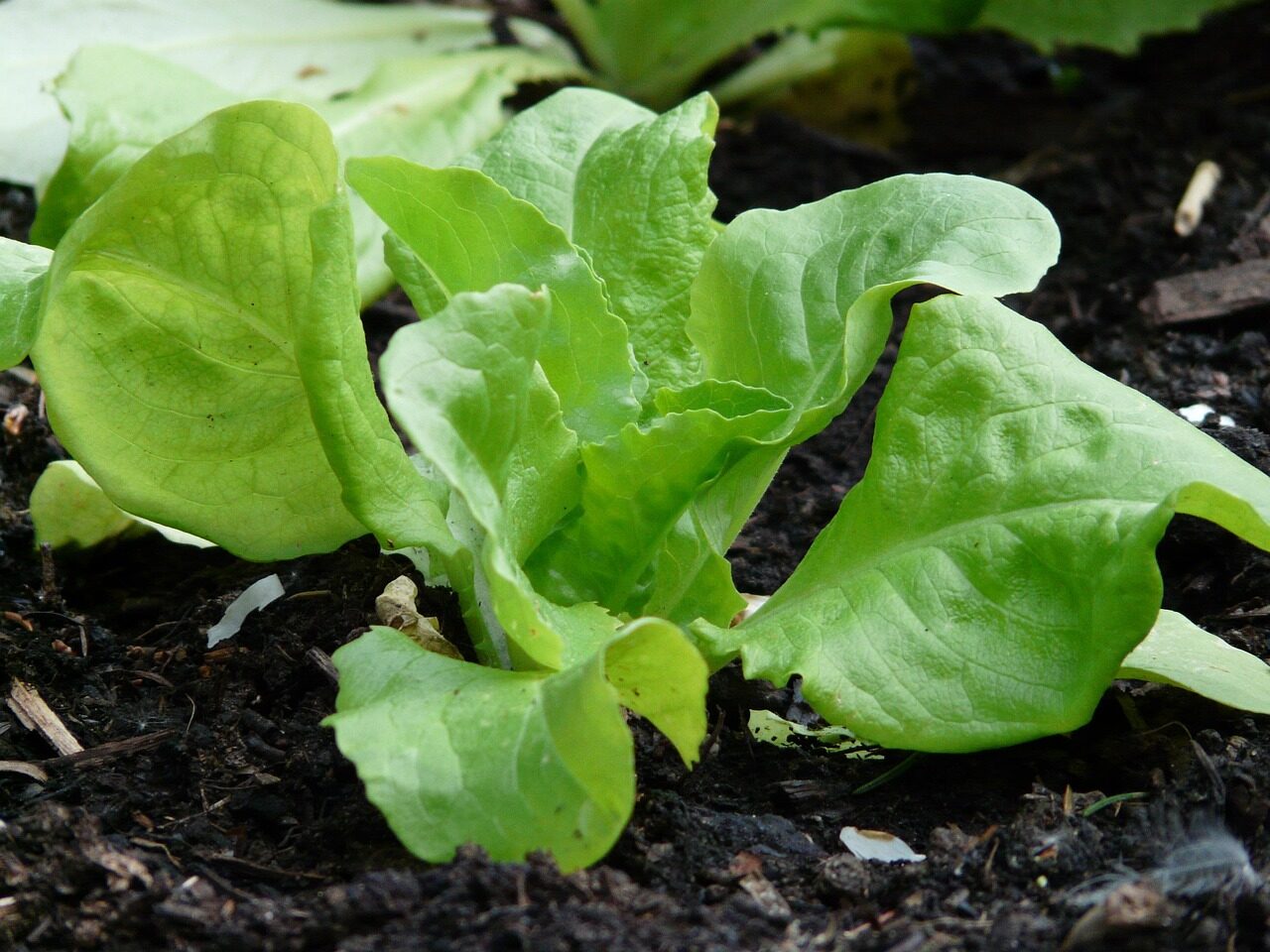
Lettuce is a leafy green that grows very fast. Its leaves are mostly water and simple cell walls, which is what gives them that crisp texture. The “crunch” you bite into is actually turgor pressure, the water inside the cells pushing against the walls.
Lettuce produces secondary metabolites called sesquiterpene lactones, mainly lactucin and lactucopicrin (Stojanović et al., 2023), which are stored in specialized cells called laticifers.
Their study, which analyzed red and green lettuce across different cultivars, microbiological fertilisers, and seasons, showed that environmental stresses such as heat, drought, or crowding can increase the production of these compounds, often resulting in a more bitter taste in the leaves.”
Because lettuce grows quickly, it reacts very fast to changes in the environment. Too hot, too little water, or too much light can cause the plant to bolt, send up a flower stalk and turn bitter. By paying attention to soil, light, and water, you can help the plant stay in the leafy stage longer.
Soil and Roots: How to Give Lettuce a Good Start
Lettuce has shallow, fibrous roots, which means the top 15 cm of soil is crucial. That’s where it takes up water, nutrients, and interacts with soil microbes that support healthy growth.
-
Soil type: Loose, sandy loam or loamy soil works best. Roots need oxygen, and compacted clay can suffocate them.
-
Nutrients: Lettuce loves nitrogen for leaf growth, phosphorus for roots, and potassium and calcium for strong cell walls and good water balance.
-
pH: Keep soil slightly acidic to neutral (6.0–6.8). At this pH, nutrients are easiest for lettuce to absorb.
-
Compost: Adding compost improves fertility and water retention and helps the soil hold nutrients like a small bank the plant can draw from.
If your soil is happy, your lettuce will reward you with sweet, crisp leaves.
Step-by-Step Guide to Growing Lettuce
Now let’s get to the practical side, how to actually grow your lettuce, step by step.
Step 1: Choose Your Variety
-
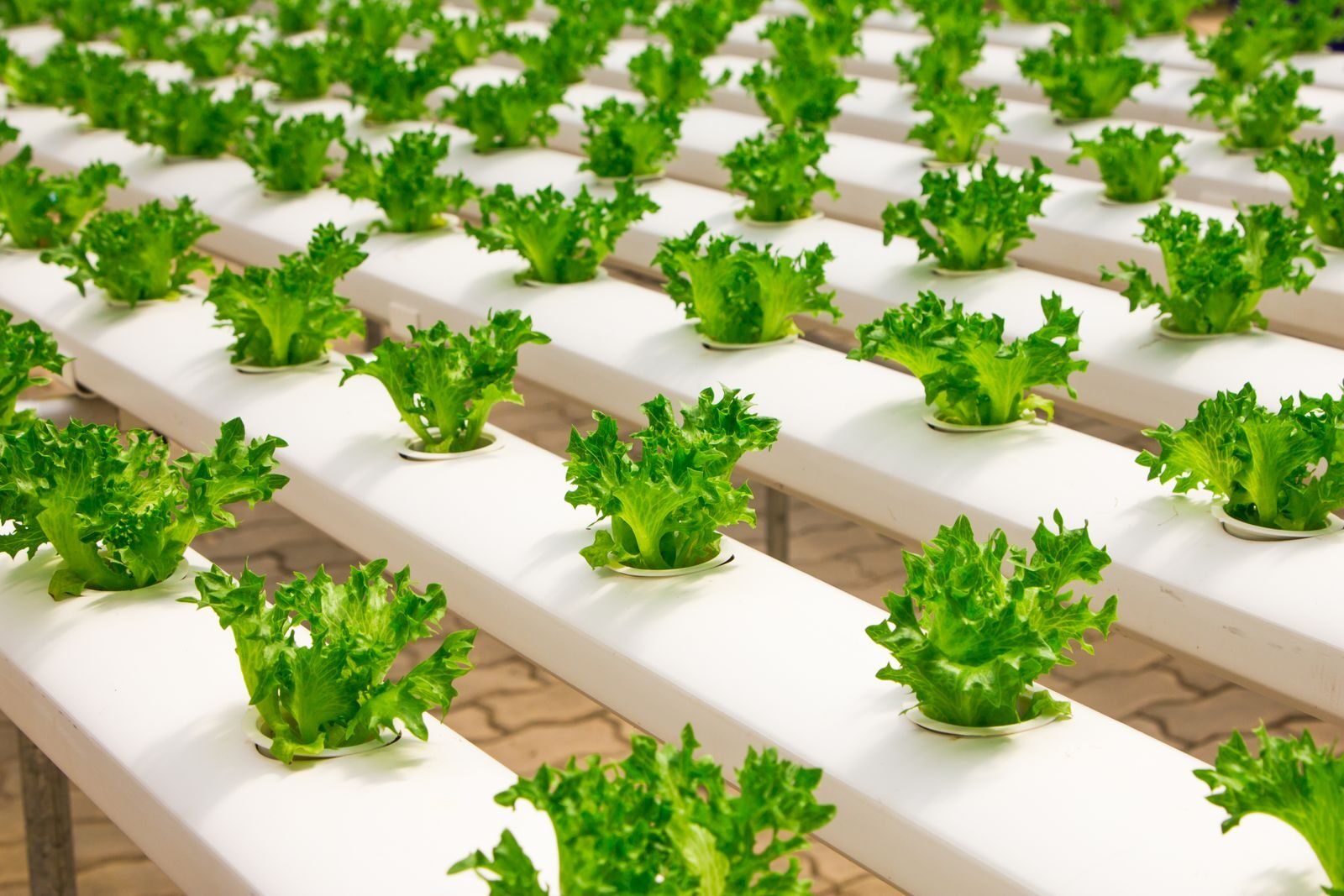
Leaf lettuce: Fast-growing, loose leaves, perfect for salads.
-
Romaine: Sturdy leaves, good for sandwiches.
-
Crisphead (iceberg): Slower-growing but very crunchy.
If this is your first time, I suggest leaf lettuce, it grows quickly, and you can harvest outer leaves multiple times.
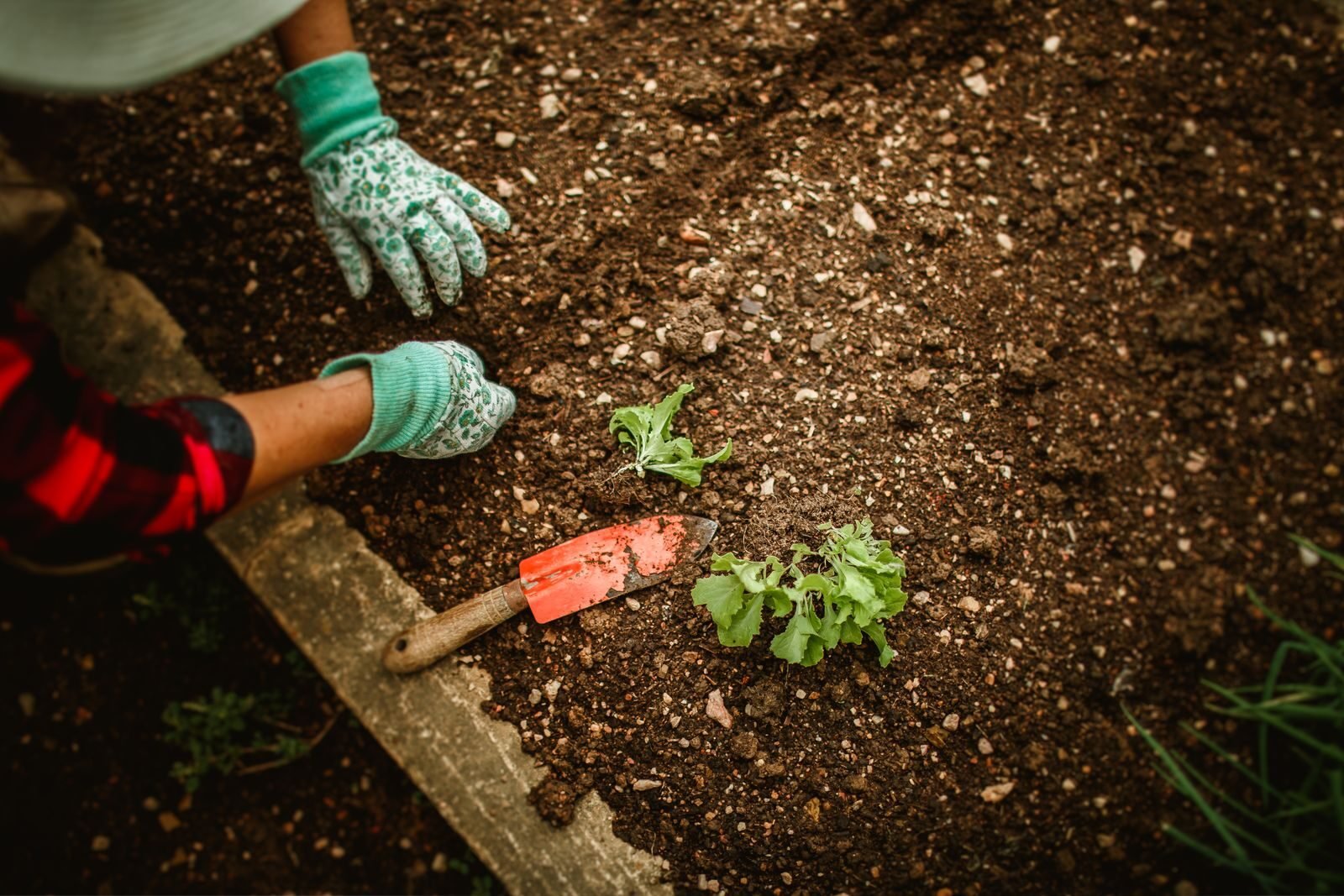
Step 2: Start Seeds or Seedlings
-
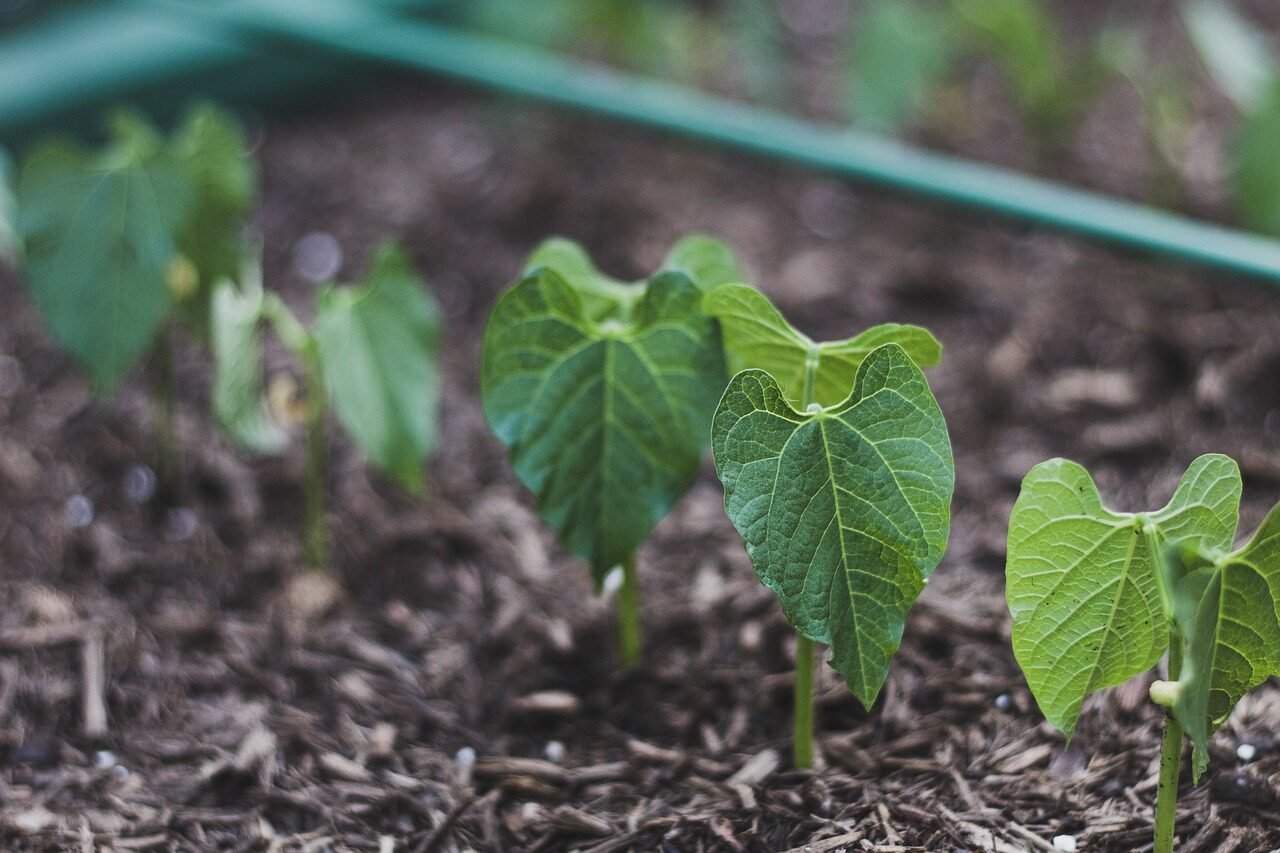
Seeds: Sow shallowly, about 3–5 mm deep. Lettuce seeds are tiny and need light to start sprouting.
-
Seedlings: Choose small, healthy plants with 2–3 true leaves.
Note: Keep the soil evenly moist, too dry, and seeds won’t germinate; too wet, and they might rot.
Step 3: Prepare the Soil
-
Make sure the soil is loose and drains well.
-
Mix in compost or aged organic matter to improve fertility and water retention.
-
Level the soil gently so seeds or seedlings have good contact with the surface.
Step 4: Planting & Spacing
-
Leaf lettuce: 15 cm apart.
-
Romaine or head lettuce: 30 cm apart.
Spacing is important. Crowded plants trap humidity, which can lead to diseases or “tipburn” (brown leaf edges caused by poor calcium transport).
Step 5: Light & Temperature
-
Lettuce prefers cool weather, around 16–21°C.
-
Needs 6–8 hours of sunlight per day.
-
If it’s very hot, use a shade cloth during the hottest hours to prevent bitterness.
Even though lettuce likes light, heat stresses the plant and can trigger bitter compounds. Keeping it cool makes leaves tender and sweet.
Step 6: Watering
-
Lettuce is about 95% water, so consistent moisture is key.
-
Water lightly but often, keeping soil damp like a wrung-out sponge.
-
Mulch around the base to keep roots cool and conserve moisture.
Note: Shallow, frequent watering works better than deep, infrequent watering for these shallow roots.
Step 7: Feeding Your Plants
-
Use compost or organic fertilizer every 2–3 weeks.
-
Avoid over-fertilizing with nitrogen, too much can make leaves soft or tasteless.
-
Balanced nutrients help lettuce grow fast without stress, keeping leaves crisp and flavorful.
Step 8: Caring & Harvesting
-
Remove yellowing or damaged leaves to give sunlight to healthy leaves.
-
For “cut-and-come-again” varieties, pick outer leaves and let inner leaves keep growing.
-
Morning harvest: Leaves have the most water and sugars after overnight rehydration, giving you the best crunch and taste.
If leaves taste bitter, check temperature and watering, that’s your lettuce telling you it’s stressed.
Step 9: Pest & Stress Management
-
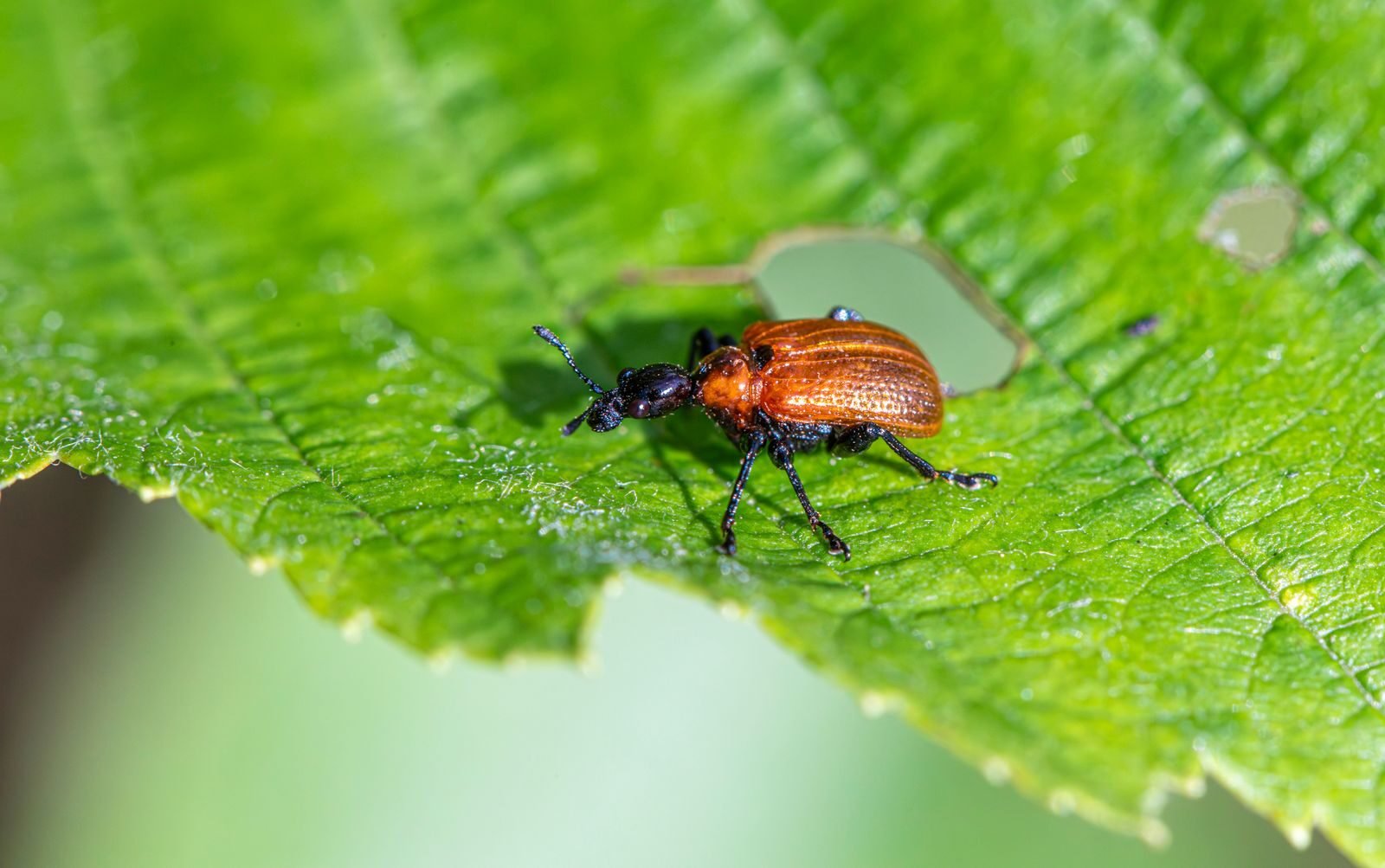
Common pests: slugs and aphids. Handpick, use row covers, or attract natural predators like ladybugs.
-
Keep soil evenly moist and roots cool to reduce stress.
-
Mulching helps prevent root-zone temperature spikes, which can trigger bolting.
Quick Stats for Your Garden
| Feature | Ideal Conditions |
|---|---|
| Soil pH | 6.0–6.8 |
| Spacing | 15–30 cm |
| Water | Evenly moist |
| Sunlight | 6–8 hours/day |
| Temperature | 16–21°C |
Summary: Fun and Sustainability
Growing lettuce at home reduces your environmental footprint. You save water, avoid packaging waste, and enjoy produce that hasn’t traveled hundreds of kilometers.
Using compost improves soil health and encourages beneficial microbes. Growing your own lettuce also gives you the chance to experiment with varieties, colors, and flavors, all while enjoying the satisfaction of harvesting something you nurtured yourself.
FAQs
Can I grow lettuce in pots?
Yes! 20 cm deep containers with good soil are perfect.
Why is my lettuce bitter?
Heat stress or bolting can increase lactucins. Keep soil cool and water consistently.
How often should I water?
Light, frequent watering is best for shallow roots.
What about red lettuce?
Red pigments are anthocyanins. They act as “sunscreen” for the plant and provide antioxidants.
Is organic fertilizer better than synthetic?
For lettuce, yes. Synthetic salts can pull water from the leaves, causing dehydration even in wet soil.