

This article was written and reviewed by Serge, MSc. I hold degrees in Plant Biology, Environmental Biology and Biogeochemistry, with research experience in plant physiology, ecosystem science, and field-based environmental studies. Every article on this site is grounded in real academic training and genuine scientific research.
Affiliate disclosure: This site has affiliate links, including Amazon. As an Amazon Associate I earn from qualifying purchases, at no extra cost to you.
Did Your Plant Experiment Really Prove Anything, or Did It Just Look Like It Did?
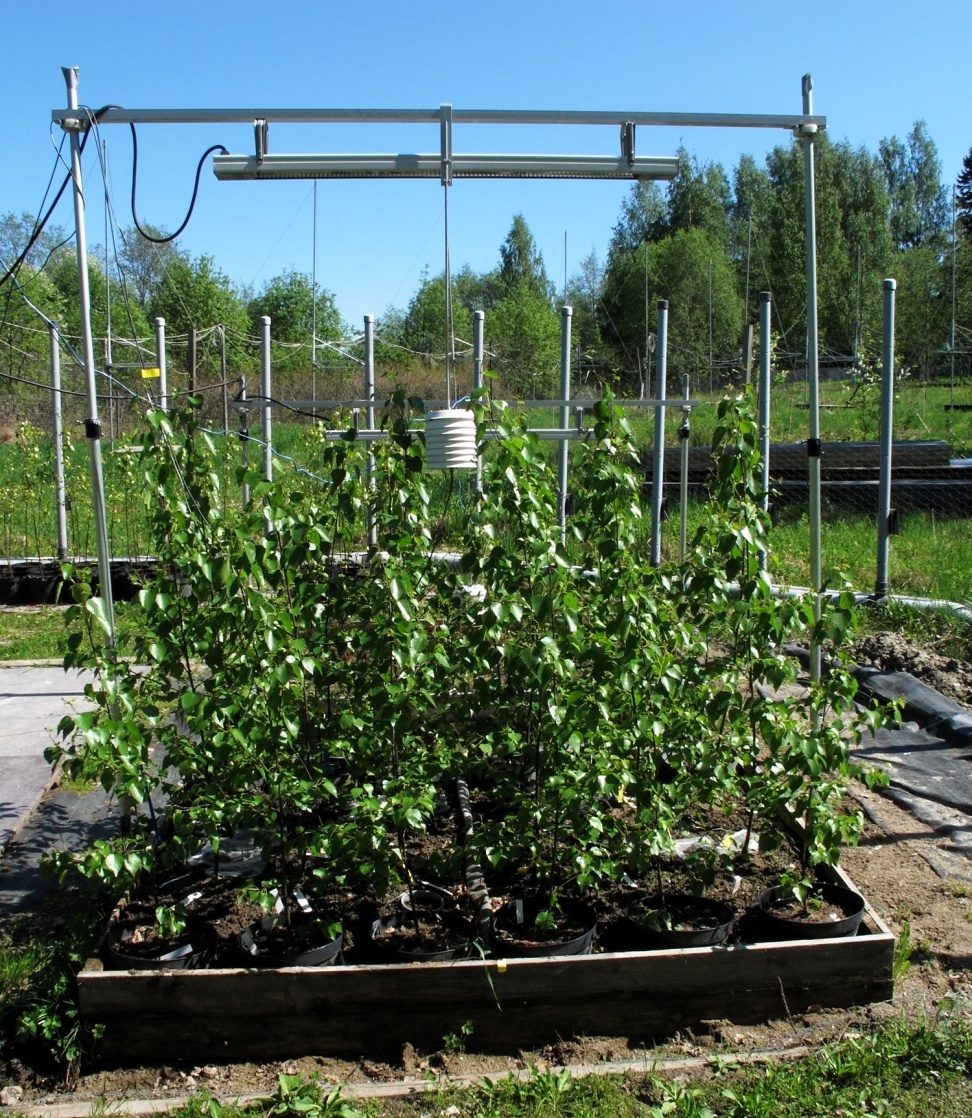
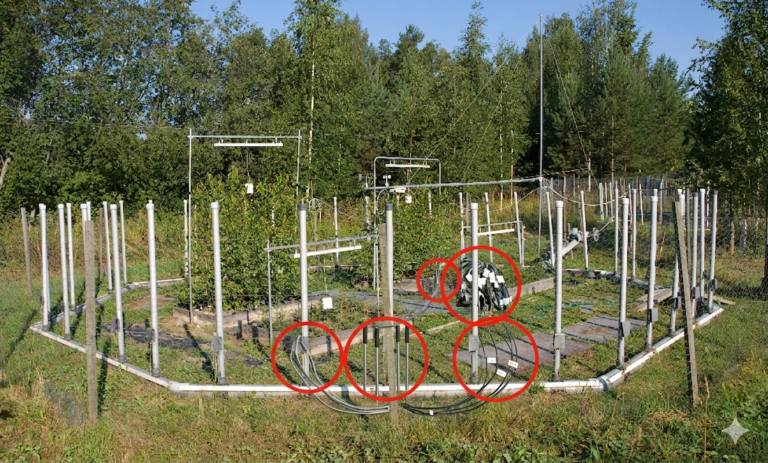
I spent a growing season measuring trees in an open-air field experiment. The biggest thing I learned is how easy it is to get a result that looks convincing but means almost nothing. A tree looks taller, a leaf looks greener, a plant seems to be doing better, and it is easy to take that as proof.
Plant experiments online often have the same problem…
People put two plants side by side, change one thing for one of them, and after two weeks say the result proves something. But the way the plants were set up usually means the experiment cannot tell you anything, whichever plant grew more.
In this article I explain how I judge a plant experiment and how I set one up so the result can be trusted. It covers controls, variables, how many plants you need, and why the seed or variety you choose matters more than most people think.
Why Most Home Plant Experiments Prove Nothing
Most of them compare two plants, change more than one thing between them, and are never repeated. Any one of these three problems is enough to make the result unreliable.
These are the ones I see most:
→ No control. There is no plant treated normally to compare against, so nobody knows what normal growth looks like in that spot.
→ Too many differences. The plants sit in different places, get different light, or are watered differently, so you cannot tell which difference caused the result.
→ One plant per group. Plants differ from each other, so one bigger plant may simply be a stronger plant.
You do not need a laboratory to fix any of this. You just need a plan before you start, and the rest of this article is that plan.
What Is a Control in a Plant Experiment?
A control is a plant, or better a group of plants, that is treated exactly like the others except for the one thing you are testing. You compare everything else against it. Without a control, you cannot tell whether a change came from your treatment or would have happened anyway.
In a light colour test, the control is the plant under ordinary white light. In a music test, it is the plant with no music. In a fertiliser test, it is the plant that gets only water. My experiment on how light colour affects plant growth is an example of a test with a simple question and an easy comparison.
In my field work the same idea applied on a larger scale. Ozone was raised to about 1.4 times the ambient level in some places, and I compared those places with the ambient level. I explain that work in my article on warming, ozone and soil respiration in silver birch.
Independent, Dependent and Controlled Variables Explained
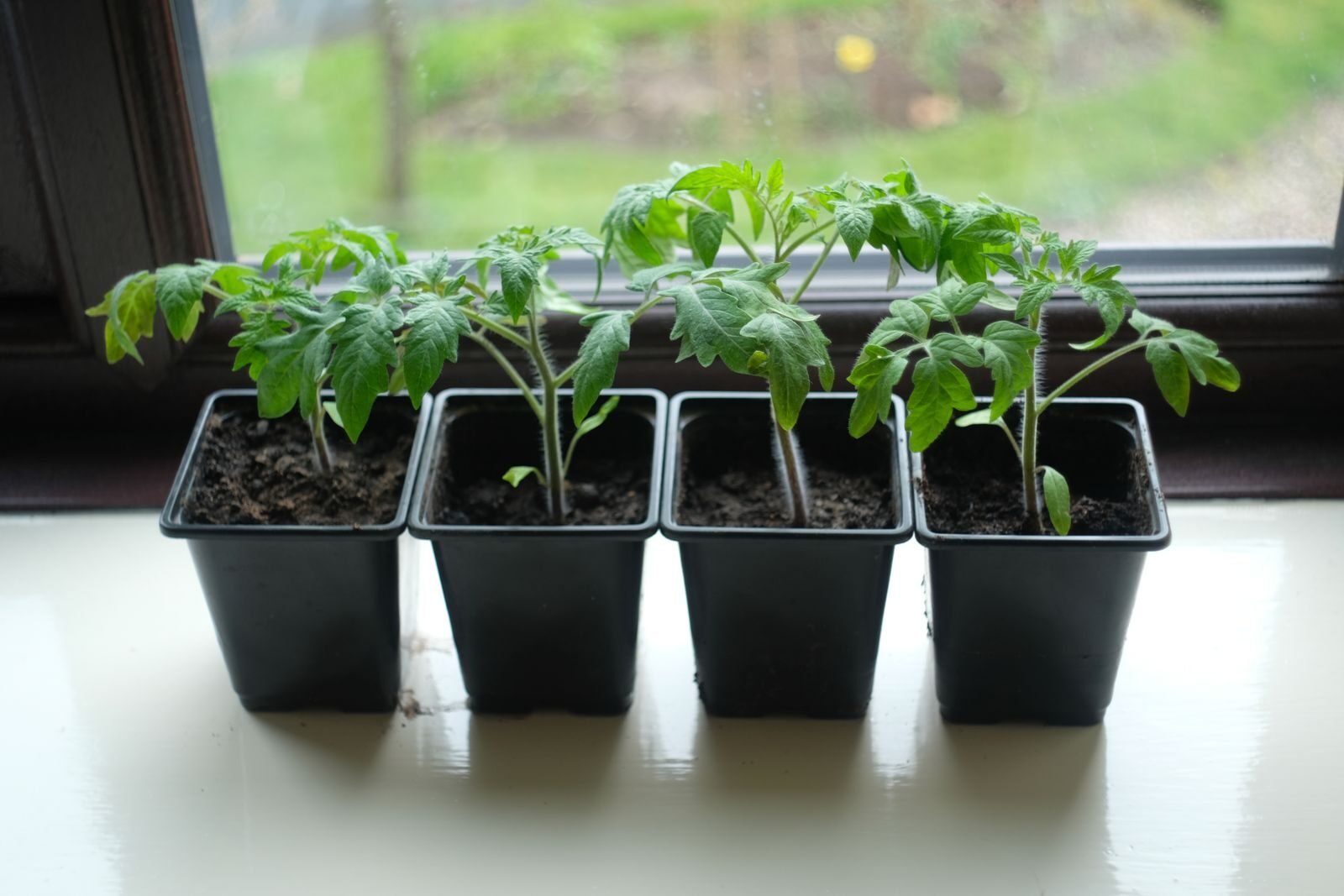
These three terms confuse a lot of people, but they are easy with an example. Say you want to know whether fertiliser helps basil grow:
→ Independent variable. The one thing you change on purpose. Here, whether the plant gets fertiliser or not.
→ Dependent variable. What you measure to see the effect. Here, height after three weeks, and maybe the number of leaves.
→ Controlled variables. Everything else, kept the same: pot size, soil, window, amount of water, temperature and seed batch.
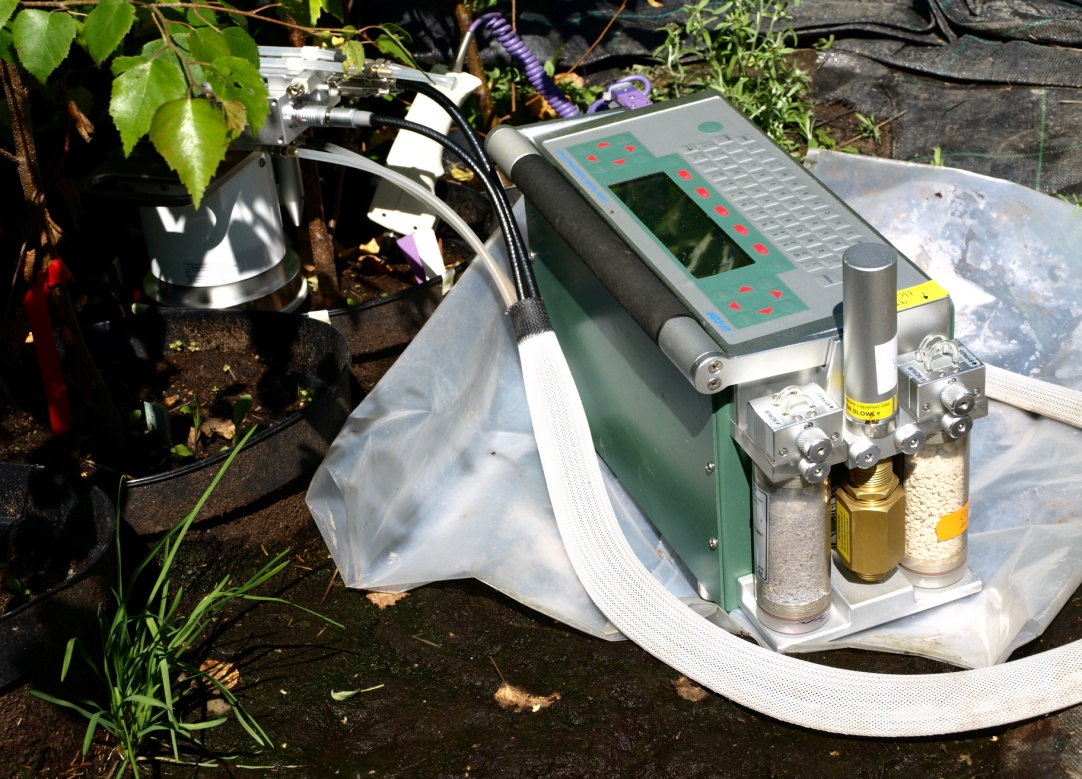
The dependent variable must be something you can measure with a ruler, a scale or a count. “Looks healthier” is not a measurement. In my own work I measured stem height, stem diameter, leaf number and leaf area, because you can compare numbers, but you cannot compare impressions.
The Variables People Forget
Most home experiments go wrong, not because of the thing people chose to test, but because of things they did not think about. These are the ones I would check first:
→ Position. Two pots on the same windowsill can get quite different light, especially if one is closer to the glass or the curtain. If light is not what you are testing, swap the pots around every few days.
→ Water. Different amounts of water can hide any other effect. A soil moisture meter helps, and so does giving every plant the same volume each time. My guide on how to water houseplants explains why watering varies so much.
→ Light source. If you use lamps, the distance and the hours must be the same for every group. I wrote about what I look for in a grow light.
→ Temperature. A pot next to a radiator or a cold window is not under the same conditions as one in the middle of the room.
→ Soil and pot. A different potting mix or pot size changes drainage and root space, which changes growth by itself.
→ Seed batch. Seeds of different ages, or from different packets, can germinate at different speeds, so one group starts earlier than the other.
Outdoors you cannot give every plant identical conditions, which is why position matters so much in field work. At home you can control much more than I could outside, so there is no good reason to leave these things to chance.
Why One Plant Per Group Is Not Enough
Replicates are the repeats of each treatment. Say you test one plant with a treatment and one without, and the treated one is taller. You cannot tell whether the treatment worked or whether you just happened to pick a stronger plant. Plants of the same species differ from each other, even when they come from the same packet.
Using several plants per group fixes this. If most plants in the treated group are taller than most plants in the control group, the difference starts to mean something. If the two groups overlap a lot, it probably does not. I would use at least three plants per group, and five or more if you have the space.
In a field experiment like mine you never rely on a single tree, for this same reason. One tree only tells you what happened to that tree. It does not tell you what the treatment does.
Why Genotype and Seed Variety Matter
My research looked at two genotypes of silver birch. A genotype here means a set of trees that are genetically identical to each other. The two genotypes did not react in the same way. One showed small changes that the other did not.
This matters for home experiments too. If I had tested only one genotype, my conclusion would have depended on which one I picked. The same can happen at home with the variety you choose. A treatment that seems to help one tomato variety may do nothing for another.
So use the same variety in all your groups, take the seeds from the same packet, and say which variety you used when you write up the result. For starting seeds, my guide to growing plants from seeds and my seed germination experiment at home cover the setup, and germination biology and soilless starts explains the biology in more detail.
The Viral Plant Experiments You See Online
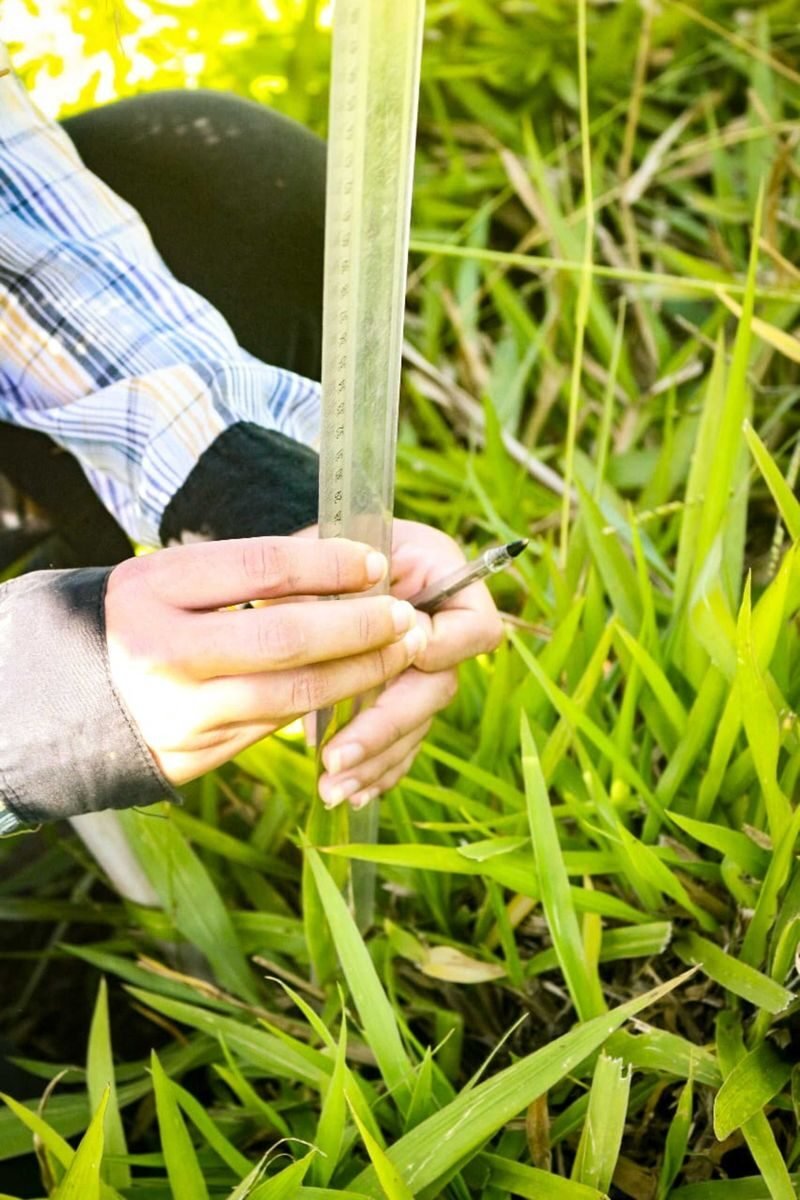
Many people find plant experiments through short videos. One plant gets a different light, a different amount of water or a different fertiliser, and a few weeks later one plant looks bigger. I understand why these videos spread. They are easy to follow, and the plants do end up looking different.
But the usual setup has only one plant per group. The pots are not always in the same spot, nobody measures anything, and the person judging the result already knows which plant was supposed to do better. So the difference you see could come from the treatment, or from the light, the water, the pot or just the plant itself. The video cannot tell you which.
That does not mean the idea is wrong. It only means the video does not prove it. For an example of a home test, see my article on whether music affects plant growth. A proper test uses several plants per group, the same position and care for all of them, and a ruler.
What Is the Best Plant for a Science Experiment?
For a first experiment, choose a plant that grows quickly, germinates reliably and is cheap enough to grow in numbers. Beans, radishes, cress and lettuce all fit. Slow plants like tomatoes can work, but they need more time and space, and if a seed fails you lose weeks. My lettuce guide shows how quickly a leafy crop can get going.
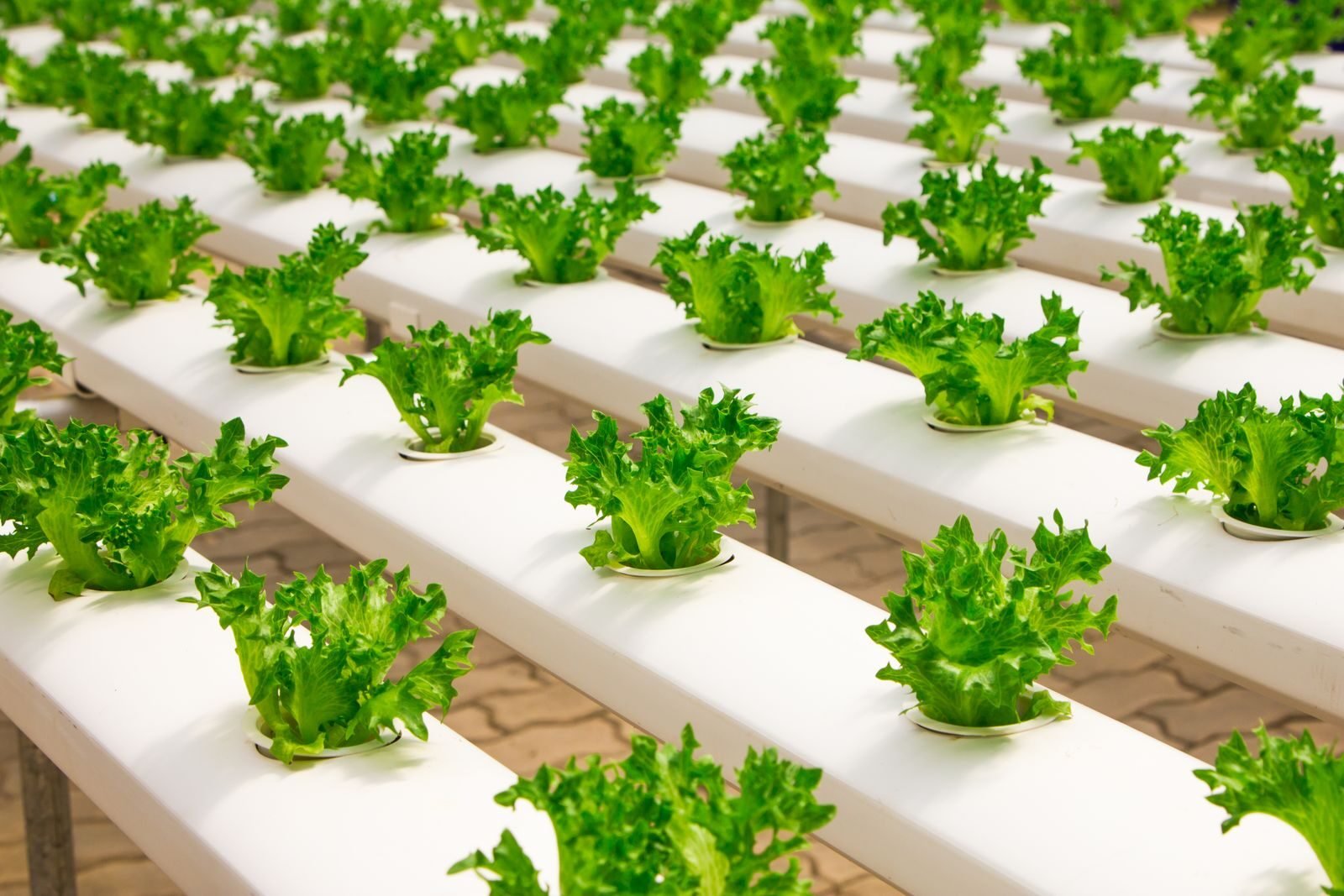
If you want to test something without soil, my experiment on growing plants without soil and my kitchen window hydroponic lab are easy places to begin.
How I Set Up a Simple Plant Experiment
This is the order I would follow for any home test. It works for a school project or just for curiosity in your kitchen:
→ Write one question. For example, “Does this fertiliser increase the height of basil after three weeks?”
→ Change one thing. Only the fertiliser, nothing else.
→ Keep everything else the same. Same seeds, same soil, same pots, same water, same light.
→ Use several plants per group. At least three, ideally five or more, and always include a control group.
→ Label and swap. Label each pot, and swap their positions every few days so no group always gets the best spot.
→ Measure the same way, on a schedule. In my field work I measured the same things each time, and I measured soil CO₂ every month from June to September, because a single reading tells you very little.
→ Write the numbers down before you interpret them. Record the measurements first, then decide what they mean.
→ Repeat it if you can. A result that appears twice is much more reliable than one that appears once.
Reading Your Results
Once you have numbers, look at the group, not at the single best plant. Work out the average height for each group and compare the averages. If the groups are about the same, or if their ranges overlap a lot, the honest conclusion is that you could not see an effect.
That is a valid result. In my own work, the ozone effects on stem height and leaf production were generally minor, so I reported them as minor. A small result that you can defend is better than a big one you cannot.
If your test involves soil chemistry, my guides on testing soil pH and nutrients properly and nutrients, pH and ion dynamics explain how to measure them correctly. For general lab habits, see laboratory techniques for plant science.
And if your plants simply look unwell at the end, check the basics before you blame your treatment. My guide on how to tell if your plants are stressed helps you rule out the common causes.
What Field Work Taught Me About Home Experiments
The scale was different, but the thinking is the same. Compare against a control, change one thing, repeat it, measure the same way every time, and be honest about small effects. I learned this by watching two genotypes of the same tree react differently to the same treatment.
If you want to learn more, my introduction to plant biology is a good place to start.
Common Questions About Plant Experiments
What is the control in a plant experiment?
It is the plant or group of plants that gets no treatment, or normal treatment, so you have something to compare the treated plants with. Everything else about it is the same as the other plants.
What is the difference between independent and dependent variables?
The independent variable is the one thing you change on purpose. The dependent variable is what you measure to see the effect, such as height, leaf number or the weight of the plant.
What are controlled variables in a plant growth experiment?
They are all the things you keep the same for every plant, such as pot size, soil, water, light, temperature and seed batch. If any of them differ between groups, you cannot tell what caused the result.
How many plants do I need per group?
At least three, and five or more if you can. With one plant per group, you cannot tell a real effect from the normal difference between individual plants.
What is the best plant for a science experiment?
A fast, reliable and cheap one. Beans, radishes, cress and lettuce are good choices because they germinate quickly and you can grow several at once.
Do plants grow better if you talk to them?
The clips you see online cannot answer this, because they rarely use controls, repeats or measurements. A proper test needs several plants per group in identical conditions. I explain how to set up that kind of test in my music and plant growth experiment.
Can a home plant experiment be used for a science fair?
Yes, if it has a clear question, a control group, one changed variable, several plants per group and written measurements. Those are the parts that make the result believable.
Why use seeds from the same packet?
Seeds from different packets can differ in age, variety and germination speed, so one group may start earlier for reasons that have nothing to do with your treatment.
Summary
Most plant experiments prove nothing because they have no control, they change more than one thing, and they use a single plant per group. The fix is simple: one question, one changed variable, everything else the same, several plants in each group, and measurements written down before you decide what they mean.
That is how I read other people’s experiments, and it is how I would set up my own. A small result you can defend is better than a big one you cannot.