

This article was written and reviewed by Serge, MSc. I hold degrees in Plant Biology, Environmental Biology and Biogeochemistry, with research experience in plant physiology, ecosystem science, and field-based environmental studies. Every article on this site is grounded in real academic training and genuine scientific research.
Affiliate disclosure: This site has affiliate links, including Amazon. As an Amazon Associate I earn from qualifying purchases, at no extra cost to you.

Cucumbers (Cucumis sativus L.) are a staple of summer gardens, loved for fresh salads, pickles, and snacking straight from the garden. Fast-growing and productive, they can thrive in raised beds, containers, or indoor setups.
Drawing from research on plant responses to environmental conditions, even small variations in temperature, soil moisture, and microclimate can significantly influence growth and yield, whether for cucumbers, tomatoes (Solanum lycopersicum L.), or other vegetables.
1. Choosing the Right Variety
Selecting the right cucumber variety matters for growth habit and use:
Slicing cucumbers (Cucumis sativus L., var. sativus): Long, tender fruits ideal for fresh eating.
Pickling cucumbers (Cucumis sativus L., var. anguria): Shorter, firmer fruits suited for jars.
Bush/compact varieties: Great for containers or small gardens.
Vining varieties: Require trellises, but produce abundantly.
Compact varieties such as Bush Champion perform consistently in containers and small plots, producing high-quality fruits even in partial sun.
2. Planting Cucumbers
Seeds vs. Seedlings:
Start seeds indoors 3–4 weeks before the last frost for early harvests.
Direct sow outdoors once soil temperatures reach 21°C (70°F) consistently.
Soil Preparation:
Cucumbers thrive in well-draining, nutrient-rich soil (loamy or sandy loam). Incorporate compost or aged organic matter to enhance fertility, improve moisture retention, and support healthy root and leaf development.
Planting Guidelines:
Sow seeds ½–1 inch deep.
Space bush varieties 30–45 cm apart; vining types 90 cm apart.
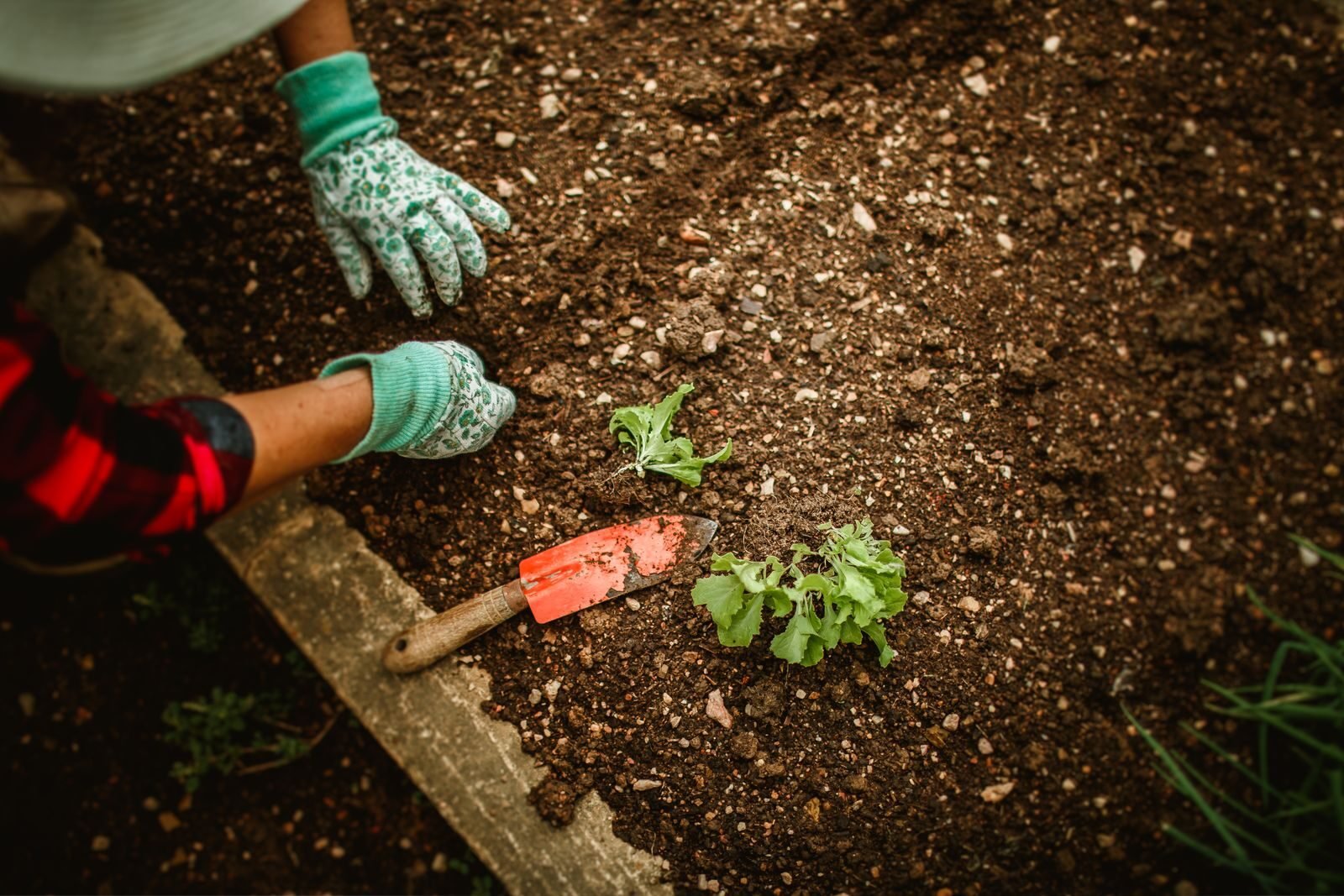
Transplant seedlings carefully to avoid root damage.
Slightly raised rows or containers improve drainage and root oxygenation, enhancing overall growth.
3. Optimal Growing Conditions
Sunlight: Cucumbers require 6–8 hours of direct sun for strong growth and fruiting.
Temperature: Optimal daytime temperatures are 21–29°C (70–85°F). Frost can damage seedlings.
Support:
Trellises or cages are essential for vining types (Cucumis sativus L., var. sativus).
Supporting plants reduces leaf disease, improves airflow, and keeps fruits clean.
Research-based observation: Even minor microclimate adjustments, such as partial shading during peak heat or slightly elevated soil moisture, can noticeably improve fruit yield and quality, reflecting principles observed in controlled plant growth experiments.
4. Watering & Fertilizing
Maintain consistent soil moisture, especially during flowering and fruit set. Avoid waterlogging.
Mulch to retain moisture, suppress weeds, and moderate soil temperature, enhancing nutrient cycling similar to natural forest soils.
Fertilize every 2–3 weeks with balanced nutrients or compost tea.
Avoid wetting foliage to reduce powdery mildew (Podosphaera xanthii), a common fungal disease.
5. Common Pests & Diseases
Pests:
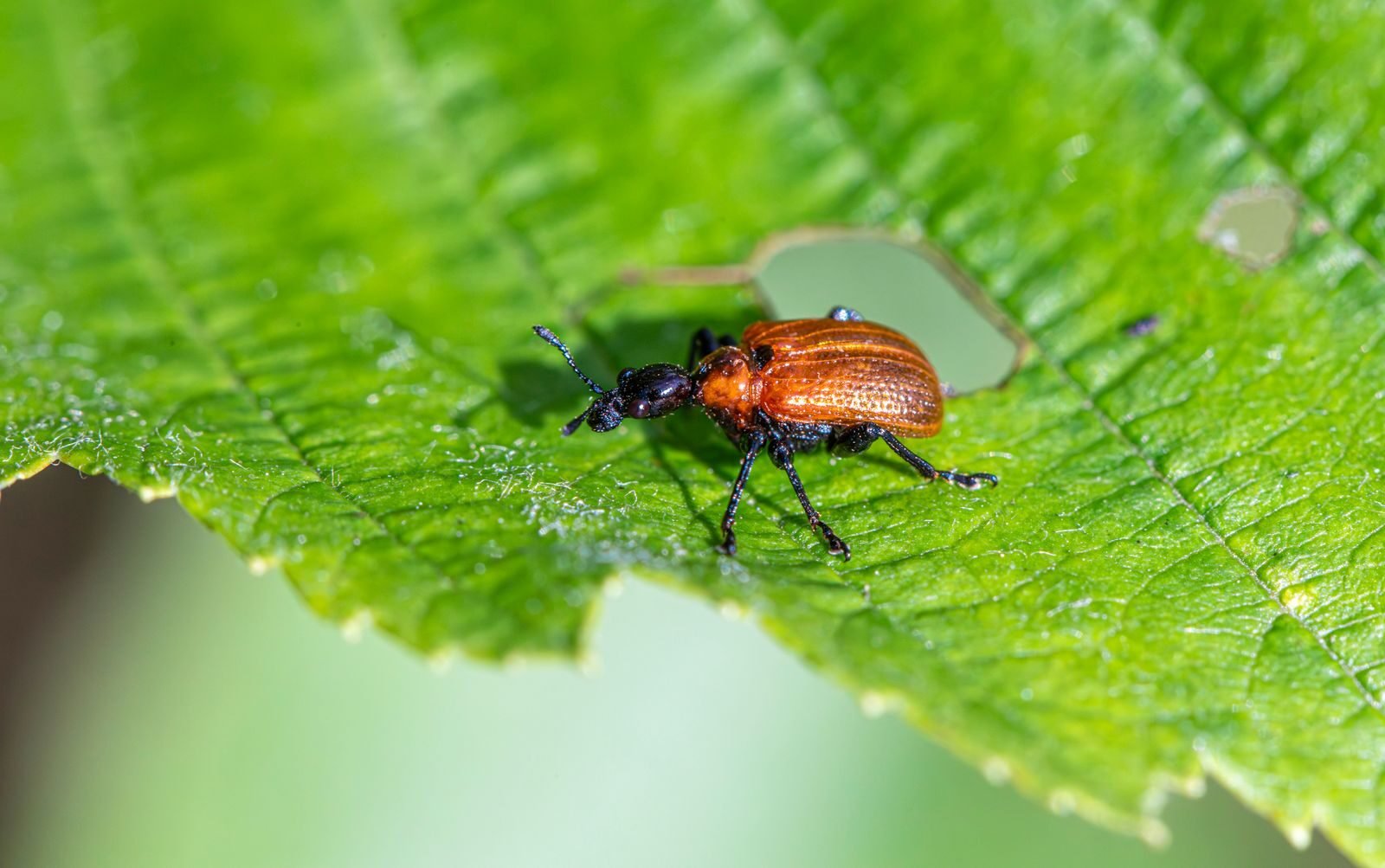
Aphids (Aphis gossypii), cucumber beetles (Acalymma vittatum), and spider mites can reduce productivity.
Hand-pick or use insecticidal soap for small infestations.
Diseases:
Powdery mildew and downy mildew thrive under high humidity.
Maintain good airflow and remove infected leaves promptly.
Leaf wetness combined with high humidity promotes pathogen growth. Spacing plants and trellising can significantly reduce disease spread.
6. Harvesting
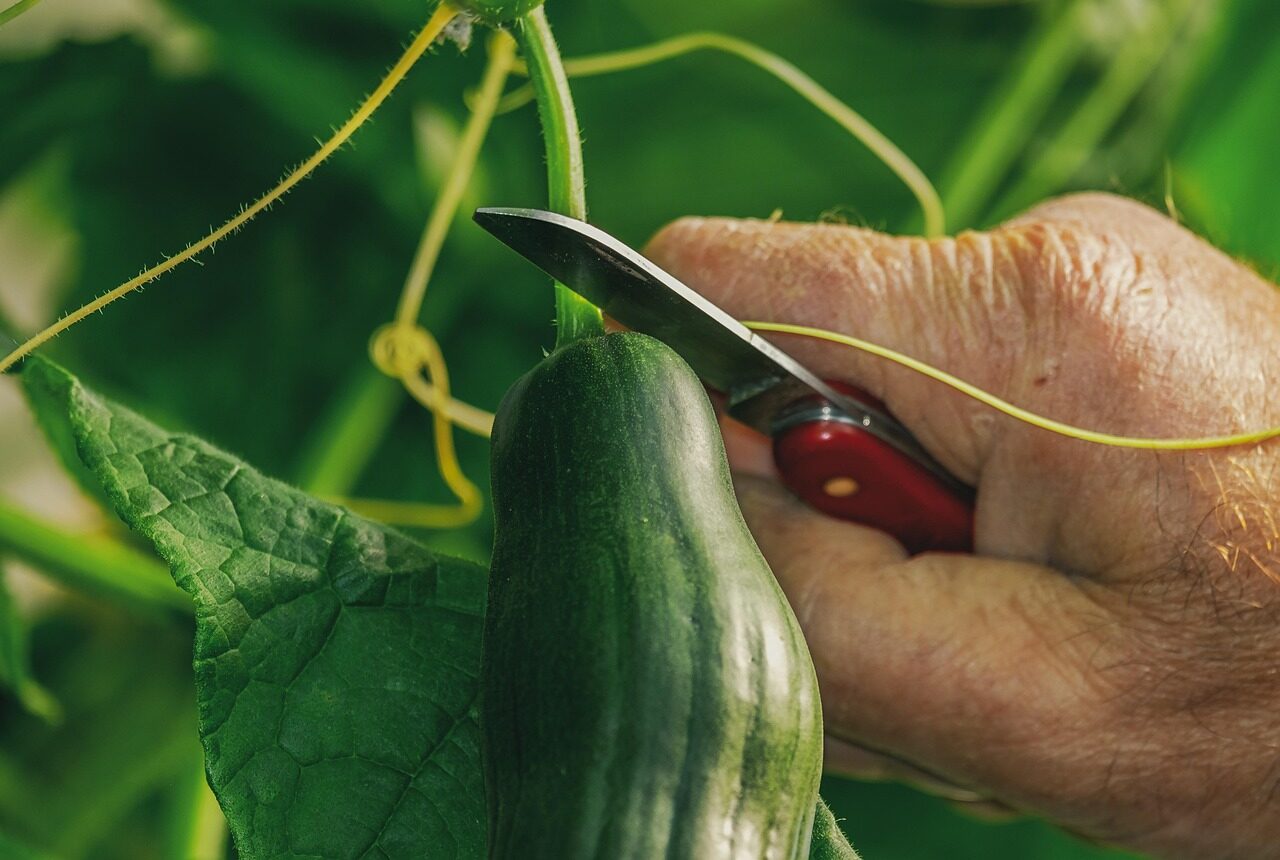
Pick cucumbers when they reach desired size: typically 15–20 cm for slicing varieties.
Frequent harvesting encourages continuous production.
Handle fruits gently to avoid bruising.
Overripe cucumbers can become bitter and reduce plant productivity. Regular picking supports continuous fruit development.
7. Tips & Tricks for Maximum Yield
Companion planting: Plant cucumbers with radishes (Raphanus sativus L.), beans (Phaseolus vulgaris L.), or corn (Zea mays L.) for growth benefits and pest control.
Container gardening: Use large pots (≥5 gallons) with trellises for strong vine support.
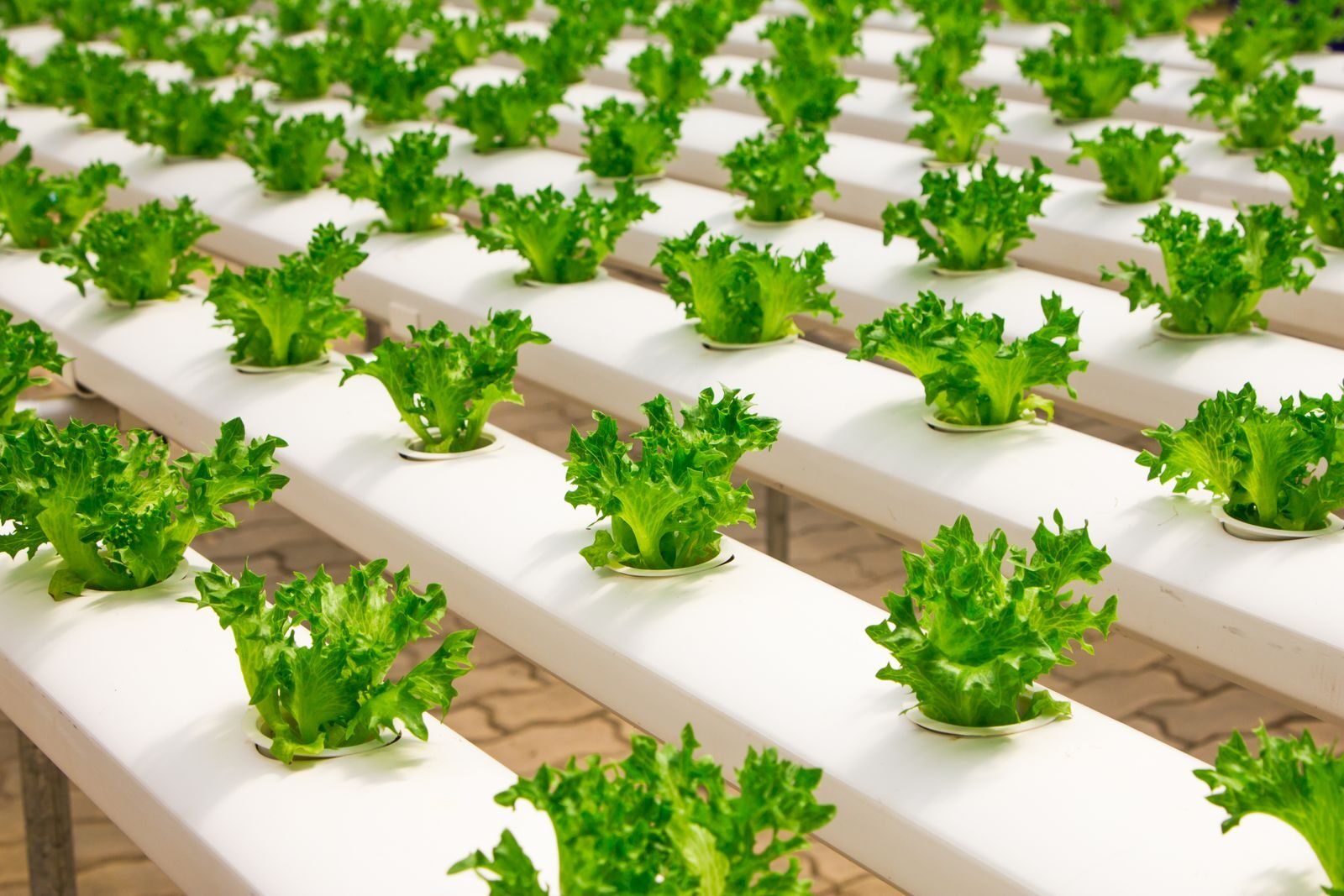
Indoor/hydroponic setups: Cucumbers thrive with consistent light, warmth, and nutrient supply.
Microclimate observation: Minor environmental adjustments can improve yield, an insight drawn from my field and container experiments.
FAQs
How often should I water my cucumbers?
Cucumbers need consistently moist soil, especially during flowering and fruiting. Avoid waterlogging. Mulching helps retain soil moisture and regulate temperature.
Can cucumbers be grown in containers?
Yes! Large containers (≥5 gallons) with well-draining soil work well. Trellises or cages are recommended for vining varieties to improve airflow, reduce disease, and maximize yield.
Why are my cucumber leaves turning yellow?
Yellow leaves may result from nutrient deficiency, water stress, or disease. Ensure consistent watering, fertilize with a balanced nutrient source, and remove infected leaves promptly.
When should I harvest cucumbers?
Harvest slicing cucumbers at 15–20 cm, pickling cucumbers slightly smaller. Frequent harvesting encourages continuous fruit production and prevents bitterness in overripe fruits.
Can cucumbers grow indoors or in low sunlight?
Yes, but they need bright light (6–8 hours equivalent), warmth, and consistent moisture. Indoor or hydroponic setups benefit from supplemental grow lights and good airflow.
How do temperature and microclimate affect cucumber growth?
Temperature and microclimate have a significant impact on growth, flowering, and fruit set. Slight shading during peak heat or warmer container placement can improve yield and fruit quality, a principle drawn from my plant growth experiments.
What are common pests and diseases?
Common pests include aphids (Aphis gossypii), cucumber beetles (Acalymma vittatum), and spider mites. Diseases include powdery mildew (Podosphaera xanthii) and downy mildew. Maintain spacing, trellises, and good airflow to minimize disease spread.
Can I grow cucumbers alongside other plants?
Yes! Cucumbers benefit from companion planting. Good neighbors include radishes (Raphanus sativus L.), beans (Phaseolus vulgaris L.), and corn (Zea mays L.), which can help deter pests and improve growth.