


This article was written and reviewed by Serge, MSc. I hold degrees in Plant Biology, Environmental Biology and Biogeochemistry, with research experience in plant physiology, ecosystem science, and field-based environmental studies. Every article on this site is grounded in real academic training and genuine scientific research.
Affiliate disclosure: This site has affiliate links, including Amazon. As an Amazon Associate I earn from qualifying purchases, at no extra cost to you.
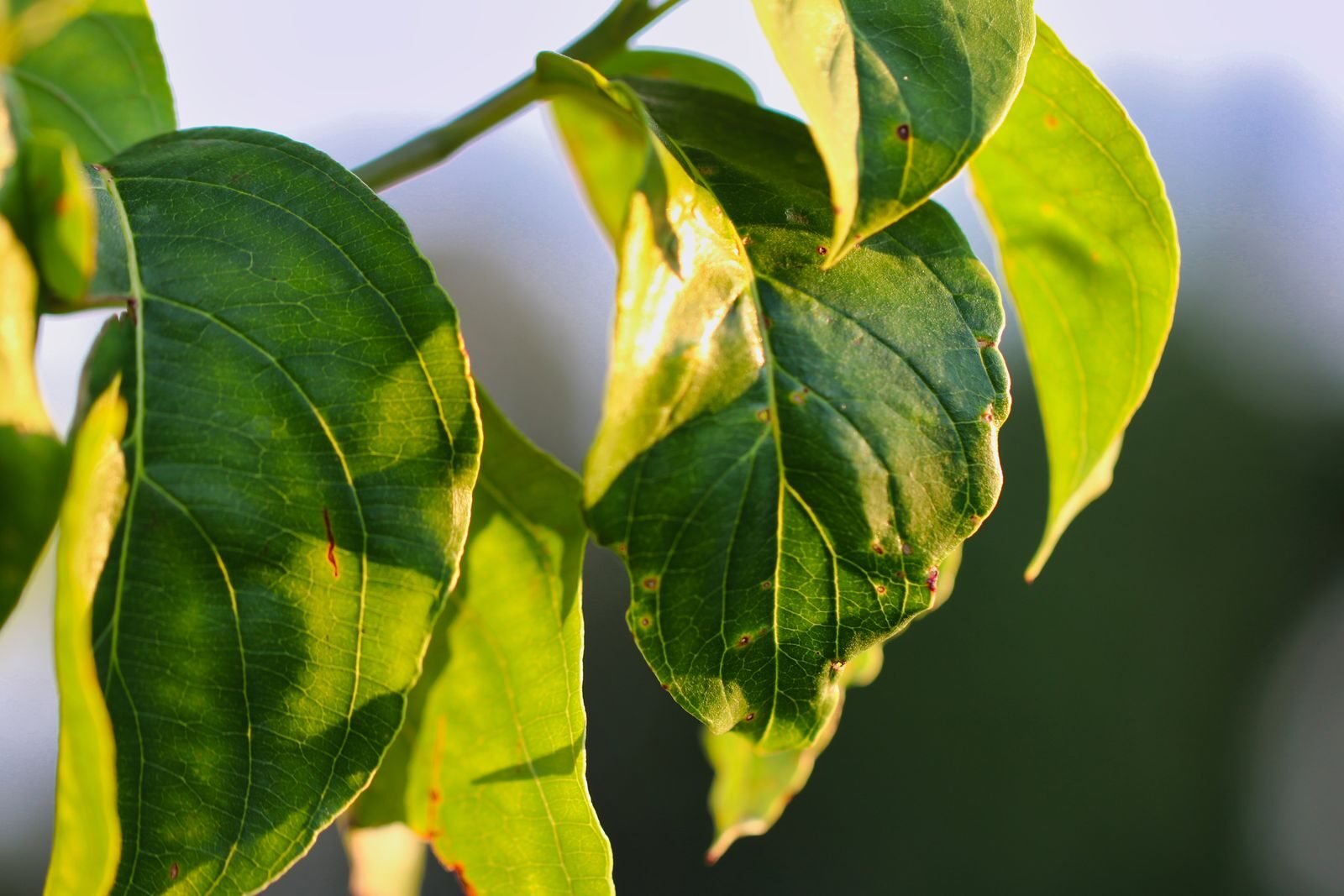
Is a curling leaf a sign your plant is in trouble, or just reacting to the conditions around it?
It’s one of the things people panic about most, and one of the most misread. A curled leaf can mean your plant is stressed, but it can also be the plant quietly protecting itself and doing fine.
So before you change everything at once, let me show you what curling actually is, what causes it, and how to tell which kind you’re looking at.
What the birch taught me about curled leaves.
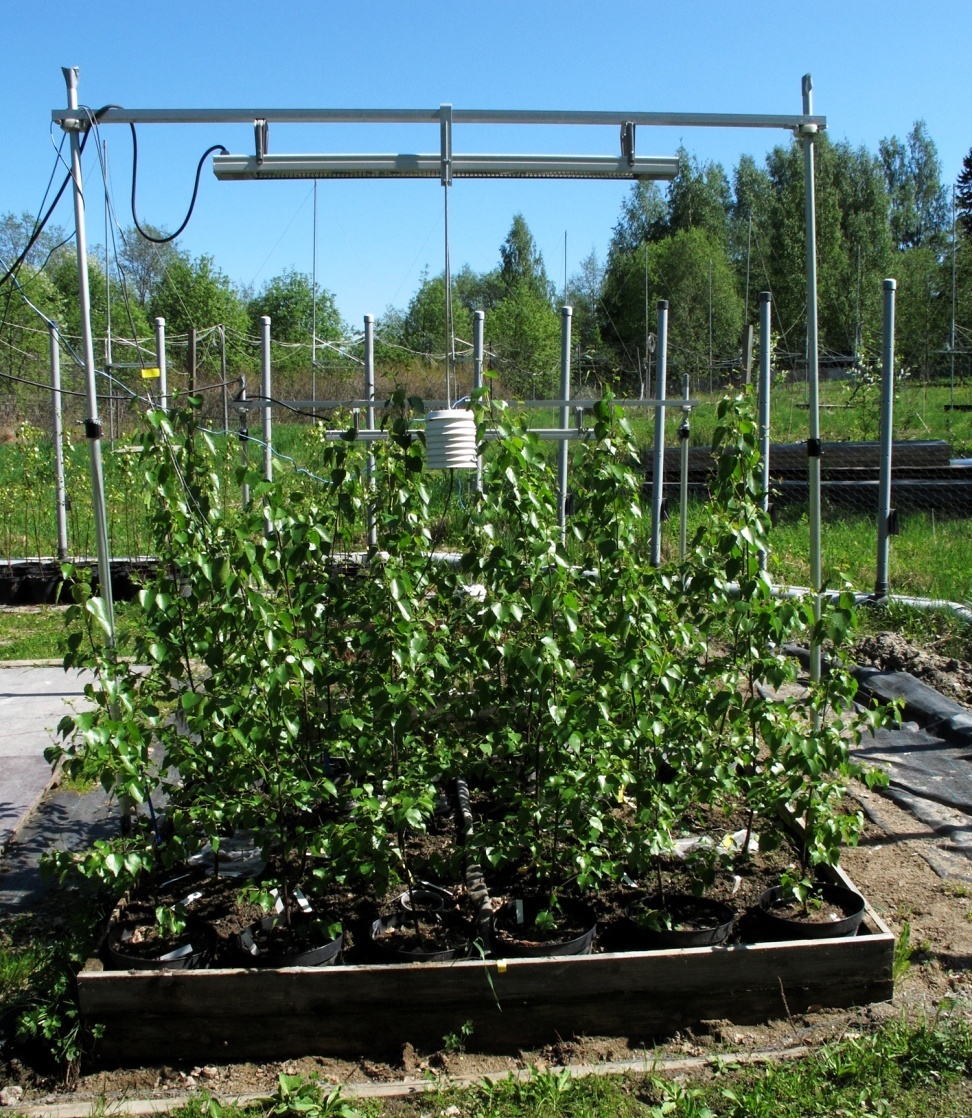
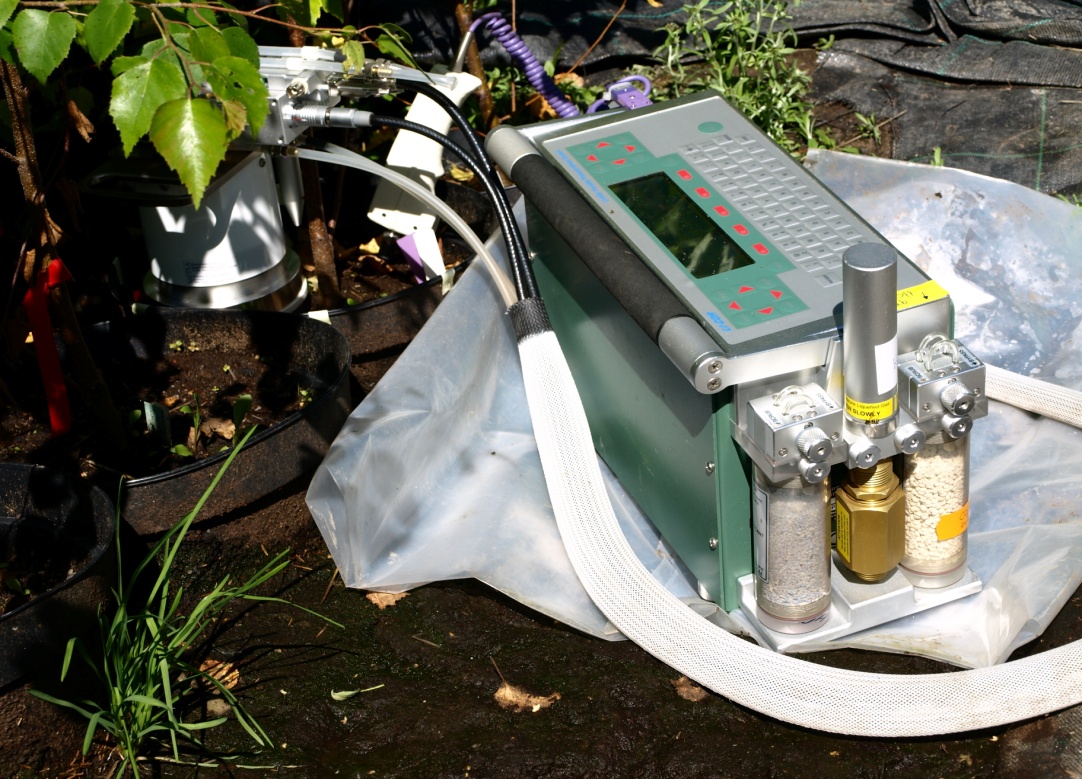
My plant science training included months on a field study where I measured the same birch saplings week after week under different treatments, warming and elevated ozone among them, which I won’t get into here. What matters for your houseplant is what I saw across them: leaves curling under almost all of the treatments, more pronounced under some than others.
What I noticed, week after week, is that many of those curled leaves were still green, fresh and alive. The curling wasn’t the plant dying. It was the plant protecting itself. Part of my work was estimating leaf area, which meant measuring the length and width of individual leaves, so the curled ones I had to gently open out to measure them. I handled a lot of living, curled leaves up close that way.
I also saw curling act as an early warning. On some plants it came first, and later those same leaves dropped. That complicated my data, because curled and dropped leaves can throw off a simple leaf count, which is exactly why a study like that leans on many replicates and proper statistics before drawing any conclusion.
What I took away from all of it is simple: a curled leaf is a message, not a death sentence. Read it before you react.
Why a leaf curls in the first place
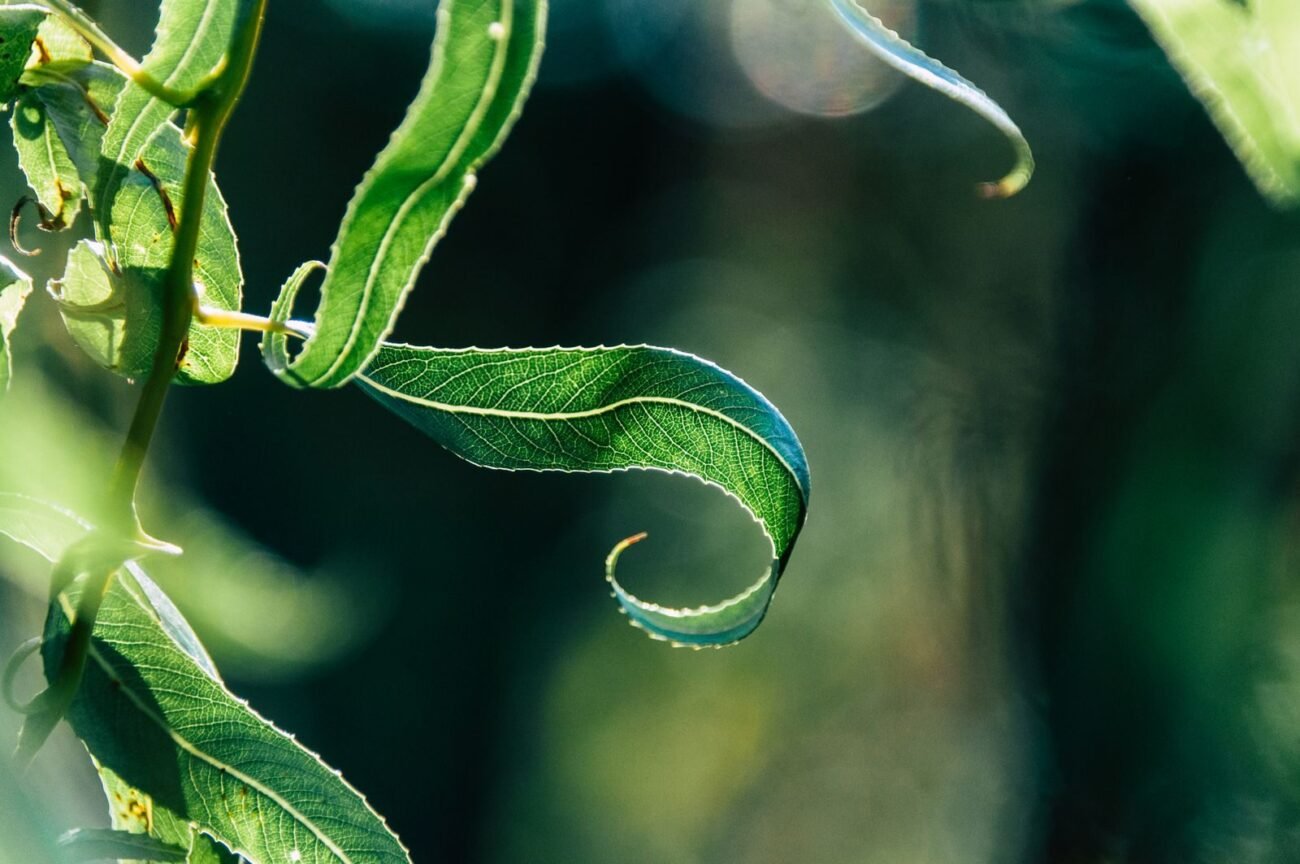
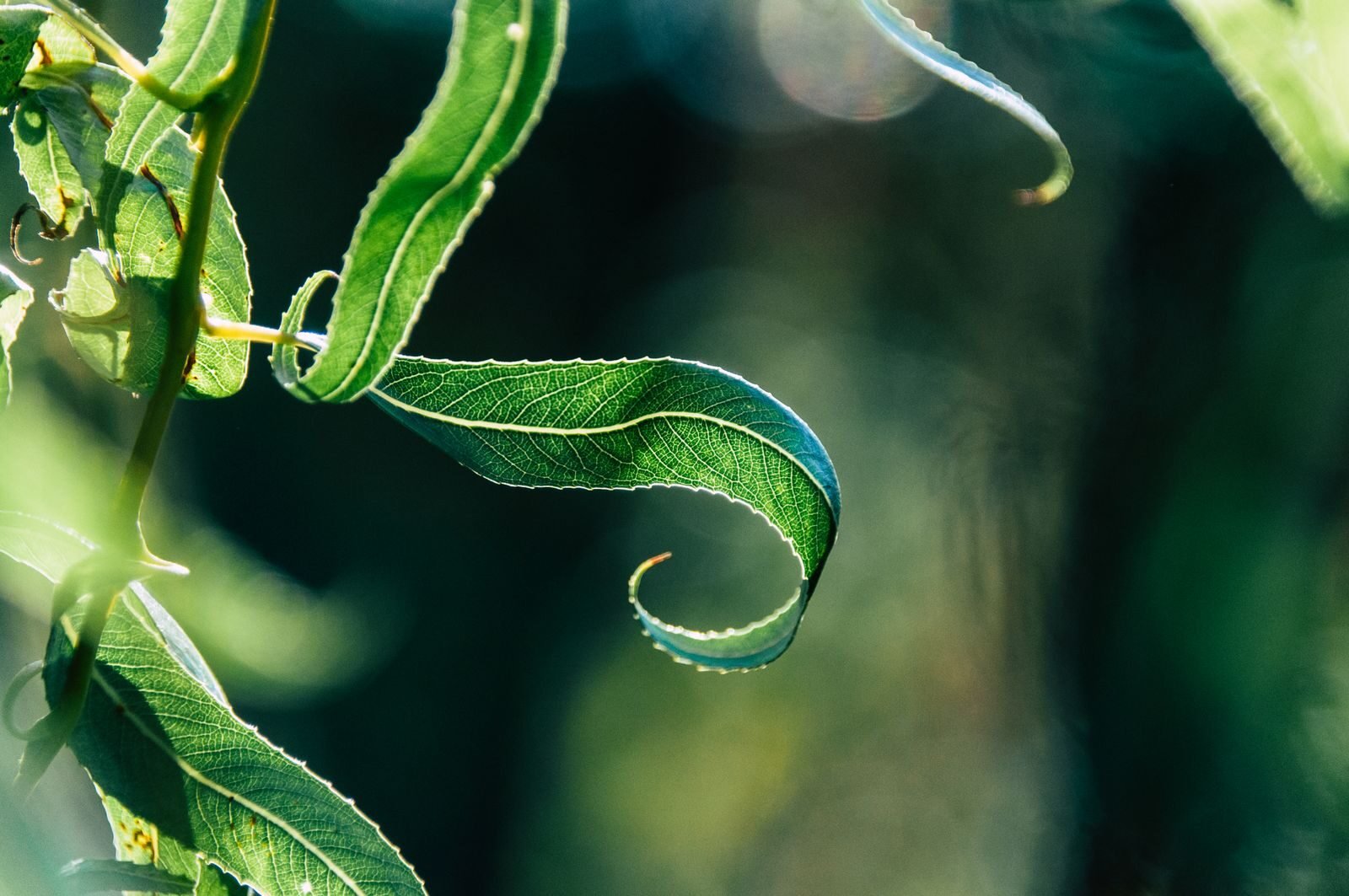
A leaf holds its flat shape because its cells are full of water and under pressure, something called turgor. When water leaves those cells faster than the roots can refill them, the leaf loses that pressure unevenly and curls. Plants also curl their leaves on purpose, as a defence. By rolling up, a leaf reduces the surface area it exposes to heat and sun, which cuts how much water it loses.
This is well documented. University of Illinois Extension describes how, in hot, dry conditions, leaves “curl and sometimes wilt to reduce water loss,” a reaction they call physiological leaf roll, and they point out those leaves can stay perfectly green.
Utah State University Extension puts it the same way: “The first thing some plants do is reduce the amount of leaf area exposed to the heat and wind by rolling their leaves.” That matches what I saw in the field exactly.
Heat and strong light: the harmless kind
If your plant sits in a hot spot or in strong direct sun and the leaves curl during the warmest part of the day, this is often the protective curl. The leaf is cutting its losses while the heat is on.
If it looks green and firm and relaxes again when things cool, you usually don’t need to do much beyond moving it out of harsh midday sun. This is the version people worry about needlessly.
Thirst: underwatering and dry air
When the soil dries out too far, the roots can’t supply enough water, turgor drops, and the leaves curl and go limp. Dry indoor air pulls water out of the leaves faster too, so low humidity makes it worse.
Curling from thirst often comes alongside crispy brown edges and tips, and it usually eases within a day of a proper drink. If you’re not sure whether thirst is the cause, it helps to understand how plants handle water stress in the first place.
Roots that can’t drink: overwatering and rot
Here’s the one that catches people out…
A plant can curl from lack of water while sitting in soaking wet soil. When roots are damaged by staying waterlogged, they can’t take water up, so the leaves behave as though they’re thirsty even though the soil is drenched.
If the leaves curl and the soil is wet, check the roots, because you may be looking at root rot rather than underwatering. This is why telling overwatering and underwatering apart matters so much, since the leaf looks similar either way but the fix is the opposite. The long-term answer is watering by what the soil is telling you rather than on a fixed day.
Pests: the cause people miss
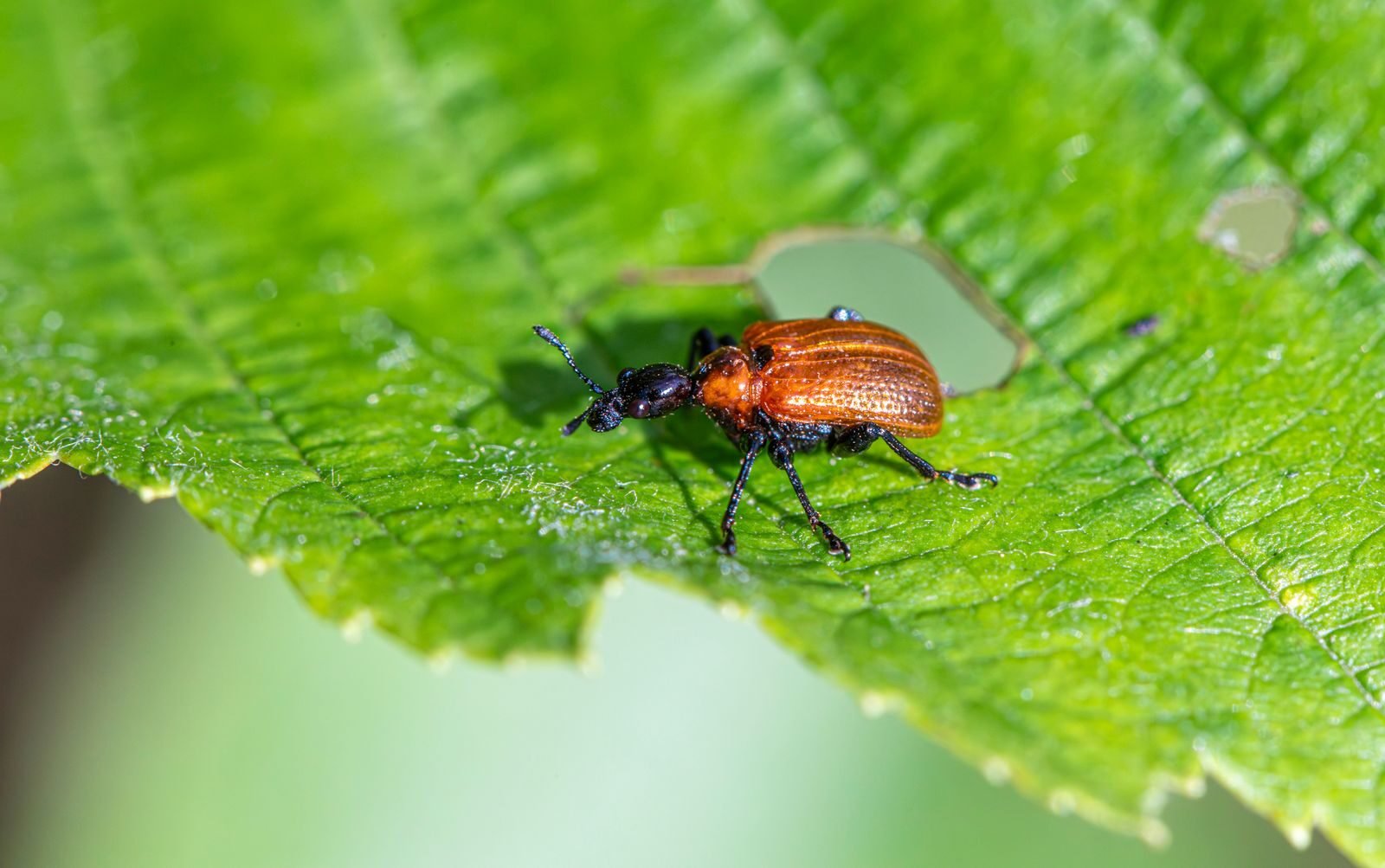
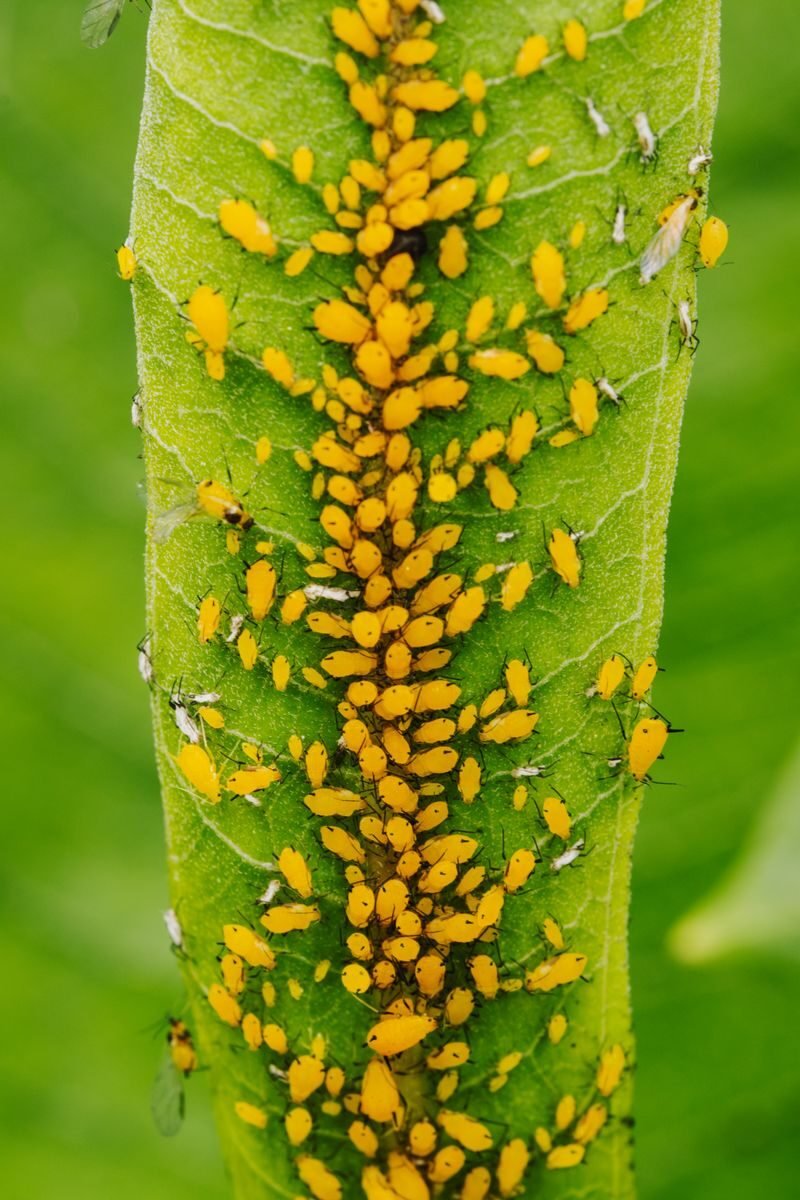
Sap-sucking pests curl leaves by feeding on them, and they often hide on the new growth and leaf undersides. Tight, puckered, curling new leaves are a classic sign of aphids clustered on the soft growth, and thrips scarring and distorting leaves do the same.
Spider mites can also leave foliage curled and stippled. If the conditions all look right and the plant still curls, turn a few leaves over and look closely before you blame the watering.
Reading the clues
The pattern tells you a lot. Curling only in the heat of the day on a plant that recovers by evening points to the harmless protective curl. Curling with dry, crispy edges points to thirst or dry air. Curling in wet soil points to the roots.
New leaves curling and deforming points to pests or, sometimes, a nutrient issue. If you want a wider framework for reading what a plant is telling you, a guide to spotting a stressed plant walks through the signs, and curling is rarely the only clue a struggling plant gives, so it’s worth checking it against the other things that push houseplants into decline.
How I’d work through it
I’d feel the soil first. Bone dry with curling and crispy edges means give it water and watch it recover. Wet with curling means stop watering and check the roots. If the soil is fine and the spot is hot or sunny, I’d see whether the leaves relax once it cools before changing anything.
And if none of that fits, I’d inspect the new growth and leaf undersides for pests. Most curling sorts into one of those four before you get to anything exotic.
What people ask me about curled leaves
My plant’s leaves curl in the afternoon and look normal by morning. Is that bad?
Usually not. That daily rhythm is the protective curl during the hottest, brightest part of the day. As long as the leaves are green and firm and relax again, the plant is managing itself. Easing back on harsh direct sun helps.
The leaves are curling but the soil is wet. Why?
Because wet soil can damage roots, and damaged roots can’t take up water, so the plant acts thirsty while drowning. Check the roots for rot rather than adding more water.
Will a curled leaf uncurl again?
Sometimes. A leaf that curled from a short bout of heat or thirst often flattens back out once conditions improve. A leaf badly damaged or curled by pests may stay deformed, and that’s fine, the plant will grow new ones. Judge the plant by its new growth.
Should I cut off curled leaves?
Not if they’re still green and working. A curled but living leaf is still feeding the plant. Only remove leaves that are fully dead or badly infested.
Still not sure which cause you’re looking at?
Curling, yellowing, wilting and dropping all overlap, and it’s easy to treat the wrong one. If you’d like a shortcut from the symptom you can see to the cause behind it, I put the whole process into a guide: What’s Wrong With My Plant? It’s a plant scientist’s symptom-to-cause-to-fix system, a 9-page instant PDF, built to work through the moment your plant looks off.
A curling leaf isn’t a sign your plant is finished. It’s your plant telling you something about its water, its warmth or its visitors. Work out which one, and you fix the cause instead of guessing.