








This article was written and reviewed by Serge, MSc. I hold degrees in Plant Biology, Environmental Biology and Biogeochemistry, with research experience in plant physiology, ecosystem science, and field-based environmental studies. Every article on this site is grounded in real academic training and genuine scientific research.
Affiliate disclosure: This site has affiliate links, including Amazon. As an Amazon Associate I earn from qualifying purchases, at no extra cost to you.
When I first studied how plants absorb mineral nutrients, one thing changed how I thought about growing plants entirely.
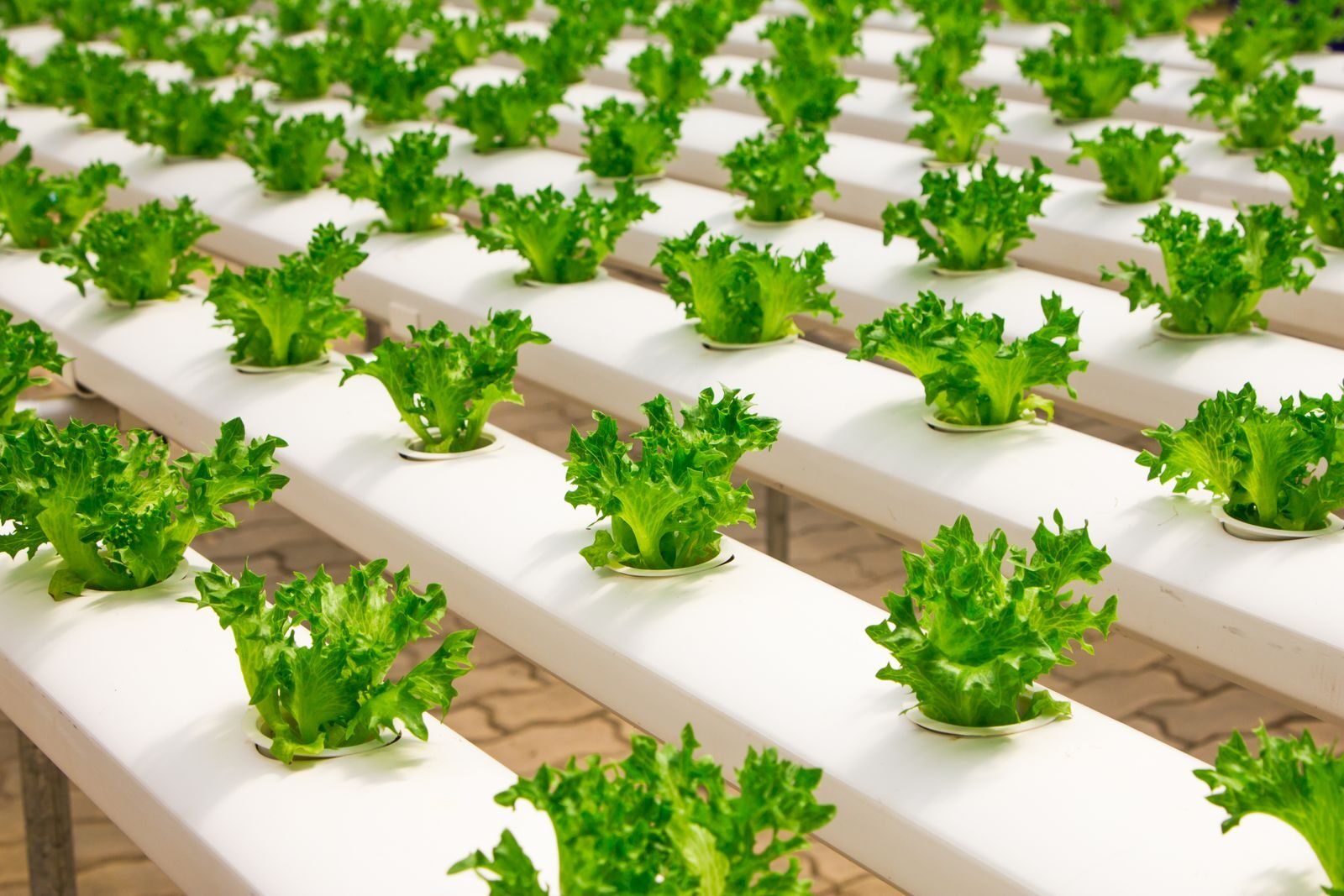
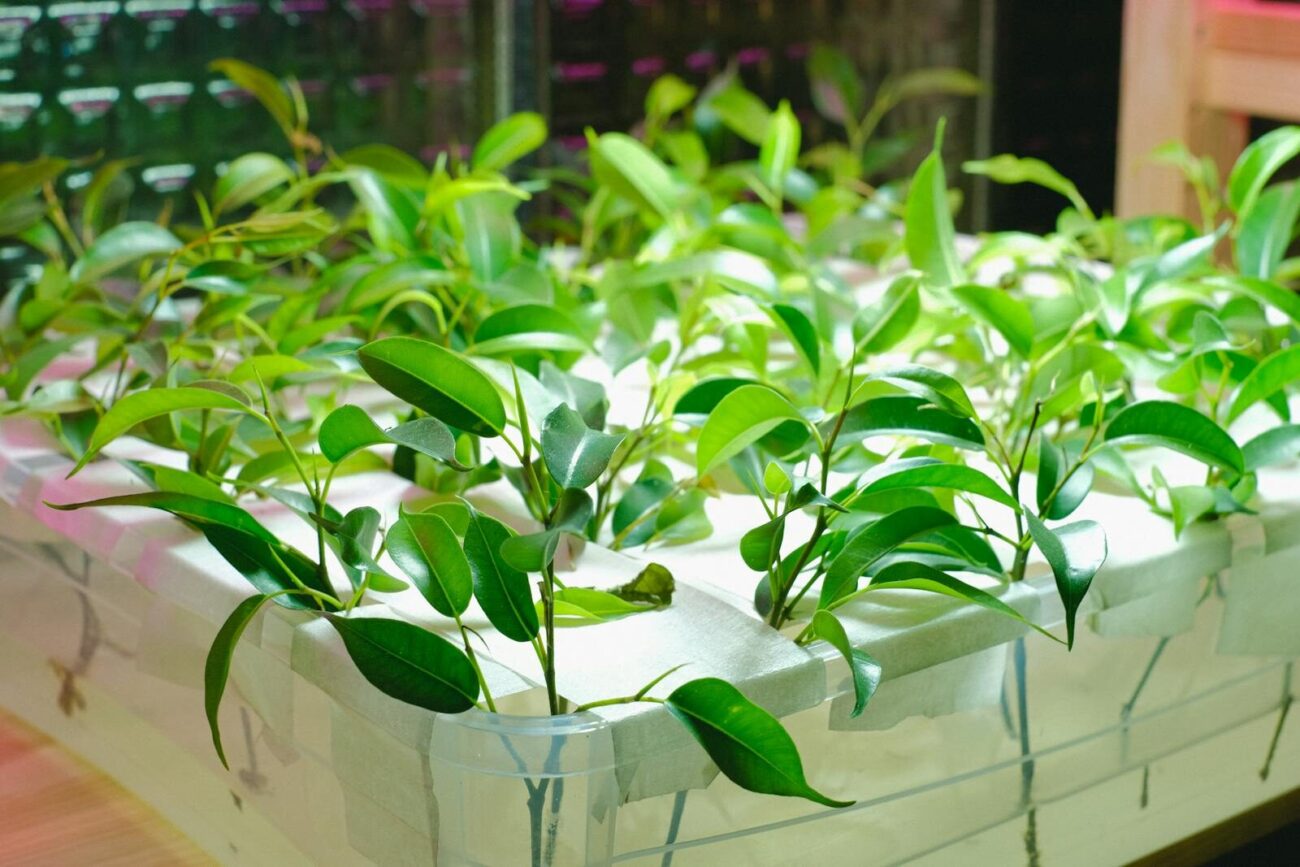
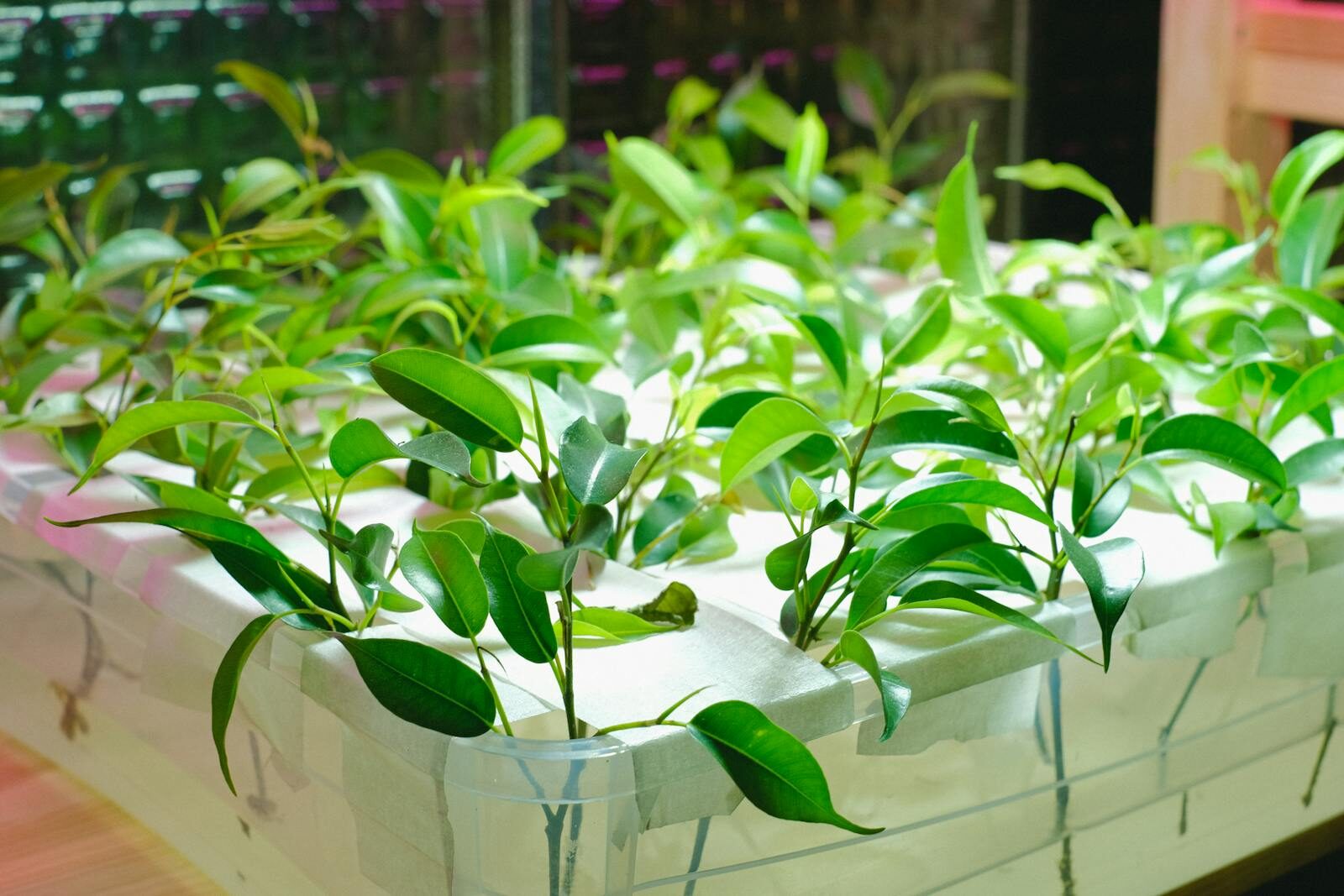
Plants do not eat soil. They absorb mineral ions dissolved in water. Soil is just the medium that holds those ions near the roots. Remove the soil, put the right ions directly in the water, and the plant does not know the difference.
This is the entire principle behind hydroponics. And it is why the nutrient solution you choose matters more than almost any other decision in a hydroponic system. Get it right and plants grow faster and more reliably than they ever would in soil. Get it wrong and no amount of good equipment fixes the problem.
My mineral nutrition studies covered exactly which elements plants need, in what forms, and at what concentrations. Here is how I apply that knowledge when choosing a hydroponic nutrient solution.
What Plants Actually Need From a Nutrient Solution
Plants need 17 essential elements to complete their life cycle. These divide into macronutrients needed in larger quantities and micronutrients needed in smaller but equally essential amounts.
Primary macronutrients:
Nitrogen (N), drives leaf and stem growth, essential for chlorophyll and protein production
Phosphorus (P), root development, flowering, and energy transfer
Potassium (K), water regulation, fruit development, disease resistance
Secondary macronutrients:
Calcium (Ca), cell wall structure and stability
Magnesium (Mg), the central atom in every chlorophyll molecule
Sulphur (S), protein synthesis and enzyme function
Micronutrients: Iron, manganese, zinc, copper, boron, molybdenum, and chlorine, all needed in tiny amounts but deficiency of any one causes visible problems.
In soil many of these elements exist naturally and are released through microbial activity and mineral weathering. In hydroponics you supply every single one directly in the water. A nutrient solution that misses even one essential element produces deficiency symptoms regardless of how well everything else is managed.
This page contains affiliate links. If you purchase through these links I may earn a small commission at no extra cost to you.
Shop Hydroponic Nutrients on Amazon →
Types of Hydroponic Nutrient Solutions
Two-part and three-part liquid concentrates:
The most common format for home hydroponic growers. You mix parts A and B (or A, B, and C) in water at specified ratios. Keeping components separate until mixing prevents precipitation of insoluble mineral compounds. This is my preferred format because it allows adjustment of the ratio between growth stages.
Single-part liquid concentrates:
Simpler to use but less flexible. Pre-balanced for general plant growth. Good for beginners growing leafy crops and herbs but less suitable for plants with specific nutritional needs at different growth stages.
Dry powder nutrients:
Concentrated dry formulas that dissolve in water. More economical than liquid concentrates for larger systems. Require more careful measuring but give precise control over nutrient concentrations.
Organic hydroponic nutrients:
Derived from natural sources like kelp, fish emulsion, and composted materials. Work well but can cloud water and require more active management to prevent bacterial issues in the reservoir. pH stability is also more challenging with organic nutrients.
What I Look for When Choosing
Complete nutrient profile:
I check that the product supplies all essential macro and micronutrients. A good product lists every element it contains with concentrations. Products that only list NPK without detailing calcium, magnesium, and micronutrients often produce deficiencies in longer-term growing.
Calcium and magnesium content:
These two are the most commonly deficient elements in hydroponic systems, particularly in soft water areas where tap water contains very little of either. I look for products that include both or check whether a separate calcium-magnesium supplement is needed.
pH stability:
A good nutrient solution maintains stable pH in the reservoir over time. Rapidly shifting pH makes nutrient management difficult. Check reviews and manufacturer guidance on how the product behaves in terms of pH drift.
EC range flexibility:
EC stands for Electrical Conductivity, it measures the total dissolved mineral concentration in the solution. Different plants need different EC levels. Seedlings need low EC around 0.8 to 1.2. Fruiting plants need higher EC around 2.0 to 3.5. I look for products where I can adjust concentration easily to match what I am growing.
Suitable for the growth stage:
Some products offer separate formulas for vegetative growth and flowering. Vegetative formulas are higher in nitrogen. Flowering formulas shift toward higher phosphorus and potassium. This flexibility matters for fruiting plants though it is less important for leafy crops and herbs.
Water source compatibility:
Hard tap water already contains calcium and magnesium. Using a nutrient solution designed for soft water in a hard water area can cause calcium and magnesium toxicity over time. Check whether the product is designed for soft, hard, or reverse osmosis water and match it to your water source.
How to Mix a Nutrient Solution
Step 1
Start with clean water. Tap water works for most systems. If your tap water is heavily chlorinated let it sit for 24 hours before mixing nutrients. Reverse osmosis water gives the most control but is not necessary for most home growers.
Step 2
Add parts in the correct order. Never mix concentrated part A and part B directly together before diluting in water. This causes precipitation of insoluble compounds that removes nutrients from solution permanently. Always add each part separately to the water reservoir with mixing between additions.
Step 3
Check and adjust EC. Use an EC meter to verify the concentration matches your target for the plants you are growing. Add more nutrient concentrate to increase EC or dilute with water to reduce it.
Step 4
Check and adjust pH. Most plants absorb nutrients most efficiently between pH 5.5 and 6.5 in hydroponics. Use pH up or pH down solutions to bring the solution into range. Small adjustments work better than large ones, pH in hydroponic solutions is sensitive.
Step 5
Monitor and top up regularly. Plants consume water faster than nutrients so the EC of the reservoir rises over time as water levels drop. Top up with plain water rather than nutrient solution when levels drop between full reservoir changes. Change the full reservoir every one to two weeks to prevent salt accumulation and maintain balanced nutrition.
Frequently Asked Questions
What nutrients do hydroponic plants need?
Hydroponic plants need all 17 essential plant nutrients supplied directly in the water. Primary macronutrients nitrogen, phosphorus, and potassium in larger amounts. Secondary macronutrients calcium, magnesium, and sulphur in moderate amounts. Micronutrients iron, manganese, zinc, copper, boron, molybdenum, and chlorine in small but essential amounts.
What is the best hydroponic nutrient solution?
The best solution depends on what you are growing and your water source. For leafy crops and herbs a complete single-part or two-part formula works well. For fruiting plants a two-part or three-part formula with separate growth and bloom ratios gives better results. Always check that the product supplies calcium and magnesium and matches your water hardness.
How do hydroponic plants get their nutrients?
Plant roots absorb mineral ions directly from the nutrient solution surrounding them. In hydroponics the grower supplies all essential elements in dissolved form rather than relying on soil microbial activity and mineral weathering to release them naturally.
How often should I change the hydroponic nutrient solution?
Every one to two weeks for most home systems. Between full changes top up with plain water as levels drop since plants consume water faster than nutrients. Regular full changes prevent salt accumulation and maintain a balanced nutrient profile.
Why is my hydroponic nutrient solution pH dropping?
pH drop in hydroponic reservoirs is normal as plant roots release organic acids and consume nutrients that affect solution chemistry. Nitrogen source matters particularly, ammonium-based nitrogen lowers pH while nitrate-based nitrogen raises it. Regular pH monitoring and small adjustments keep the solution in the optimal range.
Can hydroponic nutrients be used in soil?
Yes but with caution. Hydroponic nutrients are formulated for water-based systems where plants receive all nutrition from the solution. In soil many nutrients already exist and adding a full-strength solution risks over-fertilisation and nutrient burn. Use at significantly reduced concentrations if applying to soil and monitor plants carefully.
Can you make your own hydroponic nutrient solution?
Yes. It is possible to formulate your own solution from individual mineral salts and this is what serious commercial growers do for precise control.
For home growers the complexity, equipment needed for accurate measurement, and risk of getting the balance wrong make ready-formulated products a more practical starting point. Once you understand how nutrient solutions work and what your plants respond to, DIY formulation becomes a reasonable next step.
How do I mix a hydroponic nutrient solution?
Start with clean water. Add each concentrate part separately to the water reservoir with mixing between additions, never mix concentrates directly together. Check EC against your target concentration. Adjust pH to between 5.5 and 6.5. Monitor and top up with plain water as levels drop between full reservoir changes.
Are hydroponic nutrients safe?
Yes for plants and for food production when used correctly. Most hydroponic nutrient products are approved for use in food crop production. Follow dilution guidelines and maintain appropriate EC levels. Over-concentrated nutrient solutions cause root burn and plant stress regardless of the product.
Summary
A hydroponic system is only as good as the nutrient solution running through it. Choose a complete formula that matches your water source and the plants you are growing, maintain appropriate EC and pH, change the reservoir regularly, and your plants will have everything they need to grow well.
Browse hydroponic nutrient solutions on Amazon and compare options at every price point.
This page contains affiliate links. If you purchase through these links I may earn a small commission at no extra cost to you.