




This article was written and reviewed by Serge, MSc. I hold degrees in Plant Biology, Environmental Biology and Biogeochemistry, with research experience in plant physiology, ecosystem science, and field-based environmental studies. Every article on this site is grounded in real academic training and genuine scientific research.
Affiliate disclosure: This site has affiliate links, including Amazon. As an Amazon Associate I earn from qualifying purchases, at no extra cost to you.
A colleague sent me a photo of her pothos once. The leaves looked pale and dusty and she thought it needed more light. I zoomed in on the photo and saw the webbing straight away. Spider mites. Already well established across most of the plant. She had been looking at them for weeks without knowing what she was seeing.
That is how spider mite infestations usually go. Slow and quiet until suddenly the damage is obvious and the population is large.
I studied plant stress physiology as part of my formal training and one thing that course made very clear is that pest pressure and plant stress are directly connected. A stressed plant does not just look worse, it changes biochemically in ways that make it more attractive to pests like spider mites. Understanding that connection changes how you approach both treatment and prevention.
What Are Spider Mites?
Spider mites are not insects. They are arachnids, closely related to spiders and ticks, belonging to the family Tetranychidae. The most common species on garden and houseplants is the two-spotted spider mite (Tetranychus urticae).
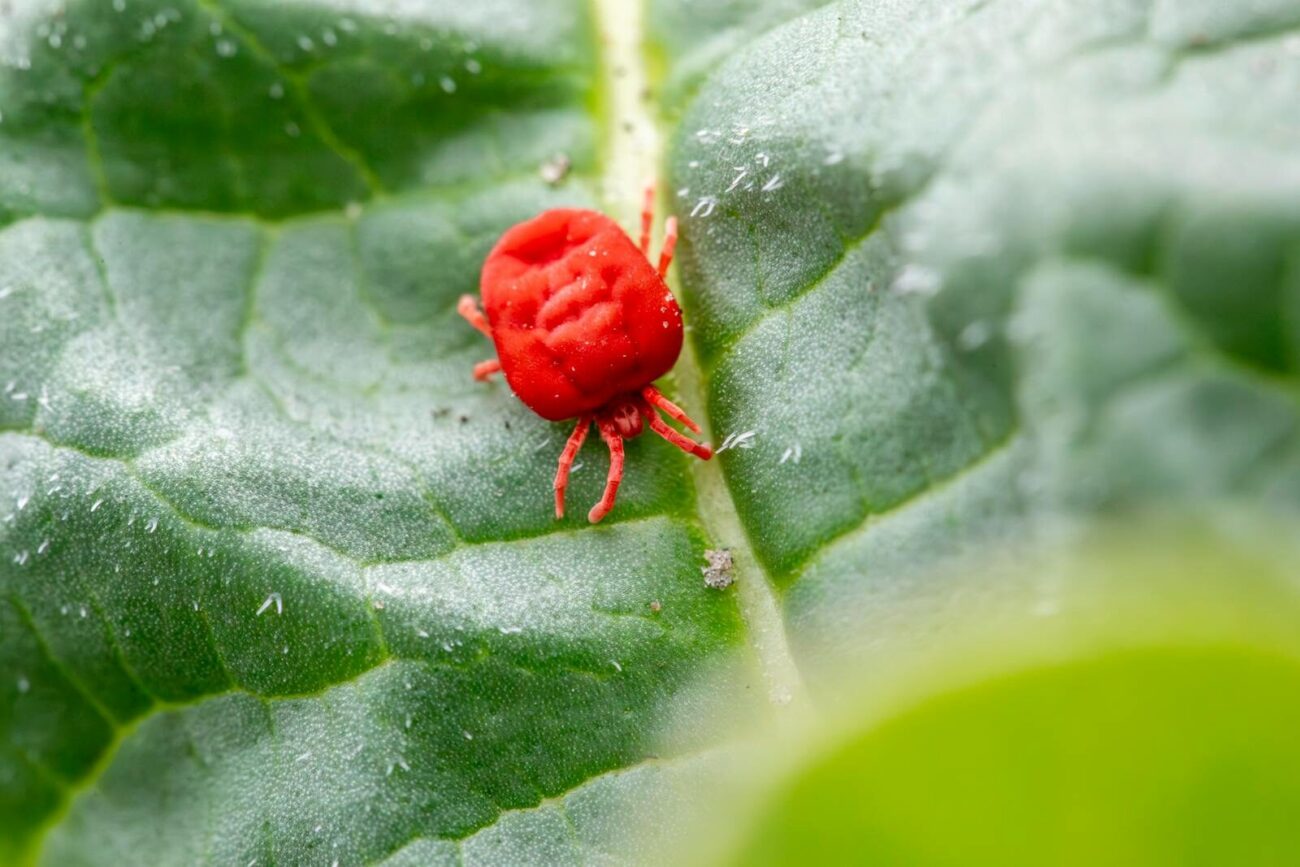
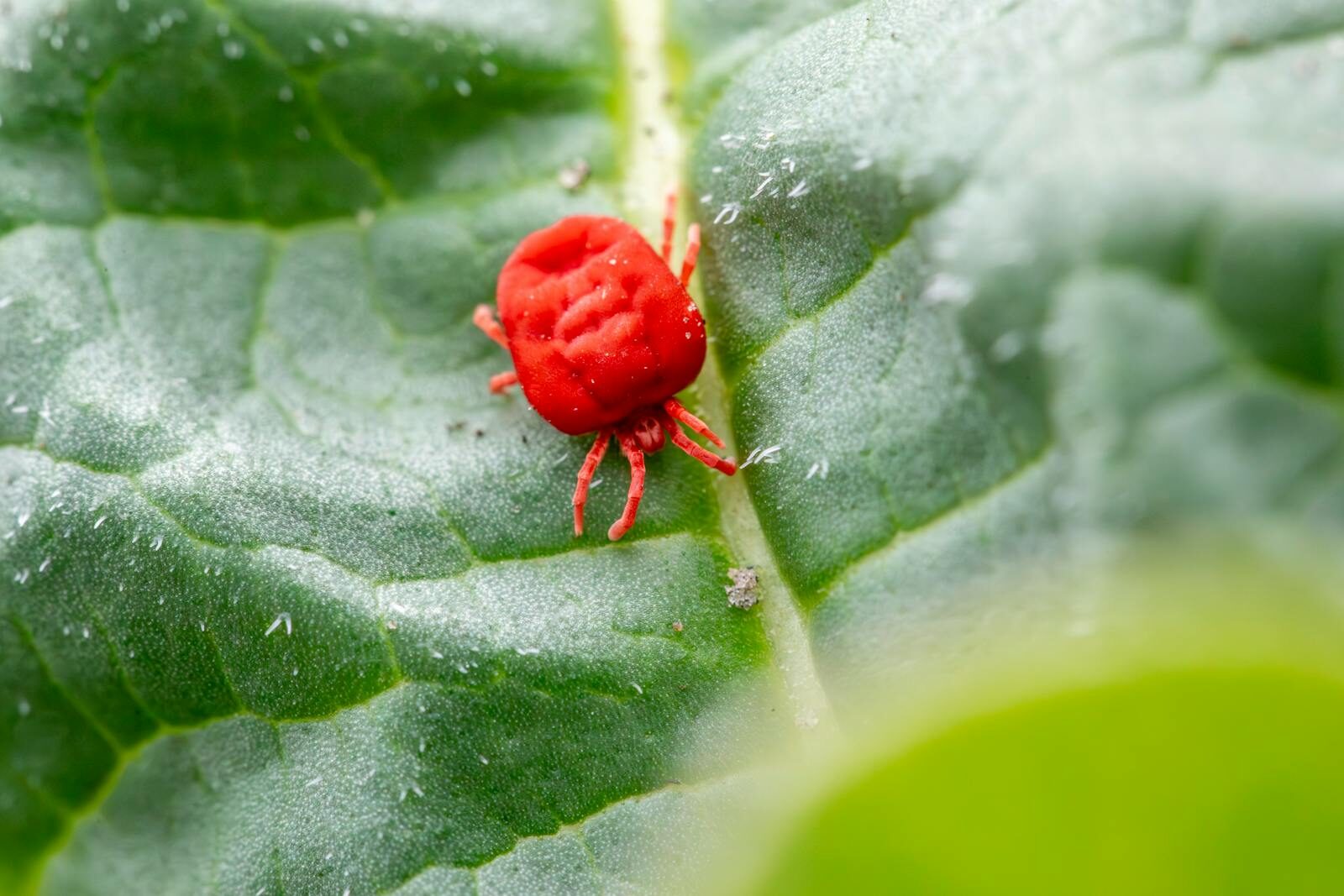
They are tiny, around 0.4 mm long, which is why most people miss them until the infestation is already large. They appear as pale yellow, green, or red moving dots if you look very closely. The webbing they produce is usually the first thing you actually notice.
They feed by piercing plant cells and extracting the contents including chlorophyll. This is why infested leaves develop pale stippled patches. The plant loses its ability to photosynthesize in those areas and the damage spreads outward from there.
Why They Spread So Fast
A female spider mite can lay up to 200 eggs in her lifetime. A new generation completes its entire life cycle in about 7 days under warm dry conditions. A small population that goes unnoticed for two weeks becomes a serious infestation.
Here is something most pest guides skip. During my plant stress physiology studies I learned that water-stressed plants produce higher concentrations of certain amino acids and simple sugars in their tissue. This makes them a more nutritious food source for mites.
A drought-stressed houseplant is not just weakened, it actively attracts more mites than a well-watered healthy one. The same biochemical stress responses I studied in plants under environmental pressure apply directly here.
This is why watering your plants properly is genuinely one of the most effective spider mite prevention strategies available. Not because mites need water. Because a hydrated plant is less attractive to them at a cellular level.
How to Spot Them
Stippling on leaves: Tiny pale or yellow dots across the leaf surface where cells have been drained. Hold a leaf up to light, stippled areas look almost translucent.
Fine webbing: Silky threads along stems, between leaves, and most heavily on the undersides of leaves.
Leaf discolouration: Pale, bronze, or yellow patches spreading across the leaf surface.
The paper test: Hold a white sheet of paper under a suspected leaf and tap it firmly. If tiny dots land on the paper and some of them move, those are mites. This is the fastest way to confirm an infestation without a magnifying glass.
Always check leaf undersides first. That is where mites feed and where populations are densest. Most people only look at the top surface and miss what is happening underneath.
Which Plants Get Spider Mites
Spider mites are not fussy but they do have preferences. Plants they target most often:
Houseplants, ivy, peace lily, orchids, palms, pothos
Vegetables, tomatoes, cucumbers, peppers, beans
Herb, thyme, rosemary, basil
Fruit plants, strawberries, raspberries
Ornamentals, roses, marigolds
Outdoor plants face the highest risk during hot dry summers. Indoor plants face risk year-round because heated indoor air in winter creates exactly the warm dry conditions spider mites prefer.
How to Get Rid of Spider Mites
Step 1. Isolate the plant immediately
Move it away from all other plants the moment you spot mites. They travel on air currents, on your hands, and through direct contact between plants. Do this before anything else.
Step 2. Wash the plant
Take it to a sink or shower and rinse the entire plant with a strong stream of water. Focus on leaf undersides. This removes large numbers of mites and eggs physically without any chemicals. Repeat every 3 days during the treatment period.
Step 3. Apply treatment
Neem oil: Mix 5 ml neem oil with a few drops of liquid soap in 1 litre of water. Spray all leaf surfaces thoroughly including undersides. Neem oil disrupts the mite life cycle and deters reinfestation. Apply every 5 to 7 days for three weeks.
Insecticidal soap: Dilute liquid soap in water at around 2% and spray directly onto mites. Works on contact by disrupting cell membranes. Thorough coverage is essential, it only kills what it touches directly.
Rubbing alcohol: Isopropyl alcohol at 70% applied with a cotton pad kills mites on contact. Good for targeted treatment on small infestations or individual heavily affected leaves.
Step 4. Keep treating for three weeks
This is where most people fail. They treat once, see improvement, and stop. Mite eggs resist most treatments and hatch within days. One application kills the adults but the eggs survive and hatch into a new generation. You need consistent treatment every 5 to 7 days for at least three weeks to break the full reproductive cycle.
Can a Plant Recover From Spider Mites?
Yes, if you act quickly enough.
Plants with mild to moderate infestations recover well once mites are controlled. Damaged leaves will not repair but the plant produces healthy new growth once the pest pressure is removed.
Severely infested plants with extensive damage across most of their leaves are harder to recover. The plant has lost significant photosynthetic capacity and the ongoing stress weakens it further. Some recover even from severe infestations with consistent treatment and good aftercare. Some do not. The difference is almost always how quickly the problem was caught.
How to Prevent Spider Mites
Keep humidity up:
Spider mites hate humidity. Group houseplants together, use pebble trays with water, or mist regularly. This is especially important in winter when indoor heating drops humidity significantly.
Water consistently:
As I explained earlier, water-stressed plants attract more mites at a biochemical level. Consistent watering is genuine prevention, not just good plant care.
Quarantine new plants:
Spider mites arrive on new plants from shops regularly. Keep new purchases isolated for one to two weeks and inspect carefully before placing near existing plants.
Wipe leaves regularly:
Dust on leaves reduces photosynthesis and creates ideal hiding conditions for mites. A damp cloth wipe every couple of weeks makes a real difference.
Go easy on nitrogen fertilizer:
Heavy nitrogen feeding produces soft lush growth that mites find easier to feed on than firm well-developed tissue.
Frequently Asked Questions
How do you get rid of spider mites on plants?
Isolate the plant, wash it thoroughly with water focusing on leaf undersides, then apply neem oil solution or insecticidal soap every 5 to 7 days for three weeks. Consistency is the most important factor, mite eggs survive single treatments and hatch within days, so you need repeated applications to break the full reproductive cycle.
Can a plant recover from spider mites?
Yes, if treated early enough. Plants with mild to moderate infestations recover well and produce healthy new growth once mites are controlled. Severely infested plants are harder to save but many do recover with consistent treatment. The sooner you act the better the outcome.
How did my plant randomly get spider mites?
They arrive on new plants from shops, on cut flowers, on clothing after time outdoors, or through open windows during warm weather. They also spread from nearby infested plants through air currents. Their arrival is not a sign of poor plant care, they are extremely common and opportunistic.
Can spider mites spread from plant to plant?
Yes, easily. They travel on air currents, on hands and clothing when you handle infested plants, and through direct contact between plants. Isolate any infested plant immediately and check all neighbouring plants carefully.
What kills spider mites instantly?
Isopropyl alcohol applied directly kills mites on contact. Insecticidal soap also kills on contact. Neither kills eggs however, which is why repeat applications over three weeks are necessary to eliminate the full population including newly hatched generations.
Why does my plant keep getting spider mites?
Recurring infestations almost always mean one of three things. Treatment did not continue long enough to break the egg cycle. A nearby plant was also infested but not treated. Or the underlying conditions, low humidity, drought stress, warm dry air, were not addressed. Fix the conditions and treatments become far more effective.
Do spider mites only attack indoor plants?
No. They attack outdoor garden plants too, particularly during hot dry summers. Tomatoes, cucumbers, strawberries, roses, and beans are all common outdoor targets. Indoor plants face year-round risk because heated indoor environments maintain warm dry conditions regardless of season.
What plants repel spider mites?
Chrysanthemums contain pyrethrin, a natural compound with repellent and toxic properties against many mites. Rosemary, mint, and coriander produce aromatic volatile compounds that deter mites. Planting these around vulnerable plants provides some natural deterrence though not complete protection.
Are spider mites visible to the naked eye?
Barely. Adults are around 0.4 mm, visible as tiny moving dots with very close inspection. The webbing they produce is usually more visible than the mites themselves. The paper tap test is the most reliable confirmation method without a magnifying glass.
Will spider mites die without plants?
Spider mites cannot complete their life cycle without a host plant. Without plant tissue to feed on they die within a few days. Removing and isolating affected plants cuts the population off from its food source and stops spread to healthy plants nearby.
Act Early and Your Plants Will Be Fine
Spider mites are one of the most common plant pests but also one of the most manageable when you catch them early. The biology is predictable. Dry stressed plants attract mites. Consistent treatment breaks the reproductive cycle. Good growing conditions prevent reinfestation.
Check plants weekly. Keep humidity up. Water consistently. Respond the moment you see the first signs.
Your plants will recover.
Recommended Spider Mite Treatment
If you’re dealing with an active spider mite infestation, a ready-to-use neem oil spray is one of the easiest and most effective treatments. It helps control spider mites, aphids, whiteflies, and other common garden pests while also helping prevent certain fungal diseases on houseplants and outdoor plants.
As an Amazon Associate, I earn from qualifying purchases. This page contains affiliate links. If you purchase through these links, I may earn a small commission at no extra cost to you.