

This article was written and reviewed by Serge, MSc. I hold degrees in Plant Biology, Environmental Biology and Biogeochemistry, with research experience in plant physiology, ecosystem science, and field-based environmental studies. Every article on this site is grounded in real academic training and genuine scientific research.
Affiliate disclosure: This site has affiliate links, including Amazon. As an Amazon Associate I earn from qualifying purchases, at no extra cost to you.
Light is not just energy for plants. It is information.
Plants read light signals continuously, the intensity, the colour spectrum, the duration, and adjust their growth, flowering, and chemistry accordingly.
This is something I studied in detail during my plant biochemistry training when we covered how different wavelengths activate different photosynthetic pigments and trigger different developmental responses.
Most people buying grow lights focus entirely on brightness. Brightness matters but it is only one part of what determines whether a grow light actually drives healthy plant growth or just keeps a plant barely alive.
Here is what I actually look for when choosing one.
Do Grow Lights Actually Work for Indoor Plants?
Yes, when chosen and used correctly.
A grow light replaces or supplements natural sunlight by providing the specific wavelengths plants use for photosynthesis and growth regulation. A good grow light placed at the right distance and run for the right duration allows plants to grow, flower, and produce food indoors without any natural light at all.
A poor grow light, wrong spectrum, wrong intensity, or wrong duration produces weak stretched plants that look alive but are not actually thriving. The difference between the two comes down to understanding what plants actually need from light rather than just assuming brighter equals better.
The Science Behind Light and Plant Growth
Plants use two main groups of pigments to capture light energy. Chlorophyll a absorbs red light most efficiently, around 660 to 680 nm. Chlorophyll b extends absorption into blue wavelengths around 450 nm. Carotenoids capture additional wavelengths and transfer energy to chlorophyll.
Green light, which makes leaves appear green to our eyes, is mostly reflected rather than absorbed. This is why purely green light produces poor plant growth, the main photosynthetic pigments cannot use it efficiently.
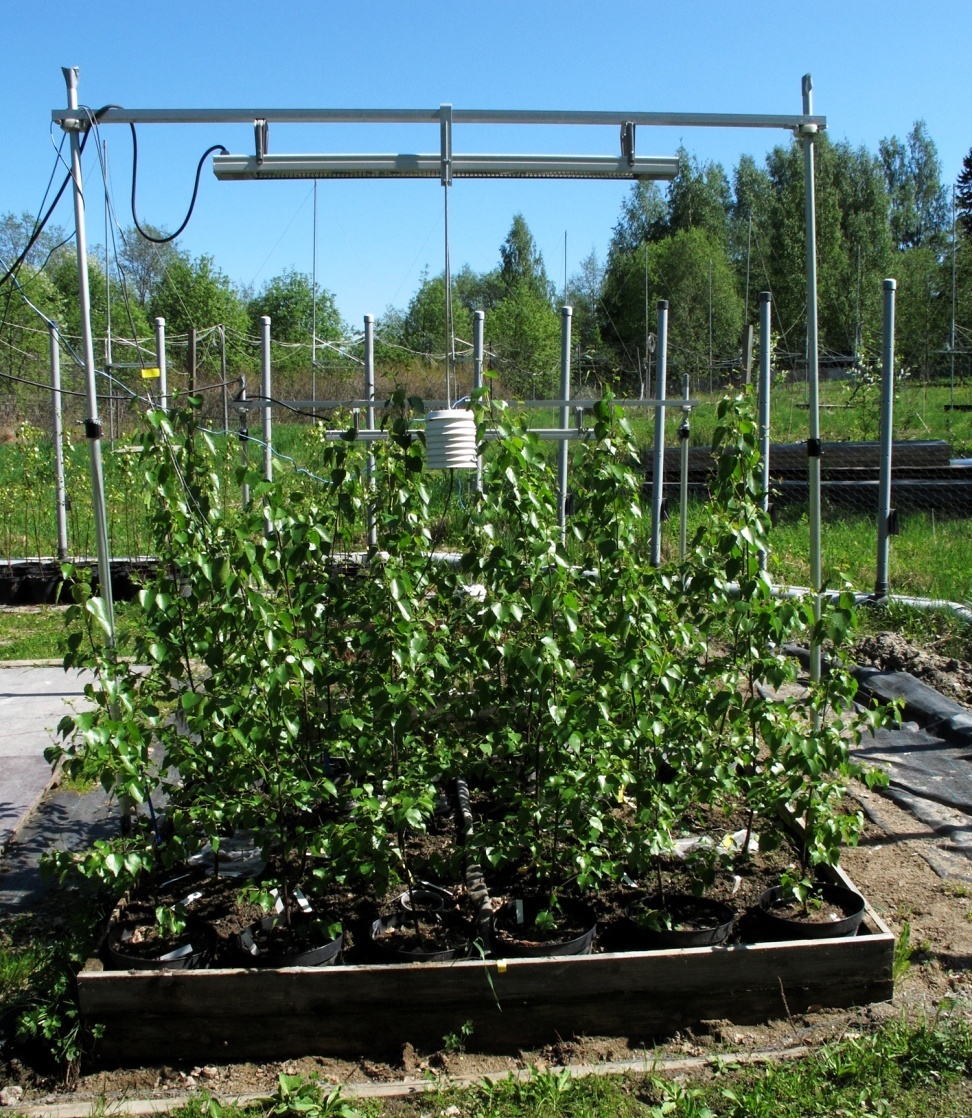
I ran a light colour experiment during my studies that demonstrated this directly. Plants under red and blue light grew significantly better than those under green light alone. The results connected directly to what I had studied about pigment absorption spectra in plant biochemistry.
This is the fundamental principle behind why good grow lights combine red and blue wavelengths rather than just producing white light.
Types of Grow Lights
LED grow lights:
The best choice for most home growers today. Modern LED grow lights produce specific wavelengths matched to plant absorption peaks, run cool, use far less electricity than older technologies, and last significantly longer. Full spectrum LED lights that combine red, blue, and white wavelengths give the most flexible performance across different plant types.
Fluorescent lights (T5 tubes):
Good for seedlings, low-light plants, and propagation. Produce a useful spectrum at moderate intensity. Less efficient than modern LEDs but still effective for plants that do not need high light intensity. Easy to find and relatively cheap.
High Intensity Discharge lights (HID, HPS and MH): Very high output lights used in serious indoor growing. Metal Halide produces blue-heavy spectrum good for vegetative growth. High Pressure Sodium produces red-heavy spectrum good for flowering. Both produce significant heat and use considerably more electricity than LED alternatives. Overkill for most home growers.
Incandescent bulbs:
Not suitable for growing plants. They produce mostly red and infrared wavelengths with very little blue. Plants grown under incandescent lights stretch badly toward the light and develop weak stems. Avoid.
This page contains affiliate links. If you purchase through these links I may earn a small commission at no extra cost to you.
What I Look for When Buying
Full spectrum output:
I look for lights that cover both red wavelengths around 630 to 680 nm and blue wavelengths around 430 to 460 nm. Some full spectrum LEDs also include white light to fill in the gaps. This broad coverage supports both photosynthesis and healthy plant development.
PAR output and coverage area:
PAR stands for Photosynthetically Active Radiation, the measurement of light in the wavelengths plants actually use. PAR output at the plant surface matters more than the wattage of the light. Look for manufacturer PAR data rather than just wattage claims. A light that delivers 200 to 400 micromoles of PAR per square metre per second suits most houseplants and herbs well.
Coverage area:
Grow lights are designed for specific coverage areas. A light rated for 60 x 60 cm placed over a 1 metre wide shelf will not provide adequate intensity at the edges. Match the light’s rated coverage area to the actual space you need to illuminate.
Heat output:
Excessive heat from a grow light damages plants and creates fire risk. Modern LED lights run much cooler than HID alternatives. Check operating temperature specifications and ensure adequate ventilation around any grow light.
Adjustable height or intensity:
The ability to raise or lower the light as plants grow, or to dim intensity for sensitive plants and seedlings, adds significant flexibility. I find this particularly useful for running plants at different growth stages under the same light.
Energy efficiency:
Grow lights run for hours every day. Energy efficiency directly affects running costs. Look for LED lights with high efficacy ratings, expressed as micromoles per joule. Higher numbers mean more plant-useful light per unit of electricity consumed.
Timer compatibility:
Consistent light duration matters for plant health. A light that works with a standard plug-in timer costs nothing extra and makes maintaining a consistent photoperiod effortless.
How Long Should Grow Lights Be On?
This is one of the most searched questions about grow lights and the answer depends on what you are growing.
Seedlings and young plants: 14 to 16 hours daily. Young plants need longer light periods to establish quickly.
Vegetative houseplants: 12 to 14 hours daily. Most foliage houseplants grow well under this photoperiod.
Flowering plants: 12 hours daily for many flowering plants. Some species require specific day length signals to flower, short day plants need less than 12 hours of light to initiate flowering, long day plants need more.
Herbs and vegetables: 14 to 16 hours daily for most culinary herbs and leafy vegetables.
Never run grow lights 24 hours a day. Plants need a dark period for certain metabolic processes. Continuous light stresses most species and produces worse results than a proper light-dark cycle.
Use a timer. Consistent photoperiod matters more than the exact number of hours within reasonable ranges.
How Close Should Grow Lights Be to Plants?
Distance determines light intensity at the plant surface. Too far away and plants do not receive enough PAR. Too close and light intensity causes bleaching and heat stress.
General guidelines for LED grow lights:
Seedlings: 40 to 60 cm above
Low light houseplants: 30 to 50 cm above
Medium light plants: 20 to 40 cm above
High light plants and herbs: 15 to 30 cm above
Always check manufacturer guidance for your specific light as output varies significantly between products. Watch plant responses, stretching toward the light means insufficient intensity, bleached or burnt leaf tips mean too close.
Frequently Asked Questions
Do grow lights actually work for indoor plants?
Yes when chosen and used correctly. A good grow light with appropriate spectrum, intensity, and duration allows plants to grow, flower, and thrive without any natural light. Poor grow lights or incorrect use produce weak stretched plants that barely survive.
What colour grow light is best for plants?
Full spectrum lights combining red wavelengths around 660 nm and blue wavelengths around 450 nm give the best overall results. Red drives photosynthesis and flowering responses. Blue promotes compact vegetative growth and chlorophyll production. Most quality LED grow lights combine both.
How long should grow lights be on for indoor plants?
12 to 16 hours daily depending on what you are growing. Seedlings and herbs need 14 to 16 hours. Most houseplants do well with 12 to 14 hours. Never run lights continuously, plants need a dark period for healthy metabolic function.
Are grow lights necessary for indoor plants?
Not for all plants. Low light tolerant species like Pothos, Snake Plant, and ZZ Plant survive in typical indoor lighting conditions. Plants that need higher light levels, herbs, vegetables, fruiting plants, and many flowering species — benefit significantly from supplemental grow lighting in typical indoor environments.
Can any LED light be used as a grow light?
Standard white LED bulbs provide some benefit over incandescent lights but lack the optimised red and blue spectrum output of dedicated grow lights. For serious plant growing use a dedicated grow light rather than repurposing standard household LEDs.
Should grow lights be on during the day or night?
During the day when possible. Plants have evolved to grow with light during daytime hours. Running grow lights to align with natural day hours or during morning and evening to extend the photoperiod works better than running them overnight while natural light is unavailable during the day.
Do grow lights use a lot of electricity?
Modern LED grow lights are far more energy efficient than older HID technologies. A quality LED grow light covering a 60 x 60 cm area typically uses 40 to 80 watts. Running it for 14 hours daily uses less electricity than a standard household light bulb running continuously.
Will grow lights burn plants?
Yes if placed too close or at too high an intensity. Signs of light burn include bleached pale patches on upper leaves, brown leaf tips, and leaves curling away from the light. Maintain appropriate distance according to manufacturer guidance and watch plant responses carefully when first setting up.
Are grow lights bad for your eyes?
Staring directly into any grow light at close range causes temporary discomfort from intense brightness. Standard LED grow lights do not produce harmful UV radiation. Avoid prolonged direct eye exposure as a precaution with any bright light source.
Choose Based on What Your Plants Actually Need
A grow light is an investment in your plants’ ability to photosynthesise properly indoors. The right light at the right distance for the right duration makes the difference between plants that survive and plants that thrive.
Look for full spectrum LED with good PAR output, appropriate coverage area for your space, low heat output, and timer compatibility. These features give you a light that works with plant biology rather than just providing general brightness.
Browse grow lights for indoor plants on Amazon and compare options at every price point.
This page contains affiliate links. If you purchase through these links I may earn a small commission at no extra cost to you.