






This article was written and reviewed by Serge, MSc. I hold degrees in Plant Biology, Environmental Biology and Biogeochemistry, with research experience in plant physiology, ecosystem science, and field-based environmental studies. Every article on this site is grounded in real academic training and genuine scientific research.
Affiliate disclosure: This site has affiliate links, including Amazon. As an Amazon Associate I earn from qualifying purchases, at no extra cost to you.
The first time someone told me neem oil could replace most of what a synthetic pesticide does, I was skeptical.
I had studied how chemical compounds affect plant and ecosystem health during my ecotoxicology training. I knew that most pest control products work by disrupting specific biological processes in target organisms. The question was always whether the disruption stayed targeted or spread to non-target species and the wider ecosystem.
Neem oil turned out to be genuinely interesting from that perspective. It works differently from most synthetic pesticides and that difference matters for how you use it and what you can expect from it.
Here is what I know about it and what I look for when choosing a product.
What Neem Oil Actually Is
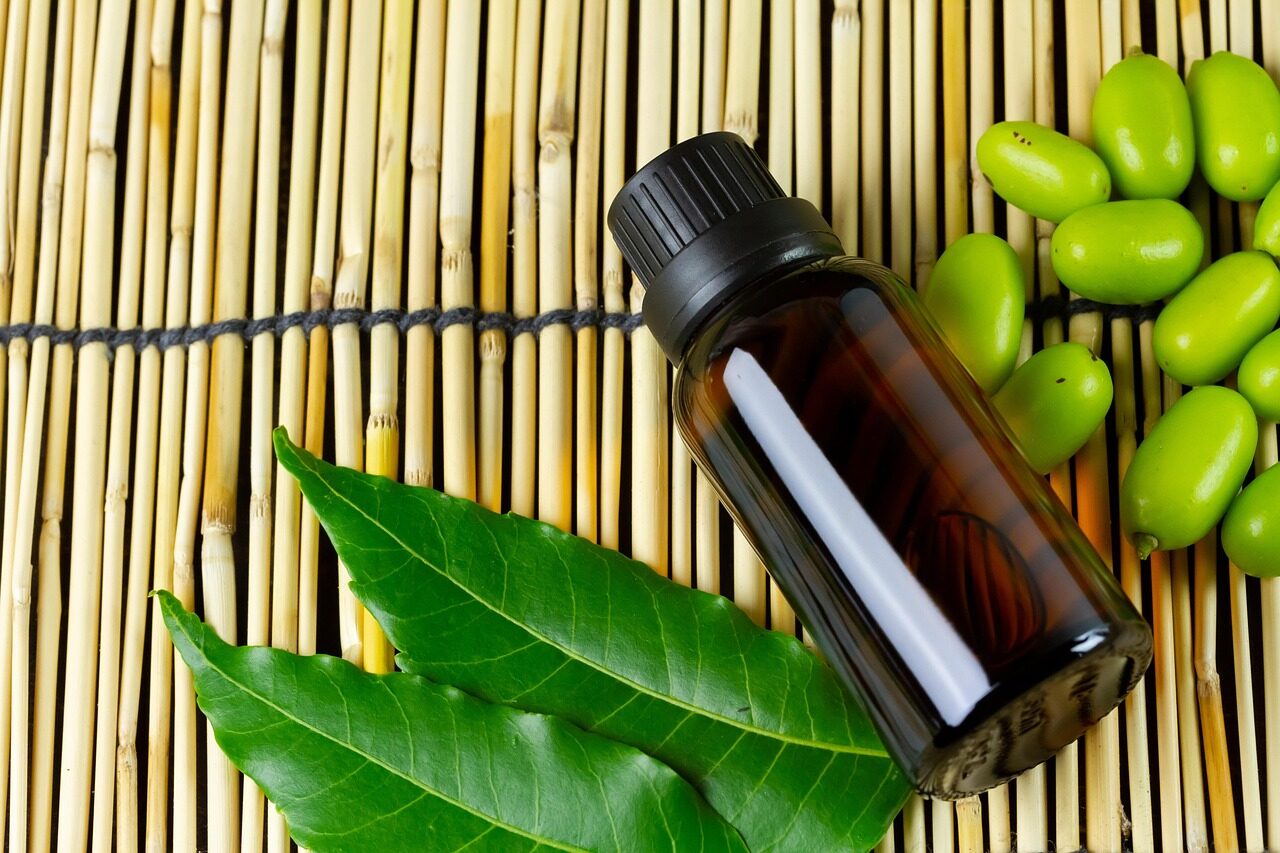
Neem oil comes from the seeds of the neem tree (Azadirachta indica), native to the Indian subcontinent. The oil contains a compound called azadirachtin which disrupts the hormonal systems of insects, preventing them from feeding, moulting, and reproducing normally.
This is not a contact killer in the way synthetic insecticides work. Neem oil does not immediately kill adult insects on contact. It disrupts their life cycle over time, reducing populations gradually rather than eliminating them instantly. This is important to understand before you buy it because if you expect immediate knockdown of a severe infestation you will be disappointed.
What neem oil does well is prevent and manage pest populations at moderate levels, particularly soft-bodied insects and fungal diseases on plant surfaces.
This page contains affiliate links. If you purchase through these links I may earn a small commission at no extra cost to you.
What Neem Oil Works Against
Spider mites, one of the most common houseplant pests. Neem oil disrupts mite reproduction and deters feeding. Effective as part of a consistent treatment program.
Aphids, neem oil coats soft-bodied aphids and disrupts their ability to feed and reproduce. Works well on moderate infestations.
Whitefly, neem oil affects whitefly larvae and deters adults from laying eggs on treated surfaces.
Fungus gnats, neem oil applied to soil disrupts fungus gnat larvae development. One of the better organic options for this persistent houseplant pest.
Powdery mildew, neem oil applied to leaf surfaces prevents and slows powdery mildew spread. Works best as a preventive treatment rather than a cure for established infection.
Scale insects, neem oil smothers scale at certain life stages. Most effective on crawler stage scale rather than fully armoured adults.
Neem oil is not a solution for everything. Hard-bodied adult beetles, established scale infestations with full armour, and severe pest outbreaks all respond poorly to neem oil alone. Having realistic expectations saves a lot of frustration.
What I Look for When Buying
Cold-pressed pure neem oil:
The extraction method matters. Cold-pressed neem oil retains higher concentrations of azadirachtin than heat-extracted or solvent-extracted products. Look for cold-pressed on the label and check azadirachtin content in the specification if available.
Concentration:
Pure undiluted neem oil requires mixing with water and an emulsifier before use. Ready-to-use diluted sprays are convenient but often contain lower active concentrations. For serious pest management I prefer concentrated pure oil that I mix myself so I control the dilution.
Azadirachtin content:
Higher azadirachtin content means more active biological activity against pests. Products that list azadirachtin concentration give you more useful information than those that just say neem oil without specification.
Organic certification:
If you grow edible plants, organic certified neem oil gives you confidence that the product contains no synthetic additives or contaminants that would affect food safety.
Emulsifier requirement:
Pure neem oil does not mix with water without an emulsifier. Good products either include an emulsifier or clearly specify which one to use. Castile soap or liquid dish soap at a very low concentration works as an emulsifier for home mixing.
How to Use Neem Oil Without Burning Your Plants
Plant burn is the most common mistake with neem oil and it is entirely avoidable.
Dilute correctly.
Pure neem oil used undiluted burns plant tissue. The standard dilution is around 5 ml of neem oil per litre of warm water with a few drops of liquid soap as an emulsifier. Shake well before applying and keep shaking during application as the mixture separates quickly.
Apply in the evening or early morning.
Never apply neem oil in direct bright sunlight or high heat. The oil concentrates on leaf surfaces and the combination of oil and intense light causes leaf scorch. Evening application allows the oil to dry before the next day’s sun exposure.
Test on one leaf first.
Before treating an entire plant apply a small amount to one leaf and wait 24 hours. Some plants are more sensitive than others and a patch test avoids damaging the whole plant.
Do not apply to stressed or drought-stressed plants.
A plant already under water stress is more vulnerable to chemical burn from any topical treatment. Water the plant thoroughly the day before treating with neem oil.
Reapply consistently.
Neem oil breaks down quickly in sunlight and rain. For effective pest management apply every 7 to 14 days through the treatment period rather than once and waiting to see results.
What Plants Should Not Be Treated With Neem Oil
Some plants are sensitive to neem oil even at correct dilutions:
Seedlings and very young plants, their tissue is too delicate for oil-based treatments
Plants with delicate soft leaves, herbs like basil and some ferns can show burn even at low concentrations
Blooming plants, neem oil can deter pollinators so avoid spraying open flowers
Plants under heat or drought stress, treat the stress first before applying any pesticide
Is Neem Oil Safe for Pets and Humans
Neem oil has low toxicity to mammals at normal use concentrations. It is approved for organic food production in many countries. At the dilutions used for plant pest management it poses minimal risk to humans and pets when used as directed.
That said I always recommend keeping pets away from treated plants until the oil has dried completely and washing hands after mixing and applying any pest control product regardless of how natural it is. My ecotoxicology training covered how even naturally derived compounds have dose-dependent effects and basic precautions are always sensible.
Frequently Asked Questions
How do I use neem oil on my plants?
Mix approximately 5 ml of pure neem oil per litre of warm water with a few drops of liquid soap as an emulsifier. Shake well and spray all leaf surfaces including undersides. Apply in the evening or early morning away from direct sunlight. Reapply every 7 to 14 days for effective pest management.
Can neem oil burn plants?
Yes if used incorrectly. Undiluted neem oil, application in direct sunlight, and application to stressed plants all cause leaf burn. Correct dilution and evening application prevents this in most cases.
What plants should not be sprayed with neem oil?
Avoid neem oil on seedlings, very young plants, herbs with delicate leaves like basil, plants in flower, and any plant under drought or heat stress. Test on one leaf before treating the whole plant.
How often can you spray a garden with neem oil?
Every 7 to 14 days during active pest management. Neem oil breaks down quickly in sunlight and rain so consistent reapplication is needed for effective results. Once pest pressure reduces, monthly preventive applications maintain protection.
Does neem oil work for garden pests?
Yes for soft-bodied insects like aphids, spider mites, whitefly, and fungus gnats at moderate infestation levels. It works by disrupting insect hormonal systems and life cycles rather than killing on contact. It is most effective as a preventive and early management tool rather than a solution for severe established infestations.
Does neem oil harm plants?
At correct dilutions and applied properly neem oil does not harm most plants. Problems arise from using it undiluted, applying in direct sunlight, or treating already stressed plants. Following correct dilution and application timing prevents damage in almost all cases.
Can I use neem oil on edible plants?
Yes. Neem oil is approved for use on edible crops in organic production in many countries. Wash produce thoroughly before eating and avoid applying close to harvest time. Check the product label for specific guidance on edible crop use and any required waiting periods before harvest.
How long does neem oil last on plants?
Neem oil breaks down in sunlight and rain within 3 to 7 days under typical outdoor conditions. This is why regular reapplication every 7 to 14 days is needed for sustained pest management. Indoor plants in stable conditions retain the effect slightly longer.
Is neem oil safe for dogs and cats?
At the dilutions used for plant pest management neem oil has low toxicity to mammals. Keep pets away from treated plants until the spray has dried completely. If a pet shows any reaction after contact with treated plants consult a vet.
Can neem oil kill plants?
At correct dilutions neem oil does not kill healthy plants. At high concentrations or when applied to stressed plants it causes leaf burn which can damage or kill individual leaves. Severe and repeated burning could damage a plant significantly but this results from incorrect application rather than the product itself.
Use It Correctly and It Works Well
Neem oil is not a silver bullet but it is a useful and genuinely low-impact pest management tool when used correctly. The key is understanding what it does, what it does not do, and applying it consistently at the right concentration and timing.
For soft-bodied insect pests and early fungal disease management in gardens and houseplants it is one of the better options available without reaching for synthetic chemistry.
Browse neem oil products on Amazon and compare options at every price point.
This page contains affiliate links. If you purchase through these links I may earn a small commission at no extra cost to you.