


This article was written and reviewed by Serge, MSc. I hold degrees in Plant Biology, Environmental Biology and Biogeochemistry, with research experience in plant physiology, ecosystem science, and field-based environmental studies. Every article on this site is grounded in real academic training and genuine scientific research.
Affiliate disclosure: This site has affiliate links, including Amazon. As an Amazon Associate I earn from qualifying purchases, at no extra cost to you.
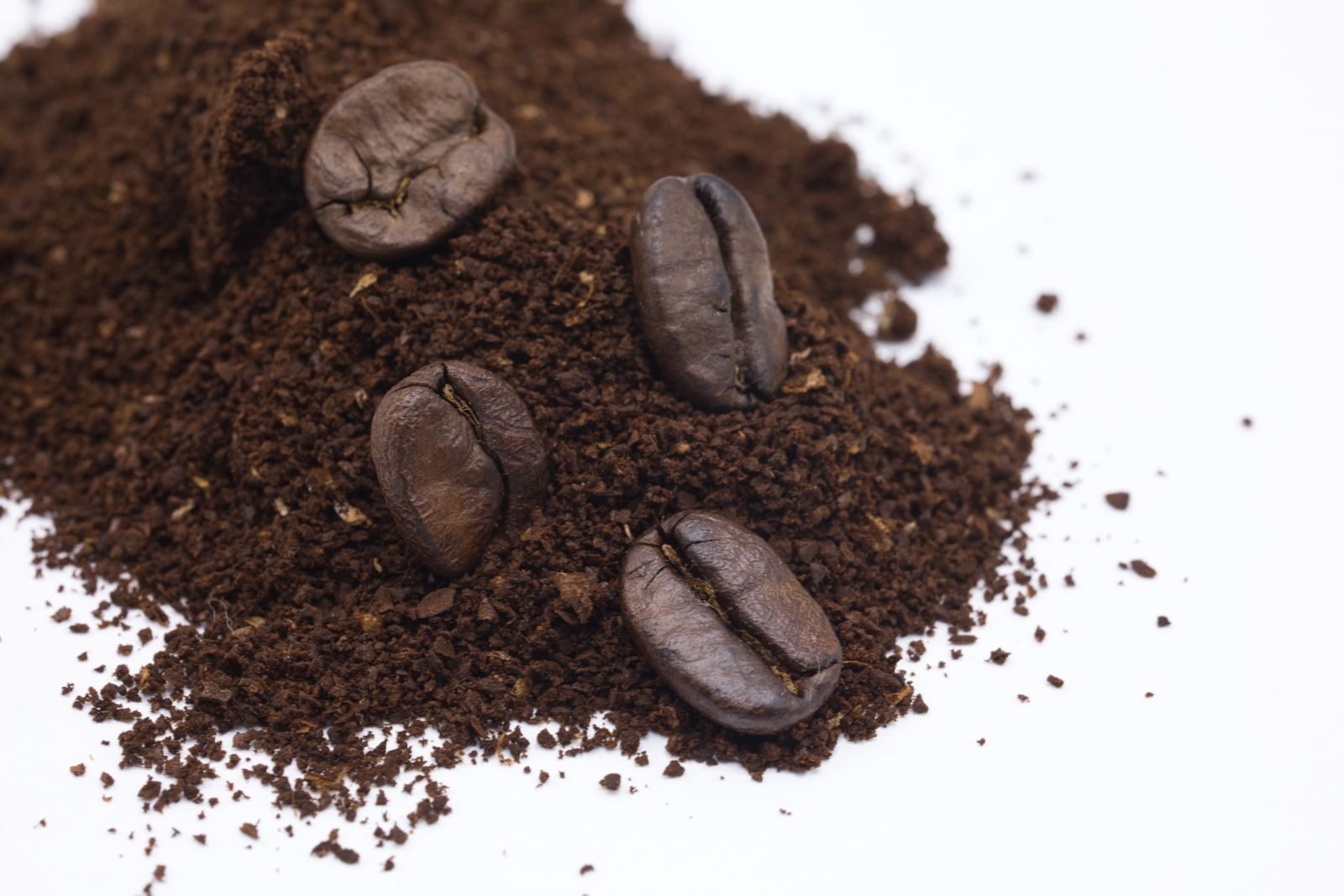
Every few weeks someone asks me whether they should tip their leftover coffee, crushed eggshells or last night’s rice water into their houseplant pots.
The short version is that one of these does a small amount of good over a long time, one does almost nothing on the timescale people expect, and one can cause more trouble indoors than it’s worth.
Let me walk through each one and show you where the chemistry backs up the claim and where it falls apart.
A quick word on where I’m coming from
My background is in soil chemistry and plant nutrition. I spent my research years working on how nutrients form in soil, how fast organic material breaks down once it’s in the ground, and how roots pull those nutrients up.
So when someone asks me whether coffee, eggshells or rice water will help a plant, I don’t reach for garden folklore. I look at what each one is made of and whether the chemistry does what people claim it does.
Coffee grounds: useful in compost, risky on top of a pot
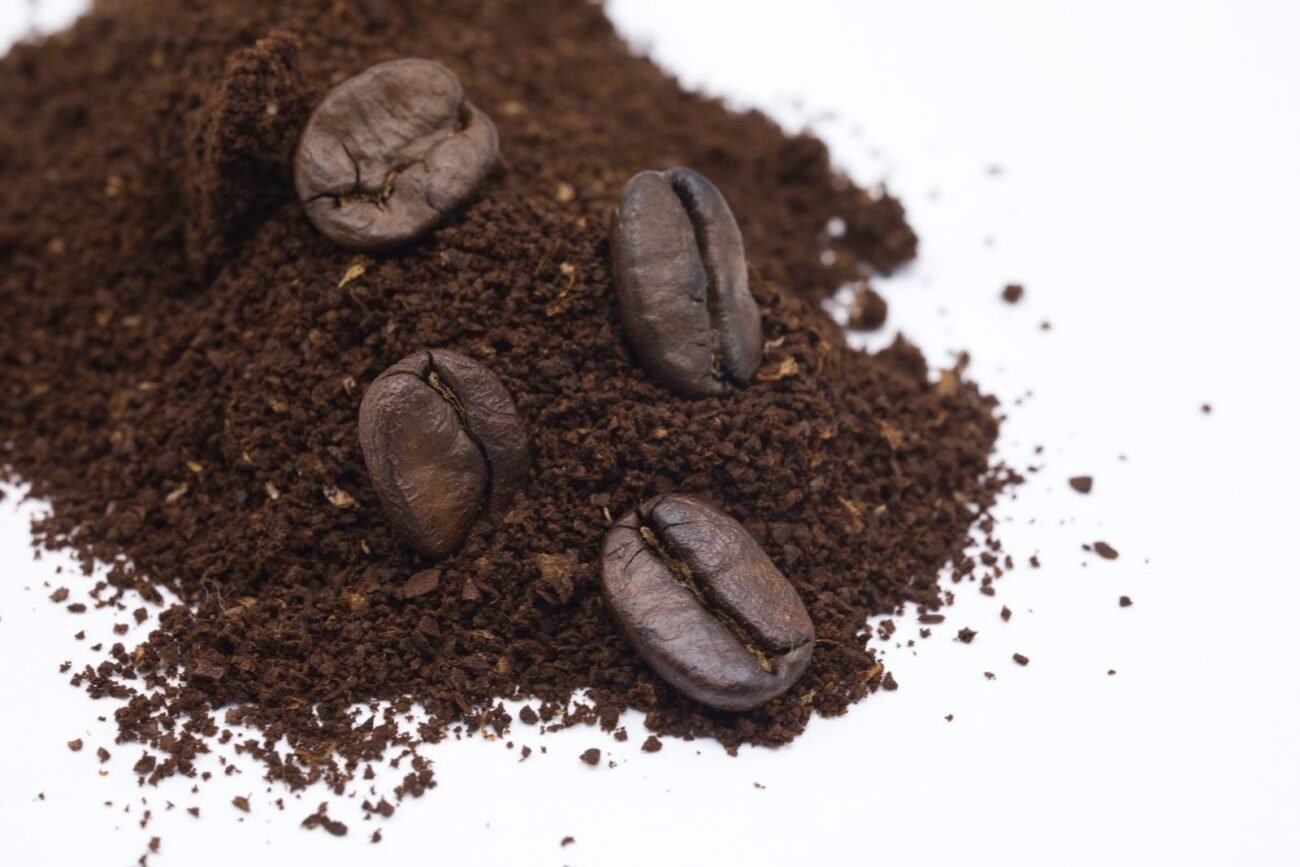
Coffee grounds get talked about as free fertiliser and as a way to acidify soil for plants that like it on the sour side. The grounds do carry nitrogen, roughly two percent by weight, which is not nothing. The problem is where that nitrogen sits and what happens when the grounds start to break down.
Fresh grounds have a carbon-to-nitrogen ratio of around twenty to one. When you drop material like that onto soil, the microbes that break it down pull available nitrogen out of the soil to do the job. That’s called nitrogen immobilisation, and it means that for a while your plant can have less nitrogen to work with, not more.
It’s the same effect you get from piling on any raw, carbon-heavy material, and it’s one of the quiet reasons a plant can look underfed even when you think you’re feeding it.
The acidity claim doesn’t hold up either. Used grounds, the kind left after brewing, come out close to neutral, around pH 6.5 to 6.8, not the acid bath people imagine, so they won’t reliably lower your soil pH for acid-loving plants (Oregon State University Extension, Coffee grounds boost soil health). The same source notes that working fresh grounds straight into soil can stunt plants, since soil microbes temporarily lock up nitrogen while they break the grounds down, which is the carbon-to-nitrogen effect I described above.
Indoors there’s a practical issue on top of the chemistry. A layer of wet grounds on the soil surface mats together, holds water against the top of the mix, and gives you the white fuzzy growth that often shows up on damp potting soil. It also keeps the surface wet, which is the opposite of what you want if you’re already fighting a pot that stays too soggy.
What I’d do: if you compost your grounds first and work the finished compost into your mix, they’re fine. As a layer poured straight on top of a houseplant, skip it.
Eggshells: real calcium, far too slow to count on
Eggshells are mostly calcium carbonate, so the logic sounds reasonable. Crush them, scatter them in the pot, feed the plant calcium. The catch is speed. Calcium carbonate dissolves very slowly, and the bigger the pieces, the slower it goes.
NC State Extension put it plainly in their look at this, noting that eggshells won’t release calcium fast enough to fix a calcium problem on any useful timescale (NC State Extension, Gardening MythBusters: Eggshells for Calcium).
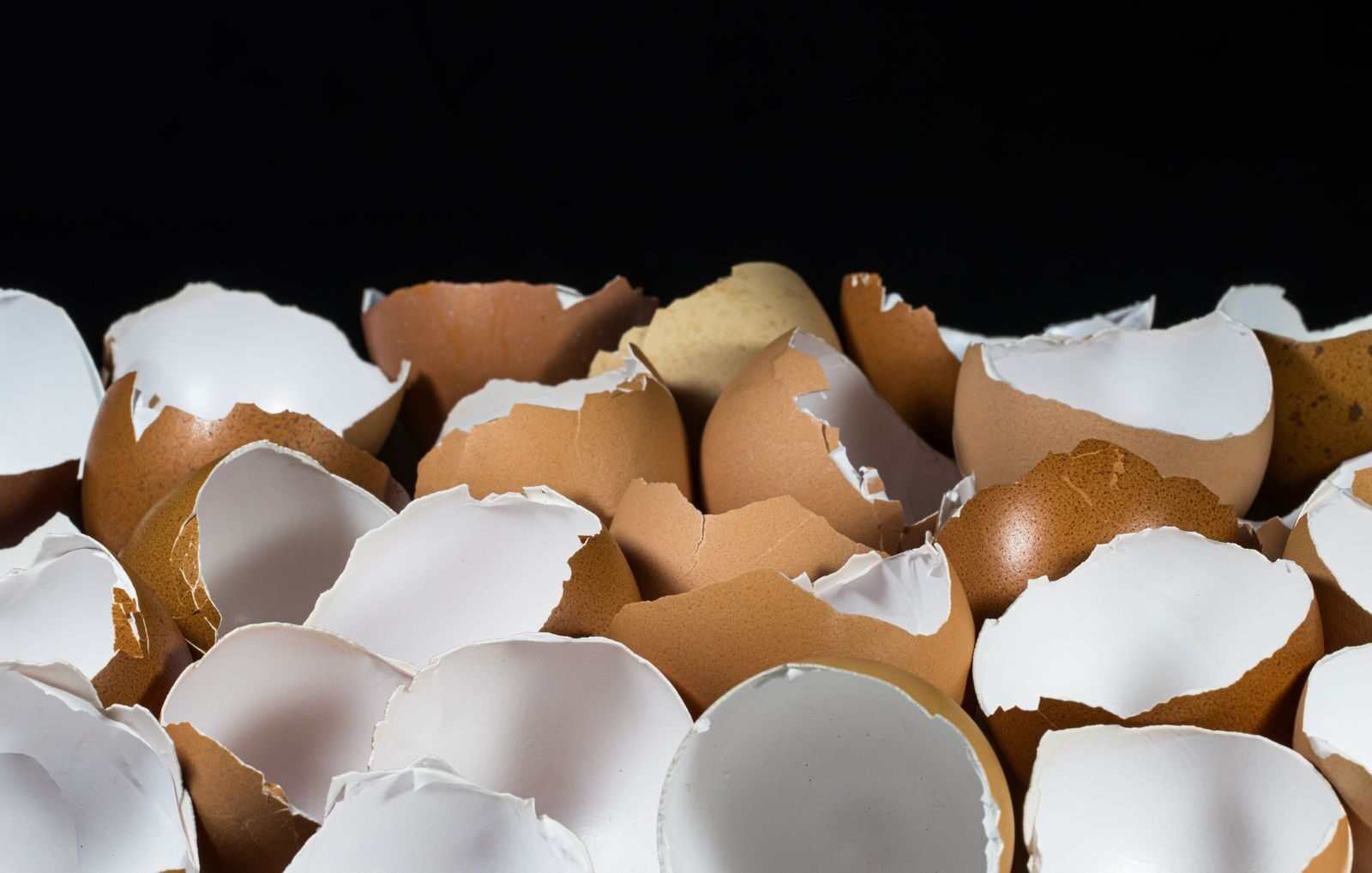
There’s a second point people miss. Most houseplants in a decent bagged mix aren’t short on calcium in the first place, so you’d be solving a problem you don’t have. If your plant is struggling, calcium is rarely the cause, and it’s worth checking what is actually stressing it before reaching for shells.
What I’d do: don’t rely on eggshells to feed a houseplant. If you compost and grind them to a fine powder over months, they add a trace of calcium to the finished compost, and that’s the only version I’d bother with.
Rice water: the one I’d keep out of your pots
Rice water is the trend I’m most cautious about indoors. The cloudy water left after rinsing or cooking rice is mostly starch with a small amount of dissolved nutrients. The nutrient content is weak, far below what a plant needs to grow, so as a feed it’s thin.
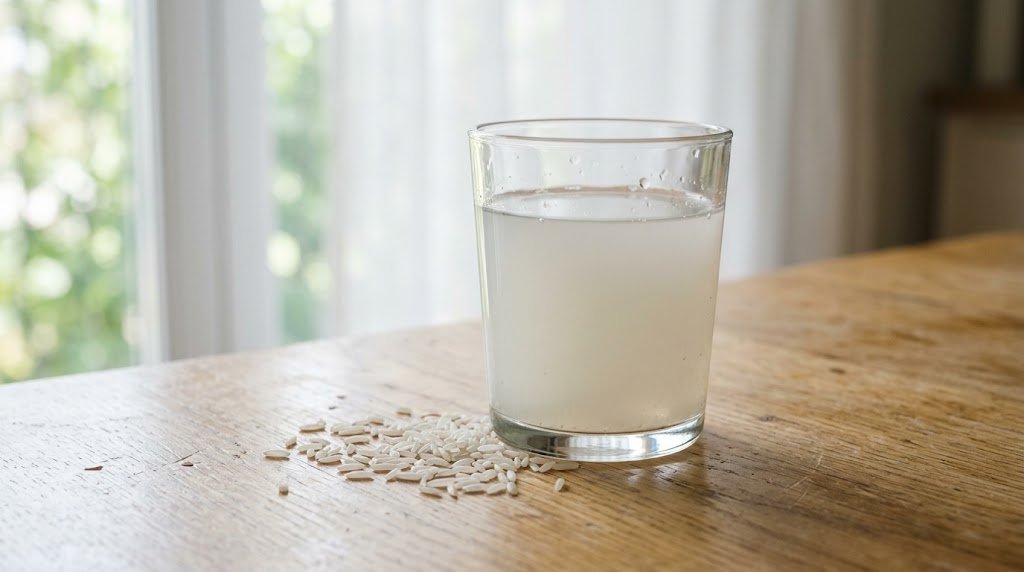
The starch is the part that worries me. Starch is an energy source for soil microbes, and when you pour it into a warm pot indoors you’re feeding whatever is living in that soil, including the organisms you don’t want.
That can mean fermentation, a sour smell, and fungus gnats moving in. In a closed room with no airflow and no rain to flush things through, that builds up fast. The same starch that feeds the microbes busy breaking material down in your soil also feeds the ones that turn a pot swampy.
A wet, fermenting top layer also keeps the mix saturated, and saturated mix is how you walk a plant toward roots sitting in airless, rotting soil.
What I’d do: for houseplants, I’d leave rice water out. The possible upside is tiny and the downside is a smelly, gnat-friendly pot.
So what does feed a houseplant
None of these three is a substitute for the basics. A balanced, diluted houseplant fertiliser gives your plant the nitrogen, phosphorus and potassium it needs in a form it can take up right away, which is the thing the kitchen scraps can’t do on demand.
Beyond that, watering to suit the plant and the season, using a mix that drains well, and refreshing the mix when the plant has outgrown its pot will do far more than anything from your compost caddy.
A few things readers ask me
Do coffee grounds lower soil pH for acid-loving plants like my blueberry or azalea?
Not reliably. The pH of decomposing grounds swings from acidic to alkaline depending on the batch, so you can’t trust them to shift your soil in one direction. If you need to lower pH, a product made for the job is predictable in a way grounds are not.
Are eggshells ever worth keeping?
Only the long, slow way. Ground to a fine powder and added to a compost pile over months, they put a trace of calcium into the finished compost. Scattered whole or in chunks into a houseplant pot, they’ll sit there intact for a very long time.
Can I use rice water on any plant safely?
I wouldn’t indoors. If you have outdoor plants with airflow, rain and open soil, the risk is lower, but for a pot in your living room the smell and the fungus gnats aren’t worth the thin feed.
What about banana peel water, since people ask that next?
Same pattern as rice water. A little potassium leaches out, but it’s weak, it ferments, and it draws pests indoors. The idea is better than the result.
When the problem isn’t the feed at all
Most of the time, a struggling houseplant isn’t crying out for a kitchen remedy. It’s a watering habit, a mix that holds too much water, or a pot that’s run out of room. If you’re not sure which one you’re looking at, I put together a guide that walks you through the common symptoms and points you to the cause: What’s Wrong With My Plant? It’s built to save you from throwing random fixes at a plant and hoping one sticks.
Coffee, eggshells and rice water are fine things to be curious about. Just know that two of them belong in your compost, not your pots, and one is better left in the kitchen.