

This article was written and reviewed by Serge, MSc. I hold degrees in Plant Biology, Environmental Biology and Biogeochemistry, with research experience in plant physiology, ecosystem science, and field-based environmental studies. Every article on this site is grounded in real academic training and genuine scientific research.
Affiliate disclosure: This site has affiliate links, including Amazon. As an Amazon Associate I earn from qualifying purchases, at no extra cost to you.

Strawberries or raspberries?
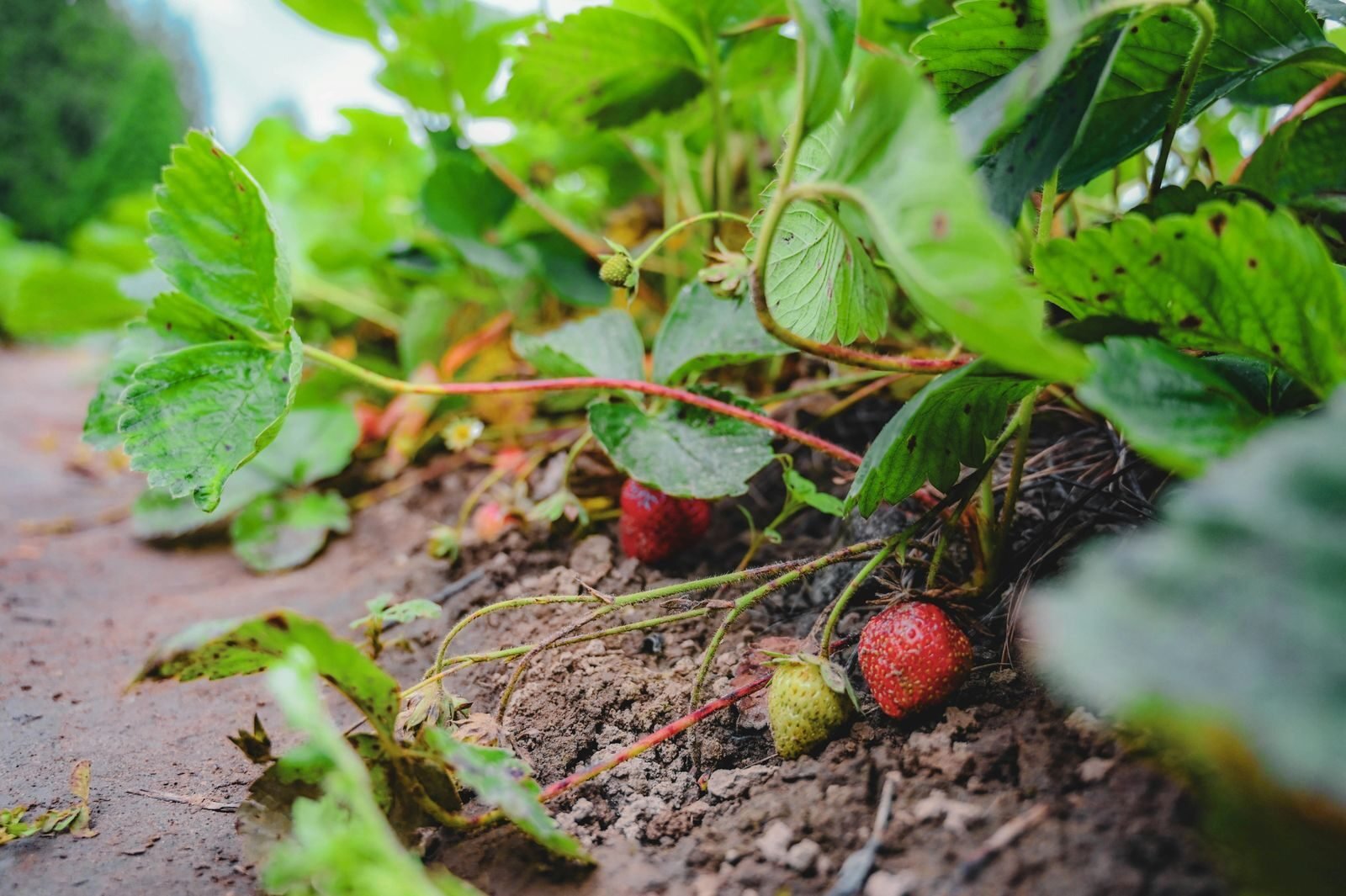
That’s the question my friend didn’t even think twice about as we walked to the store. He grabbed a bright red pack of berries, assuming they were the same. But while they may look alike, these two fruits are actually very different.
Strawberries are juicy, solid, and dotted with tiny seeds on the outside, packed with vitamin C and antioxidants in every bite. Raspberries, meanwhile, are made up of tiny sections called drupelets, forming a delicate hollow center when picked. They grow differently, taste differently, and even need different care if you want to grow them at home.

This guide provides a complete overview of raspberries, including their appearance, growth habits, and how to cultivate them in a garden, yard, or container. It also covers planting, watering, fertilizing, pruning, pest control, and harvesting.
About Raspberry Plants
Raspberries belong to the Rubus family, which also includes blackberries. They are shrubs that grow for many years. Each cane lives for two years.
The first year, called a primocane, grows leaves and shoots.
The second year, called a floricane, produces flowers and fruit. After fruiting, the old cane dies, and new shoots grow from the roots to replace it.

Raspberry roots spread under the soil and produce new shoots, which means raspberry plants can form large patches over time. This spreading can be useful if you want more plants, but it can also require regular maintenance to prevent overcrowding.
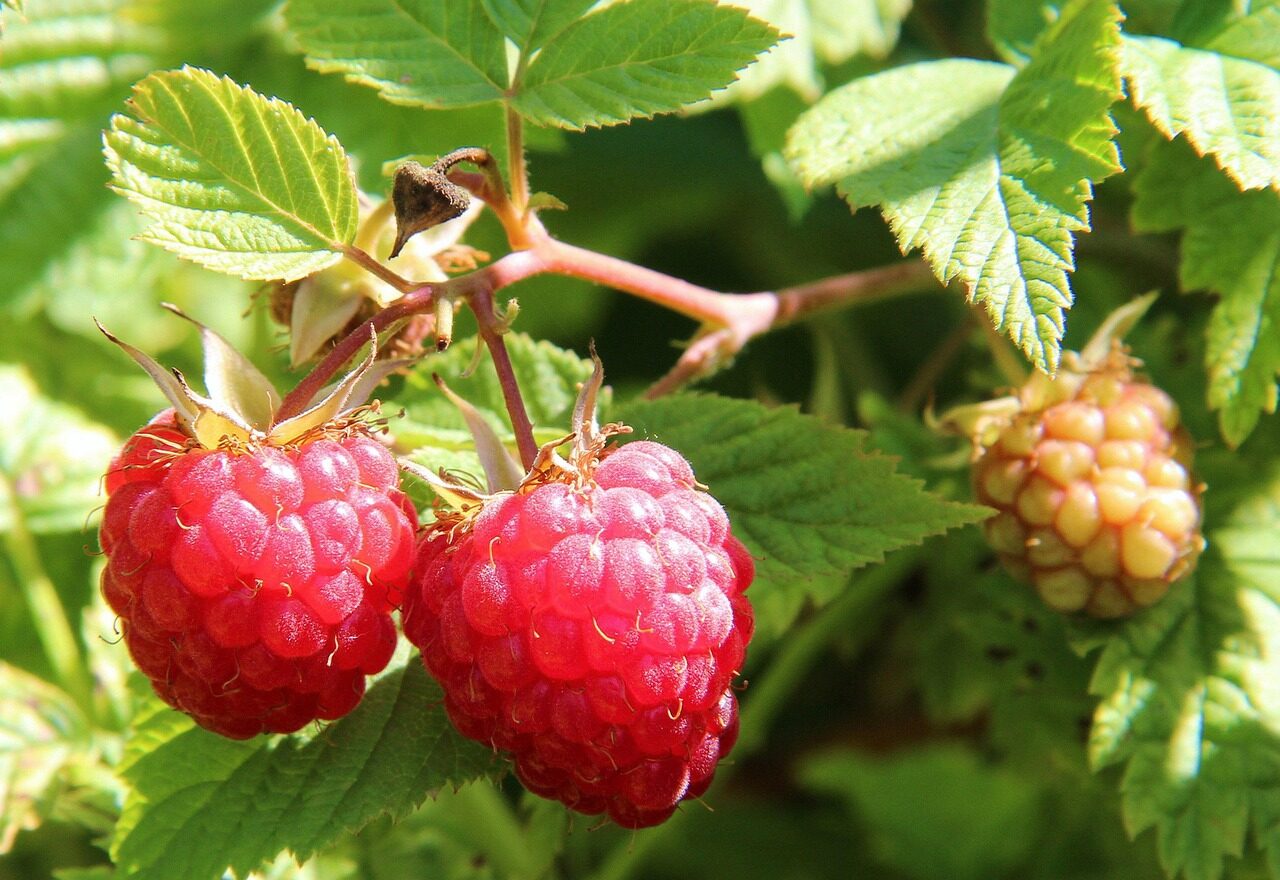
The fruit itself is unique. Each raspberry is made of many small drupelets attached to a central core. When you pick the berry, the core stays on the plant, leaving a hollow fruit. This is one reason raspberries are soft and delicate. They are perfect for eating fresh, making jams, or adding to desserts.
Types of Raspberries
Raspberries come in two main types: summer-bearing and everbearing (fall-bearing).
Summer-bearing raspberries produce one main crop in the summer on second-year canes. This is the type most people know.
Everbearing raspberries can produce two crops: one on old canes in summer and another on new canes in fall. Everbearing raspberries are useful if you want a longer harvesting season.
Raspberries also come in different colors. Red raspberries are most common, but there are yellow, black, and purple varieties. Each variety has slightly different flavors and growing habits, but all have the same hollow fruit structure.

Choosing a Location
Raspberries need full sun to grow well. They will survive in partial shade, but plants in shade produce fewer berries and smaller fruit.
Soil is very important. Raspberries prefer soil that is fertile, well-draining, and slightly acidic, with a pH between 5.5 and 6.5. Avoid low spots that collect water because raspberry roots are prone to rot if the soil stays wet.
Spacing is also important. Plant raspberries 30–60 cm apart in rows, with 1.5–2 meters between rows. Proper spacing helps air flow, reduces disease risk, and makes harvesting easier.
Planting Raspberries
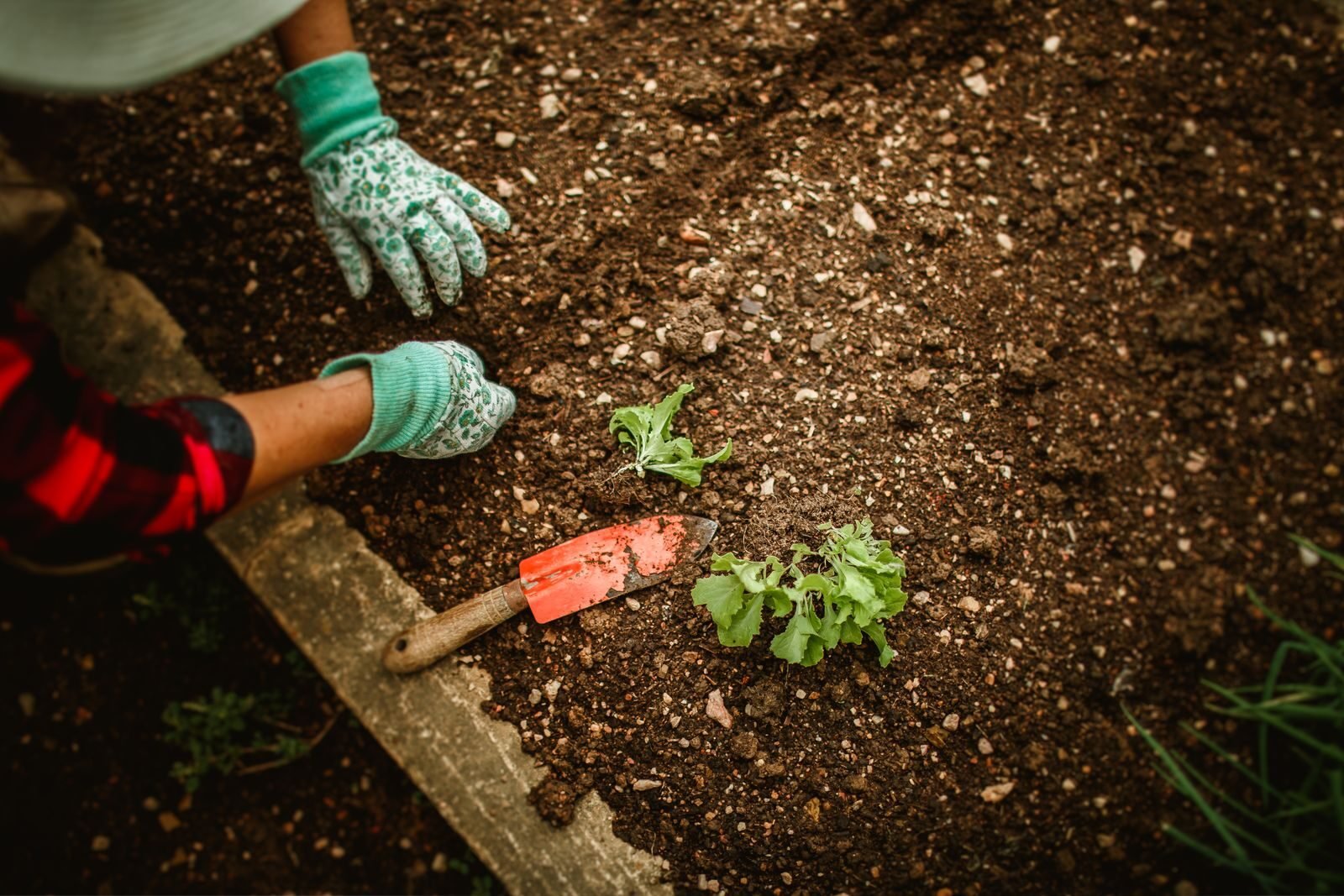
You can plant raspberries from bare-root plants, potted plants, or cuttings. Bare-root plants are most common for home gardeners because they are affordable and easy to handle.
Step-by-step planting instructions:
Remove weeds from the planting area and mix in compost to improve soil fertility.
Dig a hole slightly bigger than the plant’s root system.
Place the plant at the same depth it was growing before. Spread the roots gently in the hole.
Fill in soil around the roots and water thoroughly to remove air pockets.
Add mulch around the base of the plant to conserve moisture, reduce weeds, and regulate soil temperature.
Raspberries can also grow in containers if you have limited space. Use a large pot with drainage holes and fill it with a mix of garden soil, compost, and a little sand for good drainage. Container raspberries will need more frequent watering because pots dry out faster than garden soil.
Caring for Raspberry Plants
Raspberry plants are hardy but need care to produce the best fruit.
Watering: Keep soil consistently moist, especially during flowering and fruiting. Avoid overwatering, which can cause root rot.
Fertilizing: Apply a balanced fertilizer in early spring. Compost or aged manure works well. Avoid over-fertilizing, as this can harm roots.
Mulching: A 5–10 cm layer of organic mulch, like straw or wood chips, helps retain soil moisture, keep roots cool, and reduce weeds. Replenish mulch every year or two as it decomposes.
Regular care ensures healthy plants and better fruit.
Pruning Raspberries
Pruning is very important. It improves air flow, reduces disease, and encourages larger berries.
For summer-bearing raspberries:
After harvest, cut down the old fruiting canes.
In early spring, thin weak or crowded canes to leave the strongest shoots.
For everbearing raspberries:
To get two crops, prune only the old canes after the summer harvest.
To get a single fall crop, cut all canes to the ground in late winter.
Pruning may seem tricky at first, but it becomes simple once you understand which canes are first-year and which are second-year.
Supporting Raspberry Canes
Raspberry canes are tall and thin, and they can bend under the weight of berries. Supporting them with stakes, trellises, or wires keeps the plants upright and makes harvesting easier.
A simple trellis can be made with two wooden posts and wires across the top. Tie the canes loosely to the wires as they grow. This support prevents canes from breaking and improves sunlight exposure to all parts of the plant.

Pollination and Fruit Formation
Raspberries can self-pollinate, but bees and other insects help increase both fruit size and yield. To encourage pollinators, plant flowers nearby that attract them.
Proper pollination not only produces more berries but also improves their sweetness, making the harvest tastier. Ensuring good pollination is an important step in growing healthy, productive raspberry plants, whether in a garden, yard, or container
Pests and Diseases
Raspberries are hardy but may face some problems:
Aphids or spider mites: Spray with mild insecticidal soap if needed.
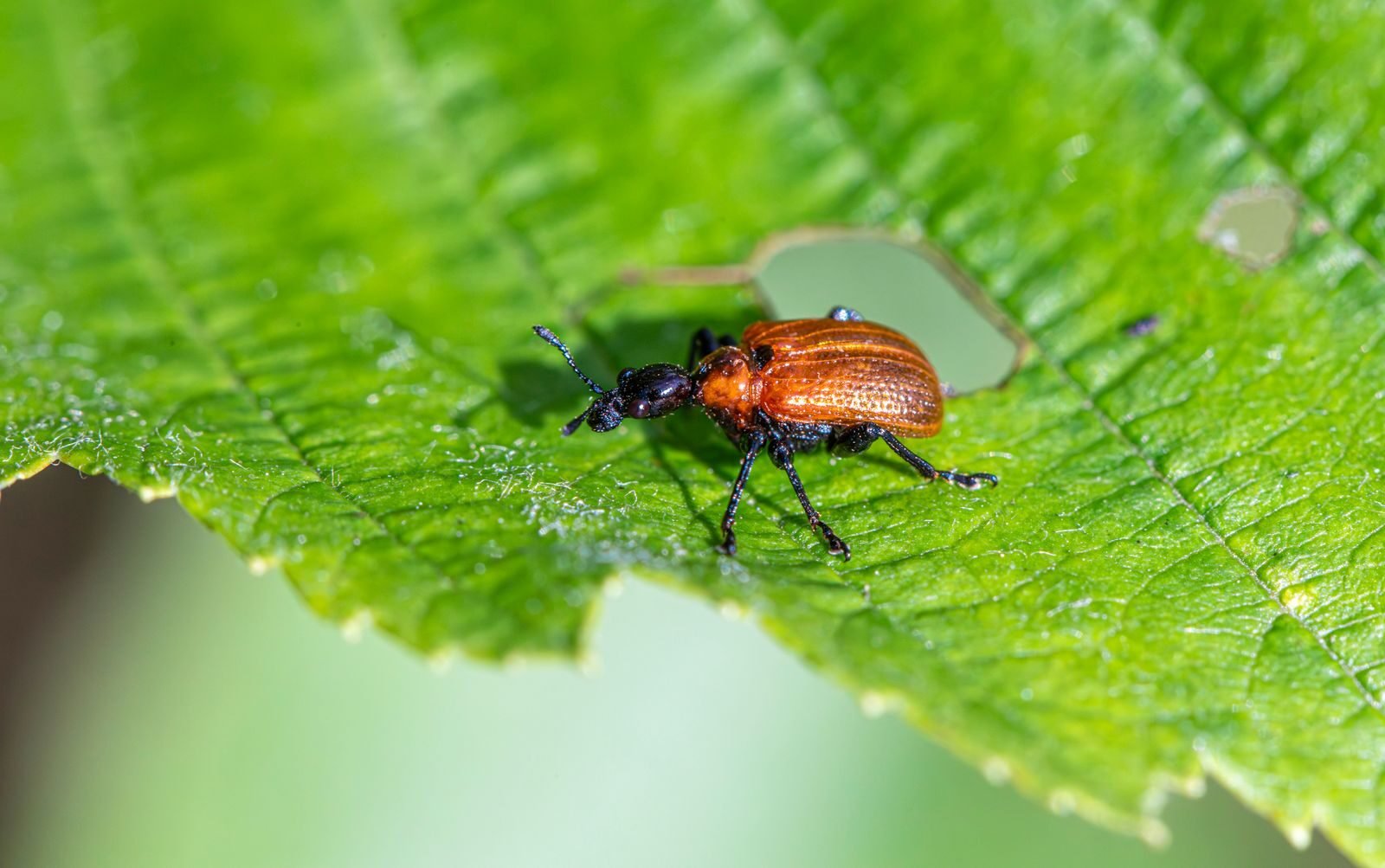
Japanese beetles: Hand-pick or use netting.
Fungal diseases: Thin crowded plants, prune carefully, and water at the base to prevent rot.
Birds: Birds love ripe raspberries. Cover plants with netting during harvest.
Regularly checking your plants helps catch minor issues before they turn serious.
Harvesting Raspberries
Raspberries ripen over several weeks. Pick them when they come off the cane easily and have a deep, rich color. Handle berries gently because they bruise easily. Picking in the morning when it is cooler keeps them fresh longer.
Raspberries continue to ripen gradually, so check your plants every few days during the harvest season.
Conclusion
Raspberries are easy to grow and very rewarding. Growing your own plants lets you enjoy fresh, sweet fruit without buying it from the store. They are hardy, productive, and a great way to learn about plant growth.
With the right soil, sunlight, water, pruning, and support, raspberries can produce fruit for many years. Picking your own berries is simple and satisfying. Growing them also helps you understand how plants grow and how to care for them properly.
FAQs
How long before raspberries produce fruit?
Most raspberries produce fruit in their second year. Everbearing varieties may give a small crop in the first year.
Can raspberries grow in pots?
Yes. Use a large pot with good drainage and fertile soil.
Why do raspberry canes bend over?
They are tall and thin. Using stakes or a trellis keeps them upright.
How often should I water raspberries?
Keep soil moist, especially during flowering and fruiting. Water deeply once or twice a week depending on rainfall.
Do raspberries need another plant for pollination?
No. Raspberries can pollinate themselves, but more plants increase yield.