


This article was written and reviewed by Serge, MSc. I hold degrees in Plant Biology, Environmental Biology and Biogeochemistry, with research experience in plant physiology, ecosystem science, and field-based environmental studies. Every article on this site is grounded in real academic training and genuine scientific research.
Affiliate disclosure: This site has affiliate links, including Amazon. As an Amazon Associate I earn from qualifying purchases, at no extra cost to you.

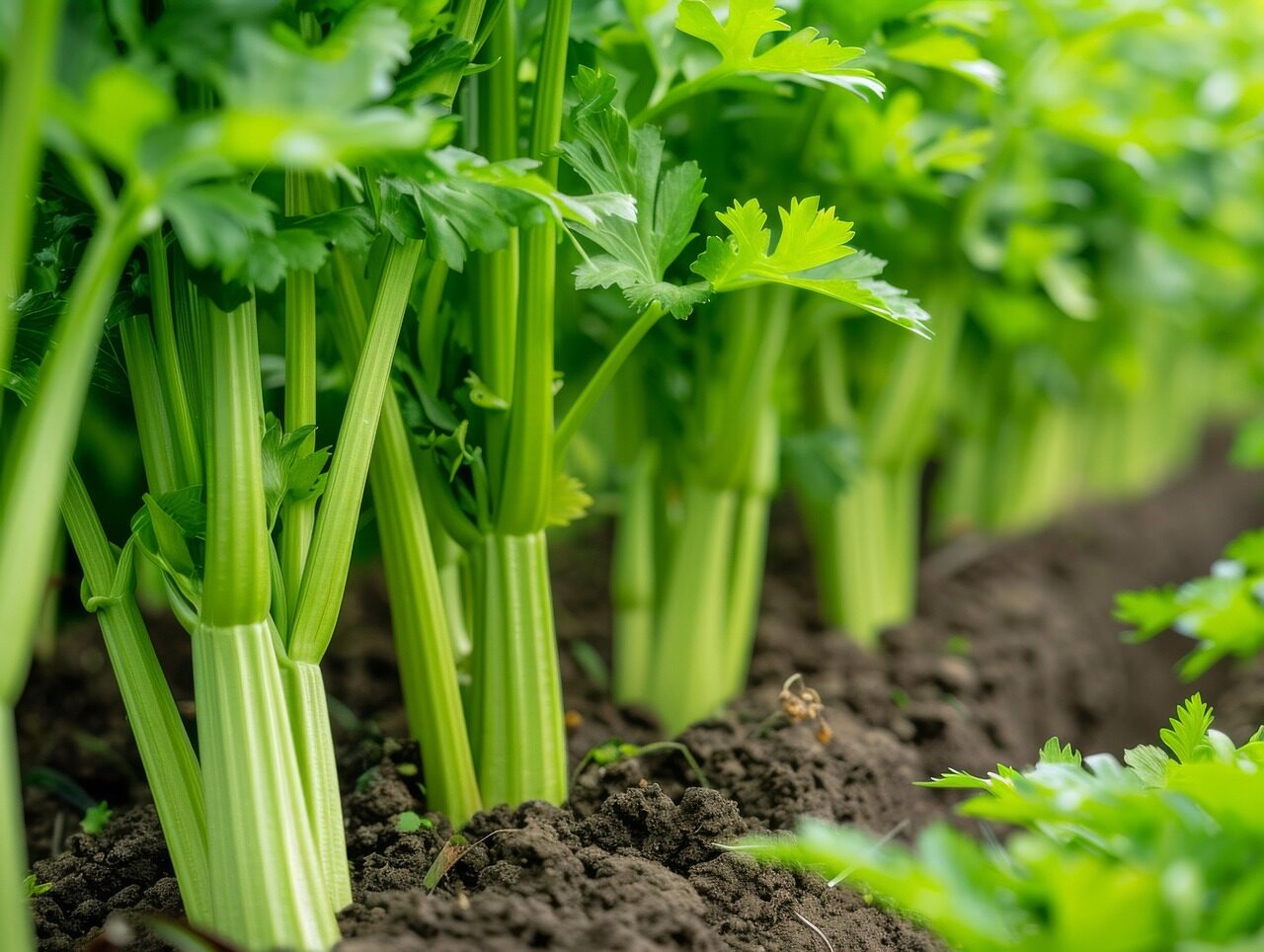
Parsley (Petroselinum crispum) is usually seen as just a garnish on food, but it’s actually a strong and healthy herb. It has many nutrients and can grow well in different conditions. Scientists say parsley’s growth depends on things like light, soil quality, water, and the environment.
Parsley grows slowly, so gardeners need to be patient and understand what the plant needs. Small changes in temperature or moisture can even help the plant produce more natural oils. These oils make parsley smell and taste stronger, without hurting the plant’s growth.
Parsley Varieties
Parsley comes in several types, and each one is useful in different ways and grows well in different conditions.
Curly Leaf Parsley (Petroselinum crispum)
Curly leaf parsley has bright green leaves with a tight, ruffled shape. It is mostly used as a garnish because it looks attractive on plates. The flavor is mild compared to other parsley types. This variety also grows well in garden borders and containers.

Flat-Leaf / Italian Parsley (Petroselinum crispum var. neapolitanum)
Flat-leaf parsley, also known as Italian parsley, has smooth, flat leaves and a stronger flavor. It is widely used in cooking because it adds a fresh taste to many dishes. This type grows vigorously and adapts well to both garden beds and container growing.

Hamburg Parsley (Petroselinum crispum var. tuberosum)
Hamburg parsley is mainly grown for its thick, edible root rather than its leaves. The root looks similar to a parsnip and is often used in soups and stews. It grows best in deep, loose soil where the root can develop properly.

Planting Parsley from Seed.
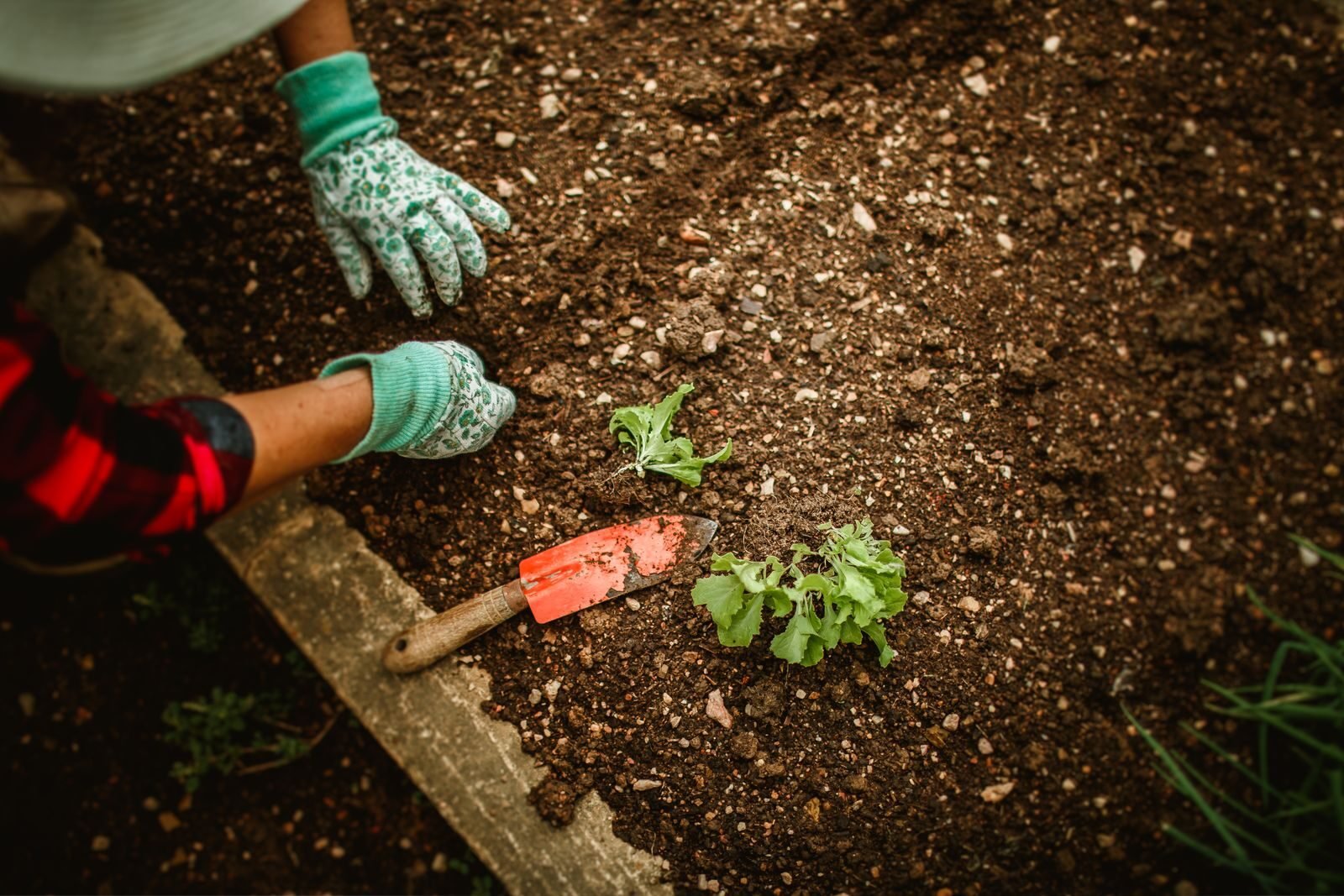
Parsley seeds grow slowly and usually take 2–4 weeks to sprout. This happens because the seeds have a hard outer coat. Soaking the seeds overnight in lukewarm water can help them sprout faster because the coat becomes softer and absorbs water more easily.
Steps for sowing parsley seeds:
Use a well-draining, nutrient-rich seed-starting soil mix.
Plant the seeds about ¼ inch deep and cover them lightly with soil.
Keep the soil evenly moist, but do not let it become very dry or full of standing water.
Keep the temperature around 18–22°C for the best germination.
When the seedlings start growing, thin them so they are about 6–8 inches apart. This helps plants grow strong stems, good airflow, and healthy leaves. Sometimes a few seeds may not sprout because they are old or the moisture was uneven, but good preparation helps most seeds grow well.
Soil and Site Requirements
Parsley grows best in rich, loose soil that drains water well. The soil should have a slightly acidic to neutral pH (6.0–7.0). Good drainage is important because too much water can cause root rot and fungal problems.
Parsley can grow in partial shade, but full sunlight helps the plant produce thicker and more flavorful leaves. Very hot weather can burn the leaves, so light shade in the afternoon can help protect the plant.
If you grow parsley in containers, choose pots that are at least six inches deep and have drainage holes. Parsley often produces more fragrant leaves in loose, healthy soil with active microorganisms, which suggests that soil texture and natural soil life can influence the plant’s essential oils.
Watering and Moisture Management
Parsley prefers steady, consistent moisture. Studies show that deep, infrequent watering promotes robust root systems, while frequent shallow watering can produce weaker, spindly plants. Mulching with straw or compost helps retain soil moisture, regulate temperature, and suppress weeds.
Research indicates that slightly drier conditions rarely reduce leaf quality. Mild water stress may increase essential oil content, enhancing flavor. Maintaining the correct moisture balance is key to healthy growth and aromatic leaves.
Fertilization for Optimal Leaf Growth
Parsley thrives with balanced nutrition. Incorporating compost or well-rotted manure at planting supplies essential nutrients, while liquid organic fertilizers applied every 3–4 weeks support leaf density.
Excess nitrogen can encourage rapid leaf growth but may reduce flavor intensity. Mild nutrient stress, on the other hand, can enhance secondary metabolite production, demonstrating how plant nutrition directly influences aromatic compounds.
Pruning and Harvesting
Regular pruning is critical for sustained growth. Studies show that harvesting outer leaves first allows the center to continue producing. Once plants reach 6–8 inches, cutting back top leaves stimulates branching and delays flowering, maintaining tender, flavorful foliage.
Fertilization combined with pruning helps maintain continuous leaf production. Occasionally, over-pruning may temporarily slow growth, but parsley quickly rebounds when inner leaves remain intact.
Propagation Beyond Seeds
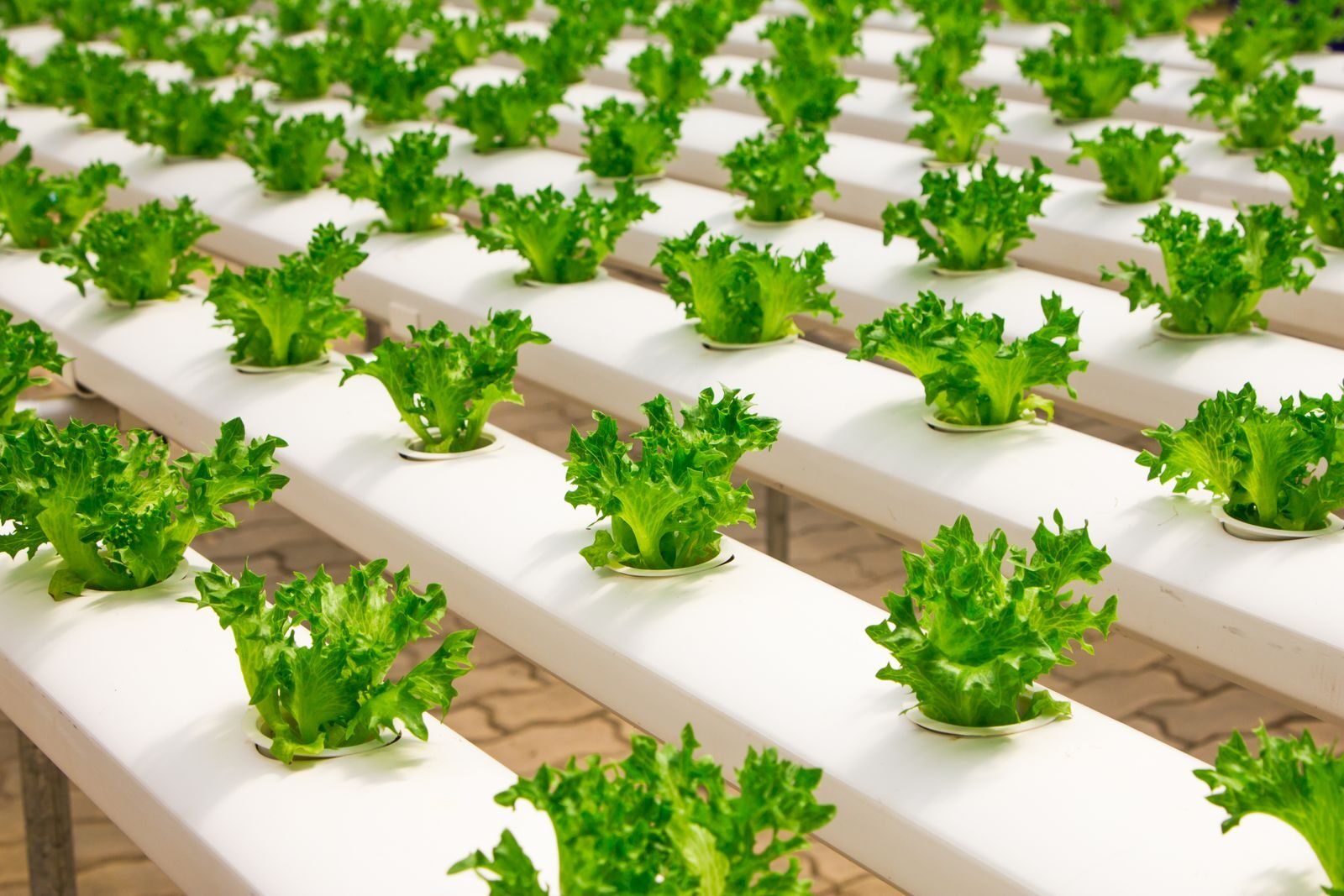
While parsley is typically grown from seed, it can also be propagated via root cuttings or hydroponic stem cuttings. Root cuttings taken in late fall can produce new plants the following season.
Stem cuttings may root in water under controlled conditions. Research indicates that parsley cuttings establish more slowly than other herbs, emphasizing patience in propagation.
Environmental Stress Considerations
Parsley responds subtly to environmental conditions. Light intensity, temperature fluctuations, soil moisture, and airflow all influence leaf growth, aroma, and texture. Mild stress, such as cooler nights or slight variations in watering, rarely harms growth and can enhance essential oil concentration.
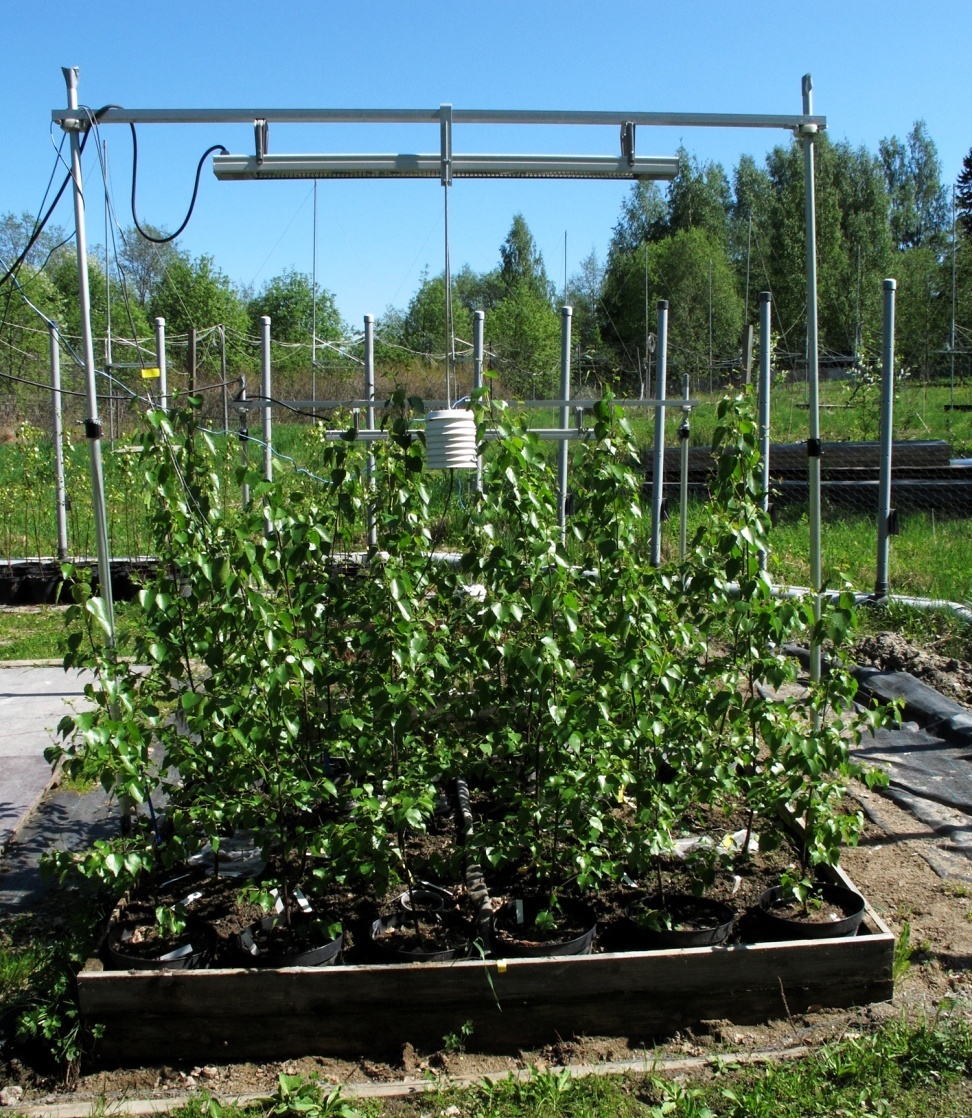
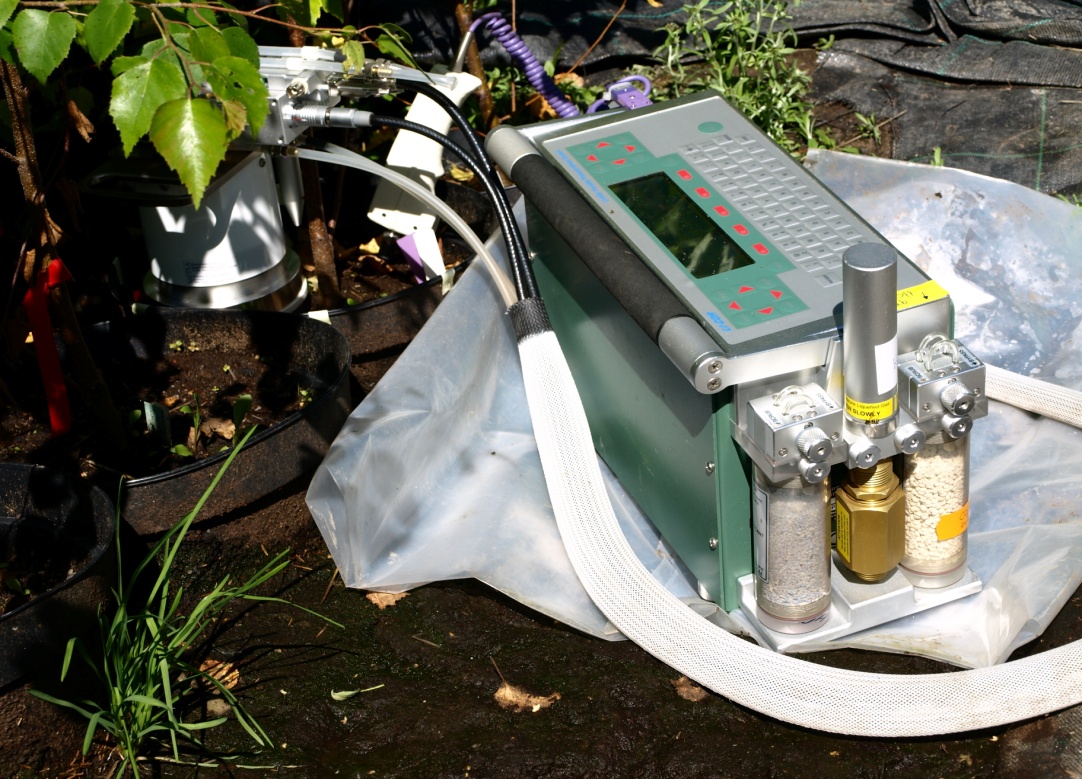
During my research with Silver Birch (Betula pendula), I observed that moderate warming and soil conditions that promoted microbial activity increased root carbon fluxes and soil CO₂ efflux, supporting nutrient uptake and influencing secondary metabolite production.
While parsley is a different species, these insights suggest that healthy, biologically active soil and mild environmental variability can similarly improve leaf flavor and aromatic quality. Ensuring well-aerated, nutrient-rich soil, steady but moderate watering, and adequate sunlight helps parsley optimize growth while tolerating environmental changes.
Pests and Disease Management
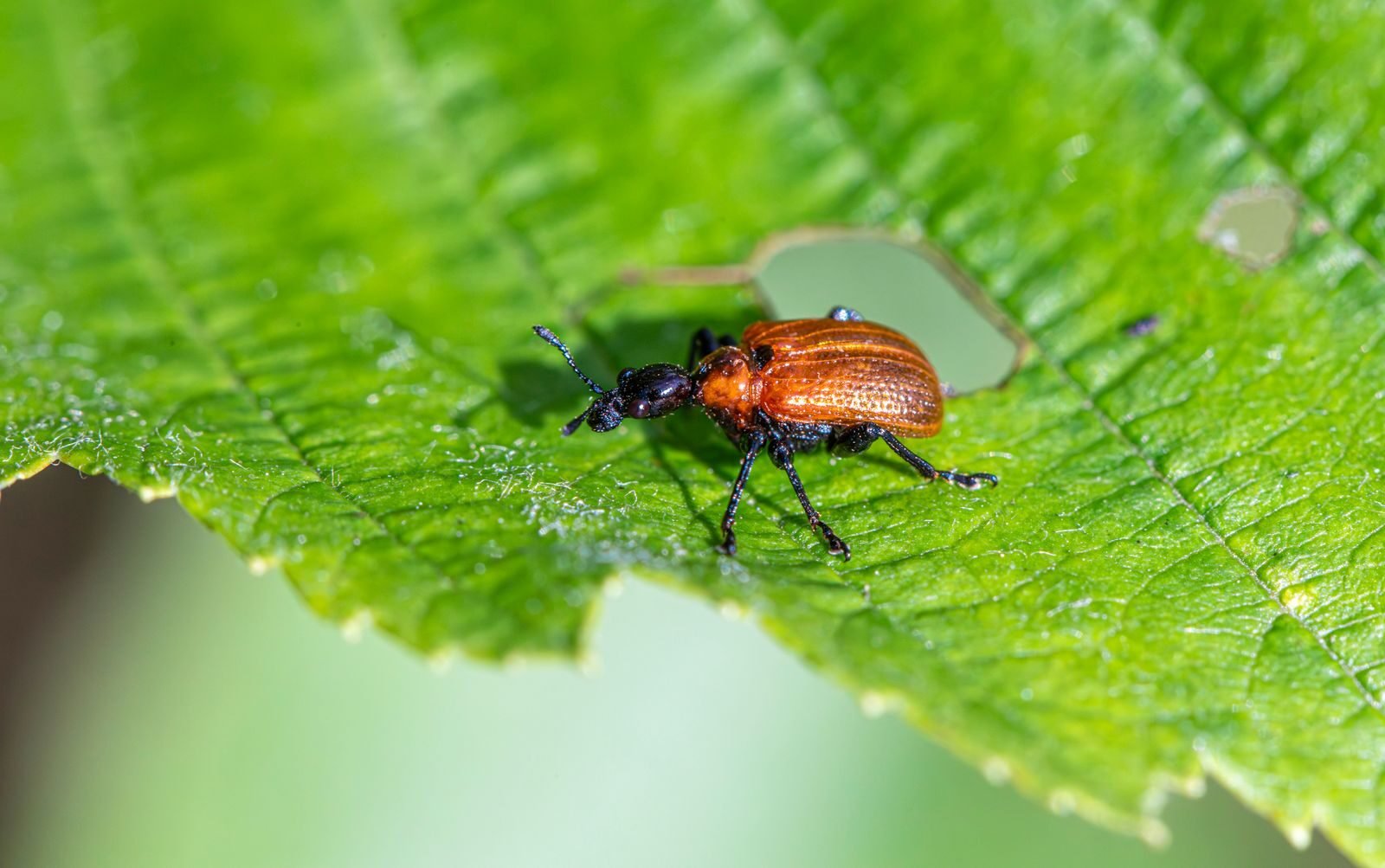
Parsley is generally resilient but may encounter aphids, caterpillars, slugs, or fungal infections. Integrated management is most effective:
-
Handpick pests or apply organic insecticidal soap.
-
Ensure proper spacing and airflow to prevent fungal disease.
-
Use organic barriers to protect young plants from slugs or snails.
Research shows that plants grown in nutrient-rich, biologically active soil are more resistant to pest and disease pressure, linking soil health to plant defense mechanisms.
Conclusion
Parsley is a slow-growing, resilient herb that rewards careful attention to environmental conditions. Research indicates that light, soil, water, and nutrient management directly influence leaf quality, aroma, and flavor.
Insights from my Silver Birch studies demonstrate how soil activity and mild environmental stress can enhance nutrient uptake and secondary metabolite production, providing a framework for understanding parsley growth.
By providing rich soil, steady moisture, and appropriate sunlight, gardeners can cultivate parsley that is consistently healthy, flavorful, and aromatic.
FAQs
How long does parsley take to germinate?
Parsley seeds usually take 2–4 weeks to sprout. Soaking the seeds in lukewarm water before planting can help them germinate faster.
Can parsley grow in partial shade?
Yes, parsley can grow in partial shade, but it may grow more slowly and the flavor may be weaker than plants grown in full sun.
How can flowering be delayed?
You can delay flowering by removing flower stems and regularly harvesting the outer leaves. This helps the plant keep producing soft, fresh leaves.
Is parsley winter-hardy outdoors?
Parsley can survive mild winters outside. In colder areas, it is better to grow it in containers or protect the plant with mulch.
How often should parsley be fertilized?
Feed parsley about every 3–4 weeks with a balanced organic fertilizer. Adding compost when planting is usually enough to start healthy growth.
Can environmental stress improve flavor?
Yes, mild stress such as cooler nights or small changes in watering can sometimes increase the plant’s essential oils, which makes the flavor stronger.