


This article was written and reviewed by Serge, MSc. I hold degrees in Plant Biology, Environmental Biology and Biogeochemistry, with research experience in plant physiology, ecosystem science, and field-based environmental studies. Every article on this site is grounded in real academic training and genuine scientific research.
Affiliate disclosure: This site has affiliate links, including Amazon. As an Amazon Associate I earn from qualifying purchases, at no extra cost to you.

Why do some plants thrive under heatwaves and pollution while others barely survive?
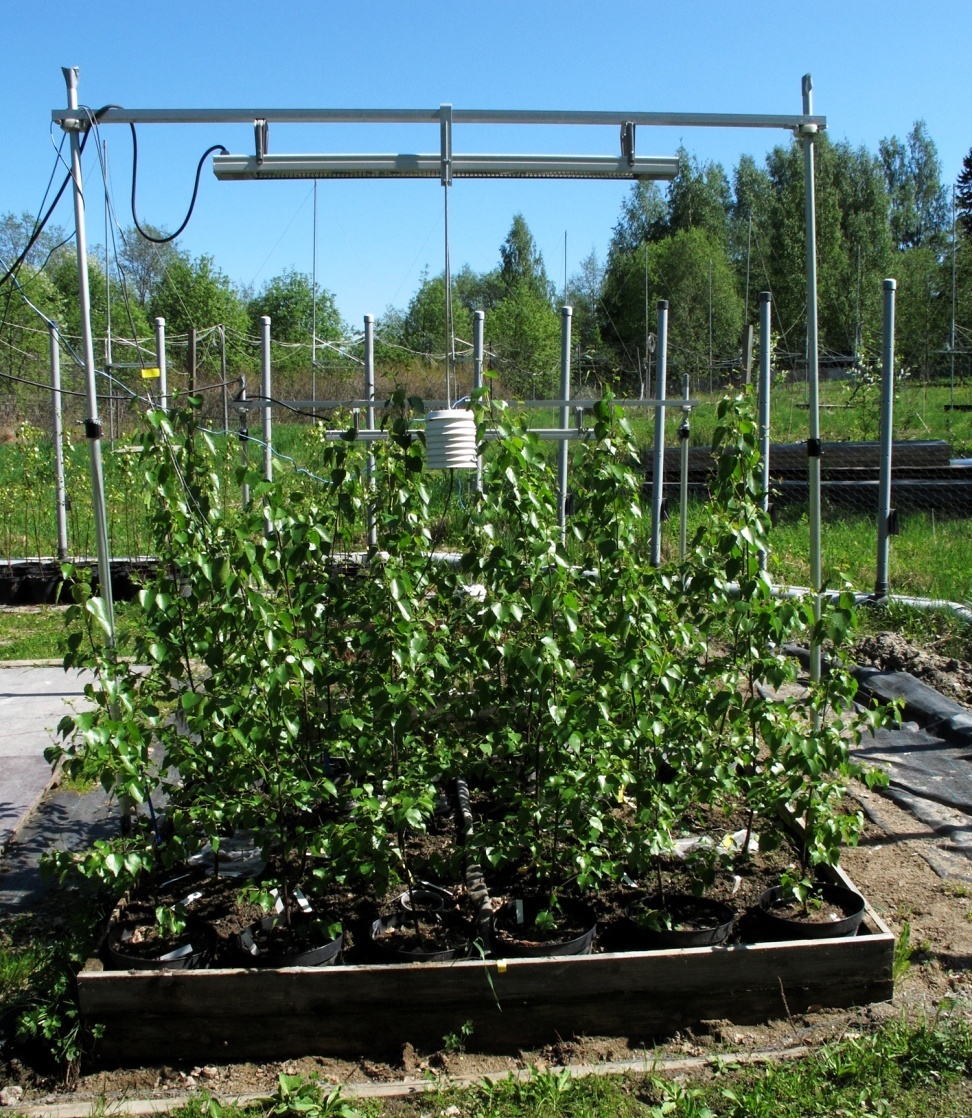
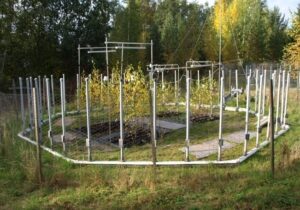
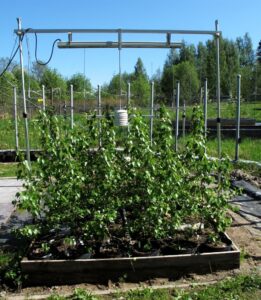
Climate change is no longer a distant problem, it’s happening right in our gardens. Plants are affected by small shifts in temperature, air pollution, and soil conditions. During my research, I studied Silver Birch to see how moderate warming (+0.9°C) and tropospheric ozone (the smog kind) affect plant growth.
Even though my work focused on birch, the lessons I learned apply to nearly every garden plant, from vegetables to shrubs and even trees. The key is genetics. Not all seeds are created equal.
Choosing the right seed can be the difference between a flourishing, resilient garden and one that struggles to survive summer heat or urban air pollution.
Why Genetics Matter More Than Species.
During my study, I compared two birch genotypes: gt14 and gt15. To most people, both trees looked identical. But under a small temperature increase of 0.9°C, the differences were dramatic. One genotype grew taller, produced more leaves, and handled stress better, while the other struggled.
The lesson: It’s not enough to buy seeds labeled “Tomato” or “Sunflower.” Look for cultivars or hybrids with specific traits.
How to choose the right seeds:
Avoid generic seeds: They are genetic mysteries.
Look for named cultivars or F1 hybrids: Bred for traits like heat tolerance, vigor, and disease resistance.
Check the seed’s origin: Seeds grown in slightly warmer climates are often better prepared for heatwaves.
Even a small difference in genetics can make a huge difference in survival and productivity.
Ozone: The Invisible Threat
Many urban and suburban gardeners don’t realize that air pollution, specifically Tropospheric Ozone, can silently damage plants. This ozone is found near highways and cities and is different from the protective ozone layer high in the atmosphere.
Even when leaves look fine, ozone can:
Reduce stem thickness
Slow overall growth
Reduce biomass production
How to select ozone-tolerant plants
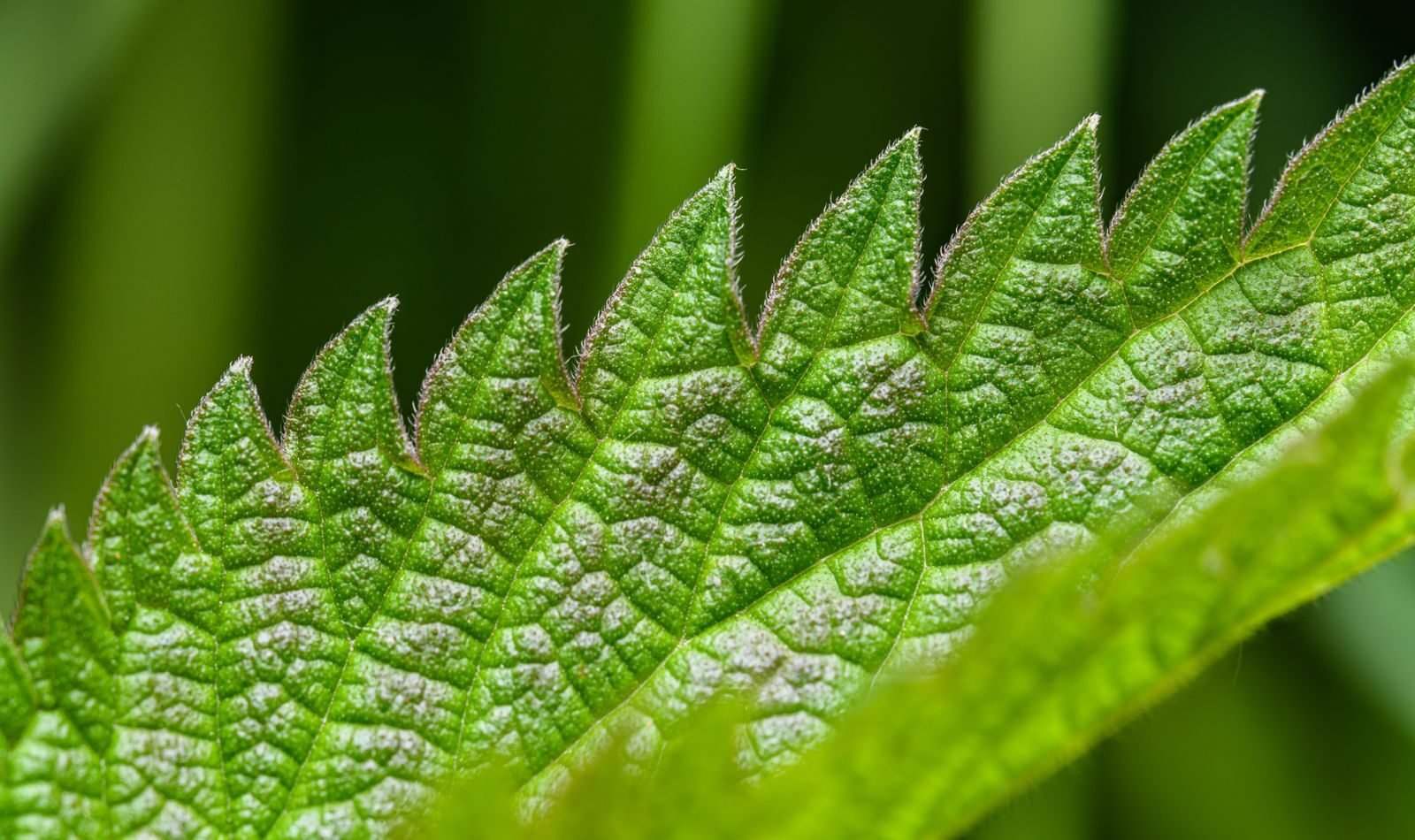
– Thick or waxy leaves: Plants like kale, succulents, or glossy-leaf shrubs naturally block ozone from entering their leaves.
– High-antioxidant varieties: Purple carrots, dark basil, red cabbage, and other deep-colored plants are better equipped to neutralize oxidative stress.
By choosing plants adapted to ozone stress, you protect their growth and improve your garden’s overall resilience.
Roots Matter: Soil Respiration and Health
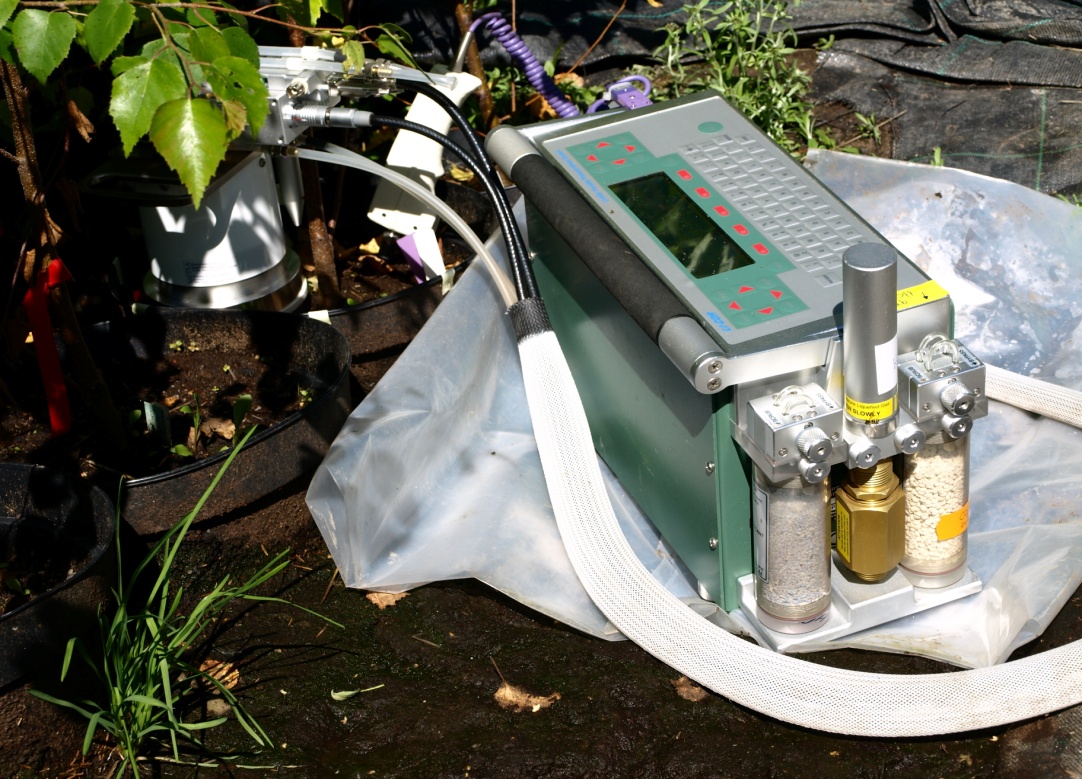
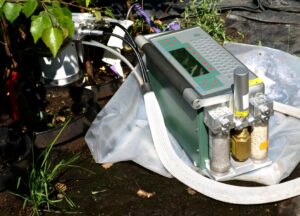
Soil isn’t just dirt, it’s alive. In my research, I measured Soil Respiration using a Licor soil CO₂ flux system. Even a small temperature increase caused soil to release 24–36% more CO₂, reducing nutrients and moisture for plants.
How to choose plants for healthy soil
– Taproot crops: Daikon radish, alfalfa, heirloom tomatoes. Reach cooler, moister soil layers.
– Cover crops: White clover or vetch act as living mulch, shading the soil and slowing carbon loss.
Strong roots improve soil structure and help your garden thrive long-term.
Take Advantage of Mid-Summer Growth
In my data, plants grew fastest in mid-July, showing almost a 9% increase in height. This is a “thermal window” where plants can thrive if they are healthy enough to handle heat.
How gardeners can ride the growth wave.
– Choose early or mid-season varieties: Plants with fast early growth build large leaves before the hottest period.
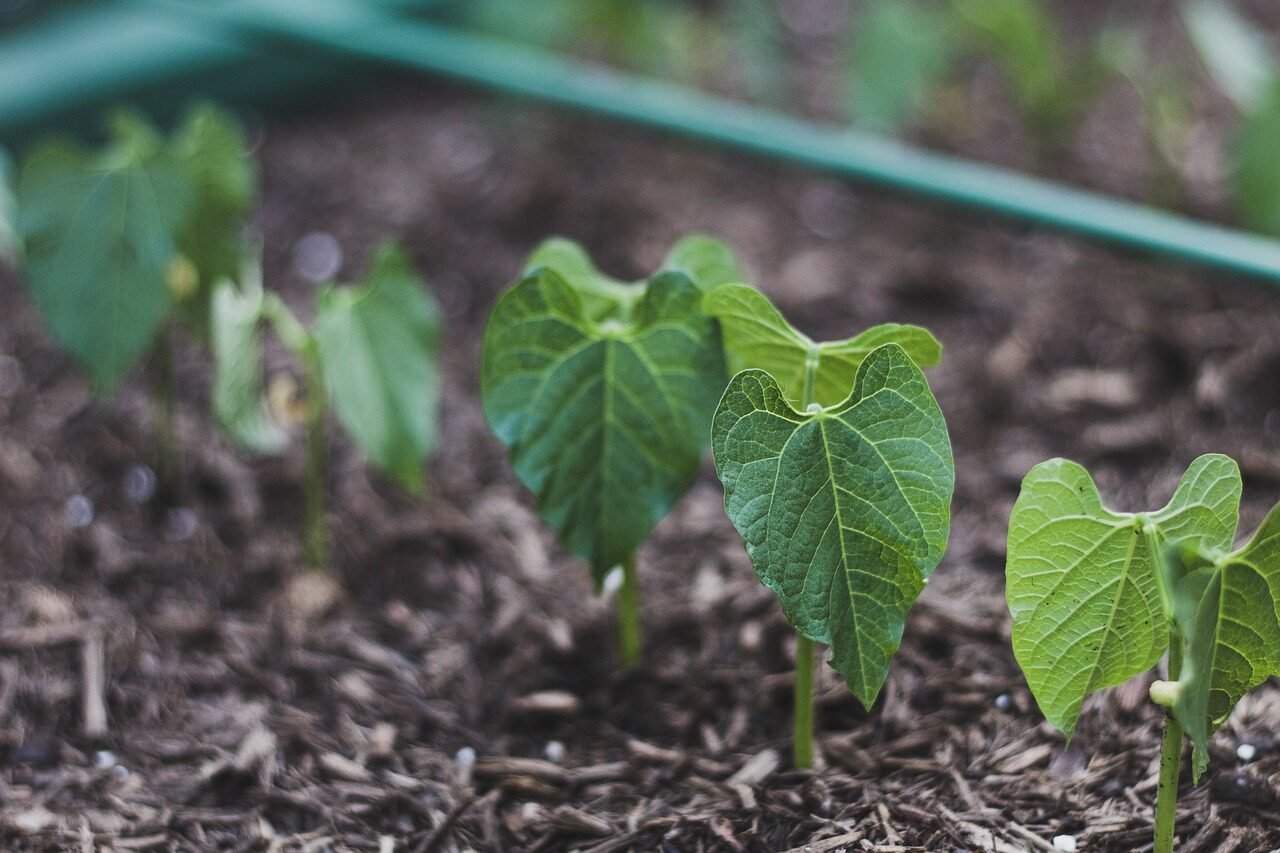
– High seedling vigor: Ensures plants make the most of summer warmth.
– Pelleted seeds: Some seeds come with a nutrient coating to give seedlings a strong start.
Timing your plant growth with the thermal window maximizes leaf area, photosynthesis, and fruit production.
Simple Seed Checklist
Before buying seeds, ask yourself:
Is the plant heat-tolerant or slow to bolt?
Does it have antioxidants or dark pigments for ozone protection?
Will it develop deep roots for soil health?
Is the cultivar name clearly listed?
Never buy anonymous seeds, you want plants with proven genetics.
Browse SeedsNow’s Non-GMO Seed Range →
Recommended Climate-Resilient Plants
Heat-tolerant vegetables:
Cherokee Purple Tomato – Heirloom, deep roots, heat-resistant
Early Girl Tomato – Rapid early growth, ideal for summer heat
Ozone-tolerant vegetables:
Purple Dragon Carrot – High in antioxidants
Red Russian Kale – Thick, durable leaves
Soil-friendly, deep-rooted crops:
Miyashige Daikon Radish – Strong taproot
Trifolium repens – Living mulch, nitrogen fixer
This list can be adapted based on your region and garden conditions.
Summary
Climate change is happening in your garden right now, and choosing the right seeds is the first step toward a resilient, thriving landscape.
While my research focused on Silver Birch, principles like selecting climate-adapted genetics, protecting against ozone, and planting for soil health apply to nearly all plants.
By applying these science-backed strategies, you aren’t just gardening, you’re conducting a small experiment in climate adaptation, helping your garden thrive today and adapt for tomorrow.
FAQs: Climate-Proof Gardening
My research was on birch. Can these tips work for vegetables?
Yes! The lessons about genotypes, heat tolerance, ozone resilience, and root health apply to vegetables, shrubs, and trees.
What is a genotype, and why does it matter?
A genotype is the plant’s genetic makeup. Different genotypes of the same species can respond very differently to heat, pollution, or drought. Choosing the right genotype ensures better growth and survival.
How can I tell if a plant is ozone-tolerant?
Look for thick, waxy, or glossy leaves and deep-colored vegetables rich in antioxidants like purple carrots or dark basil.
What are taproots, and why are they important?
Taproots are long, deep roots that reach cooler soil layers. They stabilize soil, improve water access, and help plants survive heat and drought.
Can cover crops really help my garden?
Yes! Cover crops like white clover or vetch act as living mulch, protecting soil, lowering surface temperature, and reducing carbon loss from soil respiration.
Should I only buy pelleted seeds?
Pelleted seeds are optional. They contain a small nutrient boost, helping seedlings grow quickly and strongly.