

This article was written and reviewed by Serge, MSc. I hold degrees in Plant Biology, Environmental Biology and Biogeochemistry, with research experience in plant physiology, ecosystem science, and field-based environmental studies. Every article on this site is grounded in real academic training and genuine scientific research.
Affiliate disclosure: This site has affiliate links, including Amazon. As an Amazon Associate I earn from qualifying purchases, at no extra cost to you.
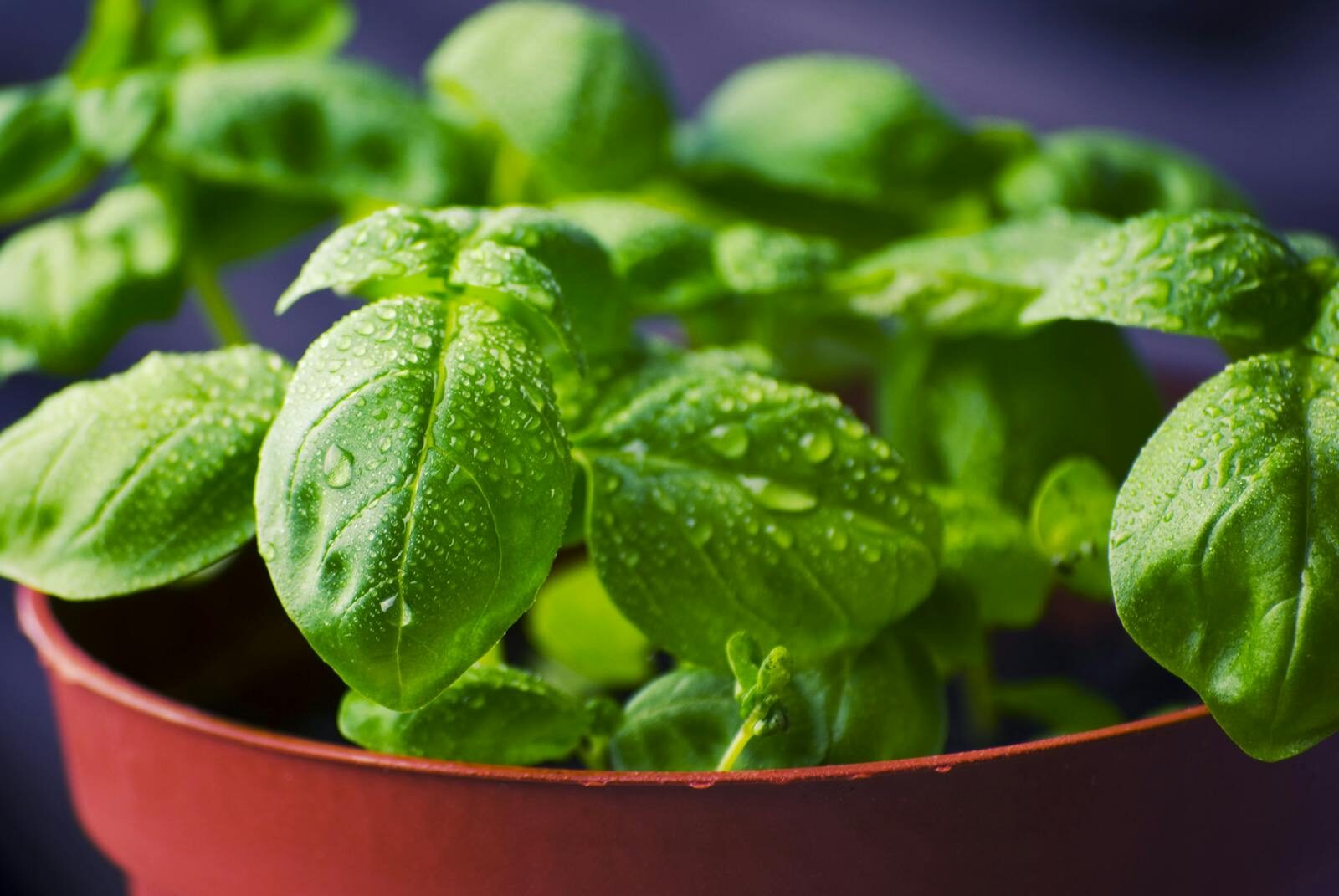
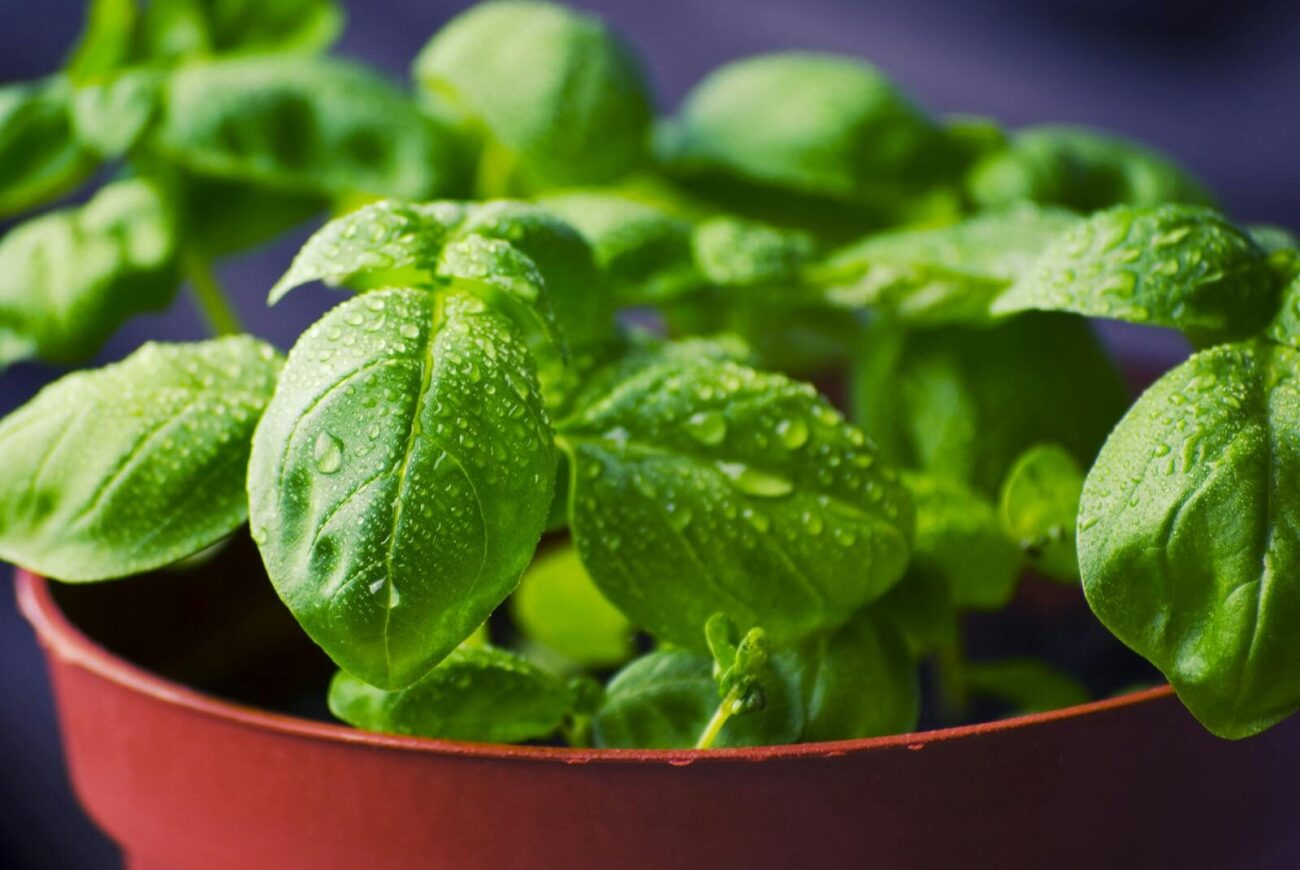
Basil (Ocimum basilicum) is a fragrant and useful herb that grows well both indoors and outdoors. It is usually easy to grow, but to get big, healthy, and flavorful leaves, you need to understand how the plant grows, what it needs, and how it reacts to small changes in its environment.
In this article, I will guide you on how to plant basil, take care of it, water it, fertilize it, prune it, propagate it, and manage pests, all with simple scientific explanations.
Understanding Basil Growth
Basil (Ocimum basilicum) is a sun-loving, warm-season herb that grows best in temperatures between 20–28°C. Frost or long periods of cold can slow its growth or even kill seedlings, so it’s important to plant basil when the weather is warm.
The size of the leaves, the aroma, and the amount of essential oils in basil depend on sunlight, water, and nutrients. Plants grown in bright light with steady moisture and good soil usually develop larger, more fragrant leaves.
Interestingly, mild stress can sometimes improve flavor. For example, giving the plant slightly less water or letting it get a little more sunlight than usual can increase the production of aromatic compounds, making the leaves more flavorful.
This shows that basil responds to its environment, and careful attention to growing conditions can help gardeners grow healthy, tasty, and aromatic plants.
Growing basil from seed is very rewarding, and a few simple steps can help you succeed:
Seed Selection: Choose good-quality seeds from a trusted source. Popular types include Genovese, Thai, Lemon, Holy, and Cinnamon basil, each with its own flavor and growth style.
Soil Preparation: Use well-draining, nutrient-rich soil with some organic compost. Basil seeds need light to sprout well.
Sowing: Scatter the seeds thinly and cover them lightly with about ¼ inch of soil. Keep the soil evenly moist but not waterlogged.
Germination: Seeds usually sprout in 5–10 days when kept warm, around 20–25°C.
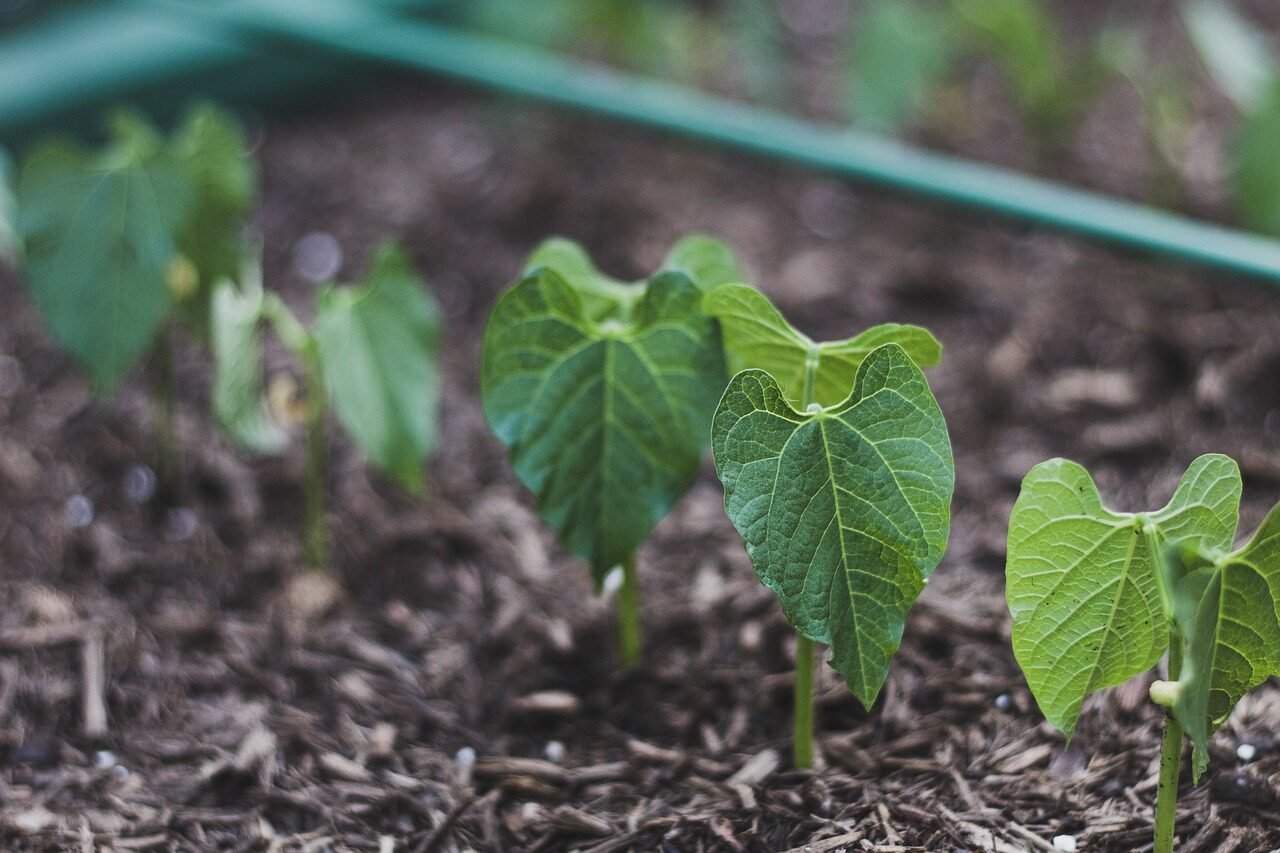
Thinning Seedlings: When seedlings have 2–3 true leaves, thin them to 3–4 inches apart. This gives the plants room to grow and good airflow.
Transplanting: Move the seedlings to pots or garden beds once they have 4–6 true leaves, spacing them 6–12 inches apart.
Growing Basil Seedlings and Young Plants
Starting with young plants accelerates harvest and ensures healthier growth:
Location: Full sun, or 6+ hours of light daily; partial shade tolerable.
Soil: Enriched with organic compost, well-draining. Avoid waterlogged or heavy clay soils.
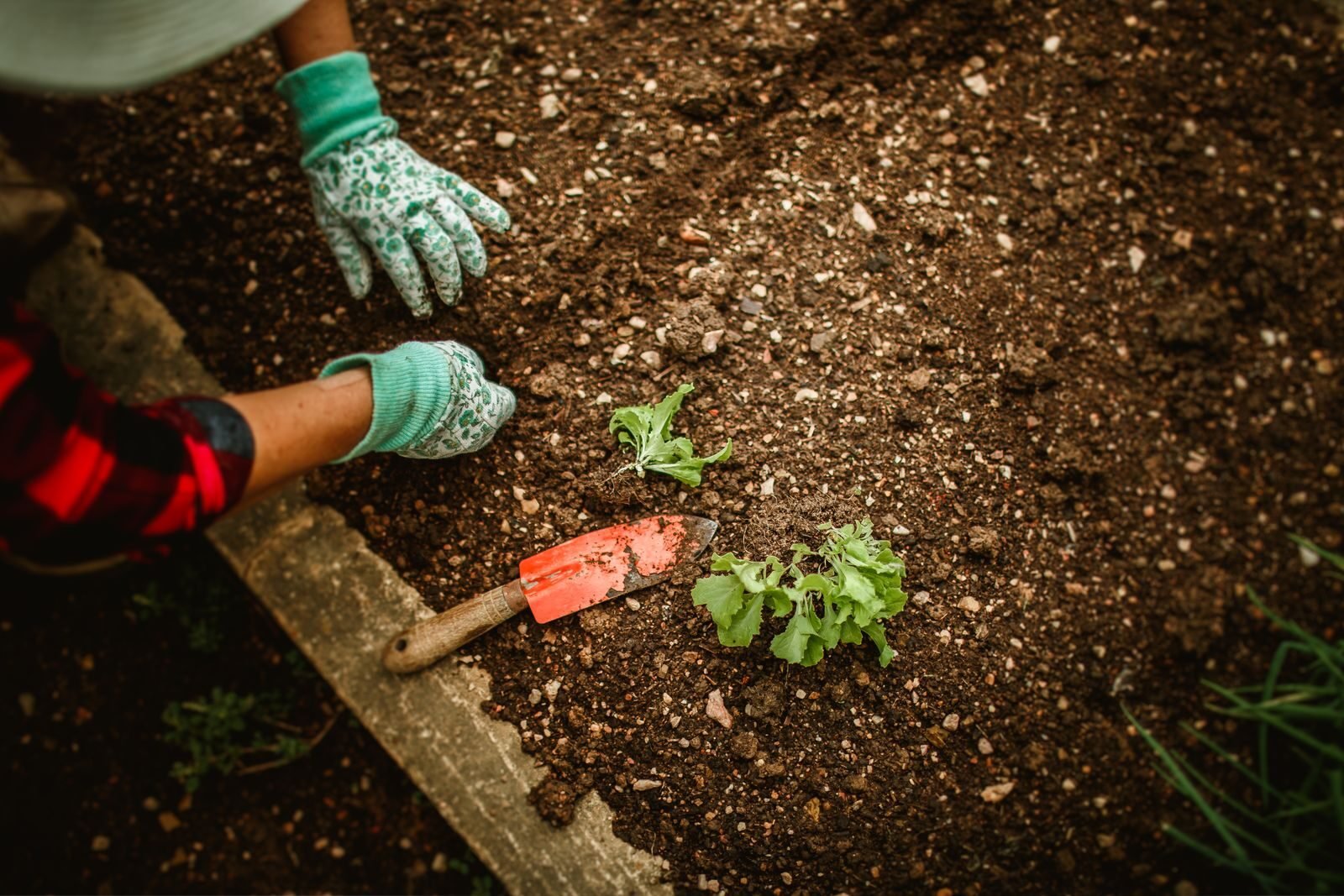
Planting: Place the seedling upright, keeping the root collar slightly above soil surface. Firm gently and water thoroughly.
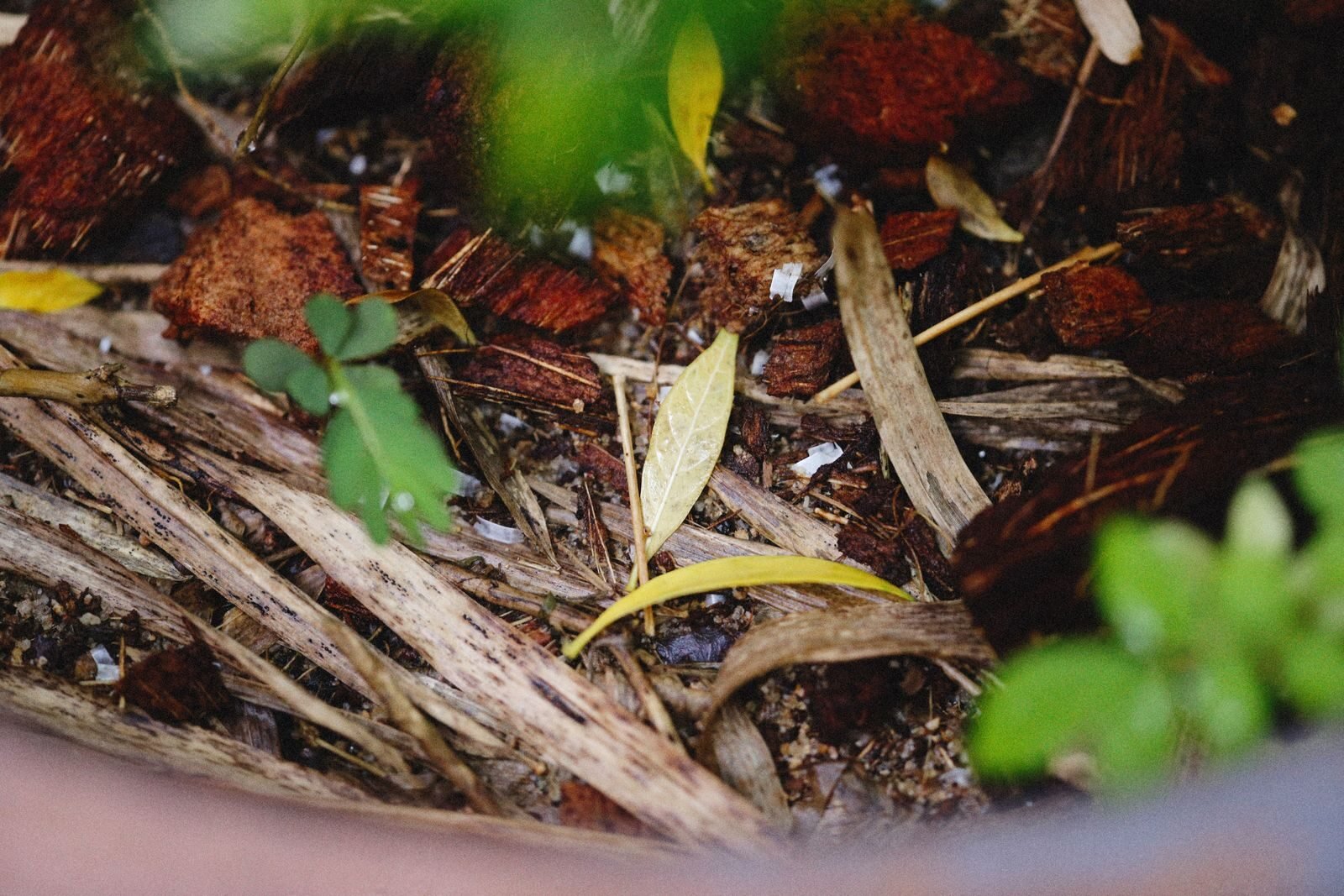
Mulching: Apply a thin layer (~2 inches) to conserve moisture, regulate temperature, and suppress weeds.
Rarely, I noticed that planting seedlings too deep or disturbing roots excessively delays leaf expansion, something I confirmed during my plant growth experiments.
Watering and Moisture Management
Basil needs consistent moisture, especially when the plants are young and still establishing roots. Young basil plants rely on steady water to develop strong, healthy roots and lush leaves. Keeping the soil evenly moist helps the plant grow well and resist stress.
Water deeply about once or twice a week, depending on the weather. Deep watering encourages the roots to grow downward into the soil, making the plant stronger and more drought-resistant. Frequency depends on temperature, rainfall, and soil type, so always check that the soil is moist but not soggy.
Avoid frequent shallow watering, because deep watering helps the roots grow strong. Shallow watering only wets the top layer of soil, which encourages weak, surface roots. Strong, deep roots allow the plant to access nutrients and water more efficiently, producing healthier, larger, and more flavorful leaves.
Containers dry out faster than garden beds, so water more often if needed. Pots lose water quickly through drainage and evaporation, especially in warm weather. Check the soil regularly, and increase watering frequency when the top inch feels dry. This keeps container-grown basil thriving and prevents wilting.
Extra tip: Small changes in moisture can sometimes make basil leaves more flavorful and aromatic. Mild stress, like slightly drier soil, can increase essential oils and aromatic compounds in the leaves. Avoid overwatering, though, because too much water can cause root rot or fungal infections, which damage growth
Fertilization: Optimizing Growth and Flavor
At planting: Incorporate slow-release organic compost or manure.
During growth: Apply liquid fertilizers (kelp meal, seaweed extract) monthly to support leaf growth and essential oil production.
Avoid excessive nitrogen, which can produce weak, leggy plants with less concentrated flavor.
Rarely, what I observed during my experiments is that balanced nutrition promotes leaf density and enhances essential oils, even under moderate environmental stress.
Pruning and Harvesting Basil
Pruning encourages branching, bushiness, and flavor concentration:
-
Pinch tops of seedlings at 6 inches to stimulate lateral growth.
-
Remove flower buds to prevent leaves from becoming bitter.
-
Harvest regularly, taking the upper 2–3 leaf pairs, leaving the lower leaves to continue growth.
Rarely, over-pruned plants temporarily slow growth, but soon develop more aromatic leaves, a phenomenon I confirmed in controlled plant physiology studies.
Propagating Basil from Cuttings
Propagation allows gardeners to expand plants rapidly:
-
Cut 3–4 inch stems below a leaf node.
-
Remove lower leaves, leaving the top 2–3 leaf pairs.
-
Place in water until roots reach ~1 inch, then transplant to soil.
Rarely, stagnant water may cause rooting failure; refreshing water daily ensures success.
Environmental Stress Considerations
-
Light: Full sun promotes leaf density and essential oils.
-
Temperature: Optimal 20–28°C; protect seedlings from frost.
-
Soil: Well-draining, slightly acidic to neutral (pH 6–7).
-
Water: Maintain consistent moisture without waterlogging.
-
Wind: Young plants may need shelter from strong winds.
Note: Mild stress in light, temperature, or moisture can enhance aromatic compound concentration, a principle I observed during my plant studies. Excessive stress, however, reduces leaf size and vigor.
Pest and Disease Management
Common issues:
-
Aphids and whiteflies: Treat with insecticidal soap or companion planting.
-
Downy mildew or fungal diseases: Ensure proper spacing, avoid overhead watering, and improve air circulation.
-
Slugs and snails: Handpick or use organic deterrents.
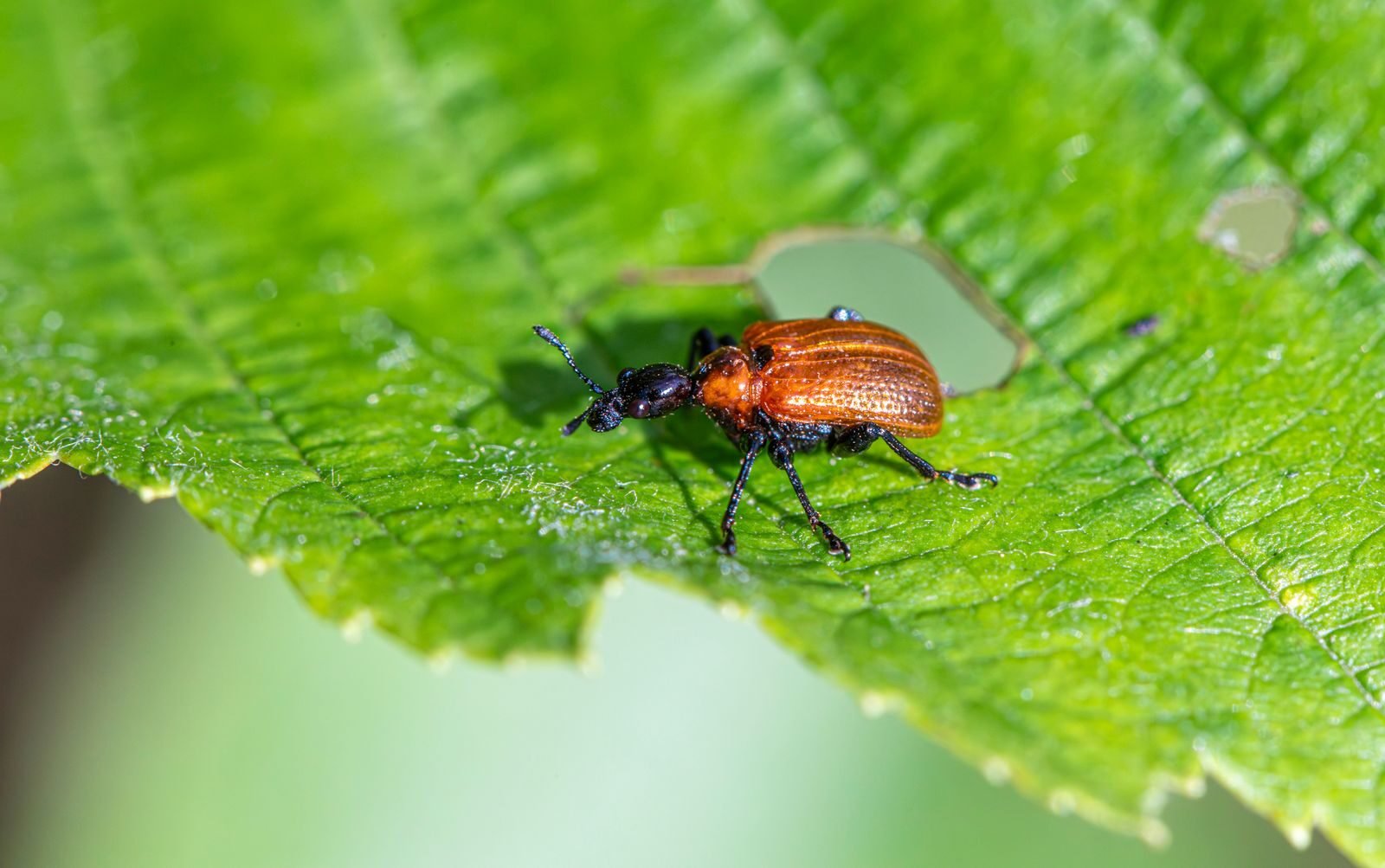
Rarely, basil grown in microbially active soil resisted pests more effectively, reflecting my observations from plant-soil interaction studies.
Growing Basil in Containers
Container-grown basil is ideal for indoors or small patios:
-
Container size: 6–10 inches deep with drainage holes.
-
Soil: Loamy potting mix with compost and perlite.
-
Watering: Containers dry faster; monitor soil frequently.
-
Fertilization: Monthly liquid feeding for continuous growth.
Conclusion
Basil is a fragrant, versatile, and rewarding herb that grows well when given the right care. By following simple, science-backed practices, planting correctly, watering consistently, fertilizing wisely, pruning regularly, and managing pests, you can grow healthy, flavorful plants.
Even small changes in conditions, like slightly less water or more sunlight, can sometimes enhance the aroma and taste of the leaves without harming growth. Paying attention to soil, light, and water helps basil thrive while producing lush, aromatic, and delicious leaves for cooking or fresh use.
With consistent care and attention to the plant’s needs, anyone can cultivate basil that is productive, tasty, and highly aromatic, making it a favorite for gardens, kitchens, and containers alike.
FAQs
How often should I water basil?
Deeply once or twice a week, adjusting for container or garden soil.
Can I grow basil indoors year-round?
Yes, with sufficient light (LED or window), nutrients, and moisture.
How do I prevent early flowering?
Pinch flower buds regularly; maintain balanced nutrition.
What soil is best?
Well-draining, nutrient-rich soil, slightly acidic to neutral (pH 6–7).
How do I propagate basil easily?
Stem cuttings root quickly in water or moist soil.
How can I maximize flavor?
Full sun, proper pruning, moderate stress, and balanced nutrients improve essential oil content.