



This article was written and reviewed by Serge, MSc. I hold degrees in Plant Biology, Environmental Biology and Biogeochemistry, with research experience in plant physiology, ecosystem science, and field-based environmental studies. Every article on this site is grounded in real academic training and genuine scientific research.
Affiliate disclosure: This site has affiliate links, including Amazon. As an Amazon Associate I earn from qualifying purchases, at no extra cost to you.
Are Those Spots on Your Plant’s Leaves Really Ozone Damage, or Something Else Entirely?
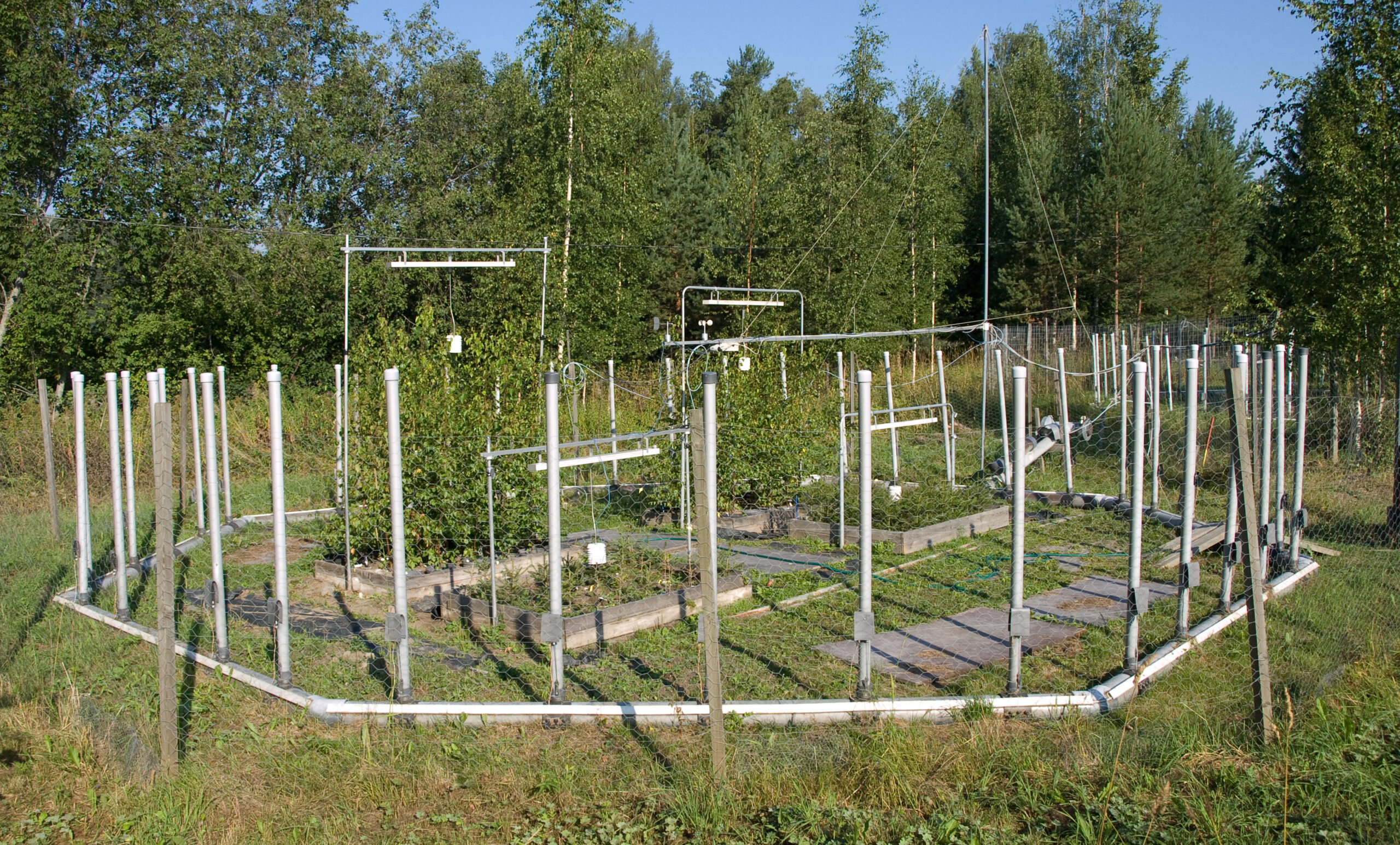
I have spent real time around ozone, not just reading about it. During my research I worked on an open-air field experiment where silver birch trees were exposed to raised ozone, and I measured what happened to their growth above and below ground. That is why I get a little impatient when I see how ozone is described online.
Some pages make it sound like an invisible poison that kills every garden plant. Others never mention it at all, so people blame a leaf problem on mites or bad watering when the real cause may be the air.
So here is the clear version. Yes, ozone damages plants, and some plants are far more sensitive than others. But the damage is often smaller than people expect, it is easy to confuse with other problems, and the right question is usually not “is ozone bad?” but “is ozone what I am actually looking at?”
This article is about how I answer that question.
Does Ozone Damage Plants?
Yes. Ground-level ozone enters leaves through the same tiny pores plants use to take in carbon dioxide, and once it is inside it can harm the cells that carry out photosynthesis. In sensitive plants, enough ozone reduces photosynthesis and slows growth, and it can make the plant more vulnerable to disease, insects and other stresses.
Two words in that sentence matter: sensitive and enough. Not every plant reacts, and not every ozone day is a damaging one. In my own experiment, which I describe below, the effects on the trees I measured were small. That does not make ozone harmless. It means the real picture is more specific than the headlines.
What I Did With Ozone
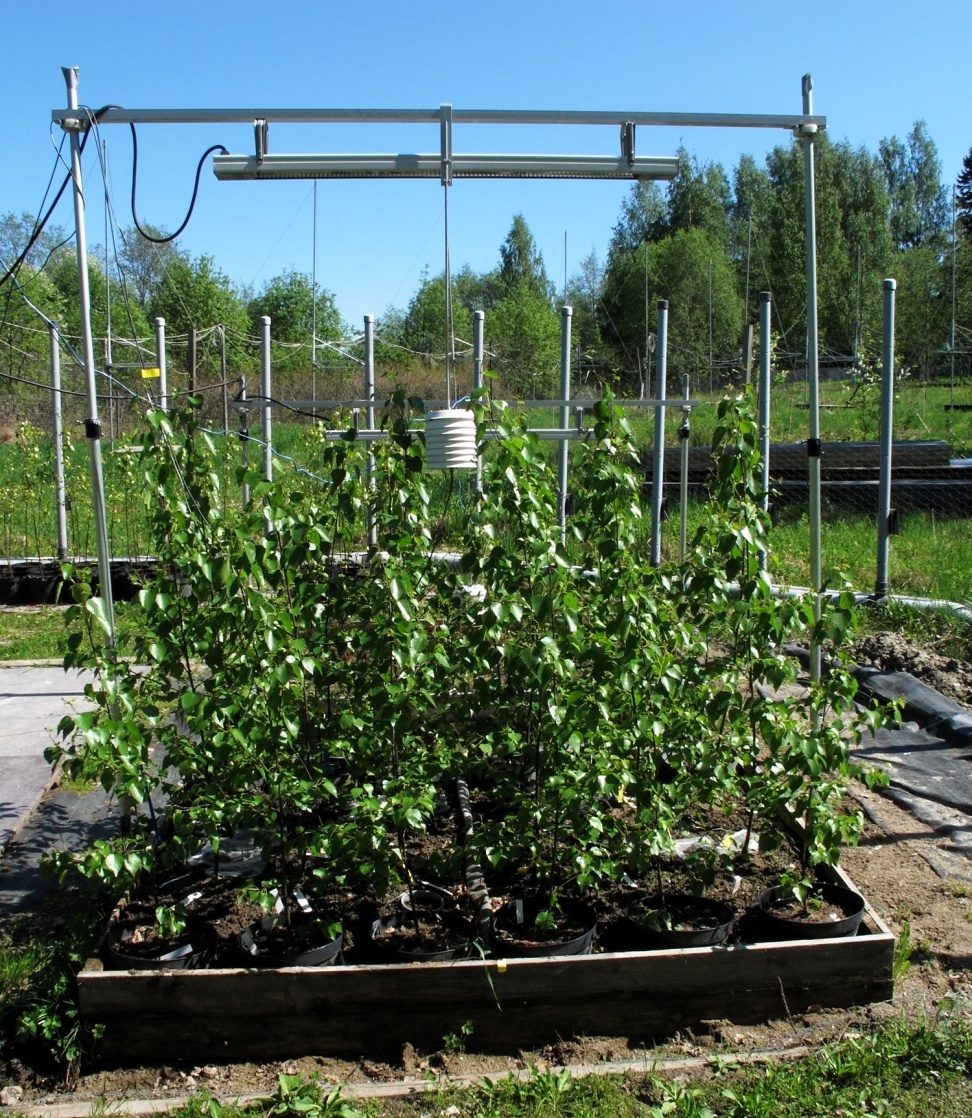
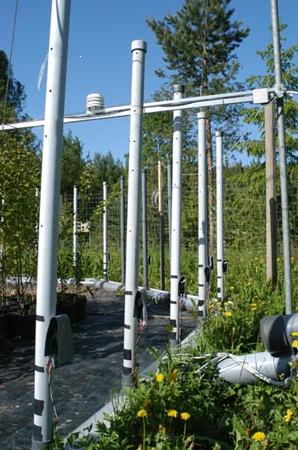
My research looked at how moderate warming and raised ozone affected two genotypes of silver birch, one genotype being a set of trees that are genetically identical to each other. The experiment ran outdoors, in the open air, not in a greenhouse.
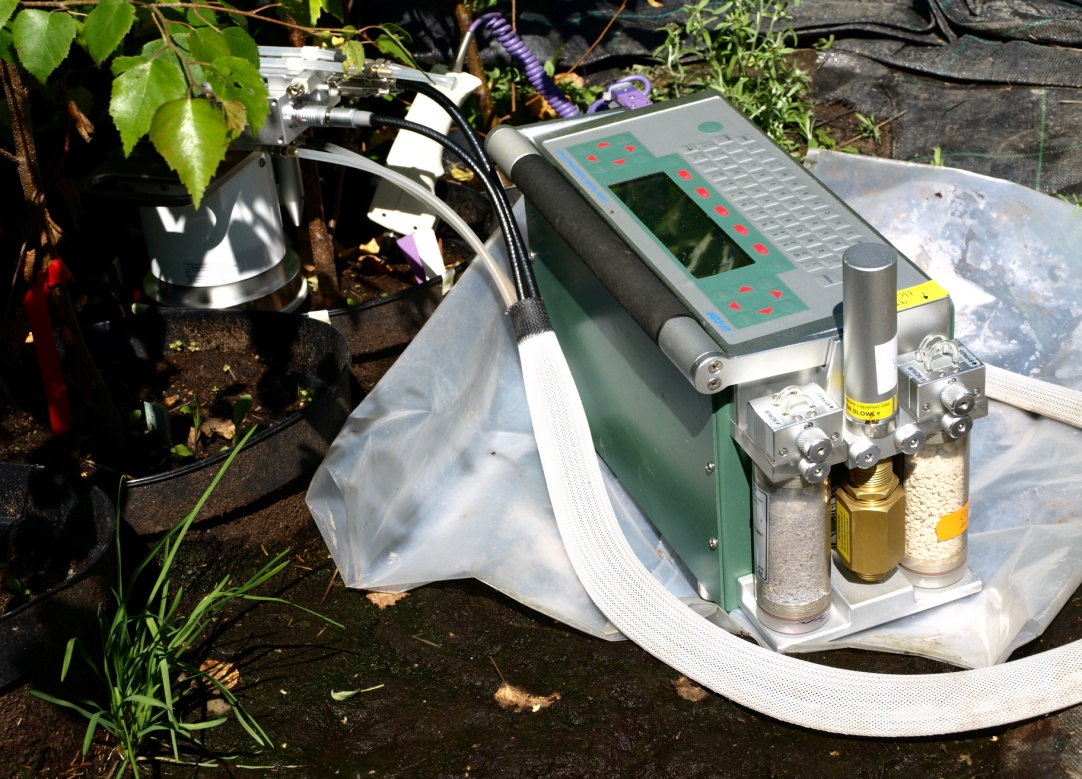
Ozone was raised to about 1.4 times the ambient level. Warming came from infrared heaters that raised the temperature by roughly 0.9°C. I measured stem height, stem diameter, leaf number and leaf area, and I measured soil CO₂ efflux (the carbon dioxide coming out of the soil) every month from June to September using a chamber system.
I wrote up the full results in my article on warming, ozone and soil respiration in silver birch, so I will not repeat the numbers here. What matters for this article is the main lesson. The ozone effects I measured on stem height and leaf production were generally minor, and they differed between the two genotypes. One genotype showed small shifts that the other did not. That taught me something I now apply to every garden problem: the same stress can look different in different individuals of the same species.
The training behind this was my study of air pollution damage in plants and my plant ecological stress physiology training. Between that training and the field work, I came away with a habit I still use: before I blame one cause, I ask what else could produce the same symptoms.
Good Ozone and Bad Ozone: Clearing Up the Confusion
A lot of people searching for ozone and plants end up reading about the ozone layer, so let me separate the two quickly. Here is the difference. Ozone high in the stratosphere is “good” because it forms a protective layer that shields living things from the sun’s ultraviolet rays. Ozone near the ground is “bad” because it harms health and the environment, and it is the main ingredient in smog.
This article is about the second kind, ground-level ozone. The ozone layer and the hole in it is a different topic and a different problem. If you arrived here wondering how ozone depletion affects plants, the short version is that it is not the same issue as the leaf damage I describe below, and it is not what harms the plants in your garden on a hot day.
Ground-level ozone is not released directly. It forms when nitrogen oxides and volatile organic compounds, which come from cars, power plants, industrial boilers, refineries and chemical plants, react in sunlight. That is why it is a summer problem and why it builds on hot, sunny days.
How Ozone Gets Into a Leaf
Leaves have small pores called stomata. They open so the plant can take in carbon dioxide for photosynthesis, and water vapour escapes through them at the same time. Ozone gets in through the same openings. Once inside, it damages the parts of the leaf cells that make sugars.
This explains something that surprises many gardeners. Damage depends less on how much ozone is in the air than on how much actually gets in, and that depends on whether the stomata are open.
Plants with smaller and fewer stomata are typically less susceptible, and plants with more antioxidants, such as vitamin C, are better protected. I explain how stomata respond to water stress in my article on how plants survive drought stress, and the same control system is at work here.
What Ozone Damage Looks Like on Leaves
When ozone injury becomes visible, it shows up on the leaves first. These are the typical signs, and this is the list I find most useful for gardeners:
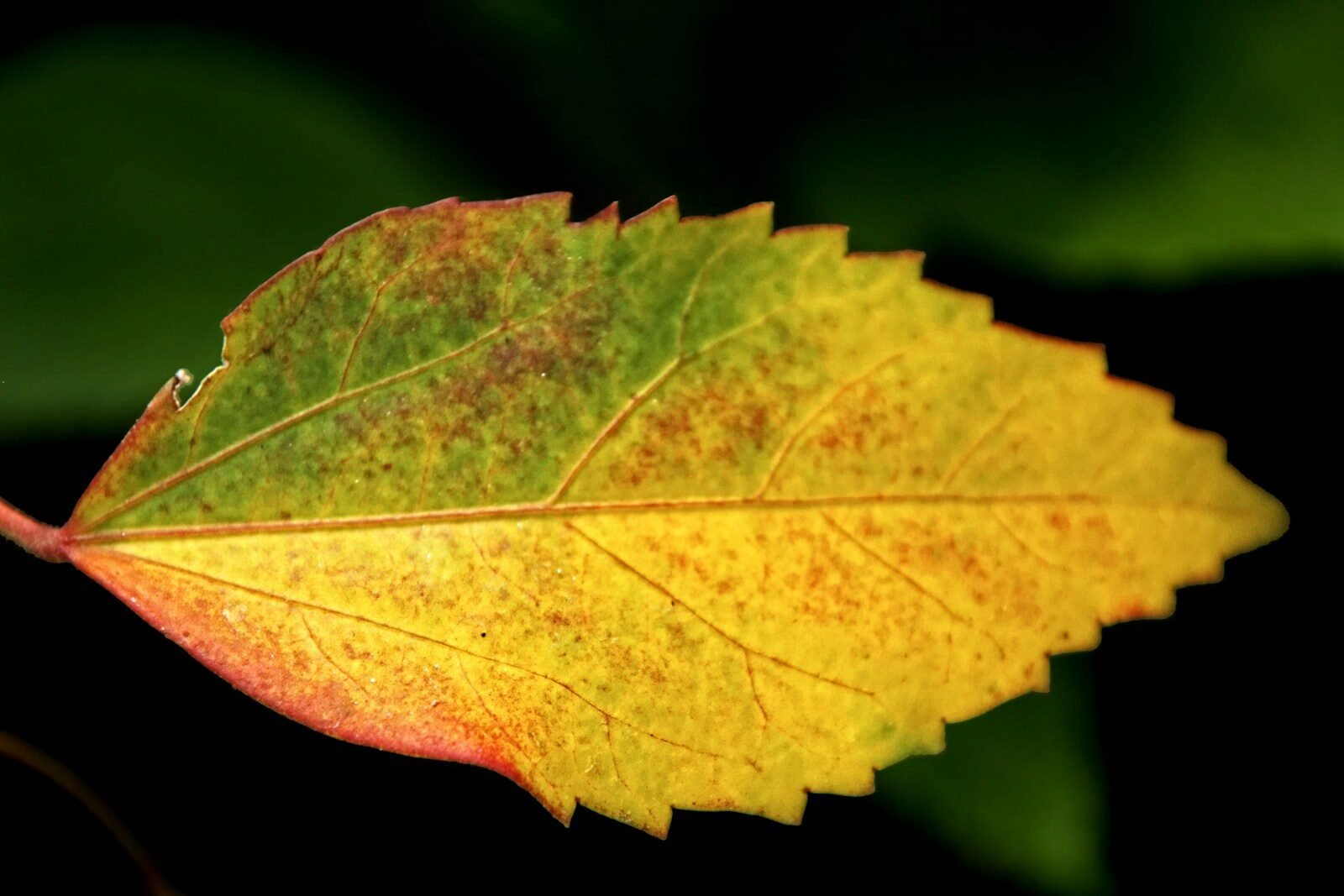
→ Stippling. Small, dark spots, roughly 2 to 4 millimetres across.
→ Flecking. Tiny, light tan spots, under 1 millimetre.
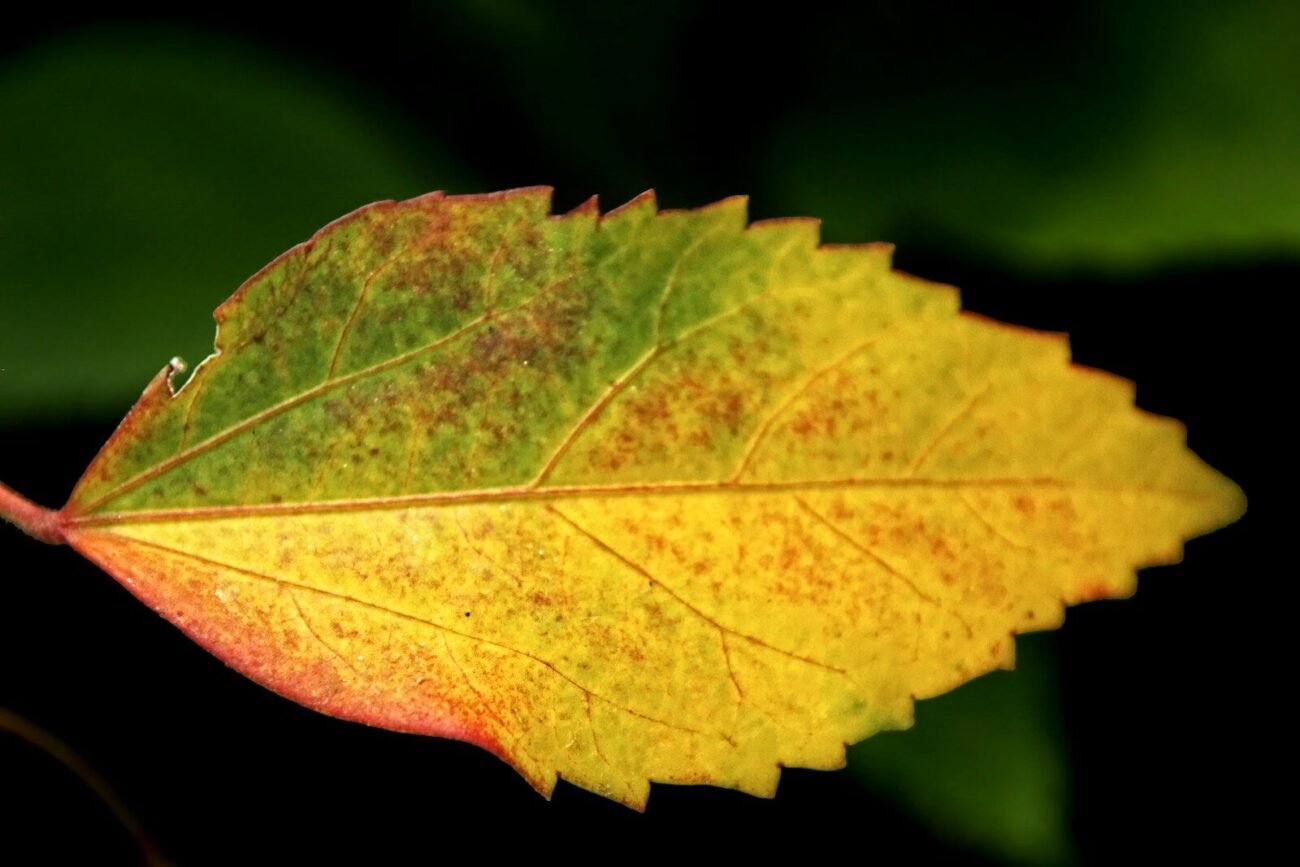
→ Bronzing. A metallic, coppery tint over part of the leaf.
→ Bleaching. Pale patches where the colour has gone.
→ Reddening. Red or purple patches on leaves that should be green.
→ Interveinal chlorosis and necrosis. Yellowing or dead tissue between the veins.
Two points help with diagnosis. First, the symptoms usually appear on older leaves first. Second, they are normally most visible on the upper leaf surface, although some plants, potatoes for example, can show them only on the underside.
What Ozone Damage Gets Mistaken For
This is the part I care about most. Spots on a leaf almost never come with a label. Ozone injury can look like disease, nutrient deficiency or pesticide damage. Beyond those, I check for a few more look-alikes, because these are the ones I see most often in gardens and on houseplants:
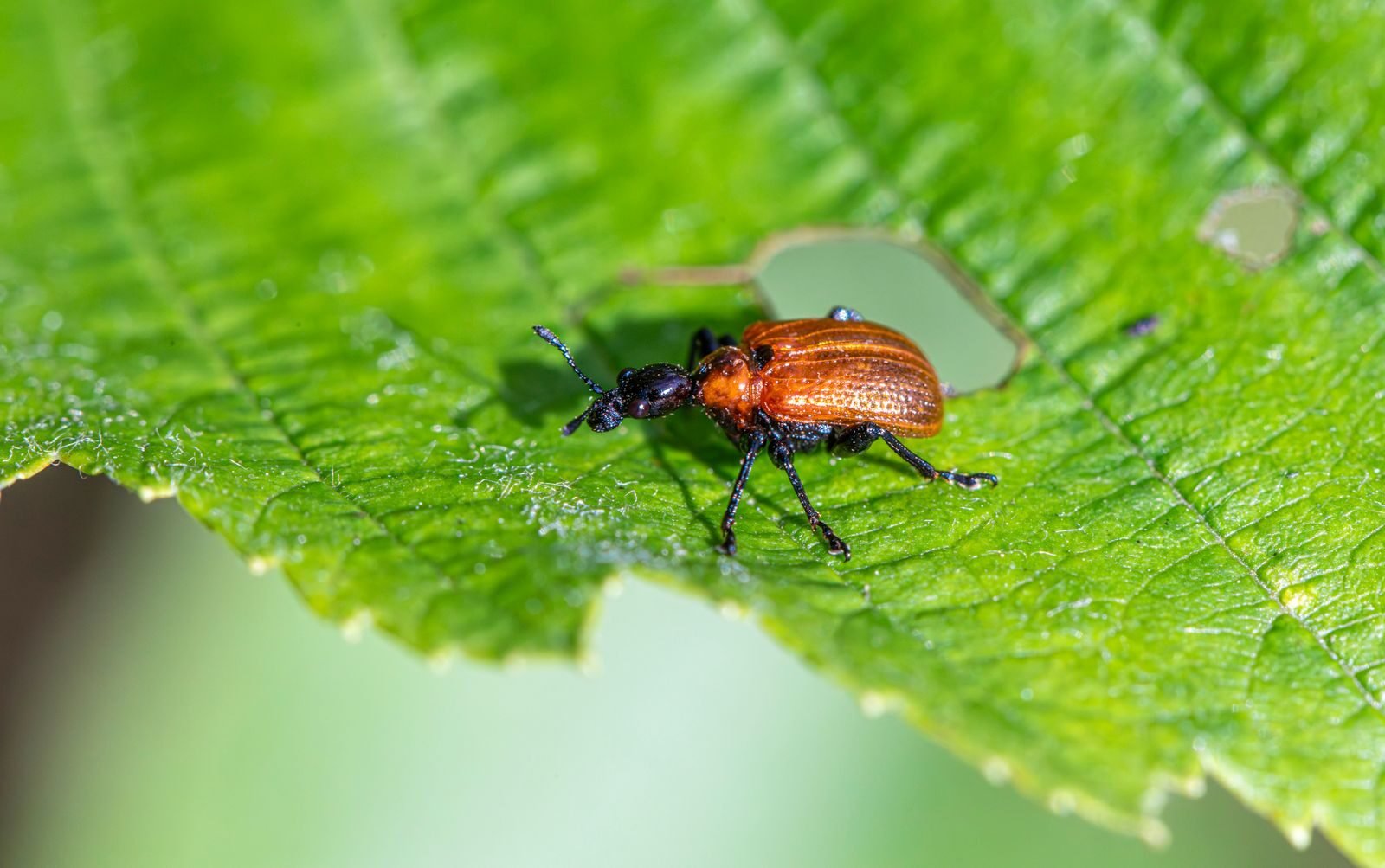
→ Spider mites. They cause fine stippling too. I look for the leaf underside, fine webbing and tiny moving specks.
→ Thrips. They leave silvery streaks and small dark specks.
→ Aphids. They suck sap, curl and distort new growth, and leave sticky honeydew on the leaves.
→ Powdery mildew. It starts as pale patches, but you can usually see or wipe off a powdery coating.
→ Brown tips and yellowing leaves, which usually come from watering, humidity or nutrients.
→ Overwatering and underwatering, which can leave patches on leaves long before the roots look bad.
→ Root rot. It starts below the soil but shows above it as yellowing, wilting leaves, even when the soil is wet.
My rule for separating these is to think about recent air quality, and to look at the pattern across several plants, especially across different varieties. A pest usually starts on one plant and spreads slowly. A nutrient problem follows the soil and the age of the leaf. If you suspect nutrients, test before you feed: I explain how in my guide on testing soil pH and nutrients properly, and in nutrients, pH and ion dynamics I show why pH decides which nutrients a plant can actually take up.
Ozone injury tends to show up on many plants in the same area at about the same time, most strongly on the sensitive ones, after a stretch of hot, sunny weather. I go through my full checklist in my guide on how to tell if your plants are stressed.
Which Plants Are Most Sensitive to Ozone?
Sensitivity varies a lot, which is why some plants are used as warning signs for ozone. Among trees, black cherry, tulip poplar, white pine, quaking aspen, ponderosa pine and red alder are often listed as sensitive. Tulip tree, also called yellow poplar, is a well-known example of a tree that shows ozone injury on its leaves.
In vegetable gardens, tomatoes, potatoes and cucurbits (the cucumber, squash and melon family) are among the most susceptible crops. If you grow them, my guides on growing tomatoes and growing cucumbers cover the other things that make their leaves look bad, so you can rule those out first.
When Is Ozone Highest?
Ground-level ozone is most likely to reach unhealthy levels on hot, sunny days. It can also reach high levels in colder months, and it is most likely in cities, but wind can carry it long distances, so rural gardens are not safe from it.
In practice it typically builds through sunny afternoons in summer. Concentrations of around 40 to 60 parts per billion have been linked to injury and yield loss in sensitive crops, which is a useful number to know if you check air quality readings.
If you want to know what the air is like where you live, check your local air quality report. I would look at it after a run of hot, sunny, hazy days, before assuming that new leaf spots come from something in your garden.
Why Watering Changes the Picture
This is where the stomata come back in. A plant takes in ozone when its stomata are open. When a plant closes its stomata under drought, that also helps protect it from ozone damage. The other side of that is easy to work out: a well-watered plant with open stomata is the one taking the most ozone in.
I do not take that as advice to stop watering on smog days. Closing stomata also cuts off the carbon dioxide the plant needs, as I explain in my article on drought stress, so a thirsty plant simply trades one problem for another.
What I do take from it is a better way to read the evidence. If the thirsty plants in a bed look fine and the well-watered ones are spotted, that pattern points toward ozone and away from a watering mistake. If you are unsure about your own watering, my guides on how to water houseplants and why overwatering kills plants help you rule that out first.
Can Ozone Kill Plants?
It can contribute, but it is rarely the only cause. The careful wording is this: ozone can reduce photosynthesis and slow growth, and it can make sensitive plants more vulnerable to disease, insects and other pollutants. That is a very different claim from “ozone kills plants”.
My own experience points the same way. In my experiment the effects on growth were modest, and they depended on the genotype. A plant that is already stressed by drought, heat, poor soil or pests has less to spare, and ozone can add to that load.
A healthy plant in clean soil usually copes. That is why I look at the whole plant, not just the leaf spots. If you want to understand how plants adjust to the conditions around them, I wrote about it in how plants adapt to their environment.
Will an Ozone Generator Kill Your Houseplants?
This question gets searched a lot, and it is worth answering directly. Ozone generators are sold as air cleaners and odour removers. Ozone can adversely affect indoor plants. At concentrations that are safe for people, ozone has little ability to remove indoor air contaminants, and it does not effectively remove viruses, bacteria or mold. In tests of large units in small rooms, ozone levels have reached well above health standards.
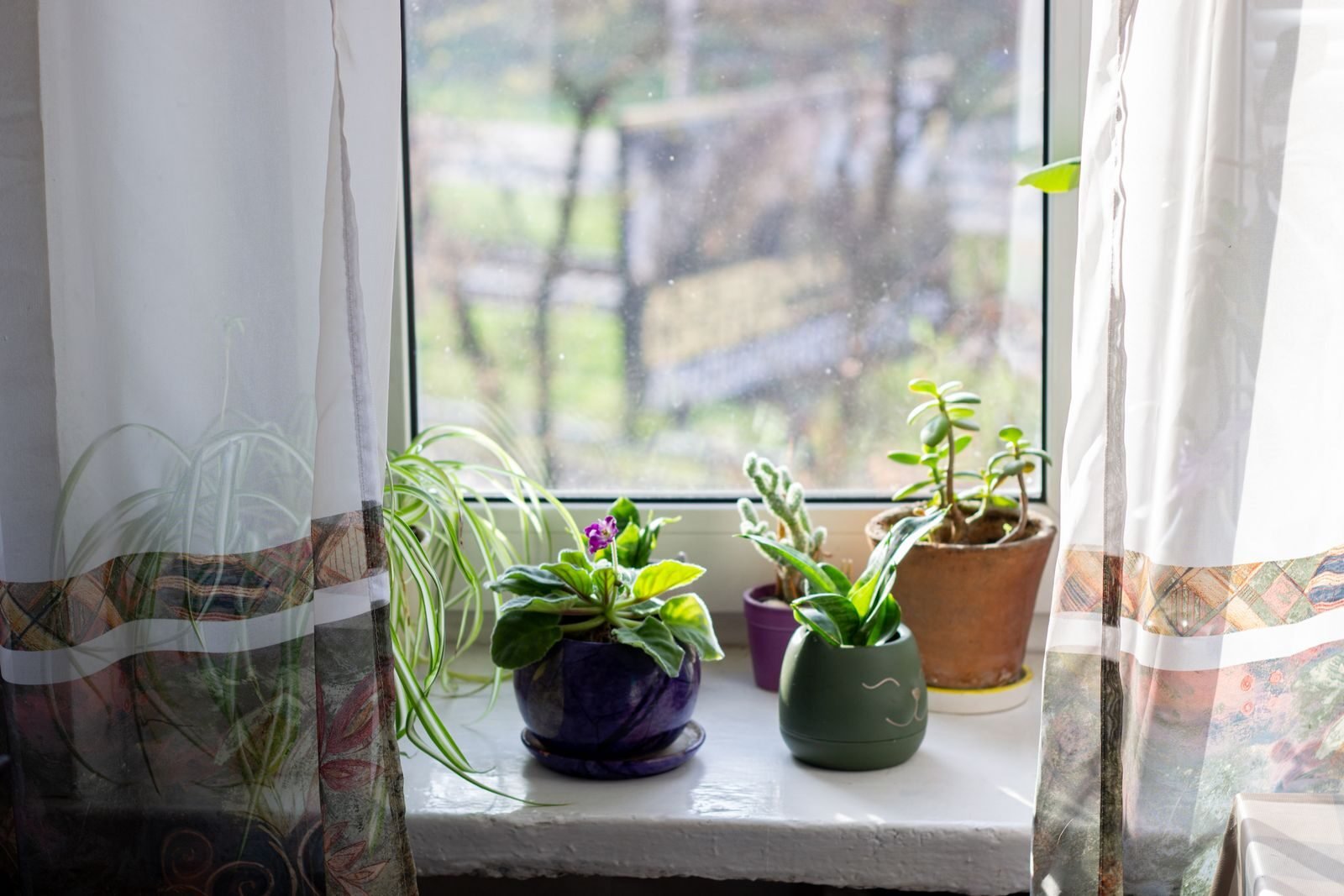
From a plant scientist’s point of view, the answer is simple. If you want to protect your plants, do not run an ozone generator where they live. The leaf is built to let gas in, and it cannot tell clean air from ozone-rich air. If your concern is a damp, musty smell or mold on the soil, I would deal with the cause directly.
My article on mould on houseplant soil covers that, and my piece on which indoor plants are best for oxygen and air quality looks at what plants actually do for indoor air.
What I Do in Practice When I See Leaf Spots
Here is the order I follow, and it is the same whether the plant is in a garden or on a shelf:
→ Look at where the spots are. Upper surface and older leaves first points toward ozone. Underside points toward mites or thrips.
→ Look at the pattern. Many different plants affected at the same time, mainly the sensitive ones, points toward the air. One plant points toward a pest or a care problem.
→ Check the weather and the air. Was there a hot, sunny, hazy stretch? What did the air quality readings say?
→ Rule out the common culprits. Pests, watering, nutrients, disease. I link these above because they are far more common than ozone in most gardens.
→ Keep notes. I write down the date, the weather and which varieties are affected. I also note which varieties show fewer symptoms, so I can choose less susceptible ones later.
→ Do not overreact. A few spots on older leaves rarely mean a plant is in danger. I only worry when new growth is affected or when the plant is also stressed in other ways.
That habit comes straight from my research. In the field you cannot see inside a plant, so you learn to read patterns instead of single symptoms. It works just as well in a vegetable bed.
What Ozone Taught Me About Plants
The biggest lesson was not about ozone itself. It was about how plants respond to stress in general. The two birch genotypes in my experiment did not react the same way, and warming and ozone did not simply add together. Sometimes one eased the other. That is why I am wary of any article, including some of the ones I read when I started, that gives a single neat cause for a leaf problem.
If you want the broader picture of how plants work, my introduction to plant biology is a good place to start, and my plant science hub collects the rest. Ozone is one of many pressures on a plant, and if you are curious how pressures like this add up beyond a single plant, I look at that in what causes imbalance in ecosystems. Seeing it clearly, without exaggerating it or ignoring it, is part of reading a plant well.
Common Questions About Ozone and Plants
Does ozone damage plants?
Yes, but mainly sensitive ones, and the damage depends on how much ozone actually enters the leaves. It can reduce photosynthesis and slow growth. In my own experiment the effects were small and differed between genotypes.
Can ozone kill plants?
It can contribute to a plant’s decline, especially when the plant is already stressed, but it is rarely the only cause. Healthy plants usually cope with moderate ozone.
What does ozone damage look like on leaves?
Typical signs are small dark spots (stippling), tiny pale flecks, bronzing, bleaching, reddening and yellowing between the veins. They usually appear on older leaves first and on the upper surface.
Which plants are most sensitive to ozone?
Among trees, black cherry, tulip poplar, white pine, quaking aspen, ponderosa pine and red alder are listed as sensitive. Among vegetables, tomatoes, potatoes and the cucumber and squash family are among the most susceptible.
Is ground-level ozone the same as the ozone layer?
No. The ozone layer high in the atmosphere protects living things from ultraviolet rays. Ground-level ozone forms from pollution reacting in sunlight and is a harmful part of smog.
Will an ozone generator kill houseplants?
Ozone can harm indoor plants, so I would not run one where plants live. These devices also have little ability to clean indoor air at safe levels.
When is ozone worst for plants?
On hot, sunny, hazy days, especially in and near cities, and during the growing season. It builds from nitrogen oxides and other pollutants reacting in sunlight.
Do indoor plants give off oxygen at night?
Plants make oxygen only while they photosynthesise in the light. At night they use oxygen, as all living cells do, so the net effect on a room is small either way. I explain the difference in my guide to indoor plants and oxygen.
Summary
Ozone does damage plants, and sensitive species such as tomatoes, cucumbers and several trees show it most. The marks to look for are stippling, flecking, bronzing and bleaching, usually on the upper surface of older leaves, and usually after hot, sunny, hazy weather. But the same marks come from mites, thrips, mildew, watering mistakes and nutrient problems, and those are far more common in a home garden.
Check the pattern across plants, rule out the usual suspects, keep notes, and keep ozone generators away from your houseplants. That is how I read leaf damage, and it is what my time with ozone-exposed birch trees taught me.