


This article was written and reviewed by Serge, MSc. I hold degrees in Plant Biology, Environmental Biology and Biogeochemistry, with research experience in plant physiology, ecosystem science, and field-based environmental studies. Every article on this site is grounded in real academic training and genuine scientific research.
Affiliate disclosure: This site has affiliate links, including Amazon. As an Amazon Associate I earn from qualifying purchases, at no extra cost to you.
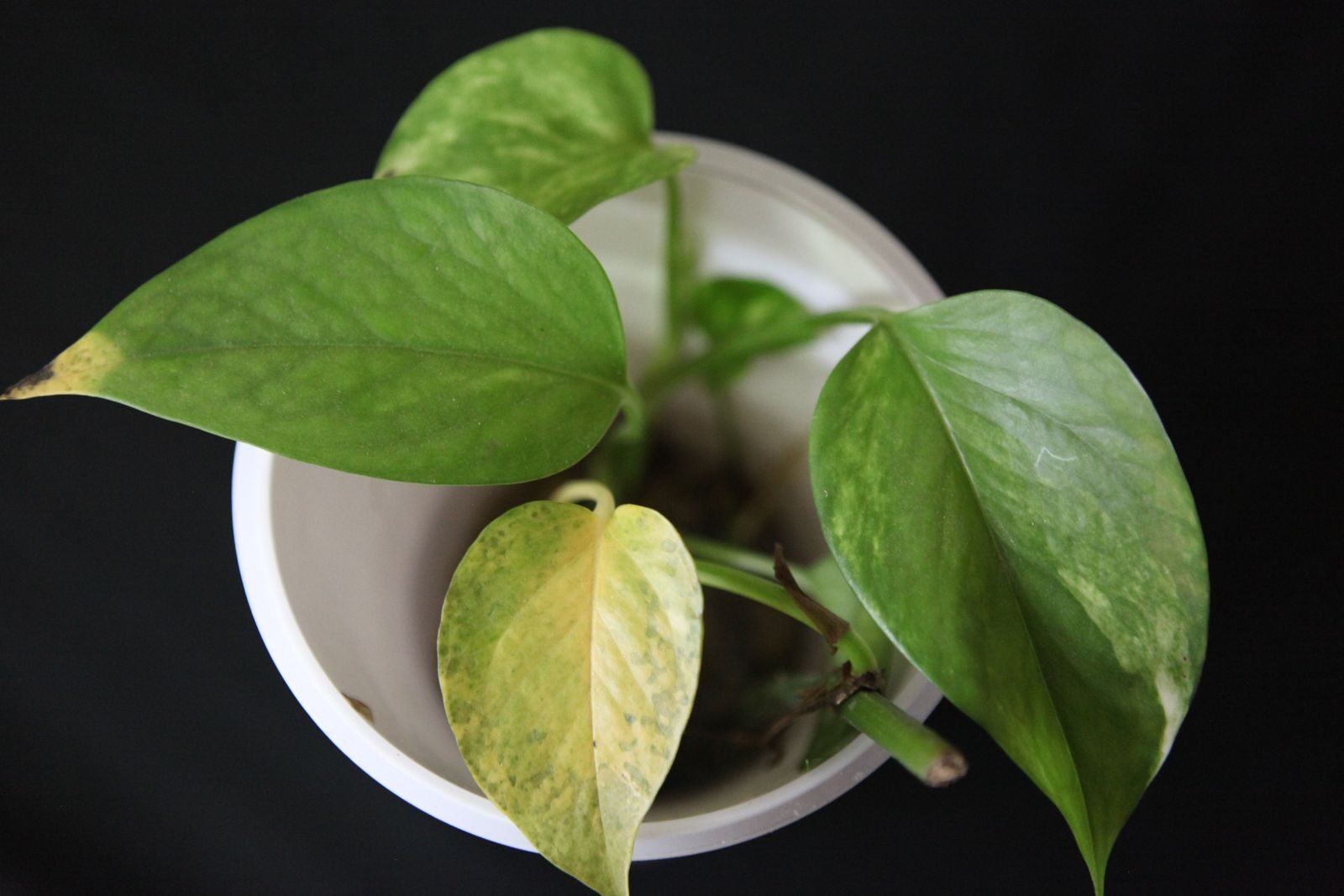
I have watched people love a plant to death. Not neglect it, love it, water it every time a leaf so much as drooped, until the roots drowned and the whole thing yellowed from the bottom up.
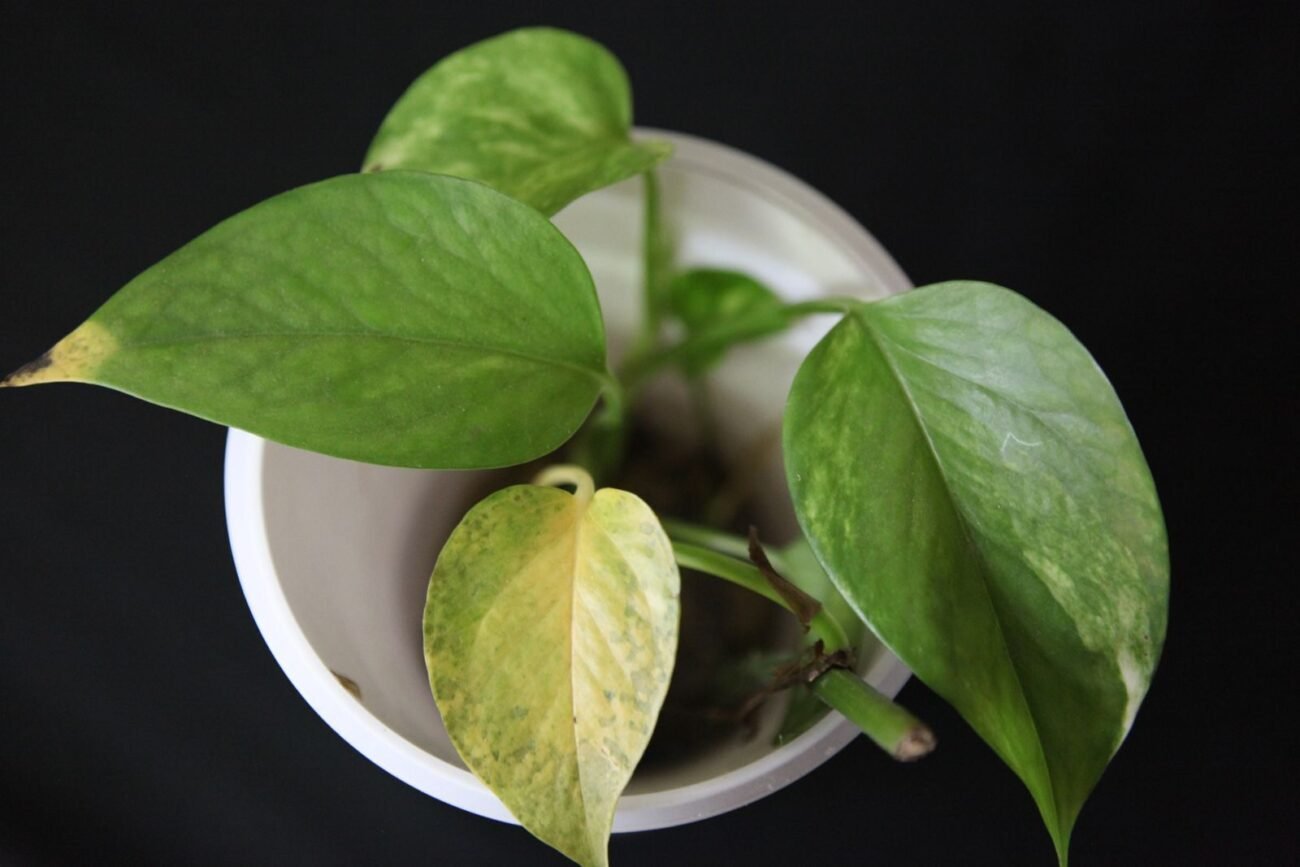
Yellowing is the symptom that fools almost everyone, because a plant begging for water and a plant quietly drowning look identical from the top. The difference is hidden in the soil, and once you learn to read it, you stop guessing and start fixing. Let me show you how I read a yellow leaf.
First, put the watering can down
When someone sends me a photo of a yellowing plant, the first thing I do is not look at the leaf. I ask what the soil is doing. A single lower leaf yellowing on a healthy plant is usually nothing, plants shed their oldest leaves as they grow, the same way a tree lets go of leaves it no longer needs. The harm comes when several go at once and the owner reaches straight for water.
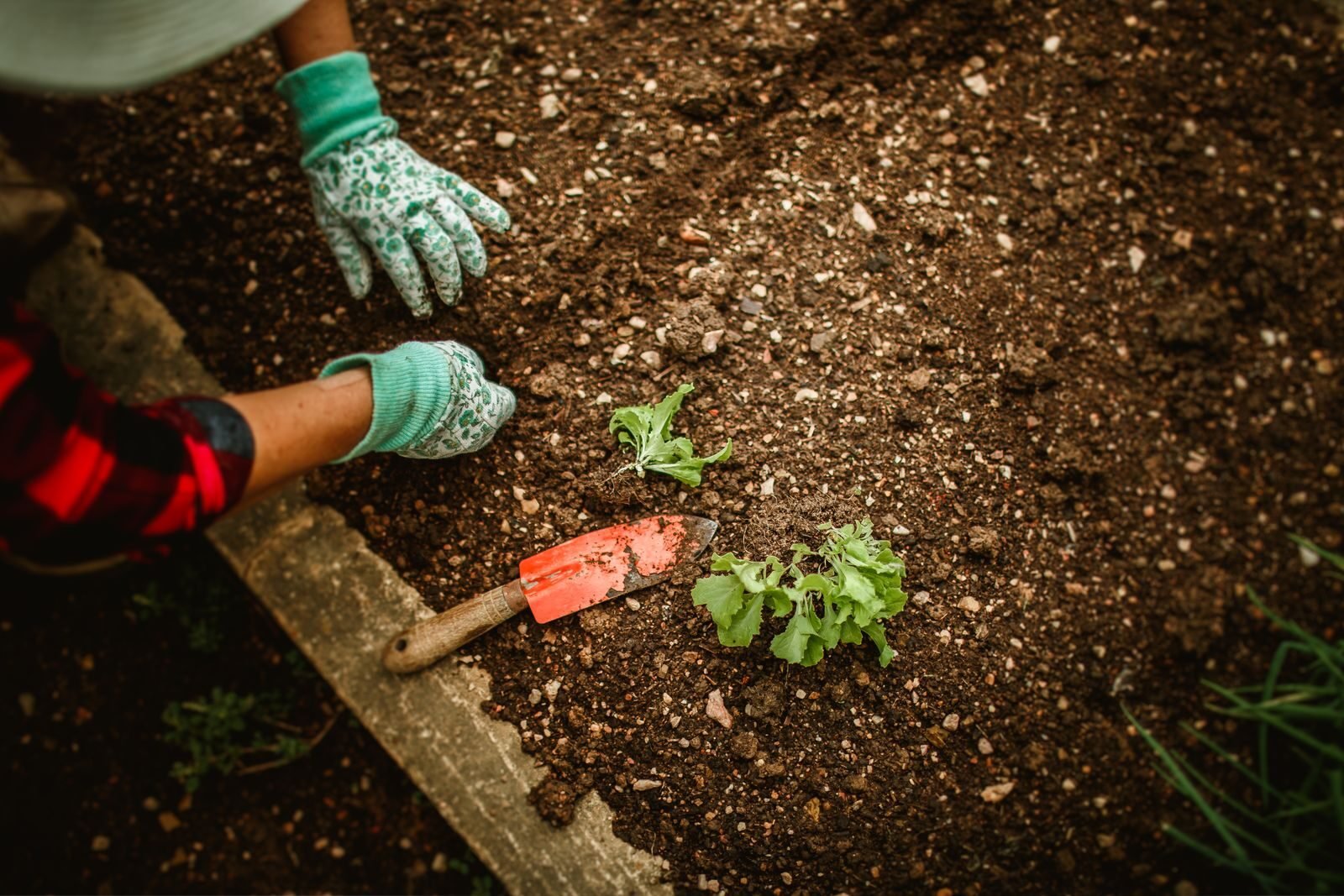
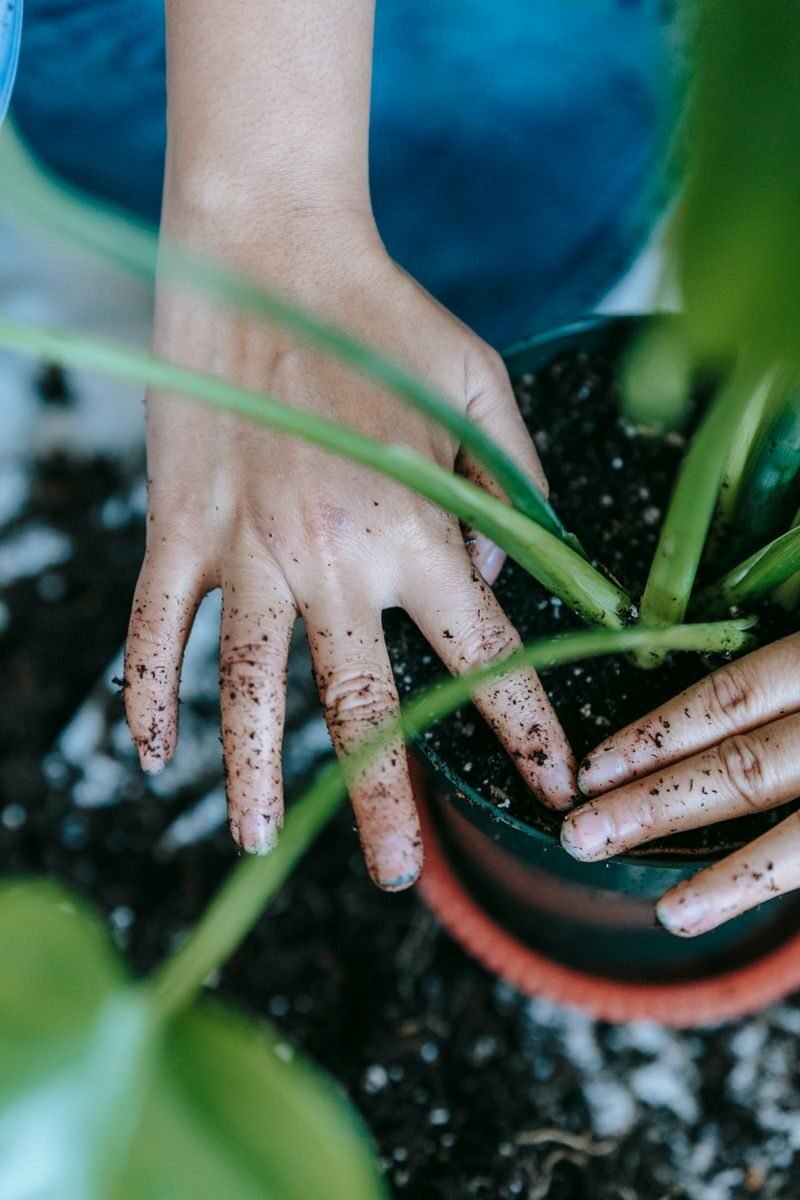
So before you touch anything, feel the soil at the roots, not just the dusty top layer. Push a finger a few centimetres down. Wet, damp, or dry and crisp? I lean on this one check more than any tool I own, because a thirsty plant and a drowning plant look the same from above, and the soil is the only thing that separates them.
Why a leaf goes yellow in the first place
Green is chlorophyll, the pigment a leaf uses to turn light into food. When a leaf yellows, that chlorophyll is breaking down or was never built, and the yellow underneath is what is left. So anything that starves chlorophyll, too much water, too little light, a missing nutrient, damaged roots, ends in the same colour.
Here is the idea I learned studying plant nutrition that changed how I read a yellow leaf…
A few nutrients, nitrogen and magnesium among them, can travel inside the plant. When the plant runs short, it does something almost strategic: it strips those nutrients out of its oldest leaves and sends them up to the newest growth, because that is where its future lies.
So a shortage shows first in the lowest, oldest leaves, while a problem taking nutrients up shows in the newest ones at the top. It is why where the yellowing starts is a clue in itself, a pattern extension horticulturists use to narrow down a cause.
I have seen this myself…
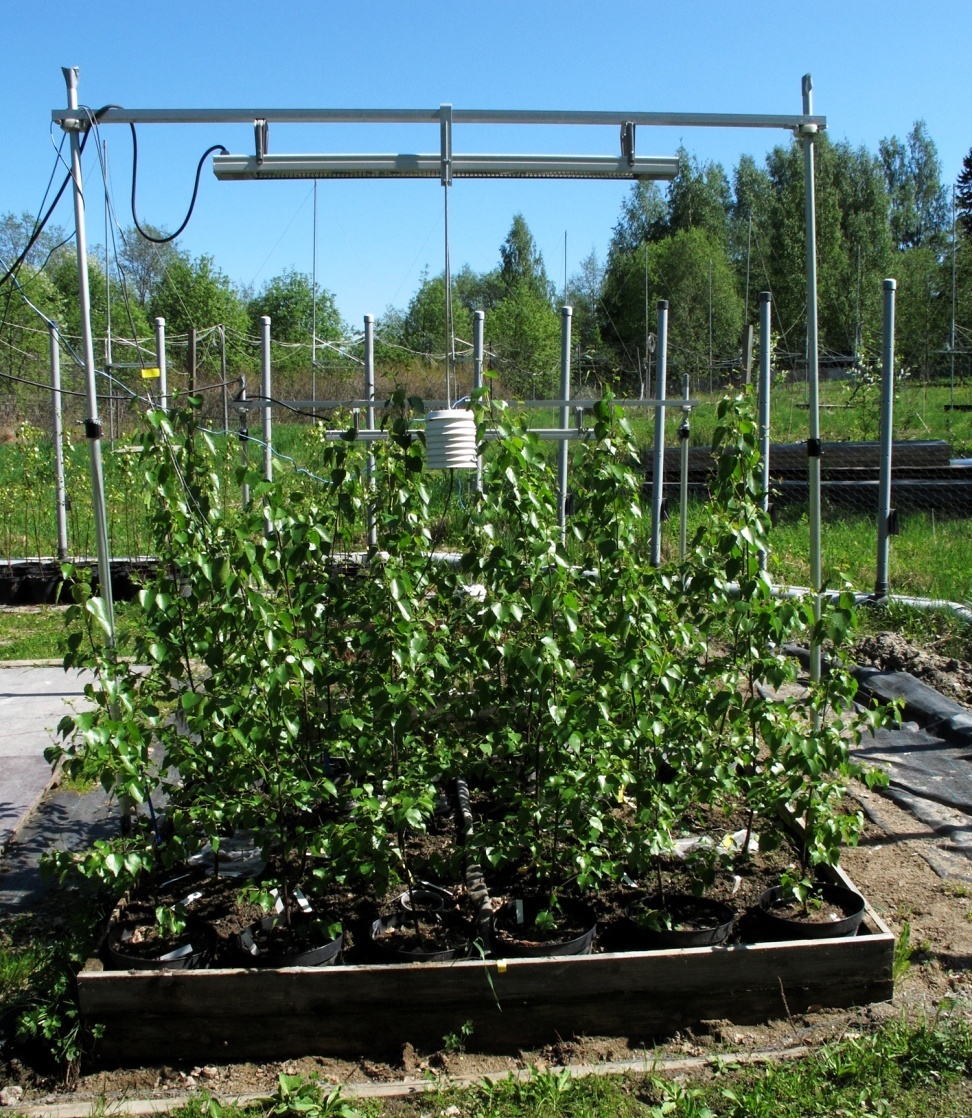
In the plants I studied under environmental stress, the oldest leaves yellowed and dropped first while the plant kept its new growth going. It is the same thing a houseplant does on a windowsill, and it is the first thing I look for when a plant yellows from the bottom.
The usual reasons, and how I tell them apart
Overwatering and root rot.
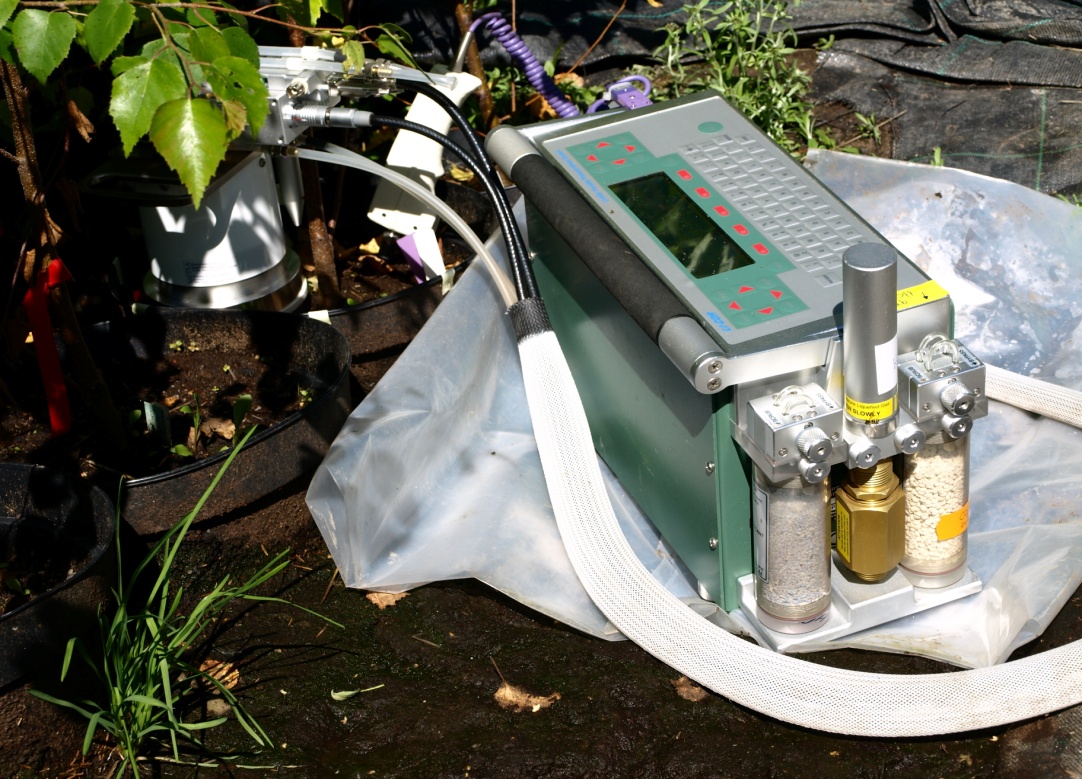
The most common cause, and the one that catches people out, because it looks like thirst. I know this one from my own field work. I spent a season measuring soil respiration with a LICOR gas analyser, tracking how much the roots and soil life were breathing.
It taught me something I think about with every pot: healthy soil is full of air, and roots need that air as much as leaves need light. Waterlogged soil has almost none, so roots left sitting in it start to suffocate. A suffocating root cannot pull water or nutrients up, so the plant yellows while the soil is still wet. If it gets worse and turns into root rot, the base smells sour and the roots go soft and brown.
Underwatering.
The opposite problem. Dry, crisp soil, a pot that feels light, and lower leaves that yellow and go brittle. Telling this apart from overwatering is the hard part, and because so many people get it backwards, I wrote a whole separate piece on how to tell overwatering from underwatering.
Too little light.
A plant in a gloomy corner cannot make enough chlorophyll to keep every leaf, so it drops the lower ones to pale yellow. The Royal Horticultural Society puts too shady a spot right alongside water and cold as an everyday cause, which matches what I see most in winter when the light drops.
A nutrient shortfall.
Pale, all-over yellowing, or yellow leaves with the veins still green on new growth, points to a nutrient the plant needs for chlorophyll and cannot reach.
One catch I always check for first: soggy soil blocks uptake too, so this often looks like a feeding problem when the fix is drainage, not fertiliser. I have watched people feed a plant that was drowning, and it only made things worse.
Natural aging.
The oldest leaves at the base yellow and drop as the plant grows. One or two low leaves with a healthy top is normal, and I leave it well alone.
Pests.
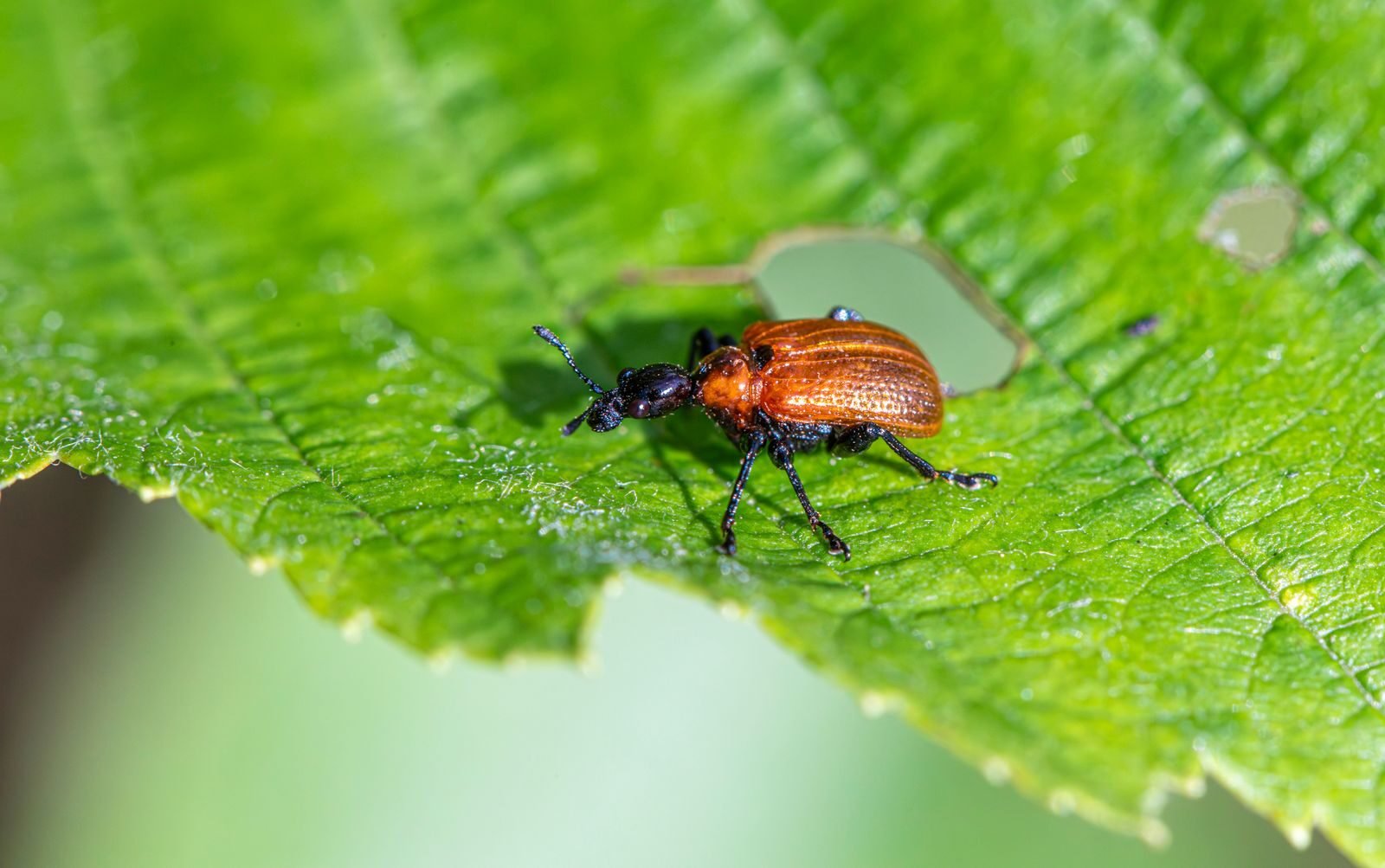
Sap-suckers draining a leaf leave it yellow and speckled. I always turn leaves over and check the undersides, because that is where most of them hide.
Cold or a draught.
A sudden chill, or a spot beside a draughty window in winter, can shock a plant into shedding colour fast.
The hard part, and where I will be straight with you
You have probably noticed the problem here. Overwatering, underwatering, low light, and a nutrient shortfall can all turn a lower leaf yellow, and some of the fixes are opposites. Water a plant that is already drowning and you finish it off, with the best of intentions. So the hard part is not knowing the causes, it is working out which one is yours before you act.
That is why I built What’s Wrong With My Plant?.
It is the way I work out what is wrong with a plant myself. You start from the symptom you can see, answer a question or two about the soil and where the yellowing sits, and it points you to the likely cause, the fix, and a quick way to check you have it right before you do anything.
It covers the five problems behind most sick houseplants, yellowing included, laid out so you can follow it with the plant in front of you. If you want the diagnosis and not just the background, that is what it gives you, for less than the cost of the plant you are trying to save.
What I would do right now
Whatever the cause, these steps are safe:
Check the soil at root depth. Wet plus yellow lower leaves points away from thirst. Dry and light points toward it.
Do not water a plant sitting in wet soil. Let it dry, and make sure the pot actually drains.
Move a long-struggling plant out of a dark corner into brighter, indirect light.
Take off the fully yellow leaves. Once a leaf loses its chlorophyll it will not green up again, so removing it lets the plant spend its energy on new growth.
Then watch the new leaves. What the plant does next, not the leaf already lost, is what tells me whether a change has worked.
Frequently asked questions
Should I cut off yellow leaves, or will they turn green again?
A fully yellowed leaf will not recover, the chlorophyll is gone. I remove them to tidy the plant and stop it spending energy on a lost cause. The whole point of a fix is to protect the green leaves still to come.
Do yellow leaves mean too much or too little water?
Either, which is what makes them so easy to misread. The soil decides it: yellow lower leaves with wet, heavy soil lean toward overwatering; yellow leaves with dry, crisp, light soil lean toward thirst. I feel the soil before I conclude anything.
Why are only the bottom leaves turning yellow?
Bottom-up is the common pattern. It can be natural aging if it is slow and limited to the oldest leaves, or overwatering, or a mobile nutrient like nitrogen being pulled out of old leaves to feed new growth. The rest of the plant and the state of the soil tell you which.
Why are the newest top leaves the ones yellowing?
Yellowing that starts in the new growth, often with the veins staying green, points more toward a nutrient uptake problem than aging. Soggy soil can cause it too, by stopping roots taking nutrients up.
Can it be overwatering if the surface looks dry?
Yes. The top dries first while the root zone stays soggy, which is why I push a finger deeper than the surface. Overwatering is the most misdiagnosed cause of a yellow leaf I come across.
Why do all my houseplants keep yellowing and dying?
When it happens across several plants, the thread is almost always a watering habit rather than the plants, usually watering on a schedule instead of checking the soil each time. Feel before you pour, and the pattern tends to break.
A yellow leaf is not your plant giving up. It is telling you something shifted in its light, its water, or its food.
Read the signal, check the soil first, and change one thing at a time.
Free plant guides and calculators are on the site whenever you want to go deeper.