


This article was written and reviewed by Serge, MSc. I hold degrees in Plant Biology, Environmental Biology and Biogeochemistry, with research experience in plant physiology, ecosystem science, and field-based environmental studies. Every article on this site is grounded in real academic training and genuine scientific research.
Affiliate disclosure: This site has affiliate links, including Amazon. As an Amazon Associate I earn from qualifying purchases, at no extra cost to you.
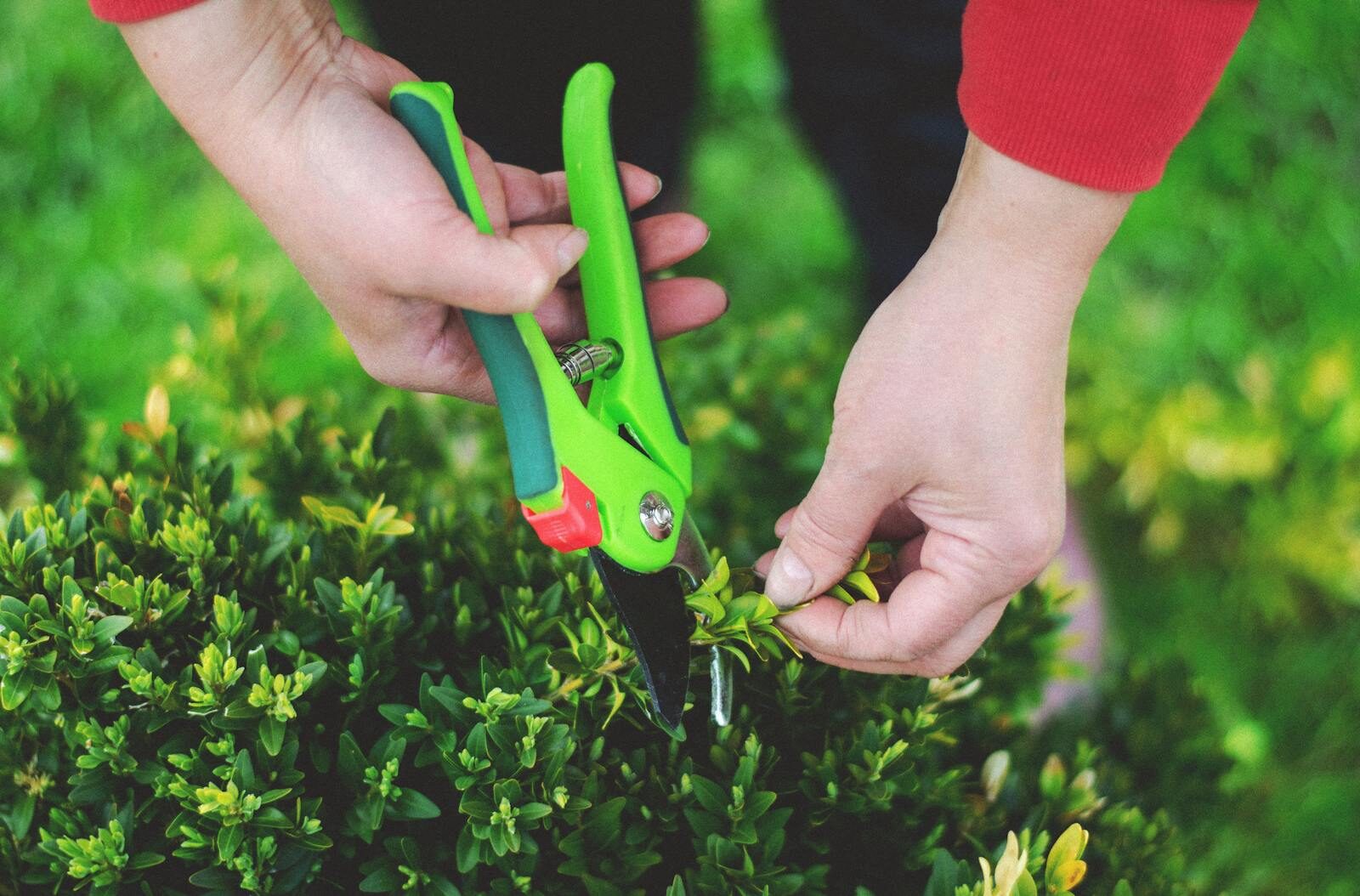
I made the same mistake most gardeners make when they first start pruning. I used whatever was sharp enough to cut through the stem in front of me. Kitchen scissors on herbs. A bread knife on a rose cane once. A pair of general purpose scissors on blackcurrant stems that were definitely too thick for them.
The plants survived. Just about. But every cut left crushed tissue, ragged edges, and stems that took weeks to seal properly. I did not understand at the time that how you cut is just as important as when you cut or where you cut.
Plants respond to pruning at a cellular level. A clean cut through living tissue seals quickly, the plant redirects energy into new growth from the nearest bud, and recovery is fast. A crushed or torn cut leaves damaged tissue that decays slowly, invites fungal infection, and delays the regrowth response. My plant ecophysiology studies covered exactly how plants allocate resources after wounding, the speed and quality of that response depends directly on how clean the wound is. That knowledge changed how seriously I take tool quality and tool choice.
Here is what each pruning tool does and what I actually look for when buying.
Secateurs and Hand Pruners
Called secateurs in the UK and Europe, pruning shears or hand pruners in the US, same tool, different name.
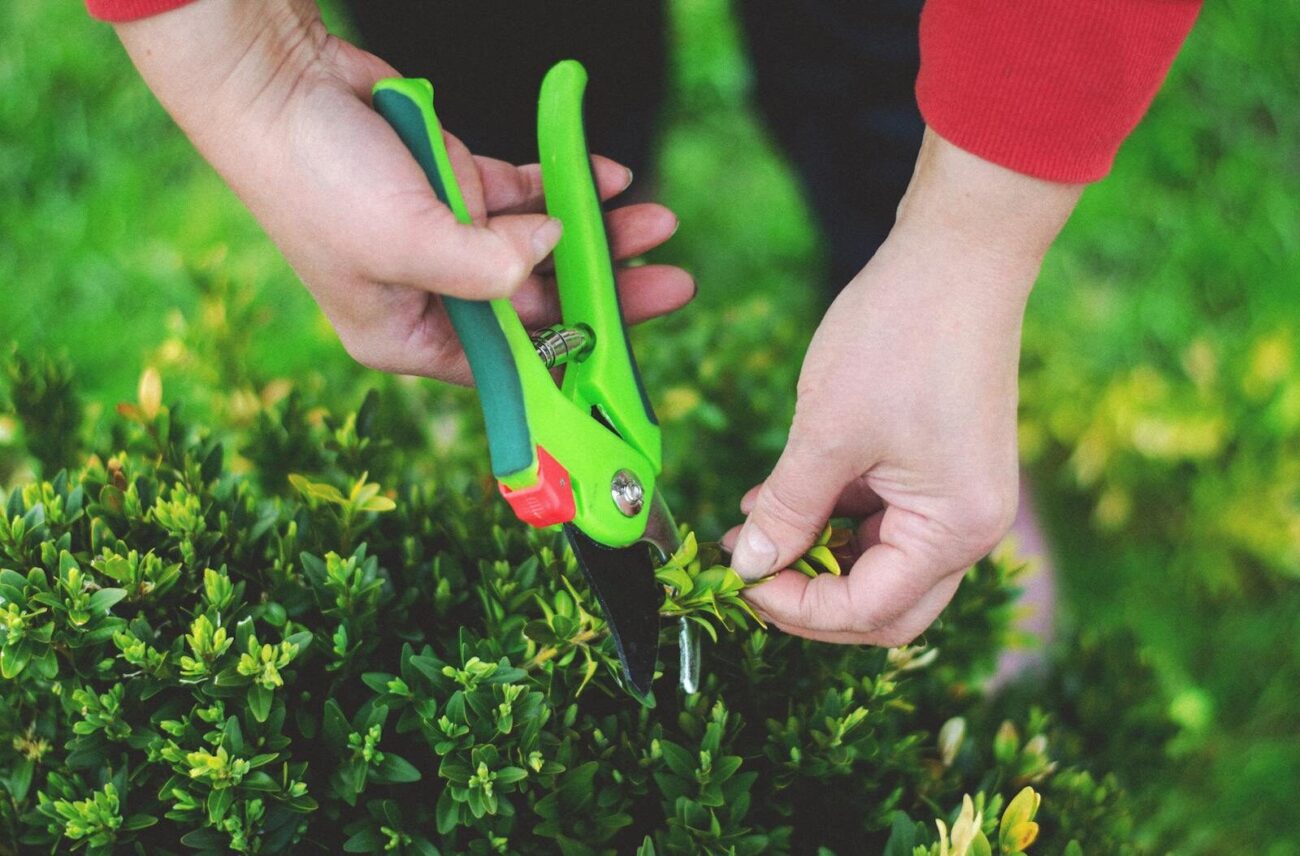
Secateurs are the tool you reach for most often. They handle the majority of garden pruning, rose stems, fruit tree laterals, herb stems, shrub branches up to around 1.5 to 2 cm diameter. One hand, precise cuts, close control.
Bypass secateurs use two curved blades that pass each other like scissors. The cutting blade slices cleanly through the stem while the lower blade supports it from below. Clean cuts, minimal tissue crushing, fast healing. My recommendation for most garden use.
Anvil secateurs use a single straight blade that closes down onto a flat metal plate. The stem gets crushed slightly as the blade meets the anvil. This causes more tissue damage than bypass secateurs and is more likely to leave bruised tissue at the cut. Better for dead wood where clean cuts matter less. Not my preference for living stems.
Ratchet secateurs use a mechanism that lets you cut through thicker stems in stages rather than one squeeze. Useful for gardeners with reduced hand strength or arthritis, you apply force in small increments rather than one sustained squeeze. A good option if standard secateurs cause hand fatigue.
What I look for: Forged steel blades rather than stamped steel, forged blades hold an edge longer and withstand the stress of repeated use far better. A replaceable blade so the tool can be serviced rather than replaced. Comfortable grip that does not create pressure points during extended use. A locking safety catch that engages reliably when carrying the tool.
This page contains affiliate links. If you purchase through these links I may earn a small commission at no extra cost to you.
Shop Secateurs and Hand Pruners on Amazon →
Loppers
Loppers are long-handled secateurs for branches too thick for hand pruners, typically 2 to 5 cm diameter depending on the model. The long handles give you leverage for thicker wood and reach for higher branches without a ladder.
Like secateurs they come in bypass and anvil versions. Bypass loppers give cleaner cuts on living wood. Anvil loppers handle very thick or hard dead wood more easily.
Telescopic handled loppers extend their reach for higher branches and compact for storage. Worth considering if you have fruit trees or large shrubs that need regular attention at height.
What I look for: Handle length matched to where you actually need to cut, longer handles give more reach and leverage but less precise control. Gear-assisted or compound action loppers that reduce the force needed for thick stems. Comfortable non-slip grips that absorb some of the shock from cutting hard wood.
Shop Loppers on Amazon →
Pruning Saws
For branches above 5 cm diameter where loppers struggle, pruning saws cut on the pull stroke rather than the push stroke which gives much better control in awkward positions up a tree or reaching into a shrub.
Folding pruning saws collapse safely for carrying and storage. Fixed blade saws with a pistol grip handle give more cutting power for larger work.
Pruning saws cut faster than loppers on thick wood and leave cleaner cuts than a general purpose wood saw. The narrow blade reaches into tight angles between branches without disturbing surrounding growth.
What I look for: Hardened teeth that stay sharp through a full pruning season. A blade that locks firmly open and closed on folding models, a blade that moves during use is a safety issue. Comfortable grip for the sustained pull strokes needed to work through thick wood.
Shop Pruning Saws on Amazon →
Hedge Shears
Two long blades working against each other for trimming hedges, topiary, and large shrubs where you are cutting many small stems in one sweeping motion rather than making individual precise cuts.
Not the right tool for pruning individual branches or stems where cut placement matters. Hedge shears are for shaping and tidying, cutting everywhere at once to create a consistent surface.
Manual hedge shears work well for smaller hedges and give good control for detailed topiary work. Electric and battery hedge trimmers cover larger areas faster and reduce hand fatigue on long hedges.
What I look for: Blade length matched to the work, shorter blades for topiary and detail work, longer blades for straight hedge runs. Cushioned bumpers between the handles to absorb the impact shock each time the blades close. Blades that can be sharpened rather than replaced when they dull.
Garden Knives
Underused and often overlooked. A sharp garden knife handles tasks that none of the above tools do well, grafting, taking cuttings at a precise angle, dividing plants, cutting through tap roots when transplanting, and harvesting vegetables and herbs cleanly.
A good garden knife with a curved blade works particularly well for taking cuttings at the precise angle needed for good root development. The control a knife gives over cut angle and position is something no pair of secateurs or scissors matches.
What I look for: A sharp fixed blade that holds an edge, folding garden knives are convenient but the pivot introduces flex that reduces cutting precision. Comfortable handle that does not slip when hands are wet. A blade shape that suits the work you do most, curved blades work well for cutting and harvesting, straight blades for grafting and precise cuts.
Shop Garden Knives on Amazon →
How to Keep Pruning Tools Working Properly
Sharp tools cut cleanly. Blunt tools crush. This is worth repeating because it is the single most important maintenance principle.
Sharpen secateurs and loppers at the start of each pruning season and whenever you notice cuts requiring more force than usual. A simple sharpening stone or diamond file along the bevelled edge of the cutting blade takes five minutes and makes a noticeable difference.
Clean blades after every use. Sap and plant material build up on blades, introduce pathogens between plants, and accelerate corrosion. Wipe blades with a cloth after use. For disease management between plants, particularly when pruning roses for blackspot or fruit trees for canker, wipe blades with rubbing alcohol or a diluted bleach solution between each cut.
Oil moving parts occasionally. Pivot points on secateurs and loppers need a drop of oil periodically to keep the action smooth and prevent rust. Five seconds of maintenance per session extends tool life significantly.
Store dry. Leaving tools outside or in damp conditions corrodes blades and weakens handles faster than any amount of use. A dry shed or garage keeps tools in working condition for years.
Frequently Asked Questions
What is the difference between secateurs and pruning shears?
The same tool with different names depending on where you are. Secateurs is the term used in the UK, Europe, and Australia. Pruning shears or hand pruners is the US term. Both refer to a one-handed cutting tool for stems up to around 1.5 to 2 cm diameter.
What is the difference between bypass and anvil secateurs?
Bypass secateurs use two blades that pass each other like scissors producing a clean precise cut. Anvil secateurs use one blade closing onto a flat plate which crushes the stem slightly at the cut. Bypass gives cleaner cuts on living wood. Anvil handles dead or very hard wood more easily.
Can pruning shears be sharpened?
Yes and they should be regularly. Sharpen the bevelled cutting blade only using a sharpening stone or diamond file. Keep the flat back of the blade flat rather than creating a double bevel. Sharp secateurs make pruning faster and leave cleaner cuts that heal more quickly.
How do I clean and sterilise pruning shears?
Wipe sap and plant debris from blades after every use. For disease prevention between plants wipe blades with rubbing alcohol or a solution of one part bleach to nine parts water. Dry thoroughly after cleaning and apply a light oil to the blade and pivot to prevent rust.
What pruning tool is best for thick branches?
Loppers for branches between 2 and 5 cm diameter. A pruning saw for anything thicker. Using secateurs on branches too thick for them damages both the tool and the plant, the cutting blade bends under the load and the stem gets crushed rather than cut.
What is the best pruning tool for roses?
Bypass secateurs with sharp forged steel blades. Roses need clean precise cuts just above an outward-facing bud. Bypass secateurs give the control and cut quality needed for rose pruning. Anvil secateurs can crush rose canes which delays healing and can introduce disease.
How often should I sharpen pruning tools?
At the start of each pruning season at minimum. Sharpen during the season when cuts start requiring noticeably more force or when cut surfaces look crushed rather than clean. Light sharpening more frequently is better than heavy sharpening after blades have become very dull.
Can I use scissors instead of pruning shears?
For very soft herb stems and thin flower stems yes. For anything with any woody content no. Scissors are not designed for the lateral force pruning puts on blades and the pivot and blades bend under the load. Use proper secateurs for anything other than the softest stems.
Match the Tool to the Job
The most common pruning mistake is not bad technique, it is using the wrong tool for the branch in front of you. Secateurs on a branch that needs loppers. Loppers on a branch that needs a pruning saw. Each wrong tool choice leaves a worse cut and works the tool beyond what it was designed to handle.
Buy good quality bypass secateurs first. Add loppers when you need reach and leverage. Add a pruning saw when branches get thick. Keep everything sharp and clean and your tools will outlast your garden.
Browse pruning tools on Amazon and compare options at every price point.