

This article was written and reviewed by Serge, MSc. I hold degrees in Plant Biology, Environmental Biology and Biogeochemistry, with research experience in plant physiology, ecosystem science, and field-based environmental studies. Every article on this site is grounded in real academic training and genuine scientific research.
Affiliate disclosure: This site has affiliate links, including Amazon. As an Amazon Associate I earn from qualifying purchases, at no extra cost to you.
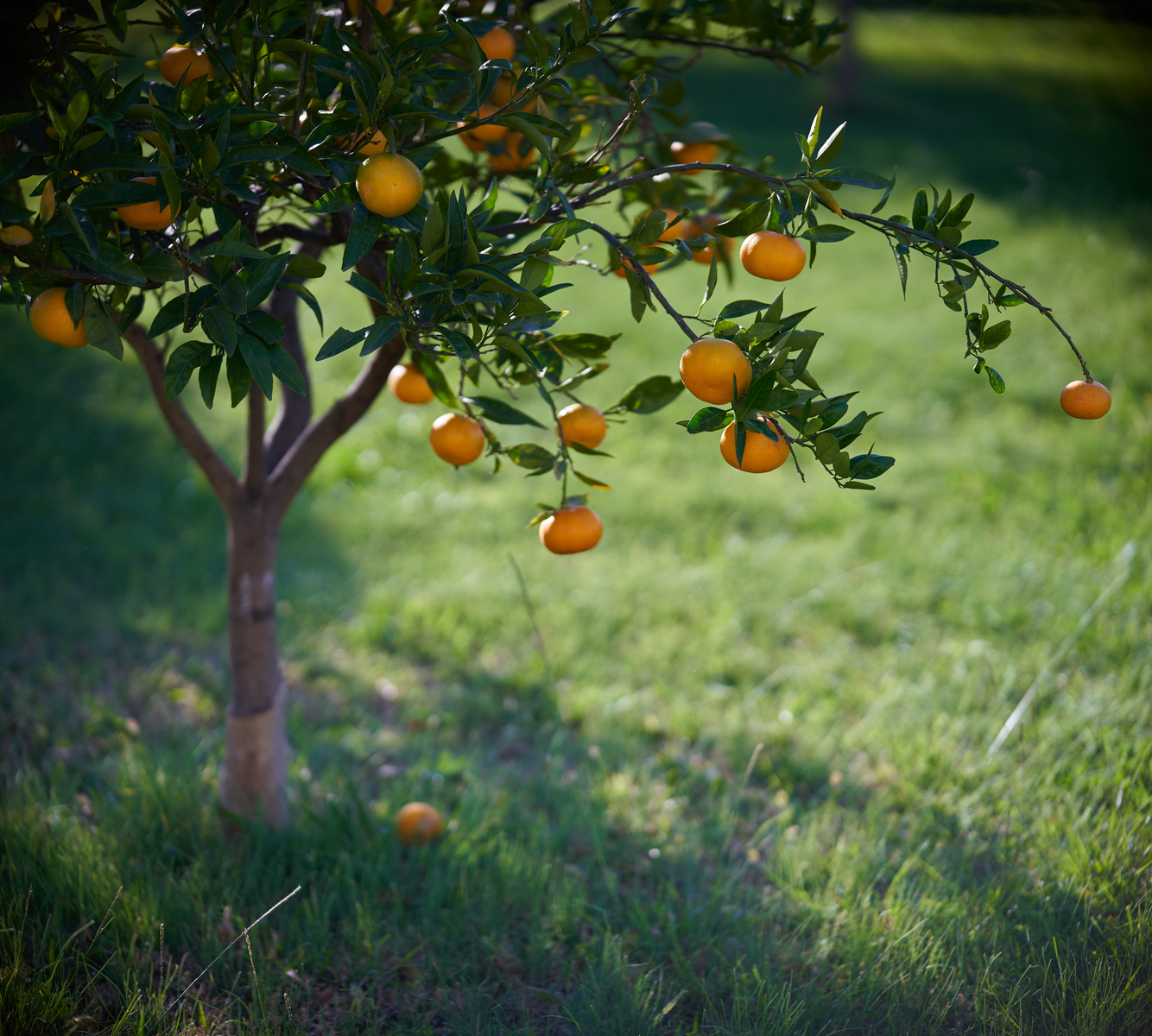
Did you know tiny pests could be quietly damaging your fruit trees without you even noticing?
I’ll never forget the first time I noticed a tiny army of aphids marching across a citrus shoot. One moment the leaves were glossy and healthy; the next, they were curling, sticky, and crawling with tiny sap-suckers. That’s when I realized fruit trees, as beautiful and productive as they are, can be quietly under siege if left unchecked.
Fruit plants need the right conditions to grow and produce good harvests. But pests and diseases can attack leaves, stems, roots, flowers, and fruit at any time. From mangoes with small maggots to apples dropping before they’re ripe, these problems can weaken your trees, slow growth, and cause more issues over time.
Over the years, I’ve learned one important thing: early detection and proactive care are the best ways to protect your trees. With the right knowledge, you can spot problems before they get serious, prevent damage naturally, and keep your trees healthy year after year.
In this guide, I’ll cover the most common pests and diseases, the warning signs to watch for, and simple, practical steps to protect your fruit plants.
Common Fruit Plant Pests
Fruit pests vary widely, from tiny, invisible mites to clever fruit flies that sneak inside the fruit itself. Here’s what I’ve seen most often, along with how to manage them effectively.
1. Aphids
Aphids are small, soft insects that feed on plant sap. They multiply quickly and produce a sticky substance called honeydew, which can attract ants. If you see curling leaves, sticky spots, or lots of ants on your tree, aphids are often the cause.
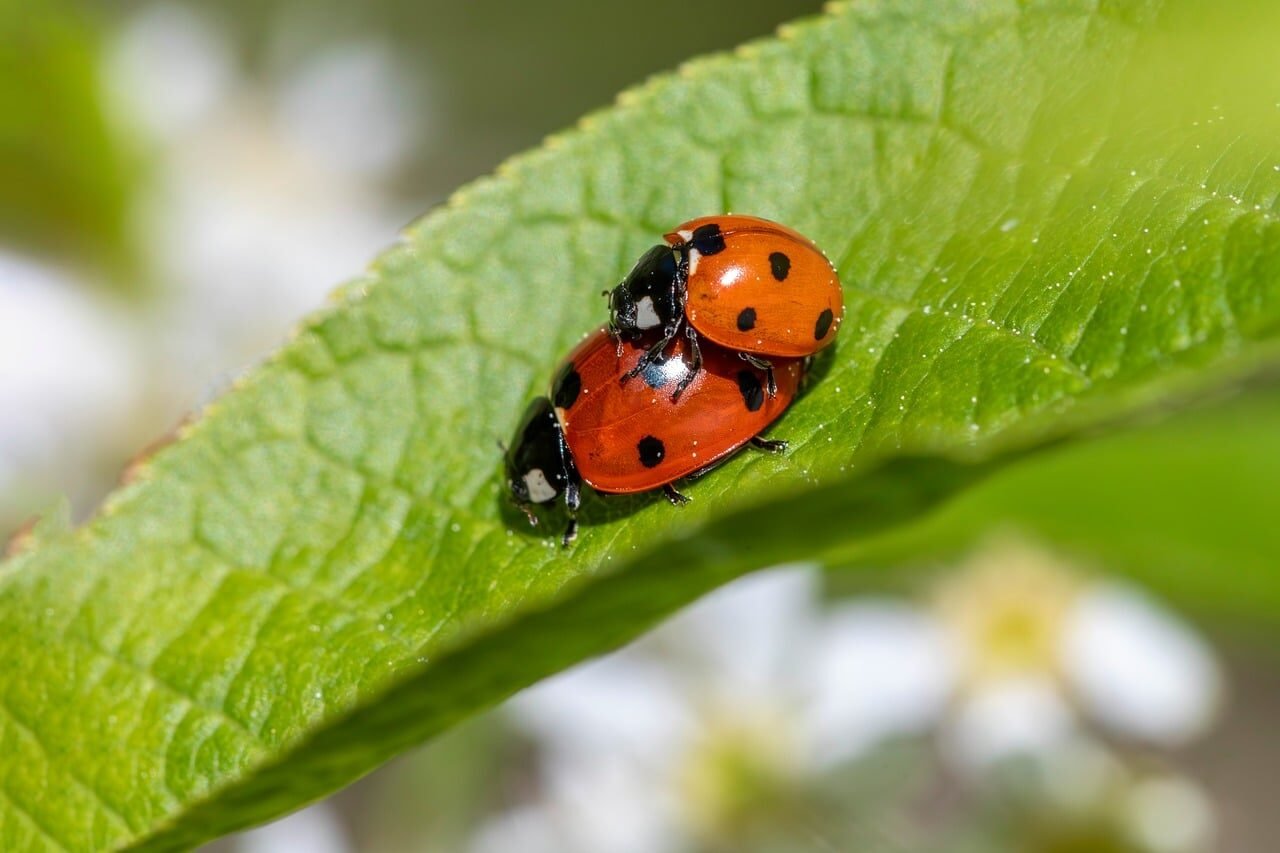
Affected plants: apple, pear, citrus, grapes. To control aphids, ladybugs are a great natural option since they eat aphids, so releasing a few near your trees can help. Neem oil is an organic spray that stops aphids from feeding, and insecticidal soap works well for small infestations, just be sure to spray under the leaves where aphids hide.
With regular treatment using neem oil and a few ladybugs, trees like apples can recover quickly. Aphids are small, but they can cause a lot of damage if left untreated.
2. Scale Insects
Scale insects look like tiny bumps on leaves and stems. Unlike aphids, they are slow but relentless. They suck sap, causing yellowing leaves, sticky residues, and stunted growth. Citrus, mango, guava, and avocado trees are frequent targets.
To control them, prune heavily infested branches, apply horticultural oil to smother the scales, and introduce natural predators like parasitic wasps for long-term control.
One thing I’ve learned: scale insects often go unnoticed until they’ve spread. Regular inspections are non-negotiable if you want to catch them early.
3. Fruit Flies
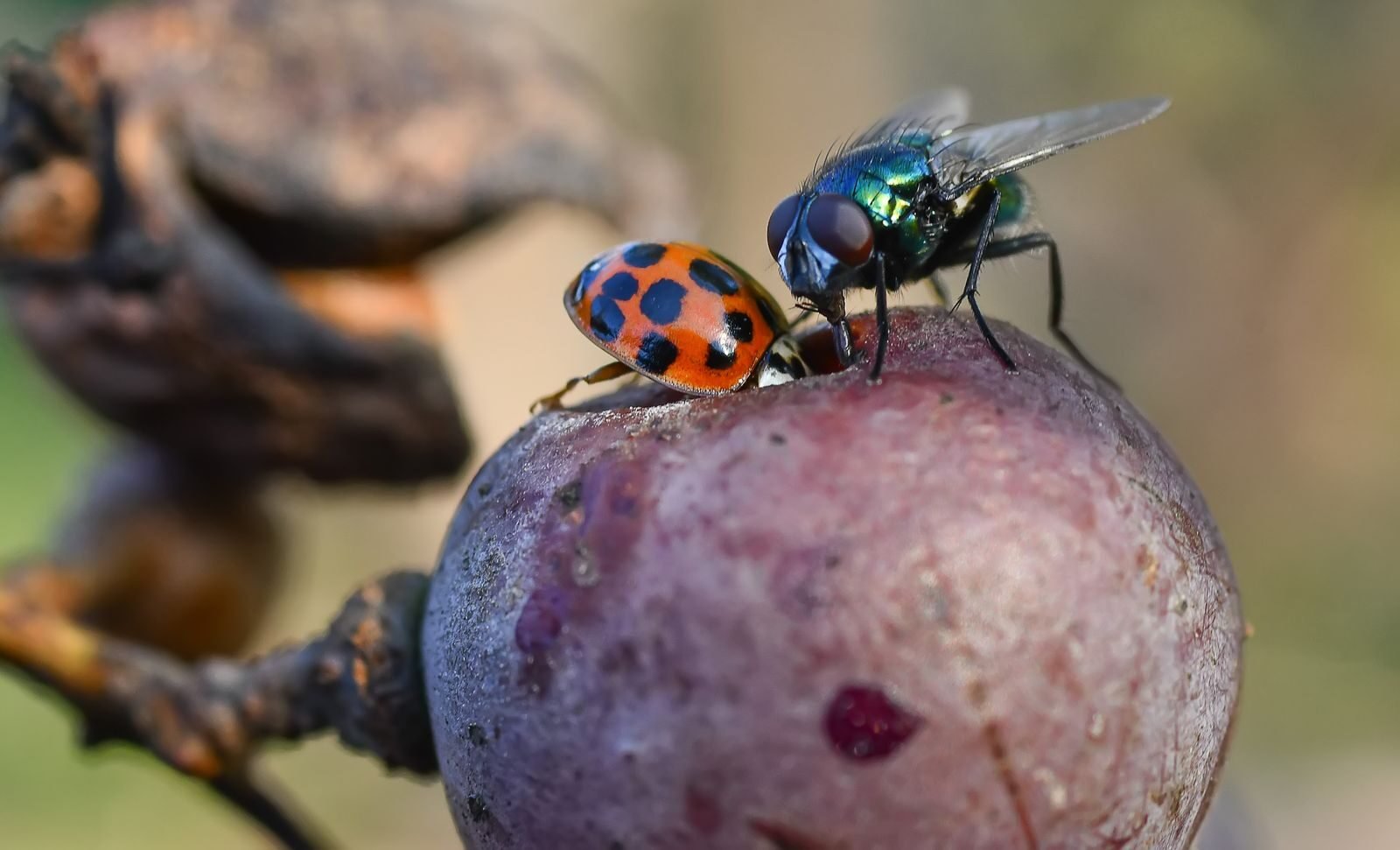
Fruit flies are tiny but devastating. They lay eggs inside fruit, and the larvae feed on the flesh, causing maggots and premature fruit drop. Mangoes, guavas, papayas, and citrus are especially vulnerable.
To control them, set up fruit traps to catch adults before they lay eggs, remove fallen or damaged fruits immediately (this breaks their reproductive cycle), and bag fruits in protective covers to prevent egg-laying entirely.
I once visited a farm where a single neglected mango tree was losing almost half its fruit to fruit flies. After installing traps and regular cleanup, the harvest rebounded the very next season. Prevention is the key here, once maggots are inside, it’s too late.
4. Caterpillars / Worms
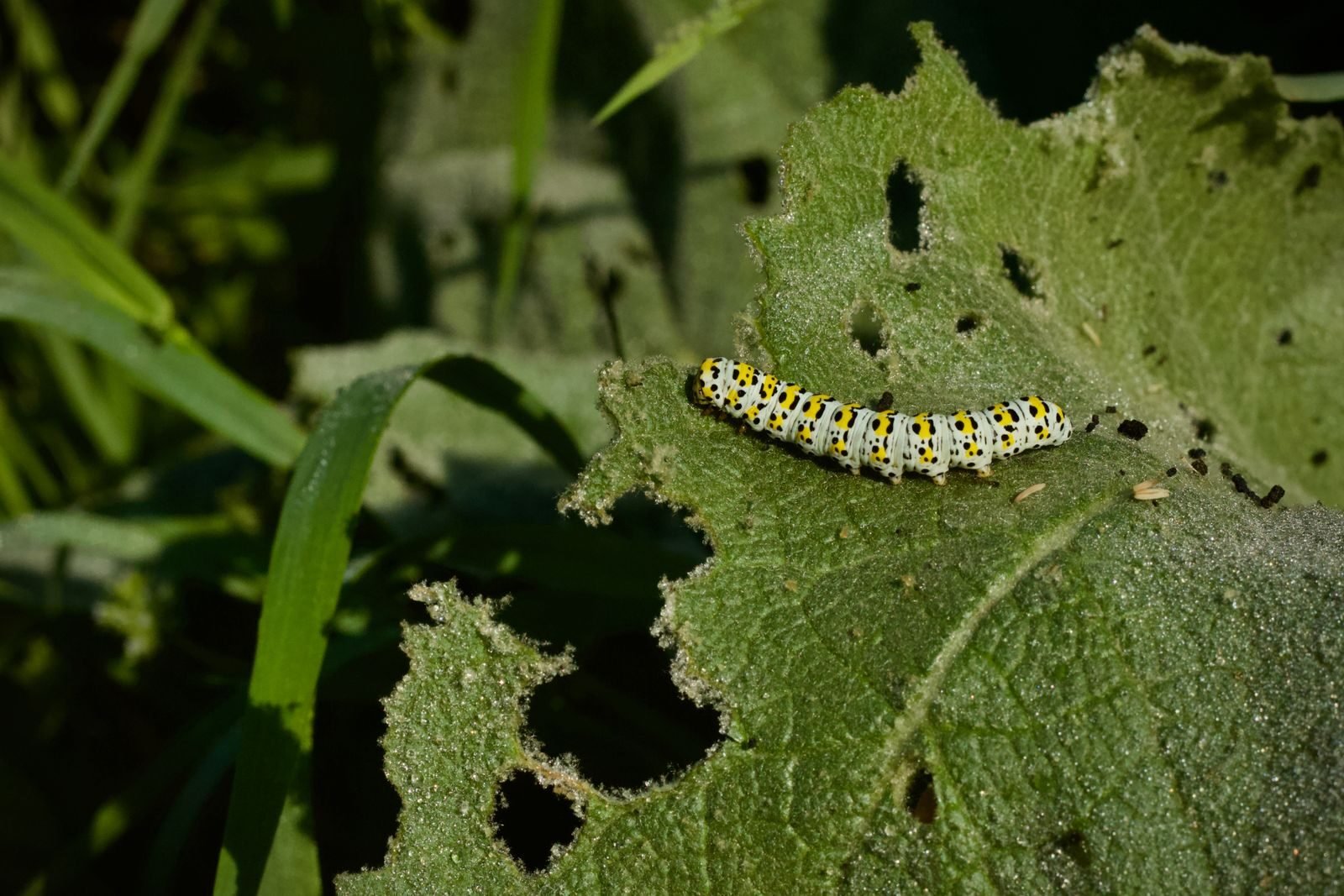
Caterpillars chew through leaves, flowers, and even fruits. Left unchecked, they can dramatically reduce yield. Apples, mangoes, tomatoes, and guavas are frequent targets.
To control them, handpick visible caterpillars (tedious but rewarding), apply Bacillus thuringiensis (Bt) sprays (a natural bacterial control), and use neem oil, which also deters feeding and reduces populations.
5. Mites
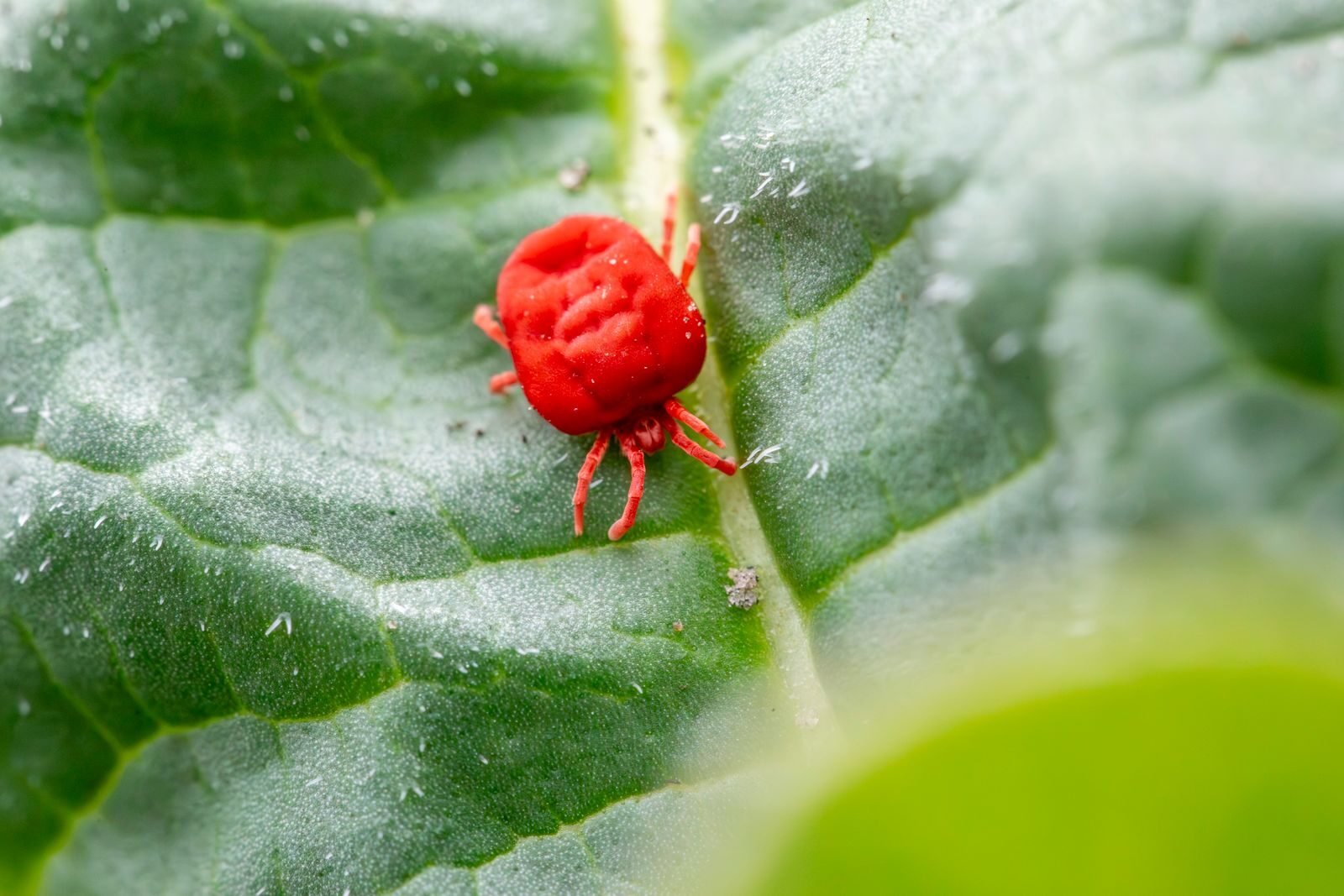
Mites are tiny and hard to see, often hiding under leaves. They cause yellow spots, leaf drop, and smaller fruits. Citrus, papaya, and grapes are most affected.
To control mites, a strong spray of water can knock them off the leaves, introducing predatory mites helps control them over time, and miticides should be used only if the infestation is severe.
Mites reproduce quickly, so it’s important to check your plants often. Regular water sprays in the morning can significantly reduce their numbers if done consistently.
Common Fruit Plant Diseases
Even with careful pest control, fruit trees can still get diseases. Spotting them early and acting quickly can save a whole season’s harvest.
1. Powdery Mildew
Powdery mildew shows up as white, powdery spots on leaves and shoots. It can distort leaves and reduce flowers and fruit. Grapes, mangoes, and apples are most affected.
To prevent and control it, space trees properly for good airflow, prune infected leaves and shoots right away, and use organic or chemical fungicides if needed. Thinning crowded branches improves air circulation and helps reduce infections.
2. Rust
Rust appears as orange or brown spots on leaves and stems. It can cause leaves to drop early and stunt growth. Apple, guava, and citrus trees are common hosts.
To prevent and control rust, remove infected leaves immediately, apply fungicide sprays, and prune trees to improve sunlight and airflow. Rust spreads quickly in wet conditions, so check trees often after rain.
3. Blight
Blight can be caused by fungi or bacteria. It causes dark spots on leaves and fruit, fruit rot, and wilting. Apples, pears, and tomatoes are especially vulnerable.
To prevent and control blight, remove affected branches quickly, use fungicides if necessary, and rotate crops while keeping the area clean. Blight can destroy large portions of a tree fast if ignored, so act quickly.
4. Viral Infections
Viruses are usually spread by insects or through grafting. Symptoms include mosaic patterns on leaves, stunted growth, and low yields. Papaya, citrus, and tomatoes are common targets.
To prevent and control them, remove infected plants immediately, control insect carriers like aphids, and sterilize pruning tools to prevent spread. Viruses can’t be cured, so prevention is the only reliable method.
5. Root Rot
Root rot is caused by fungi in the soil, often worsened by overwatering. Leaves may yellow, wilt, and fruit growth slows. Citrus, mango, and guava are commonly affected.
To prevent and control it, use well-draining soil and avoid overwatering, apply fungicide drenches if needed, and improve the soil or repot infected plants. Root rot often spreads unnoticed, so good soil management is key.
Prevention Tips
Healthy trees are easier to protect. Here’s what I do.
Proper spacing helps prevent fungal diseases and improves sunlight.
Regular inspection catches problems early.
Sanitation means removing fallen fruit and pruning diseased branches.
Watering: avoid overwatering and keep the soil consistently moist.
Healthy soil: use compost, mulch, and organic fertilizers.
Beneficial insects like ladybugs, predatory mites, and parasitic wasps help control pests naturally.
Organic and Natural Remedies
These are safe and effective for edible plants. Neem oil sprays control aphids, mites, and caterpillars. Bacillus thuringiensis (Bt) targets caterpillars biologically. Fruit traps catch fruit flies before they lay eggs.
And horticultural oil smothers scale insects. Consistency is important, regular use keeps pests low and reduces the need for chemicals.
Chemical Treatments (Optional)
Sometimes infestations are too severe, and chemicals may be needed. Use fungicides or insecticides labeled for fruit plants, follow the instructions carefully and wear protective gear, and only use chemicals when organic methods aren’t enough. Chemicals should be a last resort. I always try natural methods first, and they often work well.
Summary
Fruit trees are amazing, rewarding plants, but they need attention. Early detection, consistent monitoring, and proactive care are your best allies. Prevention through spacing, sanitation, soil health, and beneficial insects reduces most problems before they start.
Organic remedies like neem oil, Bt, and fruit traps are effective and safe, while chemical treatments should be reserved for severe infestations. With vigilance, patience, and a little know-how, fruit plants can stay healthy, resilient, and productive season after season.
FAQs
What can I put on my fruit trees to keep bugs off?
You can use natural sprays like neem oil or insecticidal soap to prevent and control pests. Introducing beneficial insects like ladybugs and predatory mites also helps. For specific pests like fruit flies, fruit traps or protective fruit bags work well. Regular inspection and keeping the area clean are key preventive steps.
What does a diseased fruit tree look like?
Diseased fruit trees may show yellowing or curling leaves, brown or orange spots, wilting, stunted growth, or premature fruit drop. Fungal infections like powdery mildew appear as white powdery patches, while rust shows orange or brown pustules. Viral infections can cause mosaic patterns on leaves. Early detection is important to prevent spread.
What does baking soda do for fruit trees?
Baking soda can be used as a mild fungicide. A diluted solution sprayed on leaves may help prevent fungal diseases like powdery mildew. Mix 1 tablespoon of baking soda with 1 liter of water and spray on affected or vulnerable leaves. It works best as a preventive measure, not a cure for severe infections.
Why is my 3-year-old apple tree dying?
Several factors could cause a young apple tree to decline. Root problems like overwatering or poor drainage can lead to root rot. Pests such as aphids, scale, or caterpillars may weaken the tree. Fungal, bacterial, or viral diseases can stunt growth, and nutrient deficiencies affect growth too. Check for visible pests, damaged roots, leaf symptoms, and soil conditions to determine the cause. Early intervention improves recovery chances.
Can I eat fruit from a diseased tree?
It depends on the type of disease. Fruits affected by fungal infections, rot, or insect damage should be discarded. Healthy-looking fruit from a tree with minor leaf or branch disease is generally safe if washed thoroughly. Always avoid fruit with visible mold, holes, or decay.
Should I spray fruit trees in the fall?
Yes, fall sprays can help control overwintering pests and diseases. A dormant oil spray helps eliminate scale insects and mites hiding on branches. Avoid heavy chemical sprays if possible, and focus on natural, safe methods to prepare trees for winter.
How can I protect fruit trees from disease?
Use proper spacing and pruning to improve air circulation and sunlight exposure. Practice good sanitation by removing fallen fruits and pruning diseased branches. Build healthy soil with mulch and compost to improve nutrition and drainage. Monitor regularly so early detection makes treatment easier, and use preventive sprays like neem oil, baking soda solutions, or horticultural oils when helpful.
How do I get rid of pests on fruit trees?
Identify the pest first (aphids, scale, mites, caterpillars, or fruit flies). Then use natural controls like ladybugs, predatory mites, Bacillus thuringiensis (Bt), and neem oil. Keep the area clean and remove fallen or damaged fruit. For severe infestations, use chemical sprays as a last resort, following the instructions carefully.
Do fruit trees attract pests?
Yes, fruit trees naturally attract pests because they provide food, shelter, and sap. Aphids, caterpillars, fruit flies, mites, and scale insects are common visitors. Proper care, regular monitoring, and preventive treatments help minimize pest problems.