


This article was written and reviewed by Serge, MSc. I hold degrees in Plant Biology, Environmental Biology and Biogeochemistry, with research experience in plant physiology, ecosystem science, and field-based environmental studies. Every article on this site is grounded in real academic training and genuine scientific research.
Affiliate disclosure: This site has affiliate links, including Amazon. As an Amazon Associate I earn from qualifying purchases, at no extra cost to you.
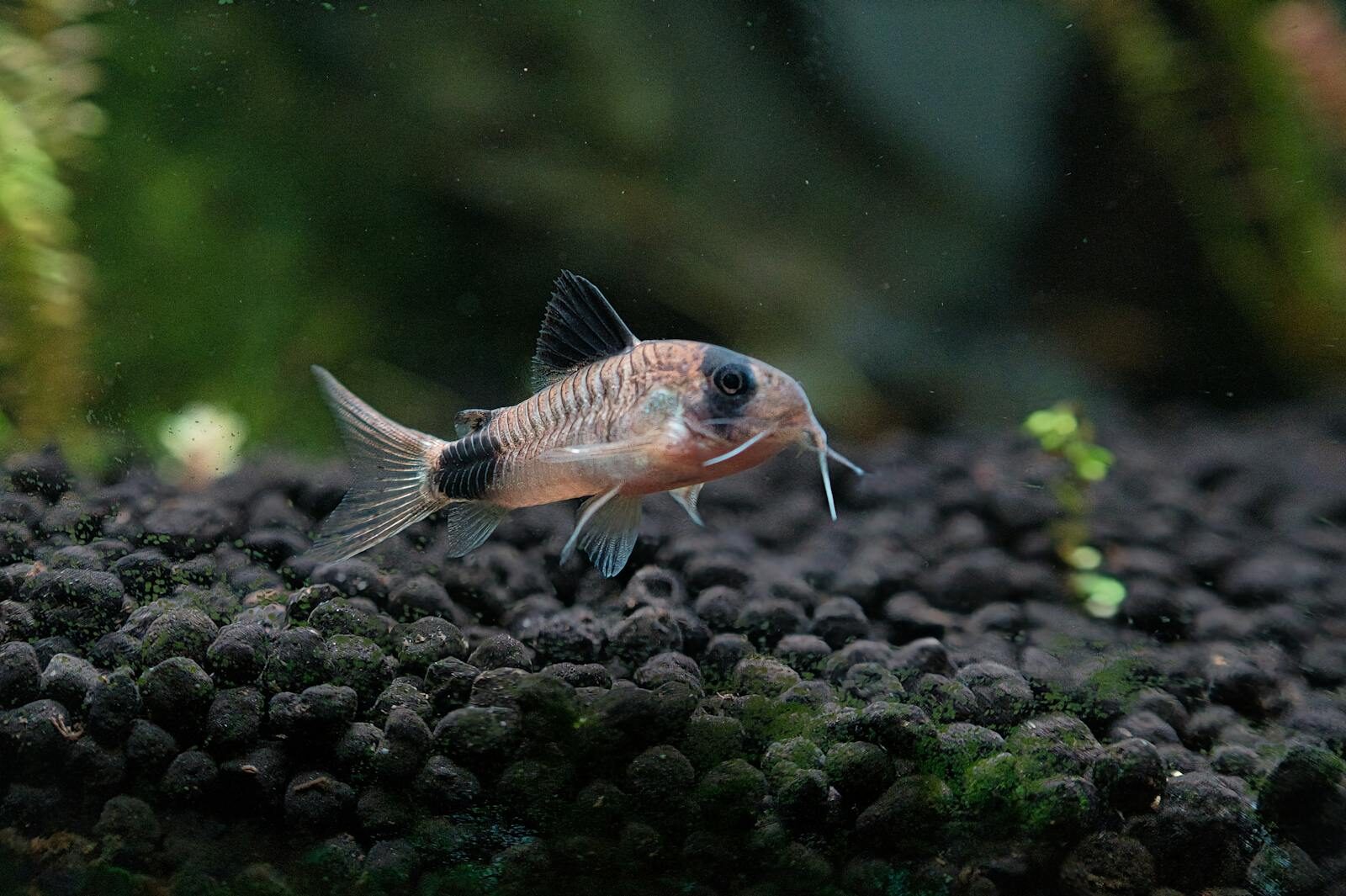
Most people choosing aquarium substrate focus entirely on how it looks. Dark or light. Fine or coarse. Natural or coloured.
What actually matters is what happens below the surface.
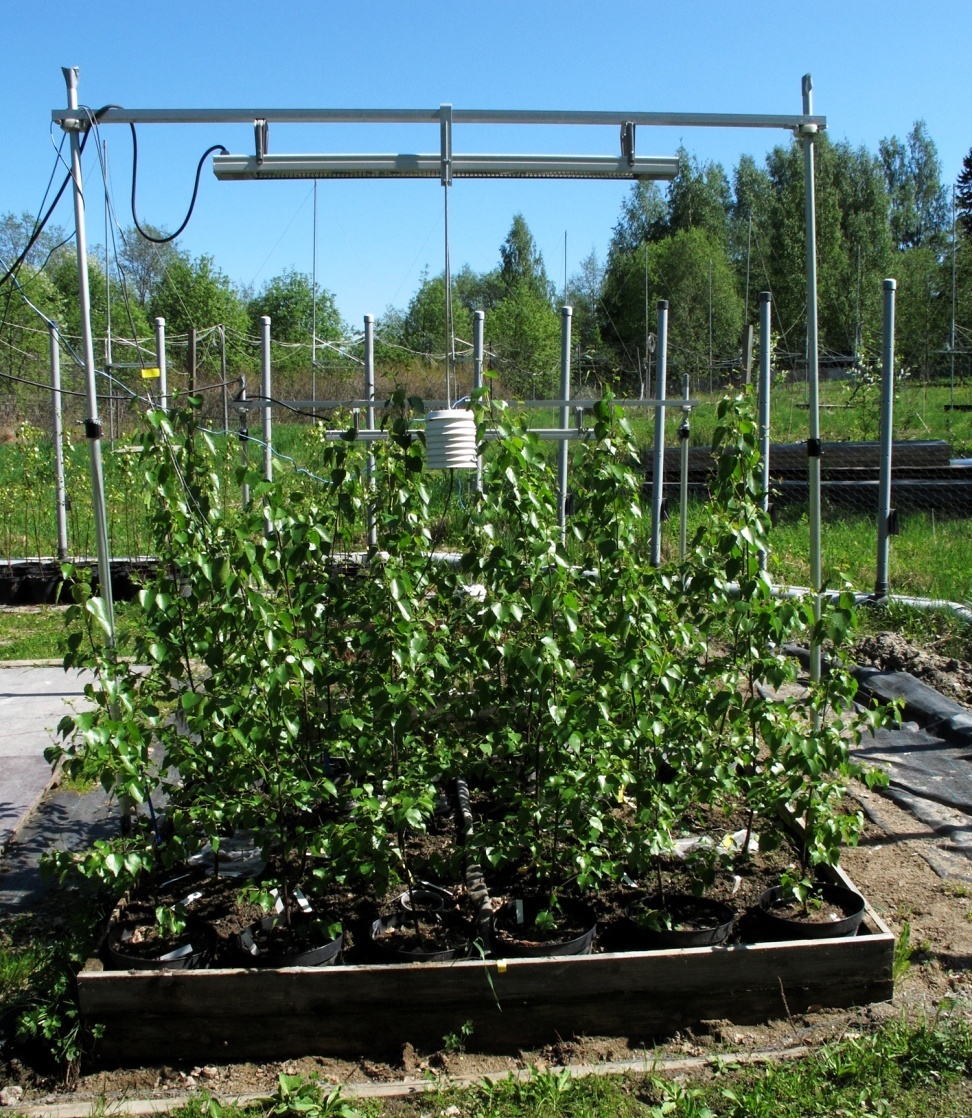
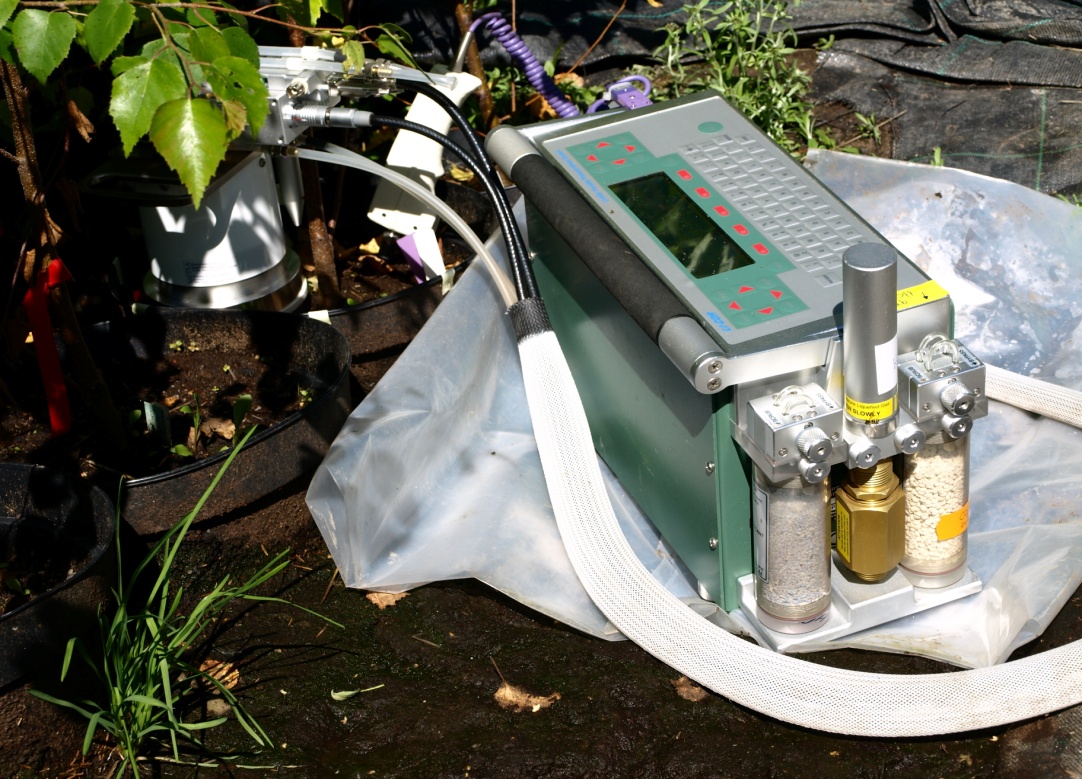
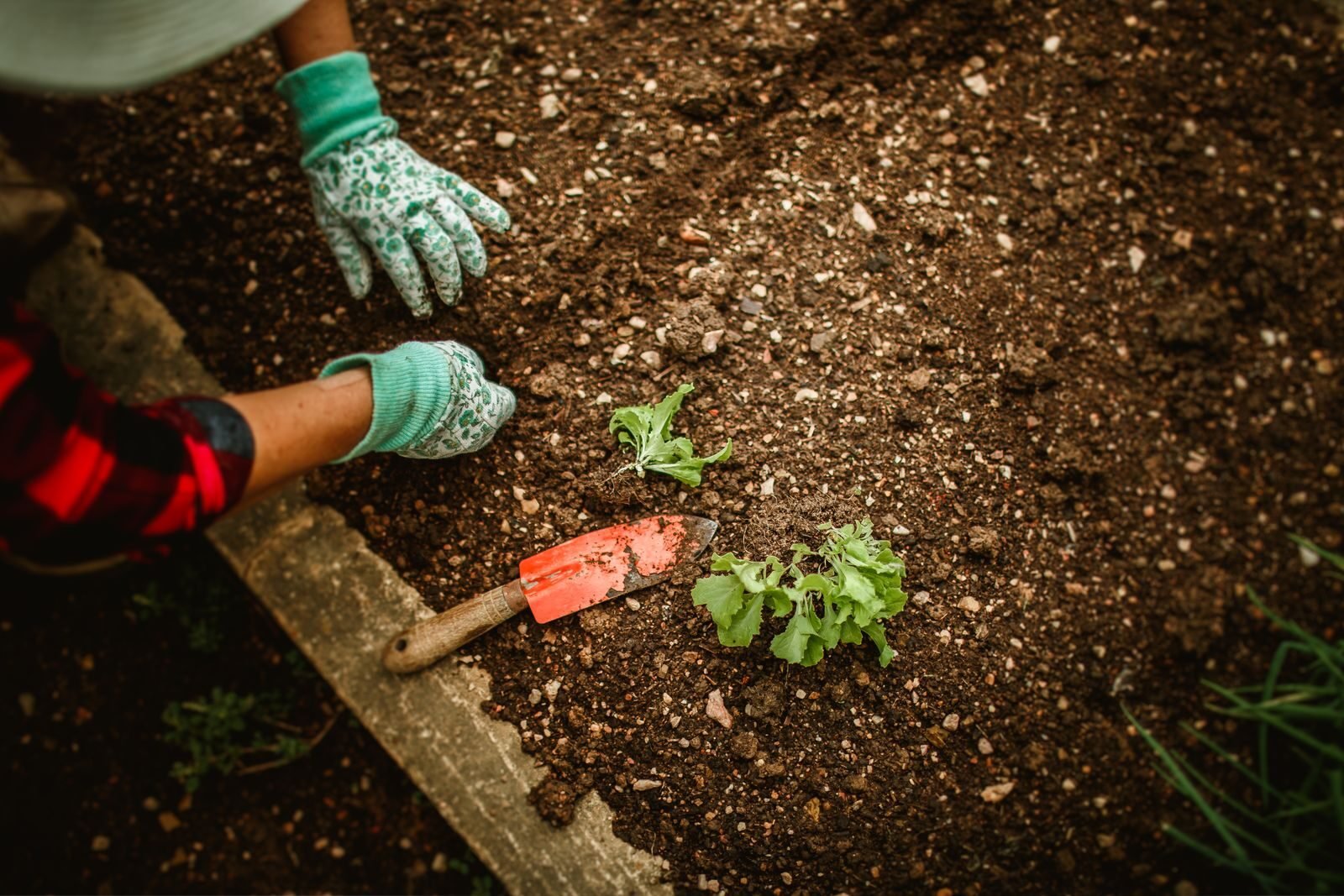
I learned this the hard way, not in an aquarium, but in a forest. During my postgraduate field research I spent a full growing season measuring how soil layers function as biological systems. I measured carbon cycling, nutrient dynamics, and bacterial activity in forest soil beneath Silver Birch trees. What those measurements showed clearly was that the most important biology in any ecosystem happens in the bottom layer where most people never look.
The substrate in a planted aquarium works on exactly the same principles. Nutrient cycling, bacterial colonisation, root chemistry, and carbon exchange all happen in that bottom layer. Understanding that changed how I think about substrate choice completely.
Here is what I actually look for when choosing one.
Do You Actually Need Substrate in a Planted Aquarium?
Technically no. Some plants like Anubias and Java Fern attach to hardscape and grow without any substrate at all. But for a properly planted aquarium with rooted species, substrate is not optional. It is where plant roots anchor, feed, and interact with the bacterial communities that drive your nitrogen cycle.
A tree growing in bare rock survives. A tree growing in a rich organic soil layer thrives. The same principle applies to your aquarium plants.
The Main Types of Aquarium Substrate
Plain gravel and sand:
Inert. No nutrients. No buffering capacity. Plants survive but growth is slow and deficiencies are common without additional fertilisation. Works for fish-only tanks or tanks with exclusively epiphytic plants. Not my recommendation for serious planted tanks.
Nutrient-rich aquasoil:
The best choice for planted tanks. These substrates contain organic matter, mineral nutrients, and buffering compounds that support plant root development and beneficial bacterial colonisation. They lower pH slightly toward the acidic range most aquatic plants prefer and release nutrients gradually over time.
During my field research measuring carbon and nutrient dynamics in forest soil beneath Silver Birch trees, I saw directly how biological activity in a soil layer depends on its organic content and mineral composition. A nutrient-rich aquasoil creates similar conditions in a submerged environment. Plants rooted in quality aquasoil simply grow better than those in plain gravel. The difference shows up fast, especially in root-feeding species.
Speciality planted tank substrates:
Designed specifically for planted aquariums. Similar to aquasoil but often with additional features like specific grain sizes for different root types or enhanced mineral content for demanding plant species.
Inert sand:
Fine grain sand works well as a top layer over nutrient-rich substrate for aesthetic purposes. Some plants like Cryptocoryne also root well in fine sand over a nutrient base layer. Avoid very fine sand as the only substrate. It compacts over time, restricts root oxygen, and creates anaerobic pockets that produce toxic gases.
What I Look for When Buying
Nutrient content: I look for substrates that contain slow-release nutrients, particularly nitrogen, phosphorus, and trace minerals. The packaging should indicate the substrate actively feeds plant roots rather than just providing an anchor.
pH buffering: Most aquatic plants prefer slightly acidic conditions between pH 6.0 and 6.8. Good planted tank substrates buffer toward this range naturally. I always check whether the substrate raises, lowers, or maintains pH and match this to the plants and fish I plan to keep.
Grain size: Grain size affects how roots develop, how water flows through the substrate, and how easy the substrate is to clean. Medium grain size between 2 and 4 mm works well for most planted tanks. Very fine substrate compacts and restricts root oxygen. Very coarse substrate allows waste to fall through and decompose in deep pockets.
Depth capacity: Good substrate needs depth to function properly. I look for products that can be used at 5 to 8 cm depth without becoming anaerobic at the bottom. Some cheaper substrates break down and become compacted at depth, reducing their biological activity over time.
Longevity: Quality aquasoil typically remains nutritionally active for 12 to 18 months before nutrients deplete. After this it still functions as a physical substrate but requires additional fertilisation. I always check manufacturer guidance on how long the nutrient content remains active.
Dust and cloudiness: All substrates release some particles when first added. I look for products that rinse clear relatively quickly. Excessive and persistent cloudiness indicates poor quality control in manufacturing and can stress fish during setup.
How Deep Should Aquarium Substrate Be?
5 to 8 cm for a planted tank. This gives plant roots adequate depth to develop properly and provides enough volume for the bacterial communities that drive your nitrogen cycle.
Shallower than 5 cm and larger rooted plants struggle to anchor and access nutrients. Deeper than 8 cm without active circulation creates anaerobic zones that produce hydrogen sulphide, a toxic gas that damages roots and stresses fish.
I always slope the substrate slightly higher at the back than the front. This creates visual depth and means organic waste collects at the front where you can remove it easily during water changes.
What I Avoid
Coloured or dyed substrate: Artificial coatings leach into the water over time and can affect water chemistry unpredictably. I stick to natural materials.
Very cheap aquasoil: Quality aquasoil requires careful production to achieve consistent nutrient content and grain size. Very cheap products often have inconsistent quality, excessive dust, or poor buffering capacity.
Calcium-rich rocks or coral sand: These raise pH and hardness significantly. Most aquatic plants prefer soft acidic water. Substrate that pushes pH above 7.5 limits your plant choices significantly.
Plain garden soil: Never use garden soil in an aquarium. It clouds the water, introduces pathogens, and decomposes in ways that make water chemistry completely unpredictable.
Frequently Asked Questions
Do you need substrate for aquarium plants?
For rooted plants yes. Substrate provides the physical anchor, nutrients, and bacterial environment that rooted aquatic plants depend on. Plants that attach to hardscape like Anubias and Java Fern grow without substrate but most planted tank species need it to thrive.
What aquarium substrate is best for plants?
Nutrient-rich aquasoil designed specifically for planted tanks gives the best results. It provides slow-release nutrients, buffers pH toward the slightly acidic range most plants prefer, and supports the bacterial communities that drive the nitrogen cycle.
How deep should aquarium substrate be?
5 to 8 cm for a planted tank. This depth supports proper root development and maintains healthy aerobic conditions throughout the substrate layer. Shallower substrate limits root growth. Deeper substrate without circulation creates anaerobic zones.
Can aquarium plants grow without substrate?
Some can. Epiphytic plants like Anubias, Java Fern, Bucephalandra, and mosses attach to rocks and wood and grow without any substrate. Most other planted tank species need substrate for rooting and nutrition.
How long does aquarium substrate last?
Quality aquasoil remains nutritionally active for 12 to 18 months. After this the substrate still functions physically but requires supplemental fertilisation through root tabs or liquid fertilizers. The physical substrate itself lasts indefinitely.
Can I add substrate with fish already in the tank?
Yes but it requires care. Adding new substrate disturbs the water significantly. Move fish to a temporary container if possible, add and rinse substrate, allow the tank to settle and water to clear before returning fish.
How do I clean aquarium substrate?
Use a gravel vacuum during water changes to remove waste from the substrate surface. Avoid deep vacuuming in planted tanks as this disturbs plant roots and removes beneficial bacteria from the substrate. Light surface cleaning at each water change is sufficient for most planted tanks.
Will substrate dust hurt fish?
Fine substrate particles irritate fish gills temporarily. Always rinse substrate thoroughly before adding it to a tank. If cloudiness persists after adding substrate do a partial water change and run filtration until the water clears. Established healthy fish recover quickly from temporary substrate dust exposure.
Choose Substrate Based on What Your Plants Need
Substrate choice is the single most important decision in a planted aquarium setup. Everything else, lighting, CO₂, fertilizers, works better when the substrate is right.
Look for nutrient-rich aquasoil with appropriate grain size, good pH buffering toward slightly acidic conditions, and a proven track record of supporting plant growth. Invest in quality substrate once and it pays back in healthier plants, fewer algae problems, and a more stable tank for the life of your setup.
Browse aquarium substrates on Amazon and compare options at every price point.
This page contains affiliate links. If you purchase through these links I may earn a small commission at no extra cost to you.