



This article was written and reviewed by Serge, MSc. I hold degrees in Plant Biology, Environmental Biology and Biogeochemistry, with research experience in plant physiology, ecosystem science, and field-based environmental studies. Every article on this site is grounded in real academic training and genuine scientific research.
Affiliate disclosure: This site has affiliate links, including Amazon. As an Amazon Associate I earn from qualifying purchases, at no extra cost to you.
Something I hear constantly from people who have just set up a planted tank goes like this: the tank looked perfect for the first week, then suddenly the water turned cloudy or green and they have no idea why.
I always ask them the same first question.
How long are your lights running each day?
Nine times out of ten the answer is somewhere between ten and twelve hours. And that is almost always the root of the problem.
Understanding why requires understanding a little biology. Not complicated biology. Just enough to see what is actually happening in your tank when things go wrong. Once you see it clearly, fixing it becomes straightforward and preventing it becomes second nature.
Your Tank Is an Ecosystem. Ecosystems Go Out of Balance.
A planted aquarium is not just a decorative object. It is a functioning biological system where plants, bacteria, algae, fish, and water chemistry all interact continuously.
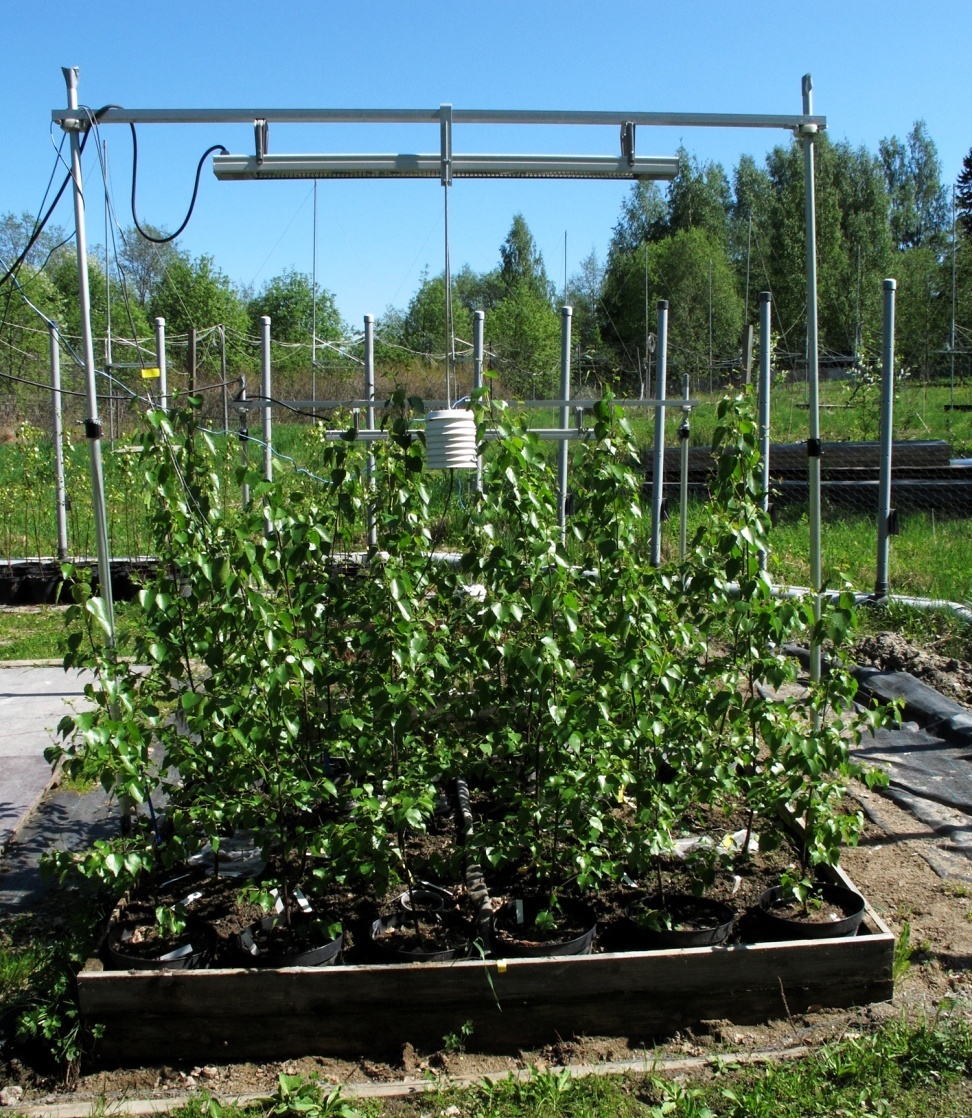
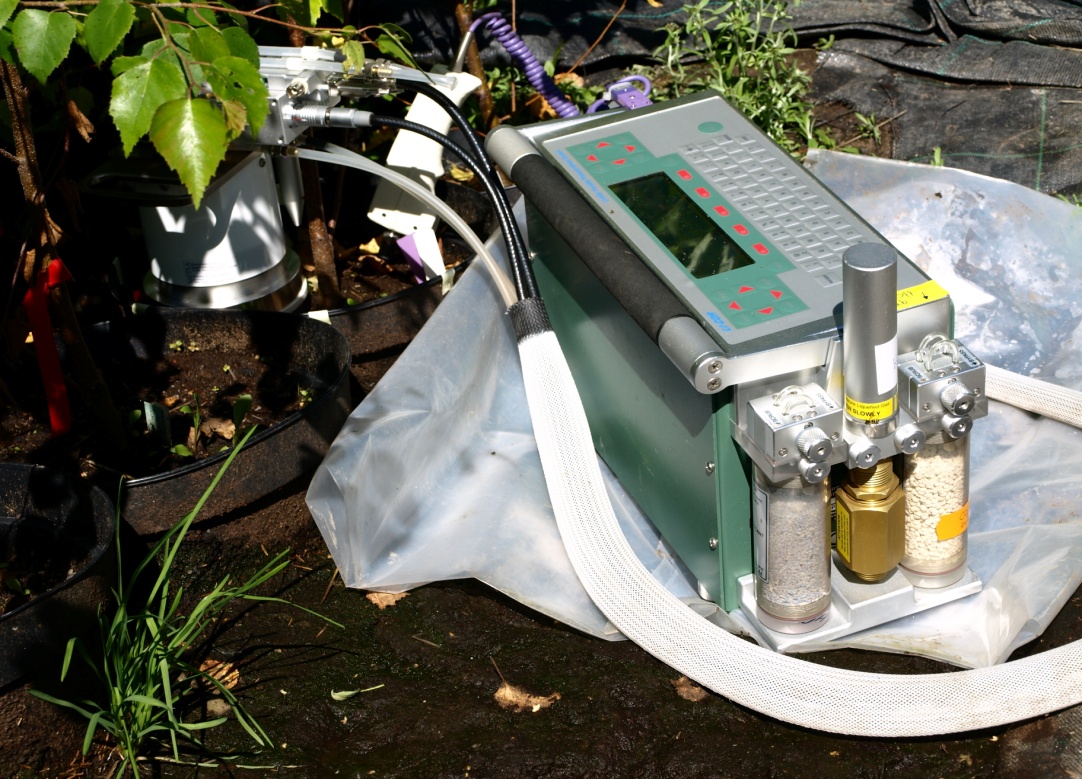
During my field research studying how environmental conditions affect plant growth and carbon cycling in forest ecosystems, one thing became very clear very quickly. Biological systems constantly compete for resources. When one organism gets more resources than it can use, another organism exploits the surplus.
In your aquarium that surplus almost always feeds algae.
Algae and your aquatic plants compete for exactly the same resources. Light, CO₂, and nutrients. When those three things are in balance, your plants consume them efficiently and leave nothing for algae to exploit. When they fall out of balance, algae steps in and takes what the plants cannot use.
Cloudy water and green water are both symptoms of imbalance. The type of cloudiness tells you what kind of imbalance you are dealing with.
White or Grey Cloudy Water
White or grey cloudiness in a new tank is almost always a bacterial bloom. This is one of the most misunderstood events in the aquarium hobby and it causes unnecessary panic every time.
Here is what actually happens. When you set up a new tank you introduce nutrients into the water through substrate, plants, and any initial fish waste. Heterotrophic bacteria respond to this nutrient availability by multiplying rapidly. The bacterial population explodes temporarily, reaches a peak, and then crashes back down as nutrients get consumed and the system reaches a new equilibrium. The whole process usually takes 2 to 5 days and resolves completely on its own.
I studied microbial population dynamics as part of my environmental biology training. This exact pattern, rapid population growth followed by collapse as resources become limiting, is a textbook biological response. It is completely normal and harmless. The bacteria causing the cloudiness are not pathogenic. They are part of the natural colonisation process every new tank goes through.
What to do: Nothing. Do not do a water change. Do not add chemicals. Do not turn off the filter. The cloudiness clears on its own within a few days. Adding chemicals to try to fix it almost always prolongs the problem by disrupting the bacterial colonisation process.
Persistent Cloudy Water in an Established Tank
If your tank has been running for weeks or months and the water stays persistently cloudy, the cause is different. Established tanks develop stable bacterial communities that keep free-floating bacterial populations in check. If cloudiness persists it usually points to one of these causes:
Overfeeding: Excess food decomposes in the tank, releasing nutrients that fuel bacterial blooms continuously. Feed only what fish consume within two minutes and remove any uneaten food immediately.
Overstocking: Too many fish produce more ammonia than your bacterial colonies and plants can process. Ammonia accumulates, fuels bacterial growth, and keeps the water permanently cloudy. Check your stocking level against the tank size.
Filter problems: If your filter is undersized, clogged, or you cleaned it too aggressively, it loses bacterial capacity and cannot process waste efficiently. Never wash filter media in tap water. The chlorine kills the beneficial bacteria living in it. Rinse filter media only in tank water removed during a water change.
Substrate disturbance: Deep vacuuming of a planted tank substrate releases trapped organic matter and suspended particles into the water column. Keep substrate vacuuming shallow and gentle in planted tanks.
Green Water
Green water is a different problem entirely and it has a specific biological cause. Single-celled algae called phytoplankton enter your water column and multiply to the point where they turn the water visibly green. This is a phytoplankton bloom and it happens fast. Tanks can go from crystal clear to pea soup green in 48 hours.
The biology behind it mirrors exactly what happens in natural aquatic ecosystems when nutrient and light conditions shift. In my biogeochemistry studies I learned firsthand how excess nutrient loading triggers algae blooms in natural water bodies. We saw the same pattern repeatedly in our field measurements. When nutrient levels crossed certain thresholds, algae responded faster than any other organism in the system. The same mechanism operates in your tank at a smaller scale.
Phytoplankton need three things to bloom: light, nutrients, and time. In most planted tanks one of these three stays limiting and keeps phytoplankton populations in check. When all three become available simultaneously, the bloom happens fast.
The most common triggers:
Too much light: Running lights for 10 to 12 hours a day in a tank without sufficient plant mass or CO₂ creates ideal conditions for phytoplankton. They exploit the excess light your plants cannot fully use.
Direct sunlight: Positioning a tank near a window that receives direct sunlight triggers green water fast. Natural sunlight is far more intense than any aquarium light and phytoplankton respond to it immediately.
Nutrient excess: High nitrate and phosphate levels from overfeeding, overstocking, or infrequent water changes fuel phytoplankton growth directly.
New tank syndrome: A new tank without established plant growth and a complete nitrogen cycle has excess nutrients and no biological competition for phytoplankton. Green water in new tanks is extremely common for this reason.
How to Fix Green Water
Step 1
Reduce lighting immediately Drop your lighting period to 6 hours daily. This alone often clears mild green water within a week by removing the light energy that fuels phytoplankton growth.
Step 2
Block all natural light Cover the sides of the tank with dark paper or card to block any ambient natural light reaching the water. Even indirect natural light contributes to phytoplankton growth.
Step 3
Do a large water change A 50% water change dilutes the phytoplankton population and removes excess nutrients from the water column. Follow with 20 to 30% changes every two to three days for two weeks.
Step 4
Check and address nutrients Test your water for nitrate and phosphate. Nitrate above 20 to 40 ppm and detectable phosphate both fuel algae growth. Reduce feeding, increase plant density, and maintain regular water changes to keep levels down.
Step 5
Blackout treatment for severe cases In severe cases a complete blackout for 3 to 4 days kills phytoplankton effectively. Cover the entire tank so no light reaches the water at all. Most aquatic plants survive this well. Phytoplankton cannot survive without light for this duration. After the blackout do a large water change and resume a reduced lighting schedule of 6 to 7 hours daily.
Step 6
UV steriliser A UV steriliser fitted to your filter kills free-floating phytoplankton as water passes through it. This is the fastest mechanical solution for persistent green water. It does not address the underlying cause but clears the water quickly while you fix the root problem.
Green Algae on Glass and Surfaces
Green algae growing on the glass, rocks, and substrate surface is different from green water and much less serious. This is attached algae rather than free-floating phytoplankton and it is a normal part of any established tank.
A thin film of green algae on the glass actually signals a healthy tank. It means your water chemistry supports biological growth. The question is just managing how much grows and where.
Management strategies:
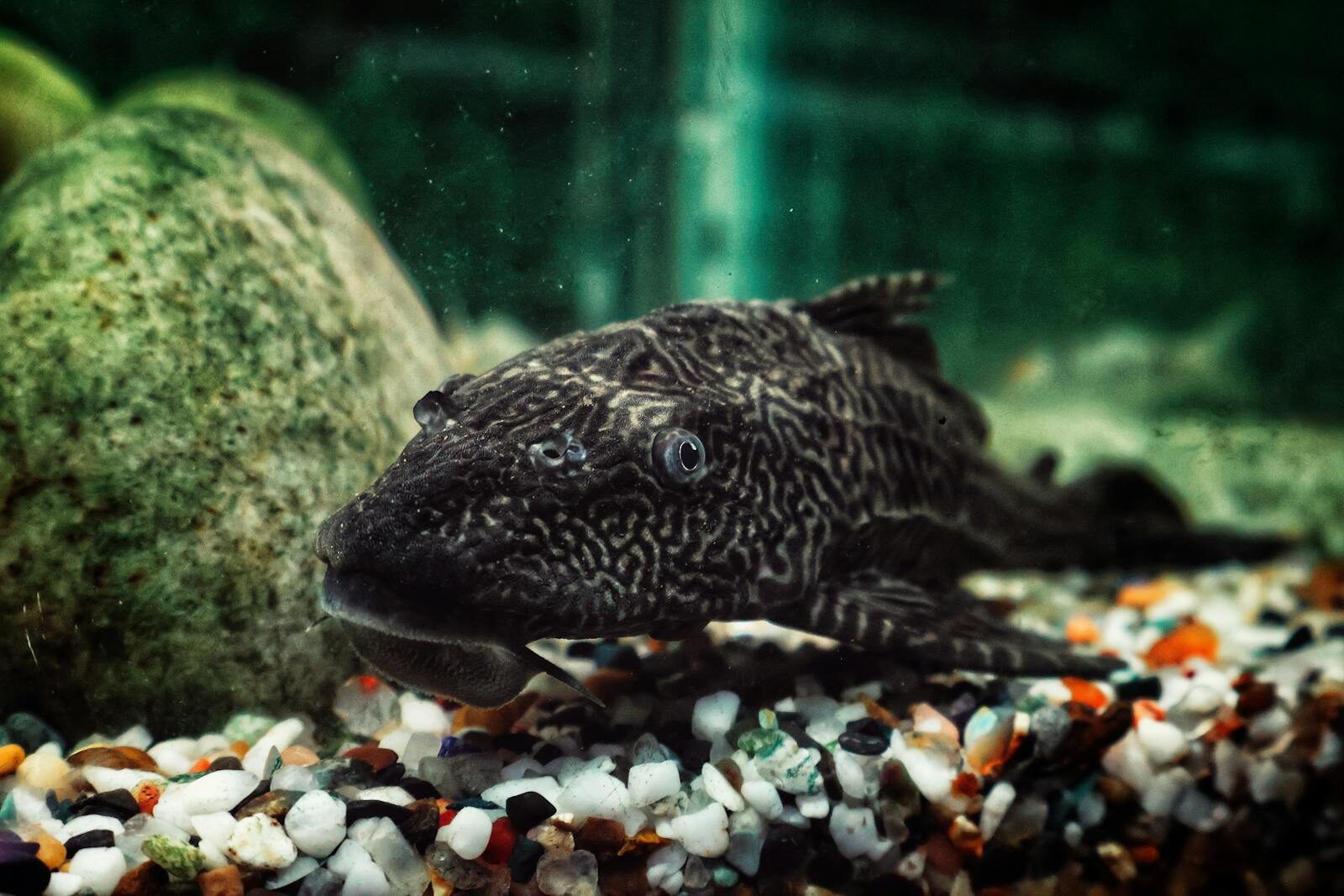
Algae-eating species: Otocinclus catfish, nerite snails, and amano shrimp all eat algae efficiently without damaging plants. A small cleanup crew in any planted tank does the maintenance work continuously without any effort from you.
Manual removal: A good algae scraper on the glass before each water change keeps viewing panels clear. Takes two minutes.
Reduce lighting duration: If algae on surfaces grows faster than your cleanup crew manages, reduce lighting by 30 minutes and see if growth slows.
Brown Algae (Diatoms)
Brown dusty algae coating leaves, glass, and substrate in a new tank is almost always diatoms. Diatoms appear in new tanks because silicates leach from new substrate and support diatom growth before the tank fully establishes.
Diatoms disappear on their own within 4 to 8 weeks as the tank matures and silicate levels stabilise. Otocinclus and nerite snails eat them readily if you want to speed up the process.
The Real Fix for All Algae Problems
Every algae problem in a planted tank comes down to the same fundamental imbalance. Your plants do not consume resources fast enough to outcompete algae.
The long-term solution is always the same. More plants, appropriate lighting, stable nutrients, and a complete nitrogen cycle. When those four things work together properly algae becomes a minor inconvenience rather than a persistent problem.
This is the same principle that governs algae dynamics in natural aquatic ecosystems. In a healthy lake or river with diverse plant communities and stable nutrient levels, algae blooms are rare and short-lived. The plant community outcompetes them for resources continuously. Build that kind of competitive plant community in your tank and algae loses.
Frequently Asked Questions
Why did my aquarium water turn cloudy overnight?
Overnight cloudiness in a new tank is almost always a bacterial bloom, a completely normal part of the cycling process. Free-floating bacteria multiply rapidly as they colonise the new environment, turning the water milky white or grey. It clears on its own within 2 to 5 days without intervention.
Why is my fish tank water green?
Green water means single-celled phytoplankton have bloomed in your water column. The most common causes are too much light, direct sunlight hitting the tank, excess nutrients from overfeeding or infrequent water changes, or a combination of all three. Reduce lighting to 6 hours daily, do large water changes, and address nutrient levels.
Is green aquarium water harmful to fish?
Mild green water is not directly harmful to fish. In severe cases where phytoplankton density is very high, oxygen levels can drop at night when algae switches from photosynthesis to respiration. Monitor fish behaviour and increase surface agitation if fish show signs of oxygen stress like gasping at the surface.
How do I keep my aquarium water crystal clear?
Consistent lighting of 6 to 8 hours daily, regular 20 to 30% water changes every one to two weeks, appropriate stocking levels, careful feeding, a properly sized filter, and dense plant coverage all work together to maintain clear water. No single factor matters more than all of them working together.
Do planted tanks get less algae?
Yes, significantly. Dense plant coverage outcompetes algae for light, nutrients, and CO₂. A well-planted tank with appropriate lighting and stable water chemistry develops far fewer algae problems than a sparsely planted or unplanted tank. Plant densely from day one and algae loses its competitive advantage from the start.
Why does my aquarium smell bad?
A bad smell usually indicates excess organic waste decomposing in the tank, uneaten food, dead plant material, or waste accumulating in the substrate. Increase water change frequency, reduce feeding, check that your filter runs properly, and vacuum substrate gently during water changes to remove decomposing material.
How often should I do water changes to prevent algae?
A 20 to 30% water change every one to two weeks prevents nutrient accumulation that fuels algae. In tanks with heavy fish loads or heavy feeding, weekly changes keep nitrate and phosphate levels in check more effectively.
Can too much light cause cloudy water?
Excess light does not directly cause bacterial cloudiness but it fuels green water algae blooms in tanks with excess nutrients. If your water turns green rather than white or grey, excess light combined with high nutrients is the most likely cause. Reduce lighting duration and do a large water change.
Fix the Biology and the Water Clears Itself
Cloudy or green water is not a sign that your tank is broken. It is a sign that something in the biological balance has shifted. Find the shift, address it at the source, and the water clears.
Do not reach for chemical treatments as a first response. Chemicals suppress symptoms without fixing causes and often disrupt the beneficial bacterial communities your tank depends on. Address the biology directly. It is slower than pouring in a bottle of something but it actually works.
If you have not already, read my article on how to set up a planted aquarium properly. A tank built on the right biological foundation from day one develops far fewer water quality problems than one put together without understanding what is actually happening in the water. I also cover how bacteria fix nitrogen in soil and water in a separate article, understanding that cycle explains why your tank behaves the way it does during the first weeks of setup.
Got a question about your specific tank problem? Drop it in the comments. I answer every one personally.