

This article was written and reviewed by Serge, MSc. I hold degrees in Plant Biology, Environmental Biology and Biogeochemistry, with research experience in plant physiology, ecosystem science, and field-based environmental studies. Every article on this site is grounded in real academic training and genuine scientific research.
Affiliate disclosure: This site has affiliate links, including Amazon. As an Amazon Associate I earn from qualifying purchases, at no extra cost to you.

Can you really recreate the perfect outdoor growing conditions inside your home?
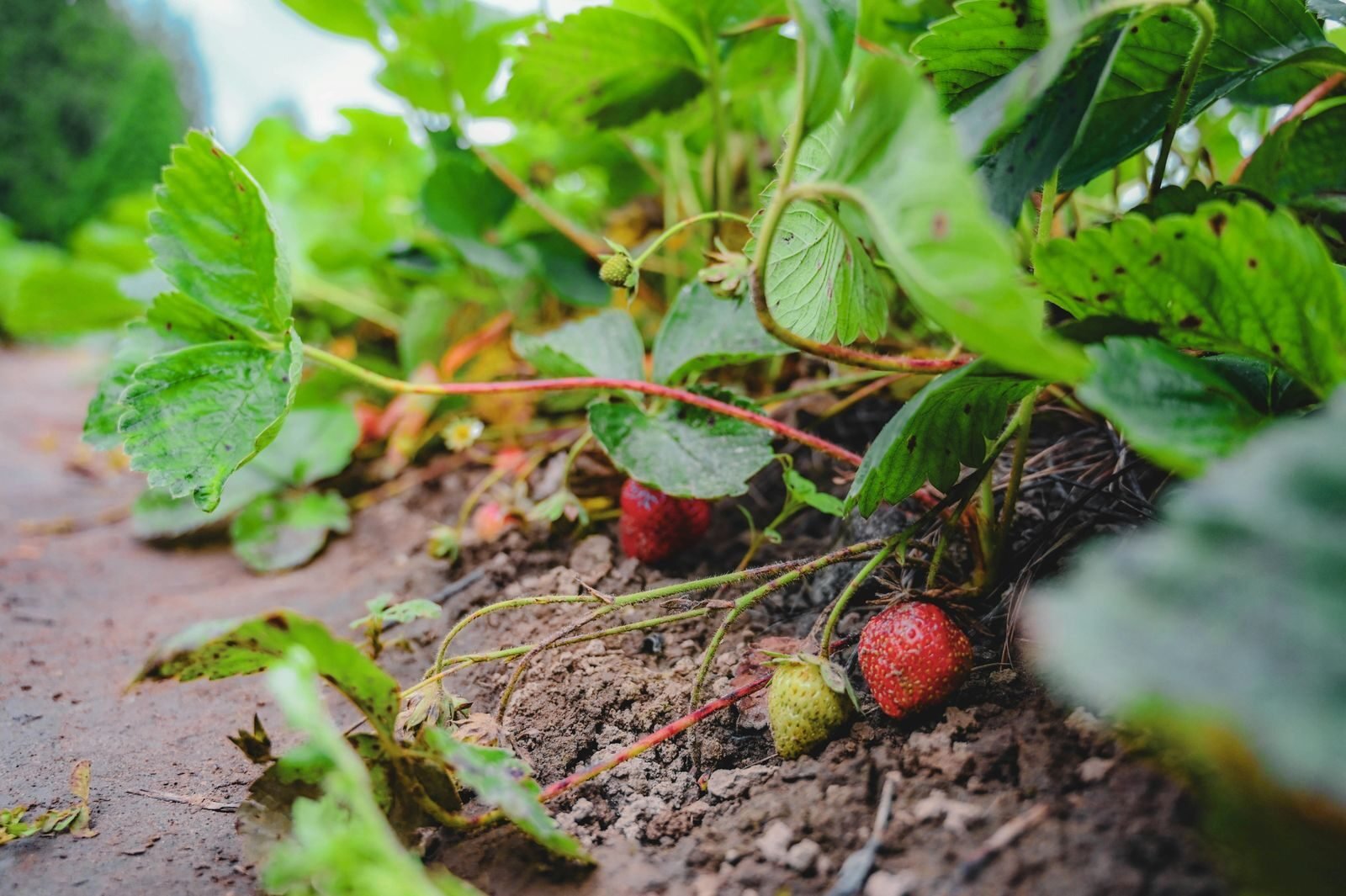
It’s a bright summer morning. The sun warms your face, the scent of herbs drifts from your garden, and you can’t help but smile. Outside, everything grows effortlessly. Basil leaves glisten in the sunlight, lettuce heads stretch wide, and tiny cherry tomatoes hang like jewels on their vines. You walk among the greenery, hands brushing leaves, marveling at how vibrant and alive your garden has become.
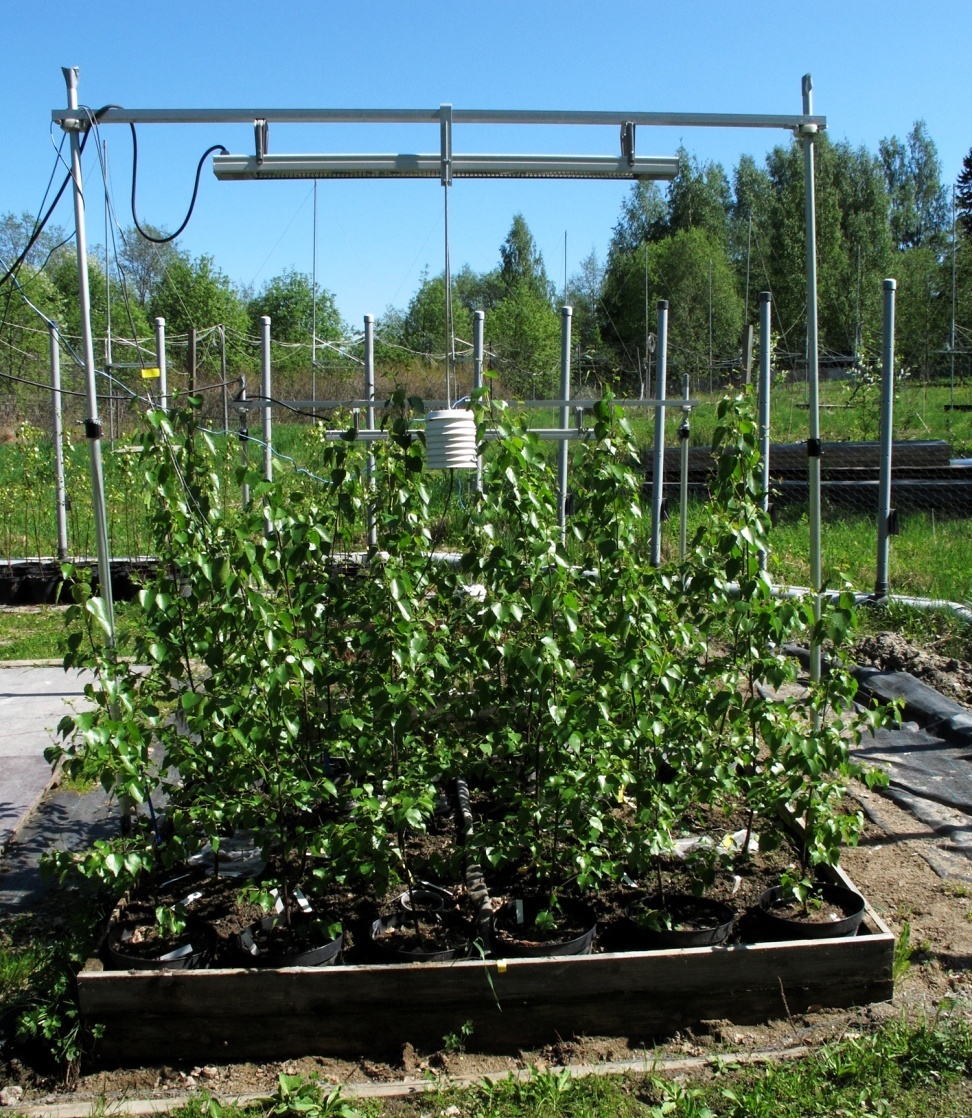
I’ve spent years studying plants and soils, earning my degrees in Plant Science, Environmental Biology and Biogeochemistry, and conducting hands-on experiments outdoors.
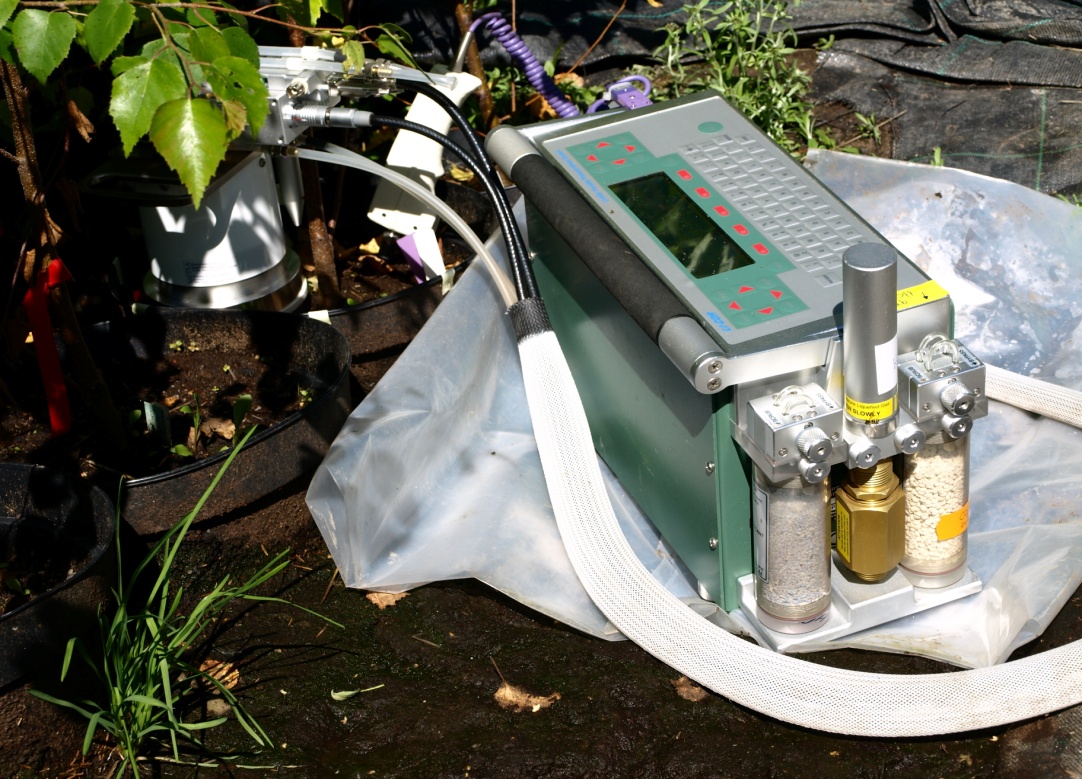
I know what a healthy plant needs: the right light, water, temperature, and nutrients in the soil. I’ve measured leaf area index, monitored soil respiration, and observed how plants respond to subtle changes in their environment. In summer, when these conditions align, everything grows beautifully.
When Seasons Change
But seasons don’t wait for anyone. Autumn creeps in with shorter days, crisp winds, and cooler nights. Your once-vibrant garden slows. Leaves curl, growth diminishes, and frost whispers the inevitable: winter is coming.
Even with all my experience, I know the frustration: outside, you can’t control daylight hours, temperature fluctuations, or frost. You can carefully water and tend the soil, but winter limits growth no matter how much you care.
You look at your plants and wonder…
can I still grow fresh basil, crisp lettuce, or even tiny cherry tomatoes indoors?
How can I replicate the sun’s warmth, the gentle breeze, and the perfect soil moisture that I’ve spent years observing and nurturing outdoors?
The Challenge of Indoor Gardening
Moving plants indoors isn’t enough. Plants need the full suite of environmental cues: light for photosynthesis, water in just the right amount, nutrients delivered consistently, and warmth that keeps metabolic processes active.
A biogeochemical balance is essential. Too little light, and leaves yellow; too much water, and roots suffer from hypoxia (lack of oxygen); too cold, and the enzymatic activity required for growth halts entirely.
Even for a plant scientist like me, recreating these conditions indoors is a challenge. I’ve spent countless hours in field experiments monitoring soil moisture, leaf growth, and stem height, and I understand the intricate balance that makes plants thrive. To do the same indoors, you need a system that can mimic the outdoors, not just move plants inside.
Mimicking Nature Indoors
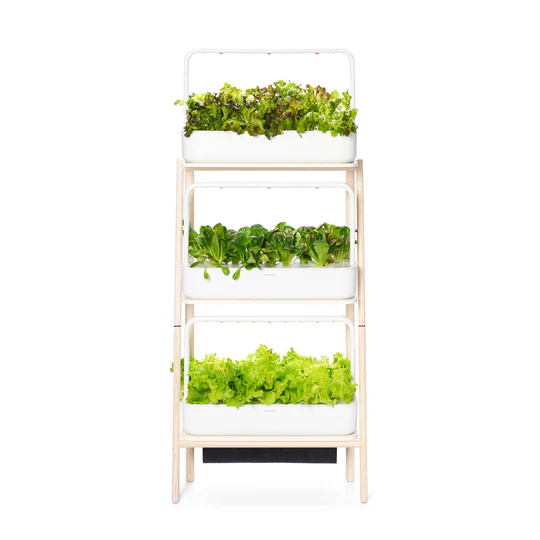
Imagine being able to bring summer inside: three levels of greenery stacked like a tiny vertical forest, plants basking in ideal light, roots drinking just enough water, leaves stretching as if the sun were shining outdoors.
For indoor gardening to truly work, you need:
Consistent light: Similar to long summer photoperiods.
Optimal water and nutrients: Replicating rain and fertile “soil solution.”
Stable temperature: The gentle warmth that encourages metabolic activity.
With these conditions, even winter can feel like an extension of summer. As someone who has studied the science of plant growth, I know that controlling these variables is the key to thriving indoor plants.
Bringing Summer Indoors
Some modern indoor gardening systems achieve this balance. They recreate outdoor conditions, light, water, and temperature, allowing plants to continue thriving indoors even when snow blankets the ground outside.
Think about harvesting fresh basil in December, crisp lettuce in January, or tiny cherry tomatoes in February. You don’t need acres of land or perfect weather, just the right conditions for growth. Indoor gardens that replicate nature remove the limitations of seasons, frost, and unpredictable weather.
The Smart Garden 27: Your Year-Round Garden
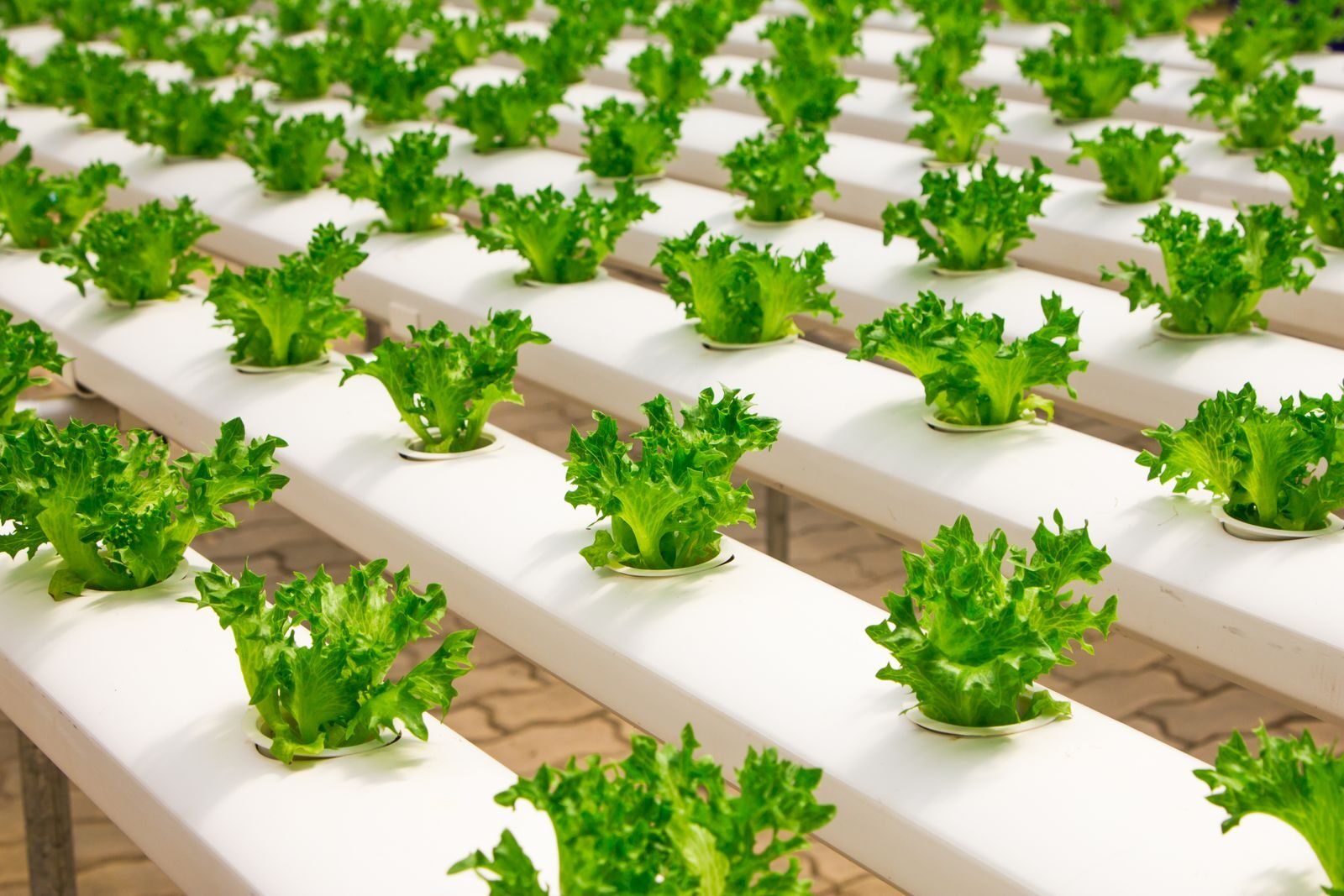
One system that embodies this approach is the Smart Garden 27. It allows you to grow many plants across three stacked levels, giving herbs, greens, and small vegetables the care they need, whether it’s winter, spring, summer, or fall.
Automated LED Lights: They Provide consistent, optimal sunlight required for photosynthesis and the production of aromatic secondary metabolites.
Passive Watering System: Keeps roots hydrated without overwatering, mimicking natural capillary action in soil.
Pre-seeded, Pesticide-Free Plant Pods: Ensure plants start strong with a clean nutrient foundation.
Even when outdoor conditions are ideal, you can use it to extend the growing season, experiment with new herbs, or grow plants that might not thrive outside.
For someone like me, who understands the science behind healthy plant growth, this system isn’t just convenient,it’s a practical way to replicate what I’ve observed in the field. You don’t need a backyard, perfect climate, or months of trial and error. The Smart Garden 27 brings the same conditions that make plants thrive in summer, indoors, all year long.
Summary
Outdoor gardens are wonderful in summer, but indoor gardening lets you extend that beauty to every season. With the right conditions, plants can thrive indoors as they do outdoors. I can confidently say that indoor systems like the Smart Garden 27 bridge the gap between science and everyday gardening.
Winter doesn’t have to be a pause. It can be another season of lush leaves, fragrant herbs, and the joy of harvest, right in your own home.
Bring your summer garden indoors and enjoy fresh plants every day!
Click Here to Learn More About the Smart Garden 27
FAQs
Can I really grow the same plants indoors that I grow outside in summer?
Yes! With the right light, water, and temperature, herbs, greens, and small vegetables can thrive indoors. Systems like the Smart Garden 27 help replicate optimal conditions.
Do I need scientific knowledge to grow indoors?
Not at all. Automated lights, watering systems, and pre-seeded pods make it simple for beginners. For plant scientists or enthusiasts, it’s also a way to observe growth under controlled conditions.
How much space do I need for indoor gardening?
Vertical systems like the Smart Garden 27 allow you to grow dozens of plants across three levels without taking up much floor space.
Can indoor gardening really work in winter?
Yes. By controlling light, water, and temperature, you can grow fresh plants year-round, even when it’s freezing outdoors.
How much maintenance does it require?
Minimal. Most automated systems take just a few minutes a week, add water, replace pods when needed, and enjoy watching plants grow.
Click Here to Learn More About the Smart Garden 27