

This article was written and reviewed by Serge, MSc. I hold degrees in Plant Biology, Environmental Biology and Biogeochemistry, with research experience in plant physiology, ecosystem science, and field-based environmental studies. Every article on this site is grounded in real academic training and genuine scientific research.
Affiliate disclosure: This site has affiliate links, including Amazon. As an Amazon Associate I earn from qualifying purchases, at no extra cost to you.
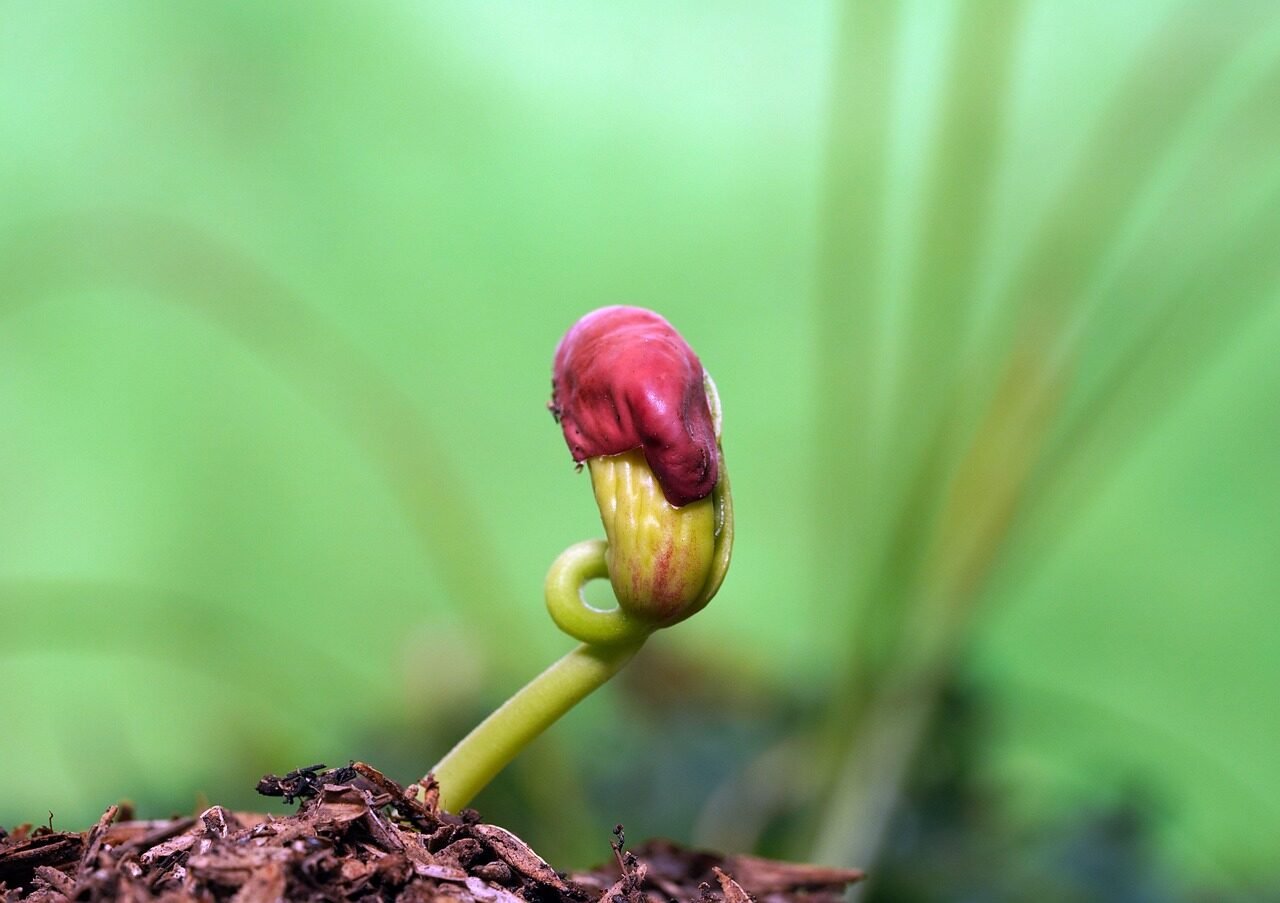
What actually determines whether a plant thrives… or fails before it even begins?
Before I studied plant science, I just liked growing things. I didn’t think about nutrients, oxygen levels, or plant physiology. I just planted seeds and hoped they would grow.
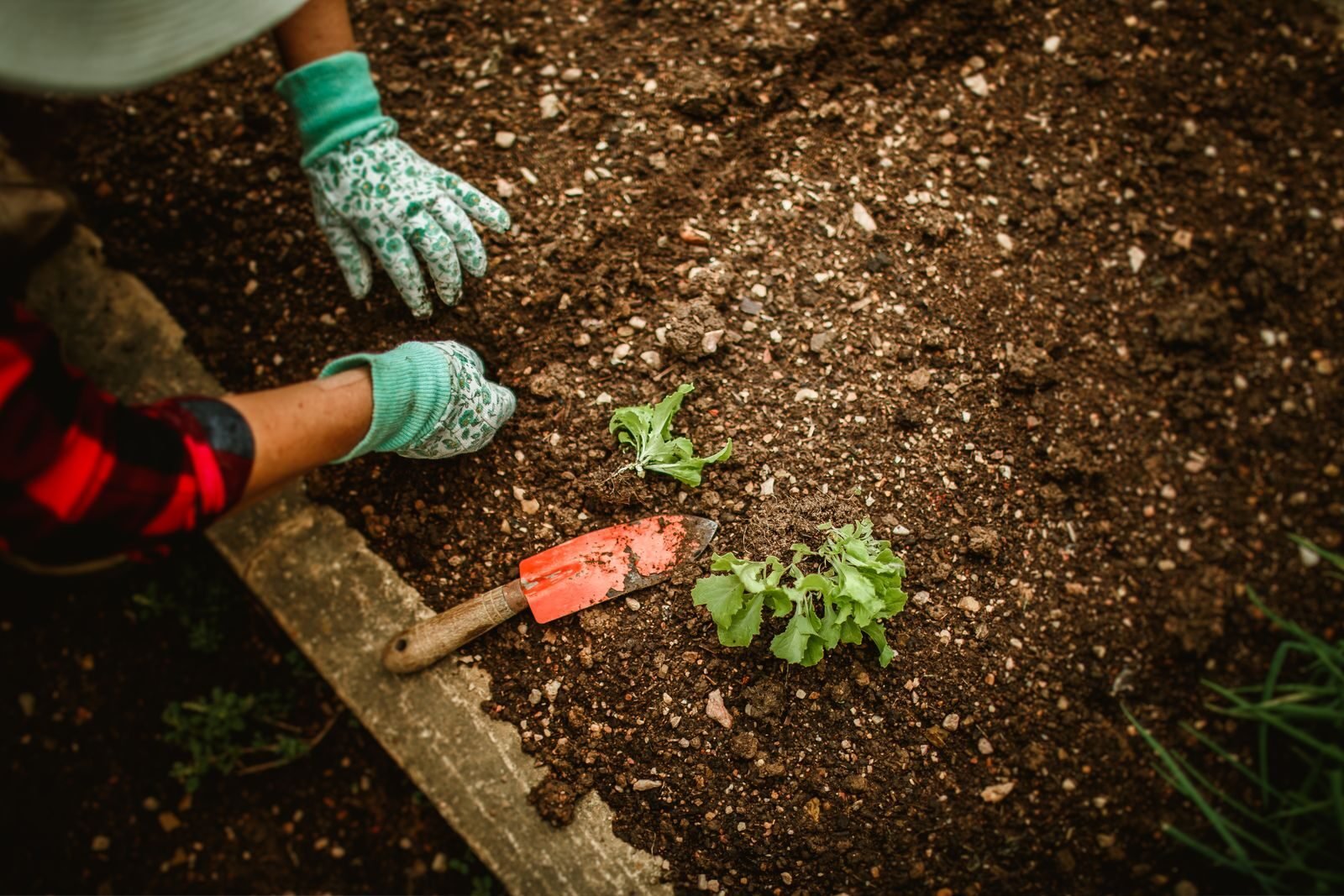
I remember placing small pots on a windowsill at home. I watered them, made sure they had light, and checked them every day. Some plants grew well. Others didn’t. Sometimes nothing came out at all.
At the time, I didn’t understand why. I thought I was doing everything right.
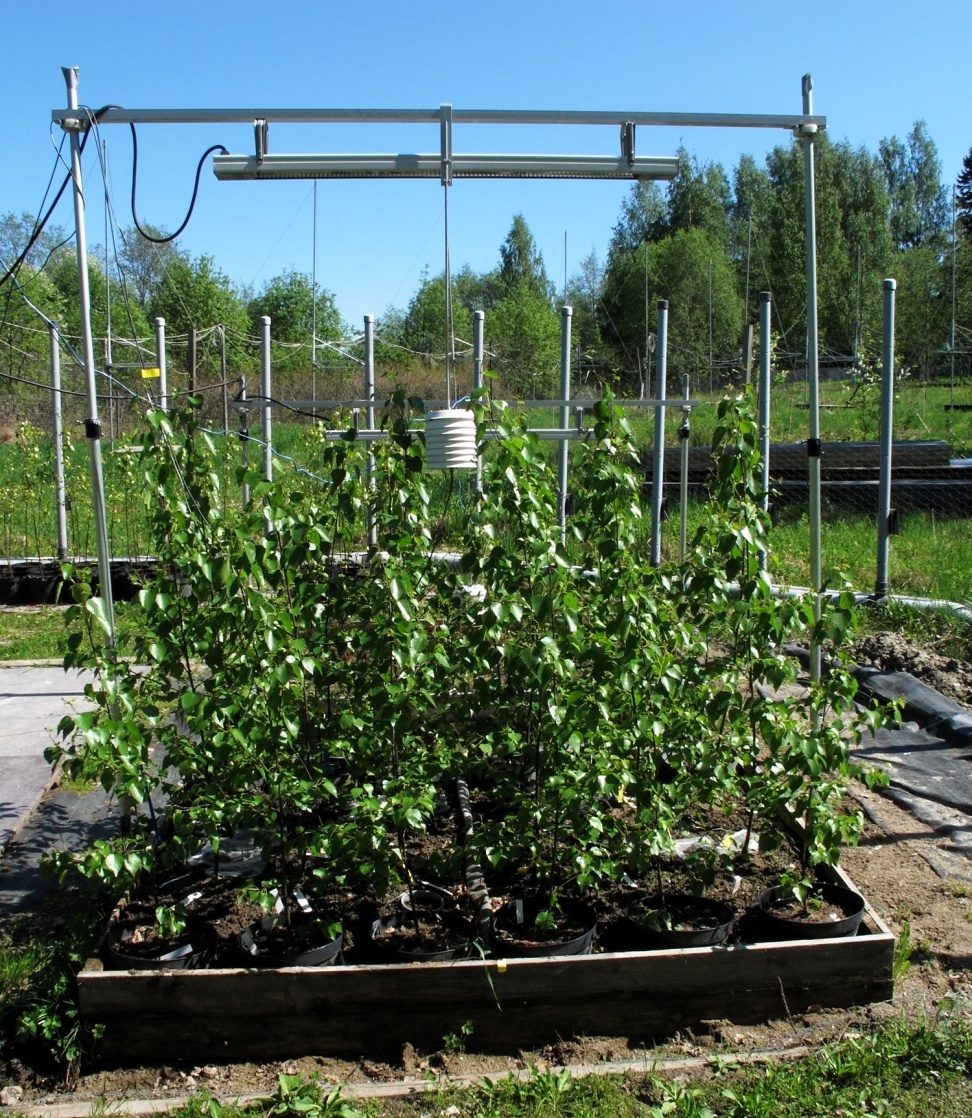
Years later, after studying Plant Science, Environmental Biology, and Biogeochemistry, and working with plants in outdoor experiments, I now understand something important:
Most plant failures start before the plant even grows.
A Memory Before Science
When I was younger, I once tried something different. I used a small plant pod instead of regular soil. It looked simple, no mixing soil, no measuring anything. Just place it, add water, and wait. I didn’t expect much. But the result was different.
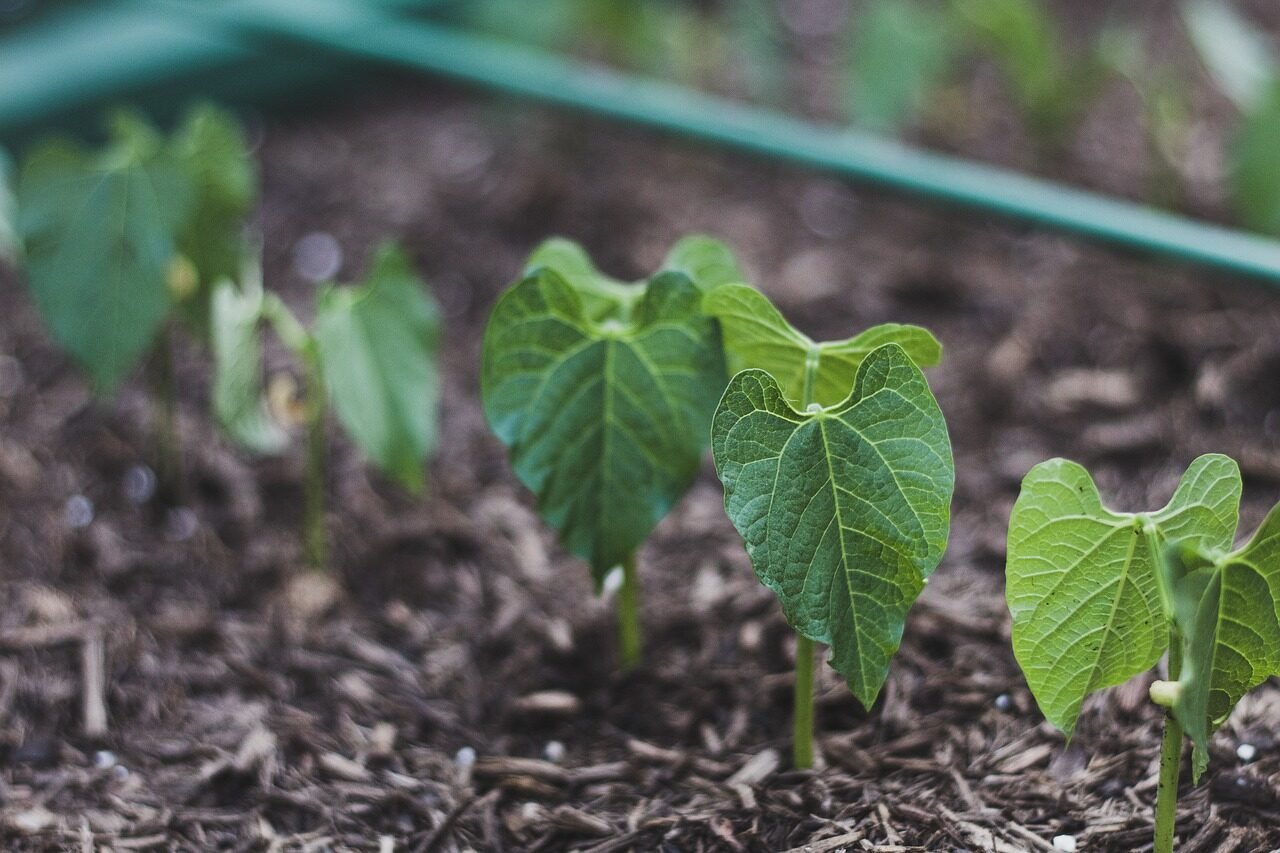
The seed sprouted quickly. The plant looked healthy from the start. It grew steadily, without the problems I had seen before.
At that time, I didn’t know why it worked better. I just noticed that it did.
Now I understand what was happening.
What I Know Today
After years of studying plants and working with them in real conditions, I’ve learned that plants need a few basic things to grow properly: good-quality seeds, balanced nutrients, enough water (but not too much), oxygen around the roots, and stable conditions.
In outdoor environments, these factors are always changing. Even in pots, it’s hard to control everything.
That’s where plant pods are different.
A plant pod is designed to control these conditions from the start. It gives the seed a stable environment so it can grow without stress.
Browse SeedsNow’s Non-GMO Seed Range →
What Happens Inside a Plant Pod
When a seed starts growing, it uses stored energy to develop its first root and leaves. This process depends on water, oxygen, and temperature.
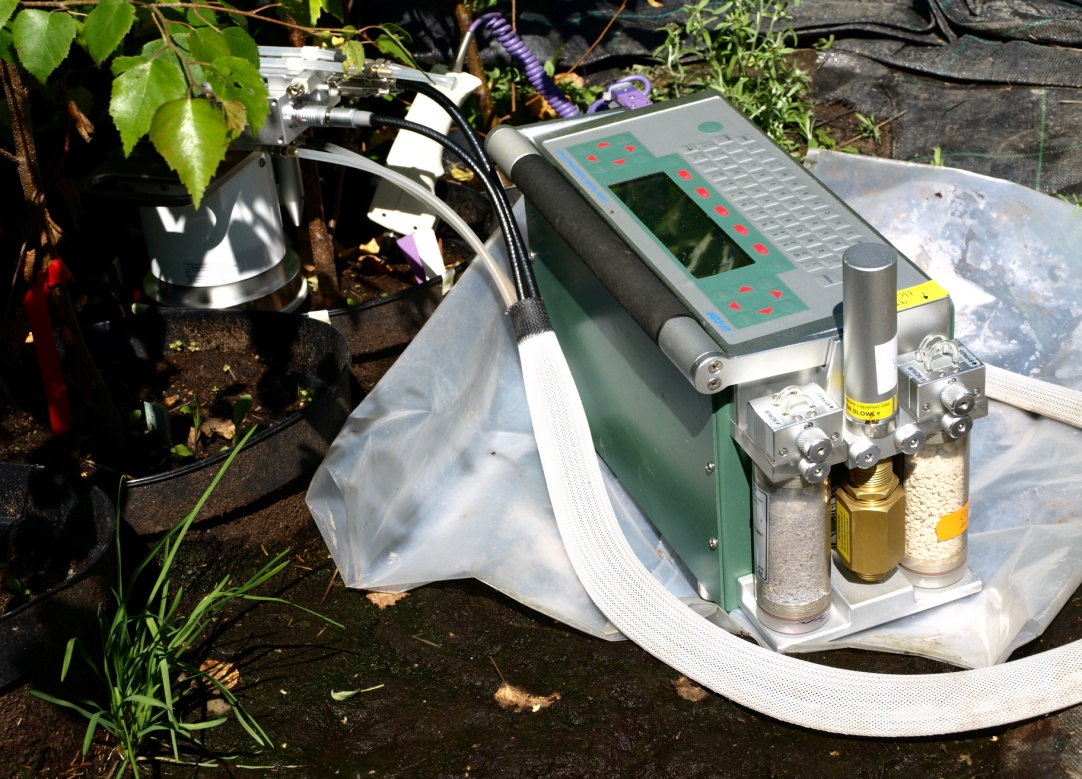
If the soil is too wet, roots don’t get enough oxygen. If it’s too dry, the seed can’t activate. If nutrients are missing, growth slows down. I’ve seen all of this during field experiments, especially when measuring soil conditions and plant growth over time.
Small changes can have a big impact.
In a good plant pod, these problems are reduced. The material inside the pod holds water evenly. It allows air to reach the roots. Nutrients are already present in the right amounts.
This makes it easier for the plant to grow from the beginning.
The Role of Nutrients
From a scientific point of view, nutrients are not just “food” for plants, they control how the plant develops. Nitrogen helps with leaf growth, phosphorus supports root development, and potassium helps overall plant strength. There are also smaller nutrients like magnesium and iron that support photosynthesis.
In many cases, regular soil doesn’t have the right balance, especially if it’s reused or low quality. Plant pods are designed to provide these nutrients in a more controlled way, especially during the early growth stage when the plant is most sensitive.
Why Some Plants Don’t Grow Well
Looking back at my early attempts, I now understand why some plants failed: the seeds may not have been strong, the soil may not have had the right nutrients, water levels were not consistent, and the roots may not have had enough oxygen.
These are common problems, even for people who take good care of their plants. That’s why starting with the right setup matters.
Why Choosing the Right Plant Pods Is Important
Not all plant pods are the same. A good plant pod should have high-quality seeds that actually grow, balanced nutrients for that specific plant, a growing medium that holds water properly, and enough air space for root development.
If the pod is low quality, the plant may grow slowly, become weak, or not grow at all. From my experience and studies, I can say this clearly: the starting conditions have a big impact on the final result.
A More Controlled Way to Grow
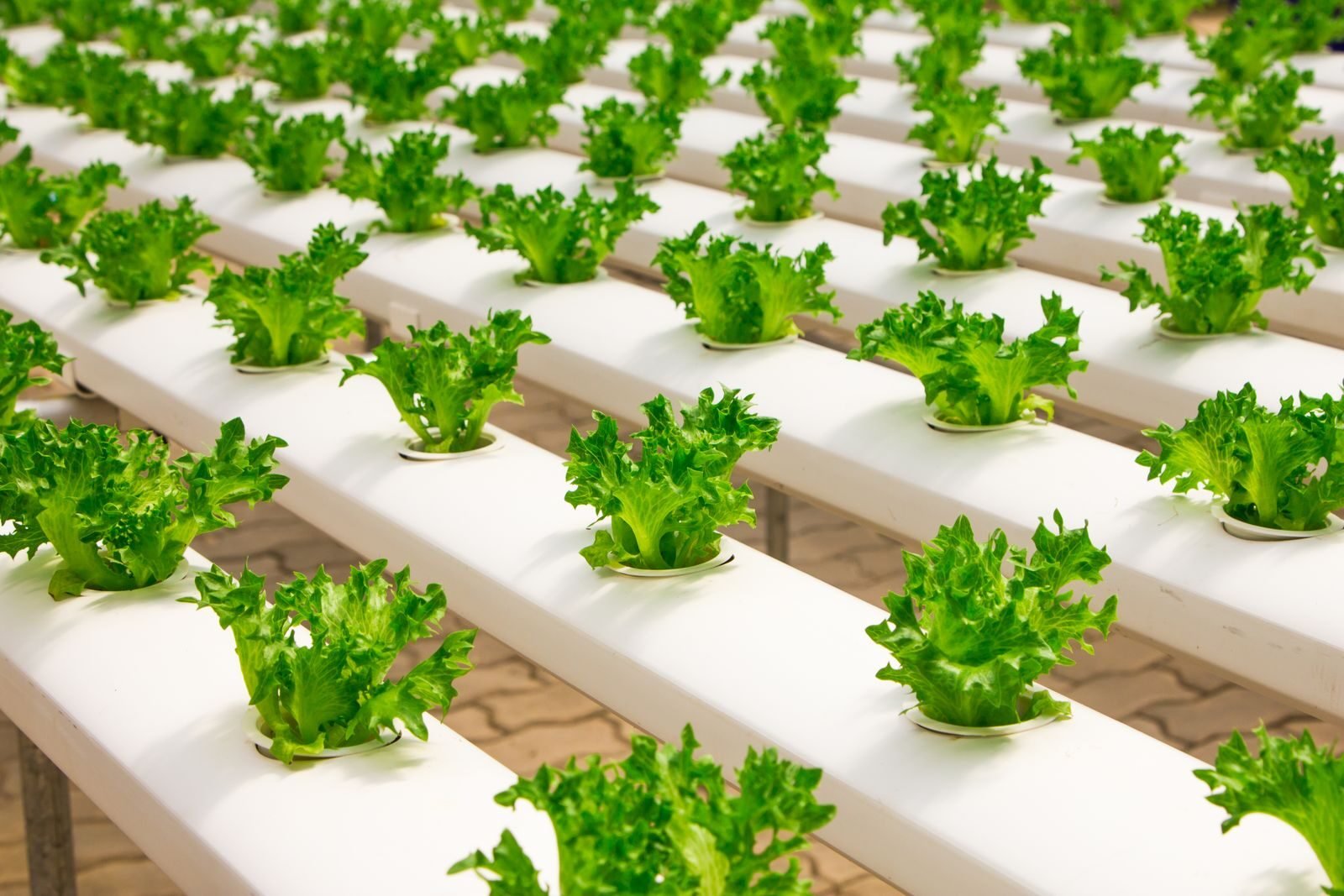
One thing I’ve learned from both science and experience is that plants grow best when conditions are stable. Outdoors, you can’t control everything, weather, temperature, and soil conditions change all the time. With plant pods, especially when used indoors, you can control more of these factors.
This makes growing easier and more predictable. It also allows you to grow plants at any time of the year, not just in the right season.
Why I Recommend Using Plant Pods
I don’t recommend plant pods just because they are easy. I recommend them because they solve real problems that I’ve seen both before and after studying plant science.
They reduce the risk of failure. They simplify the process. They create better starting conditions for plants.
Browse SeedsNow’s Non-GMO Seed Range →
Summary
Looking back, I understand my early failures much better now. It wasn’t just about watering or sunlight. It was about the conditions the plant started with.
Plant pods help control those conditions. They make it easier to grow plants successfully, even without perfect knowledge or experience.
If you want better results and fewer failed attempts, starting with high-quality plant pods is one of the simplest and most effective steps you can take.
FAQs About Plant Pods
What are plant pods?
Plant pods are small capsules that contain seeds, nutrients, and a growing medium. They are designed to make plant growing easier and more consistent.
What plants can grow in pods?
Many types, including herbs (basil, mint), greens (lettuce, kale), and small vegetables (tomatoes, peppers).
How do plant pods work?
They provide seeds with water, nutrients, and oxygen in balanced amounts, helping plants grow from the start.
Can plants really survive in a pod?
Yes, as long as the pod is high quality and the plant gets enough light and water.
How to plant pods?
Place the pod in a suitable container or system, add water, and provide light. The pod contains everything else the plant needs.
Why is pod quality important?
Because it affects seed growth, nutrient availability, and root development. Poor-quality pods often lead to weak plants or no growth at all.