


This article was written and reviewed by Serge, MSc. I hold degrees in Plant Biology, Environmental Biology and Biogeochemistry, with research experience in plant physiology, ecosystem science, and field-based environmental studies. Every article on this site is grounded in real academic training and genuine scientific research.
Affiliate disclosure: This site has affiliate links, including Amazon. As an Amazon Associate I earn from qualifying purchases, at no extra cost to you.

Have you heard about marigolds, those little golden flowers that can brighten your garden, protect your vegetables, and even end up on your plate?
I was walking in the park last summer with a few friends. The air smelled faintly of grass, warm earth, and the kind of sunlight that makes you pause and just breathe.
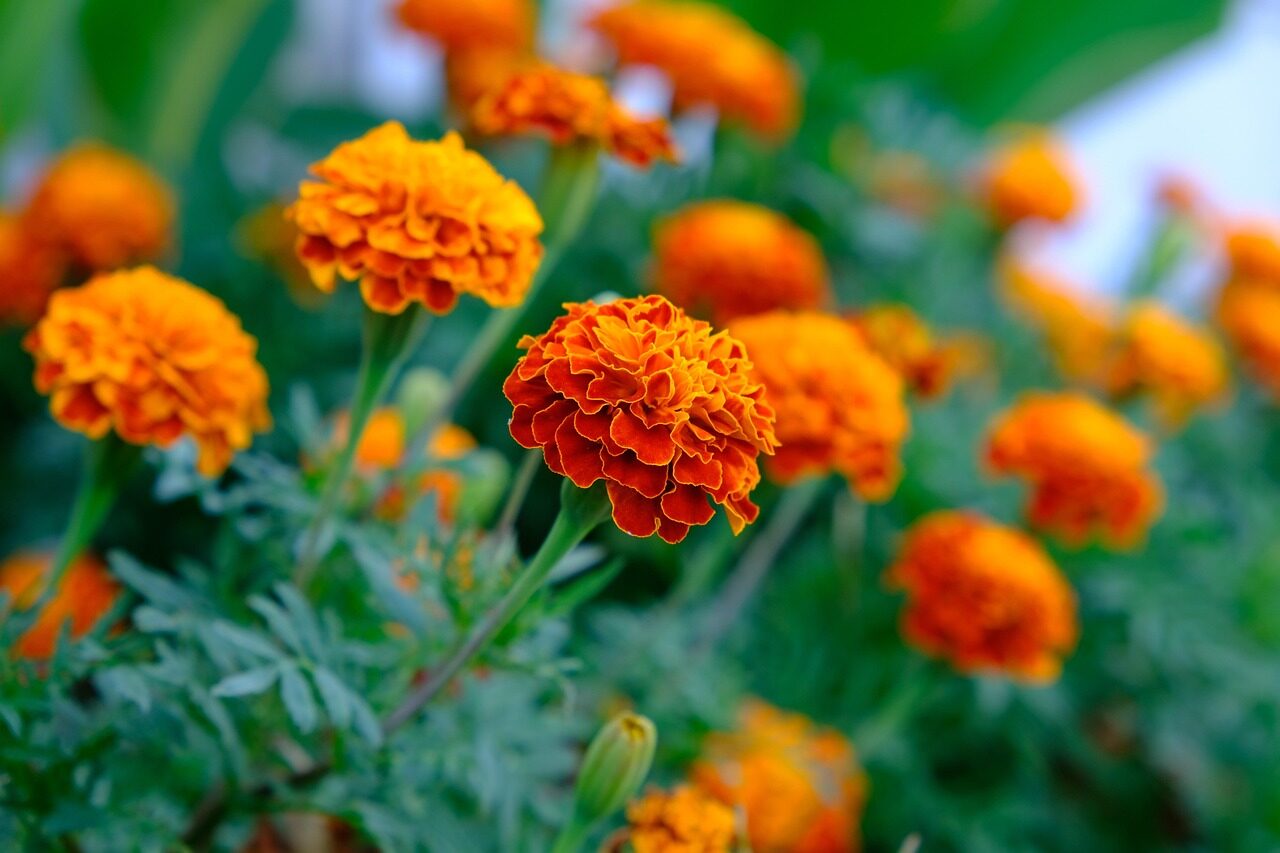
We turned a corner, and there they were, marigolds. Bright, golden, stubbornly visible. My friends stopped, like we had accidentally stumbled into some secret garden. One leaned in and inhaled.
“What flower is this?” they asked. I smiled, because I’ve always thought the charm of marigolds isn’t just in their color. It’s their resilience, their ability to brighten any garden, and yes, the fact that you can eat them. Toss petals in salads, steep them in tea, sprinkle them on cakes, it’s like tiny confetti for food.
That day, as I guided my friends on how to grow these marigolds on their own, I realized I could share the same tips with you. So, if you want to bring a little golden cheer into your garden, and maybe even onto your plate, keep reading!
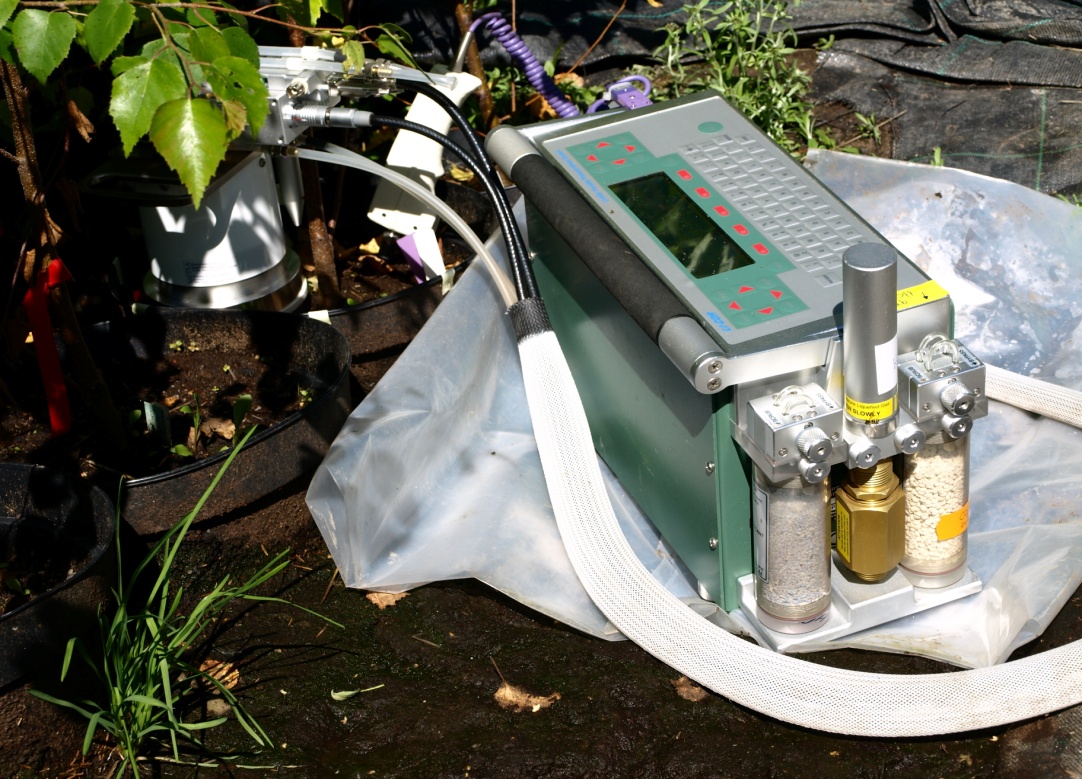
As a botanist, I’ve spent years observing plants under different environmental stressors, including soil moisture, light, and pest interactions. Marigolds may look simple, but I’ve learned how plants respond to stress and changing conditions, and those same ideas can help you grow strong, healthy marigolds in your own garden.
Step 1: Choosing Seeds or Young Plants
You have two options.
Seeds
Seeds are cheap, give you variety, and add a little thrill of anticipation. Plant them indoors 6–8 weeks before the last frost. Keep the soil warm, around 21–24°C. Germination usually takes 5–14 days, depending on temperature and moisture. Lightly cover seeds, too much soil and they sulk. Give them a touch of sunlight to wake up.
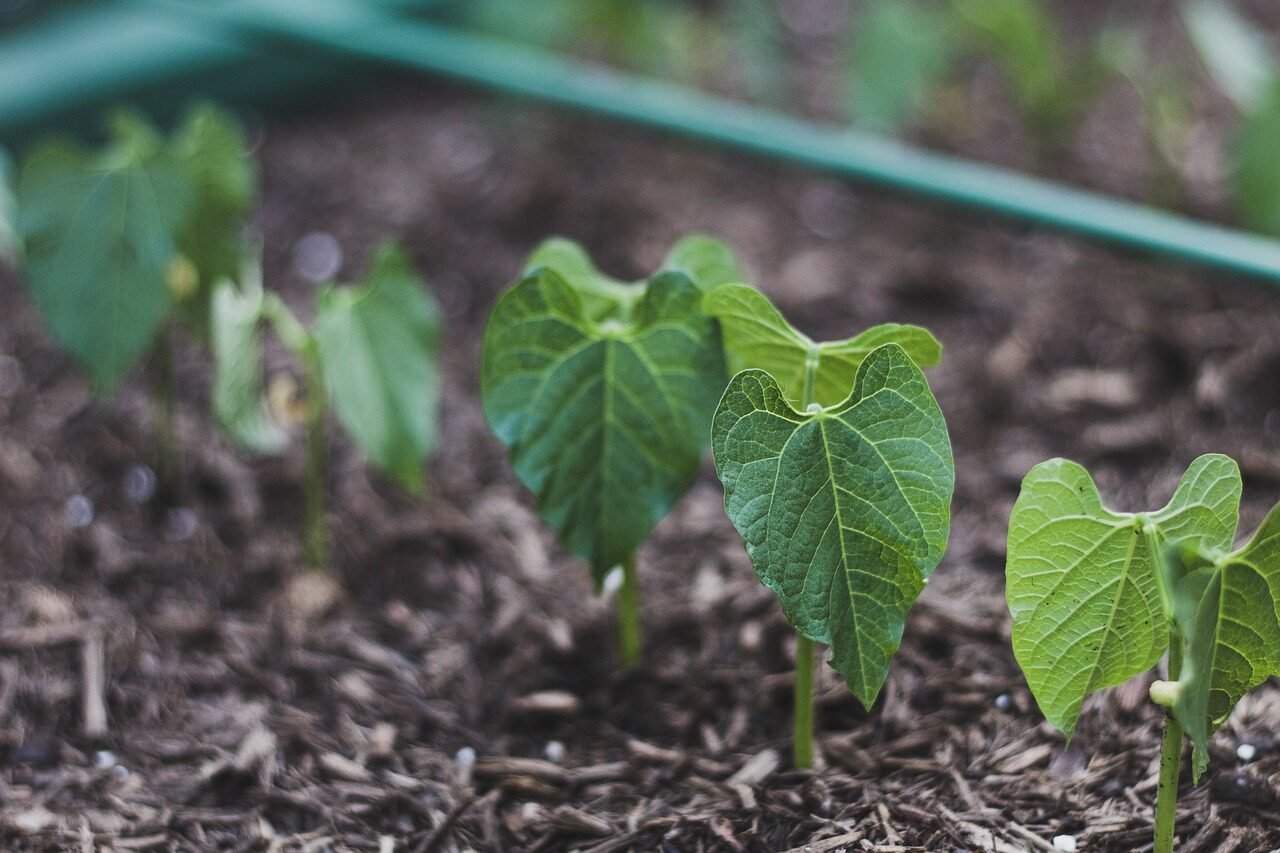
After germination, expect your first blooms in about 8–10 weeks. During this time, keep soil consistently moist, provide plenty of sunlight, and thin seedlings when they have 2–3 true leaves. Regular observation and proper spacing help ensure strong, healthy plants ready to flower.

Young Plants
If patience isn’t your friend, head to a nursery and pick firm, vibrant seedlings with no yellowing leaves. Space according to variety: African types need 30–45 cm, French types 20–30 cm.
Seedlings generally bloom faster than seeds, producing flowers in 4–6 weeks after planting. Make sure to plant them at the same depth they were growing in pots, water moderately, and give them full sun. Deadheading spent blooms and occasional fertilization will encourage continuous flowering throughout the season.

Step 2: Preparing the Soil
Marigolds are forgiving, but they perform best in well-draining soil, slightly sandy or loamy. Avoid waterlogged clay. Dense soil? Mix in compost or sand. pH should be neutral to slightly acidic (6.0–7.0). Fertile soil encourages blooms, but don’t overdo nitrogen, otherwise you’ll get leaves, not flowers.
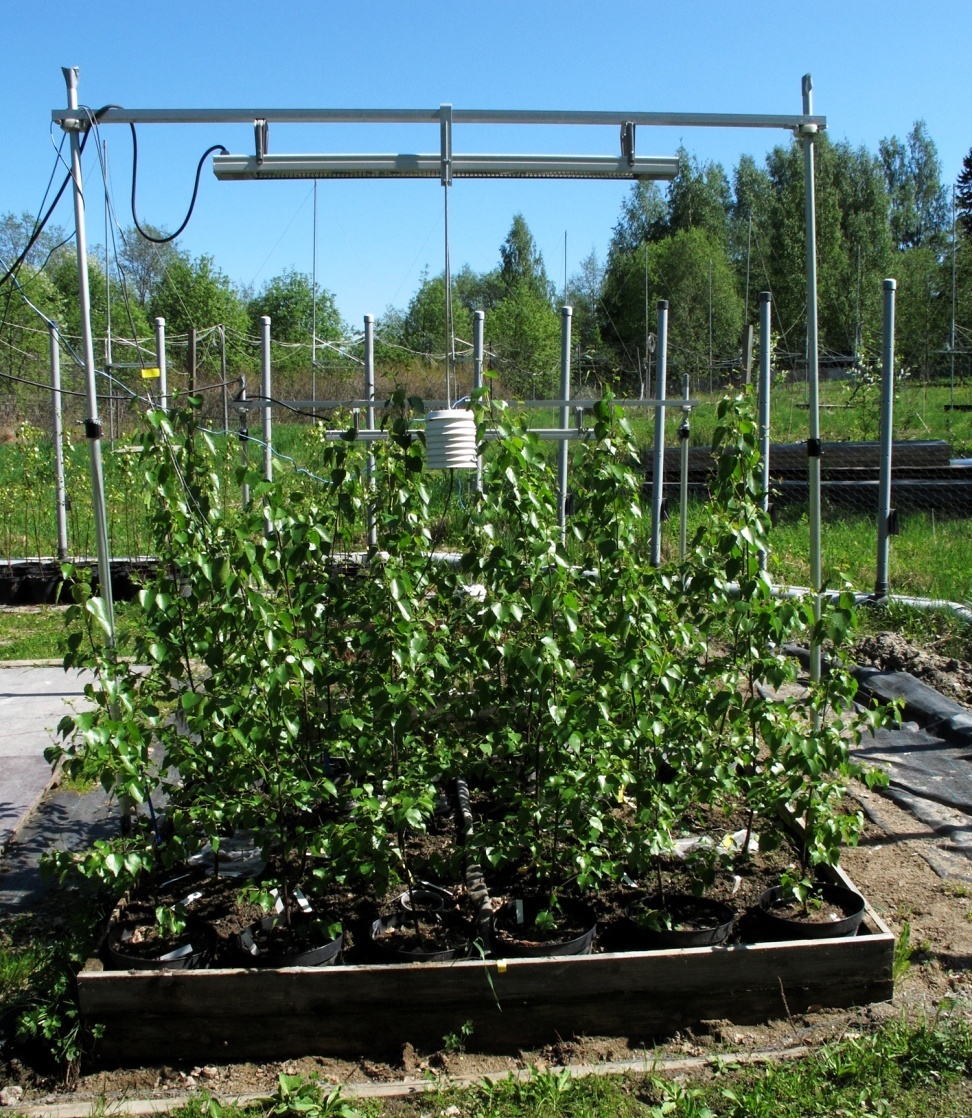
From my own experiments on silver birch and other species, even small differences in soil moisture dramatically affected leaf size and stem growth. Marigolds respond the same way: too much water and roots rot, too little and growth slows. Observation matters more than just following a schedule.
Step 3: Planting
From Seed:
Fill trays or pots with seed-starting mix.
Scatter seeds or plant individually 0.5–1 cm deep.
Water gently. Keep soil moist, not soggy.
Provide warmth and light, windowsills or grow lights work.
Germination: 5–14 days. Thin seedlings when they have 2–3 true leaves.
From Seedlings:
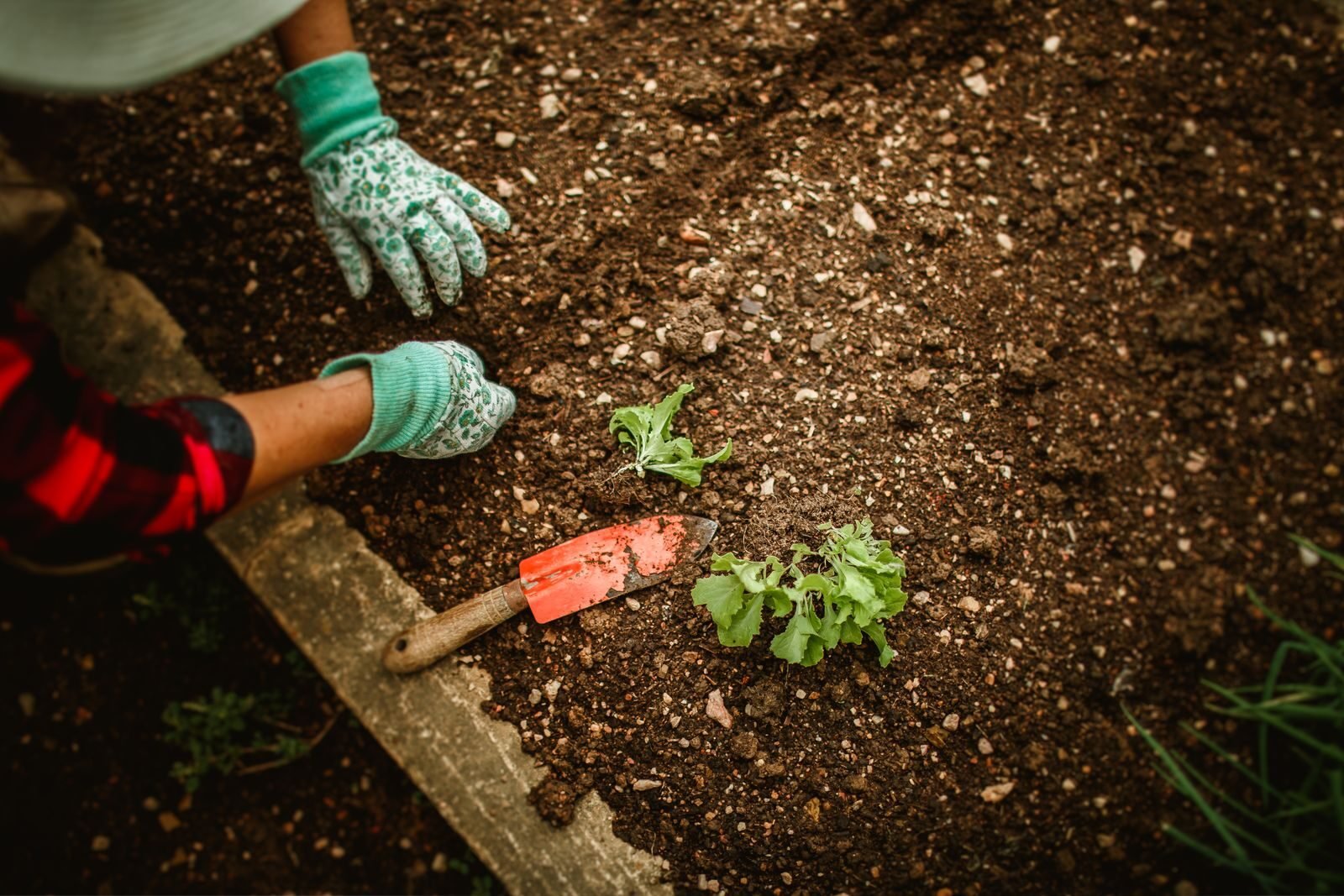
Dig holes slightly larger than the root ball.
Plant at the same depth they grew in pots.
Firm soil gently, water moderately.
Mulch lightly to retain moisture and reduce weeds.
Step 4: Sunlight Requirements
Marigolds grow best in full sun, with at least six hours of direct sunlight each day. Sunlight also helps keep the plant warm, which is important for healthy growth and flowering.
From my research on silver birch, I’ve seen how even small temperature changes can affect plants. In one study, a warming of just +0.9°C led to taller plants and changes in leaf growth. Marigolds respond in a similar way, warm, sunny conditions help them grow better and produce more flowers.
If they don’t get enough sunlight, growth may slow, and flowering will be reduced. For best results, plant them in a bright, open spot where they get plenty of sun.
Step 5: Watering
Young plants: keep soil consistently moist until established.
Mature plants: moderate watering; let soil dry slightly between waterings.
Avoid overhead watering on hot days to prevent fungal issues.
Step 6: Fertilization
Light compost at planting helps seedlings.
Once growing, a balanced fertilizer every 4–6 weeks encourages blooms.
Avoid excessive nitrogen unless you want a leafy jungle with very few flowers.
Step 7: Pruning and Deadheading
Deadheading, or removing spent flowers, helps marigolds keep producing blooms throughout the season. If old flowers are left to fade, the plant may put energy into seed production instead of new flowers, which can shorten the overall flowering period.
Trimming leggy or overgrown stems encourages bushier growth, creating a fuller, more compact plant that can support more blooms. African marigolds, in particular, can become top-heavy if left unpruned, so cutting back after flowering helps prevent stems from drooping or breaking.
Regular pruning also improves airflow around the plant, reducing the risk of fungal diseases like powdery mildew.
Combined with proper sunlight, watering, and fertilization, pruning and deadheading are simple steps that maximize both the health and the beauty of your marigolds.
Step 8: Growing in Pots or Containers
Marigolds love containers.
Use 20–30 cm deep pots.
Ensure drainage holes.
Mix potting soil with sand for drainage.
Place in sunny windowsill or balcony.

Companion Planting
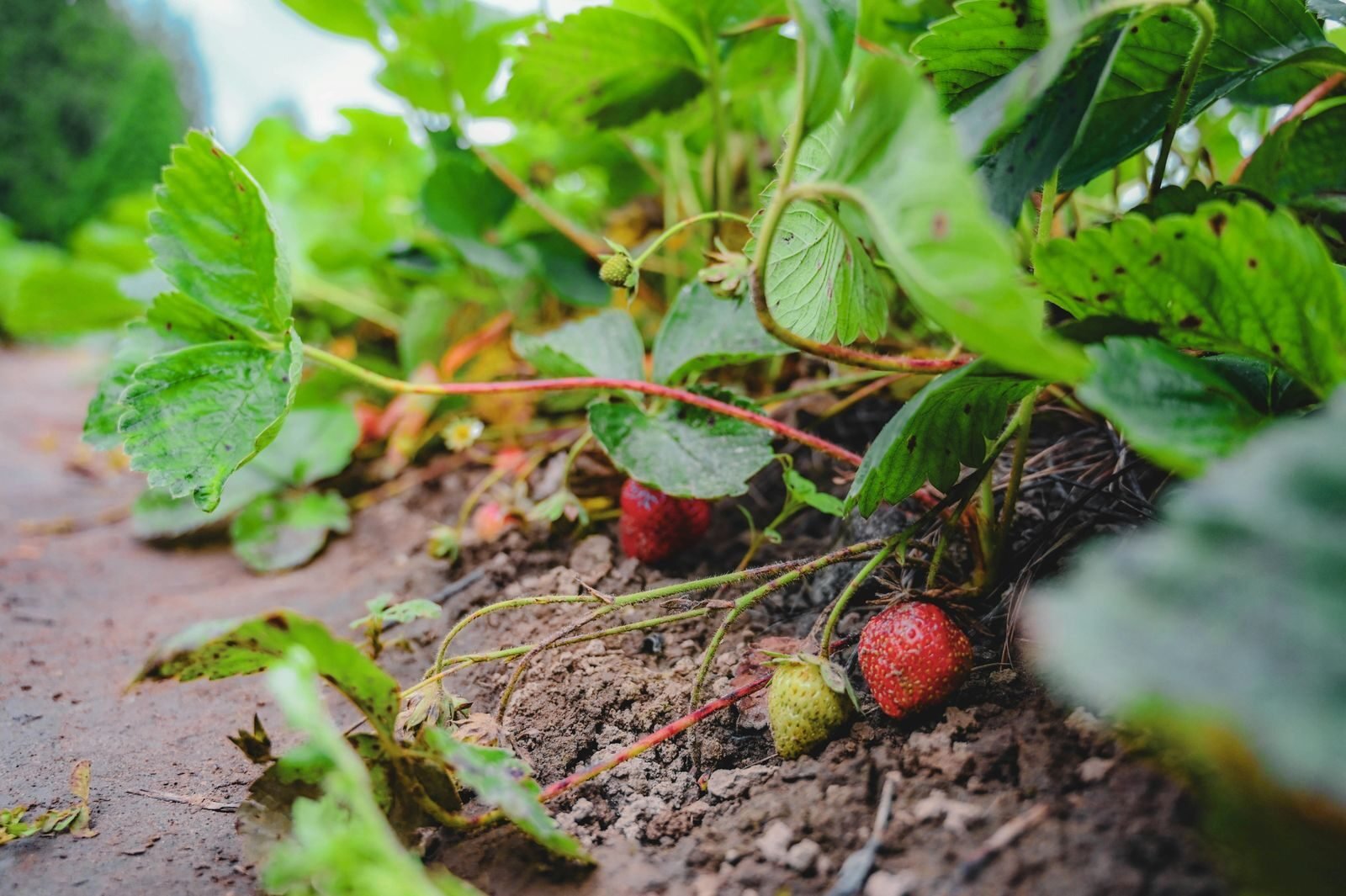
Marigolds pair well with tomatoes, peppers, strawberries, and most vegetables. They repel nematodes, attract pollinators, and look cheerful doing it. Plant them near crops for a healthier garden.
Pests and Disease Control
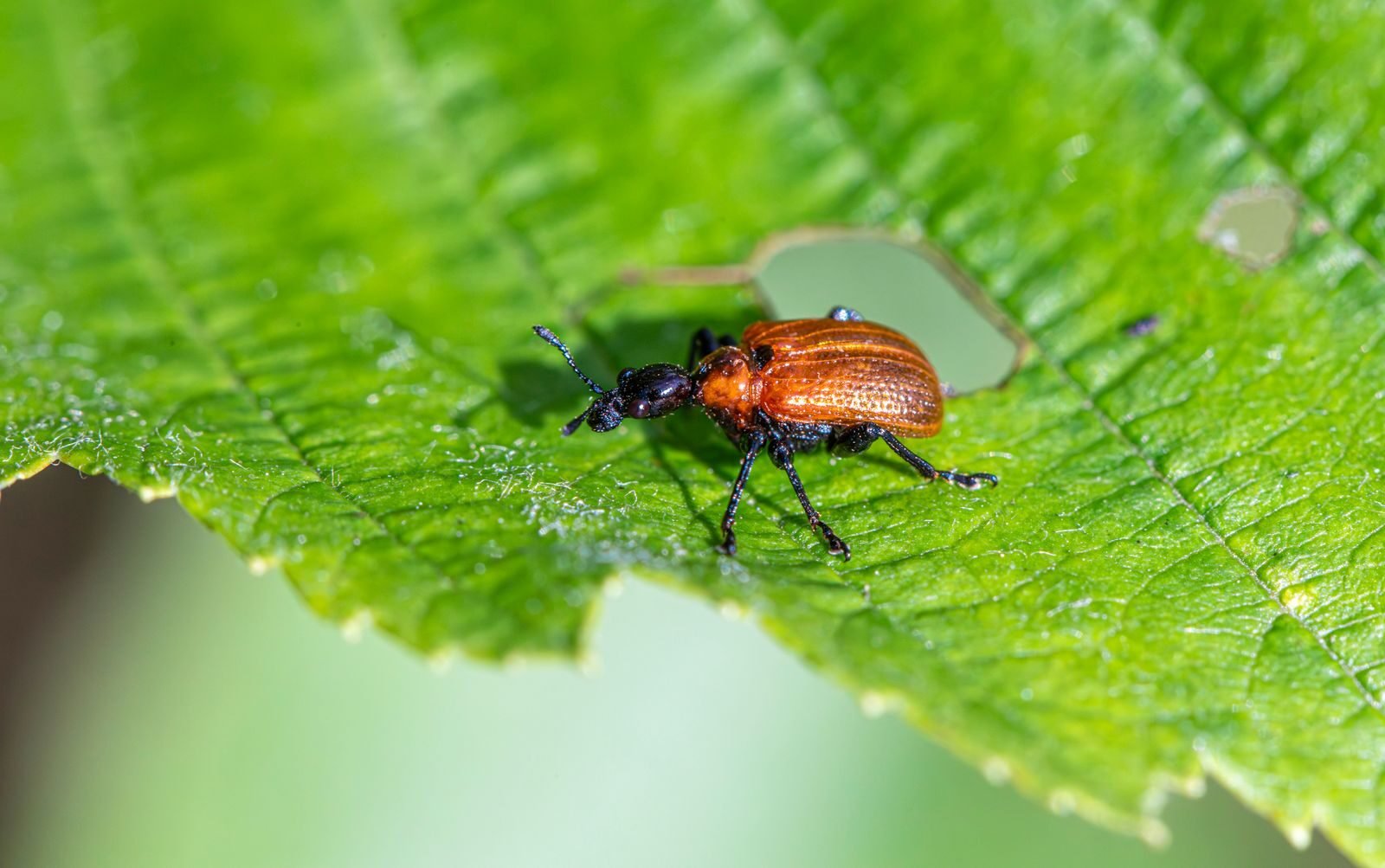
Marigolds can be affected by common garden pests such as aphids, spider mites, and slugs. Handpicking pests or using natural repellents helps reduce damage. Companion planting with garlic, basil, nasturtiums, or calendula can also shift pest activity away from more vulnerable plants. Healthy plants in well-draining soil, with good airflow and proper spacing, are less likely to suffer severe infestations.
Diseases to watch for include powdery mildew, which occurs in humid conditions, and root rot, which develops in waterlogged soil. Remove affected leaves promptly, and maintain good airflow between plants to reduce fungal problems.
Regular observation is key. Curling leaves, stunted growth, faded flowers, or chewed petals are early signs that pests or diseases may be present.
For more detailed tips on controlling pests naturally, click here.
Conclusion
Marigolds aren’t just decorative, they’re resilient, practical, and even edible. With the right care, they brighten gardens, support other plants, and add a touch of color to your meals. Growing them is about patience, observation, and enjoying the small wonders along the way.
These little golden flowers remind us that even simple, humble plants can make a big difference, bringing life, color, and joy if we take the time to notice and nurture them.
FAQs
What is the secret to growing marigolds?
Sunlight, well-draining soil, moderate water, attention. Deadhead regularly. Watch signals before problems appear. Patience pays off in vibrant blooms.
Do marigolds grow better in pots or the ground?
Ground allows bushier growth. Pots are flexible for sun and frost. I prefer pots for snackable signet marigolds.
Can marigolds cause skin irritation?
Rare, mild. Gloves help sensitive hands. Reactions vary.
Can marigolds grow indoors?
Yes, dwarf French types, bright light, drainage, and careful watering. Leaves curl if soil dries unevenly.
Will marigolds grow back every year?
Mostly annuals, but some self-seed unexpectedly.
Can marigolds be planted with vegetables?
Yes, they repel pests, attract pollinators. Tomatoes, peppers, strawberries benefit.
How long does it take to grow marigolds?
Seeds: 5–14 days to germinate, 8–10 weeks to bloom. Seedlings: 4–6 weeks. Continuous care extends flowering.
Can marigolds grow in poor soil or clay?
Yes, but amend for drainage. Fertile soil encourages more blooms.
Partial shade or hot climates?
Partial shade reduces flowers. African types tolerate strong sun. Water carefully in heat.
Why do marigolds matter beyond beauty?
Ecosystem helpers, edible companions, reminders to observe and care. Sprinkling petals in food is a small, golden celebration of life.