

This article was written and reviewed by Serge, MSc. I hold degrees in Plant Biology, Environmental Biology and Biogeochemistry, with research experience in plant physiology, ecosystem science, and field-based environmental studies. Every article on this site is grounded in real academic training and genuine scientific research.
Affiliate disclosure: This site has affiliate links, including Amazon. As an Amazon Associate I earn from qualifying purchases, at no extra cost to you.
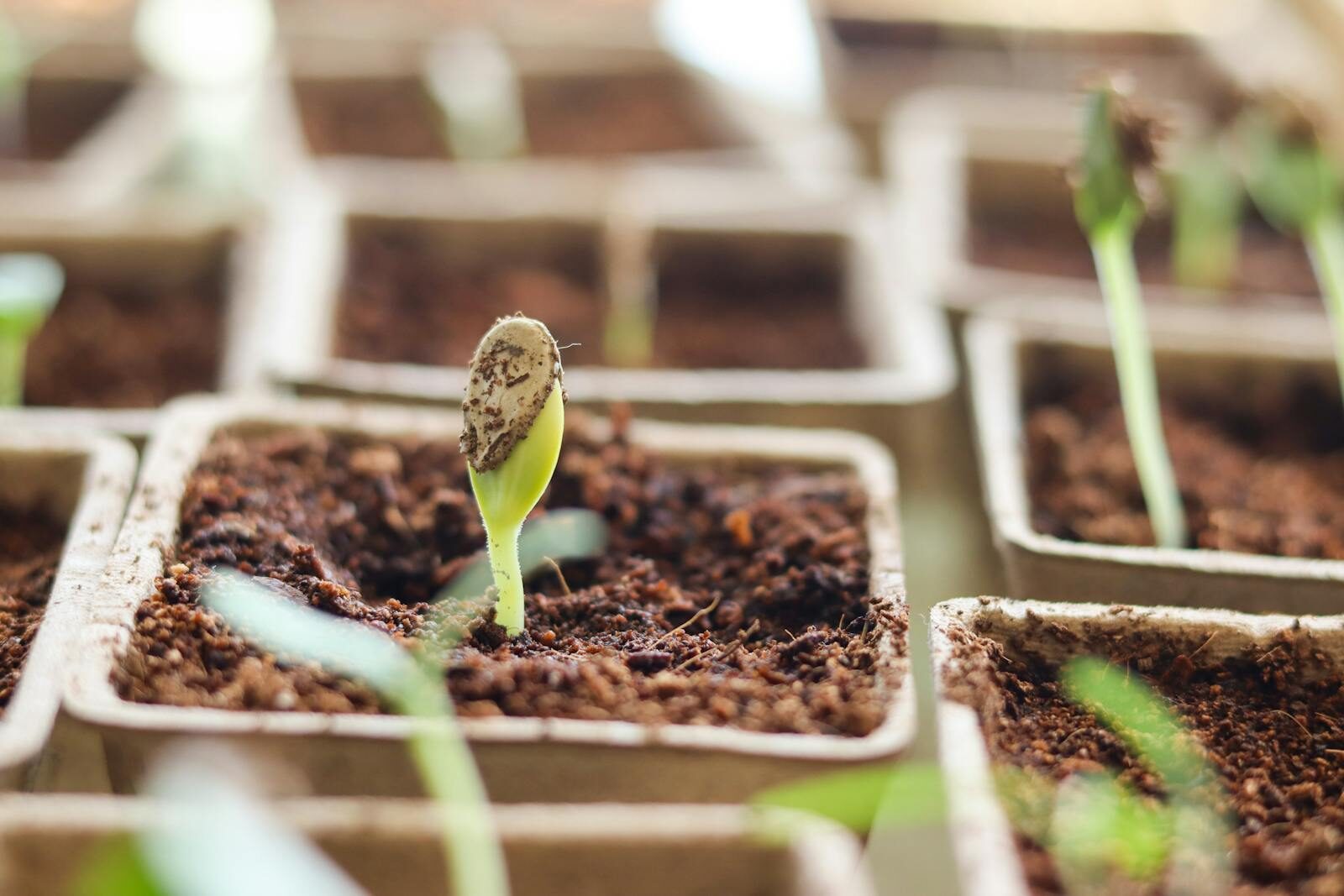
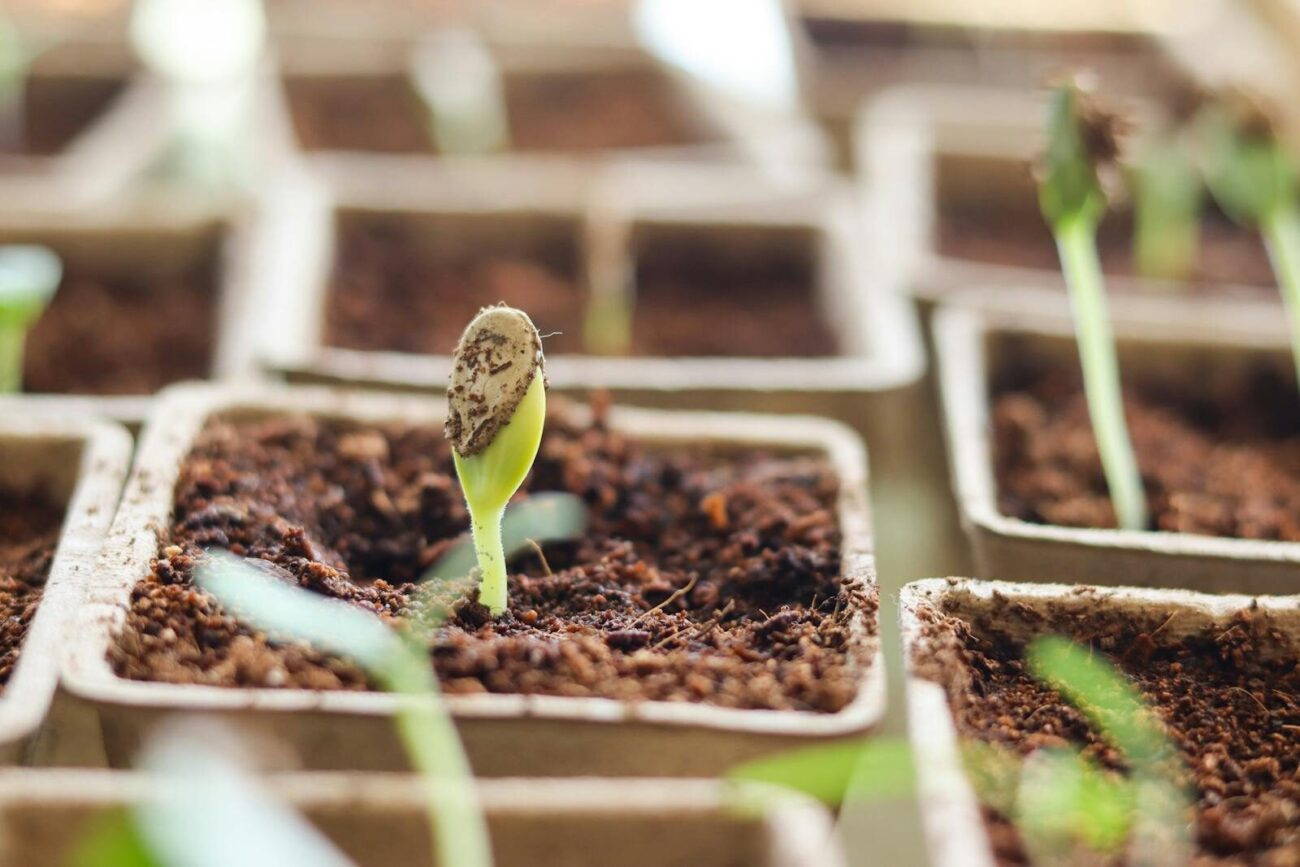
Germination is the most sensitive phase of a plant’s life. In the lab, we call it the Imbibition Phase. This is the exact moment when a dry seed begins to pull in water. In a soilless system like Rockwool, Coco, or Perlite, you don’t have the “buffer” of dirt to protect the seed. You have to get the physics right.
Starting seeds without soil is a game of Osmotic Pressure. If you get the water pressure wrong, the seed either stays asleep or it “drowns” before it can ever breathe.
Here is the scientific protocol for a perfect start.
The Physics of Imbibition
A seed is incredibly dry. It is designed to stay dormant until it feels enough water to survive. When you soak a seed, water moves from the outside (high concentration) to the inside (low concentration). This is Osmosis.
However, if your water has too many nutrients (a high EC), the osmotic pressure flips. High salt levels in your water can actually pull moisture out of a tiny seedling. This dehydrates the embryo before it even breaks the shell.
The Protocol: Use plain, pH-balanced water (5.5–5.8). Do not add fertilizer. Your seed already has a “packed lunch” of energy stored inside; it doesn’t need external food yet.
Enzyme Activation and Seed Coat Softening
Inside the seed, water triggers a chemical reaction. It activates enzymes like Alpha-amylase, which start breaking down stored starches into simple sugars. This is the fuel the plant uses to grow its first root (the radicle).
In nature, soil bacteria and mild acids in the earth help soften the hard outer shell (the testa). In a clean, soilless system, we have to mimic this.
A Smart Seed-Starting Tip: Got seeds with really tough shells, like peppers? Try soaking them for a few hours in a weak 1% hydrogen peroxide (H₂O₂) solution. The extra oxygen simulates the harsh conditions seeds would normally face in soil, helping soften the outer shell so the sprout can push through more easily.
Browse SeedsNow’s Non-GMO Seed Range →
The Oxygen Factor: Why Seeds Drown
This is where most growers fail. As soon as a seed wakes up, it starts Respiration. It is burning energy, and just like us, it needs oxygen to do that.
If your starting media like a Rockwool cube is dripping wet and sitting in a puddle, there is no room for air. This creates an Anaerobic (oxygen-free) environment. The seed will rot because it literally suffocates.
The Protocol: Soak your media, then shake it out until it’s like a wrung-out sponge. It should be damp and heavy, but not dripping.
The Switch to Light (Autotrophy)
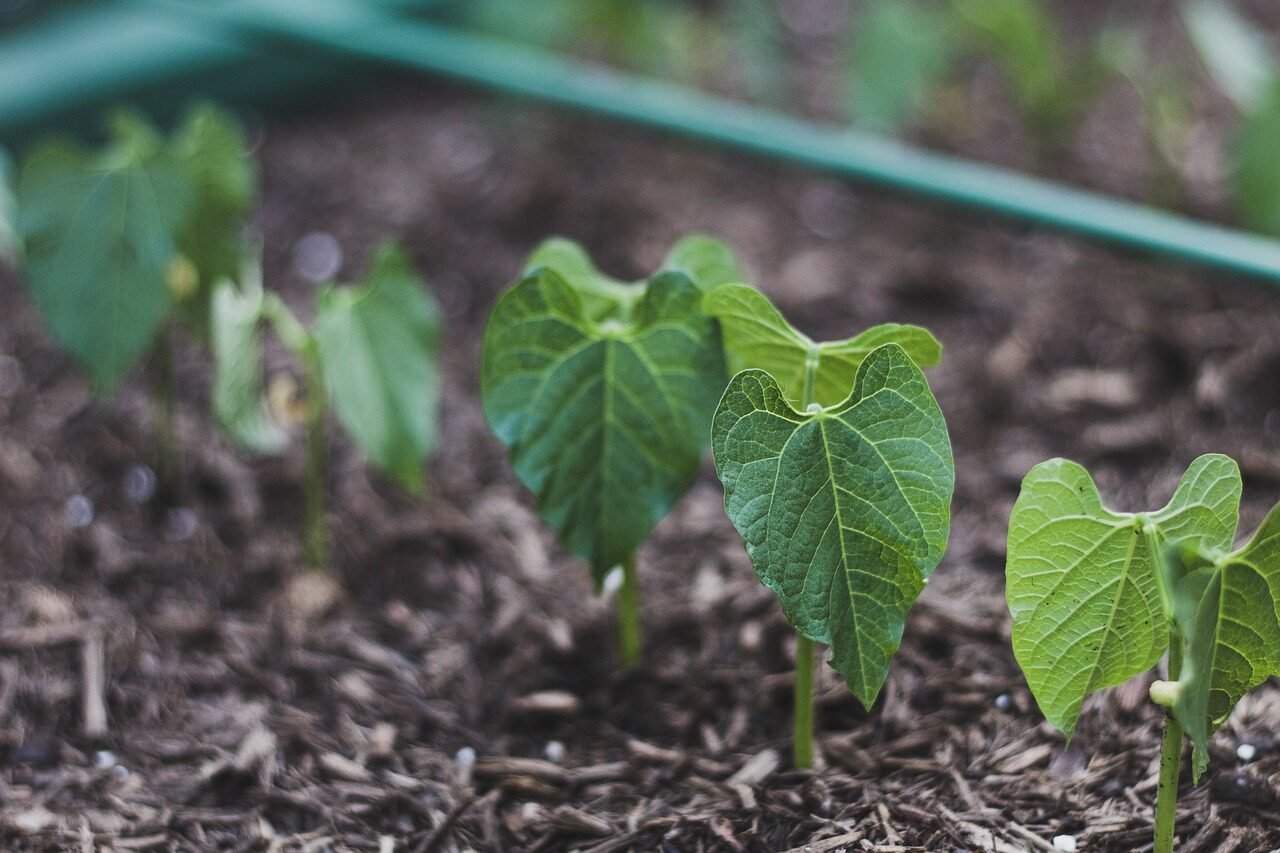
For the first few days, the plant lives off the energy stored in its “seed leaves” (cotyledons). Once the first true leaves appear, the plant switches to Autotrophy. This means it is now making its own food from light.
At this stage, you should give your seedlings a very weak nutrient solution (about 1/4 strength), because if you wait too long, they will run out of energy and grow tall and skinny (leggy) while searching for food and light.
Transitioning to Your Growing System
Once seedlings have their first true leaves, it’s time to consider the system they will grow in soil, soilless, or hydroponics.
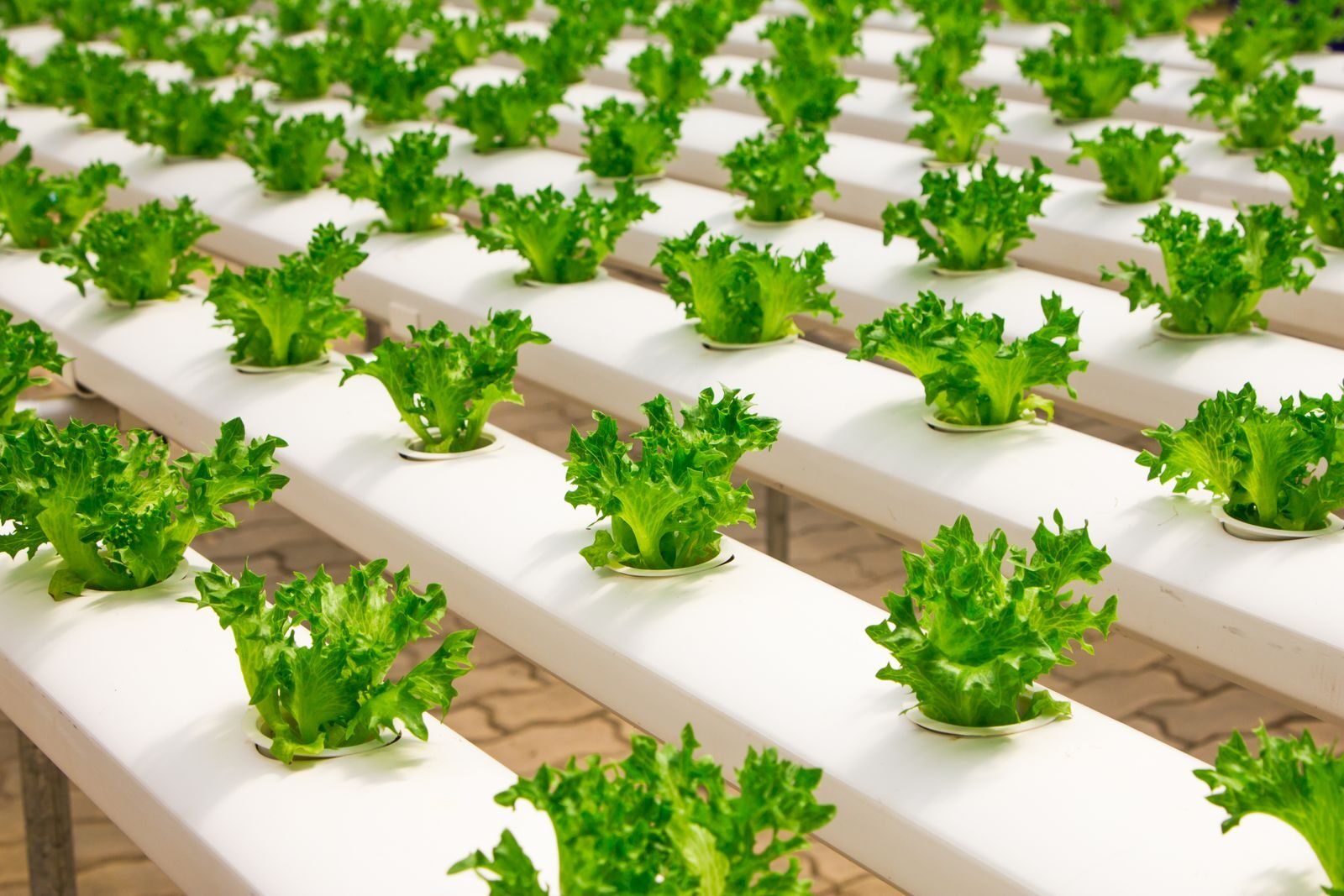
Hydroponics can be highly productive but requires careful attention. Unlike soil, hydroponic systems don’t have a natural buffer. Seeds and seedlings are sensitive to water, oxygen, and nutrient balance, so understanding common pitfalls is key.
Common Hydroponic Troubles & How to Avoid Them
Single Point of Failure:
Even at the seedling stage, hydroponics is sensitive. If your pump breaks or there’s a power outage, seedlings can dry out and die within hours. Always have a backup plan, whether a battery, manual watering method, or extra reservoir.
Crops That Are Tricky for Beginners:
Some plants are more difficult to start from seed in hydro systems:
-
Root crops (carrots, radishes, potatoes) often grow misshapen or rot because they need soil for support.
-
Giant crops (corn, wheat) require lots of light and space, making seedling care more difficult. Stick to high-value crops like herbs, greens, and tomatoes.
Learning Curve with Seedlings:
Hydroponics isn’t “fake”, it’s science. Many people buy kits expecting everything to be automatic. Seedlings are sensitive to pH, water temperature, and nutrients; without monitoring these, young plants may fail. Hydroponics rewards attention, curiosity, and careful monitoring.
Why Seeds Sometimes Fail
Most seed failures come down to three factors:
Temperature: Seeds need warmth (20–25°C / 68–77°F) to trigger enzymes. Cold surfaces keep them dormant.
Seed Age: Seeds store energy to sprout, but older seeds lose vitality. Always use fresh seeds from a trusted source.
Water & Oxygen Balance: Too much or too little water can prevent germination. The key is moist media with enough air so the seed can breathe.
Browse SeedsNow’s Non-GMO Seed Range →
Summary
Starting seeds in a soilless system is about balance and patience. You need:
Enough water to wake the seed
Enough oxygen to let it breathe
Light and weak nutrients to support growth
Don’t over-feed or over-water. Set the environment correctly and let the plant do what it’s naturally designed to do. With attention and the right conditions, seedlings will thrive from day one.
FAQs
How do I start hydroponic seeds?
Put seeds in starter plugs about 1/4 inch deep. Keep the air humid with a dome and the temperature around 24°C (75°F). Only turn on bright lights after you see green shoots.
When should I transplant seedlings?
Move seedlings as soon as roots come out of the bottom of the plug. Don’t wait until the plant is big, early transplanting stops root shock and helps them adjust.
Why do my seeds get moldy?
Mold happens when the air is still or the media is too wet. After seedlings sprout, take off the dome and use a small fan to move the air. Mold doesn’t like fresh air.