

This article was written and reviewed by Serge, MSc. I hold degrees in Plant Biology, Environmental Biology and Biogeochemistry, with research experience in plant physiology, ecosystem science, and field-based environmental studies. Every article on this site is grounded in real academic training and genuine scientific research.
Affiliate disclosure: This site has affiliate links, including Amazon. As an Amazon Associate I earn from qualifying purchases, at no extra cost to you.
Why do your houseplants keep dying when you water them, give them light, and do everything the label said?
Most of the time it’s because the label treated every plant the same, and because whatever is killing it is happening below the soil line where you can’t see it.
The leaves only tell you something is wrong long after the trouble started. This is a walk through the handful of things that kill most houseplants, how to tell which one you’re dealing with, and where to go for the full fix on each.
The way I read a dying plant
My plant science training took me through a lot of settings, indoors and out, across labs, greenhouses and field trips. One of the experiences that shaped how I read a struggling plant the most was a field experiment I spent months on.
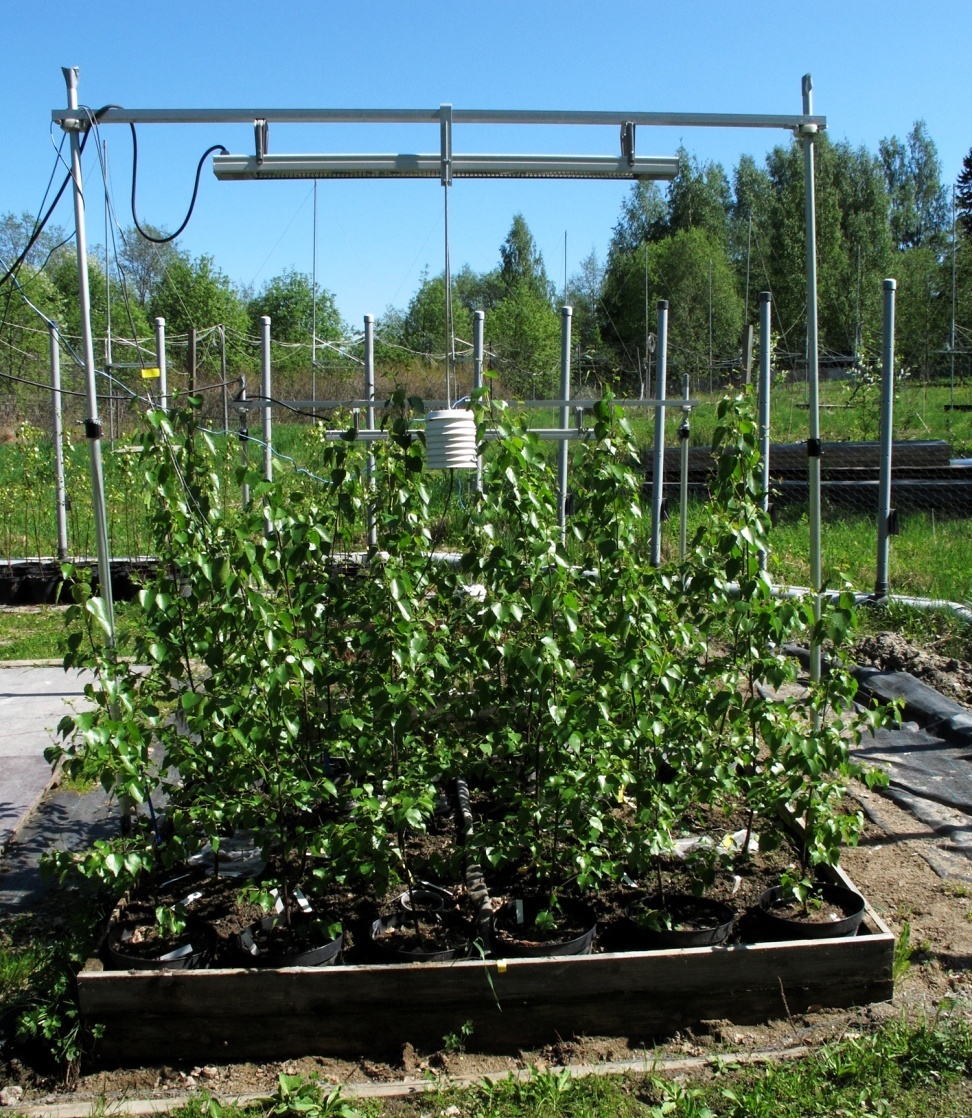
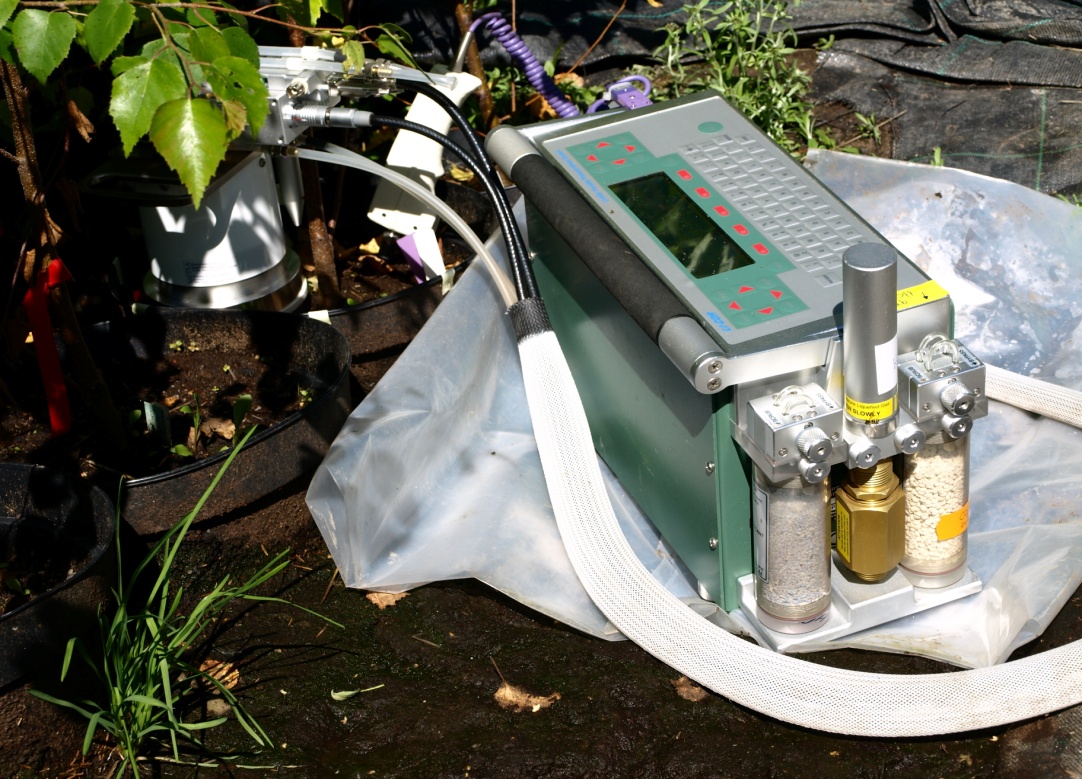
We had 192 birch saplings growing in open-air plots, eight rings with four plots in each, and tracking them was my job. Every week through the growing season I measured the same trees, stem height, stem diameter and leaf number, while sensors wired back to a cabin logged the soil moisture and humidity around the clock, the levels showing on a screen we could watch.
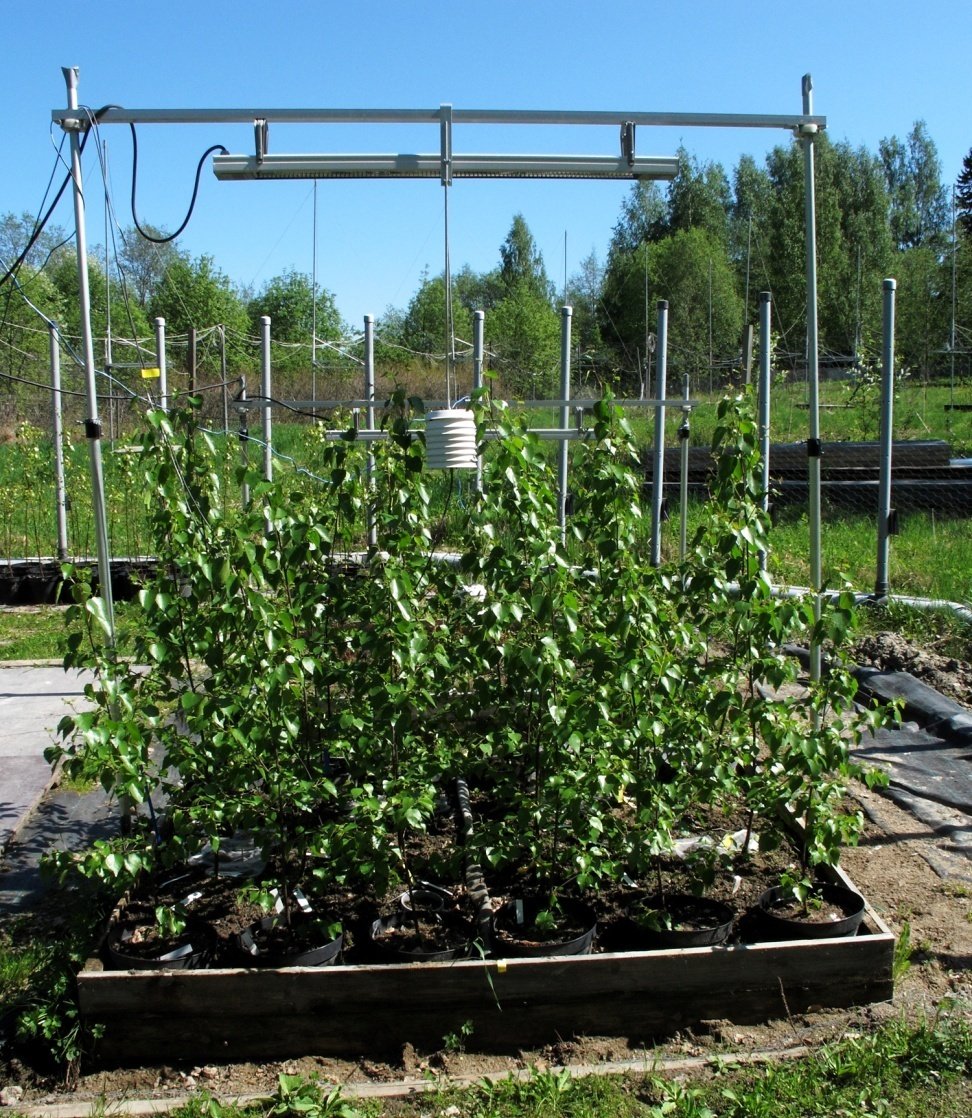
When you watch the same plants that closely for that long, a pattern becomes hard to miss. A tree heading for trouble showed it in the numbers first. Its growth would flatten, or the readings around it would drift, weeks before anything looked wrong up in the canopy. By the time the leaves themselves went off, the cause had been in motion for a long time already.
That is the habit I brought home to houseplants….
The leaves are the last part of a plant to react, not the first. So when a plant on a windowsill is dying, I don’t start by studying the leaves. I start with the soil, the roots and the conditions around them, because that is where the story began. These were trees outdoors rather than a pot in your living room, but a plant is a plant. It responds to what is happening at its roots long before it shows you anything on top.
Start under the soil: water and roots
If I had to bet on a single cause, it would be water, and the research backs that up. UConn’s Home Garden Education Center calls inconsistent watering “perhaps the number one cause of a houseplant’s demise.”
The catch is that too much and too little water can look identical from above: both leave you with a droopy, sad-looking plant. The difference is in the soil and the roots, which is why telling overwatering and underwatering apart is the first thing to sort out.
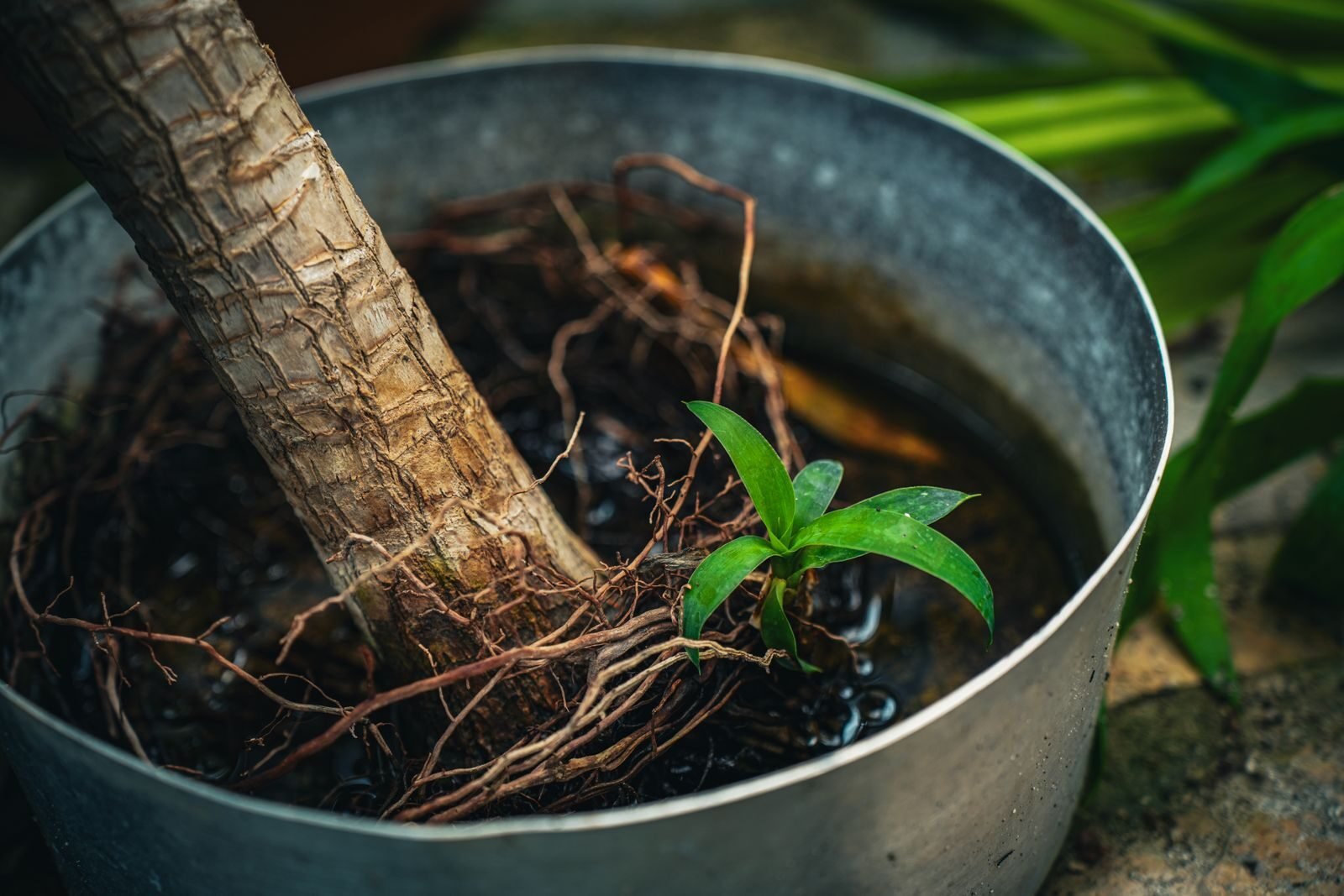
Overwatering is the more common killer, because soggy soil pushes the air out and the roots suffocate, then rot. If the soil stays wet for days and the base of the stem feels soft, you’re likely looking at root rot setting in. The fix is rarely more water or less water on a fixed day. It’s learning to water by what the soil is telling you rather than by the calendar.
Then look at the light
A plant can be watered perfectly and still fade in a dark corner. Light is the energy source for the whole plant, and University of Minnesota Extension puts the stakes plainly: “Without adequate light, carbohydrates cannot be manufactured, the energy reserves are depleted and plants die.”
A plant short on light grows pale and leggy, stretches toward the window, and drops its older leaves. If your room runs dark, it’s worth knowing how plants cope in low-light indoor spots and which ones tolerate it before you blame yourself.
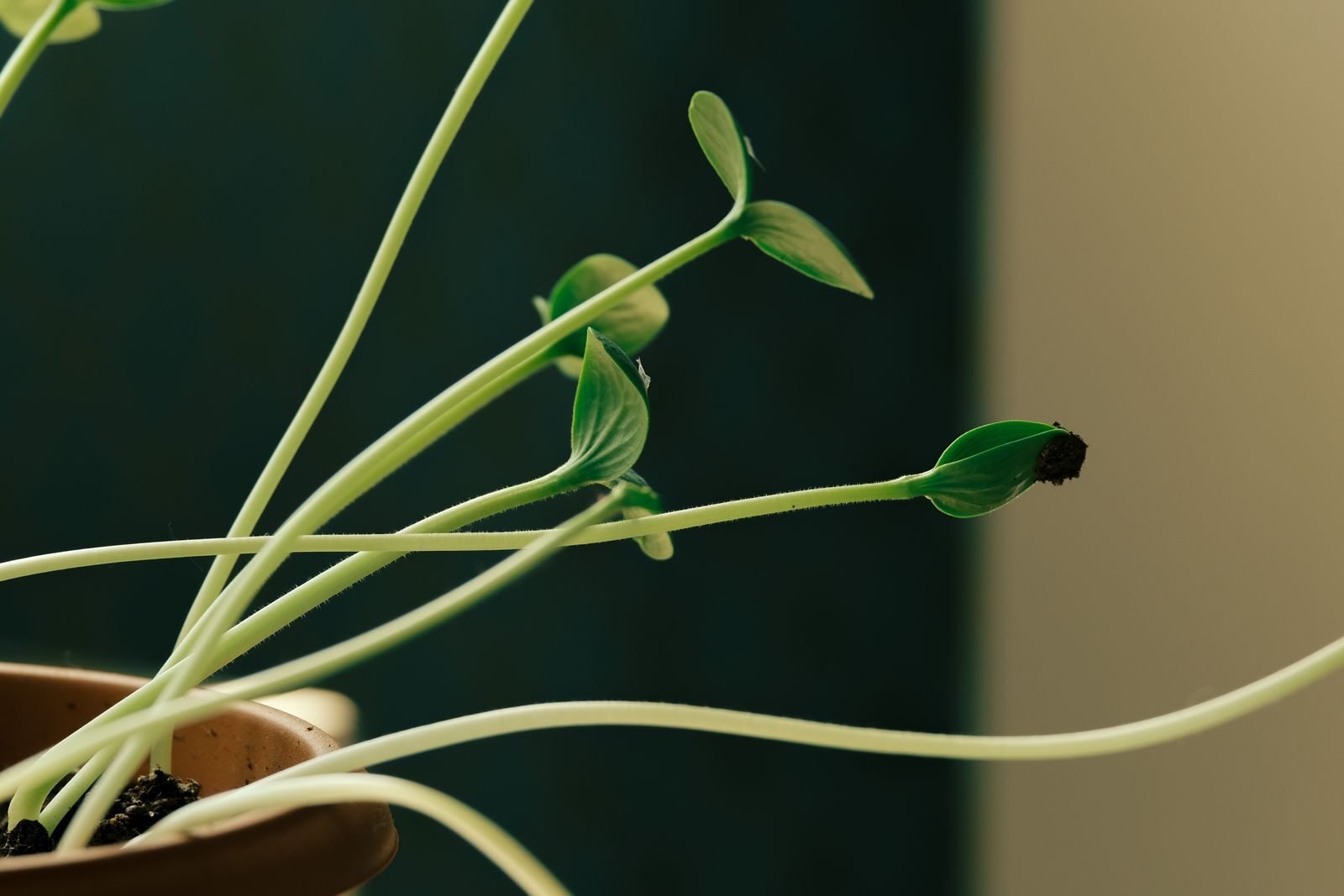
The soil itself might be the problem
People rarely suspect the potting mix, but a dense, water-logging mix sets you up to fail no matter how careful you are with the watering can.
If the soil stays wet long after you water, or water runs straight through without wetting anything, the mix is working against you. A mix that holds some water but drains the excess fast is half the battle won.
The cosmetic signs that point to a cause
Some symptoms look alarming but are the plant telling you exactly what’s wrong. Yellowing leaves usually point back to watering or light. Crispy brown tips point to dry air, salts, or the soil drying out too far.
A fuzzy white patch on the surface is usually harmless mould living on damp soil, not a plant disease. Reading these signs saves you from treating the wrong thing.
Check for pests before you give up
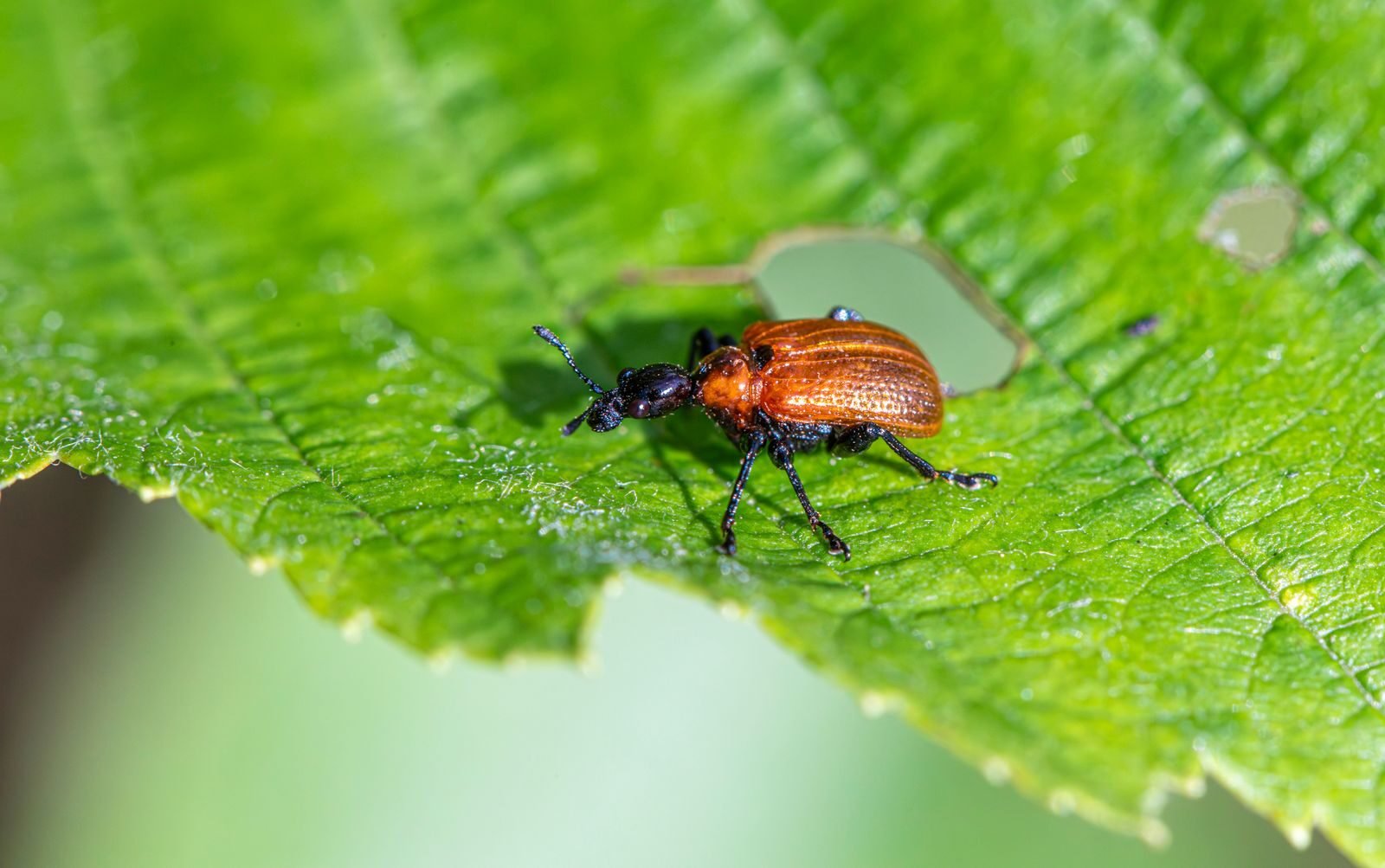
If the conditions all look right and the plant is still going downhill, look closely, underside of the leaves included. Fine webbing and pale stippling often mean spider mites feeding on the plant, and a quiet infestation can drain a plant over weeks.
Pests are easy to miss and easy to treat once you spot them.
Feeding, and why more isn’t the answer
A struggling plant tempts people to feed it, but a plant that’s rotting, starved of light, or drying out can’t use the food, and piling on fertiliser in dry soil can burn the roots and make things worse.
Feeding helps a plant that’s otherwise in good conditions and actively growing. It won’t rescue one that’s dying of something else.
A quick way to work through it
When someone hands me a plant on its way out, I go in this order: feel the soil and check whether it’s soggy or bone dry, tip the plant out and look at the roots for rot, check how much light the spot really gets, then look over the leaves for pests.
Nine times out of ten the answer shows up before I reach the leaves. If you want a structured version of that same logic, a short guide to spotting a stressed plant walks you through the signs.
What people ask me when a plant dies
My plant looked fine, then died in a week. What happened?
It rarely dies in a week. The cause, usually root rot or light starvation, had been building for a while, and the plant only showed it once it ran out of reserves. By the time the leaves collapse, the roots have often been in trouble for some time.
I follow a watering schedule. Why do they still die?
A schedule ignores the plant, the season and the room. The same plant needs water far more often in a warm, bright July than a dim, cool January. Watering by what the soil feels like beats any fixed day of the week.
Is it me, or do some plants just die easily?
Both are true. Some plants are far less forgiving than others, but most houseplant deaths come down to a handful of fixable causes, not bad luck.
How do I stop killing them for good?
Match the plant to the light you have, use a mix that drains, water by the soil and not the calendar, and look the plant over now and then. That covers most of it.
Stop guessing and start diagnosing!
If you’ve lost more than one plant and you’re tired of trialling fixes at random, this is the exact problem I built a guide for.
What’s Wrong With My Plant? is a plant scientist’s symptom-to-cause-to-fix system: you match what you can see, yellowing, wilting, drooping, spots, to the real cause and the fix that works, so you treat the cause instead of the symptom. It’s a 9-page instant PDF, and it’s built to open the moment your plant looks sick.
Your houseplants aren’t dying because you lack a green thumb. They’re dying from a short list of causes that all leave clues. Learn to read the clues and the dying mostly stops.