


This article was written and reviewed by Serge, MSc. I hold degrees in Plant Biology, Environmental Biology and Biogeochemistry, with research experience in plant physiology, ecosystem science, and field-based environmental studies. Every article on this site is grounded in real academic training and genuine scientific research.
Affiliate disclosure: This site has affiliate links, including Amazon. As an Amazon Associate I earn from qualifying purchases, at no extra cost to you.
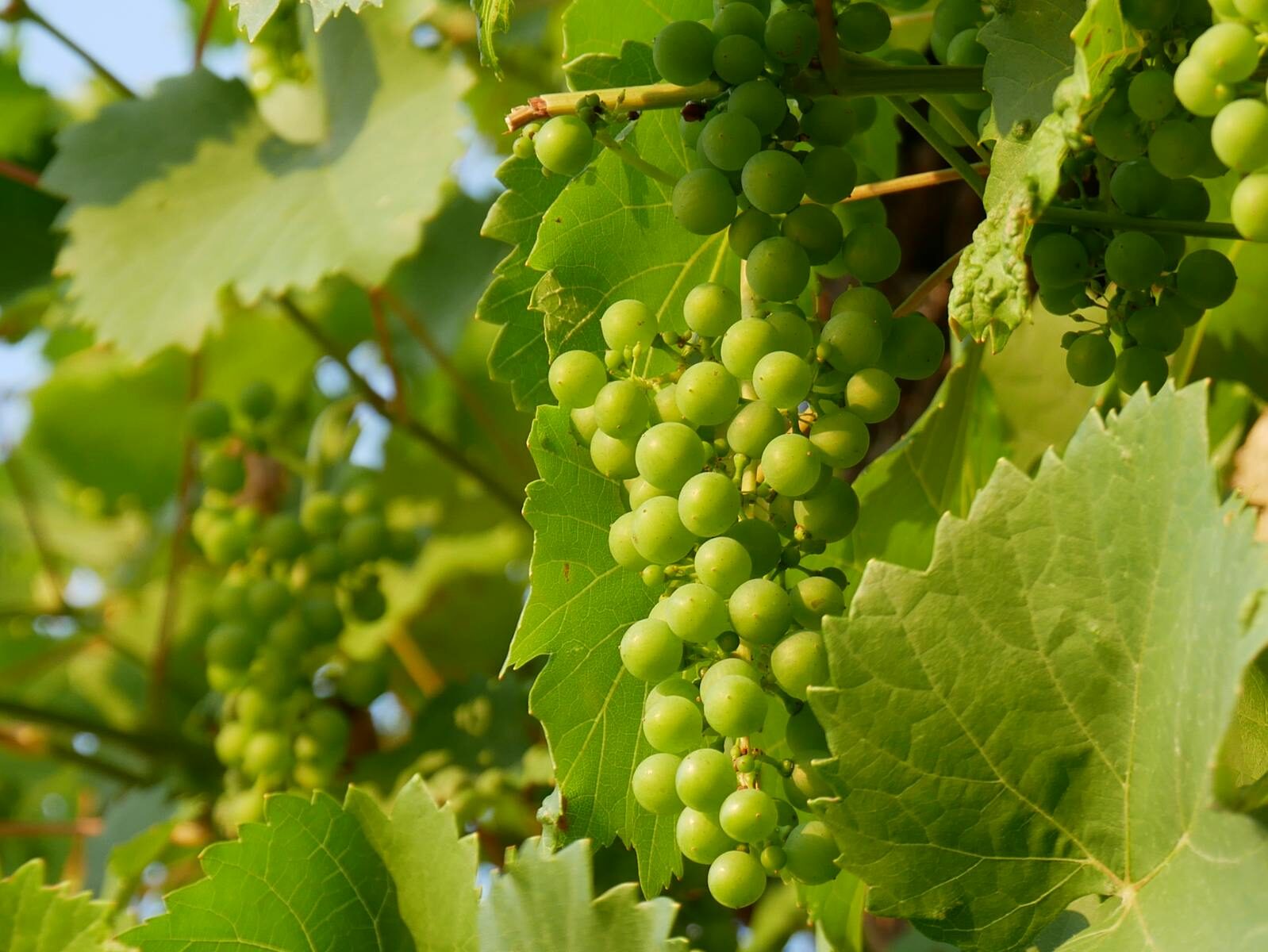
Most people assume grapes are something you need a vineyard for. A warm climate, acres of hillside, specialist knowledge. The reality is much simpler than that.
Grapes are vigorous, adaptable plants. They grow on walls, fences, pergolas, and in large containers. They fruit reliably in temperate climates with the right variety and a bit of patience. And the biology behind how they grow is fascinating once you understand it.
I find grapes particularly interesting. The way a grapevine allocates resources between vegetative growth and fruit production is a direct expression of the carbon allocation principles I studied during my plant ecological stress physiology training. Get that balance wrong and you get a lush green vine with no fruit. Get it right and you get both.
Below I share everything you need to know to get it right.
Why Do Grapes Grow on Vines?
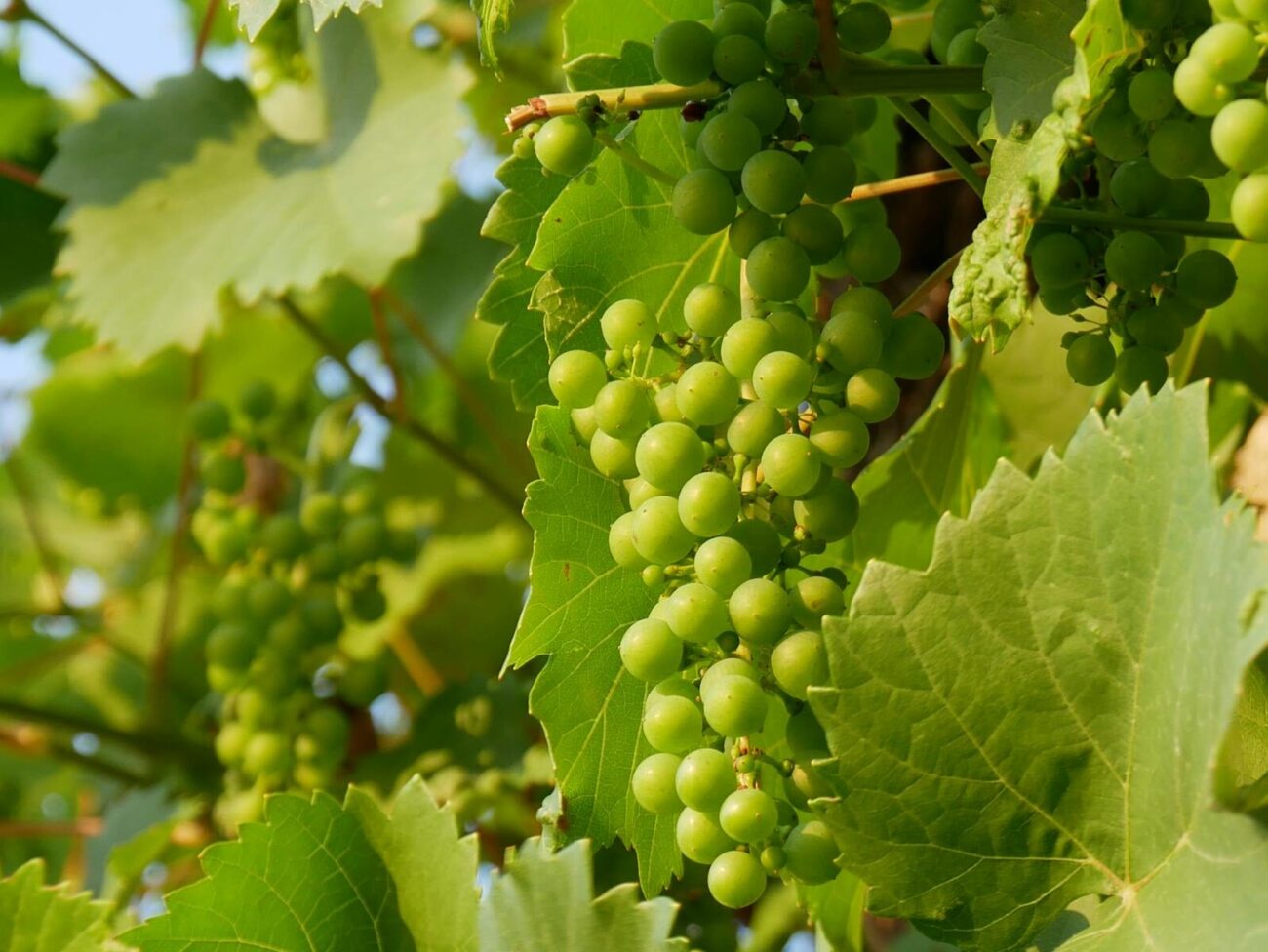
Grapes grow on vines because of a specific growth strategy that evolved over millions of years. Rather than investing energy in building a strong self-supporting trunk, grapevines use tendrils to climb existing structures, reaching light quickly with minimal structural investment.
From a plant biology perspective this is an efficient strategy. The vine redirects the energy it saves on structural wood directly into fruit production. This is exactly why grapes are so productive relative to their size when managed well.
The practical implication for growing at home is simple. Grapes need something to climb. A sunny wall, a sturdy fence, a pergola, or a trellis system. Give them support and sun and they get to work.
Choosing the Right Variety
Variety selection matters more with grapes than almost any other fruit plant. The wrong variety in the wrong climate gives you decades of frustration.
For temperate climates like the UK and northern Europe:
Boskoop Glory, reliable, disease resistant, sweet black grape, excellent for cool climates
Regent, partially disease resistant, deep red fruit, handles cooler summers well
Solaris, white grape bred specifically for cool northern climates, very disease resistant
Pinot Noir Précoce, early ripening red grape, reliable in the UK, good for wine and eating
For warmer climates:
Muscat of Alexandria. classic sweet white grape, needs warmth and shelter
Black Hamburg. sweet black grape, traditionally grown in glasshouses in cooler regions
My recommendation for most home gardeners in temperate climates is Boskoop Glory or Solaris. Both are specifically bred to cope with cool wet summers and disease pressure without constant chemical intervention.
What Grapes Need to Thrive
Sun, as much as possible.
Grapes need full sun and warmth to ripen fruit properly. A south-facing wall is ideal in temperate climates. The wall absorbs heat during the day and releases it at night, creating a microclimate several degrees warmer than open garden positions. This extra warmth makes a significant difference to fruit quality and ripening time.
Well-drained soil.
Grapevines handle drought better than waterlogging. Their root systems go deep in search of water and nutrients, which is why vines in dry stony soils often produce more intensely flavoured fruit than those in rich moist conditions.
This is a well-established principle in plant physiology. When plants experience mild stress they redirect resources toward producing secondary compounds rather than growth. A grapevine in dry stony soil works harder for water and concentrates more flavour compounds in its fruit as a result. It is not a coincidence that some of the world’s most flavourful wines come from dry rocky soils.
Waterlogging is a different story entirely. Saturated soil cuts off oxygen to the roots, slows nutrient uptake, and makes vines vulnerable to root diseases. Good drainage is not optional for grapes, it is the foundation everything else depends on.
Good air circulation.
Grapes are prone to fungal diseases, particularly powdery mildew and botrytis. Good airflow around the leaves and fruit clusters reduces humidity and disease pressure significantly.
Soil pH between 6.0 and 6.5.
Slightly acidic conditions suit grapevines well. Outside this range nutrient uptake becomes less efficient and growth suffers.
Planting Grapes
Plant bare-root vines between November and March while dormant. Container-grown vines go in at any time but establish most easily in spring or autumn.
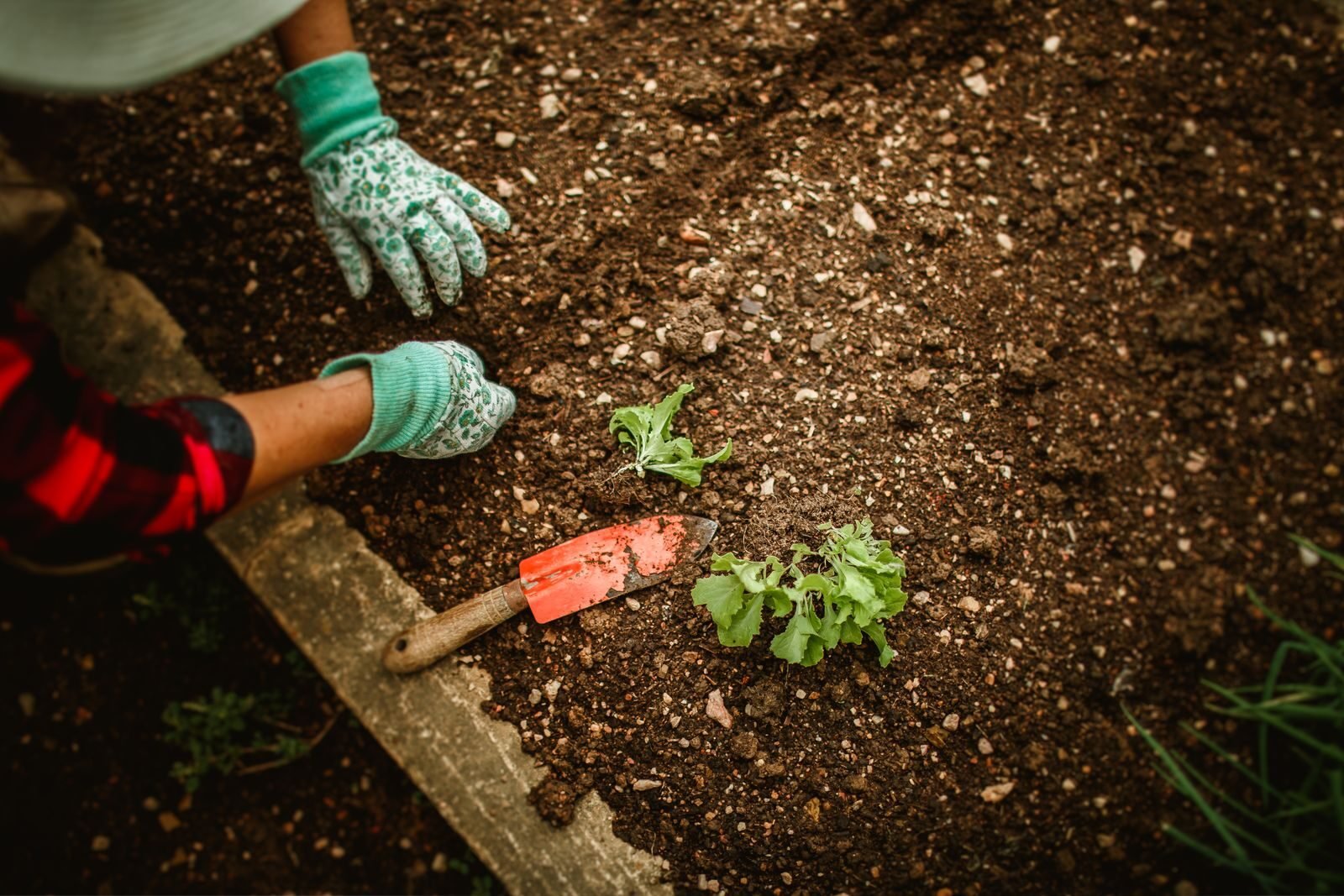
Dig a planting hole and add organic matter to the backfill. Grapevines are long-term plants, a well-positioned vine can produce for 50 years or more, so giving the roots a good start pays dividends for decades.
Plant the vine at the same depth it grew in the nursery. Set up your support structure before planting rather than after. Trying to install posts and wires around an established vine is unnecessarily difficult.
Space vines at least 1.2 to 1.5 metres apart. They need room to develop without competing for light and airflow.
Can Grapes Grow in Pots?
Yes, with the right approach.
Use a large container of at least 40 to 50 litres. Grapes have extensive root systems and a small pot restricts growth and fruiting significantly. Use a free-draining compost mix and water regularly during the growing season, container vines dry out faster than ground-planted ones.
Feed with a potassium-rich fertilizer from late spring through summer. Potassium drives fruit development and sugar accumulation in grapes, which is why getting the nutrient balance right matters so much for fruit quality.
Repot every two to three years as the root system fills the container.
Watering Grapes
Grapes need less water than most people think. Established vines in open ground rarely need supplemental watering in temperate climates unless summers are exceptionally dry.
The key period for watering is during fruit development from flowering through to harvest. Inconsistent moisture during this period causes fruit to split and increases disease pressure. Regular moderate watering is better than irregular heavy watering.
Reduce watering significantly as harvest approaches. Too much water in the final weeks before harvest dilutes sugar content and flavour.
Pruning.The Most Important Thing You Do
Pruning is where most home grape growers go wrong. Unpruned vines produce masses of growth and very little fruit. Hard annual pruning is what drives productive fruiting.
The two most common pruning systems for home growers are:
Guyot system. One or two horizontal fruiting arms trained along wires. Each winter these arms get cut back hard and replaced with new shoots from the base. This system keeps the vine compact and productive.
Rod and spur system. A permanent vertical rod with short fruiting spurs along its length. Each winter the spurs get cut back to two to three buds. This system suits wall-trained vines and glasshouse growing well.
Prune in winter between December and February when the vine is fully dormant. Pruning too early or too late causes excessive sap bleeding which weakens the vine.
In summer, remove about half the new shoot growth to improve airflow and direct energy toward fruit development rather than vegetative growth.
Common Problems
No fruit despite healthy growth: Almost always a pruning issue. Grapes fruit on growth produced in the current season from last year’s wood. If you do not prune hard enough in winter, the vine puts all its energy into new vegetative growth rather than fruit production.
Powdery mildew: White powdery coating on leaves and young shoots. Improve airflow, remove affected growth, and consider a disease-resistant variety if it recurs every year.
Botrytis (grey mould): Grey fuzzy mould on fruit clusters, particularly in wet summers. Remove affected clusters immediately and improve airflow around the vine.
Small or sparse fruit clusters: Usually a pollination issue caused by cold wet weather during flowering, or a potassium deficiency affecting fruit set. Feed with a high-potassium fertilizer from flowering onwards.
Frequently Asked Questions
How long do grapes take to grow to harvest?
Most grape vines produce their first meaningful harvest in year three after planting. Full productive capacity builds from year four onwards. In the first two years the priority is root and vine structure development rather than fruit production.
Do you need two grape vines to produce fruit?
No. Most varieties are self-fertile and produce fruit with a single vine. A second vine of a compatible variety may slightly improve yields but is not a requirement.
Can grapes grow in pots?
Yes, in large containers of at least 40 to 50 litres. Use free-draining compost, water regularly during the growing season, and feed with a high-potassium fertilizer from late spring through summer. Repot every two to three years.
Can grapes grow in shade?
Grapes need full sun to ripen fruit properly. They survive in partial shade but fruit production drops significantly and disease pressure increases. A south-facing position in full sun is always my recommendation for reliable fruiting.
Will grapes grow from cuttings?
Yes, reliably. Take hardwood cuttings in winter from healthy dormant wood. Each cutting should have three to four buds. Insert into free-draining compost and keep in a cool frost-free spot. Roots develop by spring and the cutting grows into a productive vine within two to three years.
Why are my grapes not getting bigger?
The most common causes are insufficient water during fruit development, potassium deficiency, or overcrowded fruit clusters. Thin fruit clusters in early summer by removing some of the smaller berries from each cluster. This allows remaining berries to develop to full size. Feed with high-potassium fertilizer and maintain consistent moisture during fruit development.
Why don’t my grapes produce fruit?
Insufficient pruning is the most common cause. Grapes need hard winter pruning to produce fruiting wood. Other causes include too much shade, a vine that is still too young, or cold wet weather during the flowering period preventing pollination.
Does growing grapes require a lot of water?
Less than most people expect. Established vines in open ground rarely need supplemental watering in temperate climates outside of dry spells. The most important watering period is during fruit development. Reduce watering as harvest approaches to concentrate flavour in the fruit.
What are common grape growing mistakes?
Not pruning hard enough in winter is the most common mistake. Others include planting in insufficient sun, choosing a variety unsuited to the local climate, allowing the vine to fruit in its first year, and overwatering during the ripening period.
Can grapes grow in clay soil?
With improvement yes. Heavy clay holds too much moisture and restricts root development. Add grit and organic matter to improve drainage before planting. Raised beds work well for grapes in heavy clay gardens.