







This article was written and reviewed by Serge, MSc. I hold degrees in Plant Biology, Environmental Biology and Biogeochemistry, with research experience in plant physiology, ecosystem science, and field-based environmental studies. Every article on this site is grounded in real academic training and genuine scientific research.
Affiliate disclosure: This site has affiliate links, including Amazon. As an Amazon Associate I earn from qualifying purchases, at no extra cost to you.

Look at a sunflower in the morning, then again in the afternoon,
You’ll realize it’s been quietly following the sun the whole time…
It’s subtle. You don’t really catch it happening in real time, but if you check in the morning and then again later in the day, the change is obvious. That slow turning is one of the easiest ways to see that plants are actively responding to their environment.
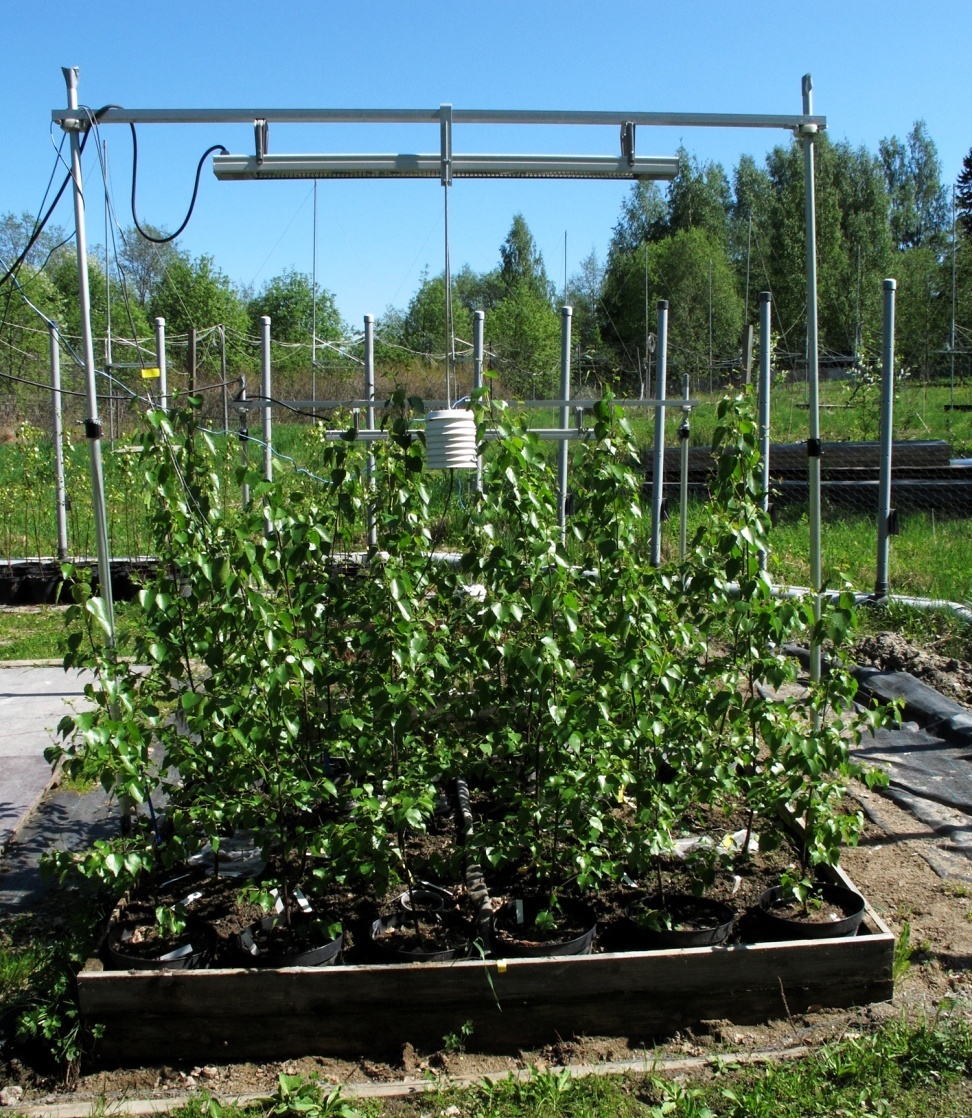
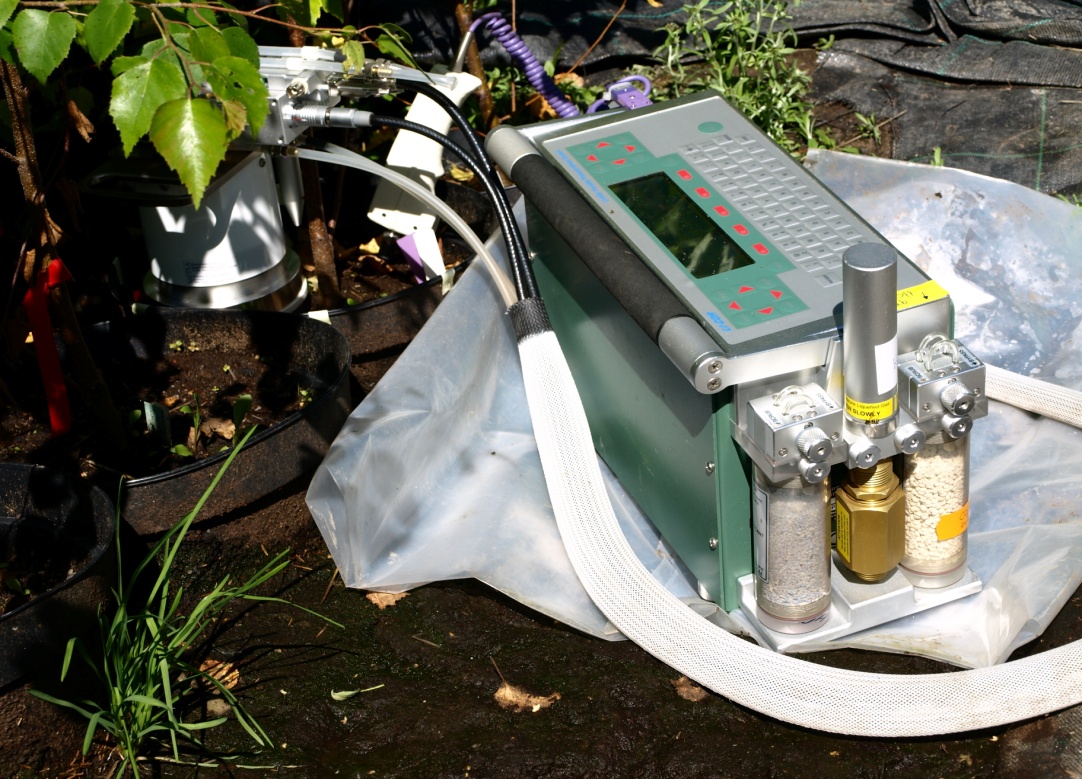
During my field works, I spent a full growing season measuring how silver birch responded to small changes in temperature and ozone, looking at stem height, leaf area, and even soil CO₂ release every few weeks. Once I put all the data together and analyzed it, it became pretty obvious: even small changes in light, temperature, or soil conditions show up quickly in how plants grow.
Sunflowers follow the same rules, but unlike trees, you can watch it happen: how they grow, bend, and track the sun. Growing sunflowers isn’t difficult, but they react fast when something is wrong, so paying attention to the basics really matters.
Sunflower biology and classification
The common sunflower is Helianthus annuus. Its classification is:
Kingdom: Plantae
Order: Asterales
Family: Asteraceae
Genus: Helianthus
What looks like a single flower is actually a dense cluster of small florets arranged in spirals. This structure is efficient for pollina-tion and seed production, which is why sunflowers are so productive.
Most sunflowers grown in gardens are annuals, they complete their life cycle in one season.
In the following steps, I’ll show you how to choose the right sunflower variety, prepare soil, plant, water, fertilize, support tall plants, manage stress, and harvest healthy sunflowers.

1. Choose the right sunflower variety
Before planting, decide what you want from the plant.
If your goal is large flowers and seeds, go for tall varieties. These can reach 2–4 meters and create a strong visual impact.
If you’re working with limited space, dwarf varieties are easier to manage. They grow well in pots but produce smaller flowers and fewer seeds.
It’s really about matching the plant to your space and expectations.
2. Give them full sun
Sunflowers need direct sunlight, at least 6–8 hours per day.
If they don’t get enough light:
Stems become thin and weak
Growth slows down
Flowers are smaller
In my field measurements, even a 1°C difference noticeably affected plant growth. With sunflowers, you can see this effect directly in how they grow, bend, and bloom.
3. Soil preparation
Sunflowers grow best in soil that drains well but still holds some moisture.
You don’t need perfect soil, but you should avoid extremes.
Clay soil → add compost to improve drainage
Sandy soil → add compost to retain water
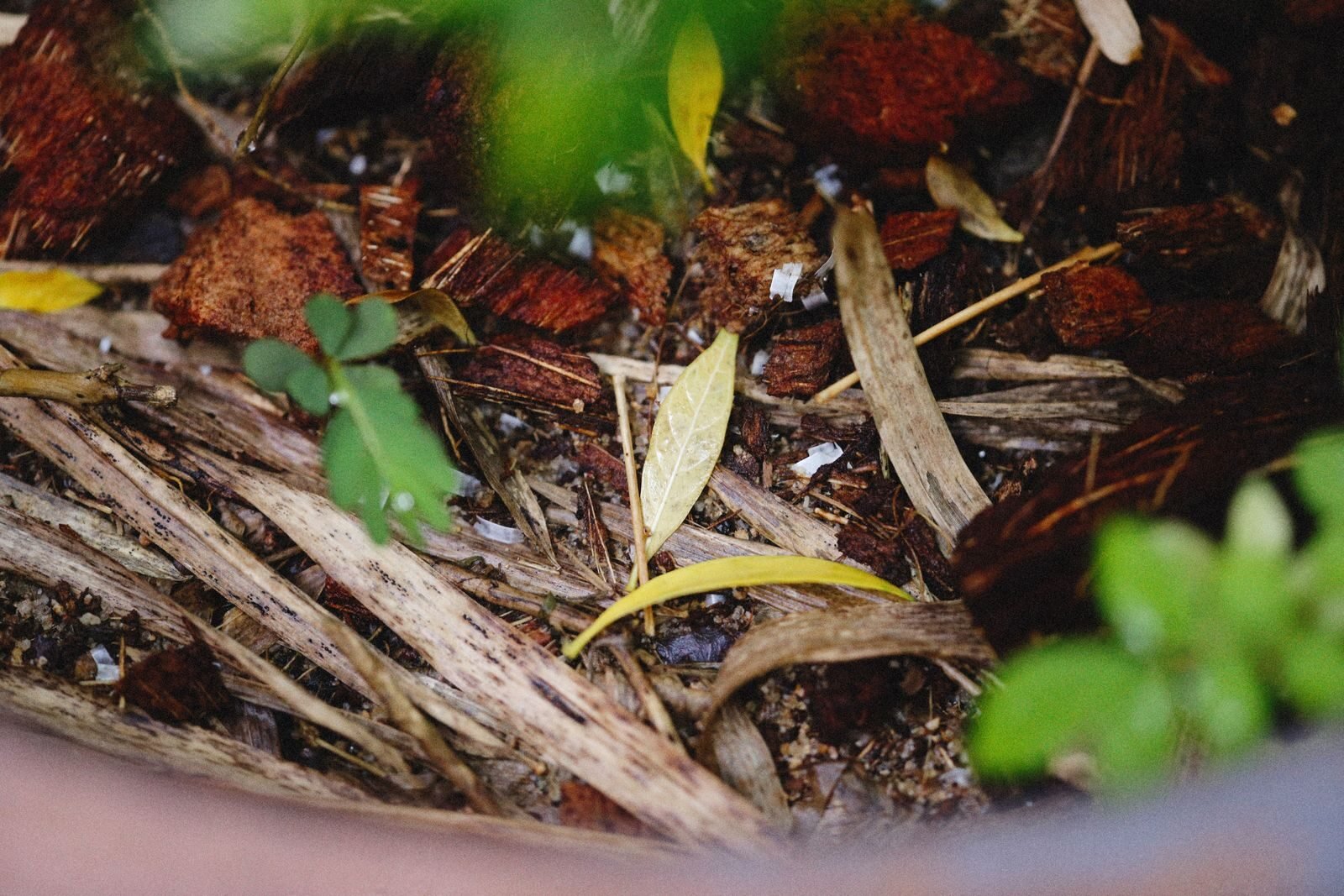
In my field work, soil conditions strongly influenced plant performance and below-ground activity. While you won’t measure soil respiration at home, the same principle applies: healthier soil supports stronger plants.
4. Planting
Seeds are the easiest way to grow sunflowers.
Plant 2–3 cm deep
Space according to variety
Water after planting
They usually germinate within 5–10 days in warm soil.
If you transplant seedlings, handle the roots gently, disturbing them can slow early growth more than you might expect.
5. Watering
Watering needs change as the plant grows.
Young plants → keep soil evenly moist
Mature plants → water deeply once or twice a week
Avoid overwatering. Roots need oxygen as well as water.
Leaves are a good indicator, if they droop or curl, something is off.
6. Fertilization
Sunflowers don’t need heavy feeding.
Add compost or balanced fertilizer at planting
Avoid excessive nitrogen
Too much nitrogen can lead to tall plants with weak stems and smaller flowers. Balanced growth is more important than rapid growth.
7. Supporting tall plants
Tall sunflowers can bend or break under their own weight, especially in wind.
A simple support can help:
Plant a sturdy stick close to the sunflower.
Tie the stem loosely with a small piece of rope or soft string, leaving a little room for the stem to move.
This gentle movement allows the stem to grow strong while preventing breakage.
Even a basic stick-and-rope support is enough to keep your sunflower upright and healthy.

8. Managing environmental stress
Sunflowers respond quickly to stress:
Low light → weak stems
High heat → wilting
Irregular watering → uneven growth
From field observations, plants always show early signs of stress, you just have to notice them. Sunflowers make those signals easy to read.
9. Flowering and harvest
Sunflowers typically flower 70–100 days after planting.
You’ll know seeds are ready when the back of the flower head turns brown and dry.
At that point:
Cut the flower head
Dry it in a well-ventilated area
Seeds can then be removed and stored.

10. Small tips that improve results
Use mulch to retain soil moisture
Avoid overcrowding plants
Rotate planting spots if possible
Watch for early leaf changes
These small adjustments can make a noticeable difference over a growing season.
Summary
Sunflowers are simple to grow, but they’re very responsive to their environment.
If light, soil, and water are right, they grow quickly and produce strong stems and large flowers. If something is off, they show it clearly.
That’s what makes them useful, not just as decorative plants, but as a way to observe how plants respond to their surroundings.
Get the basics right, and they’ll do the rest!
FAQs
Do sunflowers grow back every year?
No, most are annuals. You need to replant each season.
Can they grow in partial shade?
Yes, but growth will be weaker and flowers smaller.
Can I grow them in pots?
Yes, but choose dwarf varieties and use deep containers.
Can I grow them from birdseed?
Only if the seeds are raw and untreated.
Why are my sunflowers falling over?
Common causes include weak stems from low light, too much nitrogen, or lack of support.
Do they require a lot of maintenance?
No. Once established, they are relatively easy to manage.