



This article was written and reviewed by Serge, MSc. I hold degrees in Plant Biology, Environmental Biology and Biogeochemistry, with research experience in plant physiology, ecosystem science, and field-based environmental studies. Every article on this site is grounded in real academic training and genuine scientific research.
Affiliate disclosure: This site has affiliate links, including Amazon. As an Amazon Associate I earn from qualifying purchases, at no extra cost to you.

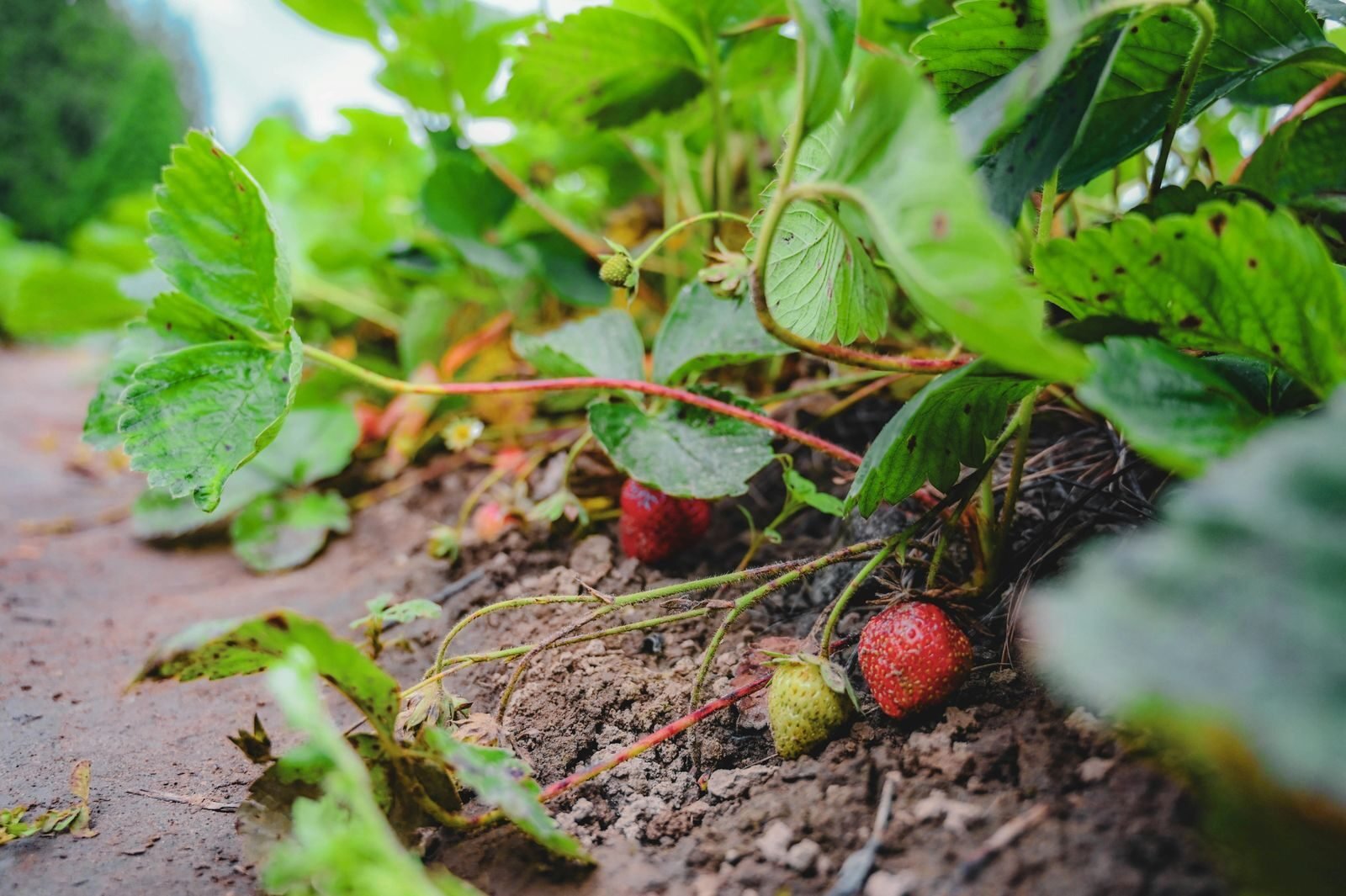
Did you know that the soil beneath your plants is alive and breathing?
When we talk about plant health, most people focus on what they can see: shiny leaves, upright stems, or fresh new growth. But as a plant scientist, I’ve spent a lot of time paying attention to something less obvious, the soil itself, the invisible heartbeat of your plants.
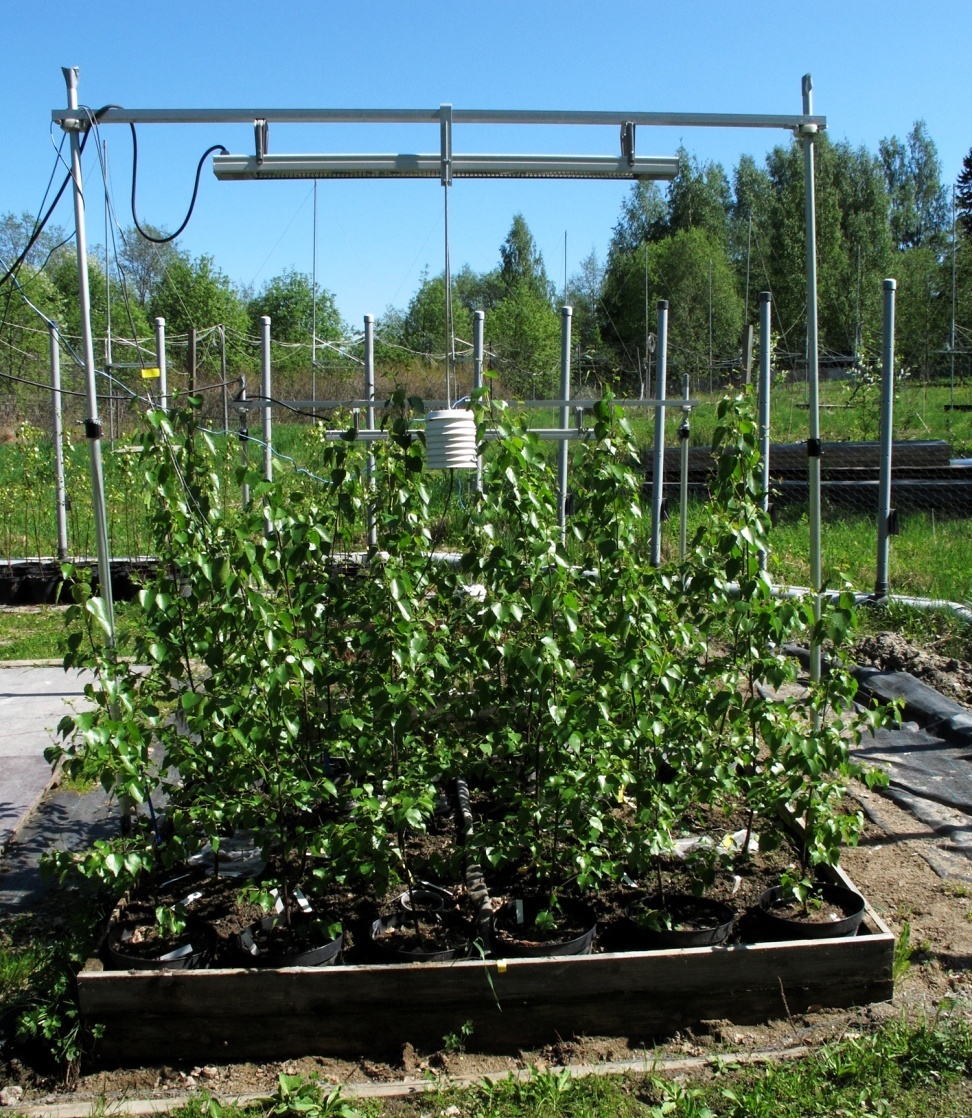
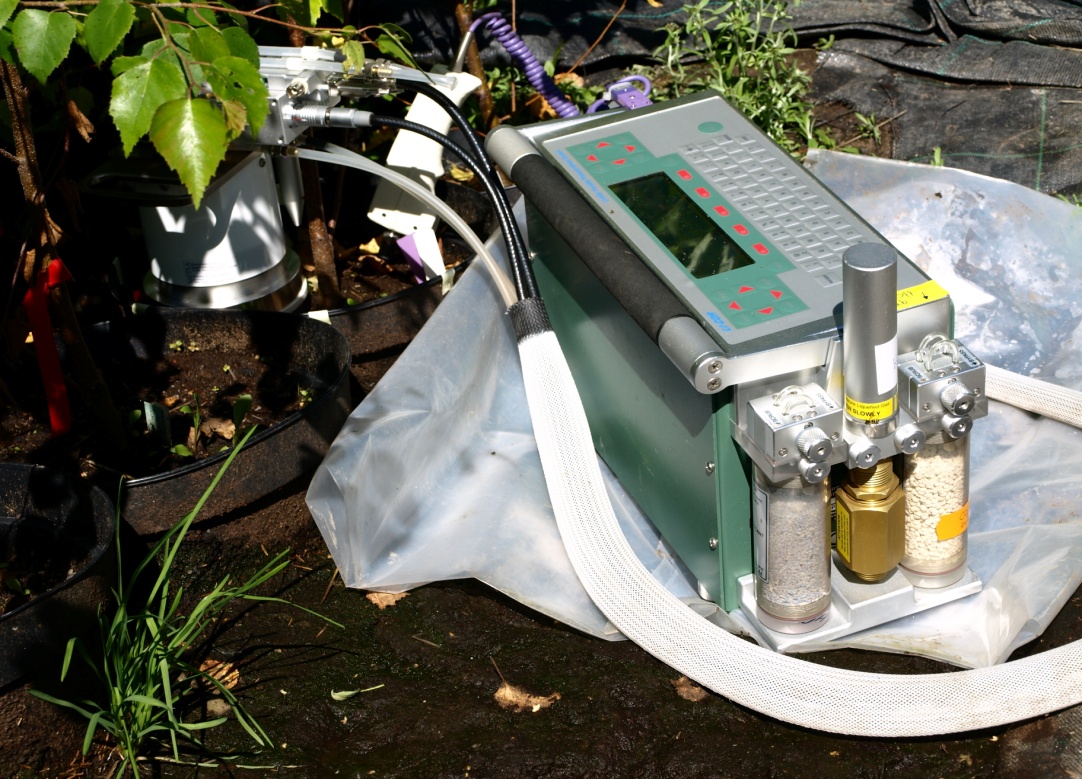
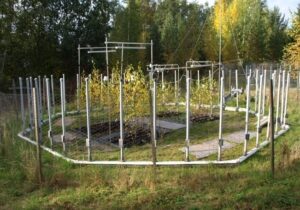
At an open-air field site, I measured the soil’s “breath” with a LICOR 6400-09 soil respiration chamber, tracking how roots and microbes release carbon dioxide (CO₂) under different conditions.
Soil respiration might sound like a complicated scientific term, but it’s really the pulse of your plant’s ecosystem. Understanding it is key to keeping plants healthy and resilient, whether they’re in a forest or on your sunlit windowsill.
1. Soil Is Alive
To understand soil respiration, you need to stop thinking of soil as just dirt. Soil is a living system, constantly moving gases, nutrients, and energy.
Its CO₂ comes mainly from two sources:
A. Autotrophic Respiration (Roots)
Roots do more than hold the plant in place, they are busy little engines. Every root cell uses energy to grow, repair itself, and pull nutrients like nitrogen, phosphorus, and potassium into the plant.
This process uses oxygen and releases CO₂ as a byproduct. In my Silver Birch experiments, it was clear how much roots contribute to soil respiration: when roots weren’t healthy, the soil “breathed” less.
B. Heterotrophic Respiration (Microbes)
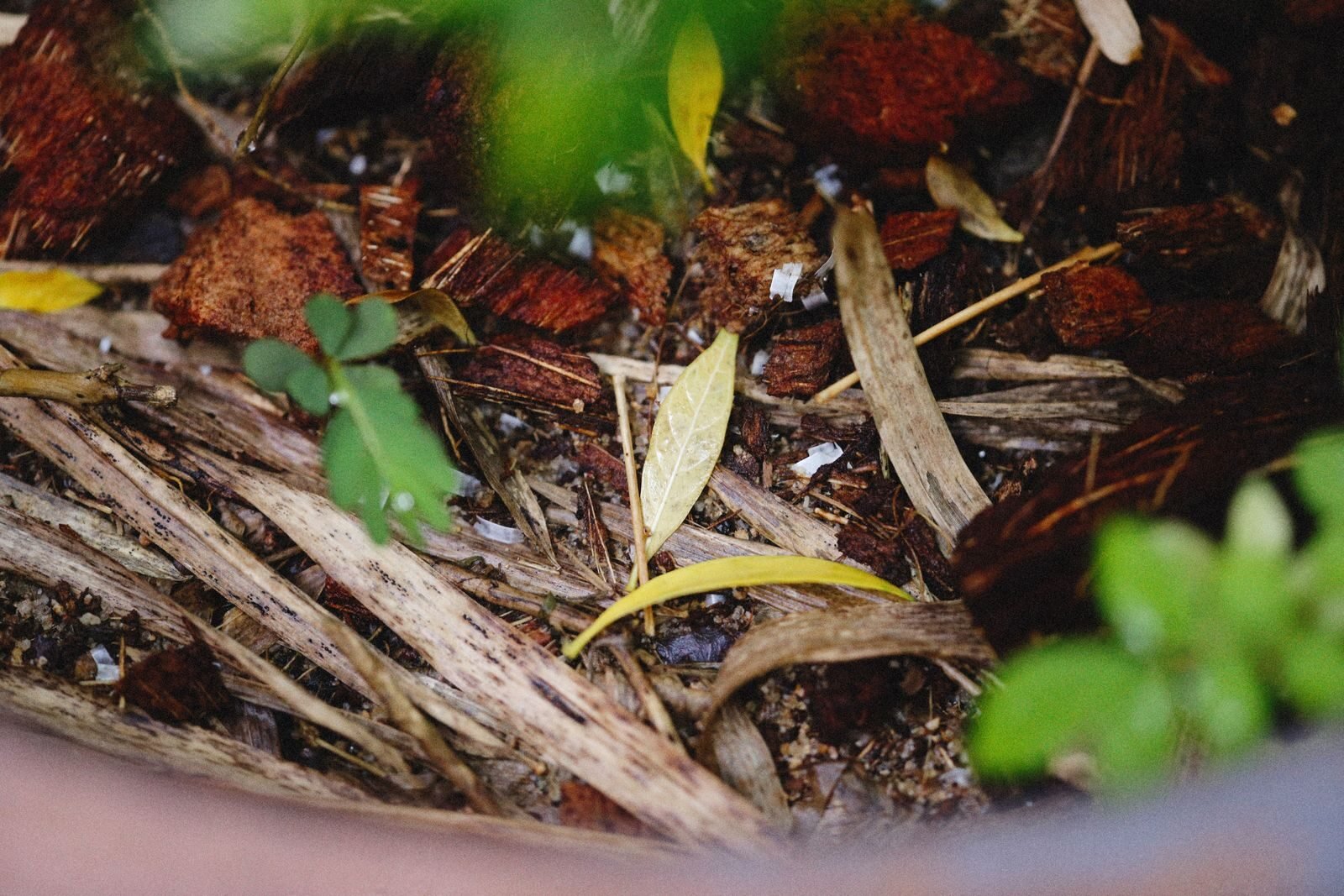
Microbes, like bacteria and fungi, live around the roots, feeding on sugars and organic acids that roots release, as well as decaying leaves and other organic matter.
As they break down this material, they also release CO₂. Microbial activity is very sensitive to the environment, so even small changes in temperature can make the soil “pulse” faster or slower.
Roots and microbes work together as a team, driving plant growth and keeping the soil fertile. Watching this happen in real life completely changed how I see plants, and how I care for them.
2. How I Measured Soil CO₂
During my research, I studied two genotypes of Silver Birch (Betula pendula), known as gt14 and gt15, in an open-field experiment. The aim was to understand how moderate warming (+0.9°C) and elevated tropospheric ozone (1.4× ambient) affect soil respiration, stem growth, and leaf development.
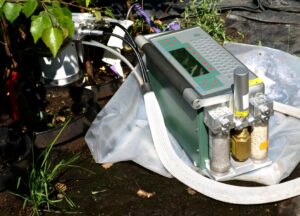
I collected data using the LICOR 6400-09 chamber, which measures CO₂ flux directly from the soil. I remember carefully placing the chamber over the soil, making sure the seal was perfect, and watching the readings stabilize.
Each plot, each genotype, each treatment had multiple readings to capture both variability and trends over the season.
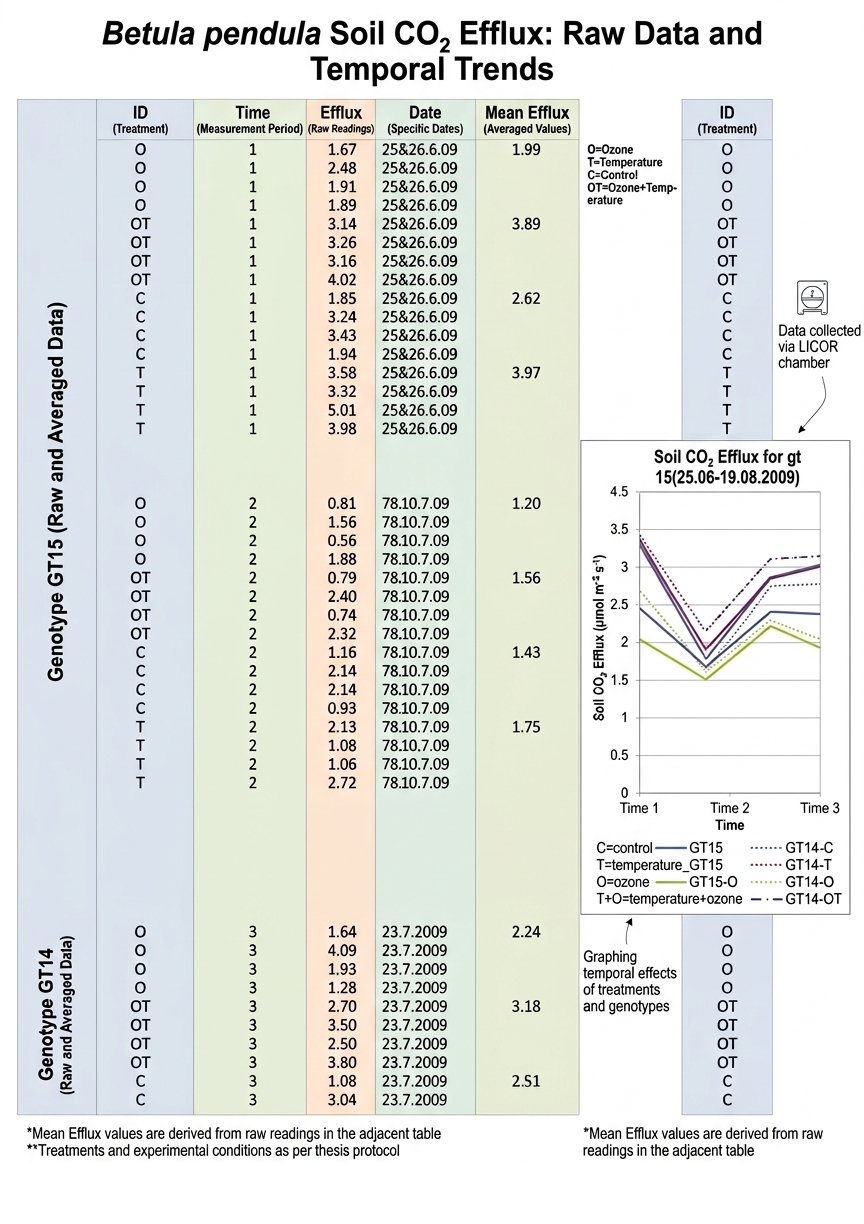
Looking at the raw data was like reading the soil’s diary. Some plots breathed more heavily than others; some paused and slowed. Each spike or dip told a story about the plant, the microbes, and the environment.
3. Temperature
One of the most interesting things I noticed was how sensitive soil respiration is to heat. Even a small rise in soil temperature made a noticeable difference. One genotype showed a much bigger increase in CO₂ release than other, showing that different plant types respond differently to warmth.
Even in your home, small temperature spikes, like sunlight on dark pots, heaters, or greenhouse warmth, can make soil microbes work overtime. They burn through sugars faster, and roots have to work harder to keep up. The result? Your plants can look tired or stressed, even if the soil isn’t dry.
4. Ozone: The Invisible Stress
While warmth speeds up soil activity, ozone acts like a brake. Ozone damages leaves and reduces photosynthesis, so less sugar reaches the roots. Microbes then have less to feed on, and soil respiration slows.
In simpler terms, anything that stresses your plant aboveground like pests, pollution, or poor lighting, also affects the soil below. Healthy leaves help healthy roots and microbes.
5. Lessons from Different Plant Types
Different plants behave differently under the same conditions:
High-energy plants: Lots of leaves, fast root growth, and high soil respiration. They respond quickly to warmth but can be sensitive to stress.
Conservative plants: Fewer leaves, slower growth, moderate soil respiration. They handle stress better but respond more slowly to heat.
Plants have different “energy needs.”
Some grow fast and need frequent attention to their soil, while others can get by with minimal care. Understanding this helps you take better care of each species.
6. Soil Respiration and Your Houseplants
You don’t need fancy equipment to apply these lessons:
Overwatering: Filling soil with water can starve roots of oxygen. Microbes that need oxygen die, and harmful bacteria take over. Your plant may wilt even in wet soil. I explain exactly how this plays out below the surface in why overwatering kills plants.
Heat stress: Dark pots in direct sun can raise soil temperature by 5–10°C. Microbes and roots work too fast, using up sugars before the plant can replace them. This is why indoor plants sometimes look tired or leggy.
7. Practical Tips for Healthy Soil Respiration
To keep your soil “breathing” well:
Watch soil temperature: Avoid extreme heat; lighter pots can help.
Aerate the soil: Gently poke holes to let air in and CO₂ out.
Add organic matter: Compost or worm castings feed microbes without overfertilizing.
Observe your plant: Pay attention to its growth and adjust care accordingly.
Following these simple steps keeps roots and microbes healthy and supports strong plant growth.
8. Conclusion
Beneath the surface, roots and microbes are constantly “breathing.” The soil’s pulse reflects the health of your plants. Caring for it is both smart gardening and helping the environment.
Checklist for Healthy Soil:
Keep it cool: Avoid extreme heat.
Keep it airy: Aerate compacted soil.
Keep it fed: Add compost or worm castings.
Keep it balanced: avoid waterlogging. See how to water your houseplants properly.
By watching and caring for soil respiration, you strengthen your connection with your plants and support a thriving ecosystem in every pot or garden bed.
FAQs About Soil Respiration
What is soil respiration?
Soil respiration is how soil releases carbon dioxide (CO₂). It comes from two main sources:
Roots: Produce CO₂ as they grow, repair, and take in nutrients.
Microbes: Produce CO₂ as they break down organic matter.
Together, this shows the “heartbeat” of your soil.
Is soil respiration aerobic or anaerobic?
Most soil respiration is aerobic, it needs oxygen. In waterlogged soil, anaerobic processes take over, producing gases like methane or sulfur compounds.
Does soil respiration release CO₂?
Yes. Roots and microbes naturally release CO₂ while metabolizing sugars and organic compounds. This is normal and healthy.
Does soil need to breathe? Can soil breathe?
Yes. Soil “breathes” when oxygen enters and CO₂ leaves. Good soil structure lets roots and microbes respire efficiently. Compacted or waterlogged soil blocks this, stressing the plant.
How does temperature affect soil respiration?
Warmer soil speeds up metabolism for roots and microbes, increasing CO₂ release. Too much heat can overwork the system, making plants appear tired.
How does soil respiration affect plant health?
Healthy soil respiration shows active roots and microbes, helping nutrient uptake and root growth. Low respiration may signal stress or poor soil conditions.
What are signs of poor soil aeration?
Wilting even when soil is wet (often the start of root rot)
Stunted roots
Bad smells from soil
Water pooling on the surface
How can I increase soil respiration?
Aerate the soil
Add compost or worm castings
Avoid overwatering
Control soil temperature
What else affects soil respiration?
Water content (too dry or too wet slows microbes)
Soil type and organic matter
Plant stress from pests, pollution, or poor light
Why is soil respiration important for the environment?
Healthy soil respiration recycles carbon, supports plant growth, and helps the soil act as a small carbon sink, contributing to the global carbon cycle.
Recommended: Check how alive your soil is with my free Soil Life Scorecard, two simple checks with a printable log.