

This article was written and reviewed by Serge, MSc. I hold degrees in Plant Biology, Environmental Biology and Biogeochemistry, with research experience in plant physiology, ecosystem science, and field-based environmental studies. Every article on this site is grounded in real academic training and genuine scientific research.
Affiliate disclosure: This site has affiliate links, including Amazon. As an Amazon Associate I earn from qualifying purchases, at no extra cost to you.
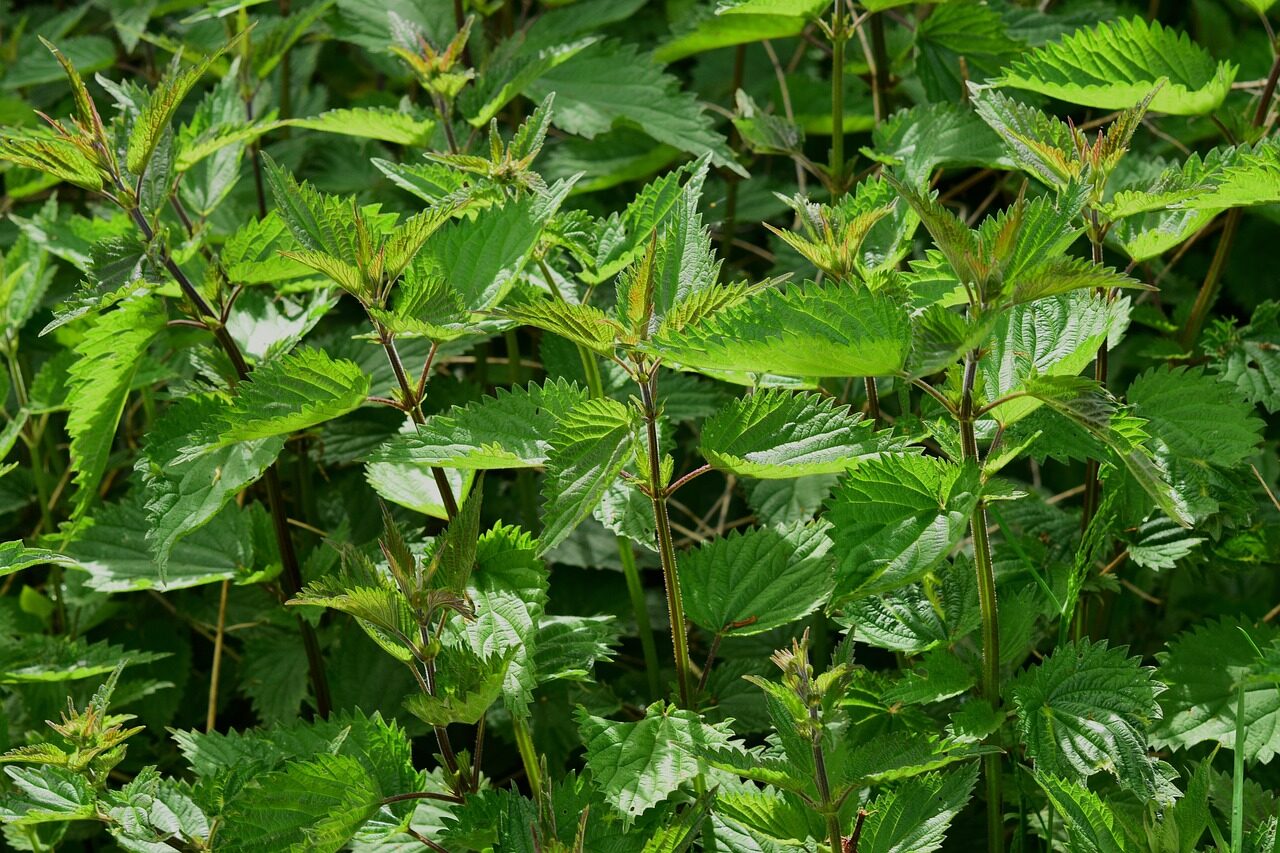
Over the years, while exploring forests and old gardens, I noticed a troubling pattern: certain herbs I had always expected to find were becoming scarce.
Plants like Goldenseal (Hydrastis canadensis), wild ginseng (Panax quinquefolius), and white sage (Salvia apiana) were harder to spot. At first, I thought it was a seasonal phenomenon or a matter of timing. But repeated visits over months and years revealed a consistent trend, these plants were vanishing.
Even more striking was how their disappearance affected the surrounding environment. The soil felt lighter and less crumbly, the usual hum of insects was quieter, and small understory plants appeared thin and weak. Gradually, I realized this wasn’t just about harvesting; it was about ecosystems being disrupted.
How the Environment Changes Alongside Herbs
With a background in plant biochemistry, environmental biology, and biogeochemistry, I understand how sensitive plants are to their surroundings.
Even subtle changes in light, soil quality, or human activity can ripple through roots, soil microbes, and the plant community. Removing herbs carelessly from the wild doesn’t just take a plant, it alters the balance of the entire ecosystem, affecting neighboring plants, pollinators, and soil health.
Herbs are indicators of environmental quality. Slow-growing species, for example, are particularly vulnerable to human activity, and their decline can signal broader ecological changes.
Observing Herbs Under Pressure
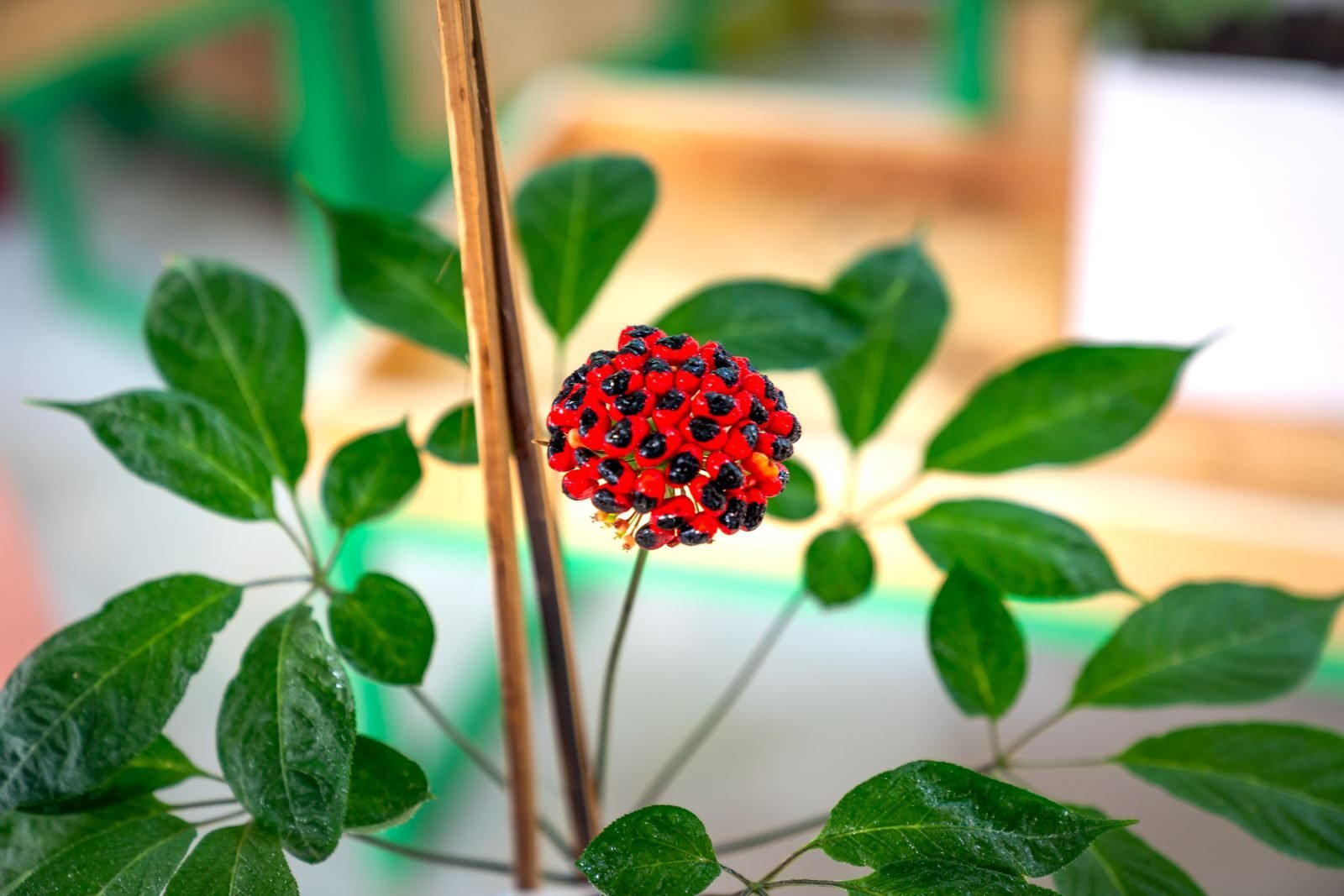
Some species reveal environmental stress more dramatically than others. Goldenseal, for instance, is highly sought after for its roots, and overharvesting leads to fewer young plants emerging and older roots appearing stressed.
Wild ginseng takes decades to mature, and in harvested areas, seedlings are often absent, leaving only smaller, weaker roots.
White sage also demonstrates the impact of frequent harvesting: leaves near collection areas are thinner, less aromatic, and visibly weaker than those in protected patches.
Other vulnerable species I’ve observed include Goldthread (Coptis trifolia), whose tiny roots disappear quickly when soil is disturbed; Blue cohosh (Caulophyllum thalictroides), which grows slowly and is easily affected by human collection; and Wild valerian (Valeriana officinalis), whose root compounds fade in overharvested areas.
These examples show that herbs are not isolated, but part of living, interconnected ecosystems.
Overharvesting and Ecosystem Impacts
Visiting overharvested forests, I noticed stark contrasts compared to protected areas. Exposed and dry soil, fewer fallen leaves to feed microbes, and reduced populations of bees and butterflies were common. Small understory plants struggled to compete, and the overall plant community appeared thinner and weaker.
In protected areas, soil was dark, rich, and teeming with life. Understory growth was lush, and herbs were stronger, aromatic, and richer in natural compounds.
Even small changes in harvesting practices can significantly affect entire ecosystems, altering the balance of plants, microbes, and pollinators.
Finding Sustainable Alternatives
To enjoy herbs without stressing wild populations, I’ve explored several approaches. Farmed versions of vulnerable herbs, like Goldenseal and ginseng, allow for sustainable harvest while preserving wild populations.
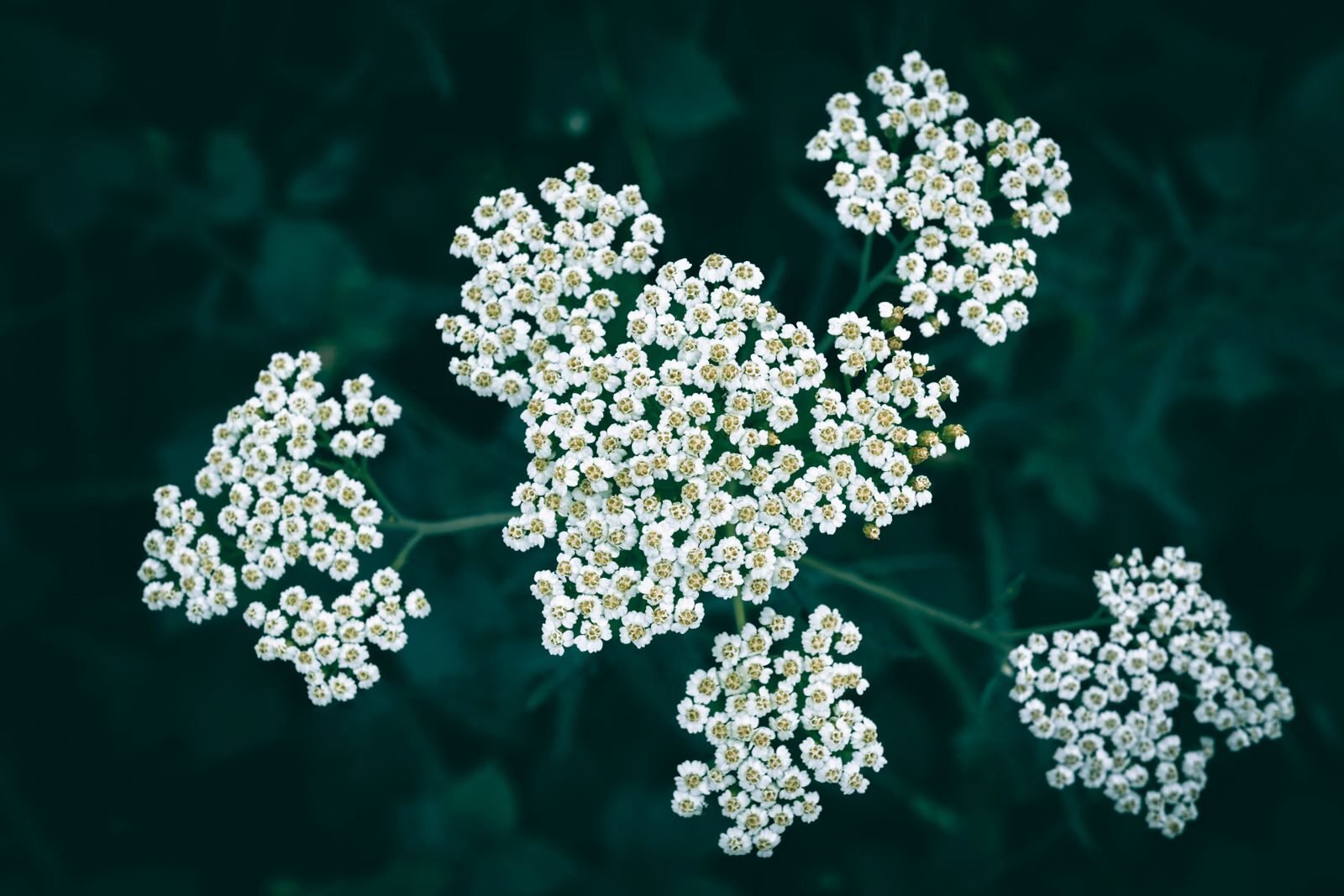
Native or underused herbs such as Yarrow (Achillea millefolium), Marshmallow root (Althaea officinalis), Elderflower (Sambucus nigra), Horehound (Marrubium vulgare), and Dandelion (Taraxacum officinale) provide comparable benefits while putting less stress on wild ecosystems.
Home-grown herbs, such as peppermint (Mentha × piperita) and lemon balm (Melissa officinalis), thrive in small gardens and can substitute for overharvested species in teas, tinctures, and infusions. Thoughtful gardening not only preserves biodiversity but also enhances the potency and aroma of the herbs you grow.
Practices for Responsible Herb Use
Over time, I’ve developed habits that support both plant health and ecosystem integrity. Prioritizing cultivated plants over wild-harvested ones is essential. Choosing farms that maintain soil life, rotate crops, and avoid chemicals usually results in healthier, more aromatic herbs.
Practicing mindful foraging, taking only what’s needed, rotating collection areas, and leaving plenty behind, reduces stress on wild populations.
Even small adjustments can strengthen plant populations and improve soil health. Observing plant vitality through richer aroma, deeper colors, and fuller flavor is a direct reflection of the ecosystem’s wellbeing.
Lessons from Home Gardening
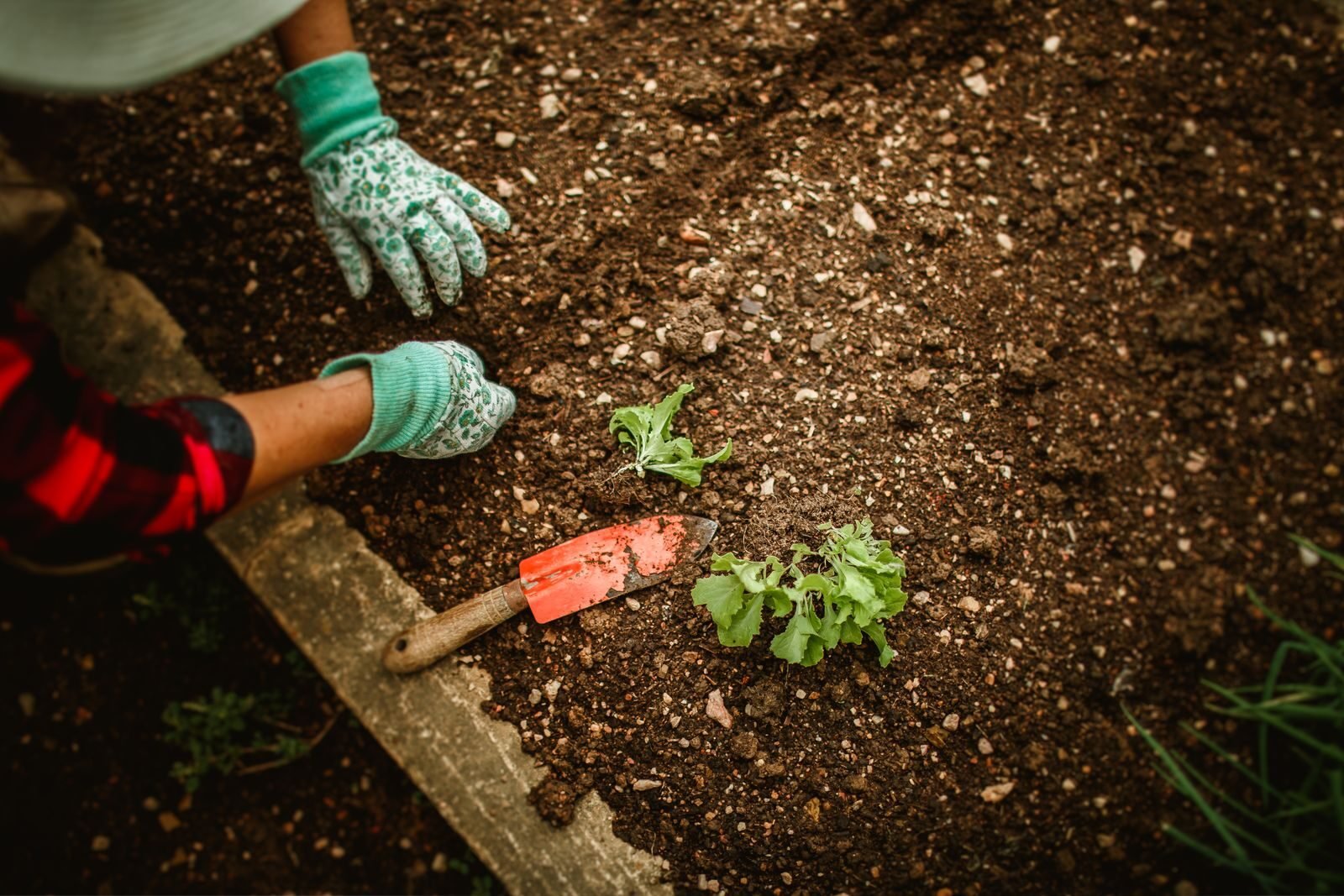
Small gardens can yield herbs that rival wild plants when done thoughtfully. Compost and mulch feed soil microbes and improve nutrient uptake, while minimal soil disturbance protects fungal networks and root systems.
Companion planting, such as calendula with echinacea or lemon balm, attracts pollinators and supports soil diversity. Collecting rainwater for irrigation enhances microbial activity more effectively than chlorinated tap water.
Paying attention to these details allows gardeners to see immediate feedback in the form of thriving plants, more active pollinators, and healthier soil.
Why Sustainable Choices Matter
Choosing cultivated, native, or home-grown herbs offers several benefits. It reduces pressure on wild populations, supports pollinators and insect diversity, maintains soil fertility and structure, and preserves biodiversity for plants and insects.
Every thoughtful action, no matter how small, contributes to stronger, healthier ecosystems.
Frequently Asked Questions
1. Are all wild herbs endangered?
Not all herbs are endangered, but slow-growing species like Goldenseal, wild ginseng, and white sage are particularly vulnerable to overharvesting.
2. Can cultivated herbs match the potency of wild herbs?
Yes. Proper cultivation in healthy soil often preserves or even enhances the active compounds found in wild plants.
3. Which native herbs can replace overharvested species?
Alternatives include Yarrow, Marshmallow root, Elderflower, Horehound, and Dandelion. These plants provide similar ecological and aromatic benefits while being gentler on wild populations.
4. How can I forage responsibly?
Take only what you need, leave plenty behind, rotate harvesting areas, and avoid stressed plant populations.
5. Does soil health affect herbal potency?
Absolutely. Microbe-rich soil improves nutrient uptake, enhancing flavonoids, terpenes, and essential oils in plants.
6. Can home gardening reduce pressure on wild herbs?
Even small, responsibly managed gardens can significantly reduce demand on wild populations and support biodiversity.
7. How do these practices support pollinators?
Flowering herbs, diverse plantings, and avoiding chemical pesticides provide food and habitat for bees, butterflies, and other insects.
8. Which herbs are easiest for beginners to grow sustainably?
Peppermint, Lemon balm, Calendula, and Chamomile are forgiving and productive options for home gardens.
9. Can switching to native alternatives reduce herbal effectiveness?
Many native herbs contain comparable active compounds and provide similar benefits while being gentler on ecosystems.
Summary
Observing herbs and their ecosystems over time has shown me that every choice matters. Whether foraging, gardening at home, or sourcing herbs from farms, mindful practices help preserve biodiversity, enrich soil, support pollinators, and maintain healthy plant populations.
Planting native or cultivated alternatives, caring for soil, and choosing herbs responsibly ensures that both your garden and the surrounding wild spaces thrive.
Choosing native or cultivated alternatives and caring for the environment allows gardens and surrounding wild spaces to thrive!
Disclaimer: This content is for educational and informational purposes only and is not intended as medical, health, or safety advice.