



This article was written and reviewed by Serge, MSc. I hold degrees in Plant Biology, Environmental Biology and Biogeochemistry, with research experience in plant physiology, ecosystem science, and field-based environmental studies. Every article on this site is grounded in real academic training and genuine scientific research.
Affiliate disclosure: This site has affiliate links, including Amazon. As an Amazon Associate I earn from qualifying purchases, at no extra cost to you.

Are your herbs showing curling leaves, yellowing, or sticky residue, leaving you unsure why?
Herbs are wonderfully resilient, but they are not immune to pests and diseases. Understanding these threats, and knowing how to prevent and manage them, is key to keeping herbs thriving and flavorful.
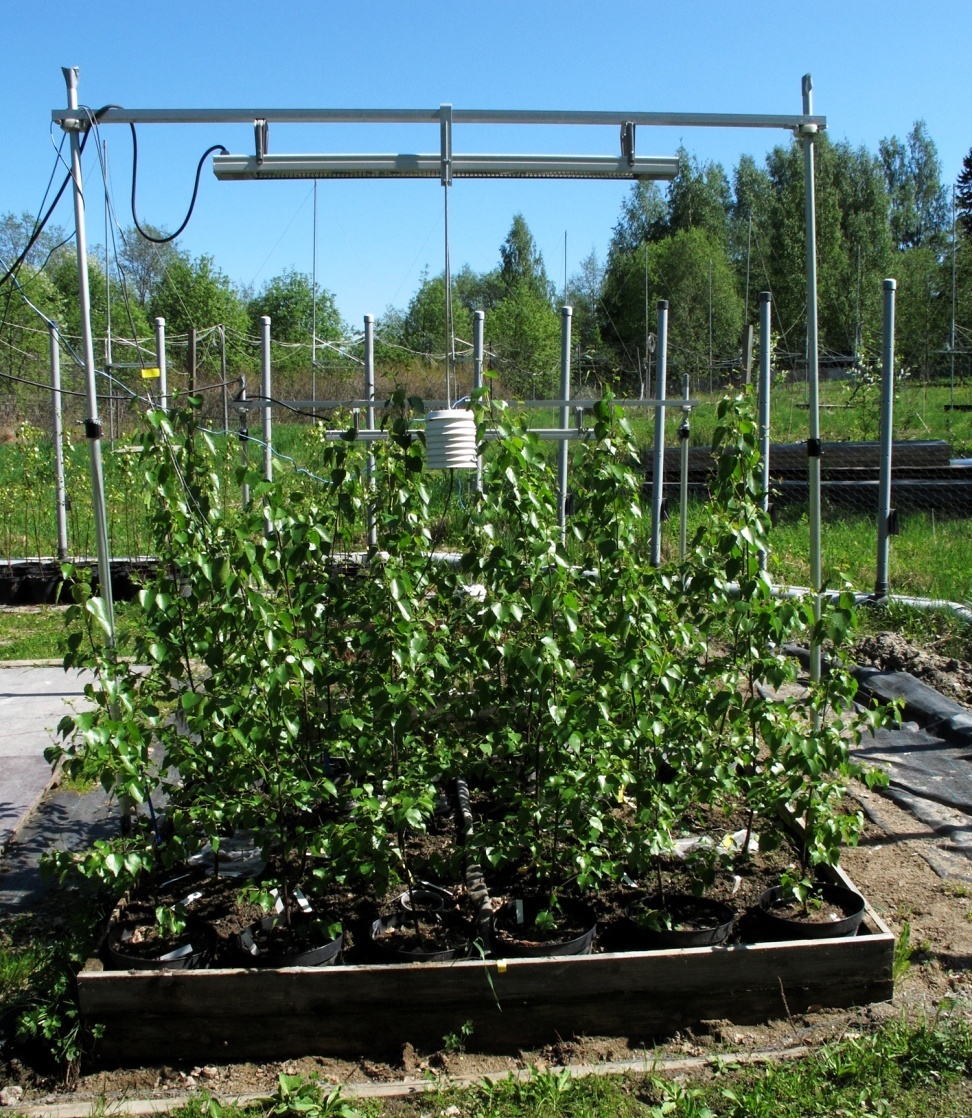
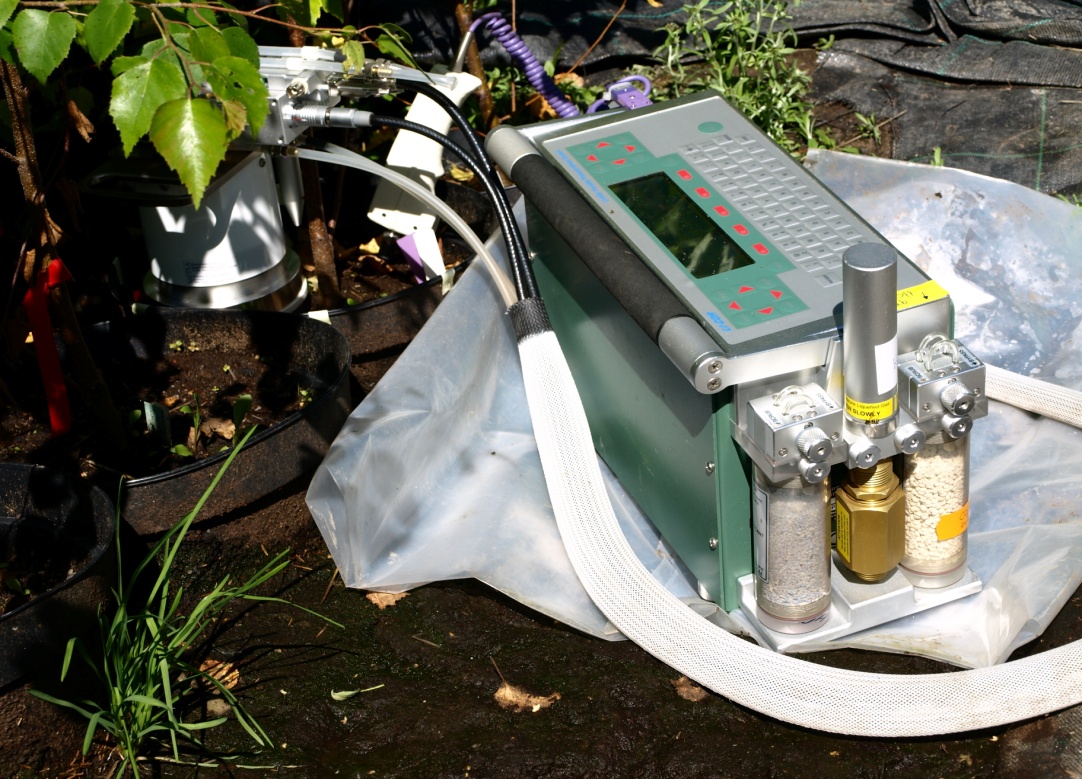
During my research works, I’ve noticed how factors like temperature and air quality can influence plant growth, and keeping an eye on them can help herbs stay healthier and even reduce the chances of pest damage. Of course, in extreme cases pests can still appear, and I’m here to guide you on how to manage them effectively.
Let’s explore the most common herb pests, diseases, and practical strategies to keep your plants healthy.
Common Herb Pests
Aphids
Aphids are tiny, sap-sucking insects often found clustered on new growth. They feed by piercing plant tissues and extracting nutrients, causing leaves to curl, yellow, and become distorted.
One of the most noticeable signs of aphids is the sticky substance they leave behind, known as honeydew, which can attract ants and promote mold growth.
Commonly affected herbs: Basil, mint, dill, parsley
Control methods:
- Spray with diluted neem oil
- Use a mild soapy water solution
- Introduce beneficial insects like ladybugs
Because aphids reproduce rapidly, early detection is essential to prevent large infestations.

Spider Mites
Spider mites are extremely small pests that live on the undersides of leaves. They feed by sucking plant juices, leading to tiny yellow speckles and dry, unhealthy foliage. In advanced infestations, fine webbing becomes visible across leaves and stems.
Commonly affected herbs: Rosemary, thyme, mint
Control methods:
- Increase humidity around plants
- Spray leaves regularly with water
- Apply neem oil for organic control
Dry conditions encourage spider mites, so maintaining proper moisture levels is key.

Whiteflies
Whiteflies are small, white insects that flutter around when disturbed. They feed on plant sap and weaken herbs over time. Like aphids, they produce honeydew, which can lead to secondary fungal problems.
Commonly affected herbs: Basil, sage, oregano
Control methods:
- Use yellow sticky traps
- Apply insecticidal soap or neem oil
- Remove heavily infested leaves
Quick action helps prevent whiteflies from spreading and damaging multiple plants.

Leaf Miners
Leaf miners are larvae that tunnel through the inside of leaves, leaving behind winding, white trails. While they may not immediately kill plants, they reduce the plant’s ability to photosynthesize effectively.
Commonly affected herbs: Spinach, parsley
Control methods:
- Remove and dispose of affected leaves
- Apply neem oil to prevent further damage
Regular inspection helps catch infestations before they spread.

Mealybugs: Cotton-Like Intruders
Mealybugs appear as white, cottony clusters on stems and leaf joints. They feed on plant sap and can significantly slow growth while producing sticky residue.
Commonly affected herbs: Indoor basil, mint
Control methods:
- Remove with alcohol-dipped cotton swabs
- Use neem oil or insecticidal soap
Because they spread quickly, early removal is important.

Common Herb Diseases
While pests are often visible, diseases can be more subtle and equally damaging. Most plant diseases are influenced by environmental conditions such as humidity, airflow, and watering practices.
Powdery Mildew: The White Coating
Powdery mildew is a fungal disease that appears as a white, powdery layer on leaves. It reduces photosynthesis and weakens plant growth over time.
Commonly affected herbs: Basil, sage, rosemary
Prevention & control:
- Ensure good airflow between plants
- Avoid overcrowding
- Use organic fungicides if needed
Warm, humid, and poorly ventilated conditions encourage this disease.
Root Rot
Root rot occurs when roots sit in waterlogged soil, leading to decay and loss of function. Plants may appear wilted even when the soil is wet, and roots often turn brown or mushy.
Affected herbs: Most herbs, especially in pots
Prevention & control:
- Use well-draining soil
- Avoid overwatering
- Repot plants in fresh soil if necessary
Proper drainage is essential to prevent this often fatal condition.
Leaf Spot: Fungal or Bacterial Damage
Leaf spot appears as brown, black, or yellow spots on leaves and can eventually lead to leaf drop. It spreads easily in moist conditions.
Commonly affected herbs: Parsley, mint, cilantro
Prevention & control:
- Remove infected leaves promptly
- Avoid wetting foliage during watering
- Maintain proper spacing for airflow
Early intervention prevents the disease from spreading.
Damping-Off: A Seedling Problem
Damping-off affects young seedlings, causing them to collapse at the soil line. It is caused by soil-borne fungi that thrive in overly moist conditions.
Commonly affected herbs: Basil, coriander, dill
Prevention & control:
- Use sterile soil
- Avoid overwatering
- Space seedlings properly
Healthy early growth is crucial for long-term plant success.
Prevention Strategies for Healthy Herbs
Preventing pests and diseases is always more effective than treating them after they appear. Healthy plants are naturally more resistant and better able to recover from stress.
Key prevention tips:
- Air circulation: Space plants properly to reduce humidity buildup
- Watering practices: Water consistently but avoid waterlogging
- Clean tools: Prevent disease transmission with sterilized equipment
- Sunlight: Ensure adequate light for strong growth
- Regular inspection: Check plants frequently for early signs of trouble
By maintaining stable growing conditions, you reduce the likelihood of both pests and diseases taking hold.
Organic & Natural Remedies
For edible plants like herbs, natural solutions are often the safest and most effective.
Recommended remedies:
- Neem oil: Controls a wide range of pests
- Soapy water spray: Effective against soft-bodied insects
- Garlic or chili spray: Natural deterrents
- Beneficial insects: Ladybugs and lacewings feed on pests
- Manual removal: Simple and effective for small infestations
These methods protect both plant health and food safety.
Chemical Treatments (Last Resort)
Chemical pesticides should only be used when infestations become severe and unmanageable through natural methods.
Guidelines:
- Choose products safe for edible plants
- Follow instructions carefully
- Avoid overuse to protect beneficial organisms
Whenever possible, rely on prevention and organic approaches first.
Reference Table
| Pest/Disease | Symptoms | Affected Herbs | Control Method |
|---|---|---|---|
| Aphids | Curling leaves, sticky residue | Basil, Mint | Neem oil, ladybugs |
| Spider Mites | Yellow speckles, webbing | Rosemary, Thyme | Water spray, neem oil |
| Whiteflies | Yellowing, sticky residue | Basil, Sage, Oregano | Sticky traps, neem oil |
| Leaf Miners | White squiggly trails | Spinach, Parsley | Remove leaves, neem oil |
| Mealybugs | Cotton-like clusters | Basil, Mint | Alcohol swabs, neem oil |
| Powdery Mildew | White coating | Basil, Sage | Airflow, fungicide |
| Root Rot | Wilting, root decay | Most herbs | Drainage, proper watering |
| Leaf Spot | Brown/black spots | Parsley, Mint, Cilantro | Remove leaves, airflow |
| Damping-Off | Seedlings collapse | Basil, Coriander | Sterile soil, spacing |
Conclusion
Healthy herbs are not just the result of pest control, but of balanced growing conditions. My research on Silver birch showed that keeping an eye on environmental factors, even subtle ones like temperature and air quality, can make a big difference in plant growth and resilience. The same principle applies to herbs: well-maintained conditions help them grow stronger and resist pests naturally.
By focusing on prevention, early detection, and natural care methods, you can grow herbs that are productive, flavorful, and resilient. Proper spacing, airflow, sunlight, and careful watering form the foundation of healthy, thriving plants.
Even if pests occasionally appear, these strategies will make it much easier to manage and protect your herbs season after season.
Frequently Asked Questions
Can herbs attract pests?
Yes. Tender growth often attracts pests like aphids and whiteflies, but regular monitoring helps keep infestations under control.
What herbs repel pests?
Basil, rosemary, thyme, mint, sage, lavender, and chives can help deter certain pests naturally.
How do I protect herbs from pests?
Use proper spacing, regular inspection, organic sprays, and good watering practices.
Can I eat herbs that had pests?
Yes, as long as they are thoroughly washed and not heavily diseased or chemically treated.