

This article was written and reviewed by Serge, MSc. I hold degrees in Plant Biology, Environmental Biology and Biogeochemistry, with research experience in plant physiology, ecosystem science, and field-based environmental studies. Every article on this site is grounded in real academic training and genuine scientific research.
Affiliate disclosure: This site has affiliate links, including Amazon. As an Amazon Associate I earn from qualifying purchases, at no extra cost to you.

A friend of mine once asked me why his homegrown tomatoes never had much flavor or seemed weak compared to store-bought ones.
I thought, “Alright, let’s fix this together.”
Tomatoes are very rewarding to grow, but success depends on several often-overlooked factors. From the soil they’re planted in to how they are watered and pruned, attention to these details can have a major impact
Let’s look at the steps and the science, without making it overly complicated.
The Basics of Tomato Growth
Tomatoes (Solanum lycopersicum L.) belong to the Solanaceae family, which includes peppers, eggplants, and potatoes. They come in many forms, but the two main types are:
-
Determinate (bush) varieties: Grow to a fixed height and produce a concentrated harvest. Great for containers or small spaces.
-
Indeterminate (vining) varieties: Keep growing and producing fruit until frost. Need staking or cages, but give a continuous harvest.
Picking the right type for your space can make a big difference in how well your tomatoes grow. If you’re just starting, determinate types are easier to handle, while indeterminate tomatoes need more support but give you a longer harvest.
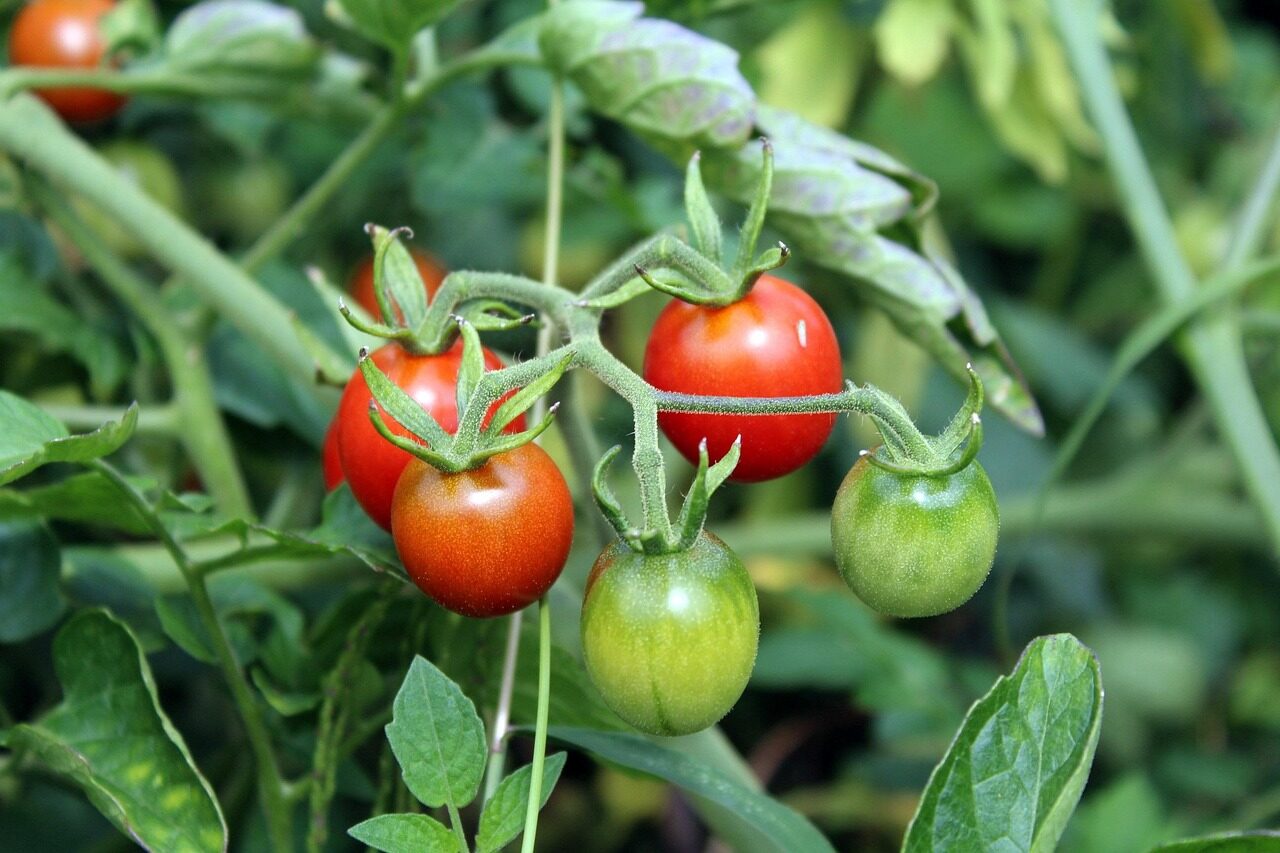
Tomatoes are also interesting because their fruit naturally turns red as it ripens. That color comes from a compound called lycopene, which the plant produces as it matures. Lycopene isn’t just for show, it develops best when the plant gets plenty of sunlight and the soil has the nutrients it needs. That’s why paying attention to light and fertilization really matters.
Seeds, Seedlings, and Getting Started
I told him: “Start with the right foundation, and the rest is just maintenance.”
Here’s how:
-
Starting Seeds Indoors: Sow seeds in a light, well-draining seed mix 3–5 mm deep. Keep the soil consistently moist but not soggy. A small tray near a sunny window or under a grow light works perfectly.
-
Seedlings: Look for healthy plants with 2–3 true leaves. Avoid ones that are leggy or yellowing.
-
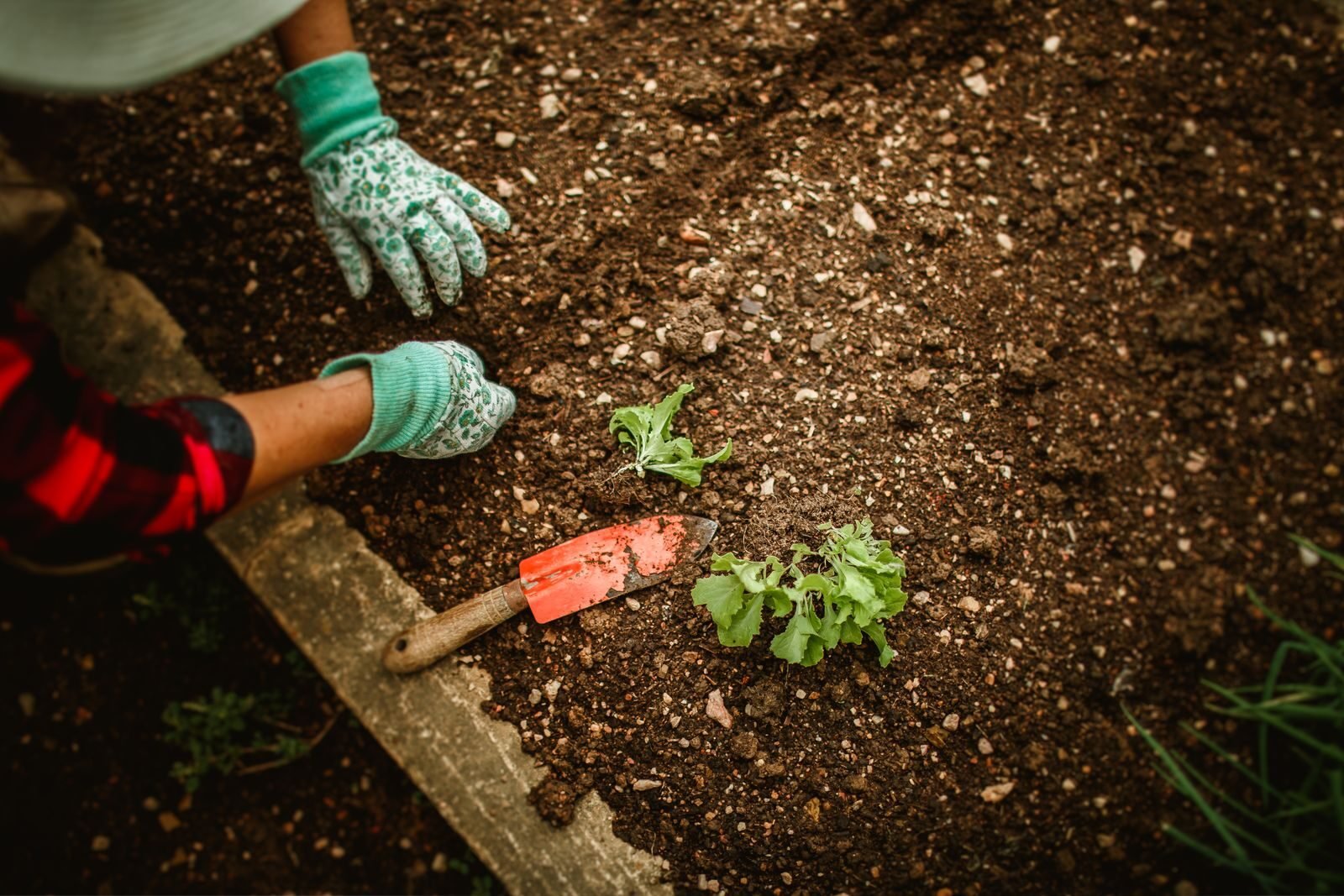
Transplanting: Wait until soil temperatures are above 18°C (65°F). When planting, bury part of the stem, tomatoes can grow roots along the buried stem, giving a stronger, more resilient plant.
Note: Deep planting improves root mass, which helps the plant access water and nutrients more efficiently. It’s like giving your tomato an underground boost.
Soil and Nutrient Basics
Tomatoes are hungry plants. They need fertile, well-draining soil with a pH of 6.0–6.8. Too acidic or too alkaline, and key nutrients like nitrogen (N), phosphorus (P), potassium (K), calcium (Ca), and magnesium (Mg) become less available.
-
Nitrogen (N): Fuels leafy growth. Too much, though, and your plant will grow big leaves but produce fewer flowers and fruit.
-
Phosphorus (P): Critical for root development and energy transfer in the plant.
-
Potassium (K) & Calcium (Ca): Support strong cell walls, turgor pressure, and overall fruit quality. Calcium deficiency can cause blossom-end rot, a common problem with inconsistent watering.
I always recommend amending soil with compost or aged organic matter. Compost not only adds nutrients but also improves cation exchange capacity (CEC), basically the soil’s ability to hold and slowly release nutrients to roots. Think of it like giving your tomatoes a nutrient “bank account.”
Sunlight, Temperature, and Microclimate
Tomatoes thrive in full sun, 6–8 hours a day is ideal. They like warmth, but extremes can stress the plant:
-
Daytime: 21–27°C (70–80°F)
-
Nighttime: above 13°C (55°F) to avoid blossom drop
Indeterminate tomatoes benefit from staking or trellising. It keeps the vines off the soil, improves airflow, and reduces disease risk. A little reflection from light-colored mulch or shading during hot afternoons can also help fruits ripen evenly without scorching.
Step-by-Step Growing Guide
Here’s how I usually guide friends through growing tomatoes:
Step 1: Choose Your Variety
-
Leaf or cherry tomatoes: Quick-growing, great for snacking.
-
Roma: Slightly firmer, good for sauces and sandwiches.
-
Beefsteak or heirlooms: Big, flavorful fruits but slower to grow.
Step 2: Planting Depth
-
Bury seedlings deep, leaving only a few top leaves exposed. Roots will form along the buried stem.
-
Space determinate plants 45–50 cm apart, indeterminate 60 cm or more. Crowding traps humidity and can invite disease.
Step 3: Watering
-
Tomatoes need deep, consistent watering. Shallow, frequent watering keeps roots active in the top layer.
-
Mulch helps maintain even soil moisture and prevents root-zone temperature spikes.
Step 4: Feeding Your Plants
-
Use compost, organic fertilizers, or compost tea every 2–3 weeks.
-
Avoid high-nitrogen fertilizers that encourage leafy growth instead of fruit.
Step 5: Pruning and Training
-
For indeterminate types, pinch off suckers (the small shoots between main stem and branches).
-
Remove lower leaves touching the soil. This improves airflow and reduces disease.
-
Tie vines gradually as they grow to prevent stem breakage.
Managing Pests and Diseases
Tomatoes can attract pests like:
-
Hornworms (Manduca quinquemaculata)
-
Aphids (Aphis spp.)
-
Whiteflies (Bemisia tabaci)
And diseases like:
-
Early blight (Alternaria solani)
-
Septoria leaf spot (Septoria lycopersici)
-
Bacterial spot (Xanthomonas spp.)
-
Tomato mosaic virus
I usually tell people to keep it simple: Handpick pests, encourage ladybugs, and rotate crops each year. Keeping soil healthy, plants spaced well, and pruning lower leaves goes a long way.
Harvesting and Flavor
Timing is everything:
-
Look for fully colored fruit that gives slightly when gently pressed.
-
For cherry tomatoes, leaving them on the vine a bit longer often improves sweetness.
-
Pick gently to avoid damaging the stem.
Flavor depends on sunlight, water consistency, and nutrient balance. Overwatering or too much nitrogen can dilute flavor, while well-fed, properly watered tomatoes produce intense, sweet, and juicy fruits.
Stats for Your Garden
| Feature | Ideal Conditions |
|---|---|
| Soil pH | 6.0–6.8 |
| Spacing | 45–60 cm |
| Water | Deep, consistent, 2–3 times/week |
| Sunlight | 6–8 hours/day |
| Temperature | Day 21–27°C, Night >13°C |
Summary
Growing tomatoes (Solanum lycopersicum L.) is rewarding. Once you understand how the plant responds to soil, light, water, and nutrients, you can enjoy vibrant, flavorful harvests.
Following these steps will give your plants the best chance to thrive, and you’ll actually feel the satisfaction of eating something you nurtured yourself.
FAQs
Can I grow tomatoes in containers?
Yes! Pots ≥15 liters with stakes or cages work well.
Why do flowers drop?
Blossom drop often happens from inconsistent temperatures or excess nitrogen.
How do I improve tomato flavor?
Consistent water, full sun, and balanced fertilization.
Can tomatoes crack on the vine?
Yes, usually from uneven watering. Mulching and steady moisture help.
Good companion plants?
Basil (Ocimum basilicum L.), marigolds (Tagetes spp.), carrots (Daucus carota L.), they deter pests and can improve growth.