

This article was written and reviewed by Serge, MSc. I hold degrees in Plant Biology, Environmental Biology and Biogeochemistry, with research experience in plant physiology, ecosystem science, and field-based environmental studies. Every article on this site is grounded in real academic training and genuine scientific research.
Affiliate disclosure: This site has affiliate links, including Amazon. As an Amazon Associate I earn from qualifying purchases, at no extra cost to you.
I began my academic training at university in plant biology, where I developed a strong interest in plant systems overall, from cellular processes and photosynthesis to growth, structure, and function across different plant groups.
Later, my studies expanded into environmental biology, where I focused on plant interactions with ecosystems, pollinators, soils, and climate. Along the way, I also took courses in plant biochemistry and biogeochemistry, which deepened my understanding of the molecular and chemical processes underlying plant life.
Over the years, one topic consistently captured my curiosity: how flowering plants reproduce. It’s easy to see flowers as decoration, but they are highly specialized reproductive structures shaped through long evolutionary history.
Observing them in a lab, a greenhouse, or even my backyard has given me a real appreciation for the elegance and precision of plant reproduction.
Reproductive Structure of Flowers
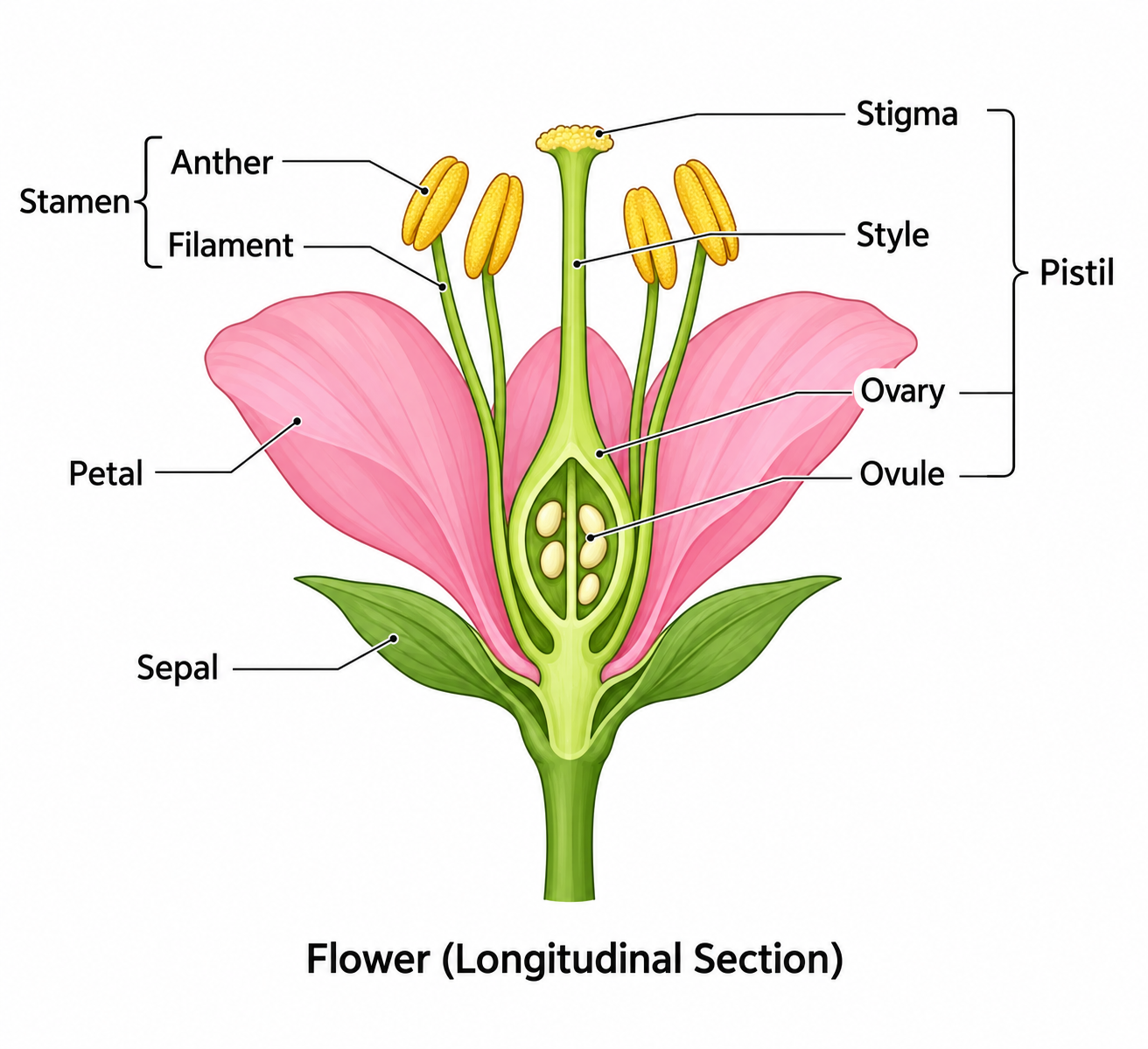
Flowers are more than just petals and colors, they’re sophisticated reproductive structures. Most flowers contain both male and female organs, though some species separate them into different blooms.
Male Parts: Stamens
The stamens produce pollen, which carries the male reproductive cells. Even though pollen grains are tiny, they contain all the information needed to create a new plant.
I remember looking at pollen under the microscope in my biochemistry labs. I was amazed at how different each grain looked, some were smooth, others had tiny spikes. It was incredible to see how much variety there is, even at such a small scale.
Female Parts: Carpels or Pistils
The pistil houses the ovary and ovules. Fertilization occurs when pollen lands on the stigma, grows a tube down the style, and delivers sperm to the ovule.
Once fertilized, the ovule begins its transformation into a seed. I’ve seen this happen with African violets in my home. A tiny hand-pollination effort and suddenly, there’s a seed forming, proof that the textbook process works in real life.
Pollination: Nature’s Ingenious Matchmaking
Pollination is how plants move their genetic material, and it’s surprisingly sophisticated.
Wind Pollination: Some plants, like grasses and maples, use the wind to carry their pollen. I remember watching maple seeds spinning in the breeze one sunny afternoon. They drifted from branch to branch like tiny helicopters, a simple and clever way plants spread their pollen.
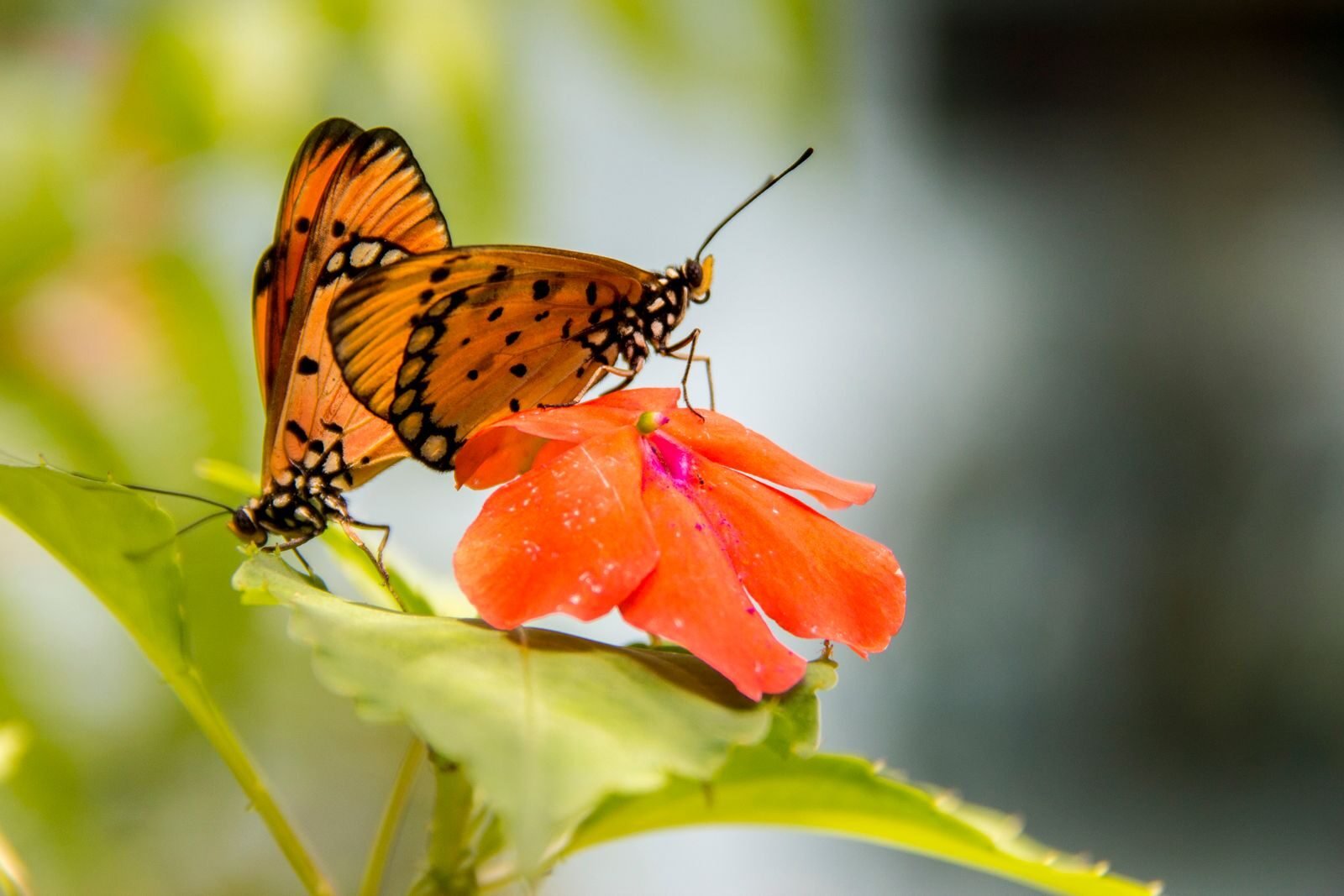
Animal Pollination: Many flowers depend on animals, bees, butterflies, hummingbirds, even bats. Flowers have evolved colors, shapes, and scents specifically to attract these pollinators.
Once, at a botanical garden, I watched a hummingbird move from flower to flower. It was collecting nectar, but at the same time, it was transferring pollen. Observing it in action really brought my environmental biology lessons to life.
Pollination is essentially nature’s way of shuffling the genetic deck, creating diversity, and ensuring plant populations remain resilient.
Double Fertilization and Seed Formation
Here’s where it gets truly fascinating: flowering plants practice double fertilization, a process unique to them. One sperm fertilizes the egg to form the zygote, the embryo of the next plant.
Another sperm fuses with two other cells to form endosperm, which nourishes the developing embryo. This dual system is efficient, ensuring the seed has both a start and a source of food.
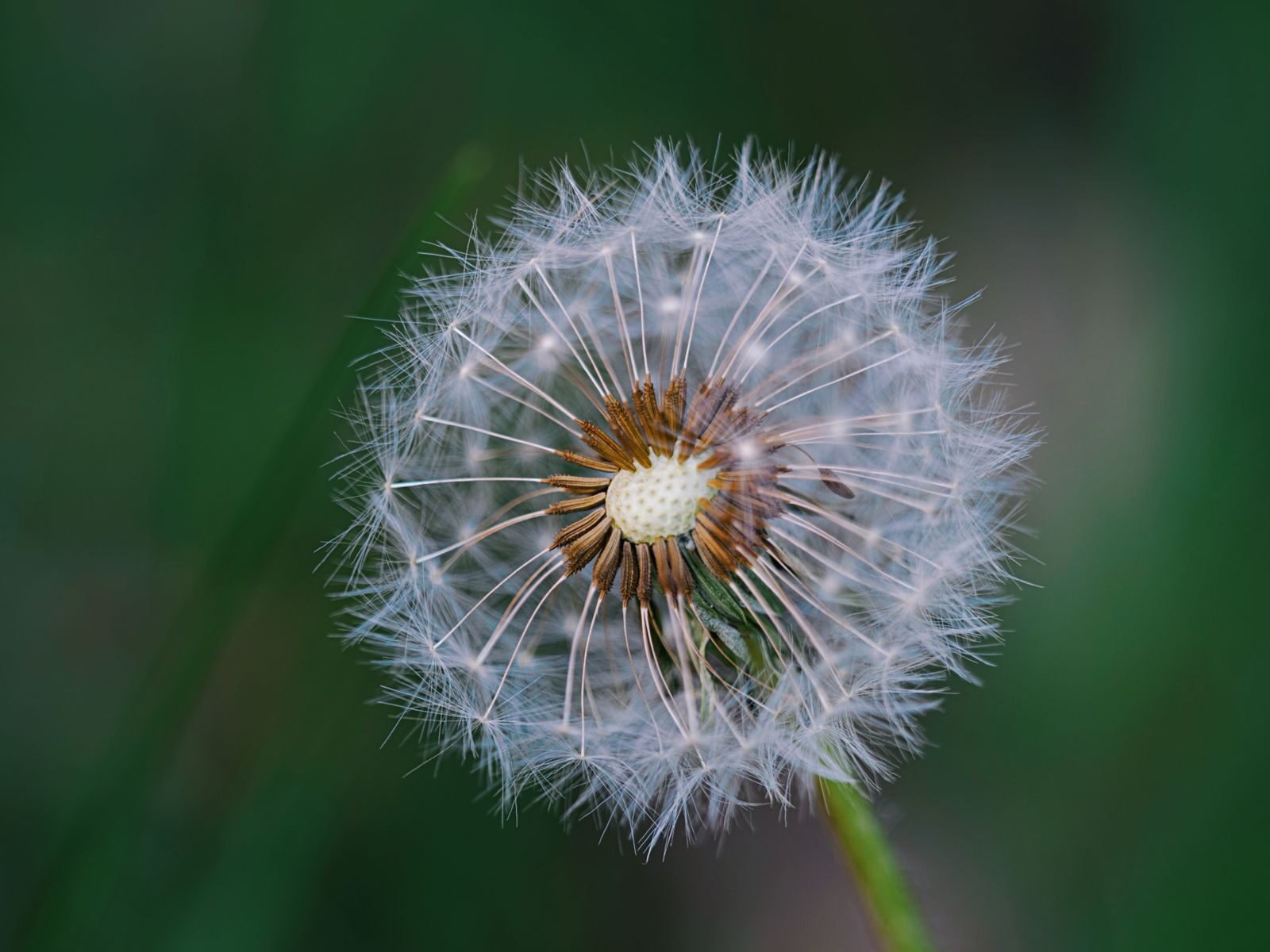
The ovule then matures into a seed, and the ovary becomes a fruit. Fruits aren’t just for animals or humans, they protect the seed and help it disperse. Maple seeds spin, berries get eaten, and dandelion seeds float in the wind. I often smile watching dandelions in my backyard, imagining each seed starting a new story somewhere else.
Seeing Reproduction in Action
One of the most exciting things about studying flowering plants is observing reproduction both indoors and outdoors.
Indoors: African violets, orchids, and other potted plants can reproduce with a little help. Watching pollen reach the stigma and seeds form is incredibly satisfying.
Outdoors: Observing dandelions, maples, or wildflowers shows reproduction on a larger scale. Bees and butterflies visit flowers, wind disperses seeds, and animals unknowingly carry seeds far and wide.
Connecting what I’ve learned in coursework with these observations has made plant reproduction feel real, tangible, and endlessly fascinating.
How It All Happens: A Walkthrough
Here’s the process, in a more casual way:
A flower grows, forming petals, stamens, and pistils. Pollen develops in the anthers. Pollination occurs, sometimes by wind, sometimes by animals, sometimes by careful hand-pollination.
A pollen tube grows, delivering sperm to the ovule. Double fertilization happens: one sperm forms the embryo, the other forms the endosperm.
Seeds develop, the ovary becomes a fruit, and eventually, seeds disperse, starting the cycle again. Simple in theory, but seeing it happen is astonishing.
For Those Who Want to Explore Further
If you’re curious and want a structured, guided way to explore plant reproduction, this fully online Reproduction in Flowering Plants course is ideal. It covers flower structures, pollination, fertilization, seed formation, and dispersal.
You can study at your own pace, complete interactive modules, and get guidance from expert tutors. The course is CPD-accredited, giving learners a certificate upon completion.
While it doesn’t include hands-on labs, it’s perfect for students, indoor plant enthusiasts, or anyone wanting a clear, organized understanding of plant reproduction.
FAQs
Q: What’s the difference between self-pollination and cross-pollination?
Self-pollination happens within one flower or plant. Cross-pollination happens between plants, which increases genetic diversity. Diversity equals stronger, more resilient populations.
Q: Why is double fertilization so special?
Only flowering plants do it. One sperm forms the embryo, the other forms endosperm to feed it. It’s efficient and elegant.
Q: How do fruits help reproduction?
Fruits protect seeds and help them travel. Maple samaras spin in the wind, berries get eaten, and seeds hitch rides. Fruits are like little travel cases for seeds.
Q: Can indoor plants reproduce naturally?
Yes, but without pollinators, hand-pollination sometimes helps. The underlying biology is the same.
Summary
Reproduction in flowering plants isn’t just about flowers making seeds. It’s a complex, interconnected system, combining biology, ecology, and chemistry.
Watching pollen grains under a microscope, hummingbirds visiting flowers, or seeds floating on the wind has made me appreciate how precise and elegant this process is.
My journey from plant biology to environmental biology, and then into biochemistry and biogeochemistry has shown me that understanding reproduction is a key to seeing the bigger picture of plant life.
Every bloom tells a story. Every seed carries potential. And observing it, studying it, and learning about it is one of the most rewarding parts of being a plant scientist.