

This article was written and reviewed by Serge, MSc. I hold degrees in Plant Biology, Environmental Biology and Biogeochemistry, with research experience in plant physiology, ecosystem science, and field-based environmental studies. Every article on this site is grounded in real academic training and genuine scientific research.
Affiliate disclosure: This site has affiliate links, including Amazon. As an Amazon Associate I earn from qualifying purchases, at no extra cost to you.
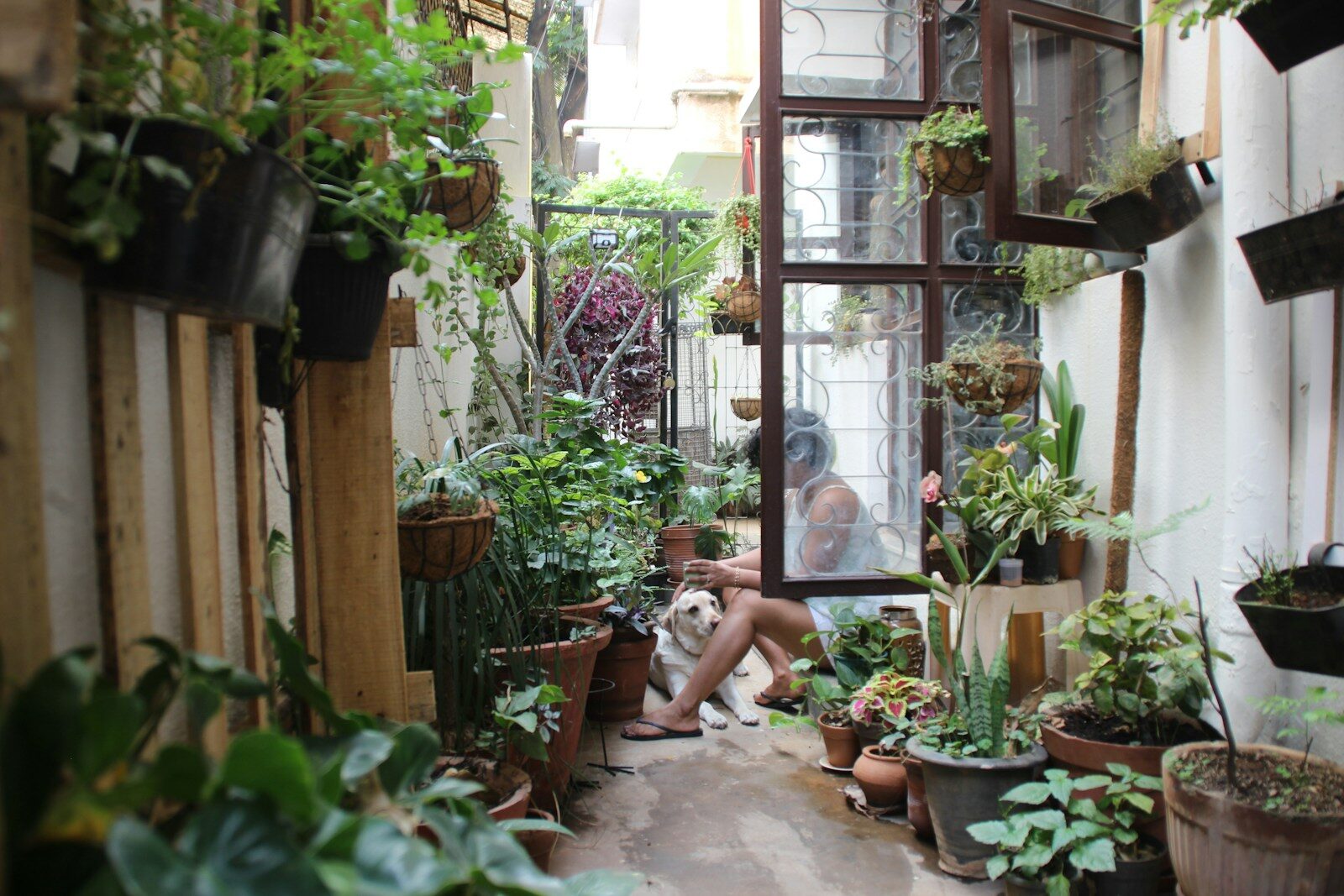
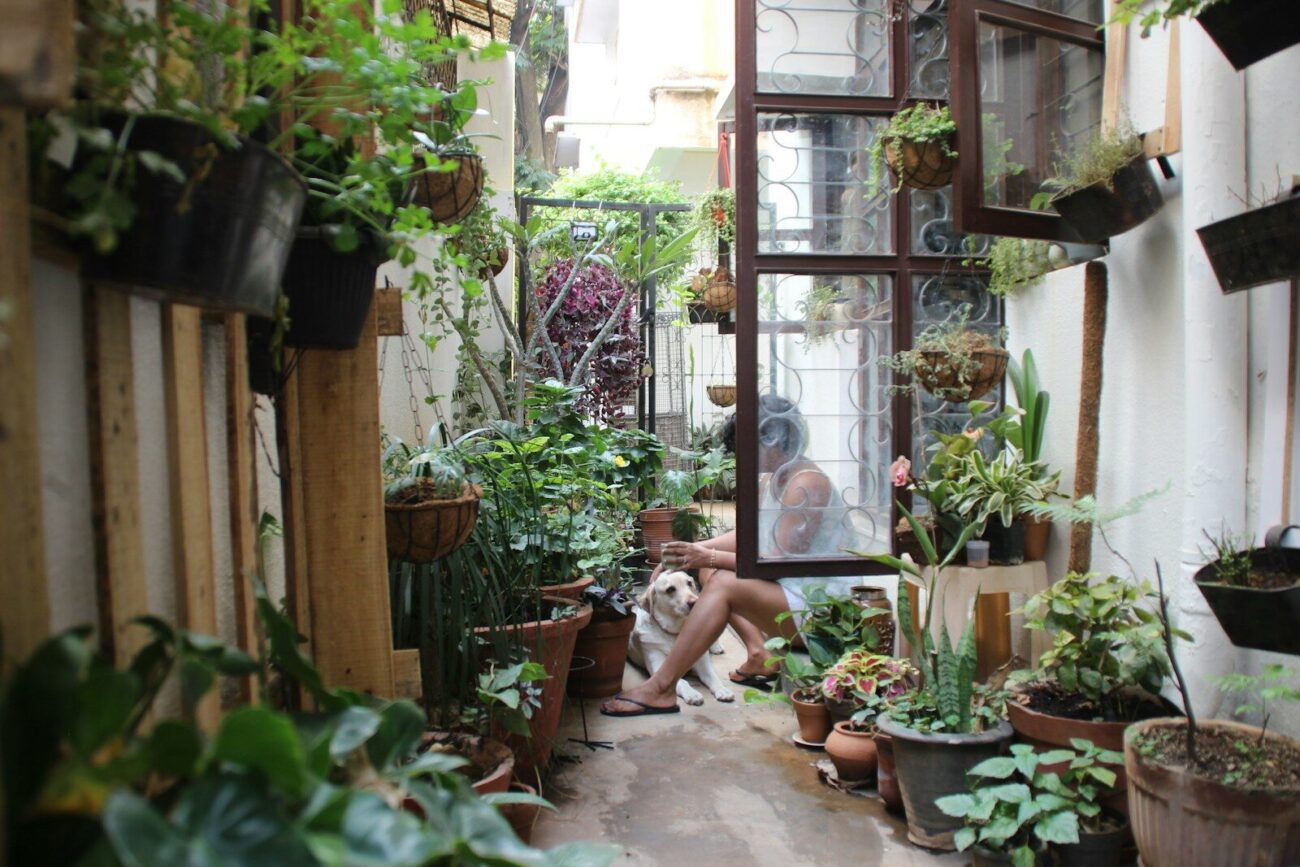
Indoor gardening has become increasingly popular in recent years. Many people enjoy having greenery in their homes, whether for fresh herbs, colorful flowers, or simply the calming presence of plants. Growing a garden indoors allows you to enjoy plants year-round, even if you don’t have outdoor space.
But how do you start an indoor garden, especially if you’re a beginner?
In this article, we’ll explore everything from choosing the right space to selecting plants, caring for them, and troubleshooting common problems.
Choosing the Right Space
The first step to a successful indoor garden is finding the right spot in your home. Plants need light, airflow, and enough room to grow. Consider these common options:
Windowsills:
South- or west-facing windows provide the most natural sunlight. Even a small windowsill can host a few pots of herbs like basil or mint.
Balconies or Enclosed Porches:
If you have a balcony or sunroom, it can act as a mini-greenhouse. Plants get natural light and can thrive with some protection from wind and temperature swings.
Grow Lights:
If natural light is limited, grow lights can provide the necessary energy for plants. LED or fluorescent lights work well, and timers can simulate a natural day-night cycle.
Tip: Observe your chosen spot for a few days. Check how much direct sunlight it gets and how warm or cool it stays. This will help you select plants that will thrive in that environment.
Containers and Soil
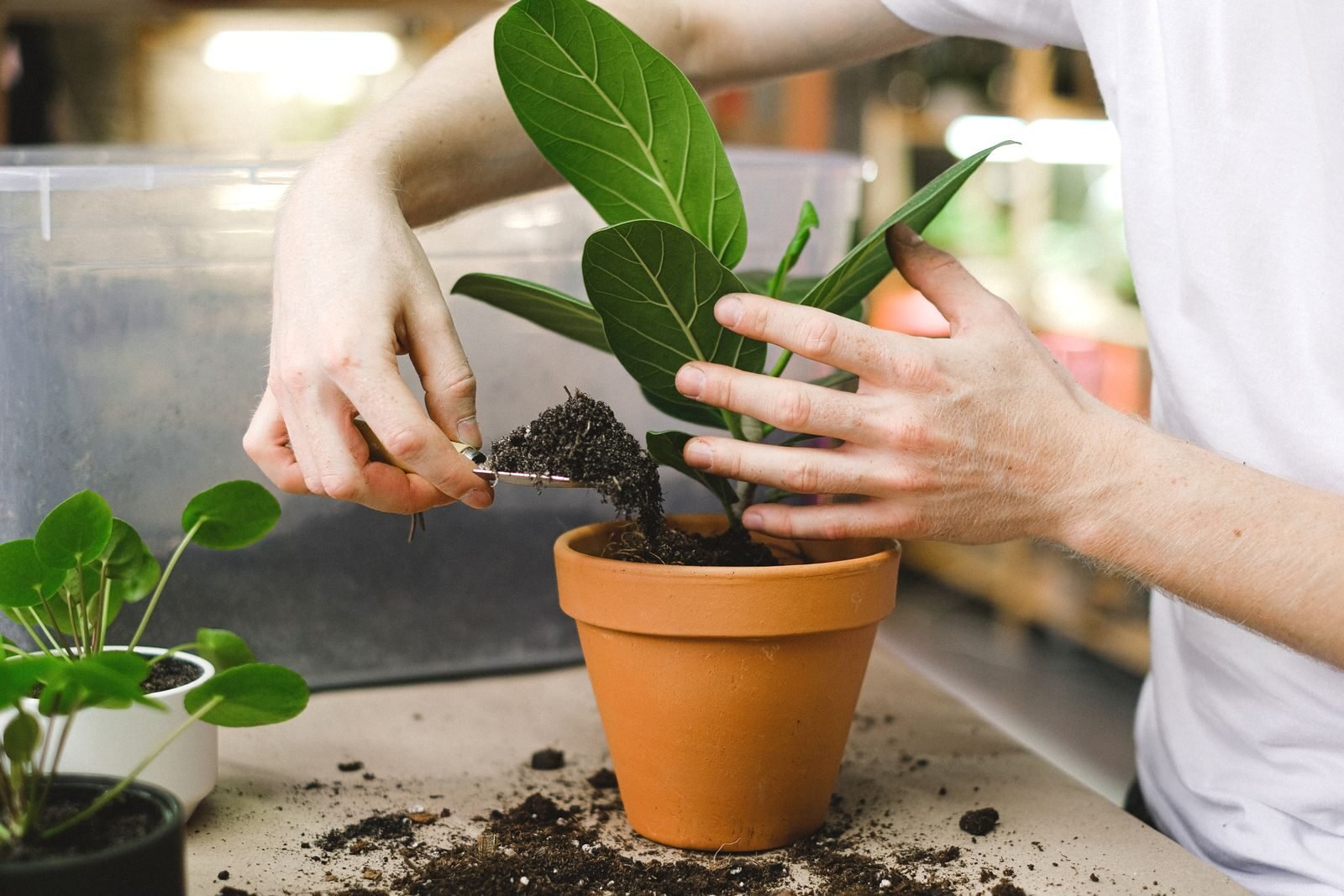
Once you’ve chosen a space, the next step is picking containers and soil. Containers come in many shapes, sizes, and materials, but a few basics matter most:
Drainage:
All pots need proper drainage holes to keep plants healthy. Without them, excess water can collect at the bottom, causing roots to sit in soggy soil and leading to root rot. Make sure water can flow freely, and consider adding a layer of small stones or gravel for extra drainage support.
Size:
Choosing the right pot size is crucial. Smaller plants like herbs thrive in 4–6 inch pots, while larger vegetables or flowers need bigger containers to support root growth. Don’t forget vertical space, stacked or hanging containers can help maximize small areas. A properly sized pot ensures plants grow strong and healthy.
Material:
The material of your pot affects moisture and airflow. Clay or terracotta pots are porous, letting soil breathe and preventing waterlogging, while plastic pots hold moisture longer, which can help if you water less frequently. Pick the material that matches your plants’ needs and your watering routine for the best results.
Soil:
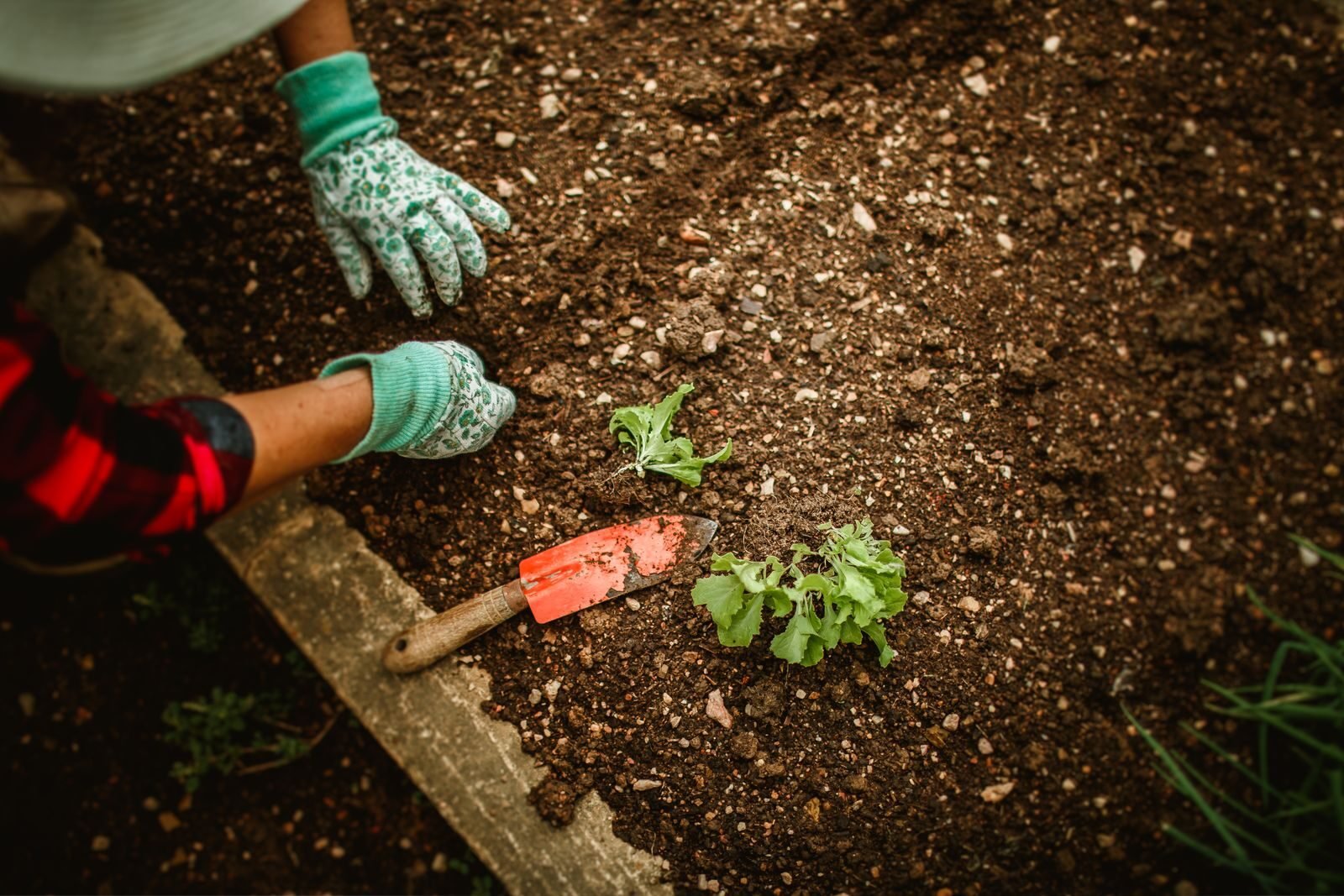
Use light, airy soil specifically designed for indoor or container plants. Seed-starting mixes work well for small pots and young plants because they drain well and provide nutrients without compacting. Avoid heavy garden soil, which can make roots struggle to grow and may retain too much water, leading to root problems.
Tip: Fill containers loosely, leaving an inch or two at the top to make watering easier. Gently press seeds or seedlings into the soil without packing it too tightly.
Selecting Plants
For beginners, it’s best to start with easy-to-grow plants that tolerate indoor conditions. Some popular options include:
Herbs:
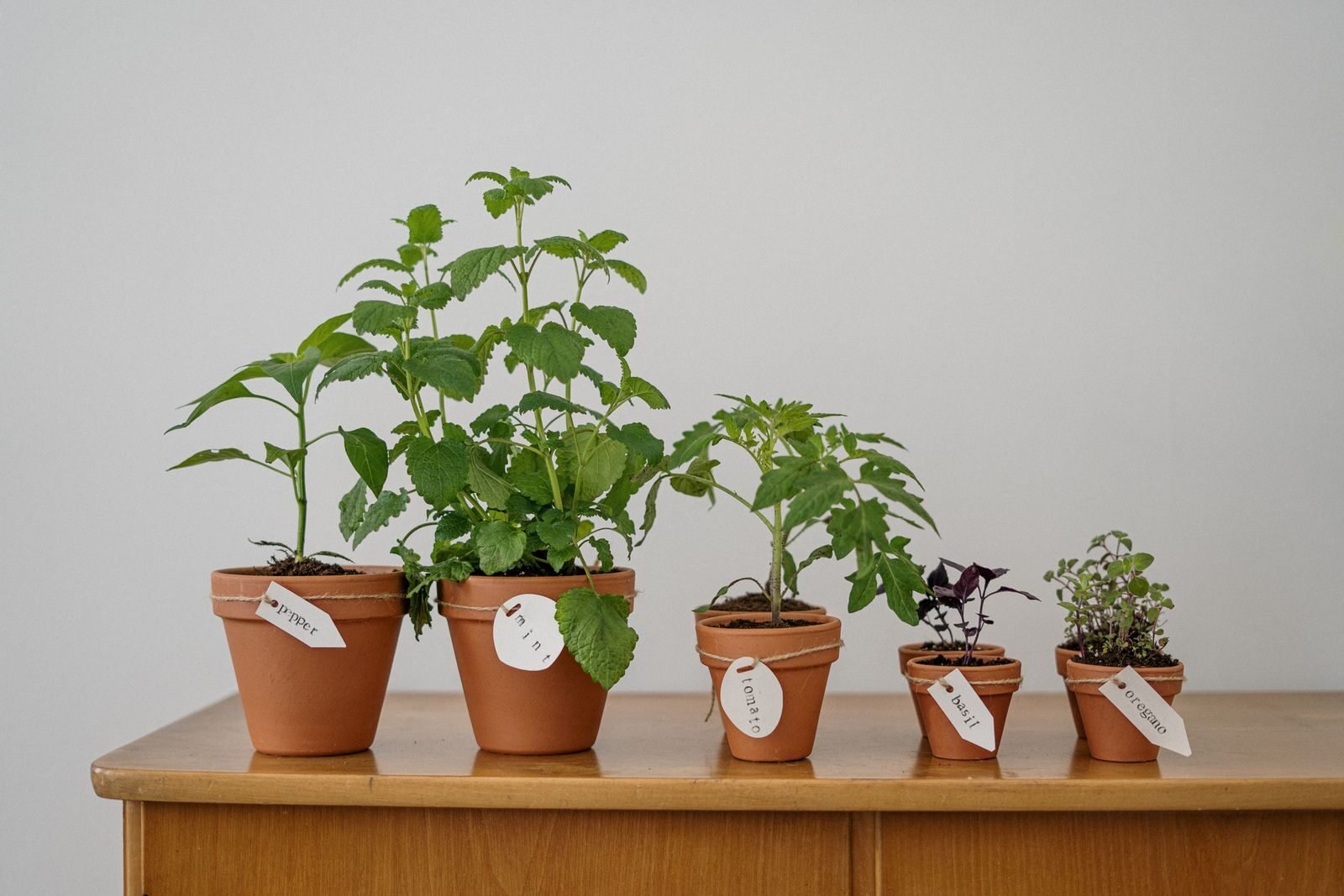
Basil, mint, parsley, chives, and thyme grow well indoors with moderate light and regular watering. They thrive in small to medium pots and can be harvested continually. Keeping them near a sunny window ensures healthy growth and flavorful leaves for cooking.
Vegetables:
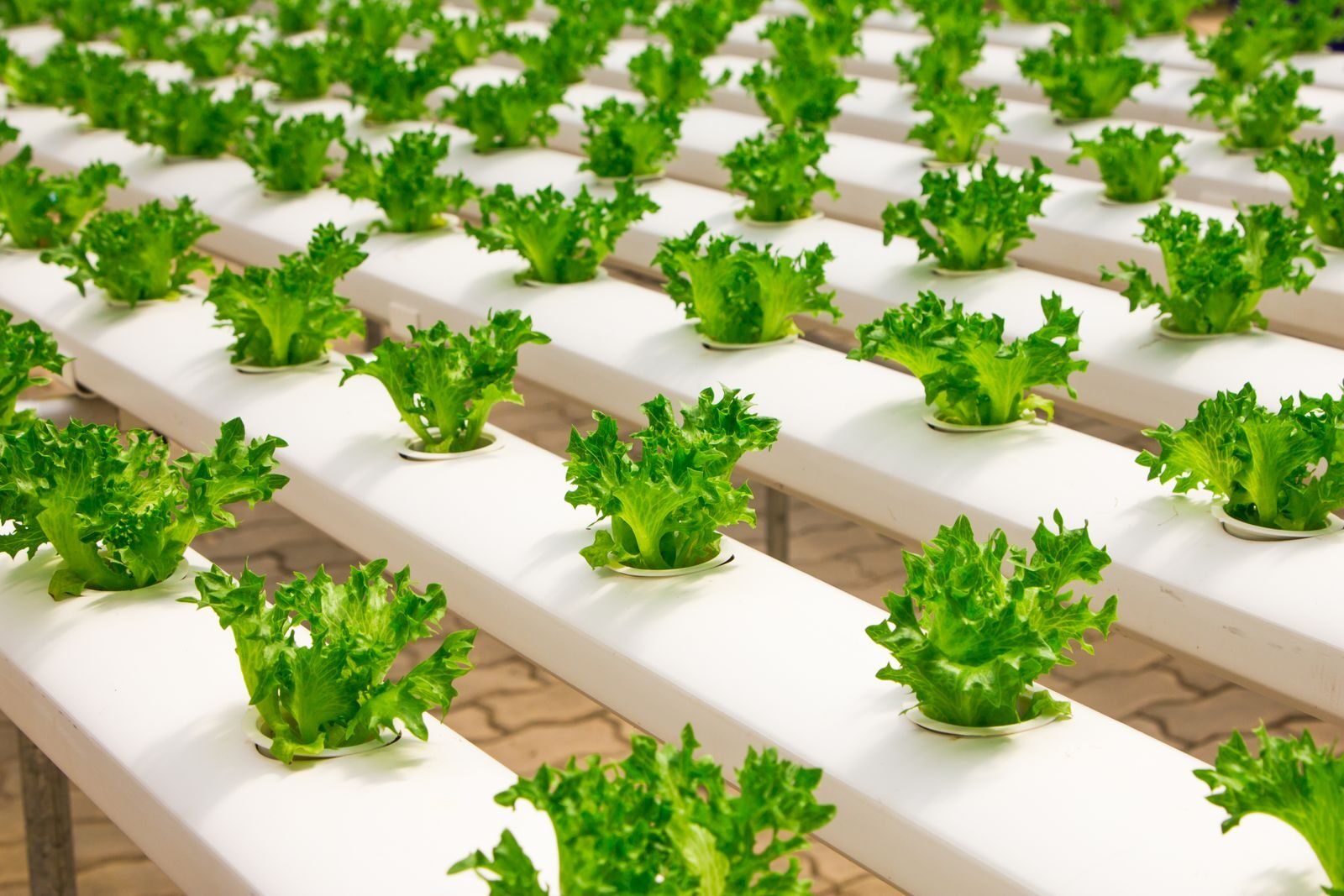
Leafy greens like lettuce, spinach, and kale are perfect for container gardening. Cherry tomatoes and small peppers can also thrive in pots if they receive enough sunlight. Choose deep containers for root development and water consistently to support steady, healthy growth.
Flowers:
Marigolds, pansies, and African violets add bright color indoors and are relatively low-maintenance. They adapt well to pots and small spaces, making them ideal for windowsills or balconies. Regular watering and occasional feeding keep blooms vibrant and long-lasting.
Watering and Fertilizing Basics
Watering is one of the most common mistakes new indoor gardeners make. Too much or too little water can stress plants or even kill them.
Watering Tips:
Check soil before watering. Stick your finger an inch into the soil; if it’s dry, it’s time to water.
Water gently until excess comes out of the drainage hole. Empty saucers to prevent standing water.
Frequency varies by plant and season. Tropical plants may need more frequent watering than succulents.
Fertilizing Tips:
Indoor plants rely on soil nutrients. A balanced, water-soluble fertilizer helps support growth.
Follow the instructions on the fertilizer packaging; too much can burn roots.
Fertilize younger plants lightly, and increase slightly as they mature.
Light and Temperature Requirements
Light is essential for indoor plants. It fuels photosynthesis, the process by which plants turn sunlight into energy.
Light Requirements:
Most herbs and vegetables need 10–14 hours of light per day.
Low-light plants like snake plants or pothos can survive in shaded corners but may grow more slowly.
Temperature:
Indoor plants generally prefer 65–75°F (18–24°C).
Avoid placing plants near heaters or cold drafts. Sudden temperature changes can cause stress or slow growth.
Note: If natural light is insufficient, supplement with grow lights placed 6–12 inches above plants. LED lights are energy-efficient and safe for long-term use.
Common Problems and Solutions
Indoor gardening comes with some challenges, but most are easy to manage:
Leggy Plants:
Leggy growth usually happens when your plants aren’t getting enough light. To help them grow strong and full, move the pots closer to a natural light source or provide supplemental lighting with a grow light. This encourages compact, healthy growth.
Yellowing Leaves:
Leaves can turn yellow for several reasons, including overwatering, nutrient deficiencies, or poor drainage. Check that the soil isn’t soggy, ensure proper drainage, and adjust fertilization to give your plants the nutrients they need.
If you’re not sure what’s behind the yellowing, my What’s Wrong With My Plant guide walks you through diagnosing it step by step.
Pests:
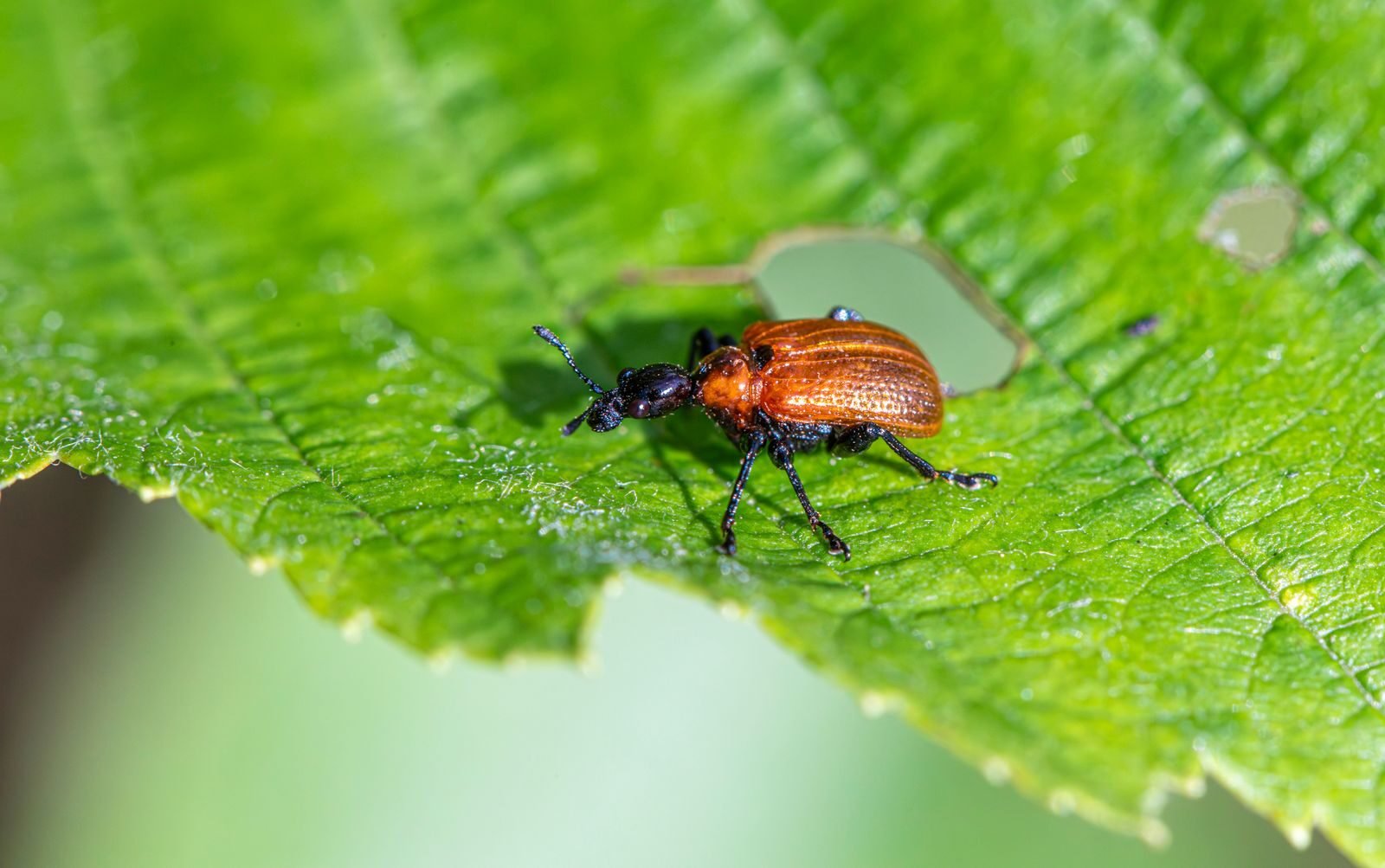
Indoor plants can attract pests such as spider mites, aphids, or fungus gnats. A simple way to manage them is to rinse the leaves with water, use insecticidal soap when necessary, and avoid letting the soil stay overly wet, which discourages pests from thriving.
Slow Growth:
If your plants seem to be growing slowly, low light, cool temperatures, or compacted soil may be the cause. Improving the light conditions, keeping the temperature steady, and gently loosening the soil can help your plants develop more quickly and stay healthy.
Summary
Indoor gardening is accessible to beginners and rewarding for anyone who enjoys plants.
To succeed:
Choose the right space based on light and temperature.
Pick suitable containers and soil for your plants.
Start with easy plants like herbs, leafy greens, or low-maintenance flowers.
Water and fertilize carefully, adjusting to plant needs.
Provide sufficient light and maintain a stable temperature.
Watch for common problems and act early.
With patience and observation, even a small windowsill can become a thriving indoor garden.
Frequently Asked Questions
Do I need a grow light for indoor gardening?
Not always. Some plants thrive with natural sunlight from windows, but grow lights help if light is limited or inconsistent.
Which indoor plants grow fastest?
Leafy greens like lettuce and spinach, and herbs like basil and chives, are quick to grow and rewarding for beginners.
How often should I water indoor plants?
Check soil moisture before watering. Most herbs and greens need water when the top inch of soil feels dry.
Can indoor plants survive in low light?
Yes, but growth will be slower. Snake plants, pothos, and ferns tolerate low-light conditions better than sun-loving vegetables.
Do I need special soil for indoor gardens?
Yes. Light, airy soil designed for indoor plants or seed-starting soil helps roots grow well. Avoid heavy garden soil.
Can I grow vegetables indoors year-round?
With sufficient light, temperature control, and proper care, many vegetables like lettuce, spinach, and small peppers can grow year-round indoors.
How can I prevent pests indoors?
Keep soil slightly damp, provide good airflow, rinse leaves, and use gentle insecticidal solutions if needed.