



This article was written and reviewed by Serge, MSc. I hold degrees in Plant Biology, Environmental Biology and Biogeochemistry, with research experience in plant physiology, ecosystem science, and field-based environmental studies. Every article on this site is grounded in real academic training and genuine scientific research.
Affiliate disclosure: This site has affiliate links, including Amazon. As an Amazon Associate I earn from qualifying purchases, at no extra cost to you.
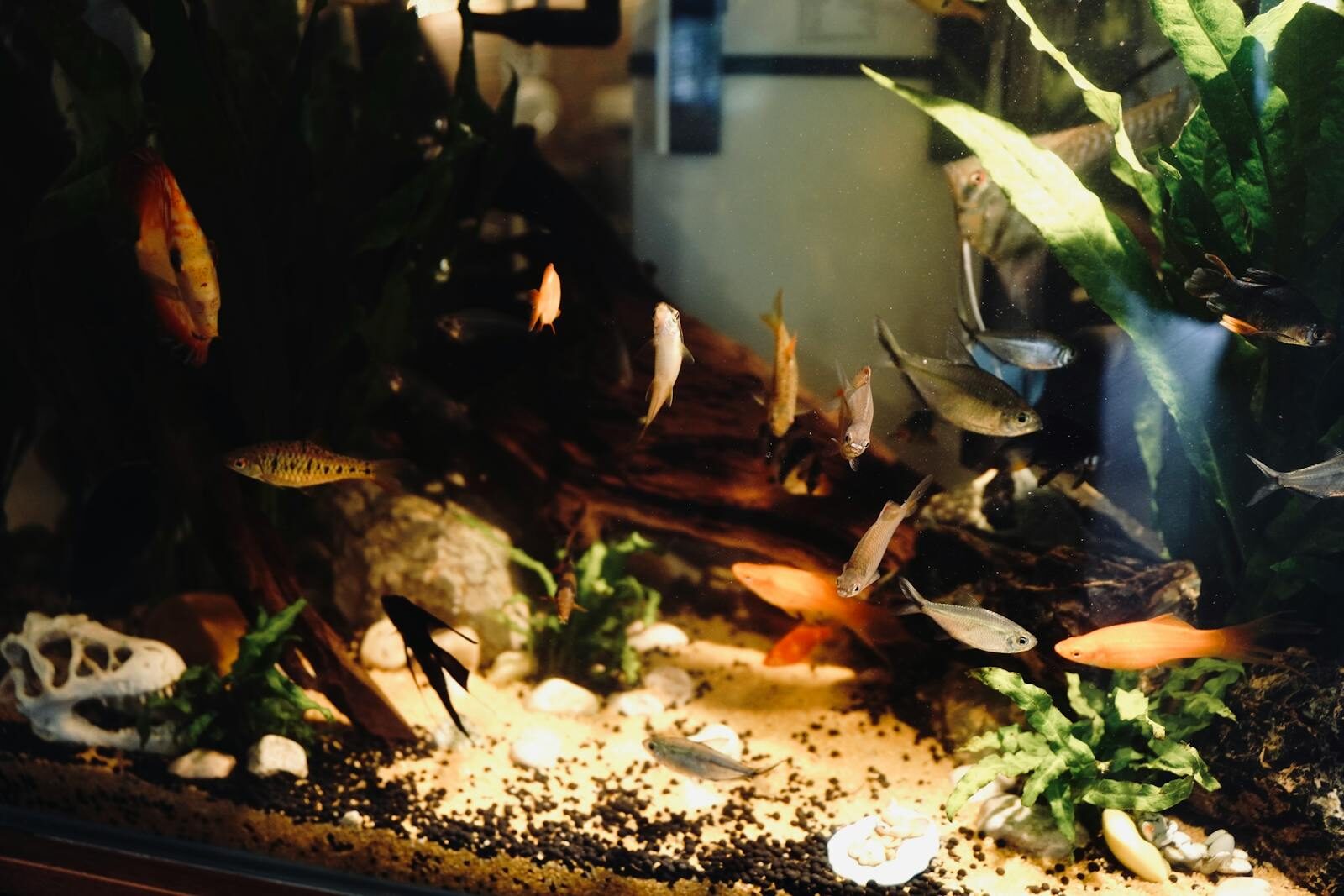
The most common question I get from people setting up planted aquariums is whether they actually need CO₂ injection.
My answer is, it depends entirely on what you want to grow and how fast you want it to grow.
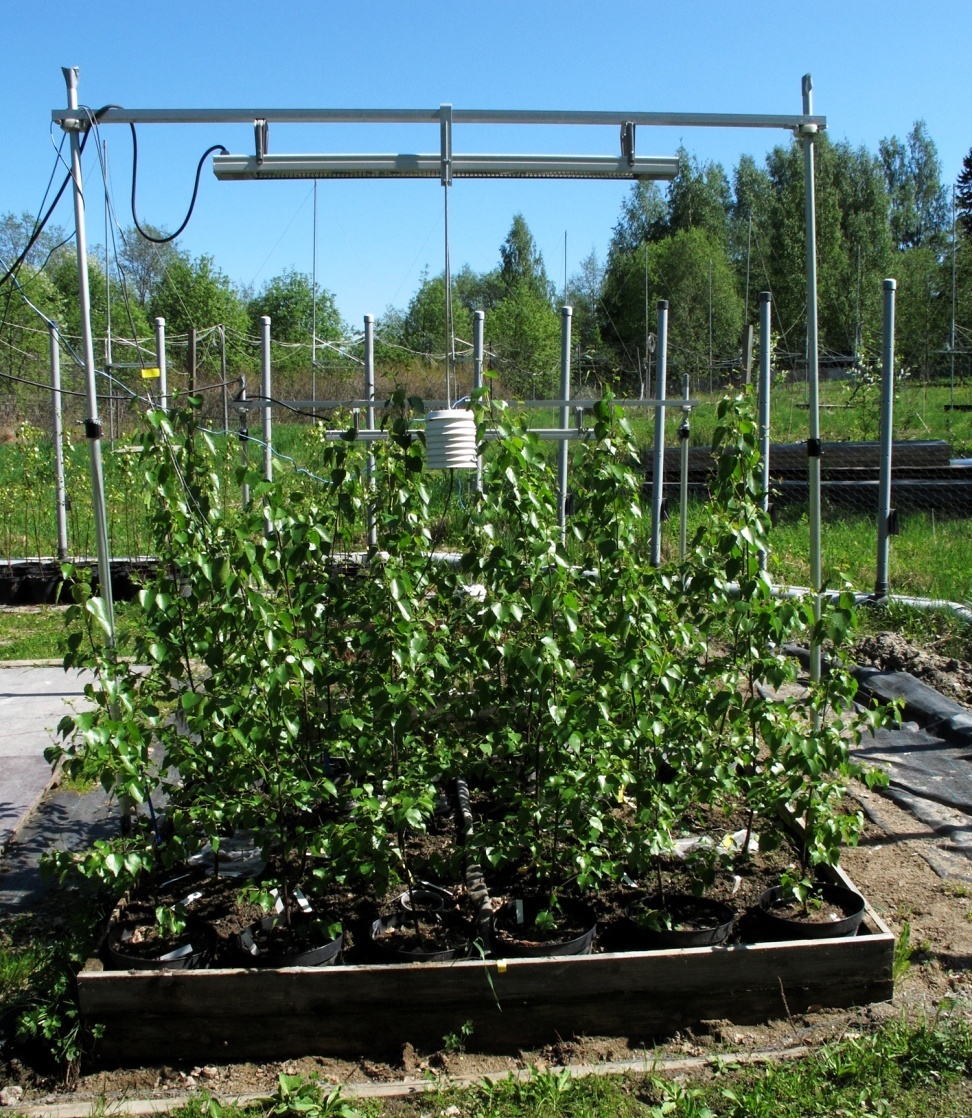
I studied atmosphere-biosphere gas exchange during my postgraduate training. The course covered how CO₂ moves between biological systems and the atmosphere, how plants regulate carbon uptake, and how measuring gas exchange reveals what is actually happening inside an ecosystem.
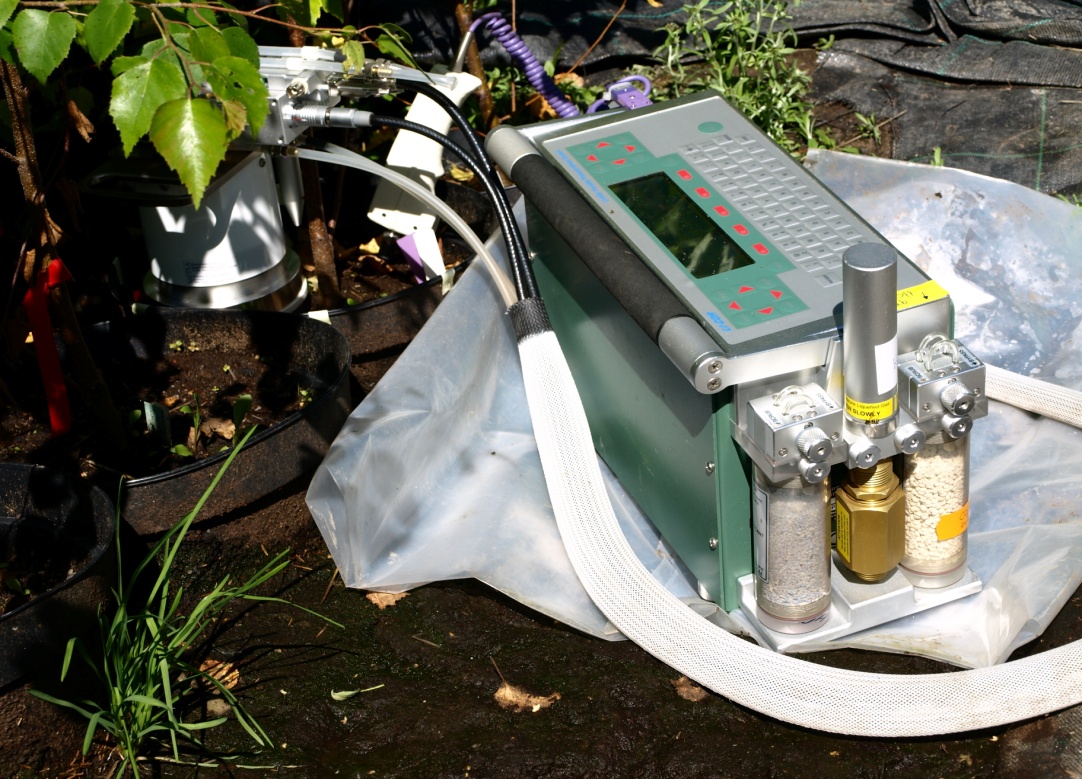
I spent time in the field measuring CO₂ efflux from forest soil using a LI-COR gas analyser, tracking how carbon move between soil, plants, and atmosphere.
When I first started reading about planted aquariums seriously, the CO₂ question immediately made sense to me from that background. CO₂ is the carbon source plants use to build every cell in their body. In a planted aquarium the CO₂ dissolved naturally in tap water is often the limiting factor on plant growth, not light, not nutrients. Fix the carbon and everything else works better.
Here is what I know about aquarium CO₂ systems and what to look for when choosing one.
What CO₂ Actually Does in a Planted Aquarium
Plants fix CO₂ through photosynthesis to produce the carbohydrates that drive all growth. In a planted aquarium CO₂ dissolved in the water is the carbon source available to submerged plants.
Tap water typically contains around 3 to 5 ppm of dissolved CO₂. Most planted aquariums benefit from CO₂ levels between 20 and 30 ppm for active plant growth. Pressurised CO₂ injection raises dissolved CO₂ to this target range and maintains it consistently throughout the day.
Plants in well-managed CO₂-injected tanks grow noticeably faster, produce denser more colourful foliage, and develop stronger root systems than identical plants in the same tank without CO₂. Demanding carpeting plants and fast stem plants that barely survive without CO₂ thrive with it.
Do You Actually Need CO₂ For a Planted Tank?
Not always, and I think this point gets lost in a lot of aquascaping content that pushes high-tech setups on beginners who do not need them.
Easy low-light plants like Anubias, Java Fern, Bucephalandra, mosses, and most Cryptocoryne species grow perfectly well without CO₂ injection. They are slow growers that manage fine on naturally dissolved CO₂. A low-tech tank with these species can look beautiful and remain stable without any CO₂ equipment.
You genuinely need CO₂ if you want to grow:
Carpeting plants like Hemianthus callitrichoides, Eleocharis, or Glossostigma
Fast stem plants like Rotala, Ludwigia, and Bacopa varieties
Demanding foreground plants that require high light and high growth rates
A high-tech Nature Aquarium style layout
If your plant list includes mostly easy species and you want a low-maintenance tank, skip CO₂ and save the money and complexity. There is nothing wrong with a beautiful low-tech tank.
A low-tech tank without CO₂ does require lower light levels than a high-tech setup. High light without CO₂ drives algae growth rather than plant growth because plants cannot photosynthesise fast enough to use the available light energy. Moderate lighting matched to a plant selection suited to low-tech conditions produces a stable and attractive result.
This page contains affiliate links. If you purchase through these links I may earn a small commission at no extra cost to you.
Shop Aquarium CO₂ Systems on Amazon →
Types of CO₂ Systems
Pressurised CO₂ systems:
The most reliable and controllable option. A cylinder of compressed CO₂ gas connects through a regulator, solenoid valve, and diffuser to the aquarium. The regulator controls flow rate precisely. The solenoid valve turns the system on and off automatically with a timer. The diffuser dissolves CO₂ into fine bubbles that absorb into the water.
This is the system I recommend for anyone serious about a planted tank. The control and consistency it offers over DIY alternatives makes it worth the initial investment.
DIY yeast CO₂ systems:
A budget alternative where a mixture of sugar, water, and yeast in a bottle produces CO₂ through fermentation. Cheap to set up but inconsistent. Output varies with temperature and the mixture needs replacing every one to two weeks. Fine as an introduction to CO₂ injection for a low-tech tank but not a long-term solution for demanding setups.
Liquid carbon products:
Not true CO₂ injection. These glutaraldehyde-based products work partly as algaecides rather than true carbon sources. They provide some benefit in low-tech tanks but do not replicate the growth response of pressurised CO₂.
What I Look for in a Pressurised CO₂ System
Regulator quality:
The regulator is the most important component. A poor regulator gives inconsistent flow and may experience end-of-tank dumps, a sudden release of all remaining CO₂ when cylinder pressure drops near empty. This can kill fish rapidly. I look for regulators with dual gauge displays, precise needle valve adjustment, and a built-in solenoid valve.
Solenoid valve:
This turns CO₂ flow on and off automatically when connected to a timer. Running CO₂ at night when plants are not photosynthesising lowers pH and stresses fish without benefit. I consider a solenoid essential rather than optional.
Diffuser quality:
The diffuser dissolves CO₂ gas into fine bubbles that absorb into the water before reaching the surface. Finer bubbles mean more efficient dissolution. Ceramic diffusers produce very fine bubbles and give good efficiency. Inline diffusers connected directly to the filter output give excellent dissolution efficiency.
Cylinder size:
Larger cylinders last longer between refills. A 500g cylinder suits tanks up to around 100 litres well. A 2kg cylinder suits larger setups and reduces refill frequency. Consider how easily you can get cylinders refilled locally before choosing a size.
Drop checker:
A small glass vessel filled with indicator solution that sits inside the aquarium and changes colour based on dissolved CO₂ levels. Green means target range around 20 to 30 ppm. Yellow means too much. Blue means too little. I consider this essential for monitoring CO₂ levels accurately without expensive electronic equipment.
When and How Long to Run CO₂
Start CO₂ from day one if you are setting up a high-tech planted tank. There is no benefit to waiting.
If you are adding CO₂ to an existing low-tech tank start at a very low flow rate and increase gradually over two to three weeks. A sudden jump in CO₂ levels stresses fish and can trigger algae outbreaks as the tank biology adjusts.
Once running, keep CO₂ on during the lighting period only. Turn it on around 1 hour before lights come on to allow levels to build before plants start photosynthesising. Turn it off 1 hour before lights go out.
Never run CO₂ at night. Plants switch from photosynthesis to respiration in darkness. Adding CO₂ overnight lowers pH and reduces oxygen levels without any plant benefit and stresses fish and shrimp in the process.
A solenoid valve on the same timer as your lights handles all of this automatically. Set it once and forget it.
Frequently Asked Questions
Does a planted aquarium need CO₂?
Not always. Easy species like Anubias, Java Fern, and most mosses grow well without CO₂. Demanding carpeting plants, fast stem plants, and high-tech layouts need CO₂ to perform well. Match your decision to the plants you want to grow rather than assuming more equipment always means better results.
Can you have a planted aquarium without CO₂?
Yes. Many beautiful planted tanks run without CO₂ injection. The key is choosing plants suited to low-tech conditions and using moderate lighting matched to plant growth rate. Low-tech tanks are lower maintenance and more forgiving than high-tech setups.
What should CO₂ levels be in a planted aquarium?
The target range is 20 to 30 ppm of dissolved CO₂. Below 15 ppm plant growth slows significantly. Above 35 to 40 ppm fish and shrimp show stress. A drop checker inside the tank monitors levels simply and reliably without electronic testing equipment.
When should I start CO₂ in a planted aquarium?
From day one in a new high-tech setup. In an existing low-tech tank introduce CO₂ gradually over two to three weeks starting at a low flow rate to allow the tank biology to adjust without triggering algae outbreaks or stressing fish.
How do I get CO₂ in my planted aquarium?
Pressurised CO₂ injection is the most reliable method. A CO₂ cylinder connects through a regulator and solenoid valve to a diffuser inside the tank. DIY yeast systems provide budget CO₂ but with inconsistent output. Liquid carbon products offer a simpler alternative for low-tech tanks but are not equivalent to pressurised CO₂.
How much CO₂ does a planted aquarium need?
Most planted aquariums perform well at 20 to 30 ppm dissolved CO₂. The exact flow rate needed varies with tank size, surface agitation, and how much CO₂ escapes at the water surface. Start conservatively and adjust based on drop checker readings and plant response.
Can aquarium plants grow without CO₂?
Yes. Slow-growing low-light species like Anubias, Java Fern, Bucephalandra, and most mosses grow well on naturally dissolved CO₂. Fast-growing and demanding species need supplemental CO₂ to thrive.
Is aquarium CO₂ dangerous?
Not when managed correctly at appropriate levels. Problems arise from over-injection above 35 to 40 ppm or from end-of-tank dumps with poor quality regulators. Quality equipment and regular monitoring prevent both issues. Watch for fish gasping at the surface as a sign of too much CO₂ and reduce flow immediately if this occurs.
Will CO₂ help with algae?
Indirectly yes. CO₂ helps plants grow faster and more densely which means they consume nutrients and light more effectively leaving less available for algae. A well-managed CO₂ injected tank with dense plant growth reduces algae problems compared to the same tank without CO₂.
Will CO₂ kill fish or shrimp?
Not at correct levels. CO₂ at 20 to 30 ppm is safe for most aquarium inhabitants. Over-injection above 35 to 40 ppm causes stress and can be fatal. Shrimp are more sensitive than most fish and show stress earlier — watch their behaviour as an early warning indicator.
Should I turn off CO₂ at night?
Yes. Plants do not photosynthesize in darkness so CO₂ provides no benefit at night. Running CO₂ overnight lowers pH and reduces oxygen levels without any plant benefit. Use a solenoid valve on a timer to turn it off automatically when lights go out.
Get the System Right and Your Plants Will Show It
CO₂ injection is the single biggest upgrade you can make to a planted aquarium if you want to grow demanding plants. The difference in plant growth between a well-managed CO₂ injected tank and a non-injected one is clear and appears fast.
Invest in a quality regulator with solenoid valve, use a drop checker to monitor levels, run CO₂ during the lighting period only, and start at a conservative flow rate before gradually increasing to the target range.
Browse CO₂ systems for planted aquariums on Amazon and compare options at every price point.
This page contains affiliate links. If you purchase through these links I may earn a small commission at no extra cost to you.