


This article was written and reviewed by Serge, MSc. I hold degrees in Plant Biology, Environmental Biology and Biogeochemistry, with research experience in plant physiology, ecosystem science, and field-based environmental studies. Every article on this site is grounded in real academic training and genuine scientific research.
Affiliate disclosure: This site has affiliate links, including Amazon. As an Amazon Associate I earn from qualifying purchases, at no extra cost to you.
Do you feel that rush of excitement when planting a new garden tree?
Maybe it’s a magnolia with its fragrant blooms, a Japanese maple with fiery red leaves, or a silver birch swaying in the breeze. You imagine the beauty, the shade, the life it brings to your yard.
But then, reality hits.
One morning you notice brown spots on leaves, another day a branch wilts unexpectedly. Tiny insects scurry across the bark. That perfect vision of your garden starts to feel like a battlefield. Invisible enemies, fungi, bacteria, and pests, seem to be everywhere.
Take a deep breath, its common. And you don’t have to panic.
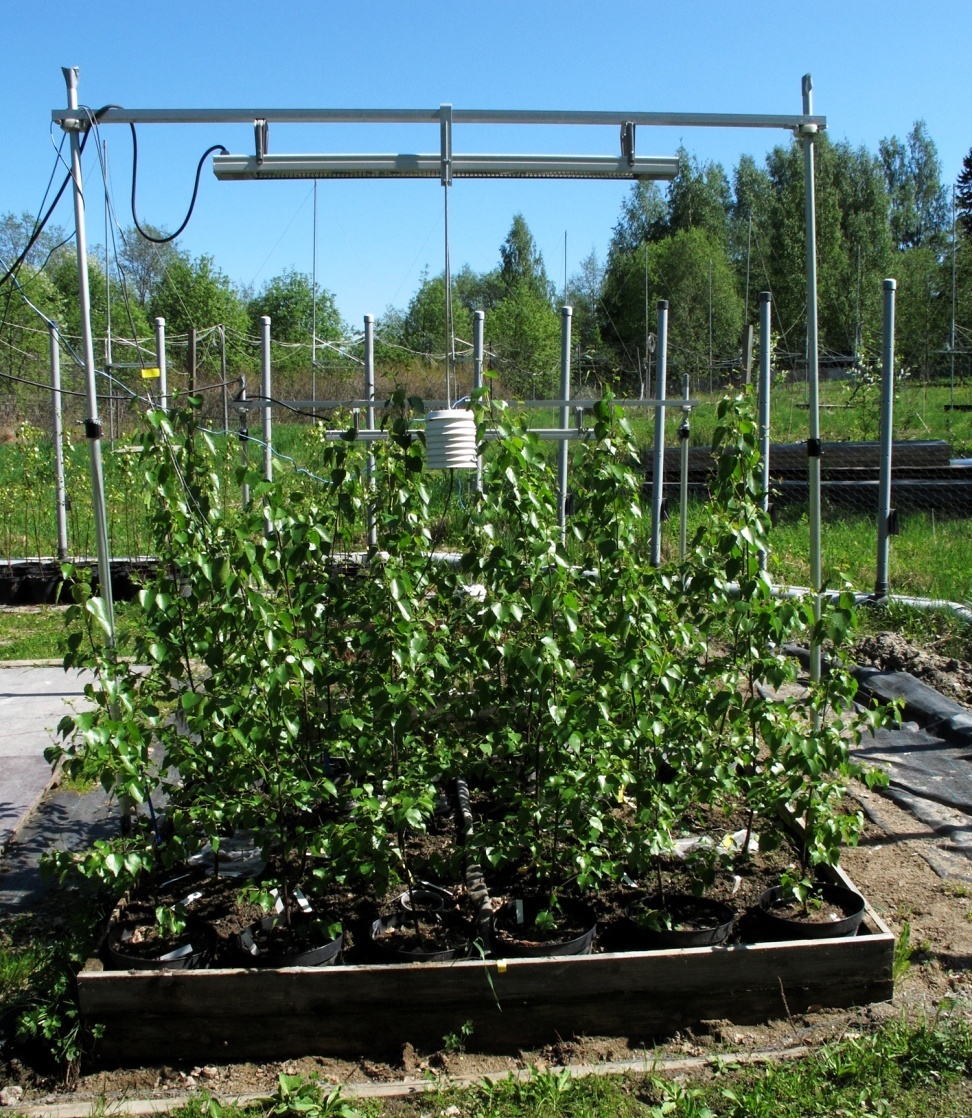
I’m a Plant Scientist, trained in plant biology, pathology, and entomology and Environmental Biology. I’ve worked hands-on with silver birch in open-air experiments, tracking growth, leaf development, and soil health over an entire growing season.
While my main goal wasn’t pests, they were always there, reminding me that healthy trees require constant care. Now, I’m going to share what I’ve learned, so you can enjoy your garden without fear.
When Problems Appear
Trees rarely warn you when they’re stressed. One week, your Japanese maple looks perfect; the next, its leaves curl or drop. Magnolias may show a white powder coating, or your birch may wilt despite careful watering.
These issues can feel overwhelming, but most can be managed or prevented if you know what to look for and how to act early.
Common Tree Challenges and How to Spot Them
1- Powdery Mildew
Common in: Magnolia, Japanese maple
A soft, white powder on leaves often signals powdery mildew. Leaves may curl, growth slows, and new shoots struggle.

What to do:
Prune branches to improve airflow.
Avoid overhead watering.
Use organic fungicides if necessary.
2- Leaf Spot Diseases
Common in: Japanese maple, birch, magnolia
Brown, black, or yellow spots can appear on leaves, sometimes causing them to drop early. Wet foliage and poor drainage make this worse.

Action:
Remove infected leaves.
Water the soil base, not the leaves.
Apply copper-based fungicides in severe cases.
3- Verticillium Wilt
Common in: Japanese maple, magnolia
This soil-borne fungus blocks water flow, causing sudden wilting, yellowing leaves, and branch dieback. Japanese maples are particularly vulnerable.

Tip: Prune affected branches, improve soil health, and avoid planting in infected soil.
4- Root Rot
Common in: Magnolia, birch
If a tree wilts despite watering and roots feel soft or decayed, root rot may be the cause. Overwatering or poor drainage often triggers it.

Prevention: Ensure soil drains well, avoid waterlogging, and consider fungicides for severe cases.
Pests to Watch For…
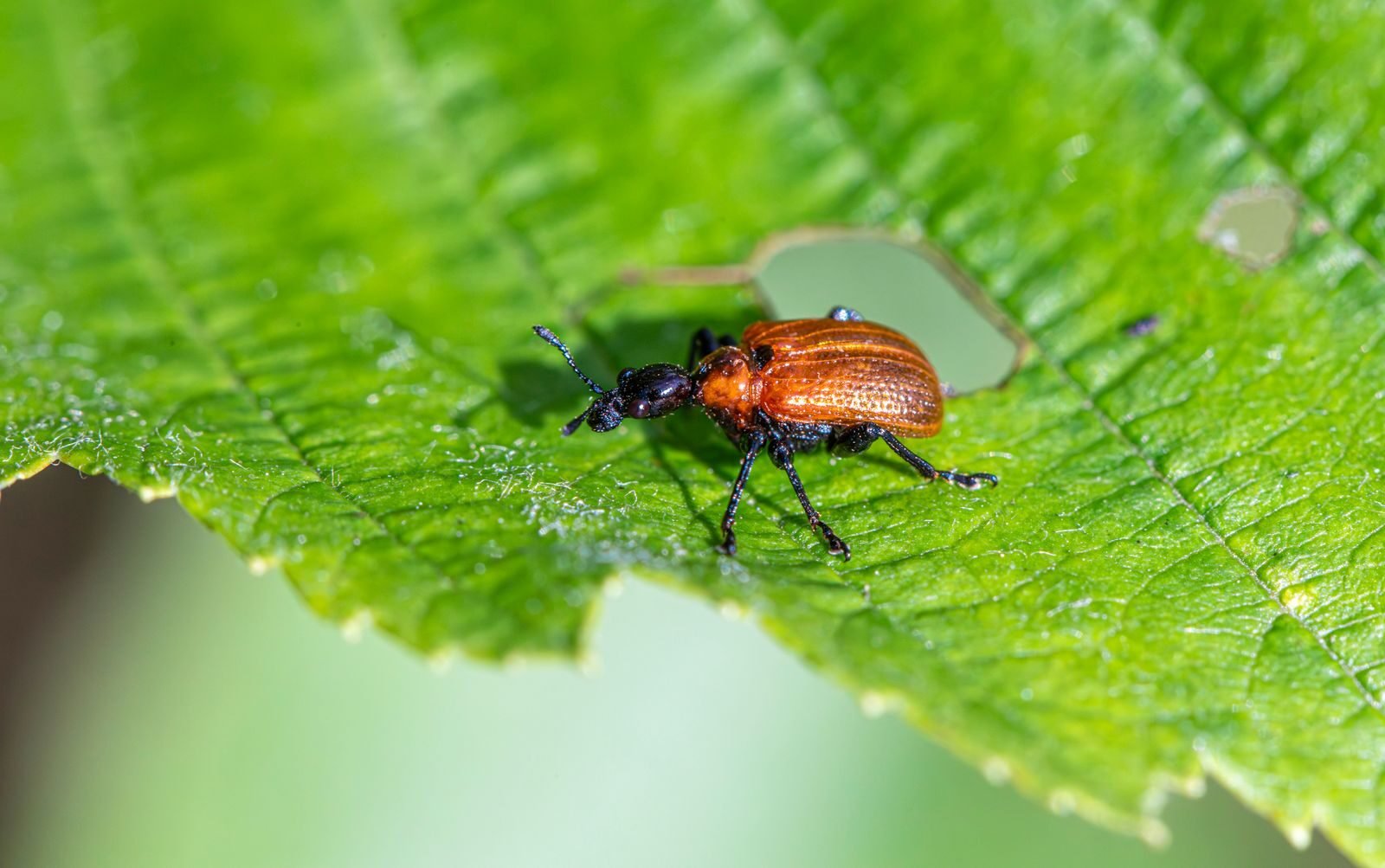
Even healthy trees face insects. Observing them carefully can help prevent serious damage.
1- Leaf Feeders
Birch leaf miners: Tiny larvae feed between leaf layers, turning them brown. First generation appears in May, a second in June. Removing mined leaves reduces next year’s damage.
Birch leaf skeletonizers: Small caterpillars that chew twisting paths in leaves. They later feed externally for several weeks. Damaged leaves turn brown and drop. Rake and destroy fallen leaves.
Japanese beetles: They feed in groups, skeletonizing leaves. Preferring sunny areas, group feeding causes the most damage.
Fall webworms and redhumped caterpillars: Caterpillars living in webs at branch ends or feeding in groups, leaving leaves brown or skeletonized. Damage is usually limited on large trees but can defoliate smaller ones.
2- Sap Feeders
Giant bark aphids: Large aphids producing sticky honeydew, which can damage small twigs. Natural predators like ladybugs help control them.
Oystershell scale and San Jose scale: Tiny, crusty insects on bark. Heavy infestations can kill branches or trees. Eggs hatch in late spring.
Woolly birch aphid: Covered in wool-like strands, clusters on leaf undersides, causing corrugated or brown leaves.
Lace bugs: Feed on the undersides of leaves, leaving yellow spots. Several generations occur per year.
3- Borers
Bronze birch borer: Larvae tunnel under bark, creating raised ridges that can kill branches or whole trees. Stressed trees are most vulnerable. Signs include D-shaped exit holes and rust-colored sap.
Lessons from My Silver Birch Experiments
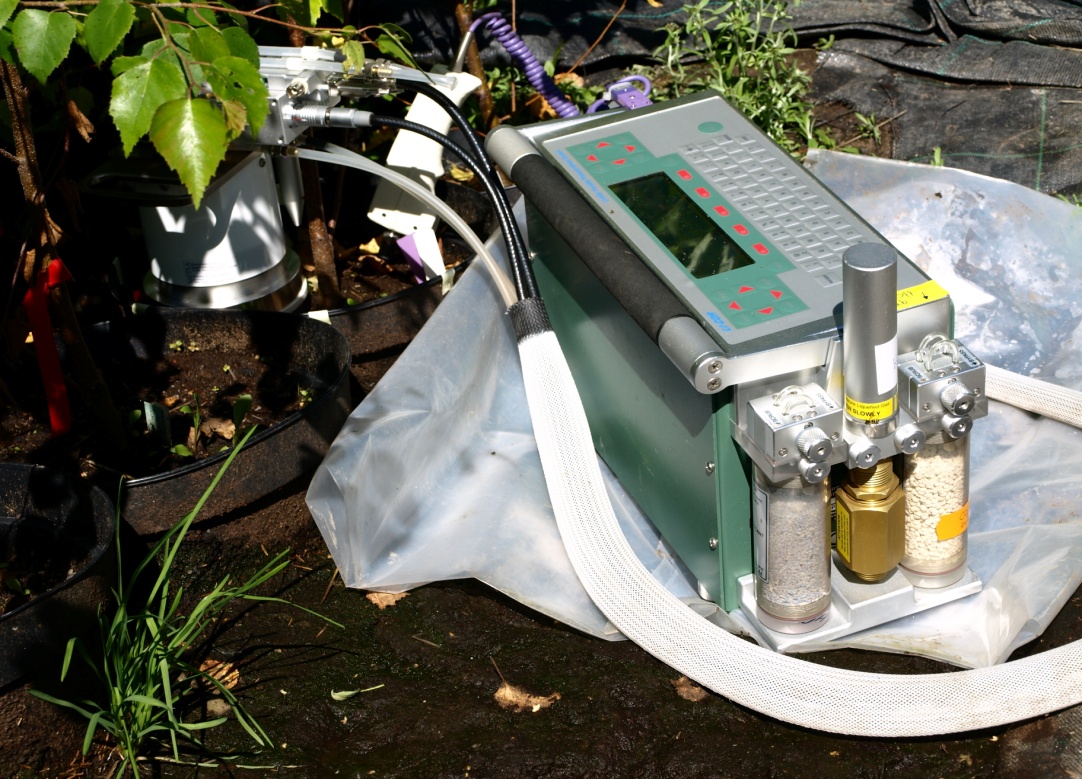
In my open-air field plots, I monitored two birch genotypes over an entire growing season, measuring stem height, diameter, leaf count, leaf area, and soil respiration.
Despite pests like leaf miners, webworms, and aphids, the large number of replicates and repeated measurements ensured that growth patterns were statistically reliable.
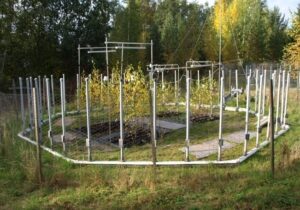
Here’s what I observed:
Pests were always present, but most trees continued to grow normally.
Leaf miners and skeletonizers affected only part of the canopy; overall leaf area and growth remained consistent.
Trees under stress, overwatered, poorly mulched, or overcrowded, were more susceptible to disease and borer infestation.
So For your Garden…
if you notice pests, healthy, well-maintained trees often tolerate minor infestations. Focus on overall tree health rather than panicking over every bug.
Prevention Strategies
Plant Smart: Ensure sunlight, airflow, and proper spacing.
Healthy Soil: Well-draining, nutrient-rich soil protects roots and discourages fungal infections.
Prune Regularly: Remove dead, crowded, or infected branches.
Water Wisely: Water the soil, not leaves, and avoid overwatering.
Clean Tools: Sterilize pruning tools to prevent spreading disease.
Remove Debris: Fallen leaves can harbor pests and pathogens.
Organic & Natural Treatments
Neem oil: Controls many fungal and sap-feeding pests.
Compost: Improves soil and root health, boosting resistance.
Mulching: Regulates moisture and reduces stress.
DIY Sprays: Garlic or baking soda solutions can help mild powdery mildew.
Conclusion
Gardening is exciting, and sometimes stressful, but knowledge transforms worry into confidence.
Your magnolias, Japanese maples, and silver birches can thrive if you:
Watch for early signs of disease and pests
Keep trees stress-free with proper soil, water, and pruning
Take preventive and organic measures when needed
Remember that minor pest presence does not mean disaster
With care, observation, and patience, your trees will reward you for years with beauty, shade, and life. And even when pests appear, you’ll know exactly what to do.
FAQs
My birch leaves have brown twisting lines, is it serious?
Likely leaf miners. Remove affected leaves and rake them up to reduce next season’s population.
I see small white woolly insects on my birch, what are they?
Probably woolly birch aphids. They feed on leaf sap but healthy trees can tolerate light infestations. Natural predators often help.
Can pests stop my tree from growing?
Minor infestations usually don’t. Large infestations, combined with stress or poor care, can slow growth.
My birch has D-shaped holes and rust-colored sap, is it dead?
That’s a bronze birch borer. Immediate pruning of affected branches, improving soil and watering, and monitoring is key. Small trees are more vulnerable.
Can environmental care prevent most problems?
Absolutely. Sunlight, airflow, good soil, proper watering, and mulching go a long way in keeping trees healthy.
Should I worry about pests if my trees seem fine?
Not always. Observation is key. Many trees tolerate minor pest activity without harm.
When is the best time to inspect for pests?
Late spring to early summer for leaf miners, mid-summer for skeletonizers and caterpillars, and late spring for sap feeders. Regular monitoring helps early intervention.