

This article was written and reviewed by Serge, MSc. I hold degrees in Plant Biology, Environmental Biology and Biogeochemistry, with research experience in plant physiology, ecosystem science, and field-based environmental studies. Every article on this site is grounded in real academic training and genuine scientific research.
Affiliate disclosure: This site has affiliate links, including Amazon. As an Amazon Associate I earn from qualifying purchases, at no extra cost to you.

Why does lavender smell like summer in Provence, yet feel so tricky to grow at home?
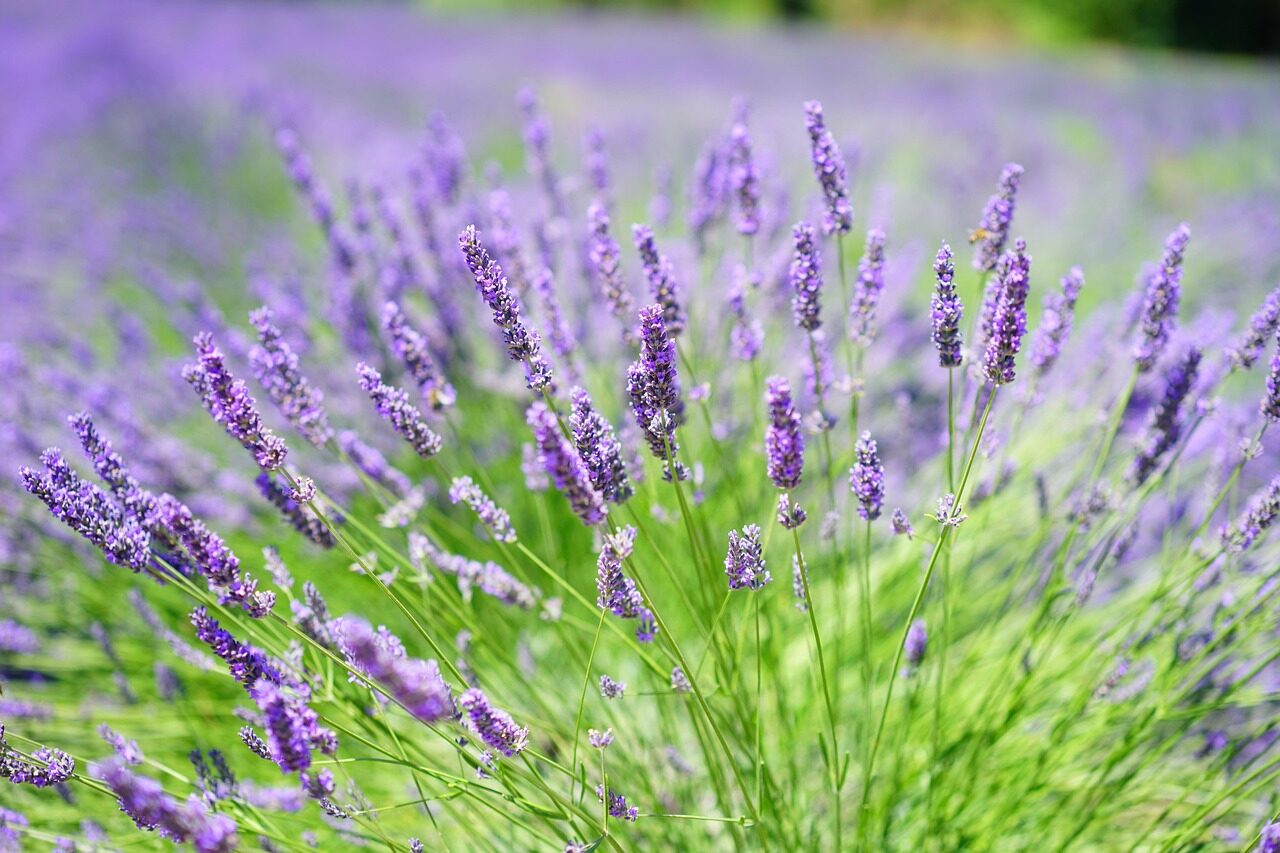
You notice it immediately, the scent, soft and warm, almost calming in a way that makes you pause. You lean in, let your fingers brush the flowers, and for a moment, it feels effortless, like nature itself is showing off.
Then you try to grow it…
And suddenly, that same plant that seemed so simple starts demanding attention, not in loud, obvious ways, but in small, quiet signals that are easy to overlook. The leaves curl slightly, the stems stretch, or the flowers hesitate to open. It’s subtle, but it’s telling you something.
That’s exactly why lavender fascinates me!
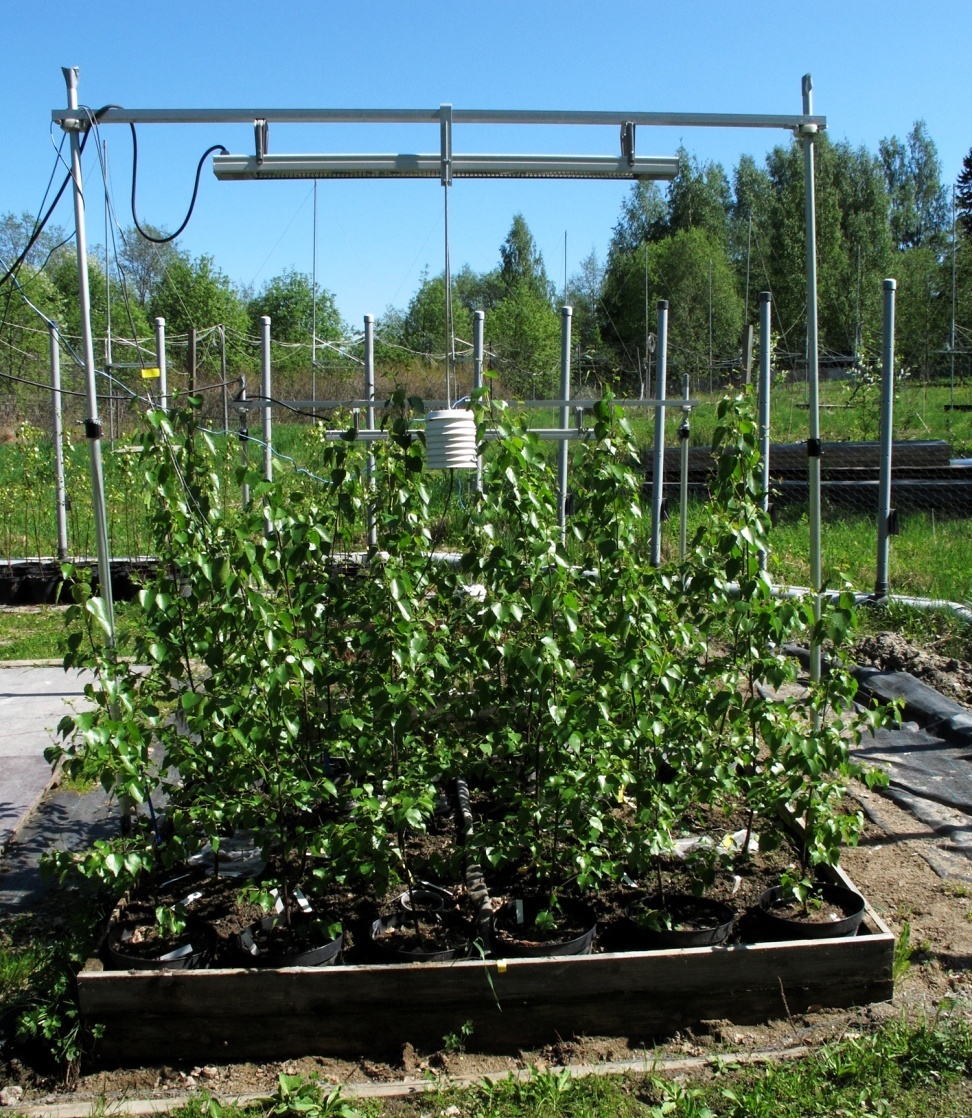
When I think about my research work with silver birch (Betula pendula), I see the same pattern. Plant growth is never random. Soil moisture, temperature, light, and stress all interact, sometimes in subtle ways. In my field experiments, a temperature increase of just +0.9°C was enough to measurably change stem growth and leaf development. It doesn’t take much.
Plants respond quickly.
Lavender behaves the same way. It just doesn’t announce it. You have to notice.
This guide isn’t just about steps, it’s about understanding those small signals, so you can grow lavender with a bit more confidence and a lot less guesswork.
About Lavender (Lavandula spp.)
Lavender, part of the Lamiaceae family, is often reduced to its scent. But structurally, it’s a very deliberate plant.
Its silvery leaves reflect light and reduce heat stress. Fine hairs limit water loss. The flowers, arranged in tight spikes, are rich in aromatic oils that attract pollinators while also serving protective functions.
There are a few common types you’ll come across. English lavender is the most reliable and widely grown, especially in cooler climates.
French lavender leans more decorative and prefers warmth. Lavandin hybrids grow larger and produce more oil, though they’re less tolerant of cold.
If you’re starting out, English lavender is usually the easiest way in.
Lavender Biology and Growth Patterns
Lavender is a woody perennial, which means part of the plant hardens over time while new growth remains soft and flexible. That balance matters when it comes to pruning and long-term shape.
The roots are shallow but spread out, and this is where many issues begin. They don’t like sitting in wet soil. Even short periods of waterlogging can affect growth.
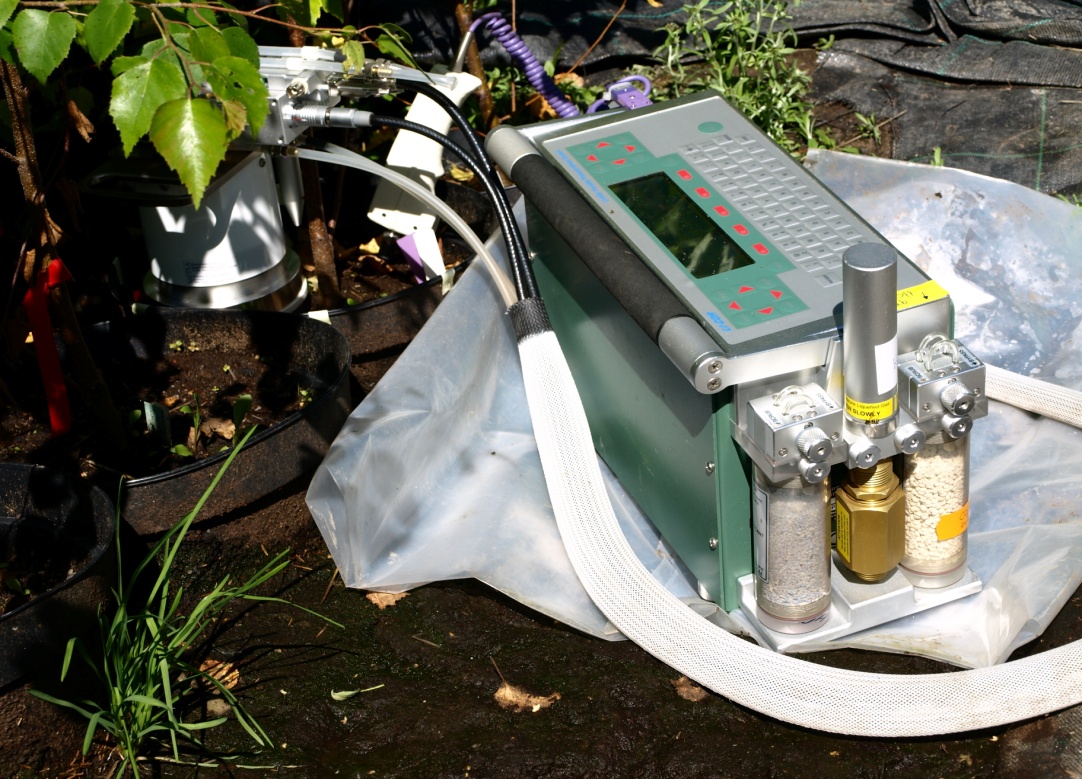
From my experience studying plant responses under different environmental conditions, one thing is consistent: plants react to small changes long before we notice visible damage. Lavender does the same. Slight differences in moisture, temperature, or airflow can shift how it grows, flowers, or even survives.
It’s not complicated, but it is precise.
How to Grow Lavender: Step by Step
Step 1: Choosing the Right Lavender Variety
The variety you choose quietly determines how easy or difficult your experience will be.
English lavender tends to handle a wider range of conditions. It tolerates cold better, flowers reliably, and produces the classic fragrance most people expect.
French lavender prefers warmth and produces slightly more ornamental flowers, but it’s less forgiving in cooler climates. Lavandin hybrids sit somewhere in between,they grow larger and more vigorously, but they’re not as hardy.
If you’re unsure, it’s usually better to start simple. English lavender gives you fewer variables to manage, especially if you’re still getting a feel for the plant.

Step 2: Site Selection and Environmental Needs
Lavender needs light. Not just brightness, but consistent, direct sunlight for most of the day. Without it, the plant doesn’t fail immediately, but it weakens over time. Fewer flowers, softer stems, less structure.
Soil is just as important, sometimes more. Lavender roots need air as much as they need water. If the soil holds moisture for too long, roots begin to struggle. In heavier soils, this becomes the main limiting factor. Adding sand or compost can help, but in some cases, growing in raised beds or containers is the better option.
Temperature plays a role too, though often in less obvious ways. From field research, even small increases can shift plant development. Lavender responds in a similar way. Too much heat combined with poor drainage creates stress, while cooler conditions slow growth. It’s rarely a single issue, it’s how conditions combine.
Step 3: Planting Lavender
How you start determines how quickly you see results.
Seeds require patience. They germinate slowly and unevenly, sometimes taking a few weeks to show any signs of life. Even after that, growth is gradual. Flowering may take months, occasionally longer depending on conditions.
Cuttings are more predictable. A healthy stem placed in well-draining soil will usually root within a few weeks, and under good conditions, it can flower in the same season. This method also preserves the characteristics of the parent plant.
Young plants are the most straightforward. Once planted at the correct depth, they establish within a couple of weeks and begin steady growth. It’s the fastest way to move from planting to a visible, structured plant.

Step 4: Watering
Watering lavender is less about doing more and more about knowing when to stop.
Young plants need some consistency to establish roots, but once they settle, lavender prefers drier conditions. The soil should be allowed to dry slightly between waterings. Constant moisture does more harm than occasional dryness.
It’s a common mistake to overwater, especially early on. But lavender naturally leans toward resilience in dry conditions. Slight stress often strengthens the plant, while excess care weakens it.
Step 5: Fertilization
Lavender doesn’t demand much from the soil. In fact, overly rich conditions can reduce flowering.
A small amount of compost at planting is usually enough. After that, light feeding once a year, typically in early spring, supports growth without pushing the plant too far.
High nitrogen fertilizers tend to produce more leaves than flowers, which shifts the balance away from what most people want. Keeping things moderate works better in the long run.
Step 6: Pruning and Maintenance
Pruning shapes how lavender grows over time. Without it, plants become uneven, with woody bases and sparse flowering at the top.
Removing spent flowers encourages new growth, and a more deliberate trim once a year helps maintain a compact structure. The key is to avoid cutting too deeply into the woody part of the plant, as it doesn’t regenerate easily.
Over time, you start to see how the plant responds. It becomes less about following rules and more about reading its structure.

Step 7: Flowering and Harvest
Lavender usually flowers in mid-summer, though timing can shift slightly depending on conditions. Harvesting early in the morning tends to give the best results, especially if you’re interested in fragrance or oil content.
Cutting just above leaf nodes encourages branching, which leads to more flowers over time. Even without harvesting, the plant continues to add structure and attract pollinators.
Growing Lavender in Pots or Indoors
Containers offer more control, especially if your garden soil isn’t ideal. You can adjust drainage, placement, and even temperature exposure more easily.
Indoors, light becomes the limiting factor. Without enough of it, growth weakens quickly. A bright window or supplemental lighting helps maintain structure, while careful watering prevents stagnant conditions.
It’s slightly more controlled, but also less forgiving if conditions are off.
Caring for Lavender: Stress, Pests, and Troubleshooting
Lavender grows best when its environment is consistent. Companion planting can help, herbs like rosemary, thyme, and sage work well because they have similar needs: plenty of sun and well-draining soil. Avoid planting lavender near species that need frequent watering, as this can create conditions that stress the plant.
Even with proper care, lavender will sometimes show signs of stress. Yellow leaves usually indicate too much moisture, while weak or stretched growth often means the plant isn’t getting enough sunlight. Fungal problems typically develop when humidity is high or airflow is poor.
Pests such as aphids or spittlebugs may appear, but they rarely cause serious damage unless the plant is already weakened. Healthy lavender can tolerate small infestations, but stressed plants are more vulnerable.
Most growth problems have a clear cause. By paying attention to the plant’s leaves, stems, and flowers, you can identify issues early and correct them, keeping your lavender healthy, strong, and blooming.
Summary
Lavender isn’t really hard to grow, it just likes things done its way. It shows you what it needs in small, quiet ways: a leaf curls, a stem stretches, a flower hesitates. At first, it’s easy to miss, but once you start paying attention, it starts making sense.
It’s not about doing more or following every rule. It’s about noticing more. A little patience here, a small adjustment there, and suddenly the plant is thriving. Over time, caring for lavender becomes almost instinctive, and those fragrant blooms make every bit of attention worth it.
FAQs – Lavender Growing Tips
Do I recommend growing lavender indoors or in pots? Is it a wise idea?
Yes, it’s possible if you provide bright light, good drainage, and moderate watering. Indoor pots let you control soil and water, making it practical for colder climates.
Should I start lavender from seeds or cuttings?
Cuttings are faster and more predictable. Seeds allow experimentation but take longer and germinate inconsistently.
Will lavender come back every year?
Yes, cold-hardy varieties survive frost. Proper pruning and winter care help ensure regrowth.
Is it wise to grow lavender in partial shade?
Partial shade reduces flowering and fragrance. Full sun produces stronger stems, more blooms, and better scent.
Can lavender grow in clay or sandy soil?
Yes, with amendments. Clay benefits from sand and compost; sandy soil benefits from compost to hold moisture. Well-draining soil is key.
How long does it take from seed or cutting to flower?
Seeds: 6–12 months. Cuttings: often flower in the first year under ideal conditions. Patience and observation are essential.
What’s the best way to fertilize lavender without harming growth?
Use light compost or slow-release fertilizer in early spring. Avoid high nitrogen, too much leaf growth weakens stems and reduces flowers.
How do I encourage healthy growth and fast blooming?
Provide full sun, well-draining soil, moderate water, proper pruning, and airflow. Watch leaves and stems for stress signs, like curling or drooping.
Can lavender grow alongside other plants?
Yes, rosemary, thyme, and sage are ideal companions. Avoid high-water-demand plants nearby. In containers, stick to low-water herbs.