


This article was written and reviewed by Serge, MSc. I hold degrees in Plant Biology, Environmental Biology and Biogeochemistry, with research experience in plant physiology, ecosystem science, and field-based environmental studies. Every article on this site is grounded in real academic training and genuine scientific research.
Affiliate disclosure: This site has affiliate links, including Amazon. As an Amazon Associate I earn from qualifying purchases, at no extra cost to you.

Magnolias are some of the most striking trees you can have in a garden. Their big, fragrant flowers and shiny leaves catch attention immediately. They aren’t just beautiful, they also have an interesting history. Long before bees existed, magnolias relied on beetles to pollinate them, which makes them a really old and resilient type of tree.
From my experience studying how trees respond to light, water, and environmental stress, I’ve learned that magnolias communicate through their leaves and flowers. Curling leaves, faded petals, or drooping buds can tell you how they’re feeling about the soil, sun, or water. Paying attention to these cues makes caring for them easier and more rewarding.
Picking the Right Magnolia
Magnolia is a broad group, so it helps to know which type fits your space and climate.
The Early Bloomers: Magnolia stellata (Star Magnolia) and Magnolia kobus. They stay compact (around 4–5 meters tall) and bloom early in spring. A late frost can damage their flowers, so they need a sheltered spot.

The Large Evergreens: Magnolia grandiflora (Southern Magnolia). These can get very tall with waxy evergreen leaves and huge flowers. They create deep shade underneath, so don’t plant them where you want other plants to grow.

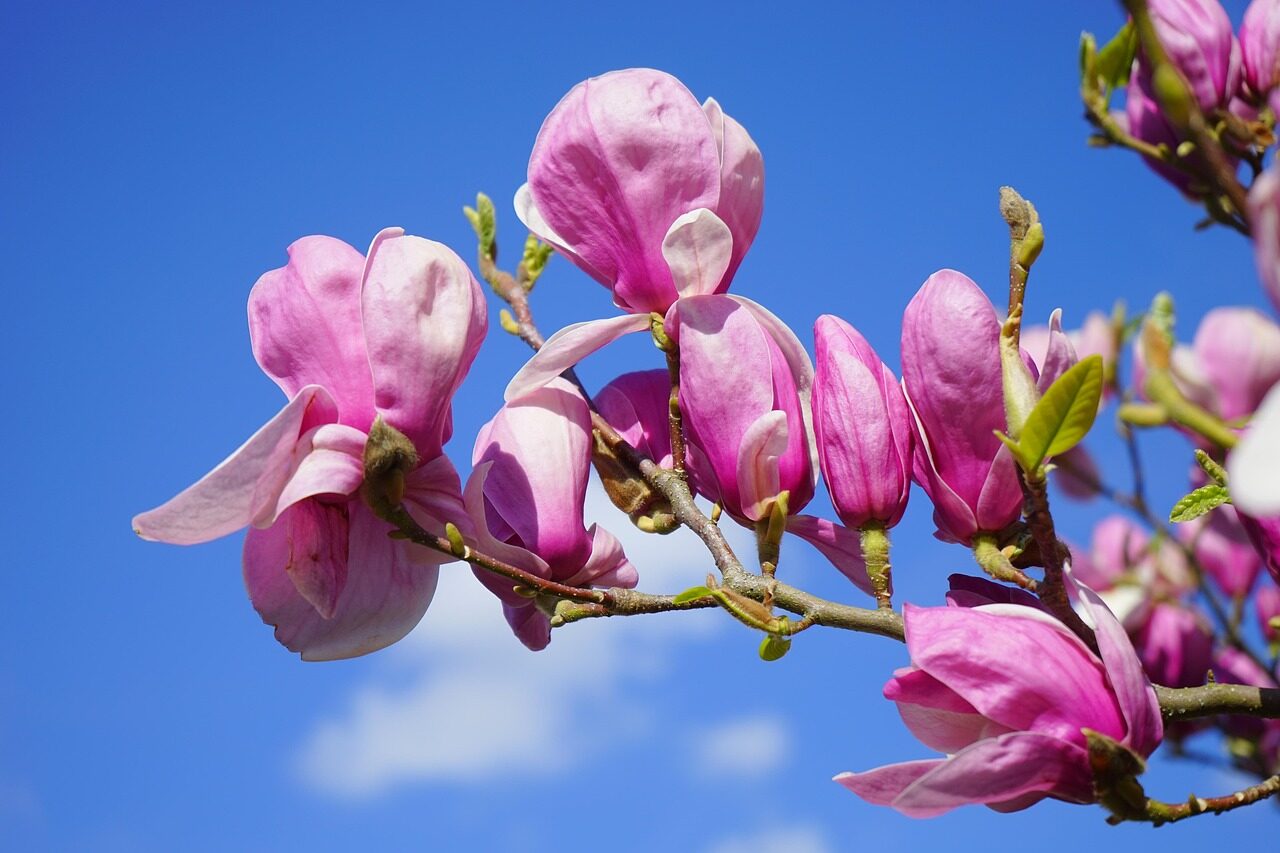
The Saucer-Shaped Flowers: Magnolia × soulangeana (Saucer Magnolia). These are pink, adaptable, and perfect for moderate spaces.

When choosing a tree, consider your yard.
Is it windy? That could harm delicate buds.
Does water sit in low spots after rain? Some species can’t handle soggy soil. Matching the species to your microclimate will save you a lot of frustration.
Why Magnolias Have Such Beautiful Colors
The flowers’ reds, purples, pinks, and yellows come from plant pigments called anthocyanins and carotenoids. These aren’t just for looks, they also protect the flowers from too much sunlight.
Cool, bright spring days often make the colors more vivid, while heat or stress can fade them. Watching the flowers can tell you a lot about how the tree is coping with its environment.
Planting Your Magnolia
Magnolia trees can be grown from seeds, but it is a long, complex process that requires patience, cold treatment of the seeds, and several years of growth before the tree becomes well established. Because of this, most gardeners prefer to plant young magnolia saplings from a nursery, which is a much easier and faster way to grow these trees.
Growing From Seeds
If you want to grow magnolia from seed, the seeds usually need a cold period before they will germinate. This process is called cold stratification. Gardeners often place the seeds in slightly moist soil or sand and store them in the refrigerator for several weeks.
After this cold period, the seeds can be planted in pots or directly in the ground in spring. Seed-grown magnolias grow slowly, and it may take many years before they begin to flower.
Planting a Nursery Sapling
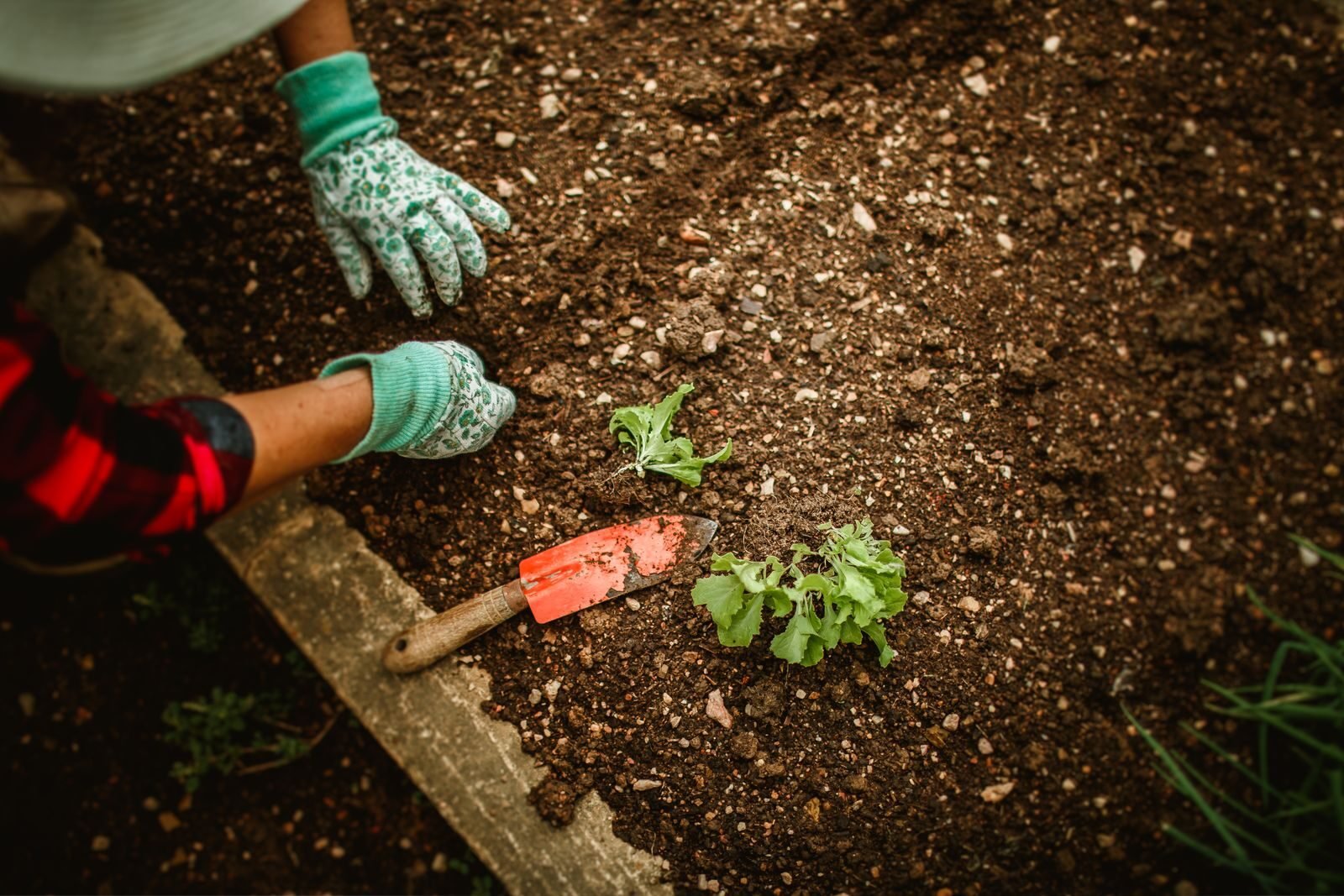
Planting a young tree from a nursery is the most common method and usually gives the best results.
Dig a wide hole:
Make the hole about twice as wide as the root ball, but not deeper. The point where the trunk meets the roots (the root flare) should stay level with the soil surface.
Loosen the roots:
If the roots are tightly packed or circling around the root ball, gently spread them outward so they can grow into the surrounding soil.
Place the tree carefully:
Position the tree in the center of the hole and make sure it stands straight.
Backfill and water:
Fill the hole with soil, press it lightly to remove air pockets, and water the tree thoroughly.
Add mulch:
Spread mulch around the base of the tree to help the soil keep moisture. Leave a small gap around the trunk so the bark stays dry and healthy.
Starting a magnolia tree the right way helps the roots settle into the soil and gives the tree a strong foundation for healthy growth.
Watering and Fertilizing
Magnolias have fleshy roots, so they need deep, consistent watering, especially for the first two years. Check the soil with your finger: if the top 5 cm is dry, water. If it’s muddy, wait.
Fertilizer is simple. A slow-release organic feed in early spring is enough for most trees. Leaf color is your guide: rich green leaves mean the tree is happy; yellowing leaves may indicate a soil nutrient imbalance.
Pruning
Magnolias don’t like heavy pruning. Only remove:
Dead branches
Damaged branches
Diseased branches
If you prune for shape, do it right after flowering. Winter pruning can remove buds that will bloom next year. Keeping cuts small helps prevent stress and disease.
I would also recommend working through my Young Tree Problem Solver if the leaves on your young magnolia are turning yellow or brown, or the tree has stopped growing. It points you to the most likely cause.
How Environment Affects Magnolia Growth and Flowering
Magnolia trees respond closely to their environment. Factors such as frost, heat, water availability, and soil conditions all influence how well the tree grows and how strong its flowers become.
Research on Magnolia grandiflora shows that climate variables like temperature, precipitation, and solar radiation play an important role in determining where the species grows successfully and how it adapts to different environments (Zhang et al., 2024).
Early magnolia blooms can sometimes be damaged by late spring frosts. When temperatures suddenly drop, delicate buds and flowers may turn brown or fall off. Dry periods can also slow growth because magnolias prefer soil that stays slightly moist. Simple care practices such as mulching around the base, watering during dry weather, and planting the tree in a sheltered location can help protect the tree from these stresses.
Flowering is also influenced by environmental conditions. Inside the tree, plant hormones and seasonal signals control when buds form and when they open. Pigments in the petals develop depending on sunlight, temperature, and nutrient availability. This is why magnolia flowers often look more vibrant during cool, bright springs.
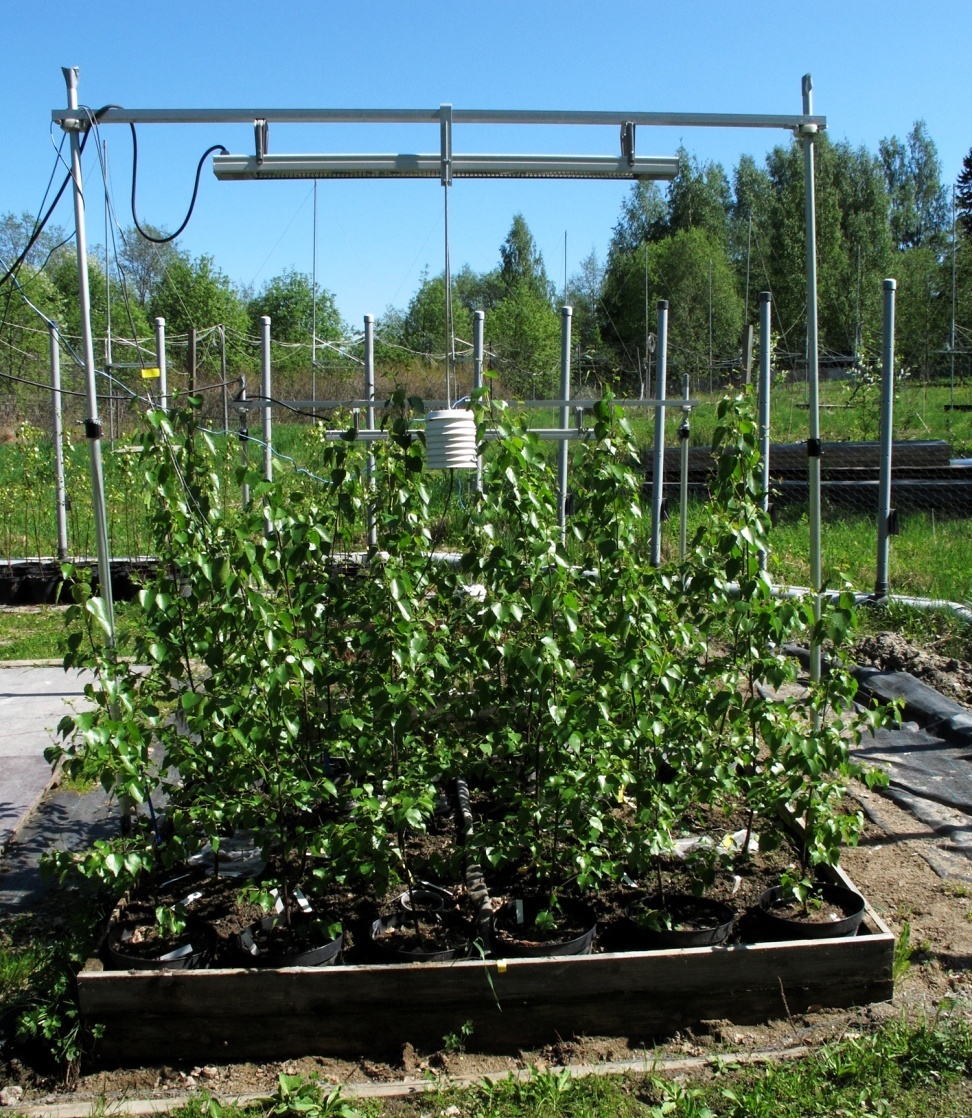
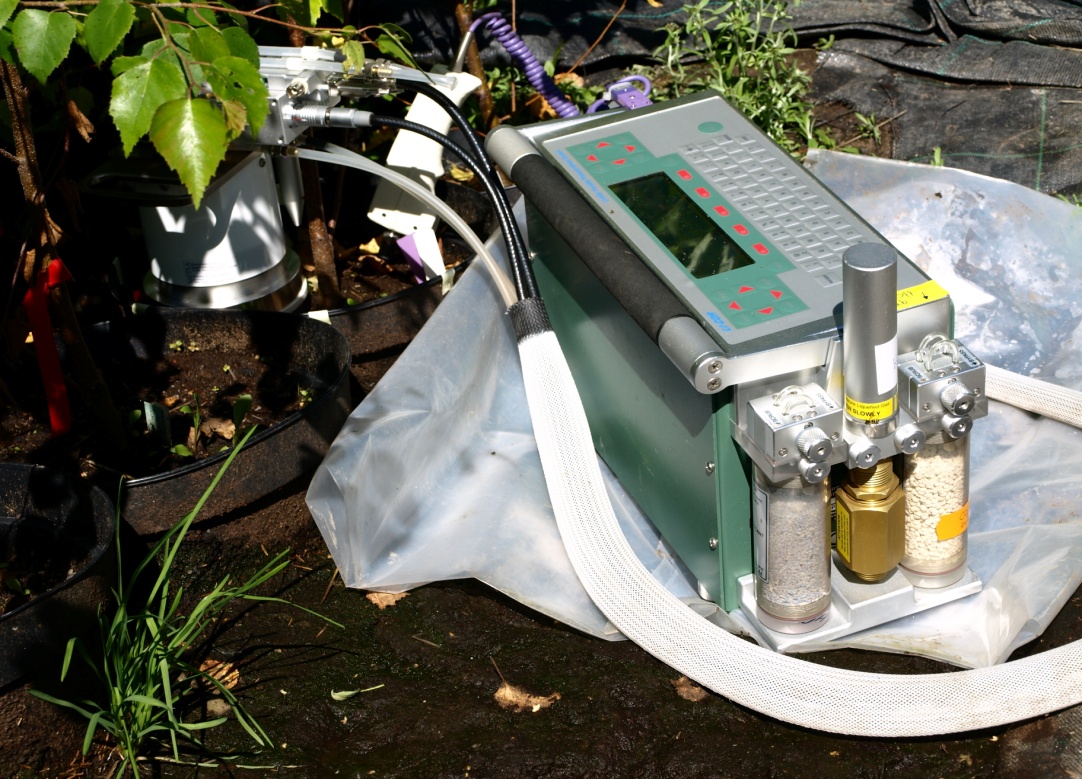
These environmental responses are not unique to magnolias. In my own research work on silver birch, I observed similar patterns where environmental factors such as temperature, light, and water availability influenced plant growth and stress responses. Observing these signals in trees helps gardeners understand what the plant needs and support healthy growth and flowering each year.
Conclusion
Growing a magnolia tree is a rewarding experience that connects you to one of the oldest flowering plants on Earth. These trees are tough and resilient, but they also use their leaves and flowers to tell you exactly what they need.
By choosing a species that fits your local weather, planting it at the correct depth, and keeping the soil moist, you can help your tree thrive for many years.
Remember that magnolias do not like to be rushed or cut back too heavily. With a little bit of patience and by paying close attention to environmental signals like light and temperature, you can enjoy a healthy tree that brings beauty and shade to your garden for generations.
FAQs
Q: When will my magnolia bloom?
Usually 3–5 years for nursery trees, depending on the species and conditions.
Q: Can I grow magnolias from seed?
Yes, but they need cold stratification and patience. Nursery trees are faster and easier.
Q: How often should I water my tree?
Deeply once or twice a week during dry periods. Check soil moisture first.
Q: How do I fertilize?
Use a slow-release organic fertilizer in early spring. Watch leaf color for signs of nutrient needs.
Q: Do magnolias need frost protection?
Young trees benefit from mulch and temporary covers during late frosts. Mature trees handle cold better.